
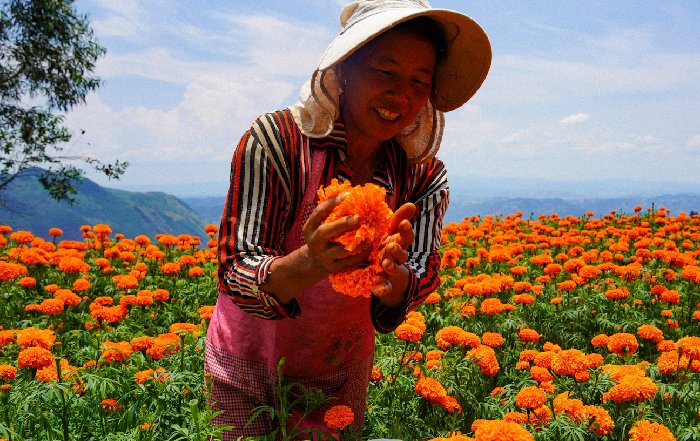
Fair Trade and Organic Certification: Building Trust in a Changing Global Economy
The Strategic Importance of Certification in 2026
By 2026, fair trade and organic certification have moved from niche concerns to central pillars of responsible business strategy, influencing how companies design products, manage supply chains, communicate with stakeholders, and position their brands in increasingly competitive global markets. For organizations that engage with the audience of eco-natur.com, these certifications are no longer simply ethical labels; they are powerful instruments for risk management, value creation, and long-term resilience across sectors as diverse as food, textiles, cosmetics, household goods, and financial services. As consumers in the United States, the United Kingdom, Germany, Canada, Australia, France, Italy, Spain, the Netherlands, Switzerland, China, the Nordic countries, Singapore, South Korea, Japan, Thailand, South Africa, Brazil, Malaysia, New Zealand, and beyond demand greater transparency and proof of environmental and social performance, certification has become a critical language of trust that links producers, brands, regulators, and civil society.
The mission of eco-natur.com-to enable people and businesses to make better choices for a healthier planet and society-aligns naturally with this evolution, because fair trade and organic systems are at the intersection of sustainable living, responsible consumption, and resilient economies. Readers who are already exploring themes such as sustainable living, sustainability, and sustainable business increasingly look to certifications as practical tools for aligning their everyday decisions with their values, while businesses use them to demonstrate Experience, Expertise, Authoritativeness, and Trustworthiness in an era of heightened scrutiny and regulatory change.
Defining Fair Trade and Organic Certification
Fair trade certification is a voluntary system designed to ensure that producers, especially smallholder farmers and workers in developing regions of Africa, Asia, and South America, receive fair prices, decent working conditions, and support for community development. Organizations such as Fairtrade International, Fair Trade USA, and World Fair Trade Organization oversee standards that address minimum pricing, premiums for social projects, safe labor conditions, and democratic decision-making within cooperatives. These standards are audited by independent bodies and are increasingly aligned with international frameworks such as the International Labour Organization core conventions, which set globally recognized benchmarks for fundamental workers' rights.
Organic certification, by contrast, focuses on ecological integrity and human health, regulating how crops are grown, animals are raised, and processed foods are manufactured. Schemes such as the USDA Organic program in the United States, the EU organic logo in Europe, the Soil Association standard in the United Kingdom, Bio-Siegel in Germany, Ecocert in France, and the JAS Organic system in Japan all define what may be marketed as organic in their respective jurisdictions. These standards restrict synthetic pesticides and fertilizers, prohibit genetically modified organisms, and set rules around animal welfare, soil management, and processing aids, thereby connecting directly with interests in organic food and health among the eco-natur.com readership.
Although fair trade and organic certifications are distinct, they increasingly intersect in global supply chains. Coffee, cocoa, tea, bananas, cotton, and sugar are now frequently marketed as both fair trade and organic, as producers and brands recognize that combining social and environmental assurances can deliver stronger value propositions, particularly in mature markets in Europe and North America, and in rapidly evolving markets across Asia and Latin America.
How Certification Supports Sustainable Living and Lifestyle Choices
For individuals seeking to live more sustainably, certification offers a practical way to navigate complex product claims and avoid greenwashing. As households across the world attempt to reduce their ecological footprint, minimize exposure to harmful chemicals, and support ethical business models, labels can act as signposts that translate complex environmental and social data into recognizable, trusted symbols. When a consumer in Sweden chooses coffee bearing the Fairtrade and EU organic logos, or when a family in Canada selects certified organic fruits and vegetables, they are effectively outsourcing due diligence to third-party auditors who verify that certain minimum standards have been met.
This is particularly relevant for readers exploring broader themes of lifestyle and sustainable living on eco-natur.com, because certification can be integrated into everyday decisions without requiring specialized technical knowledge. By learning more about sustainable business practices through resources such as the UN Global Compact and the World Resources Institute, consumers can deepen their understanding of how certification fits within larger frameworks of corporate responsibility and environmental stewardship, while still relying on simple labels when making day-to-day purchasing decisions in supermarkets, online marketplaces, and local shops.
The Economic Logic Behind Fair Trade and Organic Systems
From an economic perspective, fair trade and organic certification can be understood as mechanisms for correcting market failures and internalizing externalities. Conventional commodity markets often fail to account for environmental degradation, social exploitation, and long-term resource depletion, leading to artificially low prices that reward short-term cost-cutting over long-term sustainability. Certification attempts to rebalance this dynamic by embedding environmental and social requirements into the rules of trade, thereby creating differentiated products that can command price premiums and more stable demand.
In fair trade systems, minimum prices and premiums provide a buffer against market volatility, enabling cooperatives in regions such as Latin America or East Africa to plan investments, improve infrastructure, and diversify their activities. Reports from organizations like the World Bank and the International Fund for Agricultural Development have highlighted how such mechanisms can support rural development, reduce poverty, and enhance resilience to climate shocks, particularly when combined with climate-smart agricultural practices and access to finance. For organic markets, the economic logic is often tied to reduced input costs over time, improved soil health, and access to higher-value markets, although the transition period can be challenging as farmers adapt their practices and face temporary yield reductions.
For businesses and investors in Europe, North America, and Asia, certification can also serve as a hedge against regulatory risk and reputational damage. As governments in the European Union, the United Kingdom, and countries such as Germany, France, and Norway introduce due diligence regulations on deforestation, human rights, and supply chain transparency, companies that have already embedded certified sourcing into their procurement strategies are better prepared to comply with new requirements. This alignment between certification and emerging regulatory frameworks is central to discussions of the economy and sustainable finance, as it connects ethical purchasing decisions with macroeconomic trends and long-term competitiveness.
Linking Certification to Sustainability and Climate Action
In 2026, the relationship between fair trade, organic certification, and global climate commitments is increasingly explicit. The Intergovernmental Panel on Climate Change (IPCC) and UN Environment Programme (UNEP) have emphasized that transforming food systems and land use is essential for meeting the goals of the Paris Agreement, particularly in relation to limiting global warming and protecting biodiversity. Organic agriculture, with its emphasis on soil health, crop diversification, and reduced chemical inputs, can contribute to carbon sequestration and improved ecosystem resilience, although its full climate benefits depend on context, management practices, and landscape-level planning.
Fair trade standards likewise incorporate environmental criteria, requiring producers to avoid the most hazardous pesticides, protect water sources, and implement measures against deforestation. In regions such as the Amazon basin, Southeast Asia, and Central Africa, where agricultural expansion is a major driver of forest loss, certified supply chains can support more sustainable land-use models, although certification alone cannot solve systemic governance challenges. Initiatives linking fair trade and organic certification with landscape-level conservation projects, often supported by organizations such as WWF and Rainforest Alliance, illustrate how voluntary standards can be integrated into broader strategies for biodiversity protection and climate resilience.
For eco-natur.com, which engages readers across continents, this connection between certification and climate action is particularly important because it bridges individual choices and global outcomes. When readers learn more about sustainable business practices or explore renewable energy solutions, they can see how certified products form part of a larger ecosystem of climate solutions that includes decarbonized energy systems, circular material flows, and nature-based solutions.
Fair Trade, Organic, and the Plastic-Free, Zero-Waste Agenda
Beyond farming practices and labor conditions, there is growing alignment between certification and the global movement towards plastic-free and zero-waste lifestyles. Consumers from the Netherlands to New Zealand increasingly expect products that minimize packaging waste, avoid single-use plastics, and support circular economy principles. While traditional fair trade and organic standards have historically focused on production methods rather than packaging, many certified brands now integrate plastic reduction strategies into their design and marketing, recognizing that environmental responsibility extends beyond the farm gate.
The audience of eco-natur.com, which is already exploring plastic free and zero waste approaches, often encounters fair trade and organic brands at the forefront of innovative packaging solutions, such as compostable materials, refillable containers, and bulk distribution models. Organizations like the Ellen MacArthur Foundation and the OECD have documented how circular business models can reduce environmental impacts while creating new value streams, and certified companies that adopt these models can differentiate themselves further in crowded markets. By integrating waste reduction and circular design with fair trade and organic sourcing, businesses can present a compelling narrative of holistic sustainability that resonates strongly with environmentally conscious consumers in Europe, Asia, Africa, and the Americas.
Certification, Wildlife Protection, and Biodiversity
The relationship between fair trade, organic certification, and wildlife conservation is becoming more visible as scientific research clarifies the links between agricultural practices, habitat loss, and species decline. Intensive monocultures, heavy pesticide use, and deforestation for commodity crops have been identified by organizations such as the International Union for Conservation of Nature (IUCN) as major drivers of biodiversity loss across regions from Southeast Asia to the Amazon and Central Africa. Organic standards, with their restrictions on synthetic agrochemicals and emphasis on ecological balance, can help create more hospitable landscapes for pollinators, birds, and other wildlife, particularly when combined with agroforestry, hedgerows, and habitat corridors.
Fair trade standards contribute by requiring environmental management plans and incentivizing sustainable land use, which can reduce pressure on forests, wetlands, and other critical habitats. In countries such as Brazil, Colombia, Kenya, and Indonesia, fair trade cooperatives have partnered with conservation organizations to implement shade-grown coffee, cocoa agroforestry, and other practices that support both livelihoods and biodiversity. Readers of eco-natur.com who are concerned about wildlife and global environmental issues can therefore see certified products as one element in a broader strategy to support more nature-positive food systems and rural economies.
Building Trust: Experience, Expertise, and Authoritativeness
Trust is central to the value of any certification system. By 2026, businesses and consumers are acutely aware that labels alone do not guarantee perfection, and media coverage has occasionally highlighted weaknesses in auditing, enforcement, or impact measurement. Nevertheless, the most established certification bodies have responded by strengthening their governance, increasing transparency, and investing in robust monitoring and evaluation frameworks. Organizations such as Fairtrade International, IFOAM - Organics International, and leading national organic agencies publish detailed standards, impact reports, and methodologies that can be scrutinized by academics, civil society organizations, and regulators, thereby reinforcing their authoritativeness.
For eco-natur.com, which positions itself as a trusted guide to sustainability, engaging critically yet constructively with certification is essential. By explaining how certification works, where it is most effective, and where it faces limitations, the platform can help readers and business partners make informed decisions rather than relying on simplistic assumptions. When eco-natur.com discusses topics like recycling, sustainability, or sustainable business, it can contextualize fair trade and organic labels within a broader toolkit that includes life-cycle assessment, science-based targets, and emerging digital traceability technologies such as blockchain and satellite monitoring, which are being explored by companies and initiatives highlighted by organizations like the World Economic Forum.
Fair Trade and Organic in Sustainable Business Strategy
For companies seeking to integrate sustainability into their core strategy, fair trade and organic certification can serve as both a starting point and a catalyst for deeper transformation. In sectors such as food and beverage, textiles, cosmetics, and household products, certified sourcing has become a baseline expectation rather than a differentiator, particularly in mature markets like Germany, the United Kingdom, the Nordic countries, and parts of North America. Businesses that wish to stand out increasingly combine certification with broader commitments to net-zero emissions, regenerative agriculture, and social impact.
Strategic integration means moving beyond marketing to embed certification into procurement policies, supplier engagement, and product development. Leading retailers and brands in Europe and Asia, for example, have set targets to source 100 percent of certain commodities from certified or verified sustainable sources, aligning these goals with frameworks such as the Science Based Targets initiative (SBTi) and the Task Force on Nature-related Financial Disclosures (TNFD). In this context, certification becomes a building block in a comprehensive sustainability architecture that also includes renewable energy procurement, circular packaging design, and inclusive business models. For readers of eco-natur.com involved in corporate decision-making, learning more about sustainable business practices and how certification can be integrated into enterprise-wide ESG strategies is increasingly relevant to competitiveness and risk management.
Regional Dynamics and Global Trends
While fair trade and organic certification are global phenomena, regional dynamics shape their adoption and impact. In Europe, strong regulatory frameworks, high consumer awareness, and robust retail commitments have made organic and fair trade products widely available, with countries such as Germany, France, the Netherlands, Sweden, Denmark, and Switzerland playing leading roles. In North America, particularly the United States and Canada, organic markets have grown rapidly, while fair trade has gained prominence in coffee, cocoa, bananas, and textiles, often supported by advocacy from universities, municipalities, and civil society organizations.
In the Asia-Pacific region, demand is rising quickly, especially in China, Japan, South Korea, Singapore, and Australia, where growing middle classes and heightened concern about food safety and environmental pollution drive interest in certified products. In Latin America and Africa, producers are central to global supply chains, and certification offers access to premium markets, although domestic consumption of certified products is also beginning to grow in countries such as Brazil, South Africa, and Thailand. For a globally oriented platform like eco-natur.com, which addresses audiences from Europe to Asia and from North America to Africa, understanding these regional nuances is essential for tailoring guidance, case studies, and resources that resonate with local realities while maintaining a coherent global perspective.
Integrating Certification into a Holistic Sustainability Journey
Ultimately, fair trade and organic certification should be seen as components of a broader sustainability journey rather than as endpoints. For individuals, this journey may begin with simple steps such as choosing certified coffee, tea, chocolate, or cotton, then gradually expanding to embrace sustainable living practices that include energy efficiency, responsible transport choices, and conscious consumption. For businesses, it may start with certifying a flagship product line and evolve into a comprehensive transformation of sourcing, operations, and product design, aligned with global sustainability frameworks and stakeholder expectations.
Eco-natur.com occupies a distinctive role in this journey, providing accessible yet rigorous information that connects certifications with themes such as organic food, recycling, plastic free, and sustainable business, while also addressing the economic, social, and ecological dimensions of change. By curating insights from trusted organizations such as the Food and Agriculture Organization (FAO), UNEP, the World Bank, and the IPCC, and by grounding these insights in practical guidance for households and enterprises, eco-natur.com helps bridge the gap between global goals and everyday decisions.
As the world moves deeper into the decisive decade for climate and biodiversity, fair trade and organic certification will continue to evolve in response to scientific evidence, regulatory shifts, and stakeholder expectations. Their enduring value, however, will rest on their ability to embody Experience, Expertise, Authoritativeness, and Trustworthiness, providing credible assurance that products and supply chains align with the values of fairness, ecological integrity, and long-term resilience. For the global community that turns to eco-natur.com for direction, these certifications offer not only labels on shelves, but tangible pathways toward a more just and sustainable global economy.
