
Reducing Electronic Waste in 2026: Strategic Pathways for Sustainable Living and Business
Introduction: E-Waste at the Heart of the 2026 Sustainability Agenda
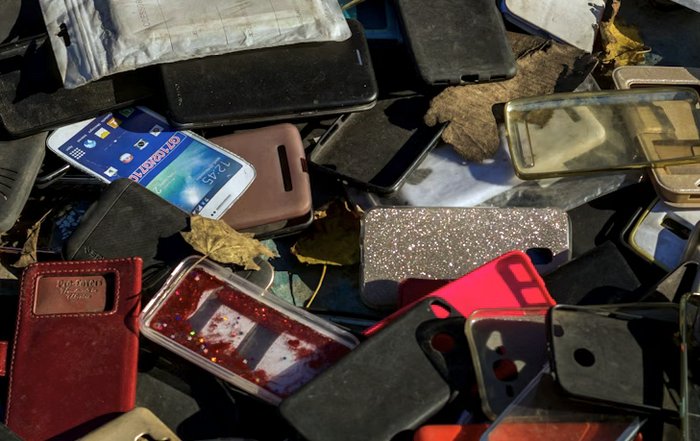
In 2026, electronic waste has become one of the clearest indicators of whether modern societies are capable of aligning digital progress with ecological limits, social fairness and long-term economic resilience. As smartphones, laptops, smart home devices, electric vehicles, industrial sensors and connected appliances proliferate across households and businesses in North America, Europe, Asia, Africa and South America, the volume of discarded electronics continues to rise, turning e-waste into a defining test of how seriously countries and companies take sustainability. For the readership of eco-natur.com, already engaged with sustainable living, climate-conscious choices and nature protection, electronic waste is not a narrow technical issue; it is a lens through which to understand how societies design products, structure markets and value both human well-being and the natural world.
Recent assessments from international organizations such as the United Nations University and the International Telecommunication Union confirm that global e-waste generation is still growing faster than the world's population, driven by shorter product lifecycles, rapid innovation cycles, aggressive marketing and the persistence of linear "take-make-dispose" business models. Devices that once remained in service for a decade are now commonly replaced in three to five years, while the hidden environmental burden-from mining rare earths and critical minerals to informal recycling and open burning-has become visible in polluted rivers, degraded soils and public health crises. For any credible approach to sustainability, whether at the level of a household, a multinational corporation or a national government, reducing electronic waste is now a central strategic priority rather than an optional add-on.
Defining Electronic Waste: Scope, Risks and Systemic Impacts
Electronic waste encompasses a broad and expanding family of products: personal computers, tablets, smartphones, televisions, printers, network equipment, data center hardware, household appliances, power tools, medical devices, batteries and the rapidly growing universe of internet-of-things sensors and smart infrastructure. Institutions such as the World Health Organization emphasize that when these products are handled improperly at end-of-life-through uncontrolled dumping, manual dismantling without protection or open burning to recover metals-workers and nearby communities are exposed to hazardous substances including lead, mercury, cadmium, brominated flame retardants and persistent organic pollutants that can damage neurological development, respiratory systems and reproductive health. Those seeking a deeper overview of these health implications can review the World Health Organization's resources on chemical safety.
The geography of e-waste is deeply unequal. High-income regions such as the United States, Canada, the United Kingdom, Germany, France, the Netherlands, the Nordic countries, Japan, South Korea, Singapore and Australia generate the highest amounts of electronic waste per capita, yet significant volumes of used equipment continue to move-often under the label of "second-hand goods"-to lower-income countries in Africa, South Asia and parts of Latin America. Investigations by the Basel Convention and UNEP have documented how, in some of these destinations, informal recyclers, including children, dismantle devices by hand or burn cables in open air to recover copper and other metals, releasing toxic fumes and contaminating local ecosystems. Readers interested in the regulatory and ethical dimensions of this trade can explore the Basel Convention's work on hazardous waste.
At the same time, e-waste represents a substantial urban mine of valuable and strategically important materials. Analyses by the International Resource Panel and the OECD highlight that discarded electronics contain gold, silver, copper, palladium and critical minerals such as cobalt, lithium and various rare earth elements, all of which are essential for renewable energy technologies, electric vehicles and advanced digital infrastructure. When devices are discarded rather than repaired, reused or recycled through formal systems, societies lose not only environmental quality but also economic value, resource security and strategic autonomy. This dual character of e-waste-as both toxic hazard and high-value resource-places it squarely within the core interests of companies and readers who follow sustainable business and circular economy developments on eco-natur.com.
The Strategic Business Case in a Digitized Global Economy
In 2026, for corporate leaders in the United States, the United Kingdom, Germany, China, India, Brazil, Canada, Australia and across Europe and Asia, electronic waste has shifted from being a peripheral corporate social responsibility topic to a strategic board-level concern. Investors, regulators, large enterprise customers and increasingly sophisticated consumers are asking hard questions about product longevity, repairability, take-back schemes, data security at end-of-life and the fate of devices after they leave the showroom or data center.
The World Economic Forum has repeatedly argued that circular models for electronics-emphasizing repair, refurbishment, remanufacturing and high-quality recycling-can unlock substantial economic value while reducing greenhouse gas emissions, cutting pollution and stabilizing supply chains. Those wishing to delve into these concepts can learn more about circular electronics initiatives and how they reshape competitiveness. By designing products for multiple life cycles, creating secondary markets for refurbished devices and partnering with advanced recyclers, companies can reduce exposure to volatile raw material prices, anticipate regulatory tightening and differentiate their brands in markets where sustainability credentials influence purchasing decisions, particularly in Europe, North America and increasingly in Asia-Pacific.
Financial frameworks such as the Task Force on Climate-related Financial Disclosures, the Global Reporting Initiative and the evolving international sustainability reporting standards encourage or require companies to disclose resource use, waste generation, product stewardship and material efficiency, which naturally brings e-waste into the mainstream of financial and non-financial reporting. Organizations that integrate these considerations into governance, risk management and strategy can improve access to capital, enhance stakeholder trust and demonstrate resilience in the face of regulatory, technological and reputational shocks. Executives and sustainability professionals can explore how performance is measured through the Global Reporting Initiative standards.
For eco-natur.com, which connects environmental concerns with economy and long-term value creation, the message is clear: managing electronic waste responsibly is now a source of innovation, risk mitigation and competitive advantage, not simply a compliance cost.
Designing for Longevity and Circularity: The First and Strongest Lever
The most powerful intervention point for reducing electronic waste is at the design phase, long before any device reaches consumers or business users. Product designers, engineers, user experience specialists and brand strategists in technology firms across the United States, Europe, China, South Korea, Japan and emerging innovation hubs in Southeast Asia and Africa are increasingly adopting eco-design and circular design principles to extend product lifespans, simplify repair and enable high-quality recycling. The Ellen MacArthur Foundation has become a global reference for these approaches, and those interested can explore its circular design resources to understand how design decisions shape environmental performance.
Designing for longevity requires robust materials, resilient components, conservative thermal management and avoidance of deliberate or de facto planned obsolescence, where software or hardware choices make older devices unusable or unattractive despite functional hardware. Designing for repairability involves modular architectures, easily replaceable batteries, standardized fasteners rather than glue, and the provision of spare parts, diagnostic tools and repair documentation to authorized and independent repairers alike, from large service networks in Germany and the United States to small workshops in Thailand, South Africa and Brazil. The "right to repair" movement, which has gained legislative traction in the European Union, the United Kingdom, several U.S. states and parts of Australia, has been strongly supported by organizations such as iFixit, whose publicly available repair guides have helped both professionals and consumers extend device lifespans.
Designing for recyclability requires clear and consistent material labeling, reduction in the number and types of plastics used, avoidance of hazardous additives and careful consideration of how devices will be disassembled at end-of-life. This design discipline aligns closely with the ethos of eco-natur.com, which advocates plastic-free living and reduced chemical exposure. When electronics are conceived from the outset as part of a circular material system, the environmental footprint per unit of service delivered can fall dramatically, while the economic value of recovered materials becomes easier to capture.
Policy, Regulation and the Emergence of Global Benchmarks
No large-scale reduction in electronic waste will occur without coherent policy frameworks and international cooperation. Governments in the European Union, including Germany, France, Italy, Spain, the Netherlands, Sweden, Denmark and others, continue to refine extended producer responsibility schemes that make manufacturers financially and operationally responsible for the collection, treatment and reporting of end-of-life electronics. The Waste Electrical and Electronic Equipment (WEEE) Directive and the Restriction of Hazardous Substances (RoHS) Directive have become global benchmarks, influencing regulations in the United Kingdom, Switzerland, Norway and inspiring similar frameworks in regions as diverse as East Asia and Latin America. An overview of these policies and their evolution can be found on the European Commission's environment pages.
In North America, Canada and the United States have developed a patchwork of federal, state and provincial regulations that increasingly converge on stronger producer responsibility, clearer labeling, data security requirements and expanded access to certified recycling. In Asia, countries such as Japan, South Korea, Singapore, China and, more recently, Thailand and Malaysia are scaling formal e-waste collection systems, integrating circular economy principles into national development plans and investing in advanced recycling technologies as part of their broader industrial and climate strategies. The OECD provides comparative analyses of environmental policy instruments, including those related to waste and resource productivity, accessible through the OECD environment portal.
Internationally, the International Telecommunication Union and UNEP have been instrumental in setting global e-waste targets, developing harmonized indicators and supporting national e-waste strategies in countries across Africa, South America and Southeast Asia, where institutional capacity and infrastructure are still emerging. Their joint Global E-waste Monitor offers a consolidated picture of trends and gaps, and can be accessed through the ITU's e-waste spotlight resources. For readers of eco-natur.com in regions ranging from South Africa and Brazil to Singapore and New Zealand, understanding these regulatory trajectories is essential for anticipating compliance obligations, identifying market opportunities and shaping advocacy.
Corporate Transformation: From Linear IT to Circular Electronics
Leading organizations in technology, telecommunications, retail, financial services, manufacturing and professional services are now embedding circular electronics principles into their core operations, rather than treating e-waste as an afterthought. Many large enterprises have established device lifecycle management programs that integrate procurement, IT, sustainability and finance, with explicit objectives to extend device lifetimes, prioritize refurbished equipment where appropriate, ensure secure data wiping and channel all end-of-life devices through certified recycling partners. Corporate sustainability and climate transition plans increasingly report on these efforts through platforms such as CDP and the Sustainability Accounting Standards Board, and interested readers can see how companies disclose performance via the CDP disclosure platform.
Circular business models in electronics are also becoming more visible in markets worldwide. Product-as-a-service offerings-covering everything from printers and laptops to industrial control systems-allow customers to pay for functionality and performance rather than owning hardware outright. This model incentivizes manufacturers in the United States, Europe, Japan and beyond to design products that are durable, upgradeable and easy to remanufacture, since they retain ownership of the assets and the materials embedded in them. For multinational corporations and public sector organizations, such models can reduce capital expenditure, simplify technology refresh cycles and support sustainability targets.
To ensure that end-of-life electronics are handled responsibly, many companies now partner with recyclers certified under standards such as e-Stewards or R2, which impose rigorous environmental, health, safety and data security requirements and explicitly prohibit the export of hazardous e-waste to facilities that lack adequate safeguards. Businesses in Canada, Australia, New Zealand, South Africa and across Europe have recognized that association with irresponsible e-waste disposal can cause severe reputational damage and undermine broader sustainability narratives. Those seeking more detail on certification practices can review the e-Stewards standard.
These corporate strategies illustrate the broader themes of sustainable business and economy that are central to eco-natur.com, demonstrating that environmental responsibility and profit generation can reinforce rather than contradict each other when approached strategically.
Consumer and Household Decisions: Extending Lifespans, Reducing Waste
While systemic change depends heavily on policy and corporate action, individual choices across households and small businesses in the United States, the United Kingdom, Germany, France, Italy, Spain, the Netherlands, Canada, Australia, New Zealand, China, Japan, South Korea, Thailand, Brazil, South Africa and many other countries remain crucial. Consumers shape demand for durable and repairable products, influence brand reputations and determine whether devices become part of secondary markets, are donated responsibly or end up in drawers and informal disposal routes.
Extending the useful life of devices is one of the most effective actions an individual can take. Choosing high-quality, repairable models, resisting unnecessary upgrades, protecting devices with suitable cases, maintaining them through software updates and battery care, and seeking repair options before replacement can substantially reduce e-waste generation. Independent organizations such as Consumer Reports and their counterparts in Europe and Asia help buyers assess reliability and longevity, and those interested can learn more about evaluating durable electronics through their guides.
When a device is no longer needed, responsible options include selling it into the secondary market, donating it to reputable charities or educational institutions, using manufacturer or retailer take-back programs, or bringing it to certified municipal or private e-waste collection points. In many cities across Europe, North America, Asia and increasingly Africa and South America, local governments provide clear guidance on where and how to dispose of electronics safely. The U.S. Environmental Protection Agency, for instance, offers practical advice on electronics donation and recycling that can serve as a model for similar initiatives elsewhere.
For the community around eco-natur.com, these choices connect naturally to broader commitments to zero waste, lifestyle transformation and sustainable living. Treating electronics with the same care applied to packaging, mobility, energy use and food systems enables individuals and families to align their digital lives with their environmental values.
E-Waste, Wildlife, Health and Ecosystems: Making the Invisible Visible
Although conversations about e-waste often focus on data security, brand risk or resource efficiency, its ecological and health impacts are equally significant and resonate strongly with the values of eco-natur.com readers who care about wildlife, biodiversity and health. When electronic waste is dumped or processed informally, toxic substances can leach into soils and waterways, affecting aquatic life, birds and terrestrial animals, while persistent pollutants bioaccumulate throughout food webs, ultimately impacting human communities that rely on fisheries, agriculture and wild resources.
Conservation organizations such as WWF and the International Union for Conservation of Nature (IUCN) have drawn attention to pollution, including contamination from industrial and electronic waste, as a driver of biodiversity loss and ecosystem degradation. Those interested in this intersection can explore the IUCN's work on pollution and ecosystems to understand how chemical pressures combine with habitat loss and climate change. These impacts are felt in river systems in Asia, coastal zones in Europe, wetlands in Africa, and forested areas in South America, underscoring that the consequences of irresponsible e-waste management are both local and global.
By minimizing hazardous substances in products, strengthening formal recycling systems, preventing illegal dumping and supporting responsible collection even in remote or low-income areas, societies can reduce pressures on already stressed ecosystems and contribute to the resilience of both human and non-human communities. For an audience that already follows recycling and nature protection topics on eco-natur.com, integrating e-waste into conservation and public health conversations is a logical and necessary step.
Integrating E-Waste into Holistic Sustainability and Climate Strategies
Electronic waste is closely entangled with broader sustainability challenges: climate change, energy use, resource extraction, labor rights and social equity. For companies, cities and households that aspire to truly sustainable pathways, e-waste management must be integrated into comprehensive strategies that include renewable energy, ethical sourcing, responsible finance and fair labor practices.
The global shift toward clean energy-solar photovoltaics, wind turbines, grid-scale storage, electric vehicles and smart grids-depends heavily on electronic components and batteries that will themselves become future waste streams if not designed and managed responsibly. The International Energy Agency has underlined the importance of robust recycling systems to secure critical minerals and avoid transferring environmental burdens from fossil fuels to poorly managed clean technologies; readers can explore this dimension through the IEA's work on critical minerals. In this context, the way societies handle end-of-life solar panels, EV batteries and smart meters will determine whether the energy transition is truly sustainable.
For individuals and businesses that have already embraced renewable energy, organic food and low-impact lifestyles, neglecting the lifecycle of electronics risks undermining otherwise strong sustainability profiles. A coherent approach, such as that promoted by eco-natur.com, connects sustainability, recycling and global environmental governance into a single narrative that recognizes the interdependence of energy, materials, ecosystems and human well-being. Tools and frameworks from initiatives such as UNEP's Life Cycle Initiative, accessible through the UNEP Life Cycle Initiative, help organizations and policymakers assess environmental impacts across product lifecycles and design interventions that avoid burden shifting from one stage or region to another.
Regional Dynamics: Worldwide Challenges, Context-Specific Solutions
Although the underlying principles of responsible electronics design, use and disposal are universal, regional contexts shape the specific challenges and opportunities. In North America and Western Europe, high device ownership and fast replacement cycles generate large volumes of e-waste, but these regions also benefit from comparatively advanced recycling infrastructure, established regulatory frameworks and growing consumer awareness. Policy debates in the United States, Canada, the United Kingdom, Germany, France, the Netherlands, the Nordic countries and Switzerland increasingly focus on improving collection rates, scaling repair ecosystems, refining eco-design rules and aligning e-waste policies with climate and industrial strategies.
In Asia, rapid urbanization, rising incomes and ambitious digitalization agendas in China, South Korea, Japan, Singapore, Thailand, Malaysia and other countries have led to surging demand for electronics and consequently rising e-waste volumes. At the same time, several of these countries are at the cutting edge of automation, robotics and advanced materials recovery, positioning them as potential leaders in global circular electronics systems. The Asian Development Bank has examined these dynamics in depth, and readers can learn more about environmental sustainability in Asia to understand how e-waste fits into wider development priorities.
In Africa and parts of South America, including South Africa and Brazil, electronic waste often arrives in the form of used equipment that can support digital inclusion but also carries the risk of environmental injustice when devices are not properly managed at end-of-life. Strengthening regulatory frameworks, building formal recycling and refurbishment enterprises, and creating decent green jobs in repair, collection and processing are emerging priorities, often supported by international cooperation and development finance. For the global audience of eco-natur.com, spanning Europe, Asia, Africa, North America, South America and Oceania, recognizing these regional nuances is essential to designing strategies that are both ambitious and realistic.
Education, Culture and Design Thinking: Shaping Long-Term Change
Long-term success in reducing electronic waste depends not only on technology and regulation but also on culture, education and professional practice. Schools, universities, design academies and business programs across the world increasingly integrate sustainability, circular economy and systems thinking into their curricula, helping future engineers, designers, entrepreneurs and policymakers understand the full implications of how products are conceived, produced and retired.
Design thinking, as promoted by leading organizations and institutions, provides a structured approach to reimagining products and services in ways that prioritize durability, repairability, user empowerment and circularity. Those interested in how design can drive sustainable innovation can explore IDEO's work on circular design, which illustrates how human-centered design can align with environmental objectives. Embedding these principles into product development and design education ensures that future generations treat e-waste prevention as a core design requirement rather than an afterthought.
At the community level, public awareness campaigns, digital literacy initiatives, repair cafés, maker spaces and sharing platforms are reshaping norms around ownership, maintenance and disposal. Cities from Amsterdam and Berlin to Melbourne, Singapore, São Paulo and Cape Town are experimenting with models that encourage citizens to repair and share rather than simply replace, demonstrating that alternative consumption patterns can be socially engaging, economically attractive and environmentally sound.
Conclusion: A 2026 Call to Action for the Eco-Natur Community
By 2026, electronic waste has emerged as one of the clearest tests of whether the global digital transformation can be reconciled with planetary boundaries, social justice and long-term prosperity. For the community around eco-natur.com, already committed to sustainable living, recycling, plastic-free choices and nature protection, addressing e-waste is a natural and necessary extension of existing commitments.
Consumers, businesses, policymakers and civil society organizations all have distinct but interconnected roles. Individuals can choose durable, repairable devices, extend product lifespans, use certified collection channels and integrate electronics into broader lifestyle decisions that also include organic food, renewable energy and low-impact mobility. Companies can redesign products and services for circularity, implement robust device lifecycle management, collaborate with certified recyclers and report transparently on progress. Governments and international organizations can refine regulations, support innovation, enforce environmental and labor standards and ensure that no region becomes a dumping ground for the digital economy.
By aligning everyday decisions, corporate strategies and public policies with the principles outlined above, the global audience of eco-natur.com-from the United States, the United Kingdom and Germany to Canada, Australia, France, Italy, Spain, the Netherlands, Switzerland, China, Sweden, Norway, Singapore, Denmark, South Korea, Japan, Thailand, Finland, South Africa, Brazil, Malaysia and New Zealand-can help accelerate the shift from linear consumption to circular stewardship. In doing so, they contribute to a future in which electronics enhance human well-being, support resilient economies and respect the ecological foundations on which all prosperity ultimately depends, demonstrating that a genuinely sustainable digital age is both achievable and within reach.
