
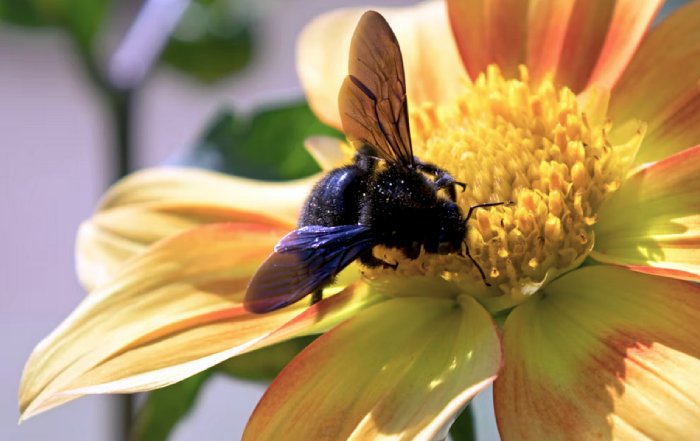
How to Make Your Garden Pollinator Friendly in 2026
Pollinator-Friendly Gardens as a Strategic Priority
By 2026, pollinator-friendly gardening has evolved from a specialist concern into a strategic priority for households, communities and businesses that take sustainability seriously. Across North America, Europe, Asia, Africa and South America, the accelerating decline of bees, butterflies, moths, beetles, birds and bats has been documented by organizations such as the Intergovernmental Science-Policy Platform on Biodiversity and Ecosystem Services (IPBES) and the Food and Agriculture Organization of the United Nations (FAO), and this evidence has reshaped how responsible actors think about land use at every scale. Readers of eco-natur.com who are already engaged with sustainable living, regenerative consumption and low-impact lifestyles increasingly recognize that their gardens, balconies and corporate outdoor spaces are not decorative afterthoughts but critical components of resilient local ecosystems and future-proof economies.
Pollinators underpin a substantial share of global food production, with the FAO estimating that more than three-quarters of leading food crops depend, at least in part, on animal pollination. This includes fruit, vegetables, nuts and seeds that are central to healthy diets and to the rapidly growing market for organic food and agroecological products. In the United States, United Kingdom, Germany, Canada, Australia, France and other major economies, the implications of pollinator loss are now framed not only as ecological degradation but as a direct threat to food security, export competitiveness, public health and rural livelihoods. The World Bank and other multilateral institutions have begun to quantify the economic value of pollination services, reinforcing the message that biodiversity is a core asset rather than an optional luxury.
For eco-natur.com, which is dedicated to advancing sustainability through practical, evidence-based guidance, pollinator-friendly gardens sit at the intersection of climate resilience, circular economy thinking, biodiversity protection and community well-being. Whether the space is a balcony in Singapore, a townhouse courtyard in London, a rooftop in New York, a suburban garden in Germany or a smallholding in South Africa, it can be managed as a safe, abundant and climate-adapted refuge for pollinators. In doing so, it becomes a visible and measurable expression of environmental values, a testing ground for innovative practices and a tangible contribution to global biodiversity goals.
Pollinators in 2026: A Diverse and Underestimated Workforce
Public debate still often focuses on the European honey bee, yet by 2026 the scientific and policy communities have firmly established that pollination is delivered by a far wider range of species, many of which are more efficient and more vulnerable than managed honey bee colonies. Native bees, including bumblebees in the United Kingdom and solitary species such as mason and leafcutter bees in Germany, Sweden, Norway and Canada, frequently outperform honey bees on specific crops and wild plants. In tropical and subtropical regions such as Thailand, Brazil, Malaysia and large parts of Africa, stingless bees, hoverflies, beetles and a rich diversity of butterflies and moths are central to both wild plant reproduction and agricultural productivity.
In East Asia, including Japan, South Korea and China, intricate co-evolutionary relationships between native pollinators and flowering plants underpin traditional farming systems, cultural landscapes and iconic seasonal events such as cherry blossom viewing. Birds such as hummingbirds in the Americas and sunbirds in Africa and Asia, along with nectar-feeding bats in Mexico, Central America and Southeast Asia, also make substantial contributions to pollination, particularly for tubular or night-blooming flowers. Organizations such as the U.S. Fish and Wildlife Service and the Royal Society for the Protection of Birds (RSPB) have highlighted the role of these vertebrate pollinators in maintaining ecosystem services and have stressed the importance of protecting both nesting and foraging habitats in human-dominated landscapes.
This broader understanding is crucial for anyone designing a pollinator-friendly garden or landscape. A truly supportive space must address the needs of a wide range of species with different life cycles, nesting habits and seasonal patterns. It must be sensitive to local climate realities, whether the context is the Mediterranean conditions of Spain and Italy, the oceanic climate of the United Kingdom, the continental extremes of North America, the monsoon regimes of parts of Asia or the semi-arid zones of South Africa and Australia. While specific plant choices and design details will vary, certain universal principles apply: diverse flowering plants, a continuous supply of nectar and pollen, safe nesting and overwintering sites, access to clean water and the elimination of harmful chemicals. For readers exploring wildlife-friendly design and habitat creation on eco-natur.com, this systems view of pollination is the foundation of effective action.
The Business and Economic Rationale for Pollinator Habitats
By 2026, the business case for integrating pollinator-friendly spaces into commercial properties and supply chains has solidified. Reports from the World Economic Forum and the Organisation for Economic Co-operation and Development (OECD) have identified nature loss, including pollinator decline, as a systemic risk to the global economy, with direct implications for agriculture, food and beverage industries, textiles, pharmaceuticals, tourism, real estate and finance. As investors, regulators and consumers increasingly scrutinize environmental, social and governance (ESG) performance, pollinator habitats are emerging as visible, credible indicators of a company's commitment to nature-positive strategies.
In the United States, United Kingdom, Germany, Canada and Australia, leading organizations are incorporating pollinator-supportive planting into corporate campuses, logistics centers, retail parks and hospitality sites, often guided by expert resources from Pollinator Partnership, the Natural Resources Defense Council (NRDC) and national conservation agencies. In the European Union, the European Commission has strengthened its Pollinators Initiative under the EU Biodiversity Strategy for 2030, encouraging member states and companies to restore habitats, reduce pesticide dependence and monitor pollinator populations. These policy frameworks are increasingly embedded in national biodiversity plans, sustainable finance regulations and public procurement criteria, creating both compliance expectations and competitive opportunities.
For the editorial team at eco-natur.com, which regularly examines sustainable business models and green economy transitions, pollinator gardens function as practical case studies in how ecological thinking can be integrated into core business operations. Organizations that invest in such spaces often report co-benefits: enhanced employee well-being and productivity, improved customer experience, more attractive real estate assets, better stormwater management and stronger community relationships. In cities such as London, Berlin, Amsterdam, Singapore and New York, green roofs planted with native wildflowers, flowering hedgerows along access roads and biodiverse courtyards are becoming differentiating features in commercial real estate and hospitality offerings.
Small and medium-sized enterprises are also using pollinator-friendly gardens to communicate authenticity and values. Eco-conscious cafés, boutique hotels, wellness retreats, co-working spaces and organic food retailers in Europe, Asia, Africa and the Americas increasingly showcase flowering courtyards, herb gardens and mini-meadows as part of their brand identity. When these gardens are combined with plastic-free operations, responsible sourcing and low-waste practices, they strengthen trust and loyalty among customers who expect tangible evidence of environmental responsibility. In this context, pollinator habitats are not peripheral "green extras" but strategic assets aligned with long-term resilience and market positioning.
Core Principles of Pollinator-Friendly Garden Design
Designing a pollinator-friendly garden in 2026 requires a blend of ecological literacy, aesthetic judgment and practical management. Whether the site is a balcony in Tokyo, a townhouse garden in Paris, a schoolyard in Toronto or a business park in Munich, the underlying principles remain consistent, while the specific plant palette and structural elements are adapted to local conditions, regulations and cultural preferences.
The first principle is plant diversity, both taxonomic and structural. Research from institutions such as Kew Gardens and the Royal Horticultural Society (RHS) has consistently shown that gardens with a wide range of flowering species, including trees, shrubs, perennials, annuals and groundcovers, support more pollinator species and provide more stable foraging resources over time. Structural diversity-combining tall trees, mid-layer shrubs and lower herbaceous plants-creates microhabitats with varying light, moisture and temperature conditions, which in turn accommodate a broader range of insects and birds. Prioritizing native and regionally adapted plants is particularly important, as these species have co-evolved with local pollinators and tend to offer more suitable nectar and pollen, while also performing better under local climate stresses.
The second principle is temporal continuity of bloom. In temperate regions such as the United Kingdom, Germany, Canada and the northern United States, pollinators need resources from early spring through late autumn. This can be achieved by planning a sequence of flowering: early bulbs and flowering trees, followed by mid-season perennials and annuals, and concluding with late-flowering plants such as asters, sedums and certain grasses. In Mediterranean climates like those in parts of Spain, Italy and southern France, drought-tolerant species that flower during dry periods are essential, particularly as water restrictions become more frequent. In tropical and subtropical regions across Asia, Africa and South America, careful selection of shrubs, trees and herbaceous plants can ensure near year-round flowering, providing consistent support for pollinators that remain active across seasons.
The third principle is the provision of nesting, overwintering and refuge habitats. Flowers alone are insufficient if pollinators lack safe places to reproduce and survive adverse conditions. Ground-nesting bees require patches of bare or lightly vegetated soil; cavity-nesting bees and certain wasps use hollow stems, old beetle holes and purpose-built nesting blocks; butterflies and moths rely on host plants for their larvae and sheltered spaces for pupation. Guidance from the Xerces Society for Invertebrate Conservation has been influential in helping land managers integrate such features into both private gardens and commercial landscapes. For the design-oriented readership of eco-natur.com, incorporating these functional elements into an attractive overall composition is an opportunity to apply sustainable design principles that respect both ecological and aesthetic criteria.
Plant Selection: Local Intelligence in a Globalized World
The global horticultural trade makes it easy to access exotic plants, but in 2026 the consensus among ecologists and progressive landscape architects is that effective pollinator gardens must be rooted in local ecological knowledge. Organizations such as Botanic Gardens Conservation International (BGCI), national botanical gardens and university extension services provide region-specific plant lists that balance ecological value, climate resilience and horticultural practicality.
In North America, native wildflowers such as coneflowers, milkweeds, goldenrods, penstemons and bee balms are widely recognized as high-value resources for bees, butterflies and other insects, while flowering trees like maples, willows, lindens and fruit trees offer early-season forage. In the United Kingdom and continental Europe, plants such as knapweed, scabious, foxglove, lavender, clover and single-flowered roses are known to attract a wide range of pollinators, and meadow-style plantings are increasingly used in both domestic gardens and municipal spaces. Mediterranean regions, including parts of Italy, Spain and Greece, benefit from drought-tolerant aromatic herbs like thyme, sage, rosemary and oregano, as well as shrubs such as cistus and rockrose, which thrive on poor soils and minimal irrigation.
In Asia, including China, Japan, South Korea and Thailand, pollinator-friendly gardens can draw on a rich tradition of horticulture, integrating native cherries, plums, camellias, chrysanthemums and regionally adapted wildflowers into contemporary designs. In Australia and New Zealand, species such as grevilleas, callistemons and leptospermums provide nectar for both insects and birds, while in South Africa the fynbos flora, including proteas and ericas, supports unique pollinator communities. In all regions, gardeners and facility managers are advised to consult local conservation organizations, horticultural societies and government agencies to avoid invasive species and to align planting choices with national biodiversity strategies.
For the community around eco-natur.com, plant selection is inseparable from broader questions of sustainable lifestyle choices, water stewardship and soil health. Drought-resilient perennials, deep-rooted shrubs and native grasses often require fewer inputs and less maintenance, reducing both costs and environmental impact. Integrating edible plants-herbs, fruit trees, pollinator-attracting vegetables-creates a direct link between garden ecology and nutrition, reinforcing connections to local food systems and the health benefits associated with fresh, minimally processed produce. In this way, pollinator-friendly planting becomes part of a holistic approach to living well within planetary boundaries.
Organic Management and the Phase-Out of Harmful Chemicals
No garden can credibly be described as pollinator friendly if it relies on synthetic pesticides, herbicides or fungicides that harm insects and degrade soil ecosystems. Over the past decade, extensive research, including assessments by the European Food Safety Authority (EFSA) and peer-reviewed studies accessible through platforms such as ScienceDirect, has linked neonicotinoid insecticides and other systemic chemicals to impaired navigation, reduced reproduction and increased mortality in bees and other pollinators. The European Union has responded with restrictions and bans on several neonicotinoids, while regulatory debates continue in North America, Asia and other regions.
By 2026, gardeners in the United States, Canada, the United Kingdom, Germany, Australia and beyond have access to a broadening range of organic and biological pest control products, as well as integrated pest management (IPM) frameworks that emphasize prevention, monitoring and targeted, least-toxic interventions. Organizations such as the Rodale Institute and the Soil Association have demonstrated that healthy soils, composting, crop rotation, companion planting and habitat diversification can significantly reduce pest pressures, making routine chemical use unnecessary. For the editorial voice of eco-natur.com, which consistently promotes healthier, low-toxicity environments, the phase-out of harmful garden chemicals is a non-negotiable step in aligning personal spaces with broader sustainability commitments.
Practical measures include discontinuing broad-spectrum insecticides, avoiding pre-treated seeds and ornamental plants, and replacing herbicides with mulching, manual weeding and dense groundcovers. Even fungicides, sometimes perceived as benign, can disrupt beneficial fungi and soil microbiota that support plant resilience and nutrient cycling; their use should be minimized and preceded by cultural strategies such as improving air circulation, managing irrigation and selecting disease-resistant cultivars.
These organic practices naturally dovetail with zero-waste and circular economy approaches. Gardeners can compost prunings and kitchen scraps to create on-site fertility, harvest rainwater to reduce reliance on mains water, and favor locally sourced, low-impact materials over synthetic fertilizers and plastic-based products. In doing so, pollinator-friendly gardens become living demonstrations of circular resource flows, offering lessons that can be scaled up into organizational strategies and policy frameworks.
Water, Shelter and Microclimate as Critical Design Elements
While flowers and chemical-free management are central, sophisticated pollinator-friendly design in 2026 also pays close attention to water availability, shelter and microclimate. Many pollinators require access to clean, shallow water for drinking and thermoregulation. Simple features such as dishes with stones, gently sloping birdbaths or small ponds can meet this need, provided they are regularly cleaned and kept free from contaminants. Organizations like the National Wildlife Federation and BirdLife International offer guidance on designing water features that minimize drowning risks and disease transmission while supporting a diversity of species.
Shelter is equally important, particularly as climate change drives more frequent heatwaves, heavy rainfall events and storms across regions such as Europe, North America, Asia and Africa. Layered plantings of trees, shrubs and perennials create windbreaks and shaded niches, allowing pollinators to forage and rest in relative safety. In colder climates including Canada, the Nordic countries and high-altitude regions of Switzerland and Austria, leaving some leaf litter, dead stems and undisturbed corners over winter provides critical overwintering sites for butterflies, moths and solitary bees. In hotter regions such as parts of Australia, South Africa and Brazil, shade trees, dense hedges and groundcovers help moderate soil and air temperatures, reducing heat stress on both plants and insects.
For readers of eco-natur.com who follow developments in renewable energy and climate adaptation, microclimate-sensitive garden design mirrors larger-scale strategies for resilient cities and infrastructures. Well-placed trees and vines can shade buildings and outdoor seating areas, reducing the need for mechanical cooling; permeable surfaces and vegetated swales can manage stormwater more effectively; and green roofs or living walls can enhance insulation while providing additional foraging and nesting opportunities. In dense urban contexts from New York to Singapore and from London to Tokyo, these multifunctional green elements contribute to urban cooling, flood mitigation and biodiversity, making pollinator-friendly design an integral component of climate-smart planning.
Reducing Plastic and Waste in Garden Practices
The shift towards pollinator-friendly gardening is closely aligned with the movement to reduce plastic use and waste in everyday life. Traditional gardening practices in many countries, including the United States, United Kingdom, Germany, Japan and Singapore, have relied heavily on plastic pots, synthetic mulches, disposable plant labels and single-use packaging for fertilizers and pesticides. As awareness grows about the presence of microplastics in soils, waterways and even terrestrial invertebrates, highlighted by the work of the United Nations Environment Programme (UNEP) and academic research institutions, responsible gardeners and businesses are reassessing material choices.
For the team behind eco-natur.com, which actively champions plastic-free solutions and responsible consumption, the garden is a natural arena for implementing low-waste strategies. Biodegradable pots made from coir, wood fiber or compressed paper can replace conventional plastic containers; natural mulches such as wood chips, straw or leaf mold can substitute for synthetic fabrics; and durable, repairable tools can be favored over disposable alternatives. When plastic cannot be avoided, robust recycling and material recovery practices help ensure that resources remain in circulation rather than entering landfills or natural ecosystems.
Composting remains a cornerstone of waste reduction and soil health. By transforming kitchen scraps, garden trimmings and other organic residues into nutrient-rich compost, households and organizations can cut waste volumes, enhance soil structure and fertility, and reduce dependence on synthetic fertilizers that may carry embedded emissions and pollution footprints. Resources from Garden Organic and municipal extension services across Europe, North America, Asia and Oceania provide practical frameworks for home-scale and community-scale composting, including vermicomposting and hot composting systems suitable for urban environments.
Linking Individual Gardens to Landscapes and Community Action
Even the most carefully designed pollinator-friendly garden cannot, in isolation, reverse decades of habitat loss and fragmentation. The real ecological gains emerge when individual efforts are connected into networks of habitat across neighborhoods, cities and regions. By 2026, many municipalities and regional authorities are incorporating pollinator corridors and nature-based solutions into urban planning, linking parks, street plantings, private gardens, agricultural lands and protected areas. Organizations such as the International Union for Conservation of Nature (IUCN) and the Convention on Biological Diversity (CBD) emphasize landscape connectivity as a core principle of biodiversity resilience, and pollinator gardens are a practical mechanism for achieving it in densely populated areas.
Citizens and businesses can contribute by participating in monitoring and mapping initiatives, including citizen science platforms such as those developed by the Bumblebee Conservation Trust in the United Kingdom, eButterfly in North America and regional biodiversity observatories in Europe, Asia, Africa and South America. These projects generate valuable data for researchers and policymakers while fostering a sense of shared responsibility and community engagement. For the global readership of eco-natur.com, which often seeks international perspectives on sustainability and policy, such initiatives illustrate how local, tangible actions connect with global biodiversity targets and climate commitments.
Community gardens, school campuses, corporate headquarters and municipal green spaces offer particularly high-leverage opportunities. When these sites are planted with native meadows, hedgerows, orchards and flowering borders, and when they are managed without harmful chemicals, they become accessible demonstrations of ecological stewardship. Educational signage, workshops and digital resources can turn these spaces into living classrooms, where children, employees, customers and residents experience firsthand how sustainable living, green economy principles and biodiversity conservation interrelate. In this way, pollinator-friendly gardens function not only as habitats but as communication tools, reinforcing social norms and expectations around environmental responsibility.
eco-natur.com and the Pollinator-Friendly Future
As the world moves deeper into the decisive decade for climate and biodiversity action, pollinator-friendly gardens are becoming emblematic of a broader shift towards integrated, evidence-based sustainability. For eco-natur.com, whose editorial mission spans sustainable living, economy and ecology, health, design and global policy, these gardens encapsulate the site's commitment to Experience, Expertise, Authoritativeness and Trustworthiness. They offer concrete, verifiable examples of how individuals, families, communities and businesses-from the United States and Canada to the United Kingdom, Germany, France, Italy, Spain, the Netherlands, Switzerland, China, Sweden, Norway, Singapore, Denmark, South Korea, Japan, Thailand, Finland, South Africa, Brazil, Malaysia, New Zealand and beyond-can align daily choices with long-term planetary boundaries.
By curating practical guidance, showcasing innovative projects and connecting readers to authoritative external resources-from the FAO and IPBES to national wildlife agencies, botanical gardens and leading research institutions-eco-natur.com seeks to equip its audience with the knowledge and confidence required to act. Whether a reader is planning a small balcony planting, rethinking a family garden, redesigning a corporate campus or advising on municipal green infrastructure, the principles of pollinator-friendly gardening provide a coherent framework for action that is ecologically grounded, economically rational and socially meaningful.
In 2026, creating a pollinator-friendly garden is no longer a marginal hobby or purely aesthetic choice; it is an act of environmental citizenship and a strategic investment in the stability of food systems, local economies and community well-being. As climate change, habitat loss and pollution continue to reshape landscapes across Europe, Asia, Africa, North America, South America and Oceania, every pesticide-free lawn, native hedgerow, flowering balcony and plastic-free planting bed contributes to a distributed, global safety net for pollinators. Through informed, intentional and collaborative efforts-supported by platforms such as eco-natur.com-gardens worldwide can evolve into vibrant, productive and restorative spaces that honor the intricate interdependence between people, pollinators and the planet they share.
