
The Strategic Benefits of Car-Free Living in 2026
Car-Free Living as a Core Sustainability Strategy
By 2026, car-free living has evolved from a niche aspiration into a credible and increasingly mainstream strategy for cities, businesses, and households seeking to navigate the intertwined challenges of climate risk, economic volatility, public health pressures, and shifting social expectations. Across North America, Europe, Asia, Africa, and South America, decision-makers are reassessing the long-standing assumption that private car ownership is the default mode of mobility and status. For the international audience of eco-natur.com, this reassessment is not a theoretical debate but a practical question of how to design a resilient, sustainable way of life that is compatible with planetary boundaries, competitive markets, and human well-being.
The wider context in 2026 is defined by intensifying climate impacts and accelerating regulatory change. The International Energy Agency continues to highlight that transport remains one of the largest sources of energy-related COâ emissions, with road vehicles still dominating the sector's footprint despite efficiency gains and the rapid growth of electric vehicles. Analyses from organizations such as the World Resources Institute show that urbanization, particularly in Asia and Africa, is proceeding at a pace and scale that will lock in mobility patterns for decades. If that urban growth is built around cars, it risks cementing high-emission, high-congestion systems that are expensive to maintain and hard to decarbonize. In contrast, car-free and car-light lifestyles support national and corporate commitments aligned with the Paris Agreement and net-zero strategies, and they sit naturally alongside the principles of sustainable living and long-term sustainability that shape the editorial direction of eco-natur.com.
For a business-oriented readership that values Experience, Expertise, Authoritativeness, and Trustworthiness, car-free living is increasingly understood as a strategic lever rather than a personal sacrifice. It signals to investors, regulators, clients, and employees that organizations are engaging with sustainability at the level of core operations and everyday behavior, not only through high-level pledges. In this sense, car-free choices become a visible, measurable expression of environmental and social responsibility, reinforcing the credibility of broader sustainability narratives.
Environmental Impact: Emissions, Air Quality, and Biodiversity
The environmental rationale for reducing dependence on private cars is well established and has only grown stronger by 2026. Internal combustion engine vehicles still account for the majority of trips in many parts of the United States, Canada, Australia, South Africa, and emerging economies, and they remain major contributors to greenhouse gas emissions and local air pollutants such as nitrogen oxides and fine particulate matter. Even as electric vehicles gain market share in Europe, China, and North America, research summarized by the Intergovernmental Panel on Climate Change (IPCC) and independent life-cycle assessments underscores that technology alone cannot deliver the scale of emissions reduction required; the total distance traveled and the urban form that generates those trips matter just as much as the drivetrain.
Car-free or car-light lifestyles directly reduce vehicle kilometers traveled, cutting tailpipe emissions where fossil fuels are still used and lowering indirect emissions associated with vehicle manufacturing, road construction, and parking infrastructure. Agencies like the World Health Organization have repeatedly documented the health burden of traffic-related air pollution in cities from Los Angeles and London to Delhi and Johannesburg, noting that cleaner air translates into fewer premature deaths, reduced hospital admissions, and lower healthcare expenditure. When individuals and organizations choose walking, cycling, and public transport over private cars, they contribute to a collective improvement in urban air quality that benefits entire communities, particularly children, older adults, and people with pre-existing health conditions. For readers who already prioritize plastic-free choices and effective recycling, applying the same level of intentionality to mobility is a logical extension of an integrated environmental ethic.
The ecological implications extend beyond emissions and air quality to the protection of biodiversity and the integrity of landscapes. Road networks fragment habitats, disrupt animal migration routes, and increase wildlife mortality through collisions, while expansive parking lots and multi-lane highways consume land that could otherwise support urban forests, wetlands, or regenerative agriculture. The International Union for Conservation of Nature (IUCN) and other conservation organizations have highlighted transport infrastructure as a significant driver of habitat loss worldwide. When city leaders and planners shift space from cars to people, creating car-free zones, linear parks, and green corridors, they open opportunities to restore ecosystems and support pollinators, birds, and small mammals within urban and peri-urban areas. This approach is closely aligned with the themes explored in eco-natur.com's coverage of wildlife and biodiversity and dedicated resources on biodiversity, reinforcing the message that mobility decisions are inseparable from broader ecological stewardship.
Economic and Business Advantages of Car-Free Choices
The economic case for car-free living has strengthened as households and businesses confront inflation, volatile energy prices, and the financial implications of climate policy. For individuals, the total cost of car ownership remains substantial, encompassing purchase or lease payments, insurance, fuel or electricity, maintenance, repairs, taxes, and parking. In the United States, the AAA continues to estimate annual ownership costs in the thousands of dollars per vehicle, and similar figures are reported by motoring organizations in the United Kingdom, Germany, France, and other European countries. In dense urban areas, parking charges, congestion fees, and higher insurance premiums amplify these costs. By contrast, people who rely primarily on public transport, cycling, and walking often report significant savings that can be redirected toward housing, education, savings, or investment in low-impact experiences that enhance quality of life.
From a macroeconomic perspective, car-centric development is increasingly recognized as a drag on productivity and a misallocation of scarce urban land. Analyses from the Organisation for Economic Co-operation and Development (OECD) and the World Bank show that low-density sprawl requires extensive infrastructure for roads, utilities, and services, which imposes high capital and maintenance costs on municipalities and national governments. Compact, transit-oriented development, in contrast, can reduce per-capita infrastructure costs while supporting vibrant local economies, particularly in city centers and mixed-use districts where people can live, work, and shop within a short distance. Retailers and service providers in pedestrianized zones and well-designed transit corridors often benefit from higher footfall, longer dwell times, and a more pleasant public realm that encourages repeat visits and social interaction. For entrepreneurs and corporate leaders interested in sustainable business models and the evolving green economy, these dynamics position car-free areas as strategic assets, capable of attracting both customers and talent.
Financial markets have also sharpened their focus on transport-related risks and opportunities. Global investors working under the UN-supported Principles for Responsible Investment increasingly scrutinize companies' Scope 1, 2, and 3 emissions, including those linked to commuting, logistics, and business travel. Firms that enable car-free commuting through location strategy, remote work options, cycling infrastructure, and subsidies for public transport can strengthen their environmental, social, and governance (ESG) profiles and mitigate exposure to future carbon pricing, air-quality regulations, and reputational risk. For the editorial team at eco-natur.com, which consistently emphasizes that sustainability is a source of competitive differentiation rather than a compliance burden, car-free strategies provide concrete examples of how environmental leadership can align with sound financial management and brand value.
Health, Well-Being, and Quality of Life
Car-free living is not only a climate and economic strategy; it is also a powerful lever for improving physical and mental health. Sedentary lifestyles remain a major risk factor for non-communicable diseases globally, including obesity, type 2 diabetes, cardiovascular disease, and some forms of cancer. Public health agencies such as the Centers for Disease Control and Prevention (CDC) in the United States and the UK Health Security Agency continue to advocate for active transport as an efficient way to integrate regular movement into daily routines without requiring dedicated gym time. When commuting, shopping, and social visits are structured around walking and cycling rather than driving, individuals accumulate moderate-intensity physical activity that can significantly reduce long-term health risks and associated healthcare costs.
Mental health considerations are equally compelling. Research conducted by institutions including the Harvard T.H. Chan School of Public Health has linked exposure to green spaces, reduced noise pollution, and opportunities for casual social interaction with lower stress levels and improved psychological well-being. Car-dominated environments, characterized by congestion, noise, and safety concerns, can contribute to chronic stress and a sense of disconnection, whereas walkable, transit-served neighborhoods often foster a stronger feeling of community and personal security. For readers of eco-natur.com who already engage with content on health and sustainability, the shift toward car-free living can be understood as a way to embed restorative practices into the fabric of everyday life, rather than treating well-being as a separate, time-consuming project.
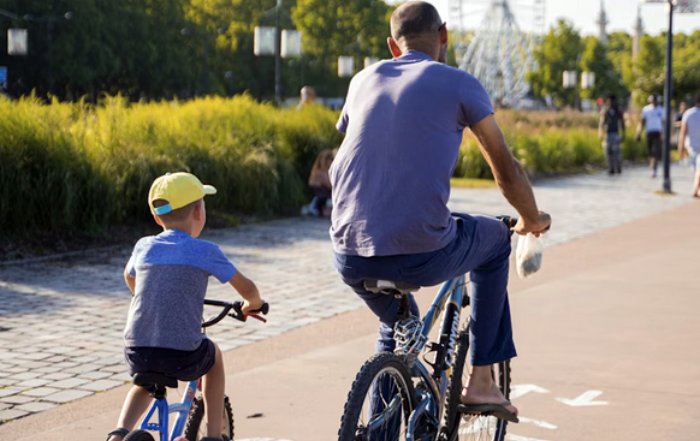
Families are particularly well placed to experience the benefits of car-free or car-light lifestyles. In cities such as Copenhagen, Amsterdam, Zurich, Munich, and Vienna, as well as in parts of Japan and South Korea, generations of children have grown up cycling to school, walking to local sports clubs, and navigating public transport with peers. These patterns encourage independence, social skills, and a sense of belonging that is difficult to replicate in car-dependent suburbs. For readers in rapidly motorizing societies, including China, Brazil, Malaysia, Thailand, and South Africa, these examples show that high living standards and economic dynamism do not require universal car ownership; instead, they demonstrate that carefully designed mobility systems can deliver safety, convenience, and opportunity without imposing the health and environmental costs of congestion and pollution.
Urban Design, Infrastructure, and the Role of Policy
Car-free living is most viable where public policy, urban design, and infrastructure investment are aligned to support it. In the past decade, an increasing number of city governments have recognized that they cannot meet climate targets, air-quality standards, or housing needs without rethinking the role of private cars. Networks such as C40 Cities and ICLEI - Local Governments for Sustainability have documented a wide range of measures, from low- and zero-emission zones to congestion pricing, parking reform, and large-scale investments in cycling and walking infrastructure. London's Ultra Low Emission Zone, Paris's ongoing transformation of the Seine riverbanks and its "15-minute city" strategy, and Seoul's restoration of the Cheonggyecheon stream corridor are now widely cited case studies in how reallocating road space can transform urban life.
National and regional frameworks amplify these local efforts. The European Green Deal continues to channel funding and regulatory support toward sustainable mobility, while countries such as Norway and the Netherlands combine incentives for electric mobility with strong backing for public transport and cycling, ensuring that car-free living is not confined to a small urban elite but accessible to a broad segment of the population. In North America, cities like Vancouver, Montreal, New York, and San Francisco have made notable progress in expanding bike networks, bus rapid transit, and pedestrian zones, yet they still face structural challenges in suburban areas shaped by decades of highway-centric planning. Across Asia, high-capacity public transport systems in Tokyo, Hong Kong, Singapore, and Seoul demonstrate how integrated land use and mobility planning can minimize car dependency even in high-income, high-density contexts.
For eco-natur.com, which regularly examines design and sustainable innovation and the role of renewable energy in decarbonization, the intersection between car-free living and infrastructure is a critical area of focus. Electric buses and trams powered by renewable energy, integrated ticketing systems, and real-time data platforms all contribute to attractive alternatives to car use. However, some of the most effective interventions are deceptively simple: continuous, well-lit sidewalks; protected cycle tracks; traffic-calmed residential streets; and zoning rules that encourage mixed-use neighborhoods where essential services are within walking distance. These design choices reflect not only technical competence but also a value system that prioritizes human health, safety, and social connection over vehicle throughput. They are also central to emerging concepts such as "15-minute cities" and "complete streets," which are gaining traction in planning literature and practice.
Car-Free Living Within the Sustainable Lifestyle Movement
Car-free living sits at the heart of a broader cultural shift toward sufficiency, circularity, and conscious consumption, themes that are central to the editorial mission of eco-natur.com. Individuals who choose to reduce or eliminate car use often find themselves re-evaluating other aspects of their lifestyle, from diet and housing to travel and digital habits. This holistic perspective resonates with the work of organizations such as the UN Environment Programme (UNEP) and the Ellen MacArthur Foundation, which emphasize that efficiency gains must be complemented by changes in consumption patterns if societies are to stay within ecological limits.
In practical terms, moving away from car dependence encourages people to prioritize proximity and access when choosing where to live, work, and shop. For readers across the United States, United Kingdom, Germany, France, Italy, Spain, the Netherlands, Switzerland, and other countries, this often means selecting neighborhoods with high walkability scores, good public transport, and nearby parks and cultural venues. Such choices support local businesses, shorten supply chains, and make it easier to access fresh, seasonal produce, including organic food and products from regenerative farms. Organizations like IFOAM - Organics International have long argued that sustainable food systems and sustainable mobility are mutually reinforcing, as both depend on regional networks and reduced reliance on long, fossil-fuel-intensive supply chains.
Car-free living also aligns naturally with zero-waste and minimalist approaches to consumption. When people are less able or inclined to drive to large out-of-town retail centers, they tend to shop more intentionally, purchase only what they can easily carry, and favor durable, repairable items over disposable goods. This shift can significantly reduce packaging waste and unnecessary purchases, reinforcing the principles explored in eco-natur.com's coverage of zero-waste strategies and the broader philosophy of sustainable living. For many readers, the move toward car-free or car-light living becomes a catalyst for rethinking what constitutes comfort, status, and success, replacing volume of consumption with quality of experience and alignment with personal values.
Digitalization, Remote Work, and New Mobility Solutions
The digital transformation of work and services has become a decisive enabler of car-free lifestyles. In the wake of the COVID-19 pandemic, many organizations across sectors such as technology, finance, education, and professional services have institutionalized remote and hybrid work models. Companies including Microsoft, Google, and Salesforce have continued to refine flexible work policies, while thousands of smaller firms have embraced distributed teams as a means of accessing global talent and reducing office overheads. Research by consultancies such as McKinsey & Company suggests that a significant share of the workforce in advanced economies can now perform their roles partly or entirely remotely, reducing the need for daily commuting and enabling people to choose homes based on quality of life rather than proximity to central business districts.
Parallel to this, new mobility services have emerged and matured. Shared bike and e-scooter schemes, car-sharing platforms, and app-based ride-hailing have become integral components of urban transport in many cities. When integrated with high-quality public transport, these services can extend the reach of car-free lifestyles, covering trips that are too long for walking or cycling while avoiding the fixed costs of ownership. The Institute for Transportation and Development Policy (ITDP) and similar organizations stress that these innovations must be carefully regulated and coordinated with public systems to ensure they support, rather than undermine, sustainable mobility goals. When governed well, they form part of a "mobility-as-a-service" ecosystem that offers convenience and flexibility without locking users into car ownership.
For the business-focused audience of eco-natur.com, digitalization offers an opportunity to embed car-free principles into corporate culture and strategy. Organizations can design travel policies that prioritize virtual meetings over flights and long car journeys, provide incentives for employees who commute by bike or public transport, and collaborate with local authorities to improve access to transit hubs near their offices. These measures not only reduce operational emissions but also send a clear signal to employees and external stakeholders that sustainability is woven into everyday decisions. In combination with content on low-impact lifestyle choices, eco-natur.com can help professionals and leaders identify practical steps to align their digital and physical mobility patterns with their environmental commitments.
Regional Perspectives: Global Trends and Local Realities
The strategic benefits of car-free living are global, but the pathways to achieving them are highly context-specific. In Europe, decades of investment in public transport, cycling infrastructure, and compact urban form have made countries such as Denmark, the Netherlands, Germany, Sweden, and Switzerland global leaders in car-light mobility. Cities like Copenhagen, Amsterdam, Berlin, and Stockholm exemplify how political commitment, technical expertise, and citizen engagement can create environments where living without a car is not a fringe choice but a mainstream, convenient option. EU-level frameworks, including funding instruments linked to the European Investment Bank, continue to support these transitions, ensuring that smaller cities and regions can follow the pioneers.
In North America, the landscape is more fragmented. Dense urban cores in New York, Montreal, Vancouver, and San Francisco are increasingly hospitable to car-free living, thanks to expanding transit networks and cycling infrastructure, yet large suburban and exurban areas remain heavily car-dependent. Initiatives documented by organizations such as Smart Growth America illustrate how zoning reform, infill development, and investments in bus rapid transit can begin to reverse sprawl and improve accessibility without replicating past mistakes. For readers in the United States and Canada, the challenge often lies in navigating the tension between existing built form and emerging preferences for walkable, transit-served neighborhoods.
Asia presents both some of the world's most advanced car-free environments and some of its most acute mobility challenges. Tokyo, Hong Kong, Singapore, and Seoul demonstrate the power of integrated rail networks, dense land use, and strong governance to support high levels of car-free mobility even at very high incomes. At the same time, rapidly growing cities in China, India, Southeast Asia, and the Middle East are grappling with rising car ownership and congestion. Institutions such as the Asian Development Bank (ADB) and the World Bank are working with national and municipal governments to design bus rapid transit systems, metro lines, and non-motorized transport infrastructure that can accommodate growth while avoiding the lock-in of car dependency. For readers in Singapore, China, Thailand, Malaysia, and other Asian economies, these projects illustrate the importance of aligning transport investments with long-term sustainability goals.
In Africa and South America, urban mobility is often shaped by a mix of formal and informal systems, constrained budgets, and rapid demographic change. Yet there are notable examples of innovation, including Bogotá's pioneering CiclovÃa events and bus rapid transit system, as well as Cape Town's MyCiTi network and emerging cycling initiatives in cities such as Nairobi and Kigali. UN-Habitat and other international bodies are supporting integrated approaches that combine affordable public transport, safe walking and cycling routes, and inclusive urban planning. For global readers following sustainability trends worldwide, these regional experiences highlight that while the starting points differ, the principles of accessibility, equity, and environmental responsibility are universal.
Building Trust and Expertise Around Car-Free Transitions
For eco-natur.com, which positions itself as a trusted guide for professionals, households, and organizations seeking to deepen their commitment to sustainability, covering car-free living requires a balance of ambition and realism. Not every reader can immediately adopt a fully car-free lifestyle, particularly in regions where public transport is limited, distances are long, or safety concerns are significant. In such contexts, a car-light approach-reducing the number of vehicles per household, combining driving with public transport, or shifting short trips to walking and cycling-can still deliver meaningful environmental, economic, and health benefits. Over time, these incremental changes can build political and social support for more transformative infrastructure and policy reforms.
Authoritative guidance from organizations such as Transport for London, the German Environment Agency (UBA), and the National Association of City Transportation Officials (NACTO) provides practical roadmaps for cities and regions seeking to make car-free living more attractive and feasible. These bodies have developed design manuals, case studies, and policy toolkits that address issues such as first- and last-mile connectivity, intersection safety, parking management, and community engagement in street redesign. By curating and interpreting this material through the lens of its own editorial expertise, eco-natur.com can help readers translate high-level principles into concrete action steps that fit their local realities and professional responsibilities.
Ultimately, car-free living in 2026 should be understood as a spectrum rather than a binary condition. For some, it will mean selling the family car and relying entirely on walking, cycling, and transit; for others, it may involve giving up a second vehicle, moving closer to work, or choosing holiday destinations that can be reached by train. For businesses, it may mean relocating offices to transit-rich areas, redesigning logistics to reduce urban freight traffic, or integrating mobility benefits into employee compensation packages. Across these variations, the common thread is a deliberate effort to decouple prosperity and well-being from private car use.
For readers in the United States, United Kingdom, Germany, Canada, Australia, France, Italy, Spain, the Netherlands, Switzerland, China, Sweden, Norway, Singapore, Denmark, South Korea, Japan, Thailand, Finland, South Africa, Brazil, Malaysia, New Zealand, and beyond, the strategic question is how to integrate car-free or car-light choices into a coherent sustainability strategy that also encompasses energy, food, materials, and finance. By connecting mobility to themes such as sustainable living, sustainability, and the global green economy, eco-natur.com aims to support that integration with evidence-based analysis and practical insight.
As climate impacts intensify and societies search for credible, high-impact solutions, car-free living stands out as a tangible, measurable, and deeply human-centered response. It links emissions reduction with cost savings, public health, and improved quality of life, while reinforcing the values of community, equity, and respect for the natural world. By continuing to explore and refine this topic, eco-natur.com reaffirms its commitment to Experience, Expertise, Authoritativeness, and Trustworthiness, offering readers not only information but a pathway to live sustainability in a grounded, resilient, and forward-looking way.
