
The Future of Renewable Energy Worldwide
A New Energy Era Taking Shape
The global energy landscape has entered a needed transition phase in which renewable energy is no longer positioned at the margins of power systems but is instead moving toward the center of economic strategy, industrial policy, and everyday life. Across North America, Europe, Asia, Africa, and South America, governments, investors, and communities are rethinking how energy is produced, distributed, and consumed, while the accelerating impacts of climate change, volatile fossil fuel markets, and geopolitical tensions have strengthened the case for a rapid and permanent shift to clean power. Within this context, Eco-Natur and its international nature nurturing community find themselves at the intersection of sustainable living, responsible business, and technological innovation, looking for credible insights into how renewable energy will shape homes, cities, and economies in the coming decades.
The future of renewable energy is not a single technology story but a complex interplay of solar, wind, hydro, geothermal, sustainable bioenergy, advanced storage, digital grids, and changing consumer behavior. Global institutions such as the International Energy Agency (IEA) and the International Renewable Energy Agency (IRENA) provide increasingly clear data showing that renewables are now the cheapest source of new power generation in many markets, while organizations like the Intergovernmental Panel on Climate Change (IPCC) highlight how decisive this decade will be in avoiding the worst climate risks. As readers explore broader themes such as sustainability, sustainable living, and renewable energy on eco-natur.com, the evolution of clean energy systems provides a practical backbone for turning environmental values into measurable, long-term action.
Global Momentum: Policy, Markets, and Public Expectation
The most striking change since the early 2020s has been the convergence of public policy, market economics, and social expectations around renewable energy deployment. In the United States, landmark legislation such as the Inflation Reduction Act has catalyzed unprecedented investment in solar, wind, and energy storage, while the U.S. Department of Energy provides detailed roadmaps and funding mechanisms that encourage businesses and households to decarbonize. In the European Union, the European Green Deal and initiatives like REPowerEU continue to accelerate rollouts of clean energy infrastructure, with countries such as Germany, Spain, Denmark, and the Netherlands aggressively expanding offshore wind and utility-scale solar. Readers can follow these broader policy trends through resources such as the European Commission's climate and energy pages and the IEA's analysis of clean energy transitions, where they can learn more about global energy scenarios.
In Asia, China has solidified its position as the world's largest producer and installer of solar panels, wind turbines, and batteries, while also emerging as a key player in electric vehicles and grid-scale storage. Countries like Japan, South Korea, and Singapore are intensifying their focus on energy efficiency and offshore wind, whereas Thailand and Malaysia are expanding solar capacity as costs fall. In the Global South, including regions of Africa and South America, governments are increasingly exploring decentralized renewable solutions to expand energy access, reduce dependence on imported fuels, and foster local industries. Reports from IRENA illustrate how emerging markets can leapfrog directly to clean technologies and understand renewable energy investment opportunities.
This alignment of policy and economics is reinforced by public expectation. Businesses that wish to be perceived as credible and trustworthy now integrate renewable energy commitments into their core strategies, and many rely on frameworks from organizations like the Science Based Targets initiative (SBTi) and the CDP to validate their climate goals and report progress transparently. For the audience of eco-natur.com, which is deeply engaged with sustainable business practices and the evolving green economy, the message is clear: the future of competitiveness in the United States, United Kingdom, Germany, Canada, Australia, France, Italy, Spain, the Netherlands, Switzerland, China, and beyond will be increasingly determined by the ability to operate on low-carbon, resilient, and affordable energy systems.
Technological Frontiers: Solar, Wind, Storage, and Beyond
The future of renewable energy is being shaped by rapid technological innovation, not only in generation but also in storage, integration, and digital control. Solar power continues to lead in global capacity additions, with falling costs and rising efficiencies in photovoltaic modules, including bifacial panels, perovskite-silicon tandems, and building-integrated photovoltaics that turn facades and windows into power generators. Research institutions and companies across Europe, Asia, and North America are pushing solar cell efficiencies to new records, while organizations such as Fraunhofer ISE in Germany and the U.S. National Renewable Energy Laboratory (NREL) provide open data and analysis that help industry and policymakers explore solar technology trends.
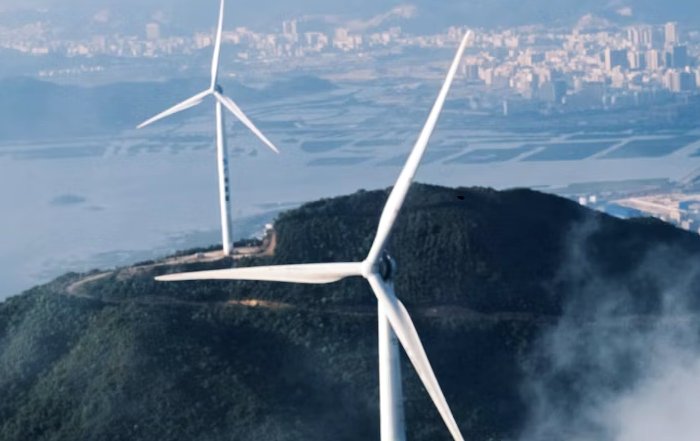
Wind power, both onshore and offshore, is experiencing parallel advancements. Turbines are becoming larger, more efficient, and more intelligent, with digital sensors and predictive maintenance systems that reduce downtime and extend asset lifetimes. Offshore wind farms in the North Sea, the Baltic, the Atlantic, and increasingly in Asian and North American waters are benefiting from floating platform technologies that enable deployment in deeper waters, expanding the technically and economically viable resource base. The Global Wind Energy Council (GWEC) and the World Bank offer insights into how offshore wind can support industrial clusters, hydrogen production, and port revitalization, and readers can learn more about global wind developments as they consider how these dynamics influence national and regional energy strategies.
Energy storage remains the critical enabler of high-renewable power systems, and the future will be defined by a diversified portfolio of solutions rather than a single dominant technology. Lithium-ion batteries continue to improve in energy density and cost, but alternative chemistries such as sodium-ion, solid-state batteries, and long-duration storage technologies including flow batteries, compressed air, pumped hydro, and thermal storage are emerging to balance variability over hours, days, and seasons. The U.S. Department of Energy's Office of Electricity and organizations like BloombergNEF provide detailed assessments of storage markets, helping businesses and investors understand storage cost trajectories and deployment models. As these technologies scale, they will support not only grid stability but also distributed applications in homes, commercial buildings, and industrial facilities, making renewable energy more reliable and attractive for users across the globe.
Integrating Renewable Energy into Everyday Life and Sustainable Living
Beyond technology and policy, the future of renewable energy is deeply intertwined with lifestyle choices and cultural norms. Households in the United States, the United Kingdom, Germany, Canada, Australia, and many other countries are increasingly adopting rooftop solar systems, home batteries, heat pumps, and smart appliances that allow them to generate, store, and manage their own energy. Electric vehicles, powered by clean electricity, are becoming central to personal mobility, and in many cases they also function as flexible storage assets through vehicle-to-grid or vehicle-to-home technologies. This convergence of clean power and smart devices is reshaping what it means to live sustainably, and platforms such as Eco-Natur help individuals connect the dots between energy choices, sustainable living practices, and long-term environmental and health outcomes.
For readers interested in sustainable living, renewable energy is not an abstract infrastructure issue but a practical foundation for everyday decisions, from choosing energy suppliers that prioritize wind and solar to investing in efficient appliances and home retrofits that reduce consumption. Organizations like the U.S. Environmental Protection Agency (EPA) and the UK's Energy Saving Trust provide guidance on how households can cut emissions and costs, and consumers can learn more about energy-efficient homes and appliances. In Europe and Asia, national energy agencies and local authorities increasingly offer digital tools and incentives that make it easier for households to calculate their carbon footprints, compare tariffs, and participate in community energy projects.
This lifestyle dimension is central to Eco-Natur's mission, as the platform connects renewable energy with related themes such as plastic-free choices, recycling and circularity, organic food systems, and health. By understanding how clean energy supports reduced pollution, healthier air, and more resilient food systems, readers can make integrated decisions that align their environmental values with their daily routines, whether they live in urban centers in Europe, rural communities in North America, rapidly growing cities in Asia, or emerging hubs in Africa and South America.
Renewable Energy, Economy, and Sustainable Business Models
The economic implications of renewable energy are profound and extend far beyond the power sector. In 2026, clean energy has become a major engine of job creation, industrial innovation, and regional development, particularly in countries that successfully align climate goals with industrial strategy. The International Labour Organization (ILO) and OECD have documented how green industries are generating new employment opportunities in manufacturing, construction, engineering, digital services, and maintenance, while also requiring careful planning to support workers and communities affected by the gradual decline of fossil fuel industries. Businesses that integrate renewable energy into their operations are discovering not only cost savings but also reputational benefits and access to new markets, as customers, investors, and regulators increasingly demand credible decarbonization strategies and transparent reporting.
For companies focused on sustainable business, renewable energy is a cornerstone of environmental, social, and governance (ESG) performance. Corporate power purchase agreements (PPAs), on-site solar and wind installations, green tariffs, and participation in renewable energy certificate markets are becoming standard tools for organizations that aim to reduce Scope 2 emissions and align with net-zero commitments. Frameworks from initiatives such as the Task Force on Climate-related Financial Disclosures (TCFD) and the ISSB encourage firms to assess climate risks and opportunities in a structured way, and platforms like the World Business Council for Sustainable Development (WBCSD) help companies learn more about sustainable business practices. In this context, Eco-Natur serves as a bridge between technical energy developments and practical business decisions, offering its audience a perspective on how renewable energy strategies can be integrated into broader sustainability roadmaps.
The macroeconomic dimension is equally important. Countries that invest in renewable energy infrastructure, innovation ecosystems, and supportive regulatory frameworks can strengthen their energy security, reduce exposure to fossil fuel price shocks, and attract foreign investment. The World Bank and the International Monetary Fund (IMF) have increasingly recognized the role of clean energy in sustainable development, and they provide tools and financing mechanisms that enable emerging economies to expand access to electricity while limiting emissions. For readers interested in the global green economy, this means that renewable energy is not only an environmental imperative but also a strategic economic choice that can shape competitiveness in Europe, Asia, Africa, and the Americas for decades to come.
Environmental Integrity: Biodiversity, Wildlife, and Resource Use
While renewable energy is essential for reducing greenhouse gas emissions, its expansion must be managed carefully to protect biodiversity, ecosystems, and local communities. Large-scale solar farms, onshore and offshore wind projects, hydropower facilities, and bioenergy plantations all have land-use and ecological implications that need to be addressed through rigorous planning, stakeholder engagement, and adaptive management. Organizations such as the International Union for Conservation of Nature (IUCN) and WWF have emphasized that climate and biodiversity objectives must be pursued together, and they provide guidance on how to understand nature-positive energy development.
For the audience of eco-natur.com, which is deeply engaged with wildlife protection and biodiversity, the future of renewable energy raises important questions about siting, design, and cumulative impacts. Careful environmental impact assessments, community consultation processes, and the use of advanced tools such as environmental DNA monitoring, radar-based bird detection systems, and marine acoustic studies can reduce risks to species and habitats. Integrating renewable energy infrastructure with habitat restoration, agroecology, and regenerative land management can create co-benefits, transforming solar farms into pollinator-friendly landscapes or wind project sites into conservation corridors. Reports from the UN Environment Programme (UNEP) and the Convention on Biological Diversity (CBD) help stakeholders learn more about aligning climate action with biodiversity goals.
Water use, mineral extraction, and waste management are additional dimensions that affect the environmental integrity of renewable energy systems. Responsible sourcing of critical minerals such as lithium, cobalt, nickel, and rare earth elements requires robust standards and traceability mechanisms, while recycling and circular design principles are essential to handle end-of-life solar panels, batteries, and wind turbine components. Initiatives such as the Global Battery Alliance and the Ellen MacArthur Foundation promote circular economy models, where stakeholders can learn more about circular design for energy technologies. On eco-natur.com, themes such as recycling, zero waste, and sustainable design are increasingly connected to discussions about renewable energy, reinforcing the idea that a truly sustainable energy transition must be grounded in holistic resource stewardship.
Regional Perspectives: Diverse Pathways to a Shared Goal
The future of renewable energy is global, but the pathways taken by different regions and countries reflect unique resource endowments, policy frameworks, and social priorities. In North America, the United States and Canada are leveraging vast wind and solar resources, along with hydropower and emerging hydrogen industries, to decarbonize power systems and support electrification of transport and heating. Mexico and other Latin American countries, including Brazil and Chile, are expanding solar and wind capacity while exploring green hydrogen exports and regional interconnections. Readers can follow these regional dynamics through platforms such as the International Energy Forum (IEF) and the Latin American Energy Organization (OLADE), which help stakeholders learn more about regional energy integration.
In Europe, the combination of ambitious climate policies, high energy prices, and security concerns following geopolitical shocks has accelerated the deployment of renewables, energy efficiency measures, and digital grid upgrades. Countries like Germany, Denmark, Spain, and the Netherlands are building large offshore wind clusters, while France, Italy, Sweden, Norway, and Finland are integrating renewables with nuclear power, hydropower, and interconnectors to maintain system balance. The European Environment Agency (EEA) provides detailed data and analysis on these developments, allowing policymakers and businesses to understand Europe's energy transition.
In Asia, China's scale and industrial capacity make it a central player in solar, wind, batteries, and electric vehicles, with major implications for global supply chains and pricing. India is rapidly expanding solar and wind while investing in grid modernization and rural electrification, and countries like Japan, South Korea, Thailand, and Malaysia are exploring combinations of renewables, hydrogen, and carbon capture technologies to meet their climate targets. In Africa, nations such as South Africa, Kenya, Morocco, and Egypt are building wind and solar capacity while exploring green hydrogen and cross-border power trade, aiming to support industrialization and economic development. Organizations like the African Development Bank (AfDB) and the Asian Development Bank (ADB) provide financing and technical assistance, helping governments and private actors learn more about sustainable energy in emerging markets.
For the global audience of eco-natur.com, these regional stories underscore that while the technologies may be similar, the institutional, cultural, and economic contexts differ, and successful strategies require locally adapted solutions. Whether in urban centers of Europe, industrial regions in Asia, rural communities in Africa, or coastal cities in North and South America, the renewable energy transition is shaped by local governance, community engagement, and the capacity to align national interests with global climate goals.
Trust, Transparency, and the Role of Platforms like Eco-Natur
As renewable energy becomes more central to economic and social systems, the need for trustworthy information, transparent data, and credible analysis grows. Businesses, policymakers, and citizens must navigate a landscape filled with complex technical claims, competing narratives, and rapidly evolving technologies, and they require sources that combine scientific rigor with practical insight. Global institutions such as the IPCC, IEA, IRENA, and UNEP provide foundational assessments, while academic journals and reputable media organizations offer ongoing coverage. However, there is also a need for platforms that translate this information into actionable guidance for specific audiences, bridging the gap between high-level reports and daily decision-making.
Eco-Natur occupies a distinctive position in this ecosystem by weaving renewable energy insights into broader discussions of sustainability, sustainable living, organic food, wildlife, and the global environment. Its readers in the United States, United Kingdom, Germany, Canada, Australia, France, Italy, Spain, the Netherlands, Switzerland, China, Sweden, Norway, Singapore, Denmark, South Korea, Japan, Thailand, Finland, South Africa, Brazil, Malaysia, New Zealand, and beyond seek not only technical updates but also integrated perspectives that connect energy choices with health, biodiversity, economic resilience, and personal values. By curating reliable resources, highlighting best practices, and showcasing real-world examples, Eco-Natur contributes to a culture of informed, responsible decision-making that supports the long-term credibility and success of the renewable energy transition.
Trust in the future of renewable energy also depends on how transparently stakeholders address challenges such as intermittency, land use conflicts, supply chain risks, and affordability. Open data platforms, participatory planning processes, and inclusive dialogue with communities are essential to ensure that projects deliver genuine social and environmental benefits. As readers explore the full range of content on eco-natur.com, they encounter a consistent emphasis on accountability, evidence-based analysis, and the recognition that sustainability is a journey requiring continuous learning, adaptation, and collaboration across sectors and borders.
Where is This Going - A Connected, Renewable, and Regenerative Future?
The future of renewable energy worldwide is not predetermined, but the trajectory from today suggests that the coming decades will be defined by increasingly electrified, digital, and decentralized systems powered predominantly by clean sources. Solar and wind will likely remain at the core of power generation, supported by advanced storage, flexible demand, and smarter grids, while complementary technologies such as green hydrogen, sustainable bioenergy, and potentially new forms of geothermal and marine energy will play targeted roles in hard-to-abate sectors. The success of this transformation will depend on the ability of governments, businesses, and communities to coordinate investments, align incentives, and integrate environmental and social safeguards into every stage of planning and implementation.
For individuals and organizations actively engaging with Eco-Natur, the renewable energy transition offers a concrete pathway to turn abstract climate goals into tangible actions, from choosing green tariffs and electric vehicles to designing low-carbon buildings, implementing zero-waste strategies, and advocating for ambitious policies in their own countries and regions. The platform's focus on experience, expertise, authoritativeness, and trustworthiness reflects a recognition that credible information and thoughtful analysis are essential to navigate an era of rapid change and high stakes.
As the world moves deeper into the 2020s and beyond, the story of renewable energy will increasingly intersect with broader questions about how societies define progress, measure well-being, and balance economic growth with planetary boundaries. By connecting global developments with local realities and personal choices, Eco-Natur and its crazy bunch of beautiful environmental stewards contribute to a future in which energy systems are not only cleaner but also more equitable, resilient, and aligned with the flourishing of people, wildlife, and ecosystems worldwide.
