
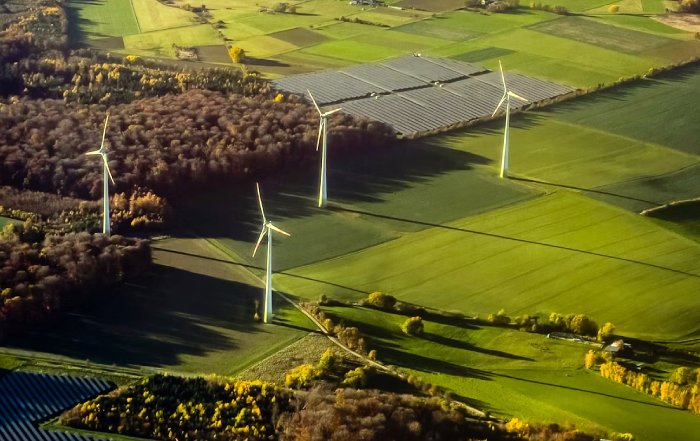
Comparing Renewable Energy Sources in 2026: Strategic Choices for a Sustainable Economy
Renewable Energy at a Turning Point
Renewable energy has moved from the margins of policy debate to the centre of economic strategy, corporate risk management and everyday lifestyle decisions. Governments across North America, Europe, Asia and beyond are setting more ambitious targets, large institutional investors are divesting from fossil fuels, and households from the United States to Germany, Australia and South Africa are rethinking how they power their homes and mobility. Within this global transformation, Eco-Natur and its audience are increasingly focused on how different renewable energy sources compare in terms of cost, reliability, environmental impact and long-term resilience, and how these choices connect to broader themes such as sustainable living, sustainability, plastic-free lifestyles, recycling and protection of wildlife and biodiversity.
As energy systems become more decentralised and digital, and as climate risks intensify, decision-makers in businesses, cities and households require not only technical data but also trustworthy, experience-based guidance that can translate complex trade-offs into practical, region-specific choices. Comparing renewable energy sources in 2026 therefore means analysing them not in isolation, but as integral components of sustainable business models, resilient economies and healthier lifestyles that reflect the values of the Eco-Natur community.
The Strategic Role of Renewable Energy in a Sustainable Economy
Renewable energy is no longer framed solely as an environmental imperative; it is now a core pillar of economic competitiveness, industrial policy and national security. Agencies such as the International Energy Agency (IEA) provide detailed outlooks showing that renewables are set to account for the majority of new power capacity worldwide, with solar and wind leading the expansion. Learn more about the global energy transition on the IEA website.
For businesses, the shift to renewable energy is increasingly linked to long-term value creation, as firms in the United Kingdom, Germany, Canada, Japan and Singapore integrate science-based climate targets into their strategies and seek to reduce exposure to volatile fossil fuel prices. Resources from organizations such as the World Business Council for Sustainable Development help companies learn more about sustainable business practices. This strategic realignment aligns closely with the themes explored on Eco-Natur, where sustainable business and green economy models are examined not as niche initiatives but as mainstream drivers of innovation, employment and competitiveness.
For households and communities, renewable energy intersects with broader questions of sustainable lifestyle choices, from the adoption of heat pumps and electric vehicles to the selection of organic food and low-impact consumer products. Policymakers in the European Union, the United States, China and other major economies are increasingly designing integrated frameworks that connect energy policy with industrial development, housing, transport and public health. The European Commission provides a useful overview of how energy and climate policies are being aligned across member states; explore its climate and energy policies.
In this context, comparing renewable energy sources is not a purely technical exercise; it is a strategic assessment of how different technologies contribute to resilient, low-carbon economies that respect ecological limits, enhance human health and support just transitions for workers and communities.
Solar Energy: Distributed Power for Homes, Cities and Businesses
Solar energy has become the emblematic technology of the renewable revolution, with dramatic cost reductions over the past decade transforming it into one of the cheapest sources of new electricity generation in many regions. From rooftop installations in California and Spain to utility-scale solar parks in India, China and the Middle East, photovoltaics are redefining how power systems are designed and financed. The U.S. Department of Energy offers detailed information on solar technologies and performance; readers can explore solar energy basics.
For the Eco-Natur audience, solar energy is particularly relevant because it aligns closely with decentralised, citizen-driven models of sustainable living, enabling households and small enterprises to generate their own electricity, reduce dependence on fossil-fuel utilities and support local resilience during grid disruptions. In countries such as Australia, Germany and Italy, high levels of rooftop solar adoption have turned consumers into "prosumers," who both use and supply electricity, often in combination with battery storage and smart home technologies.
From an environmental perspective, solar power offers significant benefits in terms of reduced greenhouse gas emissions and air pollution, contributing directly to better public health outcomes, especially in densely populated urban areas across Asia and North America. Institutions like the World Health Organization (WHO) highlight the connections between clean energy and respiratory health; more information can be found in WHO's work on air pollution and health. However, solar technologies also raise questions about land use, material sourcing and end-of-life management, particularly for large-scale installations. Responsible deployment requires careful site selection to avoid sensitive habitats, integration with biodiversity-friendly design, and robust recycling systems for panels and inverters.
From a business and investment standpoint, solar energy's modularity and rapidly declining costs make it attractive for corporate power purchase agreements, especially for companies seeking to align with the Science Based Targets initiative or frameworks such as CDP. The International Renewable Energy Agency (IRENA) provides comprehensive data on solar deployment and cost trends; readers can explore IRENA's solar resources. For firms featured or supported by Eco-Natur, integrating solar into their operations or supply chains can enhance brand credibility, reduce long-term energy costs and demonstrate leadership in climate action.
Onshore and Offshore Wind: Utility-Scale Workhorses of the Energy Transition
Wind power has matured into one of the most cost-effective large-scale renewable energy sources, particularly in regions with favourable wind resources such as the central United States, the North Sea, parts of China, Brazil, South Africa and coastal Australia. Onshore wind farms are now a familiar feature of rural landscapes, while offshore wind has expanded rapidly in Europe and is gaining momentum in markets such as the United Kingdom, the United States, South Korea and Japan. The Global Wind Energy Council (GWEC) provides detailed global statistics and policy analysis; readers can learn more about global wind trends.
Onshore wind typically offers lower installation costs and shorter project timelines compared with offshore wind, making it attractive for emerging economies in Asia, Africa and South America seeking to expand capacity quickly. However, it can face local opposition related to visual impact, noise concerns and perceived effects on property values. Effective community engagement, transparent benefit-sharing mechanisms and careful siting are therefore essential, particularly in densely populated regions such as parts of Europe and East Asia.
Offshore wind, by contrast, often involves higher capital costs and more complex engineering, but it can tap into stronger and more consistent wind resources, deliver larger project sizes and reduce land-use conflicts. In countries such as the United Kingdom, Denmark and the Netherlands, offshore wind has become central to national decarbonisation strategies, with long-term policy frameworks providing the certainty needed for large-scale investment. The UK Department for Energy Security and Net Zero offers insight into how offshore wind is integrated into national planning; interested readers can explore UK offshore wind policy.
From an ecological standpoint, wind power has a substantially lower lifecycle carbon footprint than fossil fuels, but it is not impact-free. Turbine placement and design must consider bird and bat migration routes, marine ecosystems and cumulative landscape effects. Organisations such as BirdLife International provide guidance on reducing impacts of renewable energy on wildlife. For the Eco-Natur community, wind energy exemplifies the need to balance rapid decarbonisation with robust protection of wildlife and ecosystems, using evidence-based planning and continuous monitoring to refine practices.
In terms of business models, wind energy projects often involve long-term power purchase agreements, sophisticated project finance structures and cross-border supply chains, creating opportunities for sustainable industrial development, particularly in manufacturing hubs such as China, Germany and the United States. For companies pursuing sustainable business strategies, participation in wind projects-whether through direct investment, procurement or innovation in components-can serve as a visible commitment to climate leadership and long-term resilience.
Hydropower: Mature Technology with Complex Social and Ecological Dimensions
Hydropower remains the largest source of renewable electricity globally, providing significant baseload power in countries such as China, Brazil, Canada, Norway and Switzerland. Its ability to offer flexible generation and storage through reservoirs makes it a valuable complement to variable renewables like solar and wind. The World Bank provides analysis of hydropower's role in development and climate strategies; more information is available in its hydropower resources.
However, large hydropower projects are also among the most controversial renewable technologies, particularly in terms of ecological disruption, displacement of communities and impacts on riverine systems. Dams can alter sediment flows, affect fish migration and transform downstream ecosystems, with long-term consequences for biodiversity, agriculture and local livelihoods. Organizations such as the International Union for Conservation of Nature (IUCN) document these impacts and propose mitigation approaches; readers can learn more about rivers and dams.
For the Eco-Natur audience, hydropower illustrates the importance of holistic sustainability assessment that goes beyond carbon metrics to include social justice, cultural heritage and ecosystem integrity. In regions such as Southeast Asia, Africa and South America, new hydropower proposals must be evaluated within the context of cumulative impacts, transboundary water governance and climate-induced changes in hydrology. Smaller-scale run-of-river projects and modernisation of existing dams can sometimes offer lower-impact alternatives, but they still require careful planning and stakeholder engagement.
In mature markets such as Europe and North America, the focus is increasingly shifting from building new large dams to optimising existing infrastructure, improving safety and exploring dam removal where ecological restoration and recreational benefits outweigh energy production. The U.S. Geological Survey (USGS) and other research bodies provide valuable data on river ecosystems and dam impacts; an overview of U.S. hydrologic science is available from USGS water resources. For businesses and policymakers, hydropower projects demand rigorous due diligence, transparent governance and adherence to international standards to maintain trust and social licence.
Bioenergy: Between Circular Economy Opportunity and Sustainability Risk
Bioenergy, encompassing biofuels, biomass power and biogas, occupies a complex position in the renewable energy landscape. On the one hand, it offers potential synergies with circular economy principles by converting agricultural residues, organic waste and forestry by-products into useful energy, thereby reducing landfill use and methane emissions. On the other hand, poorly regulated bioenergy can drive deforestation, compete with food production and undermine climate goals, especially when it relies on dedicated energy crops or unsustainably harvested forests.
International bodies such as the Food and Agriculture Organization of the United Nations (FAO) examine the links between bioenergy, food security and land use; readers can explore FAO's work on bioenergy and food security. For countries in Europe, North America and Asia, advanced biofuels derived from waste streams and non-food feedstocks are increasingly prioritised, particularly in sectors that are hard to electrify, such as aviation, shipping and certain industrial processes.
For the Eco-Natur community, bioenergy connects directly to themes of organic food systems, soil health, sustainable forestry and responsible consumption. When integrated into diversified farming systems that prioritise soil regeneration, biodiversity and local food security, bioenergy can contribute positively to rural economies and climate mitigation. However, when driven primarily by short-term profit motives or weak sustainability criteria, it can exacerbate land conflicts, biodiversity loss and greenhouse gas emissions.
Certification schemes and sustainability standards, such as those developed by the Roundtable on Sustainable Biomaterials (RSB), attempt to differentiate responsible bioenergy from harmful practices; more information on these frameworks can be found on the RSB website. Businesses in the United States, Brazil, Malaysia and other biofuel-producing regions are under growing scrutiny from investors, civil society and regulators, making transparent reporting and independent verification essential for maintaining trust.
Geothermal and Emerging Technologies: Niche Solutions with High Potential
Geothermal energy, which taps the Earth's internal heat, offers stable, low-carbon baseload power and direct heat applications, particularly in regions with favourable geology such as Iceland, New Zealand, parts of the United States, Italy, Indonesia and Kenya. Although global installed capacity remains modest compared with solar or wind, advances in drilling technologies and enhanced geothermal systems (EGS) are expanding its potential. The U.S. National Renewable Energy Laboratory (NREL) provides accessible overviews of geothermal technologies; readers can learn more about geothermal energy.
For countries focused on reducing dependence on imported fuels while providing reliable power, geothermal can be an attractive option, especially when integrated with district heating systems in colder climates such as Sweden, Finland and parts of Germany. From the perspective of Eco-Natur, geothermal exemplifies how context-specific resource endowments can shape sustainable energy strategies and how careful project design can minimise seismic risks and protect groundwater.
Beyond geothermal, a range of emerging technologies-such as tidal and wave energy, advanced energy storage, green hydrogen and next-generation nuclear-are being explored as complements to established renewables. While many of these remain at demonstration or early commercial stages, they could play significant roles in specific regions or sectors. The International Energy Agency and research institutions like MIT Energy Initiative provide forward-looking analysis on these innovations; readers can explore MIT's energy research. For businesses and policymakers, the challenge lies in supporting innovation while avoiding lock-in to technologies that may not prove scalable or sustainable.
Comparing Environmental and Social Impacts Across Technologies
When comparing renewable energy sources, carbon emissions are only one dimension of sustainability. The Eco-Natur audience is acutely aware that issues such as land use, water consumption, pollution, plastic waste reduction, ecosystem integrity and community rights are equally important for long-term resilience and ethical responsibility.
Solar and wind generally have low lifecycle emissions and minimal operational pollution, but they require significant quantities of metals, minerals and, in some cases, plastics and composites. Responsible sourcing, improved design for disassembly and robust recycling and circularity strategies are therefore essential, particularly as large volumes of panels, turbines and batteries approach end of life in the coming decades. Organisations such as the Ellen MacArthur Foundation provide frameworks for integrating circular economy principles into design and manufacturing; readers can learn more about circular economy strategies.
Hydropower's environmental profile depends heavily on project design and location, with some run-of-river plants having relatively low impacts while large dams in biodiverse river basins can cause profound and irreversible damage. Bioenergy's impacts vary widely based on feedstock, land management and supply chain governance. Geothermal projects must manage risks associated with induced seismicity, subsidence and potential contamination, though these can often be mitigated through careful engineering and monitoring.
Social impacts also differ across technologies. Large-scale projects, whether wind farms, solar parks or dams, can affect local communities through land acquisition, visual changes and altered livelihoods. Best practice increasingly emphasises free, prior and informed consent (FPIC), benefit-sharing mechanisms, local employment and long-term community partnerships. The United Nations Development Programme (UNDP) offers guidance on inclusive and sustainable energy development. For Eco-Natur, highlighting projects that genuinely respect community rights and enhance local resilience is central to building a culture of trust around renewable energy deployment.
Economic Competitiveness and Grid Integration in 2026
By 2026, levelised costs of electricity from solar and onshore wind are competitive or cheaper than new fossil fuel generation in many markets, yet economic assessment must extend beyond generation costs to include grid integration, storage, flexibility and system resilience. High shares of variable renewables require investment in transmission infrastructure, digital grid management, demand response and storage solutions, from utility-scale batteries to vehicle-to-grid systems.
Regulators and grid operators in Europe, North America and Asia are developing new market designs to reward flexibility and reliability, while ensuring that consumers benefit from lower generation costs. The International Energy Agency and agencies such as the Federal Energy Regulatory Commission (FERC) in the United States provide detailed analysis of these evolving market structures; readers can explore FERC's energy market oversight. For businesses and investors, understanding these regulatory dynamics is essential for evaluating the long-term profitability and risk profile of different renewable technologies.
For households and communities, the economics of renewable energy are increasingly shaped by policies such as net metering, feed-in tariffs, tax incentives and green finance products. In countries such as Germany, France, the Netherlands and Japan, citizen energy cooperatives and community-owned projects have demonstrated that distributed renewables can deliver not only financial returns but also social cohesion and local empowerment. For the Eco-Natur readership, these models resonate strongly with the desire to integrate renewable energy into everyday life in ways that reinforce local autonomy and environmental stewardship.
Integrating Renewable Energy with Broader Sustainability Goals
Renewable energy deployment does not occur in a vacuum; it intersects with urban planning, transportation, food systems, health and wellbeing, and the transition towards low-waste, plastic-free and circular lifestyles. Cities across Europe, Asia and the Americas are developing integrated climate action plans that combine clean energy with sustainable mobility, green building standards and nature-based solutions. The C40 Cities Climate Leadership Group showcases such initiatives; readers can explore city climate actions.
For Eco-Natur, the comparison of renewable energy sources is therefore embedded within a holistic vision of sustainable living, where energy choices support healthier diets, cleaner air, reduced exposure to hazardous chemicals, and the regeneration of ecosystems. A household that installs rooftop solar, switches to electric mobility, adopts a largely organic diet and embraces zero-waste practices is not merely reducing its carbon footprint; it is participating in a systemic shift towards a more resilient and equitable global economy.
At the corporate level, companies that align their energy procurement with broader sustainability strategies-covering supply chain emissions, product design, packaging, recycling and social responsibility-are better positioned to meet the expectations of regulators, investors and consumers in markets from the United States and Canada to Singapore and South Korea. Frameworks such as the Task Force on Climate-related Financial Disclosures (TCFD) and emerging global reporting standards are reinforcing this integrated approach; more information is available from the TCFD knowledge hub.
A Trusted Path Forward for the Eco-Natur Community
In 2026, the comparison of renewable energy sources is no longer about choosing a single "best" technology but about designing balanced, context-specific portfolios that combine solar, wind, hydropower, bioenergy, geothermal and emerging solutions in ways that respect ecological boundaries, support just transitions and enhance long-term economic resilience. For households, businesses and communities engaging with Eco-Natur, the key is to translate global insights into practical, local decisions that reflect personal values and regional realities.
By drawing on high-quality information from international organisations, scientific institutions and leading practitioners, and by connecting energy choices to broader themes of sustainable lifestyles, global sustainability, biodiversity protection and circular economy innovation, Eco-Natur aims to provide a trusted, experience-based guide through the complexity of the energy transition. As renewable technologies continue to evolve and costs decline further, the decisive factors will increasingly be governance quality, social inclusion, design excellence and the willingness of individuals, companies and governments to align energy decisions with a comprehensive vision of sustainability that serves both people and planet.
