
The Future of Irrigation: Water, Food Security, and Sustainability in 2026
Irrigation at the Heart of a Changing World
In 2026, the role of irrigation in agriculture stands at the intersection of climate resilience, food security, and sustainable development in a way that is more visible and consequential than at any other time in modern history. As global populations continue to rise, consumption patterns evolve, and climate impacts intensify, governments and businesses are recognizing that how societies manage water for agriculture will shape not only harvests, but also economic stability, social cohesion, and ecological integrity across North America, Europe, Asia, Africa, and South America. For the community around eco-natur.com, which is deeply engaged with themes such as sustainable living, sustainability, and sustainable business, irrigation has become a powerful lens through which to understand the complex relationship between agriculture, technology, and the natural world.
The global picture has evolved rapidly since 2025. Water remains the single largest input to agriculture, with the Food and Agriculture Organization of the United Nations (FAO) continuing to estimate that more than 70 percent of the world's freshwater withdrawals are used for irrigation, yet this headline figure now sits alongside increasing competition from cities, industry, and energy production, particularly in rapidly urbanizing regions of Asia and Africa. Climate change has added a further layer of volatility, with prolonged droughts in the western United States, southern Europe, and parts of Australia, devastating floods in South Asia, and shifting rainfall patterns in Sub-Saharan Africa forcing policymakers and farmers alike to rethink how, where, and why water is diverted to fields. At the same time, a new generation of digital tools, data platforms, and renewable energy solutions has matured, enabling what many observers describe as a quiet revolution in precision irrigation and integrated water management.
For those focused on sustainable lifestyles, plastic-free choices, recycling, biodiversity, and responsible consumption, irrigation may appear at first to be a technical, largely rural concern. Yet it underpins the availability and price of food, the viability of organic food systems, the health of rivers and wetlands, and the resilience of communities from California and Germany to Kenya, India, and Brazil. Understanding how irrigation is being reshaped in 2026 is therefore essential for anyone committed to a sustainable global economy and a more nature-positive lifestyle.
The Global Context: Scarcity, Risk, and Opportunity
The global water-food nexus has become more precarious over the past decade. Institutions such as the World Resources Institute have warned that many regions, including parts of the Middle East, North Africa, India, and the western United States, are now experiencing high to extremely high water stress, where even small changes in supply or demand can trigger serious shortages. At the same time, the Intergovernmental Panel on Climate Change (IPCC) has documented how rising temperatures, altered precipitation patterns, and melting glaciers are transforming hydrological regimes in ways that will increasingly challenge traditional rain-fed agriculture.
In response, countries have accelerated investment in irrigation infrastructure, from modernizing century-old canal systems to constructing new dams and reservoirs, and from expanding drip and sprinkler systems to rolling out vast networks of digital sensors and satellite-linked control systems. Large economies such as the United States, China, India, and Brazil are combining public funds with private capital, while multilateral institutions including the World Bank and regional development banks are financing major projects in Africa, South Asia, and Latin America. Learn more about the broader global sustainability agenda through resources from the United Nations and leading environmental organizations such as WWF.
Yet these efforts are not without controversy or risk. Poorly designed or poorly governed irrigation schemes can deplete aquifers, degrade soils, fragment river ecosystems, and threaten wildlife habitats, undermining national climate and biodiversity commitments. Conversely, carefully planned, data-driven, and community-inclusive projects can serve as powerful examples of how to reconcile agricultural productivity with ecosystem health, social equity, and long-term resilience. The debate is no longer about whether irrigation is necessary, but about how it can be made compatible with the principles of a circular, low-carbon, and nature-positive economy.
Regional Evolution of Irrigation in 2026
North America: Precision, Regulation, and Climate Adaptation
In North America, the past few years have deepened the shift toward precision irrigation and stricter water governance. The United States continues to rely heavily on irrigated agriculture in states such as California, Arizona, Nebraska, and Texas, where high-value crops and livestock feed depend on reliable water supplies. Repeated droughts in the Colorado River Basin and the Central Valley have prompted federal and state authorities to tighten groundwater regulations and invest in managed aquifer recharge, while farmers increasingly deploy advanced drip systems, soil moisture probes, and AI-driven scheduling tools to minimize waste.
Technology providers, including IBM, Microsoft, John Deere, and specialist firms in ag-tech, now offer integrated platforms that blend weather forecasts, satellite data, and field-level sensor readings, giving growers the ability to adjust irrigation in near real time. The U.S. Department of Agriculture (USDA) supports these efforts through research and extension programs, while initiatives linked to the Inflation Reduction Act and other climate policies encourage water- and energy-efficient practices. Those exploring sustainable business models will find that water stewardship is rapidly becoming a core component of environmental, social, and governance (ESG) strategies for agribusinesses and food companies.
In Canada, irrigation remains crucial in provinces such as Alberta and Saskatchewan, where grain, oilseed, and specialty crops rely on water from rivers originating in the Rocky Mountains. Recent modernization programs have focused on replacing open canals with pressurized pipelines, integrating digital flow meters, and coupling irrigation with on-farm renewable energy, particularly solar. Agriculture and Agri-Food Canada and provincial agencies have emphasized the need to reduce losses, adapt to shrinking snowpacks, and protect aquatic ecosystems, aligning national agricultural policy with Canada's broader climate and biodiversity objectives.
Europe: Water Efficiency and Ecosystem Protection
Across Europe, the tension between agricultural water demand and environmental protection has become sharper, particularly under the influence of the European Green Deal and the latest iterations of the Common Agricultural Policy (CAP). Southern countries such as Spain, Italy, Greece, and parts of France have faced increasingly frequent droughts and heatwaves, putting pressure on irrigation districts that serve orchards, vineyards, and vegetable farms. Governments have responded by promoting high-efficiency drip and micro-sprinkler systems, incentivizing the use of treated wastewater for irrigation, and tightening abstraction permits for surface and groundwater.
In Spain, for example, major irrigation modernization projects in regions like Andalusia and Murcia have combined canal lining, automated gates, and digital monitoring with expanded use of reclaimed water from urban treatment plants. This approach reduces pressure on rivers and aquifers while supporting export-oriented horticulture. In Italy, water user associations are upgrading infrastructure in the Po Valley and southern regions, while also integrating flood management and drought planning into long-term strategies. Readers interested in water-smart European agriculture can explore additional insights through organizations such as the European Environment Agency.
Northern and western Europe offer a contrasting model centered on high-tech greenhouse and controlled-environment agriculture. The Netherlands, in particular, has continued to refine hydroponic and aeroponic systems that recirculate water and nutrients with minimal losses, enabling the country to remain one of the world's leading agricultural exporters despite limited land and water. Dutch companies such as Priva and Grodan are at the forefront of integrating climate control, lighting, and irrigation in circular systems that closely reflect the zero-waste and design philosophy that eco-natur.com regularly highlights. Similar approaches are increasingly visible in Germany, Sweden, Denmark, and Switzerland, where vertical farms and urban greenhouses are beginning to complement open-field production.
Asia: Mega-Projects, Smallholders, and Digital Leapfrogging
Asia remains the world's largest user of irrigation water, with countries such as China, India, Pakistan, and Bangladesh depending heavily on irrigated rice, wheat, and cash crops. In China, the monumental South-North Water Transfer Project continues to channel water from the Yangtze basin to the drier north, supplying cities and farms but also provoking ongoing debate over ecological and social impacts. Chinese authorities are now placing greater emphasis on efficiency within irrigated areas, promoting advanced drip and sprinkler systems, lining canals, and deploying smart meters, while also experimenting with nature-based solutions such as wetlands restoration for flood management. The Ministry of Water Resources of the People's Republic of China has signaled that future investments will increasingly be judged on their ability to reconcile food production with ecological protection.
In India, where a majority of farmers still cultivate small plots, the transformation of irrigation has been more decentralized and entrepreneurial. Solar-powered pumps, subsidized under programs such as KUSUM, are allowing farmers to access groundwater without depending on unreliable grid electricity or expensive diesel. At the same time, policymakers and researchers are grappling with the risk that uncontrolled pumping could accelerate aquifer depletion, particularly in states like Punjab and Haryana. Efforts are under way to couple solar irrigation with incentives for efficient water use, crop diversification, and groundwater recharge, supported by organizations such as the International Water Management Institute (IWMI) and national research institutes. For eco-natur.com readers following the rise of organic food and agroecology in India, these irrigation reforms are central to building resilient, low-input farming systems.
Elsewhere in Asia, countries such as Vietnam, Thailand, Indonesia, and Philippines are modernizing rice irrigation schemes, introducing alternate wetting and drying techniques that save water and reduce methane emissions. Japan and South Korea are investing in smart irrigation and robotics in response to aging rural populations, while Singapore continues to position itself as a global leader in integrated water management, using desalination, water recycling, and urban agriculture to enhance food and water security. Those seeking a deeper understanding of Asia's water-food challenges can consult resources from the Asian Development Bank, which has become a major financier of irrigation modernization and climate adaptation projects in the region.
Africa: From Under-Irrigated Potential to Climate Resilience
In Africa, irrigated agriculture still accounts for a relatively small share of cultivated land, yet its strategic importance has grown sharply as governments confront food import dependence, climate vulnerability, and rural poverty. In Sub-Saharan Africa, only a small fraction of cropland is irrigated compared to Asia, but recent years have seen a surge of interest in both large-scale and small-scale schemes that can buffer farmers against erratic rainfall. Countries such as Ethiopia, Kenya, Ghana, and Rwanda have launched national irrigation expansion plans, often supported by the World Bank, the African Development Bank, and bilateral donors.
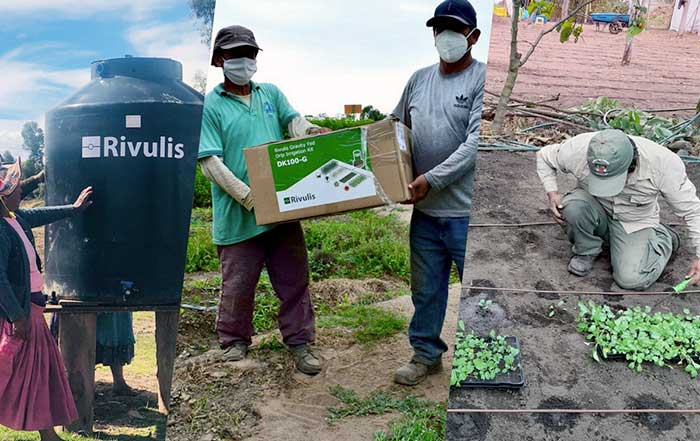
In Ethiopia, community-based smallholder schemes along rivers such as the Awash and Omo are being upgraded with improved canals, small pumps, and training in water management, while larger multipurpose dams seek to balance hydropower, irrigation, and environmental flows. These initiatives are increasingly linked to broader watershed management and biodiversity conservation efforts, recognizing that healthy upland ecosystems are essential for sustaining downstream water supplies. In Kenya, solar-powered drip irrigation kits, often financed through microcredit and pay-as-you-go models, are enabling farmers in arid and semi-arid counties to grow vegetables and fruits for local markets, improving nutrition and incomes while reducing dependence on diesel. Organizations such as USAID and the World Food Programme have supported pilot projects that combine irrigation with climate-smart agriculture and rural enterprise development.
In South Africa, the long-established irrigation systems along the Orange and Limpopo rivers continue to support commercial fruit, wine, and grain production, but water scarcity and competition from urban and industrial users have prompted tighter regulation and greater emphasis on efficiency. The national government and provincial agencies are investing in monitoring networks, metering, and modernization of aging infrastructure, while also exploring how to allocate water more equitably between large commercial farms and emerging smallholders. For African policymakers and practitioners, platforms such as the CGIAR research centers offer valuable evidence on how to design irrigation that supports both growth and resilience.
South America: Abundance, Expansion, and Environmental Limits
South America holds some of the world's largest freshwater reserves, yet faces complex trade-offs between agricultural expansion, ecosystem protection, and climate commitments. In Brazil, the rapid growth of irrigated agriculture in the Cerrado and parts of the Amazon basin has contributed to the country's status as an agricultural superpower, particularly in soybeans, maize, cotton, and sugarcane. Center-pivot systems now cover vast areas, supported by groundwater and surface water withdrawals, while remote sensing and digital platforms help monitor crop conditions and water use. However, deforestation, wetland conversion, and biodiversity loss have raised serious concerns, prompting civil society organizations and international partners to call for stricter enforcement of environmental laws and more sustainable intensification models. Those interested in how irrigation intersects with deforestation and climate policy can consult analyses from IPAM Amazônia and similar institutions.
In Argentina, modernization of irrigation in the Cuyo region and Patagonia has focused on upgrading canals, introducing drip systems in vineyards and orchards, and integrating water management with climate risk planning. Chile, which relies heavily on meltwater from the Andes, has been forced by prolonged drought to accelerate investments in canal lining, drip irrigation, and, increasingly, desalination and water reuse for agriculture. Government agencies and research institutions such as CEPAL (the UN Economic Commission for Latin America and the Caribbean) are exploring how integrated water resources management can reconcile agriculture, mining, urban supply, and ecosystem needs in a changing climate.
Australia and New Zealand: Governance and High-Tech Stewardship
In Australia, one of the world's driest inhabited continents, irrigation policy and practice have continued to evolve in response to climate variability and ecological degradation. The Murray-Darling Basin, long a focal point of water conflict and reform, remains the centerpiece of national efforts to balance agricultural production with environmental flows and the rights of First Nations communities. The Murray-Darling Basin Authority oversees a complex system of water entitlements, trading, and environmental water holdings, while farmers rely on sophisticated metering, scheduling tools, and infrastructure upgrades to meet both regulatory and economic pressures. Australian research organizations such as CSIRO have played a leading role in developing climate-resilient cropping systems and water-efficient technologies.
New Zealand, with its relatively abundant water resources, has nevertheless tightened scrutiny of irrigation impacts on rivers, lakes, and groundwater, particularly in regions dominated by intensive dairy farming. The government's freshwater reforms, combined with growing consumer demand for environmentally responsible products, are pushing farmers to invest in precision irrigation, nutrient management, and riparian restoration. For eco-natur.com readers following sustainable living in New Zealand and Australia, these developments illustrate how consumer expectations, regulation, and technological innovation can converge to drive better outcomes for both food systems and freshwater ecosystems.
Technology and Innovation: From Data to Decision
The technological landscape of irrigation in 2026 is characterized by rapid integration: hardware, software, and analytics are converging into platforms that help farmers, water managers, and policymakers make better decisions at multiple scales. This evolution is central to building irrigation systems that are compatible with long-term sustainability and climate resilience.
Smart sensors and Internet of Things (IoT) devices have become more affordable and robust, allowing even medium-sized farms in Europe, North America, and parts of Asia and Latin America to deploy networks of soil moisture probes, flow meters, and weather stations. These devices transmit real-time data to cloud-based platforms, where algorithms process the information and recommend or automatically implement irrigation schedules. Companies such as Netafim, Valmont Industries, and emerging ag-tech start-ups are continuously refining these tools, while public research institutions validate their performance under diverse conditions.
Artificial intelligence and machine learning now underpin many of the most advanced irrigation decision-support systems. By combining historical climate records, satellite imagery, crop models, and on-the-ground sensor data, AI platforms can forecast crop water requirements days or weeks in advance, detect anomalies such as leaks or blockages, and optimize water allocation across multiple fields or districts. Microsoft's FarmBeats, IBM's Watson Decision Platform for Agriculture, and numerous regional solutions in China, India, and Europe exemplify this trend. These tools are not only relevant for large-scale commercial farms; in countries such as India and Kenya, simplified mobile applications are bringing weather and irrigation advice directly to smallholders, often in local languages, supporting inclusive and climate-smart rural development.
Remote sensing via satellites and drones has added another layer of visibility. High-resolution imagery from providers such as Planet Labs and Airbus allows water managers to identify patterns of stress, over-irrigation, or illegal abstraction across large areas, supporting both on-farm optimization and regulatory enforcement. Drones equipped with multispectral cameras enable targeted assessments of fields, particularly in high-value crops such as vineyards, orchards, and horticulture. This combination of top-down and bottom-up data is transforming irrigation from a largely reactive practice into a proactive, data-driven discipline.
Equally important is the integration of irrigation with renewable energy. Solar-powered pumps have moved from pilot projects to mainstream adoption in parts of India, Bangladesh, Kenya, Ethiopia, and Nigeria, often supported by the International Solar Alliance and national energy agencies. In some regions, farmers can now sell surplus solar electricity back to the grid, creating incentives to use water more efficiently rather than to over-pump. Wind and micro-hydro systems are being tested in Brazil, Nepal, and China, linking local renewable resources with agricultural water supply. For eco-natur.com's community, accustomed to exploring renewable energy solutions for homes and businesses, these developments illustrate how the clean energy transition and sustainable agriculture are increasingly intertwined.
Sustainability, Ecosystems, and Social Dimensions
Despite the promise of technology, the long-term sustainability of irrigation hinges on ecological and social considerations that cannot be solved by hardware and software alone. Over-extraction of groundwater, especially from fossil aquifers in regions like northern India, the Middle East, and parts of the United States, remains a critical concern, as water tables continue to fall and pumping costs rise. Surface water diversions can disrupt river flows, fragment habitats, and alter sediment transport, affecting fisheries, wetlands, and estuaries that support both biodiversity and local livelihoods.
Forward-looking irrigation strategies therefore place strong emphasis on integrated water resources management, environmental flows, and nature-based solutions. In Europe, Australia, and parts of Latin America, water authorities are increasingly allocating specific volumes of water to maintain or restore ecological functions, sometimes purchasing water rights from irrigators for this purpose. In South Africa and Mexico, watershed restoration and reforestation projects aim to stabilize catchments, improve infiltration, and reduce erosion, thereby enhancing long-term water availability. International conservation organizations such as The Nature Conservancy and WWF are working with governments and farmers to design irrigation projects that support, rather than undermine, river and wetland health.
Social equity is another core dimension. Large irrigation schemes have historically been associated with displacement, unequal benefit distribution, and gender imbalances in access to land and water. Today, many development agencies and civil society organizations insist that irrigation investments include robust consultation, participation, and benefit-sharing mechanisms. In Ethiopia, Rwanda, and Nepal, for example, water user associations and cooperatives are being strengthened to ensure that smallholders, including women and marginalized groups, have a voice in decision-making and fair access to water. These governance innovations echo the participatory ethos that underpins much of eco-natur.com's focus on community-led sustainable living and local resilience.
Agroecological approaches are gaining traction as a way to align irrigation with soil health, biodiversity, and climate mitigation. Diversified cropping systems, conservation agriculture, and integrated crop-livestock systems can reduce water demand, enhance infiltration, and build organic matter, making soils more resilient to drought and heavy rainfall. Countries such as France, Germany, and Brazil are experimenting with policies that link agricultural subsidies or credit to environmental performance, including water-use efficiency and habitat protection. These approaches resonate strongly with eco-natur.com's emphasis on biodiversity, health, and regenerative practices.
Governance, Policy, and International Cooperation
Effective irrigation depends as much on institutions and policies as it does on canals and pumps. In many regions, outdated or unclear water rights, weak enforcement, and fragmented responsibilities among agencies undermine both efficiency and equity. In response, countries are gradually reforming legal frameworks to clarify entitlements, introduce caps on withdrawals, and enable water trading where appropriate. Australia's experience in the Murray-Darling Basin remains a reference point for many policymakers, even as debates continue about its social and ecological outcomes.
Internationally, transboundary rivers such as the Nile, Mekong, Danube, and Indus highlight the need for cooperative frameworks that prevent conflict and ensure shared benefits. Institutions like the Nile Basin Initiative, the Mekong River Commission, and various bilateral and multilateral treaties provide mechanisms for data sharing, joint planning, and dispute resolution, though geopolitical tensions and power imbalances can still complicate implementation. The United Nations and regional organizations encourage countries to align irrigation development with the Sustainable Development Goals, especially SDG 2 on zero hunger and SDG 6 on clean water and sanitation, recognizing that progress on these goals is deeply interlinked.
For businesses, investors, and consumers, voluntary standards and disclosure frameworks are becoming increasingly influential. Initiatives such as the Alliance for Water Stewardship (AWS) and reporting standards under the Global Reporting Initiative (GRI) or the Task Force on Climate-related Financial Disclosures (TCFD) encourage companies to assess and report on their water risks and impacts, including those associated with irrigated supply chains. This creates pressure and opportunity for farmers, processors, and retailers to adopt more sustainable water practices, aligning commercial incentives with environmental responsibility.
Implications for Sustainable Living and Business
For the global audience of eco-natur.com, spanning the United States, United Kingdom, Germany, Canada, Australia, France, Italy, Spain, Netherlands, Switzerland, China, Sweden, Norway, Singapore, Denmark, South Korea, Japan, Thailand, Finland, South Africa, Brazil, Malaysia, New Zealand, and beyond, the evolution of irrigation is not an abstract technical matter. It shapes the availability, quality, and price of food, the environmental footprint of diets, and the resilience of communities to climate shocks. Choosing seasonal, locally adapted, and water-efficient foods, supporting farmers and brands that adopt responsible water stewardship, and advocating for policies that protect rivers and aquifers are all ways in which individuals and organizations can influence the trajectory of irrigation and agriculture.
From a business perspective, integrating water risk into strategy, investing in efficient technologies, and collaborating with suppliers on best practices are becoming hallmarks of credible sustainability leadership. Companies that ignore water constraints may face supply disruptions, reputational damage, and regulatory penalties, while those that invest in resilient, low-impact irrigation can differentiate themselves in increasingly discerning markets. Eco-natur.com's resources on sustainable business, economy, and sustainability provide practical entry points for organizations seeking to align their operations and value chains with this emerging reality.
Looking Ahead: Irrigation in a Regenerative Future
As the world moves deeper into the 2020s, irrigation will remain a central, and often contested, element of the global response to climate change, food insecurity, and biodiversity loss. The most promising pathways are those that view water not merely as an input to be extracted and distributed, but as part of a living system that connects soils, plants, rivers, aquifers, and communities across landscapes and borders. In such a vision, irrigation infrastructure is designed to work with natural processes rather than against them, digital technologies are used to enhance transparency and cooperation, and governance frameworks ensure that benefits are shared fairly.
For eco-natur.com and its readers, the challenge and opportunity lie in connecting everyday choices and corporate strategies with these broader systemic shifts. Whether through supporting water-wise farmers, engaging in policy discussions, or investing in innovation, individuals and organizations can contribute to an agricultural future in which irrigation supports not only higher yields and economic growth, but also thriving ecosystems, healthier diets, and more resilient societies. Those who wish to deepen their engagement can explore further resources across eco-natur.com, from sustainable living and recycling to zero-waste and global sustainability perspectives, recognizing that the story of water in agriculture is, ultimately, a story about the future of life on Earth.
