
Air Pollution in 2026: Risks, Responsibilities, and Opportunities for a Sustainable Future
Air pollution has evolved into one of the defining environmental and public health challenges of the early twenty-first century, and by 2026 it is clear that this crisis is also a test of global economic resilience, technological innovation, and social justice. Despite decades of regulation, international cooperation, and cleaner technologies, hundreds of cities across the world still record particulate matter and nitrogen dioxide levels far above recommended health thresholds, while rural regions struggle with smoke from agricultural burning, wildfires, and household energy use. For the readership of eco-natur.com, which is deeply engaged with sustainable living, sustainability, and climate-conscious choices, air pollution is not an abstract environmental issue but a daily reality that shapes health, business strategy, food systems, and long-term economic prospects.
At the same time, the tools to address this challenge have never been more advanced. From rapid growth in renewable energy to data-driven urban planning, from plastic-free packaging to circular economy models, solutions are emerging in virtually every sector and region. The central question in 2026 is no longer whether clean air is technically achievable, but whether governments, businesses, and individuals can align incentives and behaviors fast enough to secure that outcome.
This article examines the evolving landscape of air pollution with a focus on global trends, regional realities, and the concrete implications for sustainable business, health, organic food systems, and economic strategy. It situates these issues within the mission of eco-natur.com, which seeks to connect evidence-based insight with practical pathways for change in the United States, Europe, Asia, Africa, and beyond.
The Global Scale and Changing Nature of Air Pollution
Air pollution is inherently transboundary. Pollutants emitted in one country can travel thousands of kilometers, carried by prevailing winds and atmospheric circulation. Dust from the Sahara Desert regularly crosses the Atlantic, influencing air quality in the Caribbean and parts of South America, while industrial emissions from China and other parts of East Asia have been detected over the western United States. This global interconnectedness is documented by organizations such as the World Meteorological Organization and underscores that no single nation can insulate itself from the consequences of poor air quality elsewhere.
By 2026, satellite-based monitoring from agencies such as NASA and the European Space Agency provides unprecedented visibility into regional pollution patterns, revealing persistent hotspots across South Asia, Sub-Saharan Africa, and industrial corridors in Europe and North America. According to analyses frequently referenced by the World Health Organization, the vast majority of the global population continues to breathe air that exceeds recommended limits for fine particulate matter (PM2.5), with serious implications for life expectancy and healthcare systems.
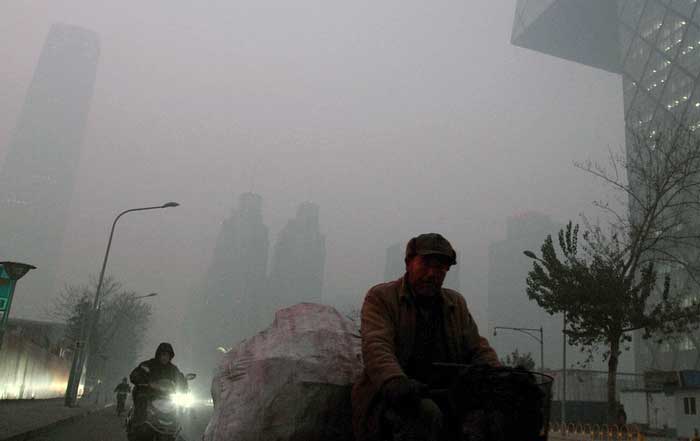
Urbanization remains a key driver. Mega-cities such as Delhi, Beijing, Mexico City, Jakarta, Los Angeles, and London struggle with a combination of traffic emissions, industrial activity, construction dust, and, increasingly, smoke from regional wildfires. Yet rural regions in Africa, Latin America, and parts of Asia face their own crises, driven by biomass burning for household energy, open waste burning, and agricultural fires. This dual urban-rural reality complicates policy responses, requiring both advanced technological solutions and basic infrastructure improvements.
The economic cost is enormous. Institutions like the World Bank and the Organisation for Economic Co-operation and Development (OECD) estimate that lost productivity, premature mortality, and health expenditures related to air pollution collectively amount to trillions of dollars annually. For businesses and policymakers, clean air is therefore not only a moral imperative but a central component of long-term economic strategy, a theme that resonates strongly with the economy and sustainability focus of eco-natur.com.
Root Causes: Industry, Energy, Transport, Agriculture, and Waste
The sources of air pollution are well known, yet their relative importance varies by region and level of development. Understanding these drivers is essential for designing effective interventions that align with broader sustainability and climate goals.
Industrial activity and fossil fuel-based power generation remain major emitters of sulfur dioxide, nitrogen oxides, volatile organic compounds, and particulate matter. In China, India, South Africa, and parts of Eastern Europe, coal-fired plants still play a central role in electricity generation, although the rapid expansion of wind and solar has begun to alter this trajectory. Reports from the International Energy Agency indicate that while global coal demand has plateaued or declined in some advanced economies, it remains entrenched in many emerging markets, where energy security and affordability concerns often outweigh air quality considerations.
The transport sector is another critical contributor, particularly in rapidly growing urban areas. Despite the surge in electric vehicle deployment in the United States, China, Germany, Norway, and Netherlands, internal combustion engines still dominate in most of the world's vehicle fleets. Heavy-duty trucks, shipping, and aviation present especially stubborn challenges, as cleaner alternatives are more complex and capital-intensive. The International Council on Clean Transportation and similar organizations highlight how congestion, outdated vehicle standards, and insufficient public transport continue to undermine urban air quality.
Agriculture is often underestimated as a source of air pollution. Ammonia emissions from synthetic fertilizers, methane from livestock, and smoke from crop residue burning significantly degrade air quality in countries such as India, Thailand, and Indonesia, where seasonal haze events affect entire regions, including Singapore and Malaysia. A shift toward regenerative agriculture and organic food systems, supported by guidance from bodies like the Food and Agriculture Organization, can reduce these emissions while improving soil health and biodiversity.
Waste management is a further, frequently overlooked driver. In many low- and middle-income countries, limited formal waste collection leads to widespread open burning of plastics and mixed waste, releasing dioxins, heavy metals, and microplastics into the air. Even in high-income economies, incineration and poorly managed landfills can be significant local sources. Moving toward zero-waste models and robust recycling systems, as promoted on eco-natur.com, is therefore a critical component of any comprehensive air quality strategy.
Health, Equity, and the Human Cost of Polluted Air
The health impacts of air pollution are now among the best documented in environmental science. Fine particulate matter, nitrogen dioxide, ground-level ozone, and other pollutants are linked to cardiovascular disease, stroke, lung cancer, chronic obstructive pulmonary disease, and a range of respiratory infections. Analyses presented in leading medical journals and summarized by organizations such as the Lancet show that air pollution remains one of the top risk factors for premature mortality worldwide.
Children, older adults, and people with pre-existing conditions are disproportionately affected. In high-income countries like the United States, United Kingdom, Germany, Canada, Australia, and Japan, improved regulation has reduced some of the worst pollution episodes of the past, but vulnerable communities-often lower-income or minority populations located near highways, industrial zones, or ports-still experience elevated exposure. This environmental justice dimension has prompted new policy frameworks, particularly in North America and Europe, that explicitly recognize clean air as a right tied to broader public health and social equity concerns.
In many parts of Africa, South Asia, and Southeast Asia, the situation is more acute. Household air pollution from cooking with wood, charcoal, or kerosene remains a major killer, especially of women and children, and compounds outdoor pollution from traffic and industry. The United Nations Environment Programme and global health agencies increasingly frame clean cooking initiatives, clean fuels, and electrification as central pillars of both climate and health policy.
Emerging research also suggests strong links between chronic exposure to air pollution and mental health outcomes, cognitive decline, and adverse pregnancy outcomes. These findings strengthen the case for ambitious action and support the message that eco-natur.com consistently emphasizes: sustainable choices in energy, transport, and lifestyle are not only environmentally sound but also essential for long-term well-being.
Environmental and Biodiversity Impacts
Air pollution is a direct threat to ecosystems and biodiversity. Sulfur dioxide and nitrogen oxides contribute to acid rain, which damages forests, soils, and freshwater ecosystems, particularly in mountainous and high-rainfall regions of Europe, North America, and Asia. Ozone at ground level impairs plant growth and reduces crop yields, undermining food security in regions where agriculture is already stressed by climate variability, such as Sub-Saharan Africa and South Asia.
Black carbon and other light-absorbing particles settle on snow and ice in the Arctic, the Himalayas, and other high-altitude regions, accelerating melting and altering hydrological cycles. This has far-reaching implications for water availability, hydroelectric power, and agriculture downstream, affecting hundreds of millions of people in China, India, Pakistan, and across Central Asia. Organizations such as the Intergovernmental Panel on Climate Change have repeatedly highlighted these interconnected risks.
Wildlife is equally affected. Pollutants can weaken plant defenses, disrupt insect populations, and degrade habitats that are already under pressure from land-use change and climate warming. Haze events in Southeast Asia, for example, have been linked to habitat stress in rainforests that support endangered species, while nitrogen deposition in temperate regions alters plant communities and the food webs that depend on them. For readers of eco-natur.com who follow wildlife and conservation topics, it is increasingly clear that air quality, climate stability, and habitat protection must be addressed together rather than in isolation.
Economic and Business Implications in 2026
By 2026, the business case for clean air and low-emission operations is significantly stronger than it was a decade ago. Companies in North America, Europe, Asia, and Australia face growing regulatory pressure, investor scrutiny, and consumer expectations related to environmental performance. Frameworks such as the Task Force on Climate-related Financial Disclosures (TCFD) and emerging nature-related disclosure standards encourage firms to quantify their exposure to environmental risks, including those linked to air pollution.
For manufacturers, logistics providers, and energy-intensive industries, air pollution control is no longer simply a compliance issue but a strategic factor influencing competitiveness, reputation, and access to capital. Firms that adopt cleaner technologies, electrify fleets, and source renewable electricity can often reduce operational costs over time while protecting their workforce from pollution-related illness. This aligns closely with the guidance offered in the sustainable business resources of eco-natur.com, which emphasize integrating environmental performance into core business models rather than treating it as an add-on.
At the macroeconomic level, countries that invest in clean energy, efficient transport, and resilient urban infrastructure tend to enjoy higher productivity and lower long-term healthcare costs. Analyses from the International Monetary Fund and similar institutions suggest that well-designed environmental regulation can stimulate innovation and job creation in sectors such as renewable energy, building retrofits, pollution control equipment, and sustainable agriculture. For economies in Europe, North America, East Asia, and increasingly Latin America and Africa, air quality improvement is therefore a lever for industrial modernization and inclusive growth.
International Frameworks and Regional Realities
Global governance of air pollution continues to evolve. The 1979 Convention on Long-Range Transboundary Air Pollution (CLRTAP) in Europe remains a landmark, demonstrating how binding international agreements can reduce sulfur emissions and acid rain across borders. Building on that legacy, the European Union now integrates air quality targets within the broader European Green Deal, linking pollution reduction to climate neutrality, energy transition, and circular economy initiatives. Interested readers can explore how these policies intersect with sustainable living in Europe through analyses and case studies.
The Paris Agreement on climate change, while focused on greenhouse gases, has become an indirect but powerful driver of improved air quality. Nationally Determined Contributions that phase down coal, scale up renewables, and enhance energy efficiency simultaneously reduce particulate and gaseous pollutants. Agencies such as the UN Framework Convention on Climate Change and UNEP increasingly highlight these co-benefits, encouraging countries to design integrated climate-air quality strategies.
Regional differences remain pronounced. In Europe, enforcement of strict air quality standards continues to challenge cities in Poland, Bulgaria, and other coal-dependent regions, while Sweden, Norway, Denmark, and Finland showcase how clean energy, public transport, and citizen engagement can deliver sustained improvements. In Asia, advanced economies like Japan, South Korea, and Singapore invest heavily in hydrogen, smart mobility, and digital monitoring, whereas fast-growing economies such as India, Indonesia, and Vietnam balance industrial expansion with mounting public pressure for cleaner air.
In Africa, multinational initiatives supported by the African Development Bank and other partners aim to expand renewable energy, modernize grids, and deploy clean cooking technologies, positioning the continent to leapfrog some of the most polluting development pathways. Across the Americas, the United States and Canada continue to refine their regulatory frameworks, while Brazil, Mexico, and other Latin American countries explore low-emission transport and urban planning solutions to address chronic smog.
Technology, Innovation, and Digital Transformation
Technological innovation is reshaping how societies understand and manage air pollution. The rapid expansion of wind and solar capacity, battery storage, and grid digitalization has lowered the cost of decarbonizing power systems, a trend tracked in detail by the International Renewable Energy Agency. Countries such as Denmark, Norway, Germany, and Spain now obtain a large share of their electricity from renewables, demonstrating that grid reliability and clean energy can be compatible at scale.
In the transport sector, electric vehicles have moved from niche to mainstream in several markets. Automakers such as Tesla, BYD, Volkswagen, and Hyundai compete in an increasingly crowded EV landscape, while cities including London, Paris, Amsterdam, and Oslo expand charging networks and implement low- or zero-emission zones. These developments, combined with investments in rail, bus rapid transit, and active mobility infrastructure, contribute to cleaner urban air and align with the sustainable living principles promoted by eco-natur.com.
Industrial facilities are adopting advanced filtration, scrubbers, and process optimizations to reduce emissions, often guided by best practices disseminated by organizations like the United Nations Industrial Development Organization. Carbon capture and storage remains controversial and unevenly deployed, but in some regions it is being tested as a complement to efficiency and fuel switching.
Digital technologies are perhaps the most visible frontier. Low-cost sensors, satellite data, and artificial intelligence enable real-time air quality mapping at neighborhood scale, empowering both regulators and citizens. Platforms developed by companies such as BreezoMeter and Clarity Movement demonstrate how data can drive targeted interventions, inform health advice, and support research. For businesses, these tools provide granular insight into exposure risks for employees and customers, reinforcing the case for proactive mitigation.
Sustainable Living, Consumption, and the Role of Individuals
While structural change in energy, transport, and industry is essential, individual and community choices also exert significant influence on air quality. Readers of eco-natur.com are already familiar with the ways in which sustainable living can contribute to lower emissions: prioritizing public transport, cycling, or walking; choosing electric or low-emission vehicles where feasible; reducing energy consumption at home; and supporting companies that demonstrate environmental responsibility.
Consumer decisions about materials and packaging matter as well. Shifting toward plastic-free alternatives, minimizing single-use products, and favoring durable, repairable goods all reduce demand for resource-intensive production and waste incineration. Similarly, dietary choices influence agricultural emissions. Greater reliance on plant-rich diets and organic food produced through regenerative practices can lower ammonia and methane emissions while supporting healthier soils and ecosystems.
Community-level initiatives are multiplying. Citizen science projects that deploy low-cost air sensors in neighborhoods, school-based education programs, and local campaigns to restrict open burning or promote recycling demonstrate how engagement at the grassroots level can drive change from the bottom up. For eco-natur.com, which connects global trends with practical guidance, these examples illustrate that meaningful contributions to cleaner air are possible in any city, region, or income bracket.
Integrating Design, Urban Planning, and Biodiversity
Design and urban planning are increasingly recognized as powerful levers for improving air quality. Compact, mixed-use neighborhoods that reduce the need for long commutes, extensive green spaces that filter pollutants, and building designs that enhance natural ventilation all contribute to healthier urban environments. Architectural and planning communities, supported by organizations such as the World Green Building Council, are advancing standards that integrate energy efficiency, low-emission materials, and indoor air quality considerations.
For cities across Europe, North America, Asia, Africa, and Oceania, incorporating trees, green roofs, and urban wetlands can deliver multiple benefits: absorbing pollutants, mitigating heat islands, managing stormwater, and creating habitats that support biodiversity. This integrated approach resonates with the design-focused content and biodiversity resources available on eco-natur.com, which highlight how aesthetics, functionality, and ecology can reinforce one another.
A Path Forward: Experience, Trust, and Collective Responsibility
By 2026, the world has accumulated extensive experience in both the successes and failures of air pollution control. Countries that combined strong regulation with innovation and public engagement-such as Germany, Sweden, Japan, United Kingdom, and Canada-demonstrate that sustained improvement is possible without sacrificing economic growth. Others, including India, Brazil, South Africa, and rapidly urbanizing nations in Southeast Asia and Africa, show that progress is achievable even under resource constraints when policies are adapted to local realities and supported by international cooperation.
The challenge now is to translate this collective experience into faster, more equitable action. Trust plays a central role: trust in scientific evidence, in public institutions, in corporate commitments, and in the ability of communities to influence outcomes. Platforms such as eco-natur.com contribute to this trust by curating reliable information, showcasing credible solutions, and linking personal choices with systemic change across sustainable living, global sustainability, and responsible business.
Air pollution is not an isolated problem; it intersects with climate change, public health, food systems, economic competitiveness, and social justice. Addressing it effectively requires integrated strategies that align energy policy, transport planning, agricultural reform, waste management, and urban design. For governments, this means setting ambitious standards and investing in infrastructure. For businesses, it means embedding environmental performance into core strategy and embracing sustainable business models. For individuals and communities, it means adopting cleaner lifestyles, supporting evidence-based policy, and holding institutions accountable.
The air that people breathe in New York, London, Berlin, Toronto, Sydney, Paris, Rome, Madrid, Amsterdam, Zurich, Beijing, Stockholm, Oslo, Singapore, Copenhagen, Seoul, Tokyo, Bangkok, Helsinki, Johannesburg, São Paulo, Kuala Lumpur, Auckland, and countless other cities and regions is part of a single, shared atmosphere. Protecting that atmosphere is both a responsibility and an opportunity. As the world moves through 2026 and looks ahead to 2030 and 2050, the choices made today-by policymakers, executives, farmers, designers, and households-will determine whether future generations inherit skies that are clearer, healthier, and more compatible with a thriving natural world.
