
How Sustainable Architecture Is Transforming Communities in 2026
Sustainable Architecture at the Heart of Community Transformation
By 2026, sustainable architecture has firmly established itself as a core driver of how forward-looking communities, cities and businesses envision their future, moving decisively beyond its earlier status as a specialist concern of environmentally focused designers and entering the mainstream of urban development, corporate strategy and public policy. Across the world, from dense metropolitan regions in the United States, the United Kingdom and Germany to rapidly expanding urban centers in Asia, Africa and South America, political leaders, investors and citizens now recognize that the built environment is both a major contributor to climate change and resource depletion and one of the most powerful levers available for improving health, social cohesion, economic resilience and overall quality of life. For eco-natur.com, which has consistently explored the intersection of environment, lifestyle and business, sustainable architecture has become a natural focal point because it unites themes such as sustainable living, sustainability, renewable energy, organic food and sustainable business into a visible and measurable expression of how communities wish to live today and in the decades ahead.
In 2026, sustainable architecture is increasingly defined by a holistic and evidence-based approach that addresses the entire life cycle of buildings and infrastructure, from material extraction and manufacturing to construction, operation, renovation and eventual deconstruction or reuse. It prioritizes integration of nature and biodiversity in cities, the physical and mental health of occupants, the social fabric of neighborhoods and the economic systems that support inclusive and resilient communities. Organizations such as the World Green Building Council emphasize that buildings are responsible for a substantial share of global energy use and greenhouse gas emissions, while also representing a significant opportunity for cost-effective mitigation and adaptation; readers can explore these global initiatives and data-driven insights through the World Green Building Council and related networks that now shape policy and practice on every continent.
Environmental Performance and Climate Resilience
The most immediate and quantifiable contribution of sustainable architecture to communities lies in its ability to reduce environmental impacts while strengthening resilience to climate-related risks that are already reshaping daily life in many regions. High-performance building standards, advanced energy systems and climate-responsive design principles have moved from demonstration projects to regulatory baselines in several leading countries, including Germany, Sweden, Norway, Denmark, the Netherlands and parts of North America and Asia. In these contexts, rigorous frameworks such as Passivhaus, national nearly-zero-energy building standards and district heating and cooling networks have shown that deep reductions in energy demand and emissions are both technically feasible and economically rational. The International Energy Agency provides detailed analysis of how efficient buildings support national climate targets and energy security, and interested readers can learn more about energy efficiency in buildings as part of the wider energy transition.
In hot and rapidly urbanizing regions across Southeast Asia, the Middle East, Africa and South America, architects and engineers are combining advanced technologies with vernacular wisdom to address rising temperatures and humidity. Shading devices, cross-ventilation, thermal mass, courtyards, green façades and reflective surfaces are being refined and scaled to reduce cooling loads and improve comfort while limiting dependence on energy-intensive air conditioning, which is critical in countries such as Thailand, Malaysia, Brazil and South Africa where energy infrastructure can be constrained and climate vulnerabilities are acute. These strategies resonate strongly with the principles promoted on eco-natur.com, where renewable energy and zero-waste approaches are presented as practical pathways to more affordable, livable and future-ready neighborhoods.
Climate resilience has become a central design criterion rather than a specialist add-on, especially in coastal regions of North America, Europe and Asia and in flood-prone or drought-stressed parts of Africa and South America, where sea-level rise, extreme heat, wildfires and intense rainfall are increasingly common. The Intergovernmental Panel on Climate Change (IPCC) has documented how climate risks intersect with urbanization, poverty and inequality, making the resilience of buildings and infrastructure a question of social justice as much as environmental necessity; those seeking deeper analysis can draw on the IPCC reports on climate change and cities. In response, architects and planners are elevating structures, integrating permeable surfaces and bioswales, designing multi-functional green infrastructure, and ensuring that buildings can maintain basic functionality during power outages through passive design, natural light, on-site storage and distributed energy systems. These measures not only protect lives and assets but also reduce public expenditure on disaster response and recovery, reinforcing the long-term economic and social stability of communities worldwide.
Health, Well-Being and Indoor Environmental Quality
Sustainable architecture enhances community well-being most tangibly through its impact on health, comfort and indoor environmental quality, areas that gained heightened attention after the COVID-19 pandemic and as research on indoor environments has expanded. Across offices, schools, homes, healthcare facilities and public buildings, developers and operators are now expected to demonstrate that design decisions actively support physical and mental health. The World Health Organization has highlighted the importance of adequate ventilation, daylight, thermal comfort and low-emission materials in reducing respiratory diseases, allergies and other health burdens, and readers can explore relevant recommendations within the WHO guidance on healthy housing and environments.
In practice, sustainable buildings prioritize generous natural light, views to nature, high-quality ventilation and filtration, non-toxic finishes, moisture control and acoustical comfort, all of which are associated with improved cognitive performance, lower absenteeism and higher satisfaction among occupants. Certification systems such as LEED, developed by the U.S. Green Building Council, and BREEAM in the United Kingdom have embedded these criteria into their frameworks, encouraging owners and investors to see health as a measurable performance outcome rather than a vague aspiration. Readers can examine these frameworks in greater detail through the U.S. Green Building Council and the BREEAM platforms, which now influence building practices in markets from the United States and Canada to the United Kingdom, Europe, the Middle East and Asia-Pacific.
For the audience of eco-natur.com, where the relationship between environment and health is a recurring theme, sustainable architecture provides a concrete demonstration that choices about materials, ventilation strategies, urban greenery and spatial layout are directly linked to well-being. In global cities such as Singapore, Tokyo, London, Berlin, Toronto, Sydney and New York, biophilic design has matured into a mainstream approach, with indoor gardens, green walls, timber interiors and access to outdoor spaces now seen as essential for high-quality workplaces and homes. Research from institutions such as the Harvard T.H. Chan School of Public Health has deepened understanding of how ventilation rates, particulate levels and chemical exposures affect cognitive function and productivity, and those interested can learn more about healthy buildings research, reinforcing the business case for health-focused design in competitive global markets.
Social Cohesion, Inclusivity and Community Identity
Beyond environmental metrics, sustainable architecture is reshaping how communities interact, share resources and construct a sense of belonging, especially in diverse urban regions across Europe, North America, Asia and Africa where social fragmentation and inequality have become pressing concerns. Well-designed public spaces, community centers, libraries, schools and mixed-use districts now serve as vital platforms for social interaction, cultural exchange and civic participation. UN-Habitat has repeatedly shown that human-scale, inclusive urban design featuring walkable streets, safe public squares, accessible public transport and community facilities contributes to social cohesion, reduces crime and supports democratic life; readers can explore this perspective in the context of the Sustainable Development Goals through UN-Habitat resources on sustainable cities and communities.
Sustainable architecture supports inclusivity by embedding universal design, affordability and access to essential services into the physical fabric of neighborhoods. Mixed-income housing that meets high environmental standards and incorporates shared gardens, play areas, co-working spaces and community kitchens can bridge social divides and counteract patterns of segregation that have historically characterized many cities in the United States, the United Kingdom, France, South Africa, Brazil and beyond. In countries such as the Netherlands, Sweden, Canada and Germany, social housing providers increasingly adopt advanced energy standards to ensure that low-income households benefit from reduced utility bills and healthier living conditions, rather than being left in inefficient and unhealthy buildings that exacerbate energy poverty.
Community identity is strengthened when architecture reflects local culture, climate and materials instead of replicating generic, resource-intensive models. In Italy, Spain, Portugal, South Africa, Brazil and parts of Asia, architects are revisiting traditional building techniques, local stone, clay, bamboo and timber and combining them with modern engineering and digital tools to deliver structures that resonate with local heritage while meeting contemporary performance expectations. This approach aligns closely with the values promoted by eco-natur.com, where lifestyle and global perspectives highlight that sustainability is not a single uniform aesthetic but a framework that can celebrate regional diversity, craft and place-based knowledge, thereby reinforcing a sense of pride and continuity within communities.
Economic Value, Jobs and Long-Term Cost Advantages
From a business and policy standpoint, sustainable architecture has become central to discussions about competitiveness, risk management and long-term value creation. By 2026, investors, insurers, regulators and corporate leaders broadly accept that energy-efficient, low-carbon and climate-resilient buildings are less risky assets, more attractive to tenants and more likely to retain or increase their value in a world that is tightening climate policy and facing more frequent extreme weather events. The World Economic Forum has documented how green buildings and sustainable infrastructure now form a critical pillar of the global transition to a low-carbon, resource-efficient economy, and readers can explore this perspective through analyses on cities and urbanization and the built environment.
The transition to sustainable building practices is also a significant engine of job creation and innovation. Design, engineering, construction, manufacturing of high-performance components, facility management, energy services and digital technologies all benefit from the shift toward greener buildings, creating skilled employment opportunities across regions such as North America, Europe, Asia-Pacific and emerging African and South American markets. The International Labour Organization has assessed the potential for green jobs in the building sector as part of a broader just transition, and interested readers can learn more about green jobs and just transition in relation to construction and urban development.
For building owners, tenants and public authorities, the financial logic behind sustainable architecture has become clearer as operational data accumulates. While high-performance buildings can entail higher initial capital costs, lower energy and water consumption, reduced maintenance, higher occupant retention and reputational benefits often offset these costs over the building life cycle. In many jurisdictions across Europe, North America, Asia and Oceania, policy instruments such as green bonds, tax incentives, performance-based codes and mandatory disclosure of building energy performance further enhance the business case. These dynamics echo the economic analyses presented on eco-natur.com in its coverage of the sustainable economy, demonstrating that environmental responsibility and profitability can be mutually reinforcing when decisions are based on life-cycle thinking and transparent data rather than short-term cost considerations alone.
Materials, Circularity and the Path Toward Zero Waste
Sustainable architecture is deeply intertwined with the global shift toward a circular economy, in which products and materials are designed to remain in use for as long as possible, waste is minimized and environmental impacts are reduced at every stage of the value chain. The construction sector is one of the largest consumers of raw materials and a major generator of waste, which makes it a priority area for circular innovation. The Ellen MacArthur Foundation has become a leading voice in articulating how circular principles can be applied to buildings and cities, and readers can explore insights on circular buildings and cities to understand how design, policy and business models interact in this domain.
Architects, engineers and developers are increasingly specifying low-carbon and circular materials, including sustainably certified timber, recycled steel and aluminum, low-clinker cement, bio-based insulation and non-toxic finishes that can be safely reused or recycled. Design for disassembly, modular components and standardized connections are gaining traction, enabling buildings to be adapted, extended or deconstructed with far less waste than traditional construction methods. These strategies support the goals of recycling and plastic-free lifestyles promoted by eco-natur.com, as they reduce reliance on single-use plastics, hazardous chemicals and composite materials that are difficult to recover. Certification schemes such as Cradle to Cradle Certified, overseen by the Cradle to Cradle Products Innovation Institute, offer guidance on material health and circularity, and more information is available through the Cradle to Cradle Certified program, which now influences product choices in Europe, North America and Asia.
The growing adoption of prefabrication and off-site manufacturing also supports circularity and waste reduction, as controlled factory environments enable more efficient use of materials, better quality control and easier recovery of offcuts and by-products. In countries such as Singapore, Japan, Australia and New Zealand, modular construction is being used to deliver housing, hotels and community facilities with shorter construction times, reduced neighborhood disruption and improved energy performance. When these methods are integrated into city-level zero-waste strategies, they contribute to a more resource-efficient urban metabolism, decreasing pressure on landfills and ecosystems and aligning the built environment with broader sustainability objectives.
Biodiversity, Nature Integration and Wildlife Protection
As scientific understanding of biodiversity loss and ecosystem services has deepened, sustainable architecture has increasingly embraced the idea that cities must function as part of living ecosystems rather than isolated, purely human domains. By 2026, numerous cities in Europe, Asia, North America, Africa and Latin America have adopted nature-based solutions and green infrastructure as core elements of their resilience and livability strategies. The Convention on Biological Diversity has emphasized the importance of urban planning and architecture in halting biodiversity loss and restoring ecological connectivity, and readers can learn more about biodiversity and cities in the context of global biodiversity frameworks.
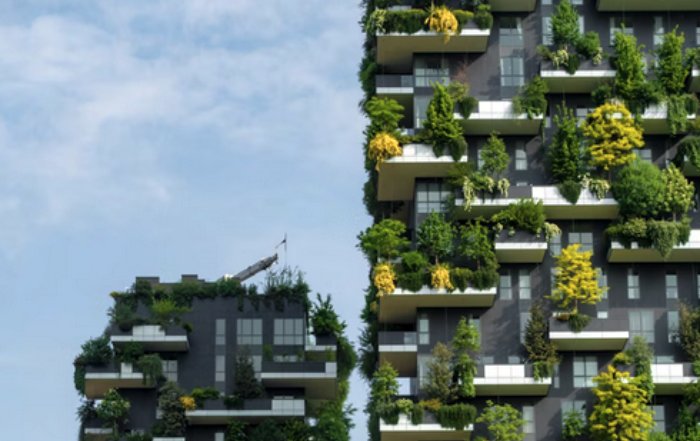
In practice, this shift is visible in green roofs, living walls, pollinator corridors, urban wetlands, restored riverfronts and extensive tree planting programs that not only provide habitat for birds, insects and small mammals but also deliver ecosystem services such as stormwater management, air purification, shading and cooling. These interventions align closely with interests of eco-natur.com readers who follow topics such as wildlife and biodiversity, as they demonstrate how everyday design decisions at building and neighborhood scale can support conservation goals. Cities such as Zurich, Vienna, Stockholm, Singapore and Seoul have introduced biodiversity-sensitive design guidelines and incentives, making ecological performance a standard expectation for new developments rather than a niche feature.
International initiatives such as the IUCN Urban Nature program provide frameworks and case studies for integrating biodiversity into urban development, and those interested can explore IUCN resources on nature in cities to understand how public authorities, developers and communities are collaborating in different regions. As climate change intensifies heat waves, flooding and other hazards, these nature-integrated strategies also serve as critical adaptation measures, moderating urban heat islands, enhancing water retention and offering accessible green spaces that support mental health and social interaction across age groups and cultures.
Food Systems, Urban Agriculture and Organic Lifestyles
Sustainable architecture is playing an increasingly visible role in reshaping urban food systems, addressing concerns about food security, nutrition, resilience and the environmental footprint of agriculture. Across global cities in North America, Europe, Asia and Oceania, rooftop farms, vertical gardens, hydroponic systems, community orchards and edible landscapes are now integrated into residential complexes, office buildings, schools and public facilities. Cities such as New York, London, Paris, Berlin, Singapore, Shanghai and Melbourne are experimenting with zoning incentives, grants and technical guidelines to encourage building-integrated agriculture, recognizing its potential to reduce food miles, support local businesses and create educational opportunities.
For eco-natur.com, which has long emphasized the importance of organic food and sustainable diets, this convergence of architecture and agriculture illustrates how design can support healthier and more resilient lifestyles. The Food and Agriculture Organization of the United Nations (FAO) has explored how urban and peri-urban agriculture can contribute to food security, livelihoods and ecosystem services, and readers can learn more about urban agriculture and food systems in diverse regional contexts, from African and Asian megacities to smaller European and Latin American towns.
By creating shared spaces where residents can grow, cook and share food, sustainable architecture strengthens local identity and encourages a culture of stewardship, collaboration and self-reliance. These projects often intersect with broader initiatives in sustainable living, community health and education, helping residents understand the environmental and social impacts of their dietary choices while providing tangible examples of circular and regenerative practices in everyday life.
Governance, Policy and the Role of Standards
The shift from isolated pilot projects to mainstream sustainable architecture has been driven by evolving governance frameworks, building codes and voluntary standards that align the interests of public authorities, investors, developers and occupants. Governments at municipal, regional and national levels increasingly view the built environment as a strategic lever for achieving climate neutrality, public health improvements and economic competitiveness, and are adjusting regulations and incentives accordingly. The European Commission, for example, has embedded building renovation and energy performance into its climate and energy policies, and readers can explore the EU's strategy for energy-efficient buildings, which is influencing practice across the European Union and beyond.
In North America, Europe and a growing number of countries in Asia and Latin America, performance-based building codes are gradually replacing prescriptive rules, giving design teams greater flexibility while holding them accountable for measurable outcomes in energy use, emissions, water efficiency and safety. Voluntary frameworks such as LEED, BREEAM, DGNB in Germany and Green Star in Australia, along with health-focused standards like the WELL Building Standard, have created a shared language and set of benchmarks for evaluating sustainability performance across markets. The World Bank has developed tools and financing instruments to support green building markets in emerging economies, and those seeking further information can learn more about green buildings in development finance, where sustainable architecture is seen as a catalyst for inclusive growth.
For businesses and institutions that form a significant part of the eco-natur.com audience, these standards and policy frameworks provide practical roadmaps for aligning real estate portfolios with environmental, social and governance (ESG) commitments. By integrating requirements for energy performance, health, social inclusion and circularity into procurement criteria, corporate strategies and public investment plans, decision-makers can ensure that the buildings they commission or occupy contribute positively to broader sustainability goals and support long-term value creation for stakeholders.
Design Innovation, Digital Tools and Future Directions
The rapid evolution of sustainable architecture up to 2026 has been accelerated by advances in digital technology, data analytics and interdisciplinary design methods that enable more precise, efficient and collaborative decision-making. Building Information Modeling (BIM), parametric design, generative algorithms and real-time simulation tools allow architects and engineers to explore thousands of design options, optimize building performance from the earliest stages and coordinate complex systems across large teams and geographies.
Increasingly, buildings and districts are being equipped with sensors and connected systems that feed into digital twins, enabling continuous monitoring, predictive maintenance and performance optimization over time. Research centers such as the MIT Senseable City Lab are examining how digital technologies can transform urban systems, and readers can explore research on future cities to understand how data-driven approaches are influencing mobility, energy, waste and building management. These tools not only improve environmental outcomes but also open new possibilities for participatory design, as community members can visualize proposed projects, understand their impacts and contribute feedback before construction begins.
For eco-natur.com, which frequently highlights the role of design in shaping sustainable lifestyles, this convergence of technology, architecture and urban planning underscores the importance of collaboration across disciplines and sectors. Architects, engineers, data scientists, ecologists, public health experts, social scientists, community organizations and businesses are increasingly working together to create built environments that are not only efficient and resilient but also inclusive, culturally meaningful and aligned with broader ecological boundaries.
From Green Buildings to Regenerative Communities
By 2026, sustainable architecture has demonstrated its capacity to improve communities across environmental, social, economic and cultural dimensions, moving the conversation from isolated "green buildings" toward the broader concept of regenerative neighborhoods and cities. Reductions in greenhouse gas emissions, energy and water use, and material waste are now complemented by improvements in health, social cohesion, biodiversity, food systems and economic resilience, making the built environment a central arena in which the global transition to sustainability is being negotiated and implemented.
For the worldwide audience of eco-natur.com, spanning the United States, the United Kingdom, Germany, Canada, Australia, France, Italy, Spain, the Netherlands, Switzerland, China, Sweden, Norway, Singapore, Denmark, South Korea, Japan, Thailand, Finland, South Africa, Brazil, Malaysia, New Zealand and other regions across Europe, Asia, Africa, North America and South America, the key message is that sustainable architecture is no longer an optional or experimental approach reserved for flagship projects. It has become an essential component of responsible sustainability practice, tightly linked to everyday choices around lifestyle, recycling, plastic-free consumption, wildlife protection and the evolving sustainable economy.
As communities worldwide confront the intertwined challenges of climate change, biodiversity loss, resource constraints, inequality and rapid urbanization, the principles of sustainable architecture offer a practical and inspiring pathway toward regenerative, resilient and thriving places. The task for the coming decade is to scale these principles from exemplary buildings to entire districts, cities and regions, ensuring that the benefits are shared equitably and that sustainable design becomes the default rather than the exception. For those engaged with eco-natur.com, the evolution of sustainable architecture is both a source of insight and a call to action, illustrating how the spaces in which people live, work, learn and gather can become powerful instruments for building a more sustainable, just and prosperous world, grounded in experience, expertise, authoritativeness and trust.
Readers can continue exploring these interconnected themes across eco-natur.com, beginning with its home page at eco-natur.com, and by engaging with in-depth resources on sustainable living, sustainability, renewable energy, organic food and sustainable business, where the built environment is treated as a central, tangible expression of a greener and more resilient future.
