
How to Create a Minimalist Wardrobe in 2026: A Strategic Lever for Sustainable Living and Business
Minimalism, Fashion and Sustainability in a More Demanding Decade
In 2026, the global conversation about clothing has become sharper, more data-driven and more urgent. Fashion is now discussed not only in terms of style and identity, but as a major vector of climate risk, resource depletion, labor injustice and public health concerns. Against this backdrop, the minimalist wardrobe has evolved from a lifestyle trend into a strategic choice for professionals, households and organizations that wish to align their daily habits with the realities of a constrained planet. For the community around eco-natur.com, already engaged with themes such as sustainable living, sustainability and systemic ecological change, the pressing issue is no longer whether to reduce fashion's footprint, but how to design a minimalist wardrobe that is credible, resilient and tailored to personal and business realities.
The fashion sector remains among the most resource-intensive industries in the world, responsible for significant greenhouse gas emissions, heavy water use and chemical pollution. Analyses shared by the United Nations Environment Programme through initiatives like the UN Alliance for Sustainable Fashion continue to show that fast production and rapid obsolescence are structurally incompatible with climate and biodiversity goals. From the United States and United Kingdom to Germany, China, Brazil and emerging markets across Africa and Asia, fast fashion models still promote overconsumption and disposability, eroding attempts to build circular, low-carbon economies. In this context, the minimalist wardrobe is no longer a niche aesthetic; it is a disciplined framework for reducing impact, increasing value per garment and demonstrating leadership in responsible consumption.
What a Minimalist Wardrobe Means in 2026
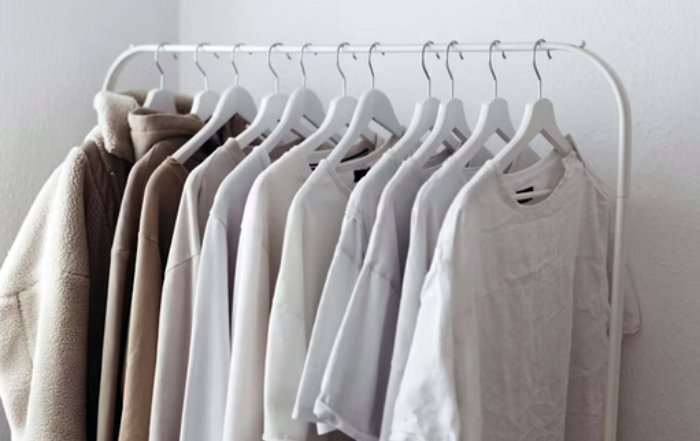
A minimalist wardrobe in 2026 can be understood as a carefully curated set of garments and accessories that maximize versatility, durability and personal relevance while minimizing excess, waste and impulsive purchasing. It is not defined by a rigid number of pieces, nor by a single visual style, but by the quality of decisions behind each item: why it is chosen, how often it is worn, how it is maintained and what happens at the end of its life. For professionals operating in complex environments across North America, Europe, Asia, Australia and beyond, a minimalist wardrobe functions as an operational system that reduces decision fatigue, simplifies travel and ensures a consistent, authentic personal presence in both physical and digital settings.
These principles are closely aligned with the broader logic of the circular economy and with sustainable business practices. By directing budgets toward fewer, higher-quality garments, consumers and organizations support production models that emphasize craftsmanship, fair labor conditions and lower resource intensity. Research from the Ellen MacArthur Foundation, including its work on the circular economy in fashion, continues to demonstrate that extending the life of clothing by even a modest period can substantially reduce carbon, water and waste impacts. A minimalist wardrobe translates these macro insights into daily micro-decisions, turning abstract sustainability strategies into a lived practice inside homes, offices and supply chains.
For eco-natur.com, whose editorial lens includes plastic-free living, recycling and zero-waste approaches, the minimalist wardrobe is a natural extension of its mission. It provides readers from Canada to Singapore, South Africa to Norway, with a tangible way to embed environmental responsibility in one of the most visible and emotionally charged aspects of daily life: getting dressed.
The Environmental and Social Reality Behind Clothing Choices
Designing a minimalist wardrobe begins with a clear-eyed understanding of the true costs of clothing. The environmental footprint of textiles spans the entire lifecycle, from fiber cultivation and processing to dyeing, manufacturing, transportation, use and disposal. The European Environment Agency continues to highlight, in its work on textiles and the environment, that textile consumption in Europe alone contributes disproportionately to resource use and waste generation, with large volumes of garments still ending up in landfills or low-value export flows. Similar trends are visible in North America, rapidly growing markets in Asia, and urban centers across Africa and South America, where increased purchasing power often translates directly into higher fashion consumption.
The choice of fiber has profound implications. Conventional cotton remains highly water-intensive and pesticide-dependent, a reality illustrated by resources from World Wildlife Fund on cotton and water use, while synthetic fibers such as polyester and nylon are major contributors to microplastic pollution. Marine research initiatives, including The Ocean Cleanup, continue to document the scale of microplastics in oceans, much of which originates from synthetic clothing shed during washing. On the social side, labor conditions in global garment hubs from Bangladesh and Vietnam to China, Ethiopia and parts of Latin America remain under scrutiny for issues ranging from low wages to unsafe factories, as documented by organizations such as Clean Clothes Campaign in their analyses of garment supply chains.
A minimalist wardrobe directly addresses these impacts by slowing the rate of acquisition, increasing the useful life of each piece and encouraging more informed material choices. This approach is fully consistent with the integrated sustainability perspective presented on eco-natur.com, where themes such as renewable energy, biodiversity and a responsible economy are treated as interconnected elements of a resilient future. Clothing, in this view, is not a separate category; it intersects with agriculture, water security, climate policy, human health and social equity.
Auditing the Wardrobe: Turning Insight into Action
The practical journey toward a minimalist wardrobe starts not with shopping, but with a rigorous audit of what is already owned. This process is less about dramatic decluttering and more about building an accurate picture of usage patterns, quality differences and genuine functional gaps. Professionals in London, New York, Berlin, Tokyo, Sydney or Johannesburg frequently discover that a small fraction of their closet carries the workload, while the rest reflects aspirational identities, outdated roles, marketing-driven impulses or trends that no longer align with their values.
A thorough audit involves bringing all garments into view, grouping them by category and season, and evaluating each piece according to frequency of use, fit, condition, and relevance to current lifestyle and professional context. Challenges such as Project 333, described on Be More With Less and its guide to capsule wardrobes, can provide a conceptual framework, but the criteria must be tailored to realities on the ground. Executives in Switzerland or Singapore may require more formal attire than entrepreneurs in New Zealand or Thailand, while residents of Scandinavia must plan for extended cold seasons in a way that differs from those in Southern Europe or Brazil.
Garments that no longer fit, are irreparably damaged or no longer serve a meaningful role need not become waste. Depending on regional infrastructure, they can be resold, donated, repurposed or recycled. In the United States, guidance from the U.S. Environmental Protection Agency on textile waste and recycling helps individuals identify appropriate channels, while many European cities now operate dedicated collection streams for textiles. Within the eco-natur.com readership, wardrobe audits often sit alongside broader lifestyle transitions, such as a move toward organic food, reduced household waste and a more intentional lifestyle.
Designing a Minimalist Strategy that Fits Real Life
Once the existing wardrobe is mapped, the next step is to design a minimalist strategy that is realistic, context-specific and aligned with long-term goals. Rather than adopting a generic capsule template, individuals and teams are encouraged to define parameters based on climate, cultural norms, workplace expectations, travel patterns and personal aesthetics. Resources from The Good Trade, which offers a detailed perspective on ethical and minimalist fashion, illustrate that effective minimalist wardrobes vary widely in appearance but share a structural coherence: garments work together, transitions between roles are smooth and each item earns its place.
A practical starting point is to establish a coherent color palette that supports maximum mix-and-match potential. Neutral tones can provide a stable foundation for business contexts in Paris, Milan, Frankfurt, Singapore or Toronto, while a limited set of accent colors reflects personality and cultural context without fragmenting the wardrobe. Equally important is a deliberate approach to fabric selection, with a preference for natural or low-impact fibers such as organic cotton, linen, hemp, responsibly sourced wool or emerging bio-based materials. Overviews from Textile Exchange on preferred fibers and materials can help decision-makers compare impacts and make informed trade-offs.
For eco-natur.com, minimalist wardrobe design is a direct expression of sustainable design, where each garment is treated as a long-term asset rather than a disposable commodity. This mindset encourages consideration of cost per wear, ease of maintenance, repairability and adaptability to changing roles or life stages. It also aligns with the growth of slow fashion in Europe, Asia, North America and Oceania, where consumers and businesses are increasingly prepared to invest in pieces that combine technical quality, ethical sourcing and aesthetic longevity.
Material Choices, Certifications and Health Implications
Material selection within a minimalist wardrobe is not only an environmental question; it is also a health and risk management issue. Synthetic fibers derived from fossil fuels are associated with microplastic shedding and often rely on energy-intensive, emissions-heavy production. Conventional dyeing and finishing can involve substances that are hazardous for workers and potentially problematic for end users with sensitive skin or allergies. In 2026, a growing number of consumers, particularly in markets such as Japan, South Korea, France, Denmark and Canada, are scrutinizing labels and demanding clearer evidence of safety and responsibility.
Independent certifications play a central role in this landscape. The Global Organic Textile Standard (GOTS) provides a robust framework for organic textiles, addressing not only fiber cultivation but also processing and social criteria. OEKO-TEX, through its STANDARD 100 label, tests for harmful substances and offers reassurance that garments meet defined health-related thresholds. These and similar schemes allow individuals and organizations to make more confident choices, reducing exposure to unnecessary chemicals while supporting cleaner production practices.
From the perspective of eco-natur.com, where health and environmental interconnections are a recurring theme, material decisions in the wardrobe are part of a broader strategy for wellbeing. Natural, breathable fibers can improve comfort across diverse climates, from humid regions of Southeast Asia to cold winters in Finland, Sweden or Canada, while durable construction reduces replacement frequency and waste. Combined with plastic-free strategies, prioritizing garments with lower synthetic content and washing them in thoughtful ways supports efforts to reduce microplastic emissions into waterways and oceans.
Linking Minimalism to Circular and Zero-Waste Thinking
A minimalist wardrobe reaches its full potential when it is embedded in a circular mindset that emphasizes maintenance, repair and responsible end-of-life management. The objective is not only to own fewer items, but to keep them in productive use for as long as possible, thereby lowering the demand for virgin resources and reducing the volume of waste entering landfills or incinerators. The Ellen MacArthur Foundation continues to emphasize, in its work on circular fashion models, that repair, resale, rental and recycling are essential levers for systemic change in the apparel sector.
At the individual and community level, this translates into developing basic mending skills, making use of local tailors and repair professionals, and reframing visible mending as a mark of care and creativity rather than a defect. In cities such as Amsterdam, Zurich, Seoul, Melbourne, Barcelona and Vancouver, repair cafés and sewing workshops have become hubs where knowledge is shared and new social networks form around sustainability. These practices resonate strongly with the zero-waste philosophy articulated on eco-natur.com, where waste reduction is presented as both a technical and cultural shift.
When garments can no longer be worn or repurposed, responsible disposal becomes a final act of stewardship. Some regions now offer textile-specific recycling systems, while others rely more heavily on charitable collection and downcycling. Local organizations and municipal agencies, including European waste authorities and regional councils, provide guidance on how to handle textiles within broader recycling systems. Readers of eco-natur.com are encouraged to view these decisions as part of a continuum that starts with thoughtful purchasing and ends with a deliberate handover back into the material economy.
Financial, Professional and Lifestyle Advantages
Beyond environmental and social benefits, a minimalist wardrobe offers compelling financial and professional advantages, particularly for a business-oriented audience. By shifting from frequent low-cost purchases to planned investments in quality, individuals and families often reduce total clothing expenditure over time, while gaining access to better materials, superior fit and longer-lasting construction. Analyses from firms such as McKinsey & Company, which regularly publish insights on fashion and sustainability, suggest that consumers are increasingly attentive to durability and transparency, reinforcing the economic logic of minimalism.
Professionally, a streamlined wardrobe supports personal branding, decision efficiency and psychological clarity. Many executives, entrepreneurs and consultants in New York, London, Frankfurt, Singapore, Johannesburg, Sydney and Toronto adopt a form of uniform dressing, relying on a limited number of interchangeable outfits that project reliability, focus and coherence. This approach reduces the cognitive load of daily outfit selection, frees time for strategic thinking and simplifies travel logistics across multiple time zones and cultural contexts. For globally active teams, it can also provide a subtle but powerful visual alignment with corporate sustainability commitments.
On a lifestyle level, the discipline of curating a minimalist wardrobe often acts as a catalyst for broader reflection on consumption, values and long-term goals. As closets become more intentional, many individuals report a sense of relief and increased alignment between their external appearance and internal priorities. This shift frequently extends into other domains, supporting transitions toward lower-impact housing choices, more sustainable mobility, healthier diets and more conscious digital habits. In this way, the minimalist wardrobe becomes a gateway into the integrated approach to sustainable living and the global ecological transition that eco-natur.com has been championing for years.
Adapting Minimalism Across Cultures, Climates and Industries
One of the strengths of the minimalist wardrobe concept is its adaptability across cultures, climates and sectors. In Northern Europe, where policy frameworks and public discourse around sustainability are advanced, minimalism often emphasizes technical outerwear, layering and high-performance natural fibers, consistent with resources from the Nordic Council of Ministers on sustainable lifestyles. In contrast, residents of Southeast Asia, Southern Europe, parts of Africa and South America must prioritize breathability, sun protection and fast-drying fabrics that perform in heat and humidity.
Cultural expectations also influence how minimalism is expressed. In Japan and South Korea, minimalist aesthetics are deeply rooted in design traditions, making simple, carefully chosen wardrobes a natural extension of existing values. In Italy and France, where fashion is strongly tied to national identity and craftsmanship, minimalism often focuses on timeless tailoring, high-quality materials and subtle detail rather than strict numerical limits. In more conservative business sectors such as finance, law or diplomacy, dress codes may require a degree of formality that shapes the structure of a minimalist wardrobe, while creative industries in Berlin, Los Angeles, Cape Town or São Paulo allow for greater experimentation within a curated framework.
For a global readership, eco-natur.com emphasizes that there is no single correct version of a minimalist wardrobe. The underlying principles intentionality, quality, longevity and ethical awareness can be translated into many forms, adapted to local customs, religious norms, climate realities and individual identities. This flexibility is crucial: it ensures that minimalism remains inclusive, culturally sensitive and sustainable over the long term, rather than a rigid set of rules imported from one region to another.
Technology, Data and Innovation as Enablers
By 2026, digital tools and data-driven services have become important enablers of minimalist and sustainable wardrobes. Wardrobe management apps allow users to catalog garments, analyze usage frequency, and identify underused items, providing objective insights into what truly adds value. Artificial intelligence systems suggest outfits based on weather, calendar events and personal preferences, helping users perceive greater versatility in a smaller set of garments and reducing the temptation to buy more. Platforms such as Good On You, which offers brand ratings for ethical and sustainable fashion, empower consumers to evaluate companies on environmental performance, labor practices and animal welfare before committing to a purchase.
On the supply side, innovation in textile science and manufacturing is gradually expanding the range of sustainable options. Bio-based fibers, closed-loop recycling systems and low-impact dyeing technologies are moving from pilot projects into commercial scale. Industry coalitions such as the Sustainable Apparel Coalition, through tools like the Higg Index, support brands in measuring and reducing their environmental and social footprint, while regulatory developments in the European Union, United Kingdom and other regions are pushing for greater transparency and extended producer responsibility.
For the eco-natur.com audience, which often integrates digital tools into broader sustainability strategies, these innovations create a bridge between personal behavior and systemic transformation. A thoughtfully curated wardrobe, combined with reliable information on brand and material impacts, becomes a powerful signal to the market that responsible production is not a niche preference but a mainstream expectation.
A Minimalist Wardrobe as Part of a Coherent Sustainable Life
Ultimately, building a minimalist wardrobe in 2026 is best understood as one component of a comprehensive shift toward living and doing business within planetary boundaries. On eco-natur.com, themes such as sustainability, sustainable business, organic food systems, wildlife protection and regenerative economic models are presented as interconnected elements of a single narrative: how societies can thrive while respecting ecological limits.
A minimalist wardrobe embodies this narrative at the scale of the individual. It challenges the assumption that constant novelty and abundance are prerequisites for satisfaction, suggesting instead that clarity, quality and coherence with personal values are more durable sources of confidence and wellbeing. For professionals and households across the United States, United Kingdom, Germany, Canada, Australia, France, Italy, Spain, Netherlands, Switzerland, China, Sweden, Norway, Singapore, Denmark, South Korea, Japan, Thailand, Finland, South Africa, Brazil, Malaysia and New Zealand, this reorientation offers not only environmental benefits but also financial resilience, organizational simplicity and psychological relief.
As readers explore the resources and insights available on eco-natur.com, they are invited to view their wardrobe as a living system that evolves alongside their understanding of sustainability. By approaching clothing with the same strategic rigor applied to investment decisions, risk management or product design, they can transform a daily routine into a deliberate expression of environmental responsibility, social awareness and long-term vision. In doing so, the minimalist wardrobe becomes more than a style choice: it becomes a practical, visible and credible contribution to a more sustainable and equitable world.
