
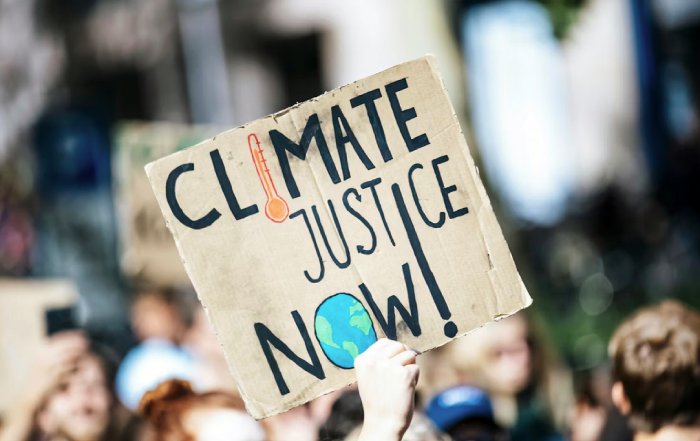
How to Support Climate Justice Movements in 2026
Climate Justice as a Strategic and Ethical Priority
In 2026, climate justice has consolidated its position as one of the defining forces shaping global business strategy, public policy, and civic action, and it is increasingly recognized not only as a moral imperative but as a core determinant of economic resilience, social stability, and brand trust. Rather than viewing climate change as a neutral, purely environmental phenomenon, climate justice emphasizes that both its causes and its consequences are deeply unequal, with communities that have contributed least to greenhouse gas emissions often experiencing the most severe impacts, from intensified storms and floods to chronic air pollution, food insecurity, and displacement. For a platform like eco-natur.com, whose mission is to advance sustainable living and responsible economic transformation, supporting climate justice movements in 2026 is inseparable from building credible expertise, fostering informed decision-making, and helping businesses and individuals navigate an increasingly complex risk landscape.
This justice-centered lens has become more prominent as climate disruption interacts with pre-existing inequities in income, race, gender, health, and geography, intensifying vulnerabilities from coastal communities in the United States and United Kingdom to smallholder farmers in Africa, informal workers in South Asia, and low-income neighborhoods in rapidly growing cities across Europe, Asia, Africa, and South America. Institutions such as the Intergovernmental Panel on Climate Change (IPCC) continue to underline that limiting global warming to 1.5°C requires rapid and far-reaching transitions in energy, transport, industry, and land use; however, they also stress that these transitions will only be politically resilient and socially acceptable if they are perceived as fair, inclusive, and participatory. Readers seeking to understand the scientific basis for these transitions can explore assessments and scenario analyses provided by the IPCC, which remain the global reference for climate science.
Climate justice movements have thus emerged as broad coalitions linking youth activists, Indigenous leaders, labor unions, faith-based organizations, local entrepreneurs, academics, and public health advocates, who collectively frame climate action as inseparable from struggles over clean air, safe water, land rights, decent work, housing, and democratic participation. For businesses and professionals who turn to eco-natur.com for guidance, the central question in 2026 is not whether to engage with these movements but how to do so credibly, aligning corporate and personal behavior with rigorous evidence, ethical standards, and transparent communication rather than superficial branding or "greenwashing."
Core Principles of Climate Justice in a Changing Global Context
Supporting climate justice movements requires a clear understanding of the principles that guide them, which extend beyond emissions reduction targets to encompass equity, human rights, and intergenerational responsibility. Climate justice holds that countries and sectors that have historically benefited most from fossil fuel-driven industrialization, particularly high-income economies such as the United States, Germany, Canada, Australia, France, United Kingdom, Japan, and other members of the OECD, carry heightened responsibilities to reduce their emissions faster, provide climate finance, and support just transitions in regions that are more vulnerable and less financially equipped to adapt. This logic is embedded in the principle of "common but differentiated responsibilities and respective capabilities" under the United Nations Framework Convention on Climate Change (UNFCCC), which continues to shape negotiations at annual climate conferences; those interested in the evolution of this principle can explore background material at the UNFCCC.
Climate justice also foregrounds the rights, knowledge, and leadership of Indigenous Peoples and local communities in climate-vulnerable regions, from low-lying island states in the Pacific and delta regions of Bangladesh and Vietnam to drought-prone areas of East Africa and forest communities in the Amazon and Congo Basin. Human rights organizations such as Amnesty International and Human Rights Watch have documented how environmental degradation, extractive industries, and large-scale infrastructure projects can trigger forced displacement, violence, and the suppression of community voices, reinforcing the insight that climate action absent human rights safeguards can perpetuate or deepen injustice. Those seeking to understand these intersections can learn more about environmental and human rights linkages through resources from Amnesty International and Human Rights Watch.
A further cornerstone of climate justice is the concept of a "just transition," which has gained significant traction among policymakers and businesses between 2020 and 2026. A just transition framework insists that workers and communities dependent on high-carbon industries such as coal, oil and gas, heavy manufacturing, and certain forms of industrial agriculture must be supported through retraining, social protection, and economic diversification rather than being left to absorb the costs of decarbonization alone. Organizations like the International Labour Organization (ILO) and the International Trade Union Confederation (ITUC) have developed guidance on designing just transition policies that align climate targets with decent work and social inclusion, and these frameworks are increasingly referenced in national climate strategies and corporate transition plans; professionals can explore just transition principles and policy toolkits at the ILO. For eco-natur.com, which consistently connects environmental objectives with sustainable business and economy insights, this integrated understanding of justice is foundational to building trustworthy content.
Linking Everyday Choices to Systemic Transformation
One of the distinctive contributions of climate justice movements is their insistence that individual choices and systemic change are deeply interconnected, rather than competing priorities. While large-scale policy reforms, infrastructure investments, and corporate transitions are indispensable for decarbonizing energy, transport, buildings, and industry, everyday decisions about energy use, mobility, diet, and consumption patterns help shape social norms and market signals, which in turn influence political and corporate behavior.
For households and professionals in regions as diverse as the United States, Canada, Germany, France, Italy, Spain, Netherlands, Sweden, Norway, China, Japan, South Korea, Singapore, Thailand, Brazil, South Africa, Australia, and New Zealand, aligning daily life with climate justice involves understanding not only the carbon footprint of their activities but also the social and environmental conditions embedded in supply chains. Reconsidering energy choices, for instance, may mean switching to renewable electricity where available, investing in efficiency improvements, or participating in community energy cooperatives that share the benefits of clean power more equitably. Organizations like WWF and Carbon Trust offer practical guidance on decarbonizing homes and workplaces, and on understanding the broader policy frameworks that shape these options; readers can explore such guidance through WWF and the Carbon Trust.
On eco-natur.com, editorial content on sustainability and lifestyle emphasizes that sustainable living is not merely a matter of personal virtue but a way of participating in collective shifts that can make low-carbon, healthy, and equitable choices more accessible and affordable for everyone. When consumers in countries such as Germany, Netherlands, Denmark, Sweden, Singapore, and New Zealand opt for low-emission mobility, demand climate-responsible financial products, or support local and organic food systems, they contribute to the growth of markets that incentivize businesses and policymakers to scale up climate-aligned infrastructure and services. Similarly, when employees in large corporations across North America, Europe, and Asia-Pacific advocate internally for science-based climate targets, equitable supply-chain standards, and transparent reporting, they can influence decisions that have ripple effects across global production networks extending into Asia, Africa, and South America.
From the perspective of climate justice, individuals and organizations are encouraged to see themselves as embedded in a complex web of relationships rather than as isolated consumers. This systems-oriented view underscores that supporting frontline communities, ensuring fair labor conditions, and strengthening democratic participation are as essential as reducing one's own emissions. It is this integrated, systemic framing that eco-natur.com brings to topics such as recycling, zero waste, and sustainable design, helping readers connect daily practice with structural transformation.
Standing with Frontline and Grassroots Movements
At the heart of climate justice are frontline and grassroots movements that articulate lived experiences of climate risk, pollution, and resource conflict while proposing locally grounded solutions. These movements include Indigenous land defenders resisting deforestation in the Amazon, communities in North America and Europe opposing new fossil fuel infrastructure, fisherfolk in Southeast Asia confronting ocean warming and plastic pollution, and urban residents in cities such as London, Paris, Johannesburg, São Paulo, Bangkok, and Lagos campaigning for cleaner air, cooler neighborhoods, and equitable access to green space.
Effective support for these movements begins with listening and learning, rather than imposing externally conceived agendas. Networks such as 350.org, Climate Justice Alliance, Friends of the Earth, and Greenpeace offer entry points for understanding campaigns, policy demands, and local leadership structures, and they often provide opportunities for volunteering, coalition-building, and skills training; those seeking to engage more deeply with grassroots climate justice efforts can find information and campaign updates at 350.org and Friends of the Earth International. Financial solidarity, whether through recurring donations, targeted fundraising, or support for community-controlled funds, remains crucial, particularly for organizations in regions like Sub-Saharan Africa, Southeast Asia, and parts of Latin America where access to philanthropic and institutional funding is limited.
Beyond financial support, professionals in law, communications, digital security, engineering, architecture, data science, and public health can contribute pro bono expertise to strengthen the capacity of climate justice organizations. Lawyers in the United Kingdom, Netherlands, Germany, France, Brazil, and South Africa have played pivotal roles in strategic litigation that compels governments and corporations to align their actions with climate science and human rights obligations, while data scientists and health researchers in Canada, United States, India, and China have helped map pollution exposure and climate vulnerabilities, providing evidence for policy advocacy. Those interested in the legal dimension of climate justice can explore case databases and analysis hosted by the Sabin Center for Climate Change Law at Columbia Law School.
For the community that gathers around eco-natur.com, supporting frontline movements also means amplifying their stories responsibly, verifying information before sharing, and avoiding narratives that overshadow local leadership or present communities primarily as victims rather than agents of change. This approach aligns with the platform's focus on credibility and respect, and it is particularly important when covering issues related to wildlife, biodiversity, and community-based conservation, where Indigenous and local stewardship has often been under-recognized despite its central role in protecting ecosystems.
Aligning Business Strategy with Climate Justice
By 2026, climate justice has moved decisively into the mainstream of corporate governance and risk management, as regulators, investors, employees, and customers increasingly scrutinize how companies address climate risk, human rights, and inequality across their operations and value chains. Businesses in sectors such as finance, energy, technology, transport, manufacturing, construction, retail, and agriculture are under growing pressure to demonstrate that their climate strategies are not only ambitious in terms of emissions reductions but also fair and inclusive in terms of their social impacts.
Frameworks such as the Task Force on Climate-related Financial Disclosures (TCFD) and the standards developed by the International Sustainability Standards Board (ISSB) have accelerated the integration of climate risk into financial reporting, and many jurisdictions in Europe, North America, and Asia-Pacific have begun to mandate or strongly encourage such disclosures. However, climate justice advocates insist that disclosure alone is insufficient; companies must complement transparency with credible transition plans, robust due diligence on human rights and environmental impacts, and clear mechanisms for accountability. Those seeking to understand evolving reporting expectations can consult resources from the IFRS Foundation and the TCFD.
A climate justice-aligned business strategy typically begins with a thorough mapping of value chains to identify where climate risks and social harms are concentrated, paying particular attention to high-impact sectors such as fossil fuels, mining, cement, steel, aviation, shipping, industrial agriculture, and fast fashion. Companies are increasingly expected to adopt science-based emissions reduction targets consistent with a 1.5°C pathway, while also committing to living wages, safe working conditions, and meaningful consultation with workers and affected communities. Initiatives such as the Science Based Targets initiative (SBTi) and the UN Global Compact provide frameworks and verification mechanisms for setting and implementing climate and human rights commitments, and businesses can explore these tools at the SBTi and UN Global Compact.
Crucially, climate justice requires that the costs and benefits of transition be distributed fairly. This means investing in worker retraining and social protection in regions that rely on high-carbon industries, supporting small and medium-sized suppliers in adopting cleaner technologies, and ensuring that low-income customers are not disproportionately burdened by price changes or service disruptions. In the energy sector, for example, utilities in Germany, Denmark, United States, Canada, Japan, and South Korea that phase out coal and gas are under increasing expectation to expand access to affordable renewable energy, energy efficiency programs, and community ownership models, thereby preventing energy poverty from worsening. Organizations such as the International Energy Agency (IEA) and the International Renewable Energy Agency (IRENA) provide analysis on designing energy transitions that are both rapid and socially inclusive; professionals can learn more at the IEA and IRENA.
Through its coverage of renewable energy and sustainable business, eco-natur.com highlights case studies from Europe, North America, Asia, Africa, and South America where companies have managed to combine decarbonization with social innovation, such as community-owned wind projects in Scotland and Denmark, inclusive solar financing in India and Kenya, and regenerative agriculture partnerships in Brazil, Italy, and Spain. These examples illustrate that aligning business models with climate justice is not only compatible with competitiveness but can also unlock new markets, strengthen stakeholder relationships, and enhance long-term resilience.
Policy, Democracy, and International Cooperation
While individual behavior and corporate strategy are essential components of climate justice, they operate within broader policy and institutional frameworks that either enable or constrain ambitious, equitable action. Supporting climate justice movements therefore also involves active engagement with democratic processes and international diplomacy, from local planning decisions to national elections and global negotiations.
Citizens and organizations in countries such as the United States, United Kingdom, Germany, France, Canada, Australia, Japan, South Korea, Brazil, South Africa, India, and China can influence climate justice outcomes by advocating for policies that combine rapid emissions reductions with social protection and economic opportunity. These policies may include progressive carbon pricing with revenue recycling to low- and middle-income households, large-scale investments in public transport and building retrofits, targeted support for workers in transitioning industries, and climate-resilient housing and infrastructure in vulnerable communities. Policy institutes such as the World Resources Institute (WRI) and the Brookings Institution produce in-depth analysis of climate policy options and their distributional impacts, and their work can be explored at WRI and Brookings.
At the international level, climate justice movements continue to push for fair and predictable climate finance, robust mechanisms for addressing loss and damage, and equitable access to low-carbon technologies. The Green Climate Fund (GCF) and other multilateral funds are central to channeling resources from high-income to lower-income countries, yet debates persist regarding the adequacy, accessibility, and governance of these mechanisms. Those seeking to understand the evolving architecture of climate finance, including developments agreed at recent UN climate conferences, can consult resources from the Green Climate Fund. For readers of eco-natur.com, staying informed on these issues is key to assessing whether government and corporate commitments align with principles of fairness and solidarity.
Strategic litigation has also become a powerful instrument in advancing climate justice, with landmark court cases in countries such as the Netherlands, Germany, France, Colombia, and South Africa establishing that governments and corporations have legal duties to protect citizens from dangerous climate change and environmental harm. The Grantham Research Institute on Climate Change and the Environment at the London School of Economics maintains databases and analysis of global climate litigation, which can be explored through the Grantham Research Institute. By following these developments, professionals and citizens can better understand how legal strategies complement grassroots organizing, corporate engagement, and policy advocacy in the broader climate justice ecosystem.
Rethinking Consumption: Plastic-Free, Circular, and Regenerative Futures
Climate justice is inseparable from the question of how societies produce, consume, and dispose of materials, particularly in high-income regions of North America, Europe, Australia, Japan, South Korea, Singapore, and parts of China where per capita material and energy use far exceeds global averages. Moving toward a climate-just future requires a shift from linear "take-make-dispose" models to circular and regenerative systems that minimize waste, reduce pressure on ecosystems, and respect the rights and well-being of communities involved in extraction, manufacturing, and waste management.
The global plastics crisis offers a vivid illustration of this challenge. Plastic production, which remains heavily dependent on fossil fuels, is projected to become an increasingly large source of greenhouse gas emissions, while plastic waste disproportionately harms coastal communities, marine ecosystems, and informal waste workers in regions across Asia, Africa, and South America. Climate justice movements advocate for upstream solutions such as redesigning products and packaging to reduce plastic use, phasing out unnecessary single-use items, and implementing extended producer responsibility schemes that make manufacturers financially and legally accountable for the full lifecycle of their products. Organizations like the Ellen MacArthur Foundation and the UN Environment Programme (UNEP) provide detailed frameworks for transitioning to a circular economy and tackling plastic pollution at its source; readers can learn more through the Ellen MacArthur Foundation and UNEP.
For the audience of eco-natur.com, embracing a plastic-free and zero-waste mindset is both a personal and systemic intervention. It signals demand for products and services that minimize waste, utilize recycled and renewable materials, and ensure fair working conditions across the value chain, including for waste pickers and recycling workers in cities from Mumbai and Bangkok to Nairobi and São Paulo. At the business level, adopting circular principles-such as design for durability and repair, product-as-a-service models, and closed-loop material recovery-can significantly reduce emissions and resource use while creating new service-oriented revenue streams and employment opportunities.
Regenerative agriculture and organic food systems represent another vital frontier where climate justice, biodiversity protection, and public health converge. By supporting farmers in Europe, North America, Africa, Asia, and Latin America to adopt agroecological practices that build soil carbon, enhance water retention, protect pollinators, and reduce dependence on synthetic fertilizers and pesticides, societies can create food systems that are more resilient to climate shocks and more equitable for smallholders and farm workers. Institutions such as the Food and Agriculture Organization of the United Nations (FAO) and the International Panel of Experts on Sustainable Food Systems (IPES-Food) provide rigorous analysis of how food systems can transition toward sustainability and justice, which can be explored at the FAO and IPES-Food.
Health, Well-Being, and Intergenerational Responsibility
Climate justice is also a matter of health equity and intergenerational ethics. Climate-related hazards-including heatwaves, wildfires, floods, droughts, vector-borne diseases, and chronic air pollution-disproportionately affect vulnerable populations such as children, older adults, low-income communities, and people with pre-existing health conditions. Health institutions like the World Health Organization (WHO) now consistently describe climate change as one of the greatest health threats of the 21st century, while also highlighting that decisive climate action could yield substantial health co-benefits through cleaner air, healthier diets, and more active lifestyles; more information on these linkages is available from the WHO.
For eco-natur.com, which addresses themes of health, sustainable living, and global responsibility, integrating health considerations into climate justice discussions is essential. Urban planning that prioritizes green spaces, active transport, and resilient infrastructure can simultaneously reduce emissions, lower urban heat, and improve mental and physical health, particularly in rapidly expanding cities across Asia, Africa, and South America. Similarly, policies that phase out fossil fuel subsidies, strengthen air quality standards, and invest in clean public transport can reduce the burden of respiratory and cardiovascular diseases in industrial regions of China, India, South Africa, Eastern Europe, and beyond.
Intergenerational justice adds a further dimension, as decisions made in the 2020s will shape the climate and ecological conditions experienced by children and future generations well into the second half of the century. Youth-led movements from Sweden, Germany, and the United Kingdom to Uganda, Kenya, Thailand, Brazil, and New Zealand have reframed climate change as a question of fairness between generations, demanding that governments and corporations act with the urgency and ambition required to prevent irreversible harm. By amplifying youth perspectives, supporting climate education, and fostering spaces where younger and older generations can collaborate, platforms like eco-natur.com help cultivate a culture in which long-term thinking and precautionary principles guide personal, corporate, and policy decisions.
eco-natur.com as a Trusted Partner in Climate Justice
In 2026, supporting climate justice movements demands an integrated approach that combines informed personal choices, credible corporate strategies, robust public policy, and solidarity with frontline communities across continents. The scale and complexity of this challenge can be daunting, yet it also opens unprecedented opportunities to reshape economies and societies around principles of fairness, resilience, and respect for planetary boundaries.
eco-natur.com positions itself as a trusted, independent partner in this transformation by offering in-depth, interconnected coverage of sustainability, economy, recycling, wildlife, organic food, renewable energy, and related themes. By drawing on insights from climate science, economics, law, public health, and social movements, and by highlighting examples from diverse regions including the United States, United Kingdom, Germany, Canada, Australia, France, Italy, Spain, Netherlands, Switzerland, China, Sweden, Norway, Singapore, Denmark, South Korea, Japan, Thailand, Finland, South Africa, Brazil, Malaysia, and New Zealand, the platform aims to bridge global knowledge with local relevance for a worldwide audience.
Ultimately, climate justice is not a fixed endpoint but an evolving process of negotiation, learning, and shared responsibility, requiring ongoing reflection on who benefits, who bears risks, and who has a voice in shaping the future. By engaging with high-quality external resources, supporting grassroots leadership, aligning business and investment decisions with both science and equity, and cultivating a culture of care in everyday life, the readers and partners of eco-natur.com can contribute meaningfully to climate justice across regions and generations. Those who wish to deepen their understanding, refine their strategies, and translate values into concrete action are invited to explore the broader resources and perspectives available at eco-natur.com, and to recognize that their own choices, professional expertise, and civic engagement form integral threads in the global fabric of climate justice movements in 2026 and beyond.
