
Low-Impact Outdoor Living Ideas for Every Season
Rethinking Outdoor Living in a Warming World
Outdoor living has always been a source of joy, health, and connection to nature, but in an era of accelerating climate change, biodiversity loss, and resource pressure, how people design and use their gardens, balconies, patios, and shared green spaces is being fundamentally reimagined. Around the world, households, communities, and businesses are discovering that low-impact outdoor living can combine comfort, beauty, and convenience with a dramatically smaller ecological footprint, and platforms such as Eco Natur are helping to translate broad sustainability goals into practical steps that fit real lives.
Research from organizations such as the Intergovernmental Panel on Climate Change (IPCC) and the United Nations Environment Programme (UNEP) has repeatedly highlighted that changes in land use, consumption patterns, and energy demand in homes and gardens can significantly influence global emissions and the resilience of ecosystems. At the same time, institutions like the World Health Organization (WHO) and the European Environment Agency (EEA) consistently underline the mental and physical health benefits of regular contact with green spaces. Low-impact outdoor living therefore sits at the intersection of climate responsibility, personal wellbeing, and community regeneration, and it is increasingly shaping how people think about sustainable living as a whole.
For Eco Natur, this convergence of environmental science, design innovation, and everyday lifestyle choices is more than an abstract trend; it is the foundation for a practical, hopeful vision in which every balcony, courtyard, and garden can become a small but meaningful climate and biodiversity solution. By rethinking outdoor spaces season by season, households and businesses can reduce waste, conserve water, support wildlife, and build a more resilient relationship with nature, without sacrificing comfort or aesthetic pleasure.
Designing Outdoor Spaces with Sustainability at the Core
Low-impact outdoor living begins with design decisions that consider materials, energy use, ecosystem health, and long-term durability. Rather than treating gardens and terraces as decorative afterthoughts, more people are approaching them as living systems that can sequester carbon, filter air, cool buildings, and provide habitat for wildlife.
Architects and landscape designers are increasingly guided by principles set out by organizations such as LEED and the U.S. Green Building Council (USGBC), which promote energy-efficient, resource-conscious construction. In urban areas from New York to Singapore, "biophilic design" is being used to integrate vegetation, natural materials, and daylight into built environments, helping to reduce the urban heat island effect and improve air quality. Learn more about biophilic and regenerative design frameworks through the International Living Future Institute (ILFI).
For households, this design shift often starts with a careful choice of materials. Reclaimed wood, recycled metal, durable stone, and low-impact composites can replace tropical hardwoods or plastic-heavy furniture, while non-toxic finishes and stains reduce pollution and protect soil and water quality. Platforms such as Eco Natur encourage readers to see outdoor design as a long-term investment in resilience, guiding them toward sustainability principles that favor repairability, modularity, and circularity over disposable, trend-driven purchases.
At the same time, design that respects local ecology-such as choosing native plants, preserving mature trees, and minimizing hard, impermeable surfaces-helps maintain biodiversity and improves resilience to droughts and heavy rainfall. Resources from the Royal Horticultural Society (RHS) in the United Kingdom or Audubon in the United States (Audubon) provide regionally specific guidance on planting for wildlife, while Eco Natur's focus on biodiversity helps readers apply these ideas in a global context.
Spring: Regeneration, Soil Health, and Plastic-Free Beginnings
Spring is traditionally the season of renewal, and in a low-impact outdoor lifestyle, it becomes the ideal time to reset habits, restore soil, and establish systems that will reduce waste and environmental impact throughout the year.
One of the most powerful spring practices is creating or expanding a home composting system. Composting diverts organic waste from landfills, where it would otherwise generate methane, a potent greenhouse gas, and instead turns kitchen scraps and garden clippings into a nutrient-rich soil amendment. Guidance from the U.S. Environmental Protection Agency (EPA) and the UK's WRAP program (WRAP) confirms that composting significantly reduces household waste while improving soil structure, water retention, and plant health. Eco Natur's resources on recycling and zero waste extend these principles, helping readers integrate composting into broader circular living strategies.
Spring is also an excellent time to transition away from plastic-intensive gardening habits. Traditional plastic seed trays, pots, and plant labels can be replaced with biodegradable alternatives made from coir, wood fiber, or compressed paper, or with durable metal and ceramic containers designed for long-term use. Many gardeners now repurpose glass jars, metal tins, and wooden crates as planters, reducing demand for new materials. Organizations like Plastic Pollution Coalition (Plastic Pollution Coalition) and the Ellen MacArthur Foundation (Ellen MacArthur Foundation) document the environmental costs of single-use plastics and highlight solutions that align closely with Eco Natur's emphasis on a plastic-free lifestyle.
Soil health is another spring priority. Scientists at institutions such as FAO of the United Nations (FAO) emphasize that healthy soils underpin food security, biodiversity, and climate resilience. Low-impact gardeners are moving away from synthetic fertilizers and peat-based composts, which contribute to greenhouse gas emissions and habitat loss, and toward organic fertilizers, green manures, and mulches made from local materials. By leaving last year's leaves and plant debris in place until temperatures consistently rise, households also protect overwintering insects, amphibians, and other small creatures, reinforcing Eco Natur's commitment to wildlife protection.
Finally, spring offers an opportunity to plan edible landscapes that emphasize organic food, perennials, and native fruiting plants. Guidance from organizations like IFOAM - Organics International (IFOAM) and national organic farming associations in Europe, North America, and Asia provides evidence that organic cultivation methods can reduce pesticide use, improve soil health, and support pollinators, especially when integrated into small-scale gardens and community plots.
Summer: Shade, Water Stewardship, and Wildlife-Friendly Comfort
Summer brings longer days, higher temperatures, and in many regions more frequent heatwaves and droughts, making low-impact outdoor living both more challenging and more critical. As climate research from bodies such as the World Meteorological Organization (WMO) shows, heat extremes are becoming more common, especially in cities, and the design of outdoor spaces can either exacerbate or mitigate these conditions.
One of the most effective low-impact strategies is to prioritize natural shade and passive cooling over energy-intensive air conditioning. Planting deciduous trees, installing pergolas with climbing vines, and using light-colored, reflective surfaces can significantly reduce heat absorption and create cooler microclimates around homes. Studies summarized by the Nature Conservancy (The Nature Conservancy) show that urban trees and green infrastructure can lower local temperatures, improve air quality, and reduce energy demand, benefits that scale from individual gardens to entire neighborhoods.
Water stewardship is another central concern in summer. As documented by UN Water (UN Water), many regions face growing water stress, and outdoor irrigation can be a major component of residential water use. Low-impact outdoor living emphasizes drought-tolerant, climate-appropriate plantings, efficient drip irrigation, and the use of mulch to reduce evaporation. Rainwater harvesting systems, from simple barrels to more sophisticated cisterns, capture precipitation for later use, reducing dependence on treated municipal water. These approaches align closely with Eco Natur's broader work on renewable energy and resource efficiency, demonstrating that sustainable technology can be both accessible and aesthetically pleasing.
Summer is also the season when outdoor spaces are used most intensively for cooking, dining, and socializing. Here, low-impact choices include favoring efficient grills or solar cookers, minimizing single-use tableware, and sourcing food locally and seasonally to reduce transport emissions. Evidence from organizations such as the EAT Foundation (EAT) and the Harvard T.H. Chan School of Public Health (Harvard Nutrition Source) suggests that diets rich in plant-based, minimally processed foods tend to have lower environmental footprints and can support better health outcomes, especially when combined with reduced food waste and home-grown produce.
Wildlife-friendly summer practices, such as providing shallow water dishes for birds and pollinators, leaving some areas of lawn unmown, and avoiding pesticides, further enhance the ecological value of outdoor spaces. Conservation organizations like Buglife in the UK (Buglife) and the Xerces Society in North America (Xerces Society) document the benefits of "messier" gardens that offer shelter, forage, and nesting sites for insects and small mammals, reinforcing Eco Natur's message that beauty and biodiversity can coexist when design respects the needs of non-human neighbors.
Autumn: Harvest, Circularity, and Preparing for Rest
As temperatures moderate and leaves begin to fall, autumn invites a different rhythm of outdoor living, one that emphasizes harvesting, preserving, and closing loops. For many, this season is when the results of spring and summer efforts are most visible, and it offers an opportunity to deepen a commitment to a circular, low-waste lifestyle.
Harvesting and preserving home-grown produce or locally sourced seasonal foods reduces dependence on long supply chains and energy-intensive storage. Techniques such as drying, fermenting, and canning, when practiced safely and informed by reliable guidance from organizations like the U.S. National Center for Home Food Preservation (NCHFP), extend the availability of fruits and vegetables into the colder months and help reduce food waste. These practices align with Eco Natur's emphasis on sustainable living as an integrated approach that connects garden, kitchen, and community.
Autumn is also a key season for soil care and habitat creation. Instead of treating fallen leaves as waste, low-impact gardeners use them as mulch, compost feedstock, or raw material for leaf mold, a valuable soil conditioner. Scientific and conservation organizations, including The Wildlife Trusts in the UK (The Wildlife Trusts), encourage leaving some leaf litter and dead stems in place to provide overwintering sites for insects, amphibians, and small mammals. This approach supports Eco Natur's message that outdoor spaces should function as miniature ecosystems, not just manicured surfaces.
From a design perspective, autumn is an excellent time to evaluate which outdoor furnishings and structures have weathered well and which might need repair or replacement. A low-impact approach favors maintenance and refurbishment over disposal, and when replacement is necessary, it prioritizes materials that can be recycled or safely biodegraded at the end of their life. Guidance from the Ellen MacArthur Foundation on circular design and product stewardship helps both consumers and manufacturers understand how to reduce waste and keep materials in use for longer, and Eco Natur extends this thinking to outdoor furniture, textiles, and accessories through its focus on design and circular economy principles.
Autumn is also a time when many households revisit their energy use, including outdoor lighting and heating. Choosing efficient LED lighting, powered where possible by solar energy, and using localized, efficient heating options instead of large patio heaters can significantly reduce emissions. Organizations such as the International Energy Agency (IEA) document the potential of small-scale efficiency measures to reduce overall energy demand, and Eco Natur's resources on renewable energy translate these insights into practical options for terraces, balconies, and gardens.
Winter: Restorative Spaces, Resilience, and Quiet Connection
Winter, in many climates, is the season when outdoor spaces are used less intensively, but it is also when their psychological and ecological value can be most profound. In colder regions, a view of a snow-covered garden, a balcony with evergreen plants, or a courtyard with winter-blooming shrubs can provide a vital sense of continuity and calm. In milder or tropical climates, winter may be a peak growing season, offering opportunities for cool-season crops and comfortable outdoor gatherings.
From a low-impact perspective, winter is a time to focus on resilience and restoration. Leaving seed heads, grasses, and structural plants standing provides food and shelter for birds and insects, while also adding visual interest. Conservation organizations such as BirdLife International (BirdLife) and national wildlife agencies consistently recommend reducing disturbance to overwintering wildlife, and this guidance dovetails with Eco Natur's emphasis on wildlife-friendly design.
Winter is also an ideal season for planning and learning. Many households use this quieter period to research new planting schemes, water-saving systems, or low-impact materials, drawing on resources from organizations like the Royal Horticultural Society, Permaculture Research Institute (Permaculture Research Institute), and Eco Natur's own guides to sustainable living, health, and lifestyle. By integrating scientific findings, traditional ecological knowledge, and local experience, households can develop outdoor spaces that are both ecologically sound and personally meaningful.
In regions facing increasingly severe winter storms or erratic weather, resilience measures such as rain gardens, bioswales, and permeable paving become particularly important. These features help manage stormwater, reduce flooding, and filter pollutants, aligning with guidance from agencies like the U.S. National Oceanic and Atmospheric Administration (NOAA) and local water authorities. For Eco Natur, promoting such nature-based solutions is part of a broader mission to help communities adapt to changing climatic conditions while strengthening local ecosystems.
Winter can also be a season for reflection on the broader social and economic dimensions of low-impact outdoor living. Discussions around green jobs, sustainable landscaping businesses, and community-based restoration projects highlight the potential for outdoor spaces to support a more equitable and resilient economy. Reports from organizations such as the International Labour Organization (ILO) and the World Bank (World Bank) indicate that investment in green infrastructure and nature-based solutions can create employment while delivering environmental benefits, an intersection that Eco Natur explores through its focus on sustainable business.
The Role of Communities, Cities, and Businesses
While individual choices in gardens and balconies matter, low-impact outdoor living reaches its full potential when supported by communities, cities, and businesses. In recent years, municipalities from Copenhagen to Melbourne, Vancouver, and Singapore have adopted ambitious urban greening and climate adaptation strategies, expanding tree canopies, creating green roofs and walls, and investing in parks and community gardens. These efforts are documented by networks such as C40 Cities (C40 Cities) and ICLEI - Local Governments for Sustainability (ICLEI), which share best practices and data on the benefits of urban nature.
Community gardens and shared green spaces, whether in dense city neighborhoods or rural villages, offer powerful models for low-impact outdoor living that is inclusive and collaborative. Research summarized by institutions like University College London and Cornell University indicates that community gardening can improve food security, social cohesion, and mental health, while also enhancing biodiversity and reducing environmental footprints. These findings resonate strongly with Eco Natur's global perspective on sustainable living and its focus on connecting individual actions to wider social and ecological transformations.
Businesses also have a significant role to play. Landscaping companies, outdoor furniture manufacturers, hospitality venues, and real estate developers influence millions of outdoor spaces worldwide. When they adopt low-impact practices-such as specifying native plants, reducing chemical inputs, choosing certified sustainable materials, and designing for longevity-they can accelerate positive change at scale. Learn more about sustainable business practices through resources from the UN Global Compact (UN Global Compact) and the World Business Council for Sustainable Development (WBCSD), which highlight how ecological responsibility can align with long-term economic resilience.
For Eco Natur, showcasing such examples of innovation and leadership is central to its mission. By profiling companies, communities, and designers who are reimagining outdoor living spaces in ways that support climate goals, biodiversity, and human wellbeing, eco-natur helps readers see themselves as part of a broader, hopeful movement rather than isolated actors making small changes in isolation.
Low-Impact Outdoor Living as Everyday Climate Action
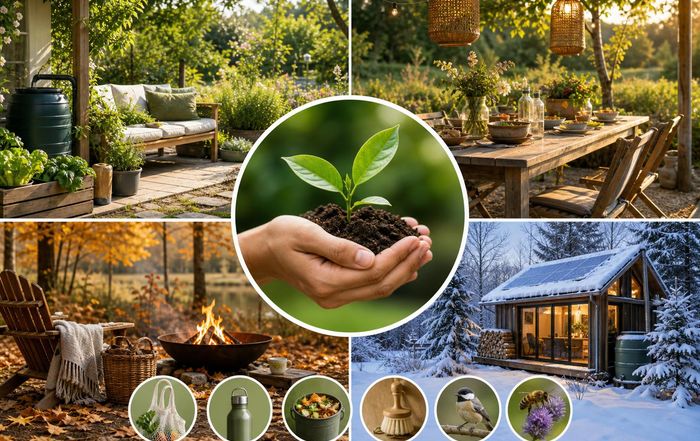
Across continents and climates, from compact city balconies in Tokyo or London to spacious backyards in Canada, South Africa, or Brazil, the principles of low-impact outdoor living offer a practical framework for aligning daily life with planetary boundaries. They invite people to see every season as an opportunity: spring for regeneration and plastic-free beginnings, summer for shade and water stewardship, autumn for circularity and soil care, and winter for resilience and quiet connection.
Scientific consensus from bodies such as the IPCC, UNEP, and national academies underscores that limiting global warming and halting biodiversity loss will require systemic changes in energy, transport, agriculture, and land use. Yet these systems are ultimately shaped by countless individual and collective choices, including how outdoor spaces are designed, furnished, and used. By embracing low-impact practices-composting, water harvesting, wildlife-friendly planting, durable and recycled materials, organic food production, and energy-efficient lighting-households and communities can meaningfully contribute to climate and biodiversity solutions while enhancing their own quality of life.
In doing so, they also cultivate a deeper sense of connection and responsibility, recognizing that every garden is part of a watershed, every balcony planter can support pollinators, and every shade tree can help cool a neighborhood. This perspective, which the team here seeks to foster through its global platform and resources on sustainability, recycling, plastic-free living, and more, offers a quietly radical redefinition of outdoor living: not as a private luxury detached from the wider world, but as a shared, living interface between human communities and the ecosystems that sustain them.
This is where the eco article concludes, but the wider conversation remains open. Keep reading, keep questioning, and stay curious. In the years ahead, as cities and rural areas alike confront the realities of a changing climate, water scarcity, and biodiversity decline, the lessons of low-impact outdoor living will only grow more relevant. By starting now, season by season, and by drawing on the collective knowledge of scientists, designers, traditional stewards of the land, and platforms like eco-natur, individuals and communities can transform their outdoor spaces into resilient, restorative, and inspiring places that honor both human wellbeing and the living planet.
