
Reducing Waste at Festivals and Events: Practical Strategies for a Sustainable Experience in 2026
The New Standard for Low-Waste Festivals and Events
By 2026, festivals and large events have moved from treating sustainability as a niche concern to recognizing it as a defining expectation from audiences, regulators, and corporate partners across the world. Whether it is a major music festival in the United States or the United Kingdom, a cultural celebration in Germany, Italy, or Spain, a sporting event in Japan or South Korea, or a community gathering in South Africa or Brazil, organizers now operate in an environment where environmental performance is scrutinized as closely as artistic quality or commercial success. In this context, eco-natur.com has become a reference point for individuals, businesses, and public institutions seeking to design and experience events that are not only memorable but also aligned with long-term ecological and social resilience. As waste from single-use plastics, food packaging, temporary structures, and fast-turnover merchandise continues to burden landfills, waterways, and ecosystems, the demand for credible, actionable strategies has intensified, particularly among audiences that already embrace sustainable living in their daily lives.
Global institutions such as the United Nations Environment Programme continue to warn that municipal solid waste is projected to rise in many regions, driven by urbanization, changing consumption patterns, and the expanding leisure and tourism sectors. Learn more about global waste trends and their implications for cities and ecosystems at UNEP. For organizers and attendees in North America, Europe, Asia, Africa, and South America, this means that festivals and events are no longer isolated, short-lived spectacles; they are now recognized as concentrated expressions of broader economic and cultural systems, with significant environmental footprints that must be managed responsibly. The ethos promoted by eco-natur.com, and reflected in its guidance on sustainability, positions waste reduction not as an afterthought but as a core design principle for any event that seeks to be relevant in a resource-constrained, climate-conscious world.
Understanding the True Waste Footprint of Events
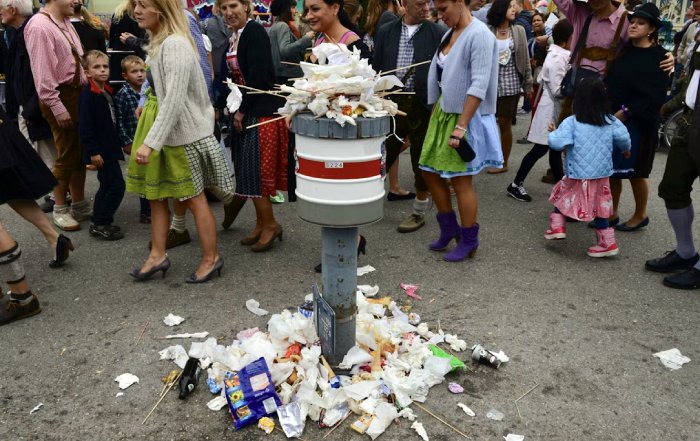
Effective waste reduction begins with a clear understanding of what constitutes the waste footprint of festivals and events. Large music festivals, trade fairs, sports tournaments, and conferences can generate hundreds of tons of waste within a few days, and while the visible litter of cups, bottles, and food containers is often the most striking, the environmental impact extends far beyond what is left on the ground after the final performance. Analyses from organizations such as the European Environment Agency show that events concentrate high levels of disposable materials, short-lived promotional items, and temporary infrastructure in a confined space and time, which amplifies both logistical challenges and environmental consequences. Learn more about the environmental impacts of production and consumption patterns at the European Environment Agency.
From a lifecycle perspective, the waste footprint includes upstream impacts from the extraction of raw materials, manufacturing, packaging, and transportation of goods, as well as downstream consequences such as greenhouse gas emissions from landfilling or incineration, microplastic pollution, and the strain placed on local waste management systems. The World Bank continues to highlight mismanaged waste as a growing challenge in both high-income and emerging economies, with implications for air quality, water resources, and public health. A global overview of waste management and its socio-economic impacts can be found at the World Bank. For the readership of eco-natur.com, many of whom already engage with recycling and low-waste practices at home, recognizing these broader systemic dimensions is crucial to extending personal values into the context of festivals and large gatherings.
Designing Events Around Prevention Rather Than Disposal
In 2026, the most innovative and resilient events are those that treat waste prevention as a design challenge rather than relying primarily on downstream solutions such as recycling and cleanup operations. While high-quality recycling and composting infrastructure remains essential, it cannot compensate for event models that are fundamentally built around disposability. Leading thought leaders such as the Ellen MacArthur Foundation continue to promote circular economy principles that prioritize the elimination of waste and pollution, the circulation of products and materials at their highest value, and the regeneration of natural systems. Learn more about circular economy strategies relevant to products and events at the Ellen MacArthur Foundation.
For organizers in regions as diverse as the United States, Canada, Australia, France, Singapore, and Thailand, this preventive approach begins with procurement decisions and event architecture. Infrastructure such as stages, signage, seating, and decorative elements should be conceived as assets that can be reused, repaired, and adapted across multiple events and seasons, rather than as one-off constructions destined for disposal. The design-centric perspective that eco-natur.com promotes through its focus on design and zero waste offers a practical framework here: modular systems, durable materials, and digital solutions such as electronic ticketing and online programs can significantly reduce material throughput before the first attendee sets foot on site. By embedding circularity into contracts with suppliers, rental companies, and production partners, organizers move from reactive waste management to proactive resource stewardship.
Advancing Plastic-Free and Low-Packaging Experiences
Single-use plastics remain one of the most visible and persistent waste streams at festivals and events, and in 2026 regulatory pressure and public expectations are converging toward more ambitious reductions. Many jurisdictions across Europe, Asia, and North America have expanded bans or levies on certain single-use plastic items, while cities in countries such as Germany, Sweden, and the Netherlands now require event-specific waste and plastics management plans as a condition for permits. For organizers and attendees aligned with the eco-natur.com vision of plastic-free living, this regulatory landscape is not merely a constraint but an opportunity to demonstrate leadership and differentiate events through tangible environmental performance.
Organizations such as Plastic Pollution Coalition and Surfrider Foundation have documented the persistent impacts of plastic waste on oceans, rivers, and coastal ecosystems, emphasizing the long-term costs of short-term convenience. Learn more about plastic pollution and reduction strategies at Plastic Pollution Coalition. Translating this knowledge into practice at events involves a combination of policy, infrastructure, and communication: deposit-return systems for reusable cups and food containers, refillable water stations replacing single-use bottles, contractual requirements for vendors to use compostable or reusable service ware, and clear messaging that encourages attendees to bring their own bottles and utensils. For the global community that turns to eco-natur.com for guidance on lifestyle choices, festivals that champion plastic-free solutions become powerful demonstrations of how everyday habits and large-scale experiences can be aligned.
Building Effective On-Site Recycling and Composting Systems
Even the most prevention-oriented events will generate some material flows that require responsible end-of-life management, which makes well-designed recycling and composting systems indispensable. However, experience from events across North America, Europe, and Asia shows that simply placing recycling bins around a site is insufficient; success depends on planning, education, and integration with local waste management capabilities. Agencies such as the U.S. Environmental Protection Agency continue to provide updated guidance on effective source separation, contamination reduction, and infrastructure design. Learn more about practical recycling and composting approaches at the U.S. EPA.
For organizers and partners who follow eco-natur.com, the key is to treat recycling and composting as part of a broader behavioral and logistical system. This includes mapping high-traffic areas, designing intuitive bin stations with clear color coding and iconography, training staff and volunteers to assist attendees, and working closely with local authorities and contractors to ensure that collected materials are actually processed as intended. The principles outlined on eco-natur.com under recycling and zero waste encourage events to think holistically, recognizing that infrastructure, communication, and partnerships must work together to achieve meaningful diversion rates. In regions where industrial composting is available, dedicated organics streams for food scraps and compostable service ware can dramatically reduce landfill-bound waste, while also supporting soil health when properly managed.
Engaging Food and Beverage Vendors as Strategic Partners
Food and beverage operations remain central to the experience and the environmental footprint of festivals and events. In 2026, leading organizers in the United States, United Kingdom, Germany, Canada, and New Zealand increasingly view vendors not merely as suppliers but as strategic partners in achieving waste reduction and broader sustainability objectives. International organizations such as the Food and Agriculture Organization of the United Nations continue to highlight the scale of global food loss and waste and its contribution to greenhouse gas emissions, land use pressures, and water consumption. Learn more about the global context of food waste at the FAO.
In practical terms, vendor agreements can specify participation in on-site composting programs, requirements for recyclable or compostable packaging, and protocols for donating surplus food to local charities, food banks, or redistribution platforms, thereby reducing both waste and food insecurity. This approach aligns closely with the values promoted by eco-natur.com in its guidance on organic food, which emphasizes local, seasonal, and organically produced ingredients as a way to reduce environmental impacts and support regional economies. Organizations such as WRAP in the United Kingdom and ReFED in the United States offer detailed resources on food waste reduction, surplus recovery, and data-driven interventions; learn more from WRAP and ReFED. By integrating these practices into the core business model of food and beverage operations at events, organizers can significantly reduce waste while strengthening their reputation among environmentally conscious attendees.
Safeguarding Wildlife and Local Ecosystems Around Event Sites
Many festivals and events are located in or near natural environments that are home to diverse species and sensitive ecosystems, including coastal zones, forests, wetlands, and agricultural landscapes. Waste left behind, along with noise, light, and human disturbance, can disrupt habitats, harm wildlife, and degrade ecosystem services that local communities rely on. Organizations such as the World Wildlife Fund continue to document how litter, pollution, and habitat fragmentation affect species in regions ranging from the African savannas to the Amazon basin and the Arctic. Learn more about the impact of human activities on wildlife at WWF.
For the global audience of eco-natur.com, many of whom are already engaged with wildlife and biodiversity issues, the link between events and ecosystem health is particularly salient. Responsible organizers now routinely conduct environmental assessments in collaboration with local conservation groups and authorities, identify sensitive habitats and migration corridors, and design site layouts and access routes that minimize disturbance. Measures may include restricted zones, wildlife-friendly lighting, careful timing of activities to avoid breeding or nesting periods, and rigorous post-event cleanup protocols. The International Union for Conservation of Nature provides extensive information on threatened species and ecosystems that can inform these assessments; explore their resources at the IUCN. By positioning festivals as respectful guests within local ecosystems rather than dominating forces, organizers contribute to a broader culture of environmental stewardship that resonates strongly with the values of eco-natur.com.
Embedding Sustainability into Event Business Models and Sponsorship
Waste reduction has become a strategic business issue as much as an operational one. Sponsors, investors, and corporate partners across Europe, Asia, and North America now evaluate festivals and events through the lens of environmental, social, and governance (ESG) performance, and waste metrics provide a visible, quantifiable indicator of commitment. Frameworks developed by organizations such as the Global Reporting Initiative help businesses measure and report on their environmental performance, including waste prevention, resource efficiency, and circularity. Learn more about sustainability reporting frameworks at the Global Reporting Initiative.
For organizers and companies that align with eco-natur.com, integrating sustainability into the core business model means that waste reduction is reflected in sponsorship proposals, vendor selection, ticketing strategies, and post-event reporting. The platform's focus on sustainable business and economy underscores that events which credibly demonstrate low-waste practices can attract premium sponsors seeking to align their brands with climate action, circular economy initiatives, and community well-being. Sponsors may be willing to finance reusable cup systems, water refill networks, or educational installations in exchange for visibility, thereby creating a direct financial incentive for waste reduction. In turn, transparent communication of results-such as diversion rates, avoided single-use items, and community benefits-builds trust with attendees and partners, reinforcing the reputation of events and platforms such as eco-natur.com as authoritative voices in sustainable transformation.
Leveraging Technology and Data for Smarter Waste Management
Technological innovation continues to reshape how festivals and events plan, monitor, and improve their environmental performance. In 2026, digital ticketing, mobile apps, smart bins, and data analytics are increasingly integrated into event operations across regions such as Europe, Asia, and North America. Organizations like the World Economic Forum have highlighted how digital technologies can accelerate circular economy solutions, from tracking material flows to enabling new service-based business models. Learn more about digital tools for circularity at the World Economic Forum.
For the eco-conscious community that engages with eco-natur.com, technology is most valuable when it supports informed decisions and transparent accountability rather than serving as a superficial add-on. Smart sensors in recycling and compost bins can provide real-time data on fill levels and contamination, allowing waste management teams to optimize collection routes and adjust signage or staff deployment where confusion persists. Mobile applications can guide attendees to nearby refill stations, explain how to sort materials correctly, and reward sustainable behaviors such as returning reusable items or choosing low-impact transport options. Digital communication before and during events can set expectations around sustainable living, highlight local environmental features, and share post-event performance data, thereby strengthening the relationship between organizers, participants, and the broader sustainability community.
Empowering Attendees as Co-Creators of Low-Waste Events
No matter how sophisticated the infrastructure or how ambitious the policies, waste reduction at festivals and events ultimately depends on the behavior of attendees. Across countries such as the United States, United Kingdom, Germany, Sweden, Norway, Singapore, Japan, and New Zealand, public awareness of environmental issues has grown significantly, yet individuals often need clear guidance and convenient options to translate concern into consistent action. Organizations such as Greenpeace and Friends of the Earth continue to emphasize that structural solutions and supportive policies must be combined with empowered individual choices to achieve lasting change. Learn more about individual and collective climate action at Greenpeace.
For the readers of eco-natur.com, who frequently seek to align personal values with everyday decisions, festivals and events present an important arena to practice and showcase responsible habits. Attendees who bring reusable bottles, cups, and utensils, who select vendors offering organic food and minimal packaging, and who take a moment to sort waste correctly at designated stations play a direct role in reducing the environmental impact of each event. Organizers can support this by providing clear information in advance, visible signage on-site, and small incentives or recognition for sustainable choices. By linking these behaviors to the broader narratives and resources available on eco-natur.com, events can help participants internalize low-waste habits that extend into homes, workplaces, and communities across continents.
Connecting Event-Level Actions to Global Sustainability Goals
Waste reduction at festivals and events is increasingly understood as part of a broader global transition toward sustainable, low-carbon, and circular economies. The United Nations Sustainable Development Goals (SDGs), particularly those related to responsible consumption and production, climate action, life below water, and life on land, provide a shared framework that governments, businesses, and civil society organizations use to align their strategies. Learn more about the SDGs and their relevance to consumption and waste at the United Nations. When events in Europe, Asia, Africa, and the Americas explicitly connect their waste reduction efforts to these global goals, they signal that entertainment, culture, and commerce can coexist with planetary boundaries rather than ignoring them.
For eco-natur.com, whose audience spans regions from North America and Europe to Asia, Africa, and South America, this alignment reinforces the importance of integrating event-level decisions into a holistic understanding of environmental and social responsibility. Waste reduction at festivals intersects with themes such as renewable energy, biodiversity, public health, and global cooperation, all of which are central to the platform's mission. Organizations such as the OECD and World Resources Institute provide in-depth analysis of how resource use, economic policy, and environmental outcomes interact across regions; explore their insights at the OECD and World Resources Institute. By situating festivals and events within these larger systems, eco-natur.com helps readers understand that each low-waste gathering is not an isolated gesture but a meaningful contribution to a more resilient and equitable global future.
Eco-Natur.com as a Partner in the Evolution of Sustainable Events
As the expectations placed on festivals and events continue to evolve in 2026, eco-natur.com plays a distinctive role in bridging high-level sustainability frameworks with the practical realities faced by organizers, vendors, sponsors, and attendees across the world. The platform's integrated perspective on sustainable living, sustainability, plastic-free choices, recycling, wildlife protection, sustainable business, and the global context of environmental change allows it to support different stakeholders in a coherent and authoritative manner. Whether the task is designing a low-waste community festival in a small town, rethinking the waste systems of a multinational corporate conference, or advising on the sustainability strategy of a large multi-day music festival, the principles and practices highlighted on eco-natur.com can be adapted to diverse regulatory, cultural, and economic environments.
For the business audience that relies on trusted information to make strategic decisions, eco-natur.com offers not only inspiration but also grounded expertise, drawing on international best practices and aligning them with practical, context-sensitive guidance. As more cities and countries tighten regulations around event waste, as sponsors demand credible ESG performance, and as attendees increasingly choose experiences that reflect their environmental values, the ability to deliver genuinely low-waste festivals becomes a competitive advantage as well as an ethical responsibility. In this changing landscape, the mission of eco-natur.com is to ensure that knowledge, tools, and real-world examples are readily accessible, so that each event-whether in Europe, Asia, Africa, South America, or North America-can move closer to a model where celebration, culture, and commerce coexist with ecological integrity.
Ultimately, reducing waste at festivals and events is about reimagining how people come together. It is about demonstrating that large-scale gatherings can be designed around sufficiency rather than excess, circularity rather than disposability, and care rather than neglect. By focusing on prevention, engaging vendors and attendees as partners, protecting local ecosystems, leveraging technology, and aligning with global sustainability goals, organizers and participants can transform festivals into living examples of a regenerative future. As that future continues to unfold, eco-natur.com remains committed to supporting this evolution, offering a trusted space where sustainable ideas, business strategies, and everyday practices converge in the shared pursuit of a healthier planet and a more resilient global society.
