
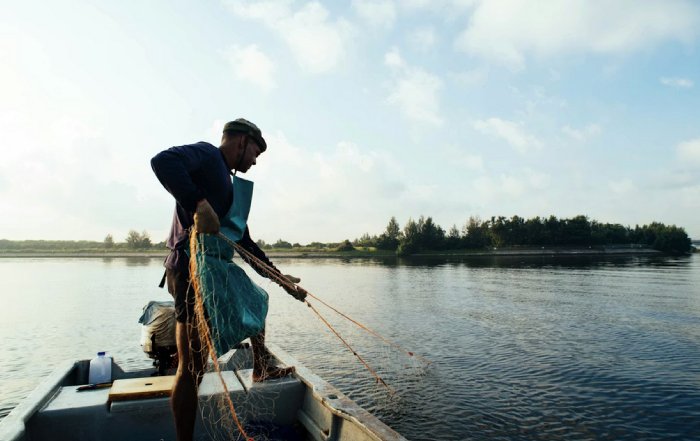
The Benefits of Sustainable Fishing Practices in a Changing Global Economy (2026)
Introduction: Sustainable Fishing at the Heart of a Transitioning World
In 2026, sustainable fishing has firmly moved into the mainstream of global economic and environmental strategy, no longer confined to the concerns of marine scientists and conservation advocates but embedded in the decision-making of governments, institutional investors, multinational retailers, and increasingly discerning consumers. As seafood demand continues to grow in both established markets such as the United States, United Kingdom, Germany, Canada, Australia, and Japan, and in rapidly expanding economies across Asia, Africa, and South America, the combined pressure of overfishing, habitat degradation, and climate change is testing the resilience of marine ecosystems and the communities that depend on them. The decline and, in some cases, collapse of key fish stocks in regions including the North Atlantic, Mediterranean, Western Pacific, and parts of the Indian Ocean have made it clear that extractive, short-term models of exploitation are incompatible with long-term food security and economic stability.
For eco-natur.com, which is dedicated to connecting sustainable living with sound economic thinking and responsible business practices, sustainable fishing is a natural focal point. It illustrates how choices made by policymakers, corporations, and individual consumers intersect to shape both ecological outcomes and the durability of the global economy. Readers who follow the platform's broader guidance on sustainable living and integrated sustainability strategies can see in fisheries a compelling example of how environmental limits, social equity, and financial performance can be aligned rather than traded off. In an era defined by climate volatility, biodiversity loss, and shifting geopolitical dynamics, the way the world manages its fisheries offers a revealing test of whether economic systems can evolve toward resilience and regeneration.
Ecological Foundations: Rebuilding Ocean Health as Natural Capital
Sustainable fishing begins with the recognition that fish populations, habitats, and food webs constitute a form of natural capital that underpins not only marine biodiversity but also global food systems and coastal economies. Scientific assessments by the Food and Agriculture Organization of the United Nations (FAO) continue to show that a significant proportion of assessed fish stocks remains either fully exploited or overexploited, with only a fraction in the biologically optimal range that allows for both healthy reproduction and stable harvests. When fishing pressure exceeds the regenerative capacity of populations, the impacts cascade through age structures, genetic diversity, and predator-prey dynamics, undermining the integrity of entire ecosystems and reducing their ability to adapt to warming, acidification, and other stressors. Those wishing to understand these global trends in detail can review FAO's latest analysis of the state of world fisheries and aquaculture.
In response, sustainable fishing practices apply science-based management tools such as catch limits informed by robust stock assessments, seasonal and area closures to protect spawning aggregations and nursery grounds, and the designation of marine protected areas where extraction is restricted or prohibited. Agencies like the National Oceanic and Atmospheric Administration (NOAA) in the United States have documented how disciplined management and habitat protection have enabled several previously overfished stocks to rebuild, demonstrating that ecological recovery is achievable when exploitation is constrained within biological limits. Learn more about how science-based governance underpins resilient fisheries through NOAA's guidance on sustainable fisheries management.
For eco-natur.com, this ecological perspective aligns with a broader focus on biodiversity as a strategic asset, both in the oceans and on land. Healthy fish populations support seabirds, marine mammals, coral reefs, and coastal ecosystems such as mangroves and seagrass meadows, which in turn play a vital role in carbon storage, shoreline protection, and tourism. The platform's resources on biodiversity and ecosystem protection emphasize that safeguarding marine life is inseparable from building a resilient, nature-positive economy in Europe, Asia, Africa, the Americas, and Oceania.
Climate, Carbon, and the Ocean's Stabilizing Role
By 2026, the climate dimension of sustainable fishing has become far more widely recognized. Oceans absorb around a quarter of anthropogenic carbon dioxide emissions and a large share of excess heat, making them central to climate regulation and planetary stability. Overfishing and destructive practices such as bottom trawling can disrupt these climate services by altering food webs that help cycle carbon and by physically disturbing seabed sediments that store vast quantities of carbon, potentially releasing it back into the water column and atmosphere. The Intergovernmental Panel on Climate Change (IPCC) has highlighted in its reports the vulnerability of marine ecosystems to warming, acidification, and deoxygenation, and has stressed the importance of reducing non-climate stressors such as overfishing to bolster ecosystem resilience. Decision-makers can explore this scientific context through the IPCC's work on oceans and cryosphere in a changing climate.
Sustainable fishing contributes to climate mitigation and adaptation by maintaining more balanced fish populations, protecting carbon-rich habitats, and reducing practices that disturb seabeds or generate excessive fuel use. Initiatives backed by the United Nations Environment Programme (UNEP) and the UN Decade of Ocean Science for Sustainable Development position sustainable fisheries as a core component of a "blue" climate strategy, alongside mangrove restoration, seagrass conservation, and low-carbon shipping. Businesses and policymakers interested in how ocean stewardship supports climate and economic objectives can learn more about UNEP's work on sustainable blue economy approaches.
For the community around eco-natur.com, which is already engaged with renewable energy transitions, organic food systems, and low-impact lifestyles, the climate implications of seafood choices reinforce the idea that every consumption decision sits within a larger carbon and ecosystem context. Choosing products from well-managed, energy-efficient fisheries or aquaculture operations complements efforts to decarbonize energy, transport, and buildings, making sustainable seafood a practical lever for climate-conscious households and businesses from North America and Europe to Asia and Africa.
Economic Benefits: Resilient Value Creation in a Volatile World
From an economic standpoint, sustainable fishing is best understood as a strategy for protecting and enhancing natural capital so that marine resources continue to generate value over decades rather than being rapidly exhausted. Analyses by the World Bank indicate that overfishing and weak governance represent a substantial economic loss, as depleted stocks yield far less than they could under sustainable management, while also increasing volatility and risk. Rebuilding stocks to biologically and economically optimal levels could unlock billions of dollars in additional annual profits, stabilize employment, and improve food security in developed and developing countries alike. Learn more about this economic rationale through the World Bank's work on the economic case for sustainable oceans.
Sustainable fishing also reduces the likelihood of abrupt fishery closures that can devastate coastal communities, as seen historically in parts of Canada, the United Kingdom, and the United States, and more recently in regions of West Africa and Southeast Asia. When stocks are managed conservatively, yields become more predictable, enabling better planning for processing facilities, export contracts, and investments in cold storage, logistics, and value-added products. The Organisation for Economic Co-operation and Development (OECD) has compiled evidence showing how well-designed fisheries policies can improve both ecological and economic performance, offering case studies and analytical tools for governments across Europe, North America, and the Asia-Pacific region. Stakeholders can explore these insights through OECD's work on fisheries and aquaculture governance.
For eco-natur.com, which regularly examines sustainable business models and the evolution of the green economy, sustainable fishing is a concrete demonstration of how environmental stewardship and financial resilience reinforce each other. Companies that commit to sustainable sourcing, invest in traceable supply chains, and collaborate with regulators and local communities tend to enjoy more reliable access to raw materials, reduced regulatory and reputational risks, and stronger brand loyalty in markets where consumers value ethics and transparency. These dynamics are increasingly relevant not only to large multinational seafood companies but also to small and medium enterprises in Europe, Asia, Africa, and Latin America that seek to differentiate themselves through quality and responsibility.
Social and Community Benefits: Livelihoods, Nutrition, and Cultural Heritage
Beyond ecological and economic metrics, sustainable fishing has profound social implications. In many coastal regions, from small island developing states in the Pacific and Caribbean to fishing villages along the coasts of Norway, Spain, South Africa, Brazil, Thailand, and Indonesia, fisheries are the backbone of local livelihoods, a primary source of protein and micronutrients, and a cornerstone of cultural identity. When stocks decline or become erratic, it is often small-scale fishers and low-income consumers who bear the brunt of reduced catches, price volatility, and nutritional deficits, sometimes triggering migration and social instability.
Organizations such as the World Food Programme (WFP) and FAO underline the importance of fish as a crucial component of global food security, especially in regions where alternative animal proteins are scarce, expensive, or environmentally more damaging. Sustainable management that maintains or rebuilds stocks, protects coastal habitats, and supports small-scale fisheries can therefore contribute directly to poverty reduction and improved nutrition. Policymakers and development practitioners can delve deeper into this nexus through FAO's materials on fisheries and food security.
For readers of eco-natur.com, who are often interested in how sustainability connects to human well-being and ethical consumption, the social dimension of sustainable fishing resonates strongly with themes explored in resources on health and sustainability and community-based development. Choosing seafood from well-managed, equitable supply chains supports the rights and resilience of small-scale fishers in Africa, Asia, and Latin America, many of whom operate with lower environmental footprints and deep local ecological knowledge. As governments and NGOs in countries such as Canada, New Zealand, South Africa, and Chile increasingly recognize the role of co-management and indigenous stewardship in effective fisheries governance, sustainable fishing becomes a vehicle for honoring cultural heritage while securing livelihoods for future generations.
Certification, Traceability, and Trust in Global Seafood Markets
One of the most important transformations in global seafood markets over the past two decades has been the rapid expansion of certification schemes and traceability systems that aim to give buyers confidence in the environmental and social performance of products. Programs such as the Marine Stewardship Council (MSC) for wild-capture fisheries and the Aquaculture Stewardship Council (ASC) for farmed seafood have developed detailed standards addressing stock status, ecosystem impacts, governance, and labor practices, and have certified fisheries and farms across Europe, North America, Asia, Africa, and South America. Businesses and consumers can examine these frameworks through MSC's overview of certified sustainable fisheries and ASC's resources on responsible aquaculture.
These certification initiatives are increasingly supported by digital traceability tools, including blockchain-based systems, electronic catch documentation, and vessel monitoring technologies that track seafood from capture or harvest through processing to retail. This shift from opaque, commodity-style supply chains to transparent, data-rich systems is particularly important in a regulatory environment where major markets such as the European Union, United States, and Japan are tightening rules to combat illegal, unreported, and unregulated (IUU) fishing. The European Commission, for example, has implemented import controls that require proof of legal origin and compliance with conservation measures, making traceability a prerequisite for access to lucrative markets. Those interested in the regulatory backdrop can review the European Commission's overview of EU policies against illegal fishing.
For eco-natur.com, which places Experience, Expertise, Authoritativeness, and Trustworthiness at the core of its content strategy, the evolution of trust-based seafood markets parallels developments in other sustainability domains such as recycling and circular resource flows and plastic-free consumption patterns. In each case, credible standards, verifiable data, and transparent communication are essential for distinguishing genuine progress from superficial marketing. As investors integrate environmental, social, and governance (ESG) criteria into their assessments of companies across Europe, North America, and Asia, robust certification and traceability in seafood value chains are becoming central to corporate reputation and access to capital.
Technology and Innovation: Enabling Smarter, Lower-Impact Fisheries
Technological innovation is reshaping the possibilities for sustainable fishing, offering new tools to monitor, manage, and optimize activities at sea and along the value chain. Satellite-based vessel tracking, machine learning analysis of catch and effort data, and electronic monitoring systems with onboard cameras allow regulators, industry, and civil society to detect illegal activities, enforce quotas, and reduce bycatch of non-target species such as dolphins, turtles, seabirds, and sharks. Global Fishing Watch, a partnership involving Google, Oceana, and other organizations, has pioneered the use of open-access satellite data to map fishing activity worldwide, increasing transparency and enabling governments and NGOs in regions from Europe and North America to West Africa and Southeast Asia to strengthen oversight. Those interested in this new era of open data can explore Global Fishing Watch's platform on fishing activity transparency.
At the operational level, innovations in gear design, including more selective nets, escape panels, hook modifications, and acoustic deterrents, are reducing collateral damage to marine wildlife and improving catch quality. Advances in cold-chain logistics, processing technologies, and product development help minimize waste and increase the value derived from each fish, aligning with the principles of zero-waste design that eco-natur.com promotes in other sectors. Research institutions and programs coordinated by bodies such as the European Commission's Joint Research Centre, national marine laboratories in countries including the United States, United Kingdom, Norway, Japan, and South Korea, and expert committees of the National Academies of Sciences, Engineering, and Medicine are integrating climate projections, ecosystem-based approaches, and socio-economic data into more sophisticated management models. Stakeholders can gain a broader view of these scientific advances through the National Academies' resources on ocean science and technology.
For the audience of eco-natur.com, many of whom work in design, technology, or sustainable business innovation, the trajectory of fisheries illustrates how digital tools, data analytics, and systems thinking can transform traditionally resource-intensive sectors. The same mindset that informs sustainable product design and innovation on land is being applied at sea, signaling a future in which high-tech, low-impact fisheries become the norm rather than the exception in leading economies across Europe, Asia, Oceania, and the Americas.
Governance, Policy, and International Cooperation in a Shared Ocean
Because fish stocks often migrate across national boundaries and into areas beyond national jurisdiction, effective governance of fisheries depends on cooperation among states and alignment between international commitments and domestic regulations. The United Nations Convention on the Law of the Sea (UNCLOS) provides the legal framework for maritime jurisdiction and shared resource management, while a network of regional fisheries management organizations (RFMOs) coordinates stock assessments, quota allocations, and conservation measures for specific species and regions. The United Nations has also embedded sustainable fisheries in the Sustainable Development Goals (SDGs), especially SDG 14, which focuses on the conservation and sustainable use of oceans, seas, and marine resources. Policymakers and corporate leaders can examine this global policy context through the UN's portal on Life Below Water.
In recent years, negotiations around the High Seas Treaty have advanced new mechanisms for establishing marine protected areas and regulating activities in areas beyond national jurisdiction, reflecting growing recognition that biodiversity loss and climate change cannot be addressed solely within exclusive economic zones. At the same time, the World Trade Organization (WTO) has been working to discipline harmful fisheries subsidies that contribute to overcapacity and overfishing, acknowledging their role in distorting markets and degrading marine ecosystems. Those wishing to understand the intersection of trade policy and sustainability can consult the WTO's work on fisheries subsidies and sustainability.
For eco-natur.com, which often highlights the interplay between local action and global sustainability frameworks, fisheries governance provides a clear example of how multilateral agreements, national policies, and community-level stewardship must reinforce each other. Countries in Europe, Asia, Africa, and the Americas are under increasing pressure from citizens, trading partners, and investors to align their fisheries policies with international norms, strengthen enforcement, and ensure that human rights are respected along the seafood value chain. Businesses that anticipate these regulatory shifts and embed high standards into their operations will be better positioned to thrive in a world where environmental performance and social responsibility are core elements of competitiveness.
Consumer Behavior, Retail Strategy, and Market Transformation
Consumer awareness has become a powerful driver of change in global seafood markets, particularly in higher-income regions such as North America, Europe, Australia, New Zealand, Singapore, and parts of East Asia. Retailers, restaurant groups, and food service companies have adopted sustainable sourcing commitments, partnered with NGOs, and promoted certified products as they respond to shifting expectations among customers who want their diets to reflect environmental and ethical values. Major retailers and brands, including Tesco, Carrefour, Walmart, and leading supermarket chains in Germany, the Netherlands, Scandinavia, and Canada, have pledged to increase the share of seafood sourced from certified or improving fisheries, recognizing that transparency and responsibility are now essential to brand trust. Stakeholders can explore how large buyers influence fisheries through the work of the Sustainable Fisheries Partnership, which offers tools and assessments for improving seafood supply chains.
NGOs such as WWF, Greenpeace, and national marine conservation organizations in countries including the United Kingdom, France, Australia, and the United States have supported this shift through consumer guides, mobile apps, and campaigns that classify species according to stock status, fishing methods, and region. These resources empower individuals to choose products that align with their values and to question retailers about sourcing practices. Those seeking practical guidance on responsible consumption can explore WWF's recommendations on sustainable seafood choices.
The readership of eco-natur.com, already engaged with sustainable lifestyle choices, plastic-free habits, and low-impact diets, is well placed to be at the forefront of this market transformation. By favoring sustainably certified or credibly local and small-scale products, asking for transparency, and supporting businesses that demonstrate verifiable commitments, consumers in the United States, United Kingdom, Germany, the Netherlands, Scandinavia, Japan, South Korea, and beyond can send clear signals that reinforce progressive practices throughout the value chain. In turn, this demand helps to normalize sustainability as a baseline expectation rather than a premium niche.
Linking Sustainable Fishing to Broader Sustainable Living
Sustainable fishing is intimately connected with other dimensions of sustainable living and responsible economic development. Marine ecosystems are affected by land-based activities such as agriculture, urbanization, and waste management, meaning that progress in fisheries depends on improvements in areas like nutrient management, waste reduction, and climate mitigation. Agricultural runoff rich in nitrogen and phosphorus contributes to coastal dead zones, while mismanaged plastic waste, including lost and discarded fishing gear, injures wildlife and introduces microplastics into the food chain. The Ellen MacArthur Foundation has shown how shifting to a circular economy model-emphasizing design for durability, reuse, and recycling-can significantly reduce marine pollution and resource extraction. Those wishing to explore this systemic perspective can learn more about circular strategies for eliminating waste and pollution.
For eco-natur.com, which covers topics from recycling and circularity and organic food to renewable energy transitions, the story of sustainable fishing reinforces the value of integrated thinking. Choices that reduce plastic use, minimize food waste, lower carbon footprints, and support regenerative agriculture all help relieve pressure on oceans, making it easier for sustainable fisheries management to succeed. Conversely, healthy oceans contribute to climate stability, food security, and economic opportunities that support sustainable development on land, creating a virtuous cycle.
Coastal communities that embrace responsible fisheries often complement these efforts with eco-tourism, habitat restoration, and investments in low-carbon infrastructure, building diversified, resilient local economies that can better withstand shocks from climate change, market volatility, or geopolitical disruptions. Urban consumers who prioritize sustainable seafood tend to be the same individuals advocating for clean energy, sustainable transport, and green urban design, amplifying the impact of their choices. In this way, sustainable fishing both benefits from and contributes to a broader culture of sustainability that eco-natur.com seeks to foster worldwide, from North America and Europe to Asia, Africa, and South America.
Conclusion: A Strategic Imperative for a Changing Global Economy
By 2026, the evidence from science, policy, and markets converges on a clear conclusion: sustainable fishing is not a peripheral environmental preference but a strategic imperative for governments, businesses, investors, and citizens across all major regions of the world. The benefits extend from ecological restoration and climate resilience to economic stability, social equity, and the preservation of cultural heritage, demonstrating that responsible stewardship of marine resources is foundational to a thriving and inclusive global economy.
For eco-natur.com, the evolution of sustainable fishing encapsulates the platform's core values of Experience, Expertise, Authoritativeness, and Trustworthiness. It draws on rigorous scientific research, proven policy frameworks, and real-world business practice to show that long-term prosperity depends on aligning human activity with the regenerative capacities of the natural world. As readers explore related themes on sustainable living strategies, global sustainability trends, sustainable business innovation, and the evolving green economy, sustainable fishing stands out as a vivid example of how this alignment can be achieved in one of the planet's most critical and dynamic domains.
By supporting science-based management, embracing technological innovation, strengthening governance, and making informed consumer choices, societies across Europe, Asia, Africa, North America, South America, and Oceania can secure healthy oceans for future generations while building resilient, future-ready economies today. In doing so, they affirm the central message that underpins the work of eco-natur.com: that sustainable living and sustainable business are not constraints on human progress but the essential foundations of lasting prosperity.
