
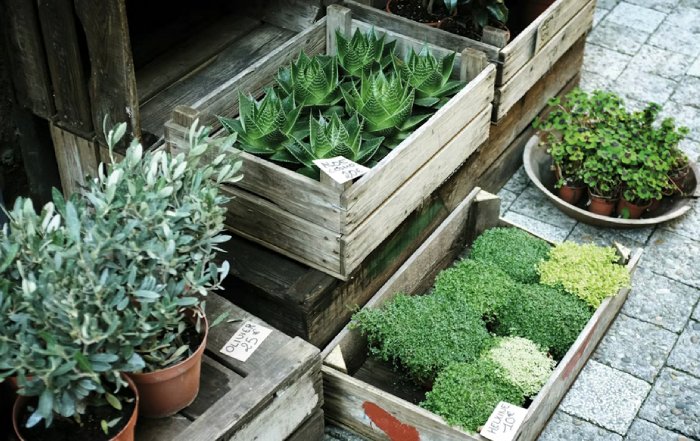
Sustainable Gardening Tips for Small Spaces in 2026
Compact Green Spaces in a Changing Urban World
By 2026, urban life across North America, Europe, Asia, Africa, and South America has become even more vertical and compact, with high-density housing and mixed-use developments reshaping how people experience nature on a daily basis. For the global community that turns to eco-natur.com for guidance, the central question is no longer whether they have a traditional garden, but how they can transform balconies, rooftops, courtyards, window sills, and shared terraces into resilient, sustainable green spaces that reflect their values and respond to accelerating environmental change. These compact gardens, when approached with intention and knowledge, are no longer seen as compromises; they are efficient, resource-conscious micro-landscapes that integrate personal wellbeing with climate responsibility, circular use of resources, and a renewed connection to local ecosystems.
International organizations such as the United Nations Environment Programme continue to highlight the role of urban greenery in reducing heat islands, improving air quality, and supporting biodiversity, and these findings have become even more relevant as cities confront more frequent heatwaves and extreme weather. Readers who wish to understand how their balcony planters or rooftop beds contribute to broader environmental goals can explore how gardening aligns with overarching sustainability principles promoted on eco-natur.com, where everyday choices are framed as levers for systemic change. In this context, a few square meters of cultivated space in New York, London, Berlin, Singapore, or Johannesburg become not only personal sanctuaries but also small, measurable contributions to climate adaptation, habitat creation, and more sustainable patterns of consumption.
Designing High-Performance Gardens in Limited Space
Effective small-space gardening in 2026 begins with a design mindset that treats every balcony, patio, and window ledge as a miniature ecosystem with its own microclimate, structural constraints, and functional potential. Urban residents in cities such as Los Angeles, Manchester, Munich, Toronto, Melbourne, and Seoul increasingly approach design with the same rigor that professionals bring to larger landscapes, assessing sun exposure across the seasons, prevailing winds, shading from neighboring buildings, and load-bearing limits of balconies and roofs. Organizations such as the Royal Horticultural Society in the United Kingdom or the American Society of Landscape Architects provide accessible guidance on container gardening, vertical systems, and safety considerations, helping residents avoid common pitfalls such as overloaded railings or poorly drained planters.
Within this design process, the editorial approach of eco-natur.com emphasizes the integration of aesthetics, ecological function, and long-term durability. Readers exploring sustainable design strategies for small spaces are encouraged to think in layers: structural elements such as planters and trellises, productive layers of edible plants, habitat layers for pollinators and birds, and sensory layers that provide seasonal color, fragrance, and texture. Vertical gardening systems, modular planters, and stackable containers allow gardeners in Amsterdam, Zurich, Singapore, and Tokyo to multiply growing area without compromising movement or safety. Reflective surfaces, light-colored walls, and strategically placed mirrors can help bring light into shaded corners, while windbreaks and partial screens create microclimates that extend the growing season and protect delicate plants. In this way, design becomes not only a visual exercise but a technical response to climate, architecture, and the realities of urban living.
Selecting Plants for Climate Resilience, Health, and Biodiversity
Plant selection is the strategic heart of sustainable gardening in small spaces, and by 2026 gardeners have access to an unprecedented range of compact, climate-resilient cultivars tailored for containers and rooftops. Research institutions such as Cornell University College of Agriculture and Life Sciences, Royal Horticultural Society, and national agricultural extensions in the United States, United Kingdom, Germany, Canada, Australia, and other countries provide detailed guidance on hardiness zones, heat tolerance, drought resilience, and disease resistance. These resources have become essential as climate zones shift, with warmer winters, unpredictable frosts, and more intense summer heat affecting cities from Chicago and Madrid to Beijing and Cape Town.
For the audience of eco-natur.com, plant choice is closely tied to health, nutrition, and ecological responsibility. Many readers prioritize organic food and regenerative cultivation, seeking out organically raised seedlings, open-pollinated or heirloom varieties, and soil free of synthetic pesticides and fertilizers. Compact tomatoes, peppers, salad greens, radishes, dwarf fruit trees, and climbing beans are popular in temperate regions, while in warmer climates such as southern Europe, Southeast Asia, and parts of Africa and South America, gardeners lean toward chillies, eggplants, okra, lemongrass, and tropical herbs. Flowering herbs such as thyme, oregano, basil, and chives serve dual purposes, adding flavor to meals while offering nectar and pollen for pollinators. Organizations like the Xerces Society for Invertebrate Conservation and Pollinator Partnership provide evidence-based guidance on plant choices that support bees, butterflies, and other beneficial insects, demonstrating how even a single planter box on a balcony in Stockholm or Vancouver can function as part of a wider network of urban habitat corridors.
Building Living Soils in Containers and Raised Beds
In container and rooftop environments, soil is not just a medium to anchor roots; it is a living system that determines whether plants will flourish or struggle. Unlike in-ground gardens, where soil can gradually regenerate and expand, container soils are finite and vulnerable to compaction, nutrient depletion, and rapid drying. Sustainable practice in 2026 therefore focuses on building biologically active, structurally stable substrates that mimic the complexity of healthy field soils. Organizations such as the Food and Agriculture Organization of the United Nations (FAO) and the Soil Science Society of America emphasize the importance of soil organic matter, microbial diversity, and careful nutrient cycling, and these principles translate directly to balcony containers and rooftop beds.
On eco-natur.com, the connection between soil stewardship and sustainable living is a recurring theme, and readers are encouraged to view their potting mixes as evolving ecosystems rather than disposable products. Many urban gardeners now blend high-quality peat-free composts with mineral components such as perlite, pumice, or expanded clay pellets to improve drainage while maintaining moisture retention. Vermicompost, bokashi compost, and locally produced municipal compost are increasingly used to enrich containers with slow-release nutrients and beneficial microorganisms, supporting plant health without reliance on synthetic fertilizers. In cities such as Berlin, Copenhagen, Vancouver, and Singapore, community composting hubs and neighborhood-scale circular economy projects help residents transform kitchen scraps into valuable soil amendments, aligning gardening practices with zero-waste principles and reducing methane emissions from landfills. Over time, gardeners learn to top-dress containers with compost, rotate crops, and periodically refresh substrates, developing a level of practical expertise that reinforces the Experience, Expertise, Authoritativeness, and Trustworthiness values central to eco-natur.com.
Water Efficiency and Climate-Smart Irrigation
Water management has become a defining sustainability issue worldwide, with drought, flooding, and uneven rainfall patterns affecting regions as diverse as the western United States, southern Europe, parts of China, Australia, and southern Africa. Assessments from the Intergovernmental Panel on Climate Change (IPCC) and global water risk analyses from organizations such as the World Resources Institute underscore the need for efficient, climate-resilient water use in both agriculture and urban environments. In small-space gardens, containers and raised beds are especially vulnerable to rapid drying, yet they also lend themselves to precise, targeted irrigation strategies that minimize waste.
Readers of eco-natur.com increasingly treat their balconies and rooftops as experimental spaces for climate-smart water practices that also reflect broader economic and sustainability considerations. Self-watering planters, capillary mat systems, and low-pressure drip irrigation kits controlled by simple timers or even solar-powered pumps allow gardeners in cities from Phoenix and Athens to Bangkok and Johannesburg to maintain consistent soil moisture with minimal manual effort. Mulching with straw, shredded leaves, or coir around container plants reduces evaporation, moderates soil temperatures, and suppresses weeds. Where building regulations and local laws allow, small rain barrels, rain chains, and gutter diverters capture stormwater for later use, reducing demand on municipal systems and helping to buffer against dry spells. Organizations such as Water.org and the World Bank provide broader context on water scarcity, infrastructure challenges, and the importance of local conservation behaviors, reinforcing the idea that careful watering routines on a balcony in Melbourne or São Paulo are part of a global shift toward more responsible water use.
Plastic-Free and Low-Waste Gardening in Urban Settings
The shift away from single-use plastics has accelerated since the early 2020s, and by 2026 a growing number of gardeners deliberately design their spaces to minimize plastic use and waste. The eco-natur.com community has been at the forefront of this transition, seeking practical ways to align cultivation practices with a plastic-free lifestyle and the broader fight against pollution. Environmental organizations such as Greenpeace, Plastic Pollution Coalition, and the United Nations Environment Programme have documented the pervasive impacts of plastic waste and microplastics on soil, water, and human health, creating strong motivation for change among environmentally conscious urban residents.
In small-space gardens, this commitment translates into careful choices about containers, tools, and packaging. Many gardeners now favor terracotta pots, galvanized steel planters, wooden boxes made from certified sustainable timber, and upcycled materials such as food tins, glass jars, and repurposed crates. Seedlings are started in biodegradable paper pots, coir plugs, or homemade newspaper cells, eliminating the need for disposable plastic trays. Seed swaps, neighborhood tool libraries, and community pot exchanges in cities such as Amsterdam, Toronto, Oslo, and Wellington further reduce demand for new plastic items and foster local collaboration. Those interested in the economic and systemic dimensions of waste reduction can explore work by the Ellen MacArthur Foundation, which promotes circular economy models that align closely with the reuse and repair ethos already visible in urban gardening communities. Through these choices, small-space gardeners demonstrate that high-performing gardens do not require a constant flow of new plastic products, but instead can thrive on creativity, resourcefulness, and shared infrastructure.
Creating Wildlife-Friendly and Biodiverse Micro-Habitats
As natural habitats continue to be fragmented by urban expansion, transportation corridors, and intensive agriculture, small urban gardens have taken on increased importance as stepping stones and refuges for wildlife. Conservation organizations such as the World Wildlife Fund (WWF), BirdLife International, and the International Union for Conservation of Nature (IUCN) emphasize that cities now host significant proportions of global biodiversity, and that even modest interventions can improve habitat connectivity and resilience. For readers of eco-natur.com, integrating wildlife considerations into small-space garden design is not an optional extra but a core expression of their environmental ethics.
The site's editorial focus on wildlife and biodiversity highlights practical steps that gardeners in London, Paris, Rome, Barcelona, Zurich, Stockholm, Singapore, Tokyo, and beyond can take to support local species. Selecting native or regionally adapted plants, especially those that flower across different seasons, provides food and shelter for pollinators, beneficial insects, and birds. Small water features such as shallow dishes with stones for perching, mini-ponds in containers, and even simple saucers refreshed regularly can become vital drinking and bathing spots in dense neighborhoods. Insect hotels, log piles, and undisturbed corners of vegetation offer overwintering and nesting sites. The Convention on Biological Diversity and regional conservation agencies provide guidance on urban biodiversity strategies, illustrating how individual balconies, courtyards, and rooftops collectively form part of city-scale green infrastructure. On eco-natur.com, these practices are framed as ways to restore some of the ecological functions lost to urbanization while enhancing human wellbeing through daily contact with birdsong, butterflies, and seasonal change.
Growing Organic Food for Health and Resilience
For many visitors to eco-natur.com, the most compelling reason to start a small-space garden is the opportunity to grow fresh, organic food that supports both personal health and planetary wellbeing. Public health authorities such as the World Health Organization (WHO) and Harvard T.H. Chan School of Public Health continue to promote diets rich in fruits, vegetables, and minimally processed foods, and homegrown produce naturally fits these recommendations while avoiding the packaging, transport emissions, and potential residues associated with industrial supply chains. In 2026, rising food prices, supply disruptions, and concerns about food security in various regions have further strengthened interest in balcony and rooftop food production.
On eco-natur.com, the relationship between organic food, health, and sustainable lifestyles is explored in depth, and readers are encouraged to view their gardens as micro-farms that can yield nutrient-dense herbs, salad greens, tomatoes, berries, and root crops even in limited space. By using organic seeds, compost-based soils, and natural pest management methods such as companion planting, physical barriers, and biological controls, gardeners in the United States, United Kingdom, Germany, Canada, Australia, France, Italy, Spain, the Netherlands, Switzerland, Japan, South Korea, and many other countries can reduce their exposure to harmful chemicals and support more regenerative agricultural systems. Organizations such as IFOAM - Organics International and the Organic Trade Association provide frameworks for organic standards and regenerative practices that urban gardeners can adapt on a small scale, from crop rotation in containers to the integration of nitrogen-fixing plants and pollinator strips. For families, balcony gardens become educational spaces where children can witness plant life cycles, understand the origins of their food, and develop lifelong habits that align with the values of eco-natur.com.
Recycling, Upcycling, and Circular Economy in the Garden
Sustainable gardening in small spaces naturally intersects with broader efforts to build circular economies, where resources are kept in use for as long as possible and waste is minimized. Municipal recycling systems in regions such as the European Union, North America, and parts of Asia and Oceania provide basic frameworks for material recovery, with organizations like the European Environment Agency and the U.S. Environmental Protection Agency (EPA) publishing data and best practices. However, the community around eco-natur.com often goes beyond formal recycling, embracing upcycling and local resource loops as integral parts of their gardening practice.
On the site, recycling and circular thinking are presented as essential pillars of sustainability, and small-space gardens serve as laboratories for these ideas. Glass jars become miniature cloches for seedlings or storage containers for saved seeds; wooden pallets are reconfigured into vertical planters; worn textiles are cut into plant ties; and broken ceramics are repurposed as drainage material in the bottom of pots. Kitchen scraps are transformed into compost or bokashi pre-compost, closing nutrient loops and reducing household waste. For those interested in the economic and policy dimensions of circularity, organizations like the OECD and the World Economic Forum offer analyses of how resource efficiency and waste reduction contribute to more resilient, low-carbon economies. These macro-level insights reinforce the message that the humble act of reusing a container or composting a carrot peel on a balcony in Brussels, Singapore, or São Paulo is part of a much larger rethinking of how societies use materials.
Energy, Climate, and the Role of Urban Gardens
In the broader context of climate action and energy transition, urban gardens may appear small, but their cumulative impact on microclimates, building performance, and citizen engagement is increasingly recognized by policymakers and researchers. Studies shared by organizations such as the International Energy Agency (IEA) and the U.S. Environmental Protection Agency (EPA) document how green roofs, façade plantings, and balcony gardens can reduce building energy demand by providing insulation, shading, and evaporative cooling, particularly in hot summers. Meanwhile, city networks such as C40 Cities Climate Leadership Group highlight urban greening as a component of climate adaptation strategies, improving stormwater management, air quality, and thermal comfort.
For the readership of eco-natur.com, many of whom are already exploring renewable energy and low-carbon living, integrating a garden into their home environment is a logical extension of their climate commitments. Solar-powered irrigation controllers, energy-efficient LED grow lights used judiciously in darker apartments, and the strategic placement of plants to shade windows or create wind buffers all contribute to more comfortable, efficient homes. At the same time, the act of gardening itself builds awareness of seasonal cycles, weather patterns, and ecological processes, fostering a deeper understanding of climate change as a lived reality rather than an abstract concept. By combining technical solutions with experiential learning, small-space gardens embody the holistic approach to sustainability that eco-natur.com promotes across its coverage of energy, ecology, and lifestyle.
Small-Space Gardening as a Foundation for Sustainable Lifestyles
Across continents, from high-rise apartments in New York, Toronto, and São Paulo to historic townhouses in London, Paris, and Rome, from compact flats in Berlin, Amsterdam, and Copenhagen to dense urban districts in Singapore, Tokyo, Bangkok, and Seoul, small-space gardening has evolved into a practical gateway to broader sustainable living. For the global audience of eco-natur.com, these gardens are not isolated hobbies but central elements of a coherent sustainable lifestyle that encompasses food choices, energy use, transport, waste reduction, and engagement with local communities and ecosystems. As readers explore sustainable living resources and global sustainability perspectives on the site, they discover that balcony planters, rooftop beds, and courtyard trees are part of the same narrative as renewable energy adoption, circular economies, and biodiversity conservation.
By designing thoughtful spaces, choosing climate-appropriate and wildlife-friendly plants, nurturing living soils, conserving water, minimizing plastic and waste, and integrating organic food production into their daily routines, small-space gardeners demonstrate the Experience, Expertise, Authoritativeness, and Trustworthiness that eco-natur.com seeks to foster and share. Their lived experiences in cities and regions as diverse as the United States, United Kingdom, Germany, Canada, Australia, France, Italy, Spain, the Netherlands, Switzerland, China, Sweden, Norway, Singapore, Denmark, South Korea, Japan, Thailand, Finland, South Africa, Brazil, Malaysia, and New Zealand provide a rich, practical knowledge base that transcends borders and informs others embarking on similar journeys.
In this way, sustainable gardening in small spaces in 2026 is far more than an aesthetic choice; it is a strategic, deeply personal response to the environmental and social challenges of the 21st century. Each container, trellis, or vertical planter represents a decision to align daily life with the principles of sustainability, resilience, and respect for all forms of life. As eco-natur.com continues to document and support this movement, it affirms that even the smallest urban garden can be a powerful statement of intent, a living classroom, and a tangible contribution to a more balanced relationship between humanity and the planet.
