
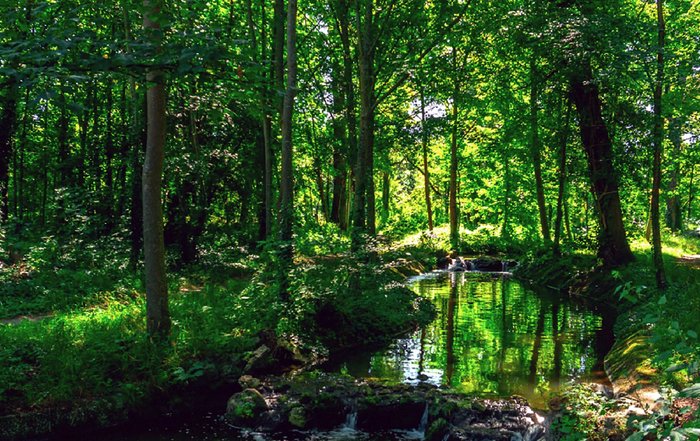
The Benefits of Forest Bathing and Nature Connection in a High-Pressure World
Reframing Success in 2026: Why Nature Connection Matters for Modern Life and Business
In 2026, leaders, professionals, and households across the world are navigating an intensifying paradox: despite unprecedented digital connectivity, pervasive automation, and round-the-clock access to information, many people feel more anxious, distracted, and exhausted than at any previous time in recent memory. Rising levels of burnout, stress-related illness, and mental health challenges are documented from the United States and United Kingdom to Germany, Japan, Brazil, and South Africa, while organizations in every major region struggle to sustain productivity, creativity, and engagement amid continuous disruption. Health systems report growing pressure from lifestyle-related diseases, and employers in sectors from technology to finance are contending with the human costs of always-on work cultures. Within this demanding global context, a practice that is ancient in spirit yet contemporary in its evidence base has re-emerged as a powerful counterbalance: forest bathing and intentional nature connection.
Forest bathing, known in Japan as Shinrin-yoku, is the deliberate, unhurried immersion of body and mind in forests and other natural environments. Unlike exercise-oriented hiking or adventure sports, forest bathing is not about distance covered, speed, or physical performance; it is about slowing down, engaging the senses, and experiencing the forest as a living counterpart rather than a passive backdrop. As the scientific evidence has expanded, including work from institutions such as Harvard T.H. Chan School of Public Health and Stanford University, this practice has moved from the margins of wellness culture into mainstream conversations about public health, organizational performance, and sustainable development. It now informs how cities are designed, how companies structure leadership retreats, and how individuals across North America, Europe, Asia, Africa, and South America seek balance in demanding lives.
For eco-natur.com, whose mission is to advance sustainable living, responsible consumption, and resilient economic models, forest bathing represents far more than a wellness trend. It sits at the intersection of personal wellbeing, ecological awareness, and long-term economic resilience, embodying the conviction that a thriving future depends simultaneously on human health and the health of the ecosystems that sustain societies. By exploring the benefits and implications of nature connection in depth, eco-natur.com aims to support readers worldwide-from the United States and Canada to Australia, France, Italy, Spain, Netherlands, Switzerland, China, Sweden, Norway, Singapore, Denmark, South Korea, Japan, Thailand, Finland, Brazil, Malaysia, New Zealand, and beyond-in integrating forest bathing into their personal routines, business strategies, and community initiatives.
From Shinrin-yoku to Global Movement: Understanding Forest Bathing
The modern concept of forest bathing emerged in Japan in the early 1980s, when the country's Ministry of Agriculture, Forestry and Fisheries introduced Shinrin-yoku as a national health initiative. At a time when long working hours, rapid urbanization, and technological change were already eroding time spent outdoors, policymakers sought to encourage citizens to "take in the forest atmosphere" through leisurely visits to forests, focusing on sensory experience rather than athletic achievement. This simple invitation resonated deeply with Japanese cultural traditions that honor the spiritual and aesthetic value of nature, and it soon attracted the attention of medical researchers.
Physician and researcher Dr. Qing Li at Nippon Medical School became one of the leading figures in systematically studying the physiological and psychological impacts of forest exposure. Through controlled experiments comparing forest environments with urban settings, his work helped to demonstrate that intentional time in forests could lower stress hormones, improve immune function, and enhance mood. As these findings were published and translated, they inspired parallel initiatives in South Korea, Germany, Canada, New Zealand, and many other countries, where public health agencies and local organizations began to adapt the practice to their own landscapes and cultures. Readers interested in the evolution of Shinrin-yoku as a structured health intervention can explore resources from organizations such as the Association of Nature and Forest Therapy Guides and Forest Therapy Hub, which have contributed to international training standards and ethical guidelines.
Today, forest bathing encompasses a spectrum of practices, from guided small-group walks in old-growth forests in Finland and Sweden, to self-directed, device-free walks in urban parks in Singapore, London, New York, and Sydney. A typical session may involve slow walking, mindful breathing, sensory invitations such as focusing on sounds or textures, and periods of quiet reflection or sharing. The emphasis is consistently on presence rather than performance, and on relationship rather than recreation. This relational approach aligns closely with broader themes of sustainability, environmental education, and regenerative tourism, all of which are central to the editorial focus of eco-natur.com and its global audience.
The Science of Forest Bathing: How Natural Environments Support Health
Over the last two decades, a substantial body of peer-reviewed research has accumulated to explain why forests and other natural environments exert such powerful effects on the human body and mind. Health information platforms associated with Harvard Health Publishing and Mayo Clinic have reported on studies showing that regular exposure to green spaces can reduce stress, support cardiovascular health, and improve sleep and mood, while large population studies led by institutions such as Stanford University and the University of Exeter have linked access to nature with lower rates of depression and anxiety. These findings have helped to move nature-based interventions from the realm of intuition into the domain of evidence-based practice.
One key mechanism involves the modulation of the stress response. Controlled trials in Japan and other countries have compared groups of participants walking in forest environments with those walking in urban environments, with similar levels of physical exertion. The forest groups consistently show lower levels of cortisol, the primary stress hormone, along with reduced blood pressure and heart rate. These physiological changes correspond with self-reported improvements in mood and feelings of calm. By interrupting chronic stress patterns that are common in high-pressure work environments, forest bathing can contribute to long-term reductions in risk factors associated with cardiovascular disease and other stress-related conditions. Readers can learn more about the health value of green spaces through resources from the World Health Organization, which has increasingly recognized nature exposure as an important determinant of health.
Another important line of research concerns phytoncides, the volatile organic compounds released by trees and plants as part of their natural defense systems. Studies supported by Nippon Medical School and summarized by agencies such as the National Institutes of Health indicate that inhaling these compounds during forest visits can increase the activity of natural killer (NK) cells, which are essential to the body's immune defense against infections and certain cancers. Although more longitudinal research is needed, early findings suggest that multi-day forest bathing retreats may produce immune benefits that last for several days or even weeks. Complementary research from organizations like the European Environment Agency and U.S. Environmental Protection Agency highlights additional co-benefits of forests, including improved air quality and microclimate regulation, which further support respiratory and cardiovascular health.
For policymakers and urban planners in regions as diverse as Europe, Asia, Africa, and North America, these insights underscore that forests and urban green spaces are not merely aesthetic amenities but critical public health infrastructure. Strategic investments in tree planting, park creation, and green corridors can reduce healthcare costs, enhance climate resilience, and improve quality of life, particularly in densely populated cities. As eco-natur.com continues to explore renewable energy, economy, and urban sustainability, forest bathing provides a compelling example of how ecological and health objectives can be advanced simultaneously.
Mental Health, Resilience, and the Human Need for Nature
Beyond measurable physiological changes, forest bathing addresses a fundamental psychological need: the need to feel connected to something larger than oneself. The biophilia hypothesis, popularized by biologist E.O. Wilson, suggests that humans possess an innate affinity for natural environments, shaped by millions of years of evolution in close relationship with ecosystems. When this connection is weakened by highly urbanized, screen-dominated lifestyles, the result can be a subtle but pervasive sense of dislocation, which manifests as irritability, attention difficulties, and reduced capacity for empathy and collaboration.
Research at Stanford University has shown that walking in natural environments can significantly reduce rumination, the repetitive negative thinking associated with depression and anxiety. Participants who spent time in green spaces exhibited decreased activity in brain regions linked to rumination compared with those who walked in urban settings. In the United Kingdom, the Mental Health Foundation has highlighted evidence that regular contact with nature can improve self-esteem, reduce feelings of isolation, and support recovery from mental health challenges, particularly when combined with social connection and physical activity. Similar findings have been echoed by public health agencies in Canada, Australia, and New Zealand, which now integrate nature-based prescriptions into some community health programs.
Forest bathing contributes to mental resilience by cultivating slow, embodied experiences that counterbalance the overstimulation of digital life. Participants are encouraged to notice the subtle textures of bark, the variability of light through the canopy, the intricacy of bird calls, and the changing scents of soil and foliage after rain. This sensory immersion fosters a meditative state that calms the nervous system and strengthens the capacity for mindfulness, emotional regulation, and present-moment awareness. Within the broader themes of health and lifestyle that eco-natur.com explores, forest bathing emerges as an accessible, low-cost tool that individuals in high-pressure roles-from executives in Singapore and New York to healthcare workers in Berlin and entrepreneurs in Cape Town-can integrate into their routines to build psychological resilience.
Forest Bathing as a Catalyst for Sustainable Living
While forest bathing is often introduced as a method for reducing stress and improving wellbeing, its deeper impact lies in how it reshapes the way people perceive and value the natural world. When individuals spend unhurried, attentive time in forests, wetlands, or coastal woodlands, they frequently report a renewed sense of wonder, gratitude, and responsibility toward these ecosystems. This experiential shift can become a powerful catalyst for embracing more comprehensive forms of sustainable living and conscious consumption.
For the community around eco-natur.com, which actively promotes plastic-free choices, recycling, and zero-waste practices, forest bathing offers a deeply personal context for sustainability. Experiencing the quiet complexity of a forest, observing wildlife in its habitat, or noticing the way streams and soils interact can transform sustainability from an abstract concept into a lived relationship. People who have felt the impact of litter on a forest path, or who have seen plastic waste along rivers that feed woodland ecosystems, are often more motivated to reduce single-use plastics, support circular economy initiatives, and advocate for policy measures that protect nature. Readers can learn more about global efforts to reduce pollution and support ecosystems through organizations such as the United Nations Environment Programme.
Forests are also central to the global response to climate change and biodiversity loss. The Intergovernmental Panel on Climate Change has repeatedly emphasized the role of forests as carbon sinks, while the Food and Agriculture Organization of the United Nations has documented their importance for soil conservation, water regulation, and livelihoods. As individuals deepen their emotional connection to forests through regular nature immersion, they often become more engaged in supporting reforestation projects, sustainable forestry standards, and land-use policies that balance economic development with ecological integrity. In this way, forest bathing supports the broader vision of eco-natur.com: a world in which personal wellbeing, environmental stewardship, and economic resilience reinforce each other rather than compete.
The Business Case in 2026: Nature Connection, Sustainable Strategy, and the Green Economy
In the business landscape of 2026, forest bathing and nature-based wellbeing practices intersect with several powerful trends that are reshaping corporate strategy and investment decisions worldwide. Organizations in the United States, United Kingdom, Germany, Singapore, China, Japan, and many other countries are under growing pressure from employees, investors, regulators, and customers to demonstrate genuine commitment to sustainability, social responsibility, and human-centered workplaces. Within this context, nature connection is emerging as both a strategic asset and a marker of organizational maturity.
First, there is increasing recognition that employee wellbeing is directly linked to innovation, productivity, and retention. Analyses from the World Economic Forum and consulting firms such as McKinsey & Company have shown that companies investing in mental health and holistic wellbeing achieve measurable gains in performance and reduced costs from absenteeism and turnover. Integrating forest bathing into leadership development, team offsites, or ongoing wellness programs can provide a relatively low-cost, high-impact way to reduce burnout, foster creative thinking, and encourage systems-level awareness. When combined with education on sustainable business practices, these experiences can also help leaders internalize the realities of ecological limits and the opportunities of regeneration.
Second, the transition to a green economy is accelerating across Europe, Asia, North America, and Africa, creating new markets and risk profiles. The OECD and International Energy Agency have documented rapid growth in sectors such as renewable energy, sustainable infrastructure, and low-carbon technologies, while environmental, social, and governance (ESG) criteria have become mainstream in global capital markets. Companies that understand the tangible value of intact ecosystems, including forests, are better positioned to manage climate risks, supply chain vulnerabilities, and regulatory changes. Nature-based experiences such as forest bathing can deepen leadership teams' appreciation of ecosystem services, supporting more informed decisions on land use, sourcing, and long-term investment.
Third, forest bathing aligns closely with regenerative tourism and place-based economic development, offering new opportunities for rural and peri-urban regions in Italy, Spain, France, Norway, Thailand, Brazil, South Africa, and elsewhere. Destinations that prioritize conservation, high-quality guiding, and low-impact infrastructure can attract visitors seeking restorative, meaningful experiences rather than mass tourism. When designed thoughtfully, such initiatives can generate income for local communities, support conservation, and reinforce cultural ties to the land. For readers following eco-natur.com's ongoing coverage of economy and global sustainability, forest bathing illustrates how business models can evolve to create shared value for people, nature, and investors.
Forest Bathing, Biodiversity, and Protection of Wildlife
The quality of forest bathing experiences is inseparable from the ecological integrity of the places where they occur. Forests rich in biodiversity-with layered vegetation, diverse tree species, abundant birdlife, insects, and mammals-offer more complex sensory environments and more resilient ecological functions than simplified or degraded landscapes. For this reason, any serious exploration of nature connection must also address the urgent global challenge of protecting biodiversity and wildlife.
Organizations such as World Wildlife Fund, International Union for Conservation of Nature, and Conservation International have documented alarming declines in species populations, driven by deforestation, habitat fragmentation, pollution, overexploitation, and climate change. Tropical forests in Brazil, Indonesia, Malaysia, and the Congo Basin are under intense pressure from agricultural expansion and extractive industries, while temperate forests in Europe, North America, and parts of Asia face challenges from urban expansion, monoculture plantations, and invasive species. These trends threaten not only wildlife but also the stability of climate systems, water cycles, and food security.
Forest bathing can contribute to reversing these trends by nurturing a constituency of people who have a direct, emotional relationship with living ecosystems. When individuals in Canada, Australia, Netherlands, Switzerland, Finland, or South Korea experience the presence of birds, pollinators, and mammals during mindful forest walks, they often develop a more visceral understanding of what is at stake in conservation debates. Educational components woven into forest therapy programs can highlight how everyday actions-such as choosing certified sustainable products, reducing plastic use, or supporting habitat restoration initiatives-directly influence the forests and species that participants care about. Readers interested in the connection between consumption and wildlife protection can explore how recycling and plastic-free lifestyles reduce threats to marine and terrestrial animals.
For eco-natur.com, which consistently emphasizes the links between personal choices, ecosystem health, and the global climate, forest bathing reinforces the message that sustainability is not an abstract policy agenda but a lived, sensory reality. Each forest visit becomes an opportunity to witness both the beauty and the vulnerability of nature, and to translate that awareness into concrete commitments at home, at work, and in public life.
Urban Forest Bathing: Bringing Nature into Cities Worldwide
As urbanization continues to accelerate in regions such as China, India, Southeast Asia, and parts of Africa, and as metropolitan areas in Europe, North America, and Latin America grow denser, ensuring equitable access to nature has become a central challenge for planners and policymakers. Urban forest bathing offers a pragmatic response, demonstrating that meaningful nature connection does not require remote wilderness; it can take place in city parks, riverside paths, tree-lined streets, and even thoughtfully designed courtyards and rooftops.
Urban forestry and green infrastructure projects supported by organizations like The Nature Conservancy and the World Bank have shown that integrating trees and green spaces into cityscapes can reduce heat island effects, improve air quality, and support mental health, while also enhancing property values and social cohesion. Cities such as Singapore, Copenhagen, Vancouver, and Melbourne have become international reference points for biophilic urban design, incorporating extensive park networks, green corridors, and rooftop gardens that invite informal forest bathing during daily routines. In New York, London, Berlin, and Tokyo, community groups and local authorities increasingly organize guided nature walks and forest therapy sessions in urban parks, making the practice accessible to residents who may have limited time or resources for travel.
For businesses and institutions, urban forest bathing presents an opportunity to align workplace design and culture with broader sustainability goals. Corporate campuses, universities, and hospitals can incorporate nature trails, quiet green spaces, and outdoor meeting areas into their facilities, encouraging employees, students, and patients to step away from screens and reconnect with living systems. These design choices can complement organizational commitments to sustainable living, climate action, and employee wellbeing, reinforcing a culture in which environmental responsibility and human health are visibly linked.
Forest Bathing, Food Systems, and Holistic Health
Nature connection also influences how people think about food, agriculture, and broader lifestyle choices. Time spent in forests often heightens awareness of seasonal rhythms, soil health, and the interdependence of plants, animals, water, and climate. This awareness can translate into more conscious decisions about diet, sourcing, and waste, reinforcing the shift toward organic food and regenerative agriculture that is gaining momentum in Europe, North America, Asia-Pacific, and parts of Africa and South America.
The Food and Agriculture Organization of the United Nations and research institutions such as Rodale Institute have documented how organic and regenerative farming practices can enhance soil biodiversity, sequester carbon, and reduce chemical runoff, thereby supporting both ecosystem resilience and human nutrition. For individuals who regularly engage in forest bathing, the connection between healthy landscapes and healthy food becomes more tangible. They are more likely to support local producers, community-supported agriculture schemes, and certification systems that prioritize ecological stewardship, animal welfare, and fair labor conditions.
From a health perspective, integrating forest bathing with mindful eating, regular physical activity, and stress management forms a robust, low-cost strategy for preventing lifestyle-related diseases such as cardiovascular illness, type 2 diabetes, and some mental health conditions. Public health agencies including the Centers for Disease Control and Prevention and Public Health England have increasingly emphasized the role of lifestyle medicine and nature-based solutions in reducing disease burdens and healthcare costs. As eco-natur.com continues to highlight the intersections between environment, nutrition, and wellbeing, forest bathing stands out as a practice that can anchor broader lifestyle shifts toward balance and sustainability.
Designing Experiences and Spaces that Support Nature Connection
Realizing the full potential of forest bathing in 2026 and beyond requires intentional design at multiple levels: personal, organizational, and societal. At the individual level, people can experiment with regular, device-free walks in nearby parks or woodlands, simple sensory exercises such as focusing on sounds or textures, and seasonal rituals that mark changes in the natural world. These practices do not require specialized equipment or extensive time; even short, consistent periods of nature immersion can have cumulative benefits when integrated into daily or weekly routines.
At the community level, schools, non-profits, and local governments can create inclusive programs that introduce children, adolescents, and adults to forest bathing principles. Outdoor education curricula, community walks, and partnerships with healthcare providers can ensure that nature connection is not limited to those with existing outdoor experience or financial resources. In many countries, including the United States, Germany, Sweden, and New Zealand, educators and health professionals are already collaborating to prescribe nature time as part of holistic care and learning.
In terms of physical environments, architects, landscape designers, and planners can draw on biophilic design principles to create buildings and neighborhoods that naturally invite contact with nature. This may involve preserving mature trees, restoring native vegetation, integrating water features, maximizing daylight, and providing quiet green refuges within dense urban fabrics. For professionals working at this intersection, eco-natur.com's focus on design and renewable energy offers complementary perspectives on how built environments can support both environmental responsibility and human flourishing.
Globally, initiatives such as the UN Decade on Ecosystem Restoration and the post-2020 Global Biodiversity Framework provide policy frameworks and funding opportunities for projects that combine ecosystem restoration with community wellbeing. By positioning forest bathing and nature connection as integral components of these efforts, practitioners can ensure that restoration is experienced not only as a technical undertaking but as a relational process that reconnects people with the landscapes they depend on.
A Shared Future Rooted in Nature
In 2026, societies across all continents face converging challenges: climate instability, biodiversity loss, social fragmentation, economic uncertainty, and rising mental health burdens. Forest bathing and intentional nature connection do not offer a single solution to these complex issues, but they provide a powerful, evidence-based starting point for reimagining how humans live, work, and relate to the natural world. For individuals, forest bathing offers a pathway to greater calm, clarity, and resilience in an age of constant distraction. For organizations, it provides a practical tool for enhancing employee wellbeing, creativity, and engagement, while aligning with commitments to sustainable business and responsible leadership. For policymakers and community leaders, it underscores the importance of protecting and restoring forests, parks, and green corridors as essential infrastructure for public health, climate resilience, and long-term economic stability.
For eco-natur.com, forest bathing embodies the core values of experience, expertise, authoritativeness, and trustworthiness by uniting rigorous scientific evidence with practical, accessible guidance tailored to readers in the United States, United Kingdom, Germany, Canada, Australia, France, Italy, Spain, Netherlands, Switzerland, China, Sweden, Norway, Singapore, Denmark, South Korea, Japan, Thailand, Finland, South Africa, Brazil, Malaysia, New Zealand, and other regions worldwide. It illustrates that personal wellbeing, ecological integrity, and economic resilience are not opposing priorities but interdependent dimensions of a truly sustainable future.
Every visit to a forest, urban park, or tree-lined street becomes more than a moment of rest; it becomes an affirmation of a different way of living and doing business, one that honors the limits and gifts of the natural world. As more people and organizations integrate forest bathing into their daily lives, strategies, and policies, a quiet transformation is underway-one attentive breath, one thoughtful decision, and one renewed relationship with nature at a time-aligned with the mission and vision that guide eco-natur.com and its global community.
