
How to Reduce Household Waste Without Feeling Overwhelmed in 2026
Reducing household waste has become a defining element of responsible living and responsible business in 2026, not only for environmental advocates but for mainstream households and organizations across the world. With climate impacts intensifying, material prices fluctuating, and pressure on land, oceans, and biodiversity mounting, families from North America to Europe, Asia, Africa, and South America are being asked to do more to curb waste, yet they are also being offered better tools, clearer guidance, and more supportive policies than at any previous time. For the global readership of eco-natur.com, many of whom already engage with themes such as sustainable living, circular economies, and ecological health, the central issue is no longer whether waste should be reduced, but how to do so in ways that are realistic, emotionally manageable, and compatible with modern lifestyles in countries as diverse as the United States, the United Kingdom, Germany, Canada, Australia, France, Italy, Spain, the Netherlands, Switzerland, China, Sweden, Norway, Singapore, Denmark, South Korea, Japan, Thailand, Finland, South Africa, Brazil, Malaysia, and New Zealand.
This article examines how households can systematically reduce waste without feeling overwhelmed, drawing on current insights from behavioral science, sustainability research, and the practical experience of organizations, cities, and businesses that are leading the transition to more circular and regenerative systems. Written in the third person but grounded in the editorial values of eco-natur.com, it emphasizes experience, expertise, authoritativeness, and trustworthiness while translating complex global trends into practical, context-sensitive actions that readers can adopt at home and in their communities.
Why Household Waste Still Feels Overwhelming in 2026
Despite the growth of environmental awareness and the proliferation of sustainability initiatives, many families still experience waste reduction as a source of stress and confusion. Modern consumer economies, as documented by institutions such as the OECD and the World Bank at worldbank.org, remain heavily structured around convenience, disposability, and rapid product turnover, which normalizes high levels of packaging, short product lifespans, and frequent upgrades. When individuals begin to examine their own waste streams, they often encounter an unsettling realization that their daily routines are embedded in larger economic and technological systems that appear difficult to influence. Further context on global resource use and pollution patterns can be found through the United Nations Environment Programme at unep.org.
The sense of overwhelm is compounded by inconsistent rules and mixed messages. In one city, a particular type of plastic is accepted in curbside recycling, while in a neighboring municipality it is sent to landfill; some regions provide advanced organic waste collection, while others still lack basic infrastructure; and an increasing number of consumer products carry vague or unregulated environmental claims that contribute to greenwashing rather than clarity. Households trying to do the right thing can easily feel paralyzed by uncertainty over whether their efforts truly matter. National and regional resources such as the U.S. Environmental Protection Agency at epa.gov and the European Environment Agency at eea.europa.eu provide more reliable guidance about what materials and behaviors have the greatest environmental impact.
The editorial approach of eco-natur.com takes these psychological realities seriously. Instead of promoting perfection or suggesting that readers must instantly embrace a strict zero-waste lifestyle, the platform advocates incremental, evidence-based changes that align with local infrastructure, personal capacity, and cultural context. By reframing waste reduction as a series of manageable experiments rather than an all-or-nothing moral test, households can build confidence and skills over time, reducing anxiety and increasing the likelihood of lasting change.
Prioritizing High-Impact Waste Streams for Maximum Effect
Research in 2026 continues to confirm that certain categories of household waste carry disproportionate environmental consequences. Analyses by Our World in Data at ourworldindata.org and the Ellen MacArthur Foundation at ellenmacarthurfoundation.org demonstrate that food waste, plastic packaging, and textiles are especially significant drivers of emissions, resource depletion, and pollution. For households that feel overwhelmed, concentrating first on these high-impact streams allows for meaningful progress without attempting to redesign every aspect of daily life at once.
Food waste remains one of the most urgent issues. A substantial share of global food production continues to be lost or wasted, and in affluent regions such as North America, Europe, and parts of Asia, households are responsible for a large fraction of this loss through over-purchasing, inadequate storage, and confusion over date labeling. Reducing food waste not only curbs greenhouse gas emissions and land use but also supports household budgets and nutrition. Readers can explore how food choices intersect with health, ecology, and consumption through eco-natur.com's focus on organic food and nutrition, which connects dietary patterns to soil health, biodiversity, and long-term wellbeing.
Plastic packaging, particularly single-use plastics used in beverages, takeaway food, and personal care products, remains another critical focus area. Global recycling rates for plastics are improving in some regions but remain low overall, and mismanaged plastic waste continues to pollute rivers, coastlines, and oceans, harming marine life and entering food chains. Visual documentation and investigative reporting from organizations such as National Geographic at nationalgeographic.com and scientific assessments shared through platforms like ScienceDirect at sciencedirect.com help households understand the scale and complexity of plastic pollution.
By starting with food, plastics, and textiles, households align their efforts with the broader sustainability perspective presented on the sustainability hub of eco-natur.com, which encourages prioritization of actions that deliver the greatest benefits for climate stability, resource conservation, and community resilience.
Understanding Local Systems: The Foundation for Effective Action
One of the most powerful antidotes to feeling overwhelmed is gaining a clear understanding of local waste systems and infrastructure. Waste management in 2026 remains highly variable between countries and even within regions, meaning that strategies that work in Berlin or Singapore may not be directly transferable to smaller towns in South Africa or Brazil, or to rapidly growing cities in Asia. Before undertaking major lifestyle changes, households benefit from learning how their local collection, sorting, recycling, and composting systems actually function.
Municipal websites, regional environment ministries, and national agencies provide detailed information about accepted materials, contamination risks, and special handling of hazardous or electronic waste. In Canada, Environment and Climate Change Canada at canada.ca outlines federal frameworks that shape provincial and municipal programs. In the United Kingdom, the Environment Agency at gov.uk explains regulatory standards and offers guidance for residents and businesses. Within the European Union, the European Commission's environment pages at environment.ec.europa.eu describe evolving regulations on packaging, extended producer responsibility, and the circular economy that influence household-level options.
For readers of eco-natur.com, this local knowledge is complemented by broader insights into recycling best practices and the shift from linear "take-make-dispose" models to circular systems that emphasize reuse, repair, and material recovery. When households know precisely which plastics, metals, papers, and organics their local facilities can handle, they can align purchasing decisions, storage practices, and disposal habits with these realities, reducing both contamination and frustration.
Designing the Home to Make Sustainable Choices Easy
Physical environments exert a powerful influence on behavior, and households that intentionally design their spaces around sustainability goals often find it far easier to maintain new habits. Behavioral science and design research, including work by organizations such as IDEO and the Behavioural Insights Team at bi.team, highlight the importance of "choice architecture," in which small changes to layout, visibility, and convenience can nudge people toward better decisions without requiring constant self-discipline.
In a kitchen configured for lower waste, clearly labeled containers for recyclables, compost, and residual trash are placed in convenient, intuitive locations so that sorting becomes almost automatic. A designated area for reusable shopping bags, jars, and food containers is situated near the main exit, making it simple to remember them before leaving home. Refrigerators and pantries are organized so that perishable items are visible and older products are placed at the front, which helps prevent forgotten food from spoiling. Readers interested in aligning their interiors with ecological principles can draw on eco-natur.com's perspective on sustainable design and lifestyle choices, which links aesthetics and comfort with environmental responsibility.
Bathrooms and laundry areas can be similarly rethought. Refillable dispensers for soap and shampoo, solid bars for personal care, and durable razors and toothbrushes reduce plastic waste and clutter. Concentrated detergents in recyclable or reusable containers, lower-temperature washing, and air drying where possible cut both waste and energy use. By embedding these decisions in the physical layout of the home, households reduce the cognitive burden of daily choices, making sustainable living feel like the natural default rather than a constant effort.
Moving Toward Plastic-Free Living with Pragmatism
The aspiration to eliminate plastic from everyday life has gained visibility in recent years, yet in 2026 it is widely recognized that plastics remain integral in sectors such as healthcare, electronics, transport, and renewable energy technologies. A more pragmatic and emotionally sustainable strategy is to focus on significantly reducing avoidable plastics, especially single-use items, rather than pursuing absolute plastic elimination. eco-natur.com supports this balanced approach in its guidance on reducing plastic dependence, emphasizing realistic pathways that households in different countries and income brackets can adopt.
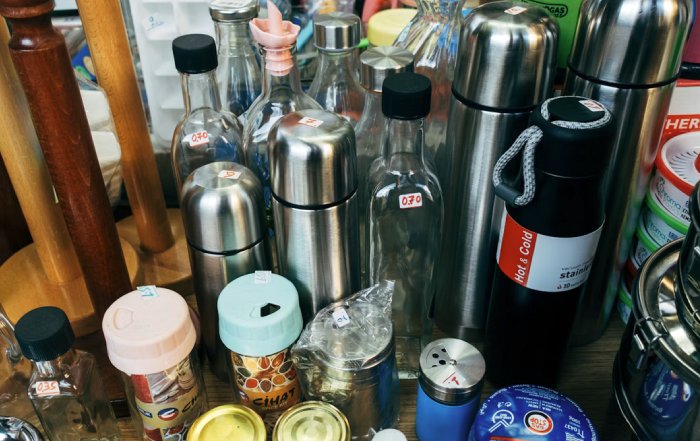
Single-use items associated with food and drink are often the most accessible starting point. Reusable water bottles, insulated coffee cups, and durable food containers can dramatically reduce disposable packaging, particularly for people in urban centers in the United States, Europe, and Asia where takeaway culture is strong. Many cities, universities, and corporations, influenced by networks such as C40 Cities at c40.org, have expanded refill stations and incentivized reuse schemes, making it easier for individuals to participate without feeling that they are swimming against the tide of convenience.
Grocery shopping habits also offer substantial leverage. Where infrastructure permits, households can choose loose produce, support bulk or refill stores, and favor brands that use recyclable, compostable, or minimal packaging. In regions where such options are limited, families can still reduce plastic intensity by buying larger pack sizes, avoiding heavily packaged single-portion products, and shifting toward home cooking rather than highly processed convenience foods. International organizations such as Greenpeace at greenpeace.org and WWF at worldwildlife.org track corporate and policy commitments on plastics, giving consumers insight into which companies are taking meaningful steps and which are lagging.
By treating plastic reduction as a gradual, context-sensitive process rather than a rigid ideology, households can adapt as new materials, deposit-return systems, and recycling technologies emerge, maintaining momentum instead of burning out.
Cutting Food Waste Through Planning, Storage, and Creativity
Food waste reduction remains one of the most impactful and personally meaningful steps households can take. It directly addresses climate emissions, land and water use, and biodiversity loss, while also supporting family finances and nutrition. Organizations such as the Food and Agriculture Organization of the United Nations at fao.org and the UK-based WRAP at wrap.org.uk have documented how relatively modest changes in planning, storage, and cooking can dramatically reduce the amount of edible food that ends up in household bins.
Meal planning, when approached flexibly, reduces both stress and waste. Households that sketch out meals for several days, check existing pantry and fridge contents, and create targeted shopping lists are less likely to overbuy or forget ingredients. Understanding basic storage principles, such as which fruits and vegetables should be refrigerated or kept at room temperature, how to use airtight containers effectively, and how to freeze surplus portions, further extends the life of food. Many national health agencies and culinary platforms, including BBC Good Food at bbcgoodfood.com, now offer dedicated resources on cooking with leftovers and planning around seasonal produce.
Culinary creativity transforms potential waste into appealing meals. Vegetable trimmings can become broth, leftover grains can be turned into salads or stir-fries, and overripe fruits can be repurposed into smoothies, compotes, or baked goods. For readers who want to align these habits with broader wellness and environmental goals, eco-natur.com provides integrated insights on food, health, and lifestyle, showing how nutrient-dense, minimally processed diets often naturally generate less waste and packaging.
Where infrastructure allows, composting complements prevention and creative reuse by returning nutrients to soils and reducing methane emissions from landfills. Cities from San Francisco to Milan and Seoul have expanded organic waste collection, while rural households and those with gardens can adopt home composting systems. By combining prevention, imaginative cooking, and composting, families in many different cultural and economic contexts can substantially reduce the organic fraction of their waste without sacrificing convenience or enjoyment.
Embedding Waste Reduction in a Broader Sustainable Lifestyle
Household waste is only one dimension of environmental impact, and in 2026, leading sustainability frameworks emphasize that waste reduction is most effective when integrated into a broader lifestyle transformation. A family that dramatically cuts packaging waste but maintains energy-inefficient housing, frequent short-haul flights, or high levels of fast fashion consumption may still carry a considerable ecological footprint. eco-natur.com therefore encourages readers to situate waste reduction within a holistic approach to sustainable living and lifestyle transformation, alongside energy efficiency, renewable energy adoption, low-impact mobility, and conscious consumption.
Dietary shifts illustrate this integration clearly. Plant-rich diets, recommended by organizations such as the World Health Organization at who.int, tend to rely more on whole foods and fewer heavily processed products, often resulting in less packaging and more organic material suitable for composting. Similarly, embracing repair and reuse, supported by communities and platforms such as iFixit at ifixit.com, reduces electronic and textile waste while preserving the embedded energy and materials in existing products.
From a financial and strategic perspective, aligning waste reduction with broader life goals enhances motivation. Households that connect reduced consumption and better resource management to long-term savings, resilience to economic shocks, or improved health are more likely to maintain new habits. eco-natur.com explores these connections in its coverage of sustainable business and the green economy and its analysis of how macroeconomic shifts influence everyday choices on consumption and the environment, enabling readers to see their personal decisions within a wider socio-economic landscape.
Linking Household Choices to Wildlife and Biodiversity Protection
A powerful and often underappreciated motivator for waste reduction is the protection of wildlife and biodiversity. Mismanaged waste, particularly plastics and hazardous materials, directly harms marine and terrestrial species through ingestion, entanglement, and habitat degradation, while chemical residues and microplastics accumulate in food webs. Global assessments by the International Union for Conservation of Nature (IUCN) at iucn.org and Conservation International at conservation.org underscore that improving waste management and reducing pollution are core components of biodiversity strategies on every continent.
For the audience of eco-natur.com, this connection is explored in depth in its coverage of wildlife protection and biodiversity and its dedicated focus on biodiversity and ecosystem health. When households choose products with minimal or recyclable packaging, avoid littering, properly dispose of batteries and chemicals, and support companies with strong environmental stewardship, they contribute to cleaner rivers, oceans, and landscapes. These choices help safeguard coral reefs in Southeast Asia, wetlands in Europe, forests in Canada and Scandinavia, and grasslands and savannas in Africa and South America, supporting not only iconic species but also local communities that depend on ecosystem services and nature-based tourism.
By viewing waste reduction as a tangible way to care for the living world rather than merely a technical exercise in material management, households often find a deeper, more enduring sense of purpose that transcends short-term trends or individual product choices.
The Role of Business, Policy, and Community in Supporting Households
While individual and family actions are essential, households cannot carry the full responsibility for global waste challenges. The structure of production, distribution, and disposal is largely shaped by businesses, governments, and financial institutions, and meaningful change depends on coordinated action at these levels. Nevertheless, household behavior sends powerful signals to markets and policymakers and helps build the social mandate for systemic reforms.
Forward-looking companies across sectors are increasingly adopting circular economy strategies, influenced by frameworks from organizations such as the World Business Council for Sustainable Development at wbcsd.org and policy initiatives such as the European Green Deal. Many retailers, consumer goods manufacturers, and technology firms are investing in reusable packaging, designing products for repair and recyclability, and engaging in take-back schemes. eco-natur.com examines these developments in its analysis of sustainable business models, helping readers understand how their purchasing decisions intersect with corporate sustainability commitments.
Public policy is also evolving rapidly. Numerous jurisdictions have introduced or strengthened extended producer responsibility schemes, container deposit systems, bans on certain single-use plastics, and incentives for repair, reuse, and remanufacturing. At the global level, negotiations under the United Nations toward a legally binding plastics treaty are aiming to harmonize standards and accelerate the shift away from problematic materials and wasteful designs. Citizens who stay informed through trusted sources such as UN News at news.un.org and who participate in consultations, local campaigns, and democratic processes can influence the direction and ambition of these policies.
Community networks play a crucial bridging role between high-level frameworks and everyday practice. Local repair cafés, zero-waste shops, neighborhood compost schemes, and online forums for swapping or lending goods create social environments in which low-waste living becomes normal and enjoyable rather than marginal or burdensome. Initiatives connected to the Transition Network at transitionnetwork.org and thousands of other grassroots organizations across Europe, Asia, Africa, and the Americas demonstrate how collective action can reshape local waste systems. As a global platform with a strong practical orientation, eco-natur.com highlights such initiatives to show readers that they are part of a broader, dynamic community rather than isolated actors.
Tracking Progress and Sustaining Motivation Over Time
Sustained waste reduction depends not only on good intentions but also on feedback and recognition. Households that make their progress visible-by noting how many trash bags they set out each week, measuring the volume of compost produced, or tracking financial savings from reduced consumption-are more likely to maintain and deepen their efforts. Simple tools such as household logs, digital apps, or periodic "waste audits" can help families in countries from Germany to Japan and South Africa to Brazil see tangible results, reinforcing the sense that their actions matter.
Equally important is cultivating a balanced, compassionate mindset. In 2026, sustainability experts increasingly emphasize that perfection is neither realistic nor necessary; what counts is continuous improvement and the cumulative effect of many small, consistent decisions. Temporary setbacks, such as increased packaging during travel, illness, or major life transitions, should be viewed as normal fluctuations rather than failures. By focusing on long-term habit formation and resilience, households can integrate waste reduction into their identity and values without succumbing to guilt or fatigue.
For readers seeking ongoing guidance and a trusted reference point, the broader ecosystem of eco-natur.com offers a comprehensive, expert-driven resource. Topics such as global sustainability trends, recycling and circular economy, and sustainable living practices are explored with an emphasis on practical application for households in diverse cultural and economic contexts. By returning regularly to these resources, readers can stay informed about technological innovations, policy developments, and best practices that make waste reduction increasingly feasible.
Conclusion: A Confident Path to Lower-Waste Living in 2026
In 2026, the imperative to reduce household waste is clearer than ever, yet so too are the strategies and tools available to support action. Across continents and cultures, households are discovering that meaningful waste reduction does not require extreme sacrifice or constant anxiety; rather, it grows from a thoughtful combination of understanding local systems, prioritizing high-impact waste streams, redesigning home environments, and embedding sustainability within broader lifestyle choices. When families focus on food waste, plastics, and textiles; align their habits with local infrastructure; link their actions to wildlife and biodiversity protection; and engage with supportive businesses, policies, and communities, they can substantially reduce their environmental footprint while enhancing quality of life.
For the international audience of eco-natur.com, spanning the United States, Europe, Asia, Africa, and the Americas, this journey is both highly personal and profoundly shared. Each household's context is shaped by local markets, regulations, and cultural norms, yet the underlying principles of thoughtful consumption, respect for nature, and responsibility to future generations remain universal. By drawing on authoritative global resources, learning from community initiatives, and using the curated expertise of eco-natur.com as a trusted guide, households can move beyond feelings of overwhelm and embrace a calm, confident path toward cleaner homes, healthier ecosystems, and a more resilient global economy.
