
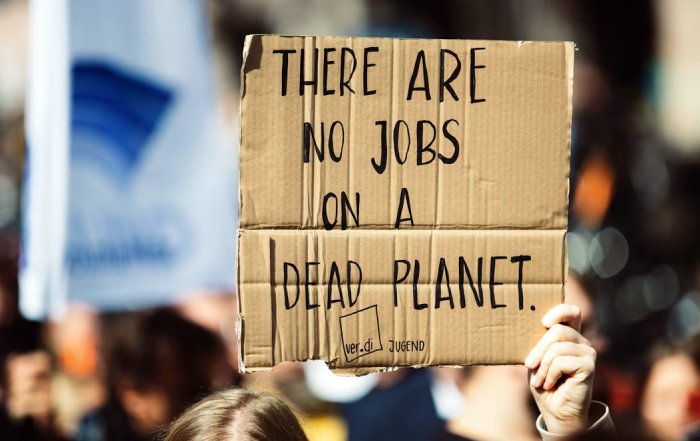
The Role of Businesses in Climate Action in 2026
Climate Responsibility in a Decisive Mid-Decade Moment
By 2026, climate responsibility has become a defining test of business leadership, not a discretionary add-on to corporate social responsibility programs. Across global markets, from the United States and the United Kingdom to Germany, Canada, Australia, China, South Africa, Brazil, and beyond, companies are now evaluated on the credibility of their climate strategies, the transparency of their reporting, and the real-world impact of their actions on emissions, ecosystems, and communities. For eco-natur.com, whose work is rooted in sustainability, sustainable living, and the evolving green economy, this shift has reinforced the need for clear, practical guidance that connects high-level science and policy with on-the-ground decisions in boardrooms, factories, farms, and supply chains.
The latest assessments from the Intergovernmental Panel on Climate Change (IPCC) and data from institutions such as NASA and the National Oceanic and Atmospheric Administration (NOAA) confirm that the world has already experienced more than 1.1°C of warming above pre-industrial levels, with increasing likelihood of temporarily breaching the 1.5°C threshold in the coming years. These changes are not abstract for business; they manifest as more frequent and severe heatwaves, floods, droughts, wildfires, and storms that disrupt operations, damage assets, and destabilize global supply chains. At the same time, policy frameworks, investor expectations, and consumer preferences are converging around the expectation that companies will align with net-zero trajectories and support resilient, low-carbon development. In this context, climate action has become a core determinant of competitiveness, access to capital, and long-term license to operate.
From Risk to Core Strategy: Why Climate Action Now Defines Corporate Resilience
The recognition that climate risk is financial risk has moved from the margins to the mainstream. The framework developed by the Task Force on Climate-related Financial Disclosures (TCFD), now integrated into regulatory regimes in jurisdictions such as the United Kingdom, the European Union, Japan, and increasingly the United States, has reshaped how boards and executives think about governance, strategy, and risk management. Climate scenarios, once the domain of specialist sustainability teams, are now routinely used in capital allocation decisions, asset valuation, and strategic planning. Businesses that fail to incorporate these analyses face higher insurance premiums, reduced credit ratings, and growing scrutiny from shareholders and lenders who are increasingly guided by initiatives like the Network for Greening the Financial System (NGFS).
Regulatory developments have accelerated this trend. The European Green Deal, the Corporate Sustainability Reporting Directive (CSRD), and the EU's evolving taxonomy for sustainable activities require large companies operating in or trading with Europe to disclose detailed climate and environmental information, with similar moves underway in the United States through the U.S. Securities and Exchange Commission (SEC) and in other markets including Canada, Australia, Singapore, and the United Kingdom. Learn more about how climate risk is being embedded in financial supervision through the resources of the NGFS and related central bank initiatives. For companies with global footprints in regions from Europe and North America to Asia, Africa, and South America, these rules are effectively setting a new global baseline for climate transparency and accountability.
For the business-focused audience of eco-natur.com, this evolution underscores that climate action is not a parallel agenda but a lens through which core strategic questions must now be viewed. Decisions about where to build new facilities, how to design products, which suppliers to partner with, and how to structure long-term investments increasingly hinge on climate resilience and decarbonization pathways. Companies that move early and decisively are discovering that climate-aligned strategies can reduce operating costs, open new markets, and attract talent, while those that delay face mounting transition risks, stranded assets, and reputational damage in a world where stakeholders can rapidly compare and challenge corporate claims.
Net-Zero in 2026: From Announcements to Verifiable Pathways
The mid-2020s have seen an explosion of net-zero, climate-neutral, and science-based targets among companies across sectors-from heavy industry, energy, and transport to consumer goods, technology, and finance-in major markets such as the United States, Germany, the United Kingdom, France, Japan, South Korea, and China, as well as in emerging economies. However, by 2026, the focus has shifted decisively from the volume of announcements to the quality and credibility of the underlying plans. Stakeholders now expect clear, measurable, and time-bound pathways, not aspirational slogans.
The Science Based Targets initiative (SBTi) has become a central reference point for credible corporate targets, providing sector-specific guidance that aligns corporate emissions trajectories with global 1.5°C pathways. Companies are expected to quantify and manage their Scope 1, 2, and 3 emissions using established methodologies such as the Greenhouse Gas Protocol, while reporting platforms such as CDP and analytical tools from organizations like the World Resources Institute (WRI) help standardize disclosure and benchmarking. Learn more about science-aligned target-setting through the resources provided by the SBTi and the WRI, which support companies in translating climate science into operational roadmaps.
In this environment, offsetting is under far greater scrutiny. Guidance from the Integrity Council for the Voluntary Carbon Market (ICVCM) and emerging best practices emphasize that high-integrity net-zero strategies prioritize deep absolute emissions reductions across operations and value chains, reserving carbon credits only for residual emissions that are technically or economically infeasible to eliminate. Companies are increasingly expected to demonstrate that any offsets used are additional, durable, and socially responsible, and that they complement, rather than substitute for, internal decarbonization. For the business readers of eco-natur.com, the message is clear: net-zero in 2026 is judged by interim milestones, transparent data, and real-world impact, not by distant promises.
Operational Transformation: Energy, Materials, and Circular Design
Operational decarbonization remains the most direct and visible dimension of business climate action, particularly in energy-intensive sectors such as manufacturing, chemicals, transport, and construction. The rapid cost declines in solar, wind, and battery technologies documented by the International Renewable Energy Agency (IRENA) and the International Energy Agency (IEA) have made the transition to clean electricity economically compelling in many markets. Companies in the United States, Europe, China, India, Australia, and Latin America are increasingly powering their facilities through long-term power purchase agreements, on-site solar and wind installations, and participation in renewable energy certificate schemes. Those that move quickly often secure price stability and resilience against fossil fuel price volatility, while also cutting emissions in line with corporate targets. Learn more about global renewable energy trends through the latest analyses from the IEA and IRENA.
Beyond energy, materials and product design have emerged as powerful levers for emissions reduction. The principles of the circular economy, championed by organizations such as the Ellen MacArthur Foundation, encourage companies to design products for durability, repairability, reuse, and recyclability, thereby reducing raw material extraction, manufacturing emissions, and waste. For consumer goods companies, the shift towards plastic-free and low-impact packaging, refill systems, and innovative bio-based materials aligns both with climate goals and with rising public concern about plastic pollution. On eco-natur.com, these themes intersect naturally with guidance on recycling, zero-waste practices, and sustainable product design, illustrating how operational choices translate into tangible environmental benefits.
Companies in Europe, North America, and Asia are increasingly experimenting with product-as-a-service models, remanufacturing, and take-back schemes that keep materials in circulation and reduce lifecycle emissions. These models demand new forms of collaboration with suppliers, logistics providers, municipalities, and recyclers, as no single organization can create a fully circular system independently. For businesses engaging with the eco-natur.com community, operational transformation is therefore understood not only as a technical challenge but as a strategic opportunity to redefine value creation, build customer loyalty, and strengthen resilience in a resource-constrained world.
Value Chains, Nature, and the Protection of Biodiversity
For many companies, especially those in food, beverage, retail, textiles, and consumer goods, the majority of climate impact lies in their value chains rather than in direct operations. Land use change, deforestation, and unsustainable agricultural practices are major drivers of greenhouse gas emissions and biodiversity loss, particularly in regions such as the Amazon, Southeast Asia, Central Africa, and parts of Eastern Europe. Guidance from organizations like the Food and Agriculture Organization (FAO) and World Wildlife Fund (WWF) has helped businesses understand the interdependence between climate stability, biodiversity, and long-term supply security.
In response, a growing number of companies have adopted no-deforestation and no-conversion commitments for key commodities such as palm oil, soy, beef, cocoa, and timber, leveraging satellite monitoring, geospatial data, and digital traceability to monitor compliance. At the same time, regenerative agriculture practices-promoted by networks such as Regeneration International and research institutions like the Rodale Institute-are gaining traction as a way to enhance soil health, increase carbon sequestration, improve water retention, and support rural livelihoods. Businesses in Europe, North America, Latin America, and Asia are partnering with farmers, cooperatives, and NGOs to scale regenerative models that align climate goals with productivity and resilience.
The protection of wildlife and natural ecosystems is now more explicitly integrated into corporate strategies through frameworks such as the Taskforce on Nature-related Financial Disclosures (TNFD) and the Kunming-Montreal Global Biodiversity Framework. These initiatives encourage companies to assess their dependencies and impacts on nature, set measurable targets for nature-positive outcomes, and disclose their progress in a structured way. For the international audience of eco-natur.com, which spans Europe, North America, Asia, Africa, and South America, this convergence of climate and nature agendas reinforces a key principle: credible climate action must safeguard ecosystems and biodiversity rather than rely on solutions that shift environmental burdens elsewhere.
Sustainable Products, Organic Food, and Evolving Consumer Expectations
Consumer behavior has become a powerful driver of corporate climate action, particularly in markets such as the United States, United Kingdom, Germany, France, Italy, Spain, the Netherlands, Canada, Australia, and New Zealand, where awareness of environmental and health issues is high. Demand for low-carbon, ethically sourced, and health-conscious products has fueled growth in categories such as organic food, plant-based alternatives, fair-trade goods, and eco-designed household items. Organizations including the Organic Trade Association, the Soil Association, and IFOAM - Organics International have documented sustained expansion of organic markets in Europe, North America, and parts of Asia, even amid broader economic volatility.
Businesses are responding by reformulating products to reduce emissions across their lifecycle, investing in sustainable agriculture, and improving transparency through certifications, ecolabels, and digital tools that provide information on carbon footprints, water use, and sourcing practices. Climate-friendly product innovation is evident in sectors from food and beverage to fashion, home goods, and personal care, where companies are experimenting with lower-impact materials, renewable energy in production, and take-back or repair services that extend product lifespans. Learn more about sustainable product design and circular innovation through resources from the United Nations Environment Programme (UNEP) and leading design and innovation institutes.
For eco-natur.com, which explores lifestyle choices and sustainable living in a business-aware context, this evolution in consumer expectations underscores the close connection between corporate strategy and everyday decisions in households from New York and London to Berlin, Stockholm, Singapore, Tokyo, Bangkok, São Paulo, Cape Town, and beyond. As more people choose public transport, cycling, energy-efficient homes, and plant-forward diets, companies are compelled to align their offerings with these preferences, creating a reinforcing cycle in which corporate innovation enables sustainable lifestyles and informed consumers reward genuine climate leadership.
Finance, Disclosure, and the Architecture of Climate Accountability
The financial system has become a central arena for climate action. Banks, insurers, asset managers, and pension funds are under growing pressure from regulators, clients, and civil society to align their portfolios with net-zero objectives and to disclose the climate risks associated with their lending and investment activities. The establishment of the International Sustainability Standards Board (ISSB) under the IFRS Foundation has accelerated the convergence of sustainability reporting standards, with climate-related disclosures at their core. Many jurisdictions are now moving to make ISSB-aligned reporting mandatory, reinforcing the expectation that companies provide consistent, decision-useful climate information to investors and other stakeholders.
Methodologies such as those developed by the Partnership for Carbon Accounting Financials (PCAF) are enabling financial institutions to measure and report financed emissions, which in turn shapes their engagement with corporate clients. Businesses seeking loans, insurance, or investment increasingly find that favorable terms depend on the robustness of their climate strategies, the credibility of their transition plans, and the quality of their data. At the same time, sustainable finance instruments-green bonds, sustainability-linked loans, and transition bonds-have become important tools for funding decarbonization projects, guided by principles from organizations like the Climate Bonds Initiative and the International Capital Market Association (ICMA). Learn more about sustainable finance frameworks through these organizations, which provide detailed criteria for credible climate-aligned investments.
For companies that engage with eco-natur.com to understand the intersection of sustainable business, climate, and the broader economy, this evolving architecture of climate accountability underscores a key reality: climate performance is now inseparable from financial performance. Executives who treat climate disclosures as a compliance exercise risk missing strategic opportunities, while those who integrate climate considerations into capital planning, innovation portfolios, and stakeholder communication are better placed to attract investment and build long-term resilience.
Regional Pathways: Diverse Contexts, Converging Expectations
Although climate change is a global phenomenon, the role and responsibilities of businesses vary across regions due to differences in policy frameworks, energy systems, economic structures, and social priorities. In Europe, ambitious climate policies, widespread carbon pricing, and stringent disclosure rules in countries such as Germany, France, the Netherlands, Sweden, Denmark, and Norway have created strong incentives for corporate decarbonization. European companies are often at the forefront of developing low-carbon technologies, circular business models, and integrated climate-nature strategies, supported by public funding, research institutions, and cross-border collaboration. Learn more about European climate policy and innovation through the European Commission's climate and energy portals, which provide detailed information on regulatory trends and funding opportunities.
In North America, especially in the United States and Canada, a combination of federal initiatives, state and provincial policies, and powerful market signals has driven significant progress in renewable energy deployment, electric vehicles, and building efficiency, even amid periods of political polarization. Large technology, retail, and industrial companies headquartered in the United States, Canada, and Mexico are increasingly setting global benchmarks for corporate climate commitments, leveraging their supply chains and customer bases to accelerate decarbonization. At the same time, regions reliant on fossil fuel extraction and high-carbon industries face complex transition challenges that demand careful planning and stakeholder engagement.
In Asia, diverse national contexts shape business climate action. China, Japan, South Korea, Singapore, and Thailand have articulated national net-zero or carbon-neutral goals and are investing heavily in clean energy, green hydrogen, electric mobility, and advanced manufacturing. Businesses in these countries recognize that climate leadership is closely tied to industrial competitiveness, export markets, and technological leadership. In Southeast Asia, South Asia, and parts of the Middle East, companies face acute physical climate risks-heat stress, flooding, water scarcity-while also navigating rapid urbanization and development pressures. For businesses in Africa and South America, climate strategies often emphasize resilience, nature-based solutions, and sustainable agriculture, supported by international climate finance and partnerships with development agencies and NGOs.
For a globally oriented platform like eco-natur.com, which speaks to audiences in Europe, North America, Asia, Africa, and South America, these regional differences highlight the importance of context-sensitive strategies. Yet they also reveal a clear convergence: regardless of geography, businesses are increasingly expected to measure and reduce emissions, protect ecosystems, support workers and communities through the transition, and contribute to national and global climate objectives.
Health, Equity, and the Human Dimension of Corporate Climate Leadership
The human consequences of climate change have become impossible for businesses to ignore. Research from the World Health Organization (WHO) and initiatives like The Lancet Countdown on Health and Climate Change show how rising temperatures, air pollution, and extreme weather events exacerbate respiratory illnesses, cardiovascular diseases, heat-related mortality, mental health challenges, food and water insecurity, and the spread of vector-borne diseases. These impacts fall disproportionately on vulnerable populations, including low-income communities, children, the elderly, and workers exposed to heat or pollution. Companies that reduce their emissions and improve environmental performance therefore contribute directly to public health, particularly in densely populated urban centers in regions such as North America, Europe, Asia, and Africa.
The concept of a just transition, advanced by the International Labour Organization (ILO) and embedded in the work of the United Nations Framework Convention on Climate Change (UNFCCC), emphasizes that climate policies must consider workers, communities, and regions dependent on high-carbon industries. Businesses play a critical role in ensuring that decarbonization is socially inclusive, through reskilling and upskilling programs, fair labor practices, community dialogue, and support for local economic diversification. For the audience of eco-natur.com, which often explores the intersection of environment, health, and sustainable living, this social dimension is integral to assessing whether corporate climate strategies are genuinely responsible and future-proof.
Companies that integrate health and equity considerations into their climate plans tend to build stronger trust with employees, customers, regulators, and communities. Whether through investments in clean energy that improve local air quality, adaptation measures that protect workers from heat stress, or partnerships that enhance resilience in climate-vulnerable regions, these businesses recognize that long-term success depends on stable, healthy societies and functioning ecosystems. This perspective aligns closely with the mission of eco-natur.com, which seeks to connect environmental responsibility with human well-being in both personal and professional contexts.
The Role of eco-natur.com in Supporting Business Climate Action
As the expectations placed on businesses grow more complex, the need for reliable, accessible, and action-oriented information has never been greater. eco-natur.com occupies a distinctive position at the intersection of corporate strategy and everyday practice, helping decision-makers, professionals, and engaged citizens understand how climate science, policy developments, and technological advances translate into practical steps for organizations of all sizes. By curating insights on sustainability, sustainable business, recycling, organic food, renewable energy, and sustainable living, the platform helps its global audience connect the dots between strategic objectives and day-to-day decisions.
For businesses in the United States, United Kingdom, Germany, Canada, Australia, France, Italy, Spain, the Netherlands, Switzerland, China, Sweden, Norway, Singapore, Denmark, South Korea, Japan, Thailand, Finland, South Africa, Brazil, Malaysia, New Zealand, and other regions, eco-natur.com serves as a resource that complements international references such as the IPCC, UNEP, IEA, and WRI. It offers a space where best practices can be explored in the context of real-world constraints, where the implications of new regulations and standards can be unpacked, and where the connections between corporate climate strategies and individual lifestyle choices can be made tangible. By maintaining a focus on Experience, Expertise, Authoritativeness, and Trustworthiness, the platform supports readers in making informed, confident decisions that align climate responsibility with long-term business value.
From Commitments to Demonstrable Impact
By 2026, the central question for businesses is no longer whether they recognize the reality of climate change, but how convincingly they can demonstrate that their strategies, investments, and day-to-day operations are aligned with a 1.5°C pathway, the protection of biodiversity, and a just transition for workers and communities. Stakeholders across the world-from regulators and investors to employees and consumers-are increasingly adept at distinguishing between superficial commitments and genuine transformation. They look for evidence of declining emissions, robust governance, transparent reporting, integration of climate considerations into core decision-making, and meaningful engagement with suppliers, partners, and communities.
The path ahead requires sustained effort: deep emissions reductions, accelerated deployment of clean technologies, circular product and service models, nature-positive value chains, and financial strategies that prioritize long-term resilience over short-term gains. It also demands continuous learning, as new data, regulations, and innovations reshape what constitutes leading practice. Platforms like eco-natur.com, with their comprehensive coverage of sustainable living, sustainability, sustainable business, and the evolving green economy, will continue to play a vital role in equipping businesses and individuals worldwide with the knowledge and perspective needed to act decisively.
Ultimately, the role of businesses in climate action is about more than compliance or competitive positioning; it is about recognizing and honoring the responsibility that accompanies economic influence and global reach. As companies in every region confront the realities of a warming world, their choices will help determine whether societies can stabilize the climate, preserve biodiversity, and secure a livable future for current and future generations. By moving from promises to demonstrable impact, and by embedding climate considerations into every facet of corporate strategy and everyday life, businesses can become central architects of a sustainable, resilient, and fair global economy-an ambition that resonates deeply with the values and vision that guide eco-natur.com and its worldwide community.
