
Understanding Microplastics and How to Avoid Them in 2026
Microplastics and the New Sustainability Reality
By 2026, microplastics have become one of the defining environmental challenges of the decade, shaping policy debates, corporate strategies and household decisions from North America and Europe to Asia, Africa and South America. What was once a niche scientific topic is now central to discussions on sustainable materials, public health, food security and resilient economies. For eco-natur.com, whose community is deeply engaged in sustainable living, organic consumption and responsible business practices, understanding microplastics is not a specialist concern but a core element of everyday decision-making and long-term planning.
Microplastics, commonly defined as plastic particles smaller than 5 millimetres, originate from a diverse range of sources, including the fragmentation of larger plastic products, the abrasion of tyres, the shedding of synthetic textiles and the use of industrial pellets and micro-sized additives. These particles now permeate oceans, rivers, soils, air, food and drinking water, forming a diffuse and persistent layer of pollution that transcends borders, sectors and supply chains. Institutions such as the United Nations Environment Programme have identified microplastics as a critical dimension of the global plastics crisis and an obstacle to achieving several UN Sustainable Development Goals, especially those related to health, clean water, oceans and sustainable production.
For eco-natur.com, which promotes a systems-based view of sustainability, microplastics illustrate how everyday lifestyle choices in cities like New York, London, Berlin, Toronto, Sydney, Paris, Rome, Madrid, Amsterdam, Zurich, Shanghai or Stockholm can have cumulative impacts on ecosystems and communities thousands of kilometres away. The platform's emphasis on Experience, Expertise, Authoritativeness and Trustworthiness is particularly relevant here, because separating evidence-based insights from speculation is essential in a field where public concern is high and the science is still evolving.
What Microplastics Are and How They Form
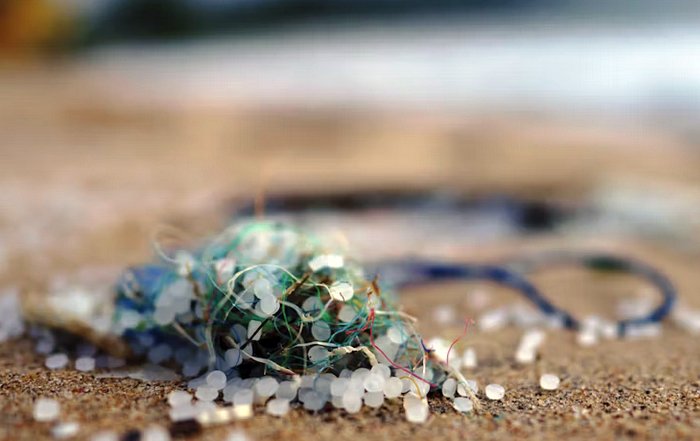
Microplastics are broadly classified into primary and secondary particles. Primary microplastics are manufactured deliberately at a small size for specific applications, such as industrial resin pellets, microbeads once widely used in cosmetics and personal care products, and specialised abrasives for industrial cleaning or surface treatment. Secondary microplastics, by contrast, arise from the gradual breakdown of larger plastic items under the influence of sunlight, heat, mechanical abrasion and biological activity. Common examples include fragments from packaging and consumer goods, fibres shed from synthetic clothing during washing and use, and particles generated from tyre wear on roads.
Research synthesised by organisations such as the International Union for Conservation of Nature has shown that tyre wear, synthetic textiles and poorly managed plastic waste are among the largest contributors to microplastic emissions worldwide. Readers interested in the dynamics of plastic leakage into marine environments can explore IUCN's work on marine plastics and pollution pathways, which highlights how infrastructure, consumption patterns and governance interact to determine pollution levels. For those pursuing a plastic-free lifestyle, this knowledge is crucial, as it reveals that microplastics are not limited to visible disposable items but are embedded in mobility systems, fashion choices, construction materials and even certain agricultural inputs.
Microplastics reach rivers, lakes and coastal waters through multiple routes, including stormwater runoff, wastewater effluent, mismanaged landfills, open dumping and windblown litter. In industrialised regions such as the United States, the United Kingdom, Germany, Canada and Japan, combined sewer overflows, road runoff and washing machine discharges play a major role, while in rapidly urbanising parts of Asia, Africa and South America, insufficient waste collection and informal dumping dramatically increase leakage into waterways. The European Environment Agency has documented how microplastics move from land to sea and circulate across basins, offering regionally focused insights that are relevant far beyond Europe; readers can learn more about microplastic pathways and marine litter to understand the complexity of these flows.
Where Microplastics Are Found: From Deep Oceans to Indoor Air
By 2026, microplastics have been detected in virtually every environmental compartment studied. Oceanographic surveys coordinated by organisations such as NOAA in the United States have confirmed the presence of plastic particles from coastal surface waters to deep-sea sediments and even in remote polar regions; an accessible introduction to marine microplastics and their distribution shows how pervasive these particles have become.
However, microplastics are not only an ocean issue. They are now recognised as a significant pollutant in freshwater systems, agricultural soils and the atmosphere. Studies have found microplastic fibres and fragments in river sediments in Europe and Asia, in high-altitude snow in the Alps and Himalayas, and in agricultural fields irrigated with treated wastewater or amended with sludge-based fertilisers. Indoors, dust samples from homes, offices and schools in cities such as London, Los Angeles, Munich, Singapore, Seoul and Tokyo frequently contain microfibres from clothing, fragments from packaging and particles from building materials and furnishings.
This ubiquity has direct implications for eco-natur.com readers who are already committed to reducing waste, improving recycling performance and pursuing zero-waste strategies. Microplastics intersect with choices about textiles, flooring, furniture, cleaning methods, ventilation and product design, not just with obvious single-use items. The World Health Organization has reviewed the presence of microplastics in drinking water and its potential implications, emphasising both current uncertainties and the need for improved monitoring; those interested can consult WHO's analysis of microplastics in drinking water to better understand the state of evidence.
For households in countries as diverse as Australia, France, Italy, Spain, the Netherlands, Switzerland, China, Sweden, Norway, Singapore, Denmark, South Korea, Japan, Thailand, Finland, South Africa, Brazil, Malaysia and New Zealand, this means that microplastics are part of daily exposure through air, dust, food and beverages. The integrated lifestyle approach promoted by eco-natur.com, which connects sustainable lifestyle choices with material health, is therefore directly relevant to managing and reducing this multi-pathway exposure.
Impacts on Ecosystems and Wildlife
The ecological implications of microplastics have become a major focus for conservation science and policy. Marine organisms from plankton and bivalves to fish, sea turtles, seabirds and whales can ingest microplastics, either by mistaking them for food or by consuming prey that has already accumulated particles. Research compiled by the Food and Agriculture Organization of the United Nations indicates that microplastics can interfere with feeding, reduce energy reserves, impair growth and reproduction and, in some cases, increase mortality, although the severity of effects varies by species and context. Those wishing to delve deeper into the implications for seafood and aquatic systems can explore FAO's work on microplastics in fisheries and aquaculture.
In coastal and freshwater ecosystems across Europe, North America, Asia, Africa and Latin America, microplastics have been detected in commercially important fish and shellfish species, raising concerns for both biodiversity and local economies dependent on tourism and fisheries. For countries such as Thailand, Malaysia, Brazil and South Africa, where small-scale fisheries support millions of livelihoods, contamination of marine food webs adds another layer of vulnerability to already stressed communities. Conservation organisations including WWF have highlighted plastic pollution, including microplastics, as a serious threat to marine wildlife, from entanglement and ingestion to habitat degradation; readers can learn more about plastic impacts on wildlife and ecosystems and consider how these findings relate to broader biodiversity goals.
On land, microplastics interact with soils, microorganisms and plant roots, with emerging evidence that they can alter soil structure, water retention and nutrient dynamics. Studies from agricultural regions in Germany, France, China and the United States have shown that sewage sludge, compost contaminated with plastic fragments and plastic mulching films can introduce microplastics into fields, where they may persist for decades and potentially affect soil fauna such as earthworms and nematodes. For the eco-natur.com community, which places a strong emphasis on biodiversity, wildlife protection and regenerative land use, these findings underline the need to consider microplastics as a cross-ecosystem issue that spans oceans, rivers, forests, grasslands, urban green spaces and agricultural landscapes.
Human Health: What Is Known and What Remains Uncertain
The question of how microplastics affect human health has moved to the centre of public discussions, particularly as analytical methods have improved and studies have reported plastic particles in drinking water, table salt, seafood, fruits, vegetables, human blood, lungs and placental tissues. While the full implications are not yet understood, regulatory bodies and scientific panels are increasingly calling for precautionary approaches and more comprehensive risk assessments.
The European Food Safety Authority has examined the presence of plastic particles in food and the potential toxicity of both the particles themselves and associated chemicals, highlighting significant data gaps but also recommending improvements in monitoring and methodology; readers can review EFSA's work on plastic particles in food and feed for a detailed regulatory perspective. Microplastics can act as carriers for chemical additives such as plasticisers, stabilisers and flame retardants, as well as for persistent organic pollutants that may adsorb onto particle surfaces in the environment. The UNESCO Intergovernmental Oceanographic Commission has explored the links between ocean pollution, including microplastics, and human health, noting that while the relative contribution of microplastics compared with other exposure routes is still under investigation, the issue warrants close attention; those interested can explore UNESCO's resources on ocean pollution and health.
For readers of eco-natur.com, many of whom prioritise health and wellbeing alongside environmental performance, the most responsible course is to combine evidence-based caution with practical action. This means reducing unnecessary plastic use, favouring safer materials when possible, supporting transparency on chemical ingredients and backing policies that strengthen product safety. It also means recognising that while individual actions matter, systemic improvements in regulation, product design and infrastructure are essential to meaningfully reduce exposure across populations in the United States, United Kingdom, Germany, Canada, Australia, France, Italy, Spain, the Netherlands, Switzerland, China, Sweden, Norway, Singapore, Denmark, South Korea, Japan, Thailand, Finland, South Africa, Brazil, Malaysia and beyond.
Economic and Business Implications of Microplastic Pollution
Microplastics are not only a scientific and ethical concern; they are also a material business and economic issue. Marine litter, including microplastics, imposes significant costs on tourism, fisheries, shipping and coastal infrastructure through beach cleaning, damage to vessels, lost catch quality, reduced visitor numbers and impacts on ecosystem services. Analyses by the OECD estimate that plastic pollution costs the global economy billions of dollars annually, with microplastics forming a growing share of this burden; those interested can learn more about the economics of plastic pollution and policy responses.
For businesses across sectors such as textiles, fashion, consumer goods, food and beverage, logistics and construction, microplastics translate into regulatory, reputational and operational risks. Companies that rely heavily on synthetic fibres, plastic-intensive packaging or disposable product models face increasing scrutiny from regulators in the European Union, the United States, the United Kingdom, Canada, Australia and several Asian economies, where rules on extended producer responsibility, eco-design, waste reduction and chemical safety are tightening. At the same time, investors, insurers and customers are demanding clearer evidence of progress on plastic reduction, circularity and transparency, integrating plastic-related metrics into ESG assessments and supply chain audits.
Eco-natur.com's focus on sustainable business and green economy models positions it as a useful reference point for organisations navigating this transition. Forward-looking companies in Europe, North America, Asia-Pacific and Latin America are experimenting with reusable and refillable packaging systems, product-as-a-service models, leasing and take-back schemes, and bio-based or recycled material innovations that aim to reduce plastic leakage while creating new revenue streams. The Ellen MacArthur Foundation has been particularly influential in demonstrating how circular economy strategies can cut plastic waste and unlock value; businesses can explore its work on circular solutions for plastics to inform their strategies and targets.
Policy and Regulatory Responses Around the World
In response to growing evidence and public concern, governments and international bodies have begun to treat microplastics as a distinct regulatory priority. The European Union has adopted restrictions on intentionally added microplastics in products such as cosmetics, detergents, fertilisers and certain industrial applications, and is developing measures to address emissions from tyres, textiles and artificial turf. Detailed information is available through the European Commission, which outlines evolving microplastics and chemicals policy as part of its broader Green Deal and Zero Pollution agenda.
In North America, the U.S. Environmental Protection Agency and state-level authorities are assessing sources and impacts of microplastics, funding research on stormwater controls, wastewater treatment upgrades and product design, and integrating plastic reduction into watershed and coastal management plans; readers can review EPA's work on trash-free waters and microplastics for an overview of current initiatives. Canada, the United Kingdom and Australia have already banned plastic microbeads in rinse-off cosmetics and are exploring additional measures to address microfibres, tyre wear and pellet loss.
In Asia, countries such as Japan, South Korea, China and Singapore are incorporating microplastic concerns into marine litter strategies, wastewater regulations and product standards, recognising the shared nature of regional seas and the economic importance of clean coasts. At the global level, the UN Environment Assembly is negotiating an international legally binding instrument on plastic pollution, expected to cover the entire lifecycle of plastics and to include provisions relevant to microplastics; readers can follow progress on the prospective global plastics treaty to understand how international governance is evolving and what it may mean for businesses and citizens.
For eco-natur.com's worldwide audience, these policy shifts highlight that microplastics are no longer a peripheral topic but an integral component of environmental compliance, supply chain management and corporate responsibility. Companies operating across multiple jurisdictions will need to track and anticipate regulatory developments, while individuals and civil society organisations can engage with consultations and advocacy efforts to ensure that policies are ambitious, fair and grounded in science.
Practical Strategies for Individuals and Households
Although systemic changes in policy, infrastructure and industry are essential, individual and household-level choices still play an important role in reducing microplastic emissions and exposure. Many of these actions align naturally with eco-natur.com's long-standing guidance on plastic-free living, sustainable living and zero-waste lifestyles, and they can be implemented across diverse cultural and economic contexts.
Textiles are one of the most significant sources of microplastic emissions. Choosing durable garments made from natural fibres such as organic cotton, linen, hemp or responsibly sourced wool, and avoiding fast fashion trends that promote frequent replacement, can substantially reduce fibre shedding. When synthetic or blended fabrics are necessary for performance, washing them less often, at lower temperatures and in full loads can limit microfibre release. The use of washing machine filters or specialised laundry bags can capture a portion of fibres before they enter wastewater systems. Organisations such as Textile Exchange offer guidance on preferred fibres and sustainable material choices that can support both consumers and brands.
In the kitchen and food system, prioritising fresh, minimally packaged foods and avoiding unnecessary plastic packaging helps to reduce both macro- and microplastic footprints. Reusable containers made of glass, stainless steel or long-lasting, high-quality materials are preferable to disposable plastic items, especially for hot or oily foods where chemical migration may be higher. For those already committed to organic food, local sourcing and seasonal diets, integrating packaging considerations into purchasing decisions is a logical extension of a holistic sustainability approach. Environmental groups such as Friends of the Earth provide accessible resources to support sustainable food choices that consider both health and environmental impacts.
Personal care and cleaning products are another important area. Although many countries have banned microbeads in rinse-off cosmetics, solid or semi-solid plastic ingredients and synthetic polymers can still be present in other formulations. Selecting products with clear, concise ingredient lists, favouring certified natural or organic labels where appropriate and supporting brands that explicitly exclude microplastics can reduce demand for such additives. Tools such as the Environmental Working Group's database enable consumers to evaluate personal care product ingredients and make more informed choices aligned with both health and environmental priorities.
Systemic Solutions: Infrastructure, Innovation and Circular Design
Avoiding microplastics at scale requires more than individual action; it demands systemic shifts in infrastructure, innovation and economic models. Wastewater treatment plants, for instance, can be upgraded with advanced filtration, sedimentation and membrane technologies that capture a higher proportion of microplastics, although this involves substantial investment and careful management of captured sludge. Urban planners and engineers in cities across Scandinavia, Western Europe, North America and Asia are experimenting with improved road design, runoff controls, street sweeping and green infrastructure to intercept tyre wear particles and litter before they reach rivers and seas.
Innovation in materials science is equally critical. Research institutions and companies worldwide are developing bio-based and biodegradable polymers, advanced coatings and novel textile constructions designed to reduce microplastic shedding or improve end-of-life management. However, as emphasised by the National Renewable Energy Laboratory and other scientific bodies, it is essential that alternative materials be assessed across their full life cycle to avoid unintended consequences on land use, water consumption, toxicity or greenhouse gas emissions; readers can explore NREL's work on sustainable polymers and biomass to understand both the opportunities and the trade-offs.
For eco-natur.com, which advocates for renewable energy, circular design principles and resilient green economies, microplastics provide a concrete illustration of why linear "take-make-dispose" models are no longer tenable. Circular approaches that emphasise reduction, reuse, repair and high-quality recycling can significantly cut plastic leakage while creating new business models, jobs and innovation opportunities in Europe, Asia, Africa, North America, South America and Oceania. Readers can learn more about sustainable business practices that integrate circularity, transparency and innovation as core strategic pillars, and apply these insights whether they are leading multinational corporations, small enterprises or community initiatives.
Microplastics, Climate Change and the Broader Sustainability Context
Microplastics cannot be addressed in isolation from other sustainability challenges, particularly climate change and biodiversity loss. Most plastics are derived from fossil fuels, and their production, transport and disposal contribute to greenhouse gas emissions at every stage of the value chain. Analyses by the Center for International Environmental Law show that the plastics lifecycle is a significant and growing driver of climate impacts, undermining efforts to meet the goals of the Paris Agreement; readers can explore the climate costs of plastics to understand how microplastics and carbon emissions are intertwined.
At the same time, microplastic pollution can exacerbate pressures on already vulnerable ecosystems, such as coral reefs, mangroves, wetlands, peatlands and agricultural soils, which are crucial for carbon sequestration, water regulation and food security. Degraded ecosystems are less able to buffer climate shocks, support wildlife or sustain local communities, creating feedback loops that undermine resilience. Integrated conservation and restoration strategies, whether in the Mediterranean, the Great Barrier Reef, the Arctic, the Mekong Delta, the Amazon basin or coastal zones of South Africa and Brazil, increasingly need to incorporate microplastic management as part of holistic planning. For eco-natur.com, whose mission spans wildlife, ecosystem health and global sustainability, tackling microplastics is inseparable from the broader agenda of living within planetary boundaries and supporting a just transition to low-carbon, nature-positive economies.
A Path Forward for Eco-Natur.com Readers in 2026
In 2026, the story of microplastics remains dynamic. Scientific understanding is advancing rapidly, regulatory frameworks are becoming more sophisticated and businesses are experimenting with new models that challenge the dominance of disposable plastics. For individuals, communities and organisations seeking to act responsibly, the path forward involves weaving together personal behaviour change, informed purchasing, corporate transformation and policy engagement, all grounded in reliable information and credible expertise.
Eco-natur.com positions itself in this evolving landscape as a trusted guide, drawing on global research and policy developments to provide practical, context-sensitive insights for readers from the United States, the United Kingdom, Germany, Canada, Australia, France, Italy, Spain, the Netherlands, Switzerland, China, Sweden, Norway, Singapore, Denmark, South Korea, Japan, Thailand, Finland, South Africa, Brazil, Malaysia, New Zealand and other regions. By connecting themes such as sustainable living, sustainability, plastic-free choices, organic food, recycling and global environmental trends, the platform offers a coherent framework for understanding microplastics as part of a broader sustainability journey rather than as an isolated problem.
Ultimately, avoiding and reducing microplastics is not about perfection but about consistent, informed choices that collectively shift markets, policies and cultural norms. By engaging with authoritative sources such as UNEP, WHO, OECD, FAO, NOAA, the European Commission, the Ellen MacArthur Foundation and leading research institutions, and by fostering a community committed to continuous learning and improvement, eco-natur.com aims to empower its audience to navigate the microplastic era with clarity, responsibility and confidence. In doing so, it supports a vision of sustainable living that is both globally informed and locally actionable, helping households, businesses and policymakers move towards a future where materials, health, ecosystems and economies are aligned rather than in conflict.
