
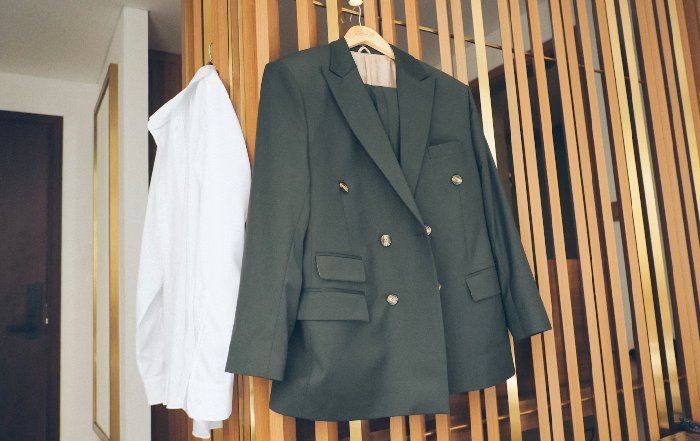
Building a Sustainable Capsule Wardrobe
Rethinking Fashion Through a Sustainable Lens
The conversation around fashion has shifted decisively from fast consumption to conscious curation, and nowhere is this more evident than in the growing interest in capsule wardrobes. A sustainable capsule wardrobe is more than a minimalist aesthetic; it is a structured, values-driven approach to dressing that aligns personal style with environmental responsibility, ethical production, and long-term financial prudence. For readers of eco-natur.com, who already approach daily choices through the lens of sustainability, the capsule wardrobe represents a practical, tangible way to integrate climate awareness, resource efficiency, and health considerations into something as routine as getting dressed every morning.
Global awareness of the environmental cost of fashion has risen sharply as organizations such as the United Nations Environment Programme highlight that the fashion industry is responsible for a significant share of global carbon emissions and water use. Those who wish to learn more about the environmental footprint of textiles can consult the overview of fashion's impact on climate and resources provided by the UN Environment Programme. At the same time, consumer expectations in the United States, United Kingdom, Germany, Canada, Australia, France, Italy, Spain, the Netherlands, Switzerland, and far beyond have evolved, with demand increasing for transparency, traceability, and durable quality. The capsule wardrobe concept, rooted in owning fewer, better items, offers a concrete framework for acting on these expectations, while aligning closely with the principles of sustainable living that underpin the editorial mission of eco-natur.com.
Defining a Sustainable Capsule Wardrobe
A capsule wardrobe is generally understood as a carefully edited collection of versatile clothing pieces that can be mixed and matched to create a wide range of outfits, typically focused on a specific season or the entire year. In its sustainable form, this concept extends beyond minimalism to incorporate responsible material choices, ethical production, longevity, repairability, and end-of-life considerations. Rather than chasing trends, a sustainable capsule wardrobe prioritizes enduring design and quality construction, supporting a lifestyle that is both environmentally and economically resilient.
The sustainability dimension is grounded in evidence-based assessments of materials and supply chains. Resources such as the Ellen MacArthur Foundation have long advocated for circular fashion systems, where garments are designed for durability, reuse, and eventual recycling; readers can explore the foundation's work on circular textiles and circular economy principles through the Ellen MacArthur Foundation's fashion initiatives. For an audience already engaged with topics like sustainability and zero waste, the capsule wardrobe becomes a personal microcosm of a circular economy, demonstrating how resource loops can be shortened and waste minimized at the individual level.
Why Fashion Needs a Capsule Mindset in 2026
By 2026, the urgency of reshaping fashion consumption has become more visible across regions including Europe, Asia, Africa, South America, and North America. Reports from organizations such as the World Resources Institute have emphasized that apparel production is projected to rise if current consumption patterns continue, leading to increased pressure on water, land, and energy systems. Readers interested in the data behind these projections can review analyses on apparel and climate from the World Resources Institute. For consumers in countries like Sweden, Norway, Denmark, Finland, and the Netherlands, where environmental regulations and public awareness are relatively advanced, the capsule wardrobe aligns with national and regional efforts to reduce carbon footprints and support responsible consumption.
The social dimension is equally important. Investigations by campaign groups such as Clean Clothes Campaign and research by the International Labour Organization have repeatedly highlighted labor rights violations in global garment supply chains, from South and Southeast Asia to parts of Africa and South America. Those wishing to understand the human cost of fast fashion can consult the Clean Clothes Campaign's resources on working conditions in the garment industry. In this context, building a sustainable capsule wardrobe is not a superficial lifestyle choice but a form of everyday advocacy, where each purchase decision signals support for fair wages, safe working conditions, and stronger environmental standards.
Aligning a Capsule Wardrobe with Personal Values
For the readership of eco-natur.com, the decision to adopt a capsule wardrobe often emerges from broader lifestyle transformations, such as reducing plastic use, embracing recycling, or transitioning to organic food. A wardrobe built on sustainable principles can integrate seamlessly with these shifts, reinforcing a coherent identity that values health, ecological integrity, and social justice. Individuals in the United States, Canada, and the United Kingdom may find that a capsule approach supports smaller living spaces and urban mobility, while readers in Germany, France, Italy, Spain, and the Netherlands might see it as a way to balance professional dress codes with personal environmental commitments.
The psychological benefits are also notable. Research featured by institutions such as the American Psychological Association has suggested that clutter and excessive choice can contribute to stress and decision fatigue, whereas simplification can improve well-being and focus. Those interested in the mental health implications of reduced consumption can explore discussions on materialism and well-being through the American Psychological Association. A thoughtfully constructed capsule wardrobe reduces daily decision-making complexity, enabling individuals from Singapore to New Zealand, from Brazil to South Africa, to invest their time and attention in higher-value activities, whether in business, family life, or community engagement.
Choosing Materials with Lower Environmental Impact
At the heart of a sustainable capsule wardrobe lies the question of materials. Natural fibers such as organic cotton, linen, hemp, and responsibly sourced wool often have lower environmental impacts than conventional synthetics when managed properly, especially when certified by independent standards. Certifications like Global Organic Textile Standard (GOTS), OEKO-TEX, and Bluesign provide assurance that textiles meet specific environmental and social criteria across the supply chain. Readers can learn more about textile certifications and safer materials through the OEKO-TEX overview of their standards.
However, material choice is nuanced. In colder climates such as Norway, Sweden, Canada, and parts of Japan, high-performance outerwear may still rely on technical fabrics that incorporate synthetics. In such cases, the sustainable capsule wardrobe emphasizes durability, repair services, and take-back programs, reducing the frequency of replacement and ensuring responsible end-of-life handling. Organizations like the Textile Exchange provide guidance on preferred fibers and raw material strategies, and interested readers can explore their work on sustainable fibers through the Textile Exchange website. For eco-natur.com, guiding readers toward these informed choices supports a holistic understanding of renewable energy, resource use, and climate-conscious consumption.
Minimizing Plastic and Microfiber Pollution
A core concern for many eco-natur.com readers is the pervasive presence of plastic in modern life, and clothing is a significant, often overlooked contributor. Synthetic fibers such as polyester, nylon, and acrylic shed microplastics during washing, which then enter rivers, lakes, and oceans, affecting aquatic wildlife and ultimately human health. Studies summarized by organizations like the International Union for Conservation of Nature (IUCN) indicate that a substantial portion of primary microplastics in the oceans originates from synthetic textiles. Those seeking more detailed information can explore the IUCN's work on microplastics and marine pollution via the IUCN website.
A sustainable capsule wardrobe responds to this challenge by favoring natural or semi-synthetic fibers where appropriate, reducing the volume of synthetic garments, and implementing best practices for garment care. Washing clothes less frequently, using cold water, and employing filters designed to capture microfibers can significantly mitigate microfiber release. Additionally, the capsule concept naturally limits the total number of garments owned, thereby reducing aggregate shedding. For readers already committed to a plastic-free lifestyle, the wardrobe becomes a crucial frontier in the broader campaign against plastic pollution, complementing efforts to eliminate single-use plastics in food packaging, household goods, and personal care products.
Designing for Versatility, Durability, and Timeless Style
The design dimension of a capsule wardrobe is where sustainability meets aesthetics. Rather than following rapidly changing trends, individuals curate pieces that reflect their enduring preferences, professional requirements, and cultural contexts. This approach is particularly relevant for business audiences in financial centers such as New York, London, Frankfurt, Zurich, Singapore, Hong Kong, and Tokyo, where dress codes may still demand a degree of formality, but where there is increasing acceptance of well-made, understated garments that can transition from office to social settings.
The principles of thoughtful design prioritize clean lines, neutral or easily coordinated color palettes, and high-quality construction details such as reinforced seams, durable zippers, and replaceable buttons. Organizations like the Sustainable Apparel Coalition have encouraged brands to evaluate the environmental performance of products throughout their life cycle, and interested readers can learn more about these evaluation tools via the Sustainable Apparel Coalition. For the individual building a capsule wardrobe, this translates into scrutinizing garments for signs of longevity, such as substantial fabric weight, precise stitching, and timeless silhouettes that will remain relevant across several years rather than a single season.
Integrating Circularity: Repair, Resale, and Recycling
A sustainable capsule wardrobe does not end with responsible purchasing; it continues through active engagement with garment care, repair, resale, and recycling. By extending the life of each item, individuals reduce the demand for new production and the associated environmental impacts. Many cities across Europe, North America, and Asia now host repair cafés and tailoring services that can mend seams, replace zippers, and adjust fit. Organizations such as the Ellen MacArthur Foundation and the Circular Economy Initiative have documented how repair and reuse play central roles in a circular economy, and readers can deepen their understanding of circular practices through resources on circular economy principles.
Resale and rental platforms have also matured significantly by 2026, offering consumers in the United States, United Kingdom, Germany, France, Italy, Spain, and beyond the opportunity to buy pre-owned garments or rent special-occasion outfits rather than purchasing new items destined for limited use. In parallel, textile recycling technologies continue to evolve, with pilot plants in Scandinavia, Japan, and South Korea exploring fiber-to-fiber recycling for cotton, polyester, and blended fabrics. For those who want to integrate these practices into a broader lifestyle of resource stewardship, the guidance on recycling and waste reduction at eco-natur.com offers complementary insights that apply not only to clothing but to household goods, electronics, and packaging as well.
The Business Case for Sustainable Wardrobes
From a business perspective, the capsule wardrobe reflects deeper shifts in consumer behavior that are reshaping the global fashion and lifestyle economy. Companies that recognize and respond to these shifts can build stronger brands, mitigate regulatory and reputational risks, and tap into emerging markets for sustainable products and services. The World Economic Forum has noted in various reports that sustainability is no longer a niche concern but a central driver of innovation and competitiveness across industries. Readers interested in macro-level trends can explore discussions on sustainable consumption and circular business models via the World Economic Forum.
For retailers, brands, and service providers in North America, Europe, Asia, Africa, and South America, capsule-wardrobe-oriented offerings might include curated collections of versatile, high-quality pieces; repair and alteration services; take-back and resale programs; and transparent reporting on environmental and social performance. These initiatives align with the growing emphasis on Environmental, Social, and Governance (ESG) metrics among investors and regulators, particularly in the European Union, the United Kingdom, and markets such as Japan and Singapore. For eco-natur.com, which regularly covers sustainable business and economic perspectives, the capsule wardrobe provides a concrete example of how consumer values, corporate strategy, and regulatory frameworks intersect in practice.
Regional Nuances and Cultural Contexts
While the core principles of a sustainable capsule wardrobe are broadly applicable, regional and cultural contexts shape how they are implemented. In the United States and Canada, where climate zones and lifestyle patterns vary widely, capsules may need to accommodate both extreme winters and hot summers, as well as diverse professional environments ranging from formal corporate offices to creative industries with relaxed dress codes. In the United Kingdom, Germany, France, Italy, and Spain, strong fashion traditions and regional aesthetics influence color choices, tailoring preferences, and footwear styles, yet the underlying commitment to quality and longevity remains consistent.
In the Asia-Pacific region, including China, Japan, South Korea, Thailand, Malaysia, Singapore, Australia, and New Zealand, capsule wardrobes intersect with both local cultural norms and rapidly evolving urban lifestyles. Japanese concepts of minimalism and "less but better" resonate strongly with the capsule philosophy, while in Australia and New Zealand, outdoor-oriented lifestyles encourage versatile clothing that can move seamlessly between nature and city environments. In African markets such as South Africa and in South American countries like Brazil, the capsule approach must also respond to climatic realities, local textile industries, and economic conditions, emphasizing affordability without sacrificing ethical considerations. Across all these regions, the overarching goal aligns with the global perspective that eco-natur.com promotes through its global sustainability coverage: to harmonize personal expression, cultural identity, and planetary boundaries.
Health, Well-Being, and the Wardrobe
A consideration sometimes overlooked in discussions about capsule wardrobes is the relationship between clothing and health. Fabrics treated with certain chemicals, dyes, and finishes can cause skin irritation or contribute to indoor air pollution, while tight, poorly ventilated garments may exacerbate discomfort in hot or humid climates. Health-focused organizations and medical researchers have increasingly examined how materials and product design affect human well-being, and those interested in these links can explore general discussions on environmental health and consumer products via resources such as the World Health Organization.
A sustainable capsule wardrobe, particularly one aligned with the health-conscious ethos of eco-natur.com, prioritizes breathable, non-toxic materials, transparent chemical management, and comfortable fits that support mobility and posture. This concern for well-being mirrors the attention readers give to nutrition, physical activity, and mental health, as discussed in the platform's coverage of health and lifestyle and sustainable lifestyle choices. By viewing clothing as part of a holistic ecosystem that includes food, housing, transportation, and work, individuals can make more coherent decisions that reinforce both personal and planetary health.
Practical Steps Toward a Sustainable Capsule Wardrobe
For individuals ready to translate these principles into action, the process of building a sustainable capsule wardrobe typically begins with a thorough assessment of existing clothing. Rather than discarding items impulsively, the goal is to understand current habits, identify gaps, and recognize pieces that already function as reliable, versatile staples. From there, one can develop a clear vision of desired style, color palette, and functional requirements, taking into account climate, profession, cultural norms, and personal preferences. Guidance from organizations such as Fashion Revolution, which encourages consumers to ask "Who made my clothes?", can help frame purchasing decisions within a broader ethical context, and readers can explore their campaigns and educational materials via the Fashion Revolution website.
As the capsule takes shape, each new purchase is evaluated against criteria such as material sustainability, production ethics, durability, repairability, and compatibility with existing items. Over time, this disciplined approach leads to a wardrobe that is smaller in volume but higher in value, both in financial and environmental terms. For eco-natur.com, which serves readers across continents who are interested in integrating sustainability into everyday life, the capsule wardrobe embodies the site's core themes: reducing waste, supporting fair and resilient economies, protecting biodiversity, and promoting well-being. Those who wish to explore related topics in more depth can refer to the platform's resources on biodiversity and wildlife and the broader framework of sustainability.
A Strategic Wardrobe for a Sustainable Future
As 2026 unfolds, the sustainable capsule wardrobe stands at the intersection of environmental science, ethical business, personal finance, and individual identity. It is a practical strategy that addresses global challenges-climate change, resource depletion, plastic pollution, labor exploitation-through the intimate and daily act of getting dressed. For business leaders, policymakers, and consumers in the United States, the United Kingdom, Germany, Canada, Australia, France, Italy, Spain, the Netherlands, Switzerland, China, Sweden, Norway, Singapore, Denmark, South Korea, Japan, Thailand, Finland, South Africa, Brazil, Malaysia, New Zealand, and beyond, the capsule wardrobe offers a tangible entry point into the broader transformation of production and consumption systems.
Within this evolving landscape, eco-natur.com plays a distinctive role by connecting the dots between wardrobe choices and larger themes such as sustainable living, sustainable business, organic food and health, and the global economy. By presenting evidence-based insights, highlighting best practices, and framing fashion decisions within a comprehensive sustainability narrative, the platform supports its readers in building wardrobes-and lives-that reflect Experience, Expertise, Authoritativeness, and Trustworthiness. In doing so, it helps shape a future in which style, ethics, and environmental responsibility are no longer competing priorities but mutually reinforcing pillars of a more resilient, equitable, and beautiful world.
