
Wetland Preservation for Flood Control and Wildlife in a Changing World
Wetlands at the Frontline of Climate and Nature Crises
By 2026, the accelerating impacts of climate change, biodiversity loss, and unsustainable land use have positioned wetlands at the center of global environmental and economic debates. Once dismissed as wastelands to be drained, filled, or converted, wetlands are now recognized as critical natural infrastructure that underpins flood resilience, water security, and wildlife conservation for communities from the United States and United Kingdom to China, Brazil, and beyond. For an audience focused on sustainable living, responsible business, and resilient economies, understanding the strategic value of wetland preservation is no longer optional; it is a core component of modern sustainability thinking and practice.
Wetlands-marshes, swamps, peatlands, mangroves, floodplains, and estuaries-provide a unique intersection between hydrology, ecology, and human wellbeing. These ecosystems store and slowly release water, absorb peak flows during storms, filter pollutants, and provide habitat for an astonishing diversity of species. The science is now unequivocal: preserving and restoring wetlands is one of the most cost-effective ways to reduce flood risk while simultaneously supporting biodiversity, carbon storage, and healthier communities. For readers of eco-natur.com, this reality connects directly with themes of sustainable living, sustainability, and wildlife protection, linking personal choices and business decisions to global ecological outcomes.
The Hydrological Engine: How Wetlands Control Floods
Flood control is increasingly a central concern in regions such as Germany, Netherlands, Thailand, South Africa, and United States, where more intense rainfall and sea-level rise are driving costly disasters. Wetlands act as natural sponges, absorbing and storing excess water during storms and slowly releasing it over time, thereby flattening the peaks of flood events and reducing downstream damage. This hydrological buffering function is now recognized by institutions such as the World Bank, which has highlighted nature-based solutions as critical components of climate-resilient infrastructure; readers can explore how these solutions are being integrated into global development strategies by reviewing resources on climate resilience and natural infrastructure.
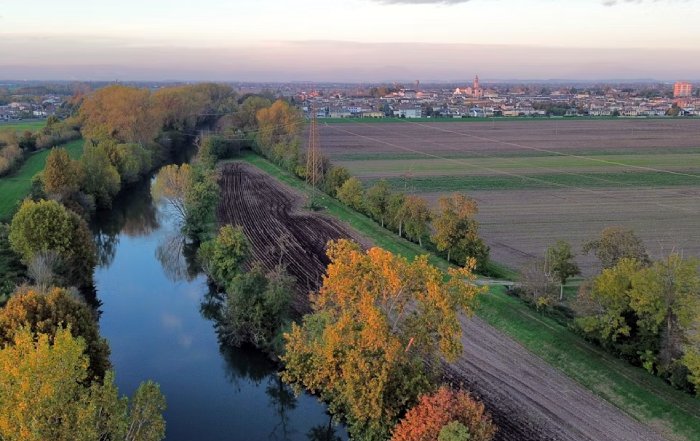
In river basins across Europe, floodplain wetlands that were once widely drained for agriculture or urban development are being reconnected to rivers to restore their natural capacity to hold floodwaters. In the United Kingdom, the Environment Agency and local authorities are investing in wetland restoration as part of broader flood risk management programs, recognizing that engineered levees and concrete channels alone are insufficient in the face of climate extremes. Similar approaches are emerging in Canada and Australia, where authorities are increasingly integrating wetlands into catchment-scale planning, combining green and grey infrastructure. To understand the science underpinning this shift, practitioners often turn to the Ramsar Convention on Wetlands, which maintains a comprehensive overview of wetland ecosystem services and policy frameworks; further background can be found through the Ramsar information portal.
For coastal regions, particularly in Asia, North America, and Oceania, mangrove forests and coastal marshes provide an additional layer of protection against storm surges and erosion. These systems reduce wave energy before it reaches inland communities, lowering the damage from tropical cyclones and king tides. Studies hosted by organizations such as The Nature Conservancy and IUCN have quantified the avoided losses attributable to intact mangroves, demonstrating that preserving these wetlands can be more cost-effective than building or elevating seawalls; more detail on these coastal protection benefits can be found through resources on nature-based coastal resilience.
Wetlands as Strongholds for Wildlife and Biodiversity
Beyond flood control, wetlands are among the most biologically productive ecosystems on Earth, supporting migratory birds, amphibians, fish, insects, and countless plant species. For conservation-minded readers and those concerned with ethical and sustainable lifestyles, the fate of wetlands is inseparable from the fate of global biodiversity. On every continent, from the boreal peatlands of Finland and Canada to the rice paddies and marshes of Japan, South Korea, and Malaysia, wetlands provide critical breeding, feeding, and resting habitats for species that underpin food webs and human livelihoods.
Internationally, organizations such as BirdLife International and Wetlands International have documented steep declines in wetland-dependent species linked to habitat loss, pollution, and hydrological disruption. Many migratory birds that connect Europe, Africa, and Asia rely on a chain of intact wetlands along their flyways; when one key site is degraded, entire populations can be affected. Interested readers can explore these global flyway networks and conservation strategies through resources on migratory bird conservation. This ecological connectivity underscores why wetland preservation is not only a local issue but a global responsibility, especially as climate change shifts species ranges and alters migration timing.
From a biodiversity perspective, wetlands also support high levels of endemism and provide refuges for rare and threatened species, including amphibians that are particularly sensitive to pollution and climate variability. The Convention on Biological Diversity and the IPBES assessments have repeatedly highlighted wetland loss as a major driver of global biodiversity decline, emphasizing the need for integrated landscape management and restoration. To better understand these global assessments and their implications for policy and business, readers may consult the latest summaries on biodiversity and ecosystem services. For eco-natur.com, this reinforces the importance of integrating wetland conservation into broader discussions on biodiversity and global environmental governance.
Economic Value, Risk Reduction, and Sustainable Business
For business leaders and policy makers in United States, Germany, Singapore, Switzerland, and other advanced economies, the economic case for wetland preservation is becoming increasingly quantifiable. Wetlands reduce the financial risks associated with floods, droughts, and water pollution, thereby protecting supply chains, infrastructure, and agricultural productivity. The OECD and UNEP have both underscored the role of natural capital in economic resilience, noting that investments in ecosystem restoration can yield high returns through avoided damages and enhanced ecosystem services; analyses of these economic arguments can be explored through resources on natural capital and green growth.
Companies operating in sectors such as agriculture, real estate, insurance, energy, and tourism are beginning to integrate wetland considerations into their risk management and sustainability strategies. For instance, insurers in Netherlands and United States are increasingly recognizing that intact wetlands reduce flood claims, which can be reflected in risk models and premiums. Similarly, agribusinesses in Brazil, France, and Italy are exploring how wetland buffers and riparian zones can improve water quality, reduce fertilizer runoff, and support pollinators, thereby contributing to more resilient and sustainable supply chains. Those seeking to deepen their understanding of corporate water stewardship and ecosystem-based risk management can learn more through resources provided by the CDP and the World Resources Institute, including tools such as the Aqueduct water risk atlas.
For the eco-natur.com audience, which includes entrepreneurs and professionals interested in sustainable business models and a resilient green economy, wetlands illustrate how environmental stewardship and long-term profitability can align. Integrating wetland preservation into corporate strategies enhances brand reputation, supports regulatory compliance, and opens access to green finance instruments, including sustainability-linked loans and bonds that recognize nature-based solutions as legitimate infrastructure investments. Multilateral initiatives such as the Taskforce on Nature-related Financial Disclosures (TNFD) are reinforcing this shift by encouraging companies and investors to disclose nature-related risks and opportunities, including those tied to wetlands; further information is available via the TNFD's resources on nature-related financial disclosures.
Wetlands, Climate Mitigation, and the Carbon Cycle
While flood control and biodiversity are often the most visible benefits of wetlands, their role in climate mitigation is increasingly central to global strategies under the Paris Agreement. Peatlands, mangroves, and other carbon-rich wetlands store vast quantities of carbon in their soils and vegetation, often referred to as "blue carbon" in coastal systems. When these ecosystems are drained, degraded, or burned, they can turn from carbon sinks into significant sources of greenhouse gas emissions. The Intergovernmental Panel on Climate Change (IPCC) has emphasized that protecting and restoring wetlands is a critical component of nature-based climate solutions; readers can explore these conclusions in greater depth through IPCC materials on land use and climate mitigation.
Countries such as Indonesia, Norway, and Canada have begun to incorporate wetland conservation and restoration into their national climate strategies, recognizing that avoiding peatland degradation can deliver large emissions reductions at relatively low cost. Similarly, coastal nations like Australia, United States, and Spain are exploring blue carbon projects in mangrove and seagrass ecosystems as part of their broader climate and adaptation planning. For individuals and organizations committed to renewable energy transitions and low-carbon lifestyles, wetlands provide a complementary pathway to reduce emissions while enhancing resilience and biodiversity.
The intersection of climate mitigation and adaptation further strengthens the business and policy case for wetlands. Investments in wetland restoration can be financed through climate funds, carbon markets, and blended finance mechanisms, particularly when projects demonstrate measurable carbon benefits alongside flood protection and biodiversity outcomes. International climate finance institutions and platforms such as the Green Climate Fund and Global Environment Facility are increasingly supporting such integrated projects, and interested stakeholders can review examples and methodologies through resources on nature-based climate solutions.
Urbanization, Land Use, and the Challenge of Preservation
Despite their recognized value, wetlands continue to be lost and degraded, particularly in rapidly urbanizing regions of Asia, Africa, and South America, as well as in expanding metropolitan areas in North America and Europe. Urban sprawl, infrastructure development, intensive agriculture, and industrial expansion often target low-lying wetland areas because they are flat and seemingly underutilized. However, the long-term consequences of such conversions-higher flood risks, water pollution, loss of wildlife, and increased climate vulnerability-are now evident in cities from Bangkok to Houston and Johannesburg.
Urban planners and policy makers are beginning to recognize that integrating wetlands into city design is not a luxury but a necessity for resilience. Concepts such as "sponge cities," championed in China and increasingly studied by urbanists worldwide, emphasize the use of permeable surfaces, green roofs, and wetland parks to absorb and retain stormwater. This approach is supported by research and guidance from organizations like UN-Habitat, which promote nature-based solutions for sustainable urban development; professionals can further explore these ideas through resources on urban resilience and nature-based planning. For eco-natur.com, this resonates strongly with the themes explored in sustainable design and planning and the broader vision of sustainable cities embedded in lifestyle transformation.
In many cases, effective wetland preservation requires reconciling competing land uses and addressing legacy pollution. This involves coordinated governance among municipal, regional, and national authorities, as well as meaningful engagement with local communities, indigenous peoples, and private landowners. Legal instruments ranging from zoning regulations to conservation easements and payment for ecosystem services schemes are being deployed to protect wetlands while allowing for compatible economic activities. The IUCN and various national environmental agencies provide case studies and guidance on such governance innovations, which can be explored through resources on wetland management and policy.
Wetlands, Food Systems, and Organic Transitions
Wetlands are deeply intertwined with food systems, both as direct sources of fish, rice, and other crops, and as regulators of water and nutrient cycles that sustain agriculture. In regions such as Thailand, Vietnam, Italy, and Spain, rice paddies and floodplain agriculture are integral to cultural landscapes and local economies. However, intensification, excessive agrochemical use, and drainage have often compromised wetland health, leading to pollution, loss of biodiversity, and reduced resilience to droughts and floods.
The transition toward more sustainable and organic food production provides an opportunity to realign agriculture with wetland preservation. Organic and regenerative farming practices that reduce synthetic inputs, maintain buffer zones, and restore riparian vegetation can help protect adjacent wetlands and downstream ecosystems. For eco-natur.com readers interested in organic food systems and sustainable diets, wetlands represent a crucial piece of the puzzle, supporting fisheries, wild foods, and pollinator habitats that contribute to diversified and resilient food supplies.
Organizations such as the Food and Agriculture Organization of the United Nations (FAO) and IFOAM - Organics International have documented how integrated water and land management can sustain both food production and wetland ecosystems, particularly when farmers are supported with appropriate incentives, technical assistance, and market access. Those seeking detailed guidance on sustainable agriculture in wetland landscapes may consult resources on agroecology and sustainable water management. Aligning these practices with broader public health objectives, as promoted by institutions like the World Health Organization, also underscores how wetland protection contributes to cleaner water, reduced exposure to pollutants, and better community health outcomes; further insights can be found through information on water, sanitation, and health.
Personal and Corporate Responsibility: From Awareness to Action
While international agreements, government policies, and corporate strategies are essential, the preservation of wetlands ultimately depends on a culture of responsibility that extends from households to boardrooms. For the global audience of eco-natur.com, this means recognizing how everyday choices-consumption patterns, travel habits, investment decisions, and engagement with local planning processes-can either support or undermine wetland ecosystems.
Individuals can contribute by reducing pollution and waste that eventually reach rivers, lakes, and coasts, aligning personal behavior with principles of plastic-free living and effective recycling. Choosing products with lower water and chemical footprints, supporting companies that invest in nature-based solutions, and participating in local wetland restoration projects all help build societal momentum. At the same time, businesses can embed wetland considerations into environmental management systems, supply chain due diligence, and sustainability reporting, positioning themselves as leaders in a nature-positive economy. For those exploring holistic approaches to minimizing waste and resource use, wetlands fit naturally into the broader framework of zero-waste and circular economy thinking.
Educational institutions, NGOs, and media platforms such as eco-natur.com play a critical role in translating complex science and policy into accessible narratives that resonate with diverse audiences across North America, Europe, Asia, Africa, and South America. Collaborations with reputable organizations like WWF, IUCN, and UNEP can amplify these messages and connect local stories to global movements, helping readers understand that their actions contribute to a larger tapestry of change; those interested in broader sustainability initiatives can explore global perspectives on environment and sustainable development.
A Strategic Imperative for a Resilient Future
As 2026 unfolds, the convergence of climate risks, economic uncertainty, and ecological degradation is forcing governments, businesses, and communities to rethink how they manage land and water. Wetlands, once peripheral in planning and investment decisions, are now recognized as vital assets that deliver flood protection, biodiversity, carbon storage, and cultural value. Preserving and restoring these ecosystems is not merely an environmental aspiration; it is a strategic imperative for risk reduction, economic stability, and societal wellbeing in countries from United States, Germany, Canada, and Japan to South Africa, Brazil, and New Zealand.
For eco-natur.com and its readership, wetland preservation sits at the intersection of sustainable living, responsible economic development, and the protection of wildlife and biodiversity. By integrating wetlands into personal lifestyle choices, corporate strategies, and public policy debates, stakeholders can help shape a future in which natural and built systems work together to protect communities and support thriving ecosystems. In this future, wetlands are no longer seen as expendable margins of development but as foundational elements of a resilient, equitable, and sustainable world.
The path forward requires commitment, collaboration, and informed decision-making, but the benefits are profound: safer cities, healthier rivers and coasts, richer biodiversity, more secure food systems, and a more stable climate. As eco-natur.com continues to explore and share insights on sustainability and global environmental change, wetland preservation for flood control and wildlife will remain a central theme, reminding readers that safeguarding these vital ecosystems is both a responsibility and an opportunity for this generation and those to come.
