
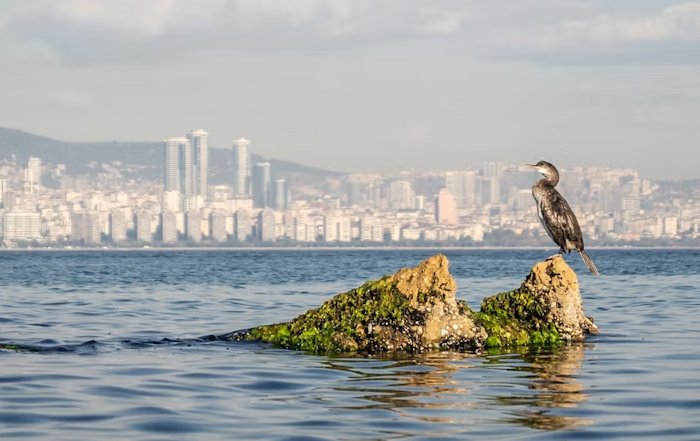
Urban Wildlife Conservation Strategies: A Practical Blueprint for Cities and Business
Is Urban Nature at a Climate Turning Point?
Urban wildlife conservation has moved from a niche environmental concern to a core strategic issue for cities, investors and businesses across the world, as accelerating urbanisation, climate risk and biodiversity loss intersect in ways that directly affect economic resilience, public health and social stability. From New York to Singapore, from Berlin to São Paulo, municipal leaders now recognise that the way cities treat wildlife and green spaces is inseparable from how they manage heatwaves, flooding, air quality, mental health and long-term competitiveness, and this shift in perspective is reshaping urban planning, building design and corporate responsibility agendas.
For eco-natur.com, which has long focused on practical pathways to sustainable living and evidence-based sustainability, urban wildlife is no longer just about preserving charismatic species in parks; it is about designing entire metropolitan systems in which humans, animals and ecosystems coexist in ways that reduce risk, unlock innovation and create measurable value. Urban wildlife conservation strategies are increasingly data-driven, embedded in regulatory frameworks and linked to broader climate and nature-related disclosure standards, and as a result they demand a higher level of expertise, cross-sector collaboration and governance than ever before.
Why Urban Wildlife Matters for Economies and Businesses
The economic case for urban wildlife conservation has become significantly clearer over the past decade, as research by organisations such as the World Bank and the Organisation for Economic Co-operation and Development (OECD) has quantified the value of ecosystem services provided by urban nature, including flood mitigation, temperature regulation, pollination and recreational benefits that translate into higher property values, increased worker productivity and reduced healthcare costs. Learn more about how nature contributes to economic resilience through resources from the World Bank on biodiversity and ecosystems.
Cities in the United States, the United Kingdom, Germany, Canada, Australia and across Asia now routinely experience more frequent and intense heatwaves, and studies by institutions such as The Lancet and the World Health Organization (WHO) have documented the growing health burden of urban heat islands, air pollution and stress-related disorders. Integrating wildlife-supportive green infrastructure, such as tree-lined streets, wetlands, pollinator corridors and coastal mangroves, has been shown to reduce peak temperatures, trap particulates and improve mental wellbeing, which in turn reduces public health expenditure and absenteeism. Learn more about the health co-benefits of nature-based solutions from the WHO's urban health resources.
For businesses, these dynamics translate into operational and strategic considerations that are increasingly reflected in investor expectations and reporting frameworks, including the Taskforce on Nature-related Financial Disclosures (TNFD) and guidance from the Global Reporting Initiative (GRI). Companies with large urban footprints in sectors such as real estate, infrastructure, retail, logistics and technology are being asked to demonstrate how their assets and supply chains impact biodiversity, and how they plan to mitigate those impacts and contribute positively to urban ecosystems. Learn more about emerging nature-related disclosure expectations from the TNFD framework.
Within this context, eco-natur.com positions urban wildlife conservation not as an optional corporate philanthropy project, but as a strategic pillar of sustainable business and resilient economy design, particularly relevant for global hubs such as London, New York, Singapore, Berlin, Toronto, Sydney and rapidly growing cities in Africa, South America and Southeast Asia.
The Changing Urban Wildlife Landscape
Cities across Europe, North America, Asia and Africa are witnessing a complex reconfiguration of wildlife communities as climate change, land-use shifts and pollution alter habitats and species ranges. Some species, such as foxes in the United Kingdom, raccoons in North America, wild boar in parts of Germany and Italy, and macaques in Southeast Asian cities, have adapted remarkably well to urban environments, often leading to conflict when food waste, unsecured bins and fragmented green spaces bring animals into close contact with residents. Other species, particularly insect pollinators, amphibians and many bird species, have declined sharply due to habitat loss, light and noise pollution and pesticide use, threatening ecosystem functions that support urban agriculture, tree health and overall biodiversity.
Scientific assessments from organisations such as the Intergovernmental Science-Policy Platform on Biodiversity and Ecosystem Services (IPBES) have underscored that urban areas can either become refuges that help sustain regional biodiversity or ecological traps that accelerate local extinctions. Learn more about global biodiversity trends and policy options from IPBES. For city leaders and businesses, this means that every decision about land use, transport corridors, building envelopes, stormwater management and waste systems has implications for wildlife, even when those implications are not immediately visible.
The situation is particularly acute in rapidly urbanising regions in Asia and Africa, where expanding metropolitan areas in countries such as India, China, Nigeria, Kenya and South Africa are encroaching on high-biodiversity landscapes, creating new interfaces between people and wildlife. As eco-natur.com engages with readers in these regions, a recurring theme is that successful urban wildlife strategies must be tailored to local species, cultural attitudes, governance capacity and economic realities, while drawing on global best practice and robust scientific evidence.
Core Principles of Modern Urban Wildlife Conservation
Effective urban wildlife conservation in 2026 rests on a set of interlocking principles that connect ecology, public policy, business strategy and community behaviour, and these principles are increasingly reflected in international guidance from bodies such as UN-Habitat and the Convention on Biological Diversity (CBD). Learn more about nature-positive urban planning from UN-Habitat's work on cities and biodiversity.
The first principle is connectivity: isolated green spaces, no matter how well designed, provide limited benefits if wildlife cannot move safely between them. Urban conservation strategies now prioritise ecological corridors along rivers, railways, green roofs, street trees and even underpasses that allow mammals, birds, insects and amphibians to move, feed and reproduce without being cut off by roads and dense built-up areas. In European cities such as Amsterdam and Zurich, for example, planners have integrated wildlife crossings, green tram tracks and canal-side habitats into broader mobility and climate adaptation plans, demonstrating how ecological connectivity can coexist with dense, efficient urban form.
The second principle is multifunctionality: urban wildlife initiatives increasingly need to deliver multiple benefits simultaneously, including flood control, cooling, recreation, mental health support and aesthetic value, in order to compete for limited space and investment. Wetland restoration projects that double as stormwater retention basins, pollinator-friendly roadside plantings that reduce maintenance costs, and coastal mangroves that protect against storm surges while hosting rich biodiversity are all examples of this integrated approach. Learn more about nature-based solutions in cities from the International Union for Conservation of Nature (IUCN) and its nature-based solutions resources.
The third principle is coexistence and conflict management: as wildlife becomes more visible in cities, effective communication, risk management and behaviour change campaigns are essential to prevent fear, misinformation and ad hoc culling responses. Education about securing waste, avoiding feeding wild animals, using wildlife-friendly lighting and landscaping, and reporting sightings through citizen science platforms helps create a culture of coexistence that is resilient to occasional incidents. Resources from organisations such as the Urban Wildlife Institute at Lincoln Park Zoo and the National Park Service in the United States illustrate practical coexistence models; learn more through the Urban Wildlife Institute's research overview.
A fourth principle, increasingly relevant to readers of eco-natur.com, is the integration of urban wildlife strategies with broader sustainable living and zero-waste lifestyles, including reduced plastic consumption, responsible pet ownership, support for organic food systems and participation in local conservation initiatives, so that individual and household choices reinforce, rather than undermine, city-level policies.
Designing Cities for Wildlife and People
Urban design is now recognised as one of the most powerful levers for wildlife conservation, as the layout of streets, buildings, parks and waterways determines the availability and quality of habitat. For architects, planners and developers, this has led to a shift from treating biodiversity as an afterthought to integrating it into project briefs, performance criteria and certification systems such as LEED, BREEAM and Green Star. Learn more about green building standards and biodiversity from the U.S. Green Building Council.
Nature-inclusive design approaches, which are increasingly visible in cities such as Copenhagen, Singapore and Melbourne, involve features such as green roofs and walls that provide nesting sites and foraging opportunities for birds and insects; permeable surfaces and rain gardens that create microhabitats for amphibians and invertebrates; and building facades designed to reduce bird collisions through patterning and lighting adjustments. In the Netherlands and the United Kingdom, local authorities now often require nesting bricks for swifts or bat boxes in new residential developments, embedding wildlife support directly into the fabric of the built environment.
For eco-natur.com, this evolution in urban design aligns closely with its focus on sustainable design and the transition to renewable energy, as both fields increasingly intersect in projects such as solar-roofed green corridors, energy-efficient buildings that incorporate biodiversity features, and district-scale developments that integrate blue-green infrastructure for climate adaptation and wildlife. Learn more about how urban design can support climate and biodiversity goals from the C40 Cities Climate Leadership Group and its resources on resilient, nature-based cities.
Importantly, design for urban wildlife is not limited to flagship projects in wealthy districts; it also encompasses retrofitting existing neighbourhoods, particularly in lower-income areas that often lack tree cover and access to quality green space. Street-level interventions such as pocket parks, community gardens, vegetated swales and pollinator strips can be implemented cost-effectively and scaled across districts, creating a network of microhabitats that collectively support significant biodiversity while improving local living conditions.
Waste, Plastics and Urban Wildlife Health
Waste management and plastic pollution remain critical determinants of urban wildlife health in 2026, particularly in rapidly growing cities across Asia, Africa and South America, where inadequate collection and disposal systems allow plastics and organic waste to accumulate in waterways, vacant lots and informal settlements. These conditions attract rodents, feral animals and opportunistic wildlife, alter feeding behaviours, and lead to ingestion and entanglement that harm birds, mammals and marine species.
For readers of eco-natur.com, the link between plastic-free living, effective recycling and urban wildlife protection is direct and tangible. Reducing single-use plastics, improving sorting and collection, and supporting circular economy initiatives all contribute to cleaner urban ecosystems where wildlife is less exposed to hazardous materials. Learn more about global plastic pollution trends and solutions from the United Nations Environment Programme (UNEP) and its Beat Plastic Pollution campaign.
At the same time, organic waste management is emerging as a key component of urban wildlife strategies, as unsecured food waste can sustain large populations of generalist species that outcompete more sensitive wildlife and increase the risk of zoonotic disease transmission. Cities from San Francisco to Seoul have introduced mandatory food waste separation, composting and secure collection systems that reduce these risks while supporting urban agriculture and soil health. Learn more about organic waste and circular economy practices from the Ellen MacArthur Foundation and its circular economy resources.
By integrating waste reduction, zero-waste principles and urban wildlife considerations into a coherent strategy, municipalities and businesses can simultaneously address environmental, health and economic objectives, aligning with the holistic sustainability approach promoted by eco-natur.com.
Urban Wildlife, Food Systems and Organic Practices
Urban food systems, including community gardens, rooftop farms, peri-urban agriculture and local markets, have become important arenas for wildlife interactions, particularly in cities where demand for fresh, locally grown produce is driving new forms of cultivation. Pollinators, soil organisms, birds and small mammals all play roles in these systems, providing services such as pollination, pest control and nutrient cycling, but they can also create challenges when not managed thoughtfully.
The growing interest in organic food and agroecological practices in cities across Europe, North America and Asia has significant implications for biodiversity, as reduced pesticide use and diversified planting schemes create more hospitable conditions for beneficial insects and other wildlife. Learn more about organic agriculture and biodiversity from the Food and Agriculture Organization of the United Nations (FAO) and its agroecology knowledge hub. In cities such as Paris, Vancouver and Tokyo, municipal policies that support organic urban agriculture and pollinator-friendly planting are explicitly linked to broader biodiversity strategies, demonstrating how food policy and wildlife conservation can reinforce each other.
However, urban agriculture can also inadvertently displace or fragment habitats if not planned carefully, particularly when greenhouses and intensive cultivation replace semi-natural areas. Successful strategies in 2026 therefore emphasise landscape-scale planning that integrates food production with habitat corridors, water management and recreational spaces, ensuring that urban and peri-urban agriculture contributes positively to overall biodiversity rather than competing with it.
For businesses involved in food retail, hospitality and logistics, these developments create opportunities to support urban wildlife through sourcing policies, investment in green infrastructure around facilities, and partnerships with local conservation organisations, aligning commercial objectives with the values of consumers who increasingly associate sustainable diets with broader ecological responsibility.
Governance, Policy and Corporate Responsibility
Urban wildlife conservation strategies now sit at the intersection of municipal governance, national regulation and corporate responsibility frameworks, and cities that lead in this area typically combine clear policy direction with robust partnerships and data-driven monitoring. National biodiversity strategies in the European Union, the United Kingdom, Canada, Australia and several Asian countries now explicitly reference urban ecosystems, while regional frameworks such as the EU Biodiversity Strategy for 2030 encourage member states to restore urban green spaces and integrate biodiversity into spatial planning. Learn more about European biodiversity policy from the European Environment Agency.
At the city level, comprehensive biodiversity action plans, urban forest strategies and nature-based climate adaptation plans are increasingly common, often combined with regulatory tools such as biodiversity net gain requirements, green factor scores for new developments, and incentives for green roofs, tree planting and habitat restoration. These policies create a predictable environment in which businesses can plan investments, innovate and demonstrate leadership, rather than treating wildlife considerations as ad hoc constraints.
Corporate responsibility in 2026 extends beyond compliance to active stewardship, particularly for companies with significant real estate and infrastructure portfolios. Investors, including large pension funds and sovereign wealth funds, are asking for evidence that assets are resilient to nature-related risks and contribute positively to local ecosystems, and they are using data from sources such as the World Resources Institute (WRI) and CDP to benchmark performance. Learn more about corporate environmental disclosure from CDP's cities and corporate reporting.
For eco-natur.com, which serves a global audience in North America, Europe, Asia, Africa and South America, the message is clear: urban wildlife conservation is now a material governance issue that should be integrated into corporate risk management, board-level oversight and stakeholder engagement strategies, particularly for organisations that wish to be perceived as credible leaders in sustainable business.
Citizen Engagement, Data and Trust
One of the most significant shifts in urban wildlife conservation over the past decade has been the rise of citizen science and digital monitoring platforms, which enable residents to report wildlife sightings, track species distributions and contribute to research and management decisions. Platforms such as iNaturalist, eBird and various city-specific mobile applications have generated vast datasets that help scientists and planners understand how wildlife uses urban environments, where corridors are functioning or failing, and how climate change is altering species behaviour. Learn more about community biodiversity monitoring through iNaturalist.
These participatory approaches have important implications for trust and legitimacy, as residents in cities from London to Johannesburg and from Stockholm to Bangkok increasingly expect transparency and involvement in decisions that affect local green spaces and wildlife management. When authorities engage communities in monitoring, co-design of interventions and conflict resolution, they build a sense of shared stewardship that can withstand political changes and budget pressures, whereas top-down decisions about culling, habitat removal or infrastructure projects that impact wildlife can quickly generate opposition and erode trust.
For eco-natur.com, which emphasises practical, community-oriented sustainable living, citizen engagement is not merely a communications tool but a core component of effective, long-term urban wildlife strategies. By providing guidance on responsible behaviour, highlighting successful local initiatives and connecting readers to credible organisations, the platform helps bridge the gap between high-level policy and everyday action in homes, schools and workplaces.
Towards Nature-Positive Cities: The Role of Eco-Natur.com
As cities in the United States, United Kingdom, Germany, Canada, Australia, France, Italy, Spain, the Netherlands, Switzerland, China, Sweden, Norway, Singapore, Denmark, South Korea, Japan, Thailand, Finland, South Africa, Brazil, Malaysia, New Zealand and beyond grapple with the challenges and opportunities of urban wildlife conservation in 2026, a clear pattern is emerging: the most successful strategies are those that integrate ecological science, economic analysis, governance innovation and community engagement into a coherent, long-term vision.
Urban wildlife is no longer a peripheral concern; it is a barometer of how well cities are managing climate risk, public health, social equity and economic resilience, and it offers a tangible, visible way for residents, businesses and policymakers to experience the benefits of a more sustainable, regenerative urban model. Learn more about integrated urban sustainability approaches from the World Resources Institute and its Ross Center for Sustainable Cities.
Within this evolving landscape, eco-natur.com plays a distinctive role by translating complex scientific and policy developments into accessible, actionable insights for individuals, families, entrepreneurs and corporate leaders who want to align their decisions with a nature-positive future. By connecting themes such as sustainable living, sustainability, plastic-free choices, recycling, wildlife protection, sustainable business and resilient economies, the platform provides a holistic framework that mirrors the interconnected nature of urban ecosystems themselves.
As global attention shifts from merely reducing environmental harm to actively restoring ecosystems and enhancing biodiversity, urban wildlife conservation strategies will continue to evolve, driven by advances in ecology, data analytics, design, governance and finance. Cities that embrace this agenda can position themselves as attractive, resilient and competitive places to live and invest, while businesses that integrate nature into their core strategies can build stronger brands, reduce risk and create new value streams.
In this context, the expertise, authoritativeness and trustworthiness of platforms like eco-natur.com will remain essential, helping stakeholders navigate complexity, avoid greenwashing and focus on interventions that genuinely improve outcomes for both people and wildlife in cities around the world.
