
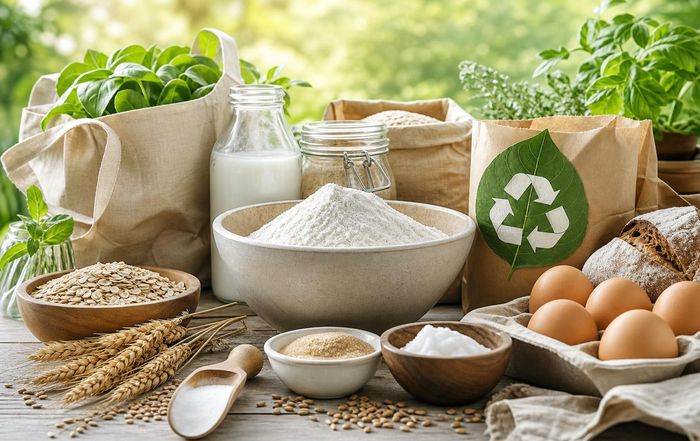
Organic Ingredients That Support Sustainable Baking
Rethinking Baking Through a Sustainable Lens
Across home kitchens, artisan bakeries, and food innovation labs, baking is undergoing a quiet transformation. Flour, sugar, butter, and eggs are no longer viewed only as functional ingredients; they are increasingly understood as agricultural products with complex environmental, social, and health footprints. As the climate crisis intensifies and biodiversity declines, more consumers, chefs, and food producers are turning to organic ingredients as a practical pathway toward more sustainable baking.
For Eco Natur, whose readers are deeply engaged with sustainable living, this shift is not a passing trend but part of a broader movement to align everyday habits with planetary boundaries. Sustainable baking sits at the intersection of climate action, soil health, water conservation, animal welfare, and fair livelihoods, and organic ingredients are proving to be a powerful tool for progress when they are thoughtfully sourced and used.
What Makes an Ingredient "Organic" - And Why It Matters
Organic agriculture is defined slightly differently across jurisdictions, but leading standards such as USDA Organic, EU Organic, and Soil Association Organic share core principles: avoiding synthetic pesticides and fertilizers, prohibiting genetically modified organisms, promoting soil health and biodiversity, and enforcing traceability and inspection.
In the United States, the United States Department of Agriculture explains that organic crops are grown without most synthetic fertilizers or pesticides and with practices designed to "integrate cultural, biological, and mechanical practices that foster cycling of resources, promote ecological balance, and conserve biodiversity." Similar definitions are codified in the European Union's organic regulation and by certification bodies such as the Soil Association in the United Kingdom. Readers can explore the regulatory framework in more depth through resources from the USDA National Organic Program and the European Commission's organic farming portal.
From a sustainability perspective, several features of organic production are especially relevant to baking:
Organic systems typically emphasize crop rotations, cover crops, and composting, which can improve soil structure and increase soil organic matter. Reports from organizations such as the Food and Agriculture Organization of the United Nations (FAO) and IFOAM - Organics International indicate that these practices can enhance soil biodiversity, reduce erosion, and increase resilience to drought and heavy rainfall. Studies compiled by the Rodale Institute suggest that organic fields often have higher levels of soil carbon, although the magnitude and consistency of these benefits vary by region and management.
Organic standards restrict synthetic pesticides and herbicides, which can reduce certain negative impacts on pollinators and non-target species. Research summarized by the Intergovernmental Science-Policy Platform on Biodiversity and Ecosystem Services (IPBES) and the European Food Safety Authority (EFSA) notes that pesticide-intensive systems are a key driver of insect and bird declines, although the exact contribution of organic farming to reversing these trends depends on landscape context and other farming practices.
Organic livestock standards typically require higher welfare conditions, including access to the outdoors, more space, and restrictions on routine antibiotic use. Organizations such as Compassion in World Farming and the World Organisation for Animal Health (WOAH) highlight these aspects as important both for animal well-being and for reducing antimicrobial resistance risks.
For the eco-conscious baker, choosing organic ingredients is therefore not only a matter of personal health or flavor; it is a decision that supports farming systems with more regenerative potential and, in many cases, more transparent supply chains. Eco Natur regularly explores these connections in its coverage of organic food, illustrating how seemingly small choices in the kitchen can contribute to a more sustainable food economy.
Organic Grains and Flours: The Foundation of Sustainable Baking
Grain-based ingredients are the backbone of most baking recipes, which means that flour choices have an outsized impact on the sustainability profile of breads, cakes, cookies, and pastries. Organic grains such as wheat, rye, oats, spelt, and ancient varieties like einkorn or emmer are increasingly available from regional mills and farmer cooperatives, particularly in North America and Europe.
Research from institutions such as FiBL (Research Institute of Organic Agriculture) and the International Panel of Experts on Sustainable Food Systems (IPES-Food) indicates that organic grain systems often use more diverse crop rotations, including legumes, which can help fix nitrogen biologically and reduce dependence on synthetic fertilizers. While organic yields can be lower per hectare compared with intensive conventional systems, especially in regions with high input use, several meta-analyses published in peer-reviewed journals such as Nature Plants and Proceedings of the Royal Society B suggest that yield gaps can narrow when organic systems are well-managed and when environmental externalities such as greenhouse gas emissions, water pollution, and soil degradation are taken into account.
For bakers, organic flours offer more than an environmental story. Stoneground organic wholemeal flours tend to retain more bran and germ, providing higher fiber and micronutrient content, although nutrient levels vary by variety and milling method. Artisan bakers in countries such as Germany, France, the United Kingdom, and the United States increasingly collaborate with local organic farmers to revive heritage wheat varieties that offer distinctive flavors and baking characteristics. The Real Bread Campaign and organizations like Bread for Good Community Benefit Society in the UK showcase many of these initiatives.
From the perspective of Eco Natur, these developments illustrate how ingredient choices can align with broader sustainability goals while also enhancing culinary creativity. Organic flours sourced from local or regional mills can reduce transport emissions, support rural economies, and preserve agricultural biodiversity, particularly when bakers deliberately seek out lesser-known grains and varieties.
Organic Sweeteners: Balancing Taste, Traceability, and Climate Impact
Sweeteners are another crucial component of baking, and their sustainability profiles vary significantly depending on crop type, farming system, processing, and transport. Organic cane sugar, beet sugar, maple syrup, honey, coconut sugar, and agave syrup each present distinct environmental and social considerations.
Organic cane sugar production, particularly in Latin America and parts of Asia, is governed by both organic standards and, in some cases, additional certifications such as Fairtrade International or Rainforest Alliance. These frameworks aim to address not only pesticide use but also labor conditions, water management, and habitat protection. Reports from Fairtrade and the Rainforest Alliance highlight positive outcomes in some certified sugarcane communities, including improved worker protections and investments in local infrastructure, although challenges such as land use change and water scarcity remain in certain regions.
Organic maple syrup, produced mainly in Canada and the northeastern United States, is often cited as an example of a sweetener that can support forest conservation when managed responsibly. Guidance from Environment and Climate Change Canada and organizations like Proctor Maple Research Center emphasizes that maintaining healthy maple forests for sap production can help preserve carbon stocks and biodiversity, though climate change poses long-term risks to maple tree health and sap yields.
Organic honey presents a more complex sustainability picture. On one hand, organic beekeeping standards restrict synthetic treatments and often require siting hives in areas with predominantly organic or wild forage, which can benefit pollinator health. On the other hand, global concerns about honey adulteration and mislabeling, documented by investigations referenced by the European Commission and the United States Food and Drug Administration (FDA), underscore the importance of buying from transparent, reputable producers and cooperatives.
For bakers aiming to support sustainable systems, organic sweeteners with strong traceability and, where possible, complementary certifications can offer a meaningful step forward. Eco Natur encourages readers to learn more about sustainable business practices in food supply chains, recognizing that ingredient sourcing decisions are deeply intertwined with global trade, rural livelihoods, and climate resilience.
Organic Fats: Butter, Oils, and Plant-Based Alternatives
Fats contribute richness, structure, and flavor to baked goods, but they also carry some of the most debated environmental footprints in the food system, especially when derived from ruminant animals or from crops linked to deforestation. Organic standards and complementary sustainability certifications can help bakers navigate this complex landscape.
Organic butter and cream come from cows raised on organic feed and managed according to welfare-focused standards. In Europe, for example, EU Organic rules and additional schemes such as EU Animal Welfare Reference Centre guidelines encourage pasture-based systems and limit the use of synthetic inputs. Life cycle assessments compiled by organizations like the Climate Change, Agriculture and Food Security (CCAFS) research program and Our World in Data indicate that dairy products, including butter, typically have higher greenhouse gas emissions per kilogram than plant-based oils, primarily due to methane emissions and land use. However, pasture-based organic systems can provide co-benefits such as improved soil carbon sequestration and biodiversity when compared with intensive feedlot operations, though the extent of these benefits remains an active area of research with some conflicting findings.
Plant-based oils used in baking, such as organic sunflower, rapeseed (canola), olive, and coconut oils, generally have lower direct emissions per kilogram than dairy fats, according to multiple life cycle analyses referenced by the Intergovernmental Panel on Climate Change (IPCC) and FAO. Nevertheless, not all plant oils are equal from a sustainability perspective. Palm oil, for example, has been strongly associated with deforestation in Southeast Asia, though certified schemes such as the Roundtable on Sustainable Palm Oil (RSPO) and organic palm initiatives aim to reduce these impacts. When bakers choose organic, deforestation-free oils, they help support producers who are investing in more responsible land management and traceable supply chains.
For those pursuing plastic-free and low-waste kitchens, packaging also matters. Glass jars, metal tins, and bulk purchasing options can reduce plastic waste associated with oils and fats. In many countries, refill shops and cooperative buying clubs now offer organic oils on tap, aligning ingredient choices with zero-waste principles that Eco Natur regularly highlights.
Organic Eggs and Dairy: Animal Welfare and Regenerative Potential
Eggs and dairy products are central to many traditional baking recipes, and their organic versions can contribute to more sustainable food systems when sourced carefully. Organic egg standards in regions such as the United States, European Union, and United Kingdom require cage-free housing, outdoor access, organic feed, and restrictions on synthetic pesticides and antibiotics. Organizations like The Humane League and CIWF generally regard organic and certified free-range eggs as higher welfare options compared with conventional cage systems, though they also note ongoing concerns about male chick culling and the environmental footprint of feed production.
Organic dairy, whether in the form of milk, yogurt, cream, or cheese, similarly operates under welfare and feed rules that differentiate it from conventional production. Studies summarized by The Organic Center and peer-reviewed research in journals such as Sustainability and Journal of Dairy Science indicate that organic dairy cows often spend more time on pasture and consume more forage-based diets, which can improve certain animal health indicators. However, debates continue about the net climate impact of organic versus conventional dairy, with some analyses suggesting that lower yields per cow can increase emissions per liter of milk, while others argue that improved soil health and reduced synthetic input use offset part of this difference. This is an area where reliable sources do not fully agree, underscoring the need for nuanced communication and ongoing research.
Bakers seeking to align with Eco Natur values can prioritize organic eggs and dairy from local or regional farms that are transparent about pasture access, herd management, and feed sourcing. Certifications such as Animal Welfare Approved and Certified Humane can complement organic labels, providing additional assurance about welfare practices. For those moving toward plant-based baking, organic plant milks and yogurts made from oats, soy, or nuts offer alternatives with potentially lower environmental footprints, particularly when sourced from producers committed to regenerative agriculture and responsible water use, as documented by organizations like WWF and The Good Food Institute.
Organic Plant-Based Ingredients: Legumes, Nuts, Seeds, and Fruits
Sustainable baking increasingly embraces plant-based ingredients beyond grains, sweeteners, and fats. Legumes, nuts, seeds, and fruits play a vital role in creating nutrient-dense, flavor-rich recipes while supporting agroecological diversity.
Organic legumes such as chickpeas, lentils, and peas can be milled into flours or used as functional ingredients, adding protein, fiber, and structure to baked goods. As nitrogen-fixing crops, legumes contribute to soil fertility and can reduce the need for synthetic fertilizers in rotations, a benefit documented by the FAO and the International Center for Tropical Agriculture (CIAT). In regions like Canada, the United States, and Europe, demand for organic pulses has grown alongside interest in plant-based diets, encouraging farmers to diversify beyond cereal monocultures.
Organic nuts and seeds, including almonds, hazelnuts, walnuts, flaxseeds, chia seeds, and sunflower seeds, provide healthy fats and micronutrients, but their sustainability profiles depend strongly on water use, land management, and transport. Investigations by Water Footprint Network and Stockholm International Water Institute (SIWI) note that certain nut crops, particularly almonds in water-stressed regions, can have high blue water footprints, prompting a need for careful sourcing. Organic certification can ensure pesticide restrictions and some biodiversity benefits, but bakers may also consider origin, irrigation practices, and additional certifications such as Regenerative Organic Certified when available.
Organic fruits, whether fresh, dried, or processed into purees, offer natural sweetness and flavor complexity. Apples, berries, bananas, and citrus are widely used in baking and are increasingly available in certified organic form across Europe, North America, and parts of Asia and Latin America. Organizations like PAN Europe and Environmental Working Group (EWG) have highlighted that certain conventionally grown fruits often carry higher pesticide residues, which has driven consumer interest in organic alternatives. From a biodiversity perspective, organic orchards and berry farms can provide important habitats for pollinators and beneficial insects when managed with hedgerows, wildflower margins, and reduced mowing, as documented in studies referenced by Bumblebee Conservation Trust and Xerces Society for Invertebrate Conservation.
By incorporating a wider palette of organic plant-based ingredients, bakers can create recipes that support biodiversity, improve nutritional profiles, and diversify farmer income streams, aligning with the holistic sustainability vision at the heart of Eco Natur.
Reducing Waste and Packaging: The Hidden Ingredient of Sustainable Baking
Sustainable baking is not only about what goes into the mixing bowl; it is also about how ingredients are packaged, stored, and used. Food waste and packaging waste both carry significant environmental costs, and reducing them is a central pillar of responsible baking.
Globally, the United Nations Environment Programme (UNEP) estimates that roughly one-third of all food produced is lost or wasted, contributing substantially to greenhouse gas emissions. In the context of baking, this waste often appears as stale bread, unused ingredients, or overproduction in commercial settings. Initiatives like Too Good To Go and OLIO in Europe and North America have demonstrated that creative redistribution and upcycling strategies can significantly reduce bakery waste, while also raising awareness among consumers.
On the packaging side, many baking ingredients are still sold in single-use plastic, particularly in large supermarkets. However, the rise of bulk shops, refill stations, and cooperative purchasing schemes in countries like Germany, the Netherlands, the United Kingdom, Canada, and Australia is making it easier to buy organic flours, nuts, seeds, and dried fruits without disposable packaging. Organizations such as Zero Waste Europe and Plastic Free Foundation provide guidance and advocacy on reducing packaging waste, complementing Eco Natur's own resources on recycling and plastic-free living.
For home bakers and small businesses, strategies such as buying in bulk, storing ingredients in airtight glass or metal containers, repurposing food scraps (for example, turning stale bread into breadcrumbs or croutons), and donating surplus baked goods can significantly reduce environmental impact. In professional settings, investments in inventory management, donation partnerships, and recipe design that uses entire ingredients can align baking operations with broader zero-waste principles.
Social and Economic Dimensions: Fairness in the Baking Supply Chain
Sustainable baking extends beyond environmental metrics to encompass social justice, labor rights, and economic resilience. Many key baking ingredients, including cocoa, sugar, vanilla, coffee (used in flavoring), and certain nuts, are grown in regions where smallholder farmers face volatile prices, limited access to credit, and vulnerability to climate shocks.
Certifications such as Fairtrade, Rainforest Alliance, and UTZ (now merged with Rainforest Alliance) aim to address some of these challenges by setting minimum price guarantees, promoting cooperative organization, and requiring environmental and social safeguards. Reports from Fairtrade International and independent evaluations published by institutions like the Overseas Development Institute (ODI) suggest that such schemes can improve income stability and community investments in some contexts, although outcomes vary and debates continue about how to maximize benefits and avoid unintended consequences.
For Eco Natur readers, supporting organic ingredients that also carry fair trade or similar certifications can help ensure that sustainable baking contributes to more equitable global supply chains. This approach recognizes that environmental sustainability and social sustainability are deeply interconnected, especially in a globalized food system where ingredients often travel across continents before reaching a mixing bowl in Europe, North America, or Asia.
At the same time, fostering local and regional organic supply chains can strengthen community resilience, create green jobs, and reduce dependence on long, vulnerable trade routes. Initiatives such as community-supported agriculture (CSA), farmer-baker partnerships, and cooperative mills are expanding in countries from the United States and Canada to France, Italy, and Japan, illustrating how sustainable baking can be a driver of more resilient local economies.
Integrating Organic Ingredients into Everyday Sustainable Living
As awareness of climate change, biodiversity loss, and social inequality grows, sustainable baking offers a tangible, accessible way for individuals and businesses to act. Choosing organic ingredients is not a panacea, and it must be accompanied by attention to waste reduction, energy use, and fair labor practices, yet it remains a powerful entry point for aligning food choices with ecological and ethical values.
In kitchens around the world, from New York and London to Berlin, Sydney, Singapore, and São Paulo, bakers are experimenting with organic wholegrain flours, fair trade cocoa, regenerative nuts and seeds, and locally sourced seasonal fruits. Culinary schools and professional associations are increasingly integrating sustainability modules into their curricula, drawing on resources from organizations like Slow Food, Worldchefs, and Sustainable Restaurant Association to help chefs understand the environmental and social impacts of their ingredient choices.
Eco Natur positions itself as a trusted companion on this journey, connecting readers with practical guidance on sustainable lifestyles, renewable energy in the kitchen, and healthy, organic diets. By highlighting real-world examples, sharing science-based insights, and celebrating positive innovations, eco-natur.com helps individuals translate complex sustainability concepts into meaningful daily practices.
Looking Ahead: The Future of Sustainable, Organic Baking
As of 2026, organic agriculture continues to expand globally, though it still represents a minority of total farmland. Data compiled by FiBL and IFOAM - Organics International show steady growth in certified organic land across Europe, North America, and parts of Asia, Latin America, and Africa, with particularly strong momentum in countries such as Germany, France, Italy, and the United States. Governments in regions including the European Union have set ambitious targets for expanding organic acreage as part of broader sustainability strategies, such as the EU Farm to Fork Strategy, which aims to make food systems more resilient and climate-friendly.
For the baking sector, this expansion creates new opportunities to source organic ingredients at scale while also supporting more diverse and regenerative farming systems. At the same time, ongoing research and innovation in areas such as perennial grains (for example, Kernza, developed by The Land Institute), climate-resilient crop varieties, and low-impact processing technologies promise to further reduce the environmental footprint of baked goods without compromising quality or affordability.
The future of sustainable baking will likely be characterized by deeper integration of organic principles with circular economy thinking, renewable energy adoption in food production, and digital tools that enhance supply chain transparency. Platforms using blockchain or advanced traceability systems are already being piloted to allow bakers and consumers to verify the origin and sustainability credentials of their ingredients, a trend documented by organizations such as the World Economic Forum and Ellen MacArthur Foundation.
In this evolving landscape, Eco Natur remains committed to providing clear, evidence-based guidance and inspiration. By championing organic ingredients that support sustainable baking, eco-natur.com invites its global audience-from the United States and United Kingdom to Germany, Canada, Australia, South Africa, Brazil, and beyond-to see every loaf of bread, tray of cookies, or celebratory cake as an opportunity to nourish both people and planet.
Readers who wish to deepen their understanding of these topics can explore additional resources across Eco Natur, including insights on sustainable business models, global environmental trends, and practical tips for sustainable living. In doing so, they become part of a growing community that views baking not just as a culinary art, but as a meaningful act of environmental stewardship and social responsibility.
