
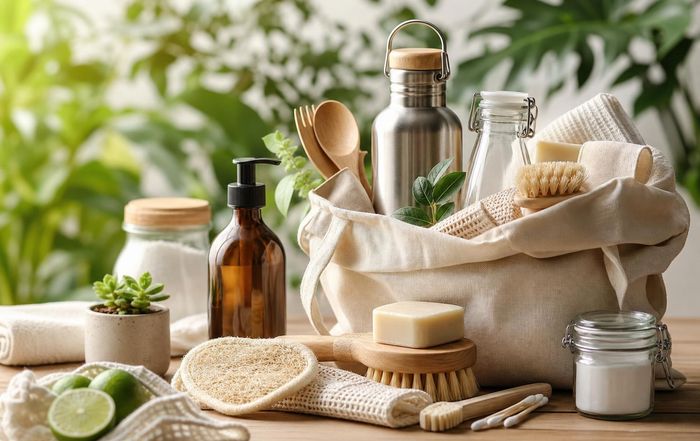
Practical Plastic-Free Choices for Household Essentials
Rethinking Everyday Living: Why Plastic-Free Matters
Around the world, households are quietly rewriting the story of everyday consumption. From kitchen cupboards to bathroom cabinets, a growing number of people are choosing products that avoid single-use plastics, reduce waste, and support healthier ecosystems. The shift is gradual rather than sudden, but its cumulative impact is becoming visible in consumer markets, regulatory frameworks, and local communities. For Eco Natur and its readers, this emerging culture of plastic-free living is not a niche lifestyle trend; it is a practical pathway toward a more resilient, equitable, and regenerative future.
Scientific assessments from organizations such as the United Nations Environment Programme highlight that plastic production has risen dramatically over the past decades, with global output projected to continue growing unless strong measures are taken. Microplastics have been detected from the deepest ocean trenches to the human bloodstream, raising concerns about long-term health implications and the integrity of ecosystems. Readers who explore sustainable living practices increasingly understand that simply "recycling more" is not enough; rethinking materials at the source, especially in household essentials, offers a more effective solution.
In this context, practical plastic-free choices are not about perfection or guilt. They are about realistic steps that can be integrated into busy lives in the United States, Europe, Asia, Africa, South America, and beyond. The experience of households, small businesses, and communities shows that change often begins with a few carefully chosen alternatives, supported by trustworthy information and a clear understanding of trade-offs.
The Foundations of a Plastic-Free Home
Moving toward a plastic-free home begins with awareness of where plastic shows up most: food packaging, cleaning products, personal care, clothing fibers, children's items, and disposable household goods. Research by organizations such as Greenpeace and the Ellen MacArthur Foundation indicates that packaging accounts for a large share of global plastic waste, much of which is difficult to recycle. This insight has inspired a new generation of reusable, refillable, and compostable products designed to fit seamlessly into daily routines.
On eco-natur, articles on sustainability and zero-waste principles emphasize that plastic-free choices work best when they are aligned with three guiding ideas: reduce what is unnecessary, reuse what is durable, and select materials that can safely return to natural or circular systems. Glass, stainless steel, wood from responsibly managed forests, natural fibers, and certified compostable biobased materials can all play a role when chosen thoughtfully and verified through credible standards.
Independent certifications and labels help consumers navigate this landscape. Programs such as Cradle to Cradle Certified and B Corp provide frameworks to assess product safety, circularity, and social responsibility. Reading labels carefully, checking for third-party verification, and consulting trusted resources such as the Environmental Working Group or European Chemicals Agency can help households avoid greenwashing and focus on genuinely safer, lower-impact options.
The Plastic-Free Kitchen: Food, Storage, and Cleaning
The kitchen is often the most plastic-intensive room in any home, but it is also where some of the most straightforward plastic-free swaps can be made. Food packaging, beverage containers, cleaning products, and disposable items like cling film and plastic sponges are common starting points for change.
Many households are now turning to bulk stores and refill shops, where dry goods, oils, and cleaning concentrates can be purchased using personal containers. In cities from Berlin and London to Melbourne and Vancouver, zero-waste grocery stores and refill stations have become more visible, and conventional supermarkets in several countries have started to expand their loose produce and refill offerings. Organizations such as Zero Waste Europe document how such initiatives can reduce plastic waste while supporting local economies and community engagement.
For food storage, glass jars, stainless steel containers, and silicone lids have emerged as popular alternatives to plastic tubs and wraps. Beeswax wraps and plant-based wax wraps, when sourced from reputable producers, provide a reusable, compostable option for covering bowls and wrapping snacks. Households exploring plastic-free strategies often report that these items feel more durable and pleasant to use, and over time can reduce both waste and replacement costs.
Kitchen cleaning products have also undergone a quiet transformation. Concentrated cleaning tablets and powders, designed to be dissolved in reusable glass or metal spray bottles, are replacing single-use plastic bottles in many homes. Several companies, including Blueland and Ecover, have introduced refill or concentrated formats aimed at reducing packaging. Independent testing and reviews from organizations like Consumer Reports and national consumer agencies in Europe and North America generally find that many of these products perform comparably to conventional cleaners when used correctly, though performance can vary by brand and application.
On Eco Natur, resources on recycling remind readers that even in a plastic-conscious kitchen, some packaging may be unavoidable. Understanding local recycling rules, choosing containers that are widely recyclable such as clear glass and certain metal formats, and avoiding complex multi-layer plastics where possible can make a meaningful difference. The kitchen becomes not only a place to prepare meals, but also a practical laboratory for rethinking material flows and resource use.
A Plastic-Free Bathroom: Personal Care and Wellness
Bathrooms are another focal point for plastic-free innovation, especially in personal care and hygiene. Traditional products such as shampoo, conditioner, liquid soap, toothpaste, and disposable razors have long been packaged in single-use plastic, but alternative formats are gaining ground.
Solid shampoo and conditioner bars, often packaged in cardboard or metal tins, have become a mainstream option in many markets, with brands such as Lush helping to popularize the concept. Reports from organizations like Ethical Consumer and Which? indicate that these products can significantly reduce packaging waste and travel weight, though users may need to experiment to find formulations that suit their hair type and local water hardness. Toothpaste tablets and powder, sold in glass jars or refillable containers, offer another way to avoid plastic tubes, and are now available from a growing number of certified natural and organic brands.
Safety and ingredient transparency are crucial in this category. Consumers are increasingly consulting databases such as the EWG Skin Deep database and regulatory guidance from bodies like the U.S. Food and Drug Administration and the European Commission to understand the safety profiles of cosmetic ingredients. For readers of eco-natur, this aligns closely with broader interests in health and environmental wellbeing, where reducing unnecessary exposure to synthetic chemicals and microplastics is part of a holistic approach to personal care.
Reusable alternatives are transforming other bathroom essentials as well. Safety razors made from stainless steel, menstrual cups and washable pads, bamboo or sustainably sourced wooden toothbrushes, and refillable deodorant systems are becoming more widely available in the United States, United Kingdom, Germany, Canada, Australia, and many other regions. Environmental organizations such as Friends of the Earth and health-focused NGOs have documented how these products can reduce waste and, over their lifetimes, often cost less than disposable equivalents, provided they are properly maintained.
Water use and indoor air quality also intersect with plastic-free decisions. Choosing fragrance-free or naturally scented products verified by credible standards, avoiding aerosol sprays where possible, and selecting packaging-free or low-packaging options can reduce indoor pollution and plastic waste simultaneously. For households seeking a more integrated lifestyle approach, the bathroom becomes a space where everyday rituals reflect deeper commitments to sustainability and wellbeing.
Cleaning, Laundry, and the Hidden Problem of Microfibers
Beyond obvious packaging, textiles and cleaning tools are another significant source of plastic in the home. Synthetic fabrics such as polyester, nylon, and acrylic shed microfibers during washing, which can pass through wastewater treatment and enter rivers, lakes, and oceans. Research summarized by organizations like the International Union for Conservation of Nature and Oceana suggests that microfibers from textiles are a major contributor to microplastic pollution globally.
In response, many households and businesses are reevaluating their choices of clothing, linens, and cleaning cloths. Natural fibers such as organic cotton, linen, hemp, and responsibly sourced wool can reduce microfiber shedding, although they come with their own environmental considerations, including water use and land impacts. Independent analyses by groups like the Textile Exchange and Fashion Revolution emphasize the importance of certified organic and fair-trade standards, as well as durability and repairability, rather than relying solely on fiber type.
Laundry products themselves have become a frontier for plastic-free innovation. Laundry strips, powder in cardboard boxes, refillable liquid concentrates, and detergent pods sold in plastic-free packaging are increasingly available in mainstream and online retailers. Several brands have also introduced refillable fabric softener alternatives and stain removers. Independent testing by consumer organizations in Europe and North America generally finds that many of these products can perform well for everyday laundry, though heavily soiled items may still require targeted stain treatments.
Households can further reduce microfiber release by washing synthetic garments in specialized filter bags or using in-drum filters, which capture some of the fibers before they reach wastewater. Municipal and national regulations in regions such as the European Union are beginning to consider requirements for microfiber filters in new washing machines, reflecting a growing recognition of this issue at policy level. For readers exploring a more holistic sustainable lifestyle, these developments highlight the interconnectedness of product design, infrastructure, and individual choices.
Cleaning tools themselves are also evolving. Compostable sponges made from cellulose, brushes with wooden handles and natural bristles, and washable cloths made from organic fibers offer alternatives to plastic-heavy items. When chosen carefully, these tools can be durable, effective, and compatible with home composting or recycling systems at the end of their life, reducing the burden on landfills and incinerators.
Food, Organic Choices, and Packaging: Eating Without Plastic
Food is at the heart of daily life, and it is also one of the most challenging areas in which to eliminate plastic entirely. Nonetheless, significant progress is being made through a combination of consumer demand, policy changes, and innovation in packaging and logistics.
Organic and local food systems are playing an important role in this transition. Farmers' markets, community-supported agriculture schemes, and direct farm-to-consumer models in regions such as North America, Europe, and Asia often rely less on intensive plastic packaging, especially when customers bring their own bags and containers. Organizations like the Food and Agriculture Organization of the United Nations and IFOAM - Organics International have documented how organic and agroecological practices can support biodiversity, soil health, and reduced chemical inputs, aligning closely with the values of Eco Natur readers who explore organic food and sustainable agriculture.
Supermarkets and food brands are also beginning to respond. Some large retailers in the United Kingdom, Germany, and other European countries have committed to reducing plastic packaging, expanding loose produce sections, and piloting reusable packaging schemes. Initiatives such as the Loop platform, developed by TerraCycle, have experimented with refillable and returnable containers for branded products in several markets, illustrating how circular models can work at scale, even if these pilots are still evolving and not yet universally adopted.
At the same time, it is important to recognize that plastic sometimes plays a role in food safety and waste reduction, especially for perishable items transported over long distances. Studies by the World Resources Institute and other research organizations highlight that food waste has a substantial climate impact. This creates a complex balance: reducing plastic while maintaining food safety and minimizing waste. In many cases, shorter supply chains, better storage, and seasonal eating can help households reduce reliance on plastic packaging without increasing food losses.
For home storage and leftovers, glass, stainless steel, and high-quality silicone containers, as well as wax wraps and cloth covers, are increasingly common. On eco-natur, guidance on zero-waste habits encourages readers to view their kitchen as part of a broader food system, where choices about packaging, origin, and diet can support healthier ecosystems, from soil microorganisms to pollinators and larger wildlife.
Wildlife, Ecosystems, and the Global Dimension of Plastic-Free Choices
Plastic pollution is not only a household concern; it is a global ecological challenge that affects wildlife and entire ecosystems. Reports from organizations such as WWF, BirdLife International, and the International Union for Conservation of Nature describe how seabirds, marine mammals, turtles, and terrestrial animals can ingest or become entangled in plastic debris, leading to injury and death. Microplastics have been found in Arctic ice, alpine soils, and remote islands, illustrating the far-reaching nature of this issue.
For readers of Eco Natur who care deeply about wildlife and biodiversity, plastic-free living is closely linked to the protection of habitats and species. Reducing plastic at the source helps decrease the flow of waste into rivers and oceans, while supporting conservation efforts that focus on ecosystem restoration and species recovery. International agreements such as the emerging global treaty on plastic pollution, negotiated under the auspices of the United Nations, reflect a growing recognition that coordinated action is needed across production, consumption, and waste management.
Community initiatives are playing a vital role in this transition. Beach clean-ups, river restoration projects, and citizen science programs in countries as diverse as South Africa, Brazil, Japan, and Norway engage volunteers in monitoring and reducing plastic pollution. Organizations such as The Ocean Cleanup and Surfrider Foundation work with local communities and authorities to remove existing debris and advocate for upstream solutions, while educational campaigns help shift norms around single-use items.
On eco-natur, content on biodiversity and global environmental challenges emphasizes that individual actions are most powerful when they are connected to collective efforts. Choosing a reusable bottle, supporting a refill shop, or writing to local representatives about waste policy may seem small on its own, but when multiplied across millions of households, these choices can influence markets, regulations, and cultural expectations in ways that benefit wildlife and human communities alike.
Sustainable Business, the Economy, and the Future of Plastic-Free Innovation
Plastic-free choices are reshaping not only households but also business models and economic structures. Entrepreneurs, established companies, and investors are recognizing that sustainable materials and circular design can open new markets, reduce regulatory and reputational risks, and create long-term value. For Eco Natur, whose readers follow sustainable business trends and the evolving green economy, this intersection of ecology and enterprise is particularly relevant.
Many companies across Europe, North America, and Asia are committing to reduce virgin plastic use, increase recycled content, and design products for reuse and repair. Global initiatives such as the Ellen MacArthur Foundation's New Plastics Economy bring together businesses, governments, and NGOs to develop practical roadmaps for packaging and product redesign. At the same time, extended producer responsibility regulations in regions like the European Union and parts of Canada are shifting the financial burden of waste management from taxpayers to producers, encouraging more sustainable design and packaging choices.
In parallel, a vibrant ecosystem of start-ups is focusing on plastic-free household essentials: refill stations, subscription services for cleaning and personal care refills, compostable packaging innovations, and digital platforms that connect consumers with local zero-waste shops. Impact investment funds and public green finance instruments are beginning to support these ventures, recognizing their contribution to climate goals, resource efficiency, and job creation.
Economic analyses by organizations such as the OECD and International Resource Panel suggest that resource-efficient, low-waste economies can generate significant social and economic benefits, including reduced pollution, improved public health, and enhanced resilience to supply chain disruptions. For households, this can translate into more durable products, lower long-term costs, and greater autonomy in meeting daily needs.
On eco-natur, the narrative of plastic-free living is therefore not limited to individual consumer choices; it extends to the design of cities, infrastructure, and markets. As more municipalities introduce deposit-return schemes, ban certain single-use plastics, and invest in high-quality recycling and composting systems, households find it easier to align their values with their shopping and lifestyle patterns. The plastic-free movement becomes a shared project that integrates policy, innovation, and everyday practice.
Integrating Plastic-Free Choices into a Sustainable Lifestyle
Adopting plastic-free alternatives for household essentials is most successful when it is embedded in a broader vision of sustainable living. Rather than focusing on isolated products, households that thrive in this transition tend to cultivate habits and mindsets that support long-term change: planning ahead, repairing instead of replacing, sharing resources with neighbors, and engaging with local initiatives.
For readers who explore sustainable living guides on Eco Natur, this integration often begins with a simple audit of daily routines. Identifying the most frequent sources of plastic waste-such as bottled water, takeaway containers, cleaning supplies, or personal care items-provides a realistic starting point. From there, experimenting with one or two alternatives at a time allows for gradual adaptation, feedback, and learning. Some swaps will work immediately; others may require adjustment or alternative brands to match performance and comfort.
Education and storytelling play a crucial role in sustaining motivation. Learning about the science of materials through reputable sources such as the Royal Society of Chemistry or the American Chemical Society, following case studies from cities that have reduced plastic waste, and sharing experiences with friends and family can transform what might feel like a personal sacrifice into a collective exploration. For many, the process becomes a source of creativity, connection, and even joy, as new rituals and aesthetics emerge around simple, durable, and beautiful objects.
As the world moves further into the second half of this decade, the convergence of climate action, biodiversity protection, and resource efficiency is reshaping expectations of what a "normal" household looks like. Plastic-free choices, once considered radical, are becoming increasingly accessible and desirable. For eco-natur and its community of readers across continents, this shift is both a practical opportunity and a profound invitation: to align everyday life with the values of care, responsibility, and respect for the living world.
In kitchens, bathrooms, laundry rooms, and beyond, every thoughtfully chosen bar of soap, refillable bottle, or reusable container is part of a larger story. It is the story of households discovering their power to influence markets, protect wildlife, and support a more just and resilient global economy. By embracing practical plastic-free choices for household essentials, individuals and families are not only reducing waste; they are helping to design a future in which human wellbeing and ecological health reinforce each other, day after day, choice by choice.
