
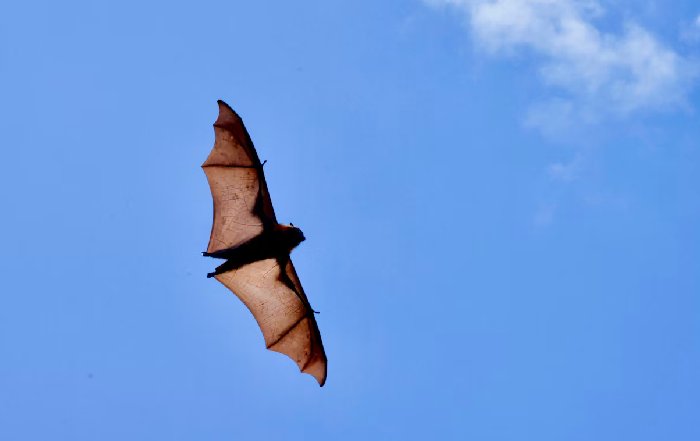
Bat Conservation and Ecosystem Health: A Strategic Priority for a Sustainable Global Economy
Bat Conservation as a Core Pillar of Sustainability
The conversation about sustainability in boardrooms, government ministries and investment committees has moved far beyond carbon accounting and energy efficiency. A more holistic understanding of planetary health now recognizes that intact ecosystems and robust biodiversity are not just ethical aspirations but core assets underpinning economic stability, public health and long-term business resilience. Within this broader shift, bat conservation has emerged as a surprisingly central, though still underappreciated, priority. For eco-natur.com, which has long focused on the interdependence between sustainable living, regenerative economies and ecological integrity, bats represent an emblematic case of how a single group of species can influence food systems, climate trajectories and human well-being across continents.
Bats are the second most diverse order of mammals on Earth, with more than 1,400 species documented worldwide, and they occupy ecological niches on every continent except Antarctica. According to the International Union for Conservation of Nature, a significant proportion of these species is threatened by habitat loss, climate change, disease and persecution. Yet, despite their vulnerability, bats provide ecosystem services that are essential to agriculture, forestry, public health and climate regulation. For a global audience spanning North America, Europe, Asia, Africa and South America, understanding the economic and ecological stakes of bat conservation is increasingly critical, particularly as governments and businesses align with frameworks such as the Convention on Biological Diversity and the Kunming-Montreal Global Biodiversity Framework.
The Ecological Roles of Bats in a Changing Climate
Bats influence ecosystem health through three primary functions: insect control, pollination and seed dispersal. Each of these roles has direct implications for food security, forest resilience and climate adaptation, especially in regions that are already experiencing climate-driven disruptions to agriculture and biodiversity.
Insectivorous bats consume vast quantities of night-flying insects, including many agricultural pests. Research synthesized by Bat Conservation International indicates that in the United States alone, bats save the farming sector billions of dollars annually in avoided crop damage and reduced pesticide use. Similar dynamics apply to rice production in Southeast Asia, maize and cotton in Africa, and fruit and nut crops in Europe and Australia. As rising temperatures extend pest breeding seasons and shift insect ranges, the natural pest control services provided by bats act as a stabilizing force, helping farmers in countries from the United Kingdom and Germany to Brazil and South Africa maintain yields without escalating chemical inputs that undermine sustainable agriculture and organic food systems.
In tropical and subtropical regions, fruit-eating and nectar-feeding bats are key pollinators and seed dispersers for hundreds of plant species, including economically important crops such as bananas, agave, durian and certain varieties of mango. The Food and Agriculture Organization of the United Nations has repeatedly underscored that pollinators are indispensable to global food security and that their decline threatens both smallholder livelihoods and international trade. Bats play a particularly vital role in forest regeneration after disturbance events such as logging, storms and fires, transporting seeds over long distances and into open or degraded landscapes. This natural reforestation function supports carbon sequestration and helps countries meet their climate commitments under the Paris Agreement, while also reinforcing the ecological foundations of sustainability that are central to eco-natur.com's mission.
Bats, Public Health and the Misunderstanding of Risk
The COVID-19 pandemic and heightened awareness of zoonotic disease have placed bats under intense public scrutiny, often framed through a lens of fear rather than scientific evidence. While certain bat species can host viruses of concern, leading public health institutions such as the World Health Organization and the U.S. Centers for Disease Control and Prevention have emphasized that the risk of disease emergence is driven far more by human activities-such as deforestation, wildlife trade, agricultural expansion and poorly managed urbanization-than by the mere presence of bats in ecosystems. Blaming bats or advocating their eradication ignores their essential ecological services and, paradoxically, can increase disease risk by disrupting natural population structures and driving animals into closer contact with people.
For businesses and policymakers designing risk management strategies, a more nuanced approach is required. Strengthening habitat protection, regulating wildlife trade and advancing science-based wildlife conservation are far more effective routes to minimizing zoonotic spillover than reactive culling. The World Organisation for Animal Health and leading academic institutions have highlighted that ecosystem degradation is a primary driver of emerging infectious diseases. In this context, conserving bat populations and their habitats becomes a public health strategy aligned with the broader goals of planetary health and sustainable development, reinforcing the principles that guide eco-natur.com's coverage of integrated environmental and health outcomes.
Economic Value of Bats for Agriculture and Global Markets
When framed through an economic lens, the contribution of bats to global value chains becomes more tangible for decision-makers in finance, agribusiness and policy. Studies referenced by the United States Geological Survey estimate that the pest control services provided by bats in North America alone are worth several billion dollars annually, a figure that does not yet fully account for reduced pesticide exposure, lower water contamination and improved soil health. In Europe, where the European Environment Agency tracks biodiversity indicators related to the EU Green Deal and the Farm to Fork Strategy, bat populations are increasingly used as a proxy for ecosystem health in agricultural landscapes, with direct implications for subsidy regimes and regulatory compliance.
In emerging markets across Asia, Africa and South America, the economic stakes are equally significant. Smallholder farmers in countries such as Thailand, Brazil and South Africa often lack access to expensive chemical pest controls, making them particularly reliant on natural ecosystem services. As climate volatility intensifies, the resilience provided by healthy bat populations can reduce crop losses, stabilize incomes and support local food security. For investors and corporate leaders exploring sustainable business models, integrating biodiversity risk-including bat population decline-into enterprise risk management and ESG reporting is becoming a hallmark of advanced practice, aligned with guidance from the Taskforce on Nature-related Financial Disclosures and other global initiatives focused on nature-positive economies.
Urbanization, Light Pollution and Habitat Fragmentation
Rapid urbanization across North America, Europe and Asia has transformed landscapes in ways that profoundly affect bats. Loss of roosting sites in old buildings, trees and caves, combined with fragmentation of natural habitats, reduces the availability of safe foraging areas and migration corridors. In cities from New York to London, Berlin, Singapore and Seoul, artificial light at night further disrupts bat behavior, altering feeding patterns and increasing vulnerability to predators. Research summarized by the Royal Society and other scientific bodies shows that light pollution can lead to localized declines in bat populations, with cascading effects on insect populations and urban biodiversity.
For planners, architects and developers, this presents both a challenge and an opportunity. Incorporating bat-friendly design into buildings and infrastructure-such as preserving mature trees, installing bat boxes, limiting upward-directed lighting and adopting warm-spectrum LEDs-contributes to more resilient urban ecosystems. These measures align with the principles of sustainable design and development that eco-natur.com promotes, demonstrating how cities can grow while maintaining connectivity for wildlife. In Europe, many municipalities now integrate bat surveys into environmental impact assessments, and in countries like the United Kingdom and Germany, bats receive strong legal protection, requiring developers to adopt mitigation measures that can serve as models for other regions.
Plastic Pollution, Pesticides and Chemical Stressors
Beyond habitat loss, bats are increasingly affected by the same pollution pressures that threaten marine and terrestrial species worldwide. Microplastics and plastic debris, pervasive in both rural and urban environments, can accumulate in insect prey, leading to ingestion by insectivorous bats. Although research in this area is still emerging, early findings reported by organizations such as the United Nations Environment Programme suggest that plastic pollution may pose a growing, if under-recognized, risk to bat health. This connection reinforces the importance of reducing reliance on single-use plastics and advancing plastic-free lifestyles and product systems that eco-natur.com consistently highlights.
Pesticide exposure is a more immediate and well-documented threat. Bats that feed on contaminated insects can accumulate toxic substances, leading to reproductive problems, immune suppression and mortality. The European Food Safety Authority and similar agencies in North America and Asia are increasingly factoring non-target species, including bats, into pesticide risk assessments. For agricultural producers seeking to maintain access to high-value export markets with stringent environmental standards, adopting integrated pest management and organic practices is not only a sustainability imperative but also a commercial strategy. By reducing chemical inputs, farmers support bat populations, which in turn provide natural pest control, creating a virtuous cycle that aligns with eco-natur.com's advocacy for organic food systems and sustainable living.
Bats, Forests and the Climate-Biodiversity Nexus
The role of bats in forest dynamics connects directly to climate policy and the emerging recognition that biodiversity and climate are inseparable challenges. Fruit bats and nectar-feeding species in tropical forests of Brazil, Malaysia, Indonesia and parts of Africa are key agents of seed dispersal and pollination for tree species that form the backbone of carbon-rich ecosystems. The World Resources Institute has documented how intact forests function as critical carbon sinks, buffering global temperature rise and protecting water cycles. Without the ecological work of bats and other wildlife, natural regeneration slows, forest composition shifts and long-term carbon storage can be compromised.
For countries pursuing large-scale restoration commitments under initiatives such as the Bonn Challenge, ensuring the recovery of bat populations is a strategic consideration, not a marginal detail. Conservation measures that protect roosting sites, maintain landscape connectivity and reduce hunting pressure can significantly enhance the success of reforestation projects. From a business perspective, companies engaged in nature-based climate solutions, carbon markets and regenerative agriculture increasingly recognize that credible climate claims require attention to functional biodiversity, including key species like bats. This integrated perspective is central to eco-natur.com's coverage of renewable energy and low-carbon transitions, emphasizing that climate and biodiversity strategies must be developed in tandem rather than in isolation.
Regional Perspectives: Global Challenges, Local Realities
While the ecological principles governing bat conservation are universal, regional contexts shape priorities and solutions. In North America, white-nose syndrome, a fungal disease that has devastated bat populations, remains a critical focus for agencies like the U.S. Fish and Wildlife Service and research institutions across Canada and the United States. In Europe, legal protections and habitat restoration efforts, monitored by the European Commission, have led to signs of recovery for some species, yet pressures from intensive agriculture and infrastructure expansion persist.
In Asia, rapid economic growth in countries such as China, Thailand, Malaysia, South Korea and Japan has increased land-use pressures, yet it has also created opportunities for innovation in green infrastructure, urban biodiversity planning and corporate sustainability leadership. The Asian Development Bank has begun to integrate biodiversity considerations, including ecosystem services, into its financing frameworks, opening pathways for nature-positive investments that could benefit bat habitats. In Africa and South America, where biodiversity richness is exceptionally high, bat conservation intersects with community livelihoods, cultural values and the need for inclusive development models that respect local knowledge and rights.
For eco-natur.com, which speaks to a global readership while remaining attentive to regional contexts, these differences underscore the importance of tailored strategies that respect local ecological, cultural and economic realities. Yet across all regions, the underlying message is consistent: healthy bat populations are indicators of broader biodiversity integrity and ecosystem resilience, which in turn support stable economies and societies.
Integrating Bat Conservation into Sustainable Business Strategy
For corporate leaders, investors and entrepreneurs, bat conservation may initially seem distant from core business operations. However, as nature-related risks gain visibility in global finance and regulation, integrating bat and broader biodiversity considerations into strategy becomes a marker of sophisticated environmental governance. Companies in sectors such as agriculture, forestry, real estate, tourism, infrastructure and consumer goods all have direct or indirect impacts on bat habitats and populations. Aligning operations with best practices in habitat protection, pollution reduction and responsible sourcing is increasingly seen as part of a credible sustainable business strategy.
Guidance from organizations such as the World Business Council for Sustainable Development and the Natural Capital Coalition encourages businesses to assess their dependencies and impacts on nature, quantify associated risks and opportunities, and integrate these into decision-making. For example, an agricultural company operating in Brazil or South Africa might evaluate how bat-mediated pest control contributes to yield stability and reduced input costs, then invest in landscape management practices that secure roosting sites and foraging habitats. A property developer in the United Kingdom or Germany might incorporate bat-friendly features into design specifications, aligning with local regulations and enhancing the ecological value of projects. These actions not only reduce risk but also strengthen brand reputation and investor confidence in an era when stakeholders increasingly scrutinize biodiversity performance.
Consumer Behavior, Education and Everyday Choices
While policy frameworks and corporate strategies are essential, individual behavior and consumer choices also influence the trajectory of bat conservation and ecosystem health. Demand for products linked to deforestation, high pesticide use or poorly regulated supply chains exerts pressure on habitats worldwide, from Southeast Asian forests to Latin American agricultural frontiers. Conversely, growing interest in sustainable living and responsible consumption can drive market shifts toward products and services that support biodiversity.
Educational initiatives by organizations such as The Nature Conservancy and national wildlife agencies across the United States, Canada, the United Kingdom and Australia have demonstrated that public engagement with bats can transform perceptions from fear to appreciation. Citizen science projects, bat walks, school programs and urban habitat restoration efforts all contribute to a culture in which bats are recognized as allies in maintaining healthy ecosystems. For eco-natur.com, making bat conservation a recurring theme within broader discussions of recycling and waste reduction, zero-waste lifestyles and global sustainability trends helps readers see how everyday decisions-from food choices to energy use and travel-connect to the well-being of nocturnal wildlife.
Toward a Nature-Positive Future: Bats as Indicators of Systemic Health
As the global community moves deeper into the decisive decade for climate and biodiversity, bats offer a powerful lens through which to evaluate progress toward a truly sustainable economy. Their sensitivity to habitat quality, pollution, climate shifts and human disturbance makes them effective bioindicators of ecosystem health. When bat populations are stable or recovering, it is often a sign that landscapes are being managed in ways that balance economic activity with ecological integrity. When bats decline, it is frequently an early warning that systems essential to agriculture, water security and public health are under strain.
For businesses, policymakers and citizens in the United States, United Kingdom, Germany, Canada, Australia, France, Italy, Spain, the Netherlands, Switzerland, China, Sweden, Norway, Singapore, Denmark, South Korea, Japan, Thailand, Finland, South Africa, Brazil, Malaysia, New Zealand and beyond, recognizing the strategic importance of bat conservation is no longer optional. It is integral to building resilient supply chains, safeguarding public health and ensuring that economic growth does not come at the expense of the natural systems on which all prosperity depends. By embedding bat conservation into the wider narrative of sustainability and economic transformation, eco-natur.com continues to emphasize that the path to a thriving, low-impact future is inseparable from the protection of the planet's most overlooked allies.
In this sense, bat conservation is not a niche concern for specialists; it is a test of collective commitment to a holistic model of development that values ecosystem services, respects planetary boundaries and integrates Experience, Expertise, Authoritativeness and Trustworthiness into every decision. As governments refine biodiversity policies, as companies deepen their nature-related disclosures and as individuals adopt more conscious lifestyles, the fate of bats will serve as a visible measure of whether humanity is truly shifting toward a nature-positive, climate-resilient and equitable global society-an objective at the heart of the editorial vision that guides eco-natur.com today.
