
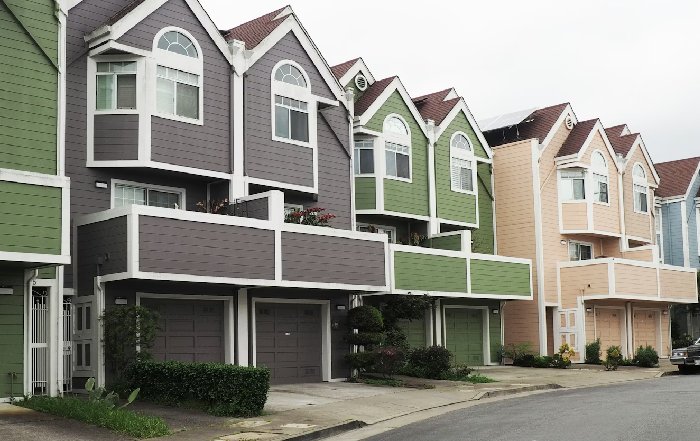
Achieving Sustainability in the American Suburb
Rethinking the Suburban Dream
Now the American suburb stands at a pivotal crossroads, caught between its historical identity as a car-centric, resource-intensive landscape and a rapidly intensifying global imperative to decarbonize, conserve resources, and restore ecosystems. For decades, suburban neighborhoods in the United States and similar residential patterns in countries such as the United Kingdom, Canada, Australia, Germany, and across Europe and Asia have been built around low-density housing, private vehicles, and extensive land consumption, a model that has delivered comfort and space for many families but has also contributed significantly to greenhouse gas emissions, habitat loss, and unsustainable consumption patterns. As climate science becomes ever more precise and the economic costs of inaction more visible, the question is no longer whether suburbs can change, but how quickly they can transform into engines of sustainable living that align with the values and expectations of a new generation of residents, policymakers, and business leaders.
Within this context, eco-natur.com has positioned itself as a guide and partner for households, communities, and organizations seeking to understand and implement practical, evidence-based strategies for sustainable living. By connecting global best practices with local realities, and by focusing on topics such as sustainable living, sustainability, recycling, organic food, and sustainable business, the platform addresses the specific challenges and opportunities of suburbs in the United States and beyond, from Europe and Asia to Africa, South America, and Oceania. This article explores how the American suburb can evolve into a model of sustainability, grounded in experience, expertise, authoritativeness, and trustworthiness, and offers a forward-looking vision that is relevant not only for the United States but for suburban communities worldwide.
Understanding the Sustainability Challenge in Suburbs
Suburbs have long been associated with higher per-capita energy use and emissions compared with dense urban centers, largely due to transportation patterns, larger homes requiring more heating and cooling, and the prevalence of single-use zoning that separates residential, commercial, and industrial activities. Research from organizations such as the Intergovernmental Panel on Climate Change (IPCC) demonstrates that land use and transportation are critical determinants of a region's carbon footprint, and suburban sprawl has historically exacerbated both vehicle miles traveled and infrastructure demands. Readers can explore the broader climate science context through resources such as the IPCC climate reports, which detail the link between built environments and global warming.
At the same time, suburbs present unique assets that can be leveraged for sustainability. Larger roof areas are ideal for solar installations, gardens, and rainwater harvesting; neighborhood cohesion can support community initiatives; and local governments can experiment with zoning reforms and incentives that might be more complex in dense metropolitan cores. International agencies such as the United Nations Environment Programme (UNEP) and the Organisation for Economic Co-operation and Development (OECD) have increasingly highlighted the role of local and regional planning in achieving the Sustainable Development Goals, encouraging communities to learn more about sustainable urban and suburban development. In this evolving policy landscape, suburban residents in the United States, Canada, the United Kingdom, Germany, France, and other countries are beginning to recognize that their everyday choices, from commuting patterns to food purchases, collectively shape the sustainability trajectory of their neighborhoods.
Sustainable Living as a Suburban Strategy
Achieving sustainability in the American suburb starts with embedding sustainable living into the daily habits of households, moving beyond abstract commitments toward measurable behavioral change. Suburban families have significant influence over energy use, water consumption, waste generation, and purchasing decisions, and these micro-level actions aggregate into macro-level environmental and economic outcomes. By adopting principles outlined on eco-natur.com's dedicated page on sustainable living, residents can systematically reduce their ecological footprint while enhancing their quality of life.
A core component of this shift involves understanding the broader framework of sustainability, which integrates environmental stewardship, social equity, and economic resilience. Leading institutions such as The World Bank and the World Resources Institute have documented how sustainable practices at household and community levels can drive long-term economic benefits, from lower utility costs to increased property values and healthier populations. Interested readers can explore how sustainability intersects with development and poverty reduction through resources such as The World Bank's climate and sustainability portal. In suburbs from California to New York, and from Texas to Washington State, residents are increasingly applying these principles by investing in home energy retrofits, choosing efficient appliances, and supporting local circular economies that keep materials in use for longer.
Designing Suburbs for Lower-Carbon Mobility
Transportation remains one of the most significant challenges for suburban sustainability, particularly in car-dependent regions across North America, Australia, and parts of Europe and Asia. Long commutes, limited public transit, and fragmented cycling and walking infrastructure have locked many communities into high emissions and congestion. However, emerging evidence from organizations such as the International Energy Agency (IEA) shows that substantial emissions reductions are possible when suburban transport systems are redesigned to prioritize public transit, active mobility, and electrification. Readers can learn more about sustainable transport transitions and how they apply to suburban contexts.
Forward-thinking municipalities and regional authorities are experimenting with mixed-use zoning, transit-oriented development, and safe cycling networks to reduce car dependency, while residents are increasingly turning to electric vehicles, car-sharing platforms, and remote work arrangements that reduce the need for daily commuting. For suburban planners and homeowners alike, the design lens is becoming central, and resources such as eco-natur.com's focus on design and sustainability provide practical insights into how street layouts, housing forms, and community facilities can collectively lower emissions. In the United States, agencies like the U.S. Department of Transportation offer guidance and funding for local governments seeking to expand sustainable transport options, and similar programs exist in the European Union, Canada, and Asia, signaling a broad shift in how mobility is understood in relation to climate goals.
Energy, Homes, and the Rise of Renewable Power
Suburban homes are often energy-intensive, but they are also prime candidates for deep decarbonization through efficiency upgrades and renewable energy integration. The rapid decline in the cost of solar photovoltaics, home batteries, and heat pumps, combined with innovative financing models, has made it increasingly feasible for suburban households to become prosumers, generating and managing their own clean energy. Organizations such as the National Renewable Energy Laboratory (NREL) in the United States and the International Renewable Energy Agency (IRENA) provide extensive data on how distributed renewable energy can transform residential sectors, and readers can explore the global outlook for renewable energy systems to understand these trends in context.
For suburbs, the opportunity lies not only in individual rooftop installations but also in community solar projects, microgrids, and neighborhood-scale energy planning that increase resilience to climate-related disruptions. On eco-natur.com, the dedicated section on renewable energy outlines how households and local businesses can evaluate technologies, engage with reputable installers, and navigate regulatory frameworks. As electric utilities modernize grids and regulators in the United States, Europe, and Asia promote net-metering and time-of-use pricing, suburban communities are positioned to lead in demonstrating how low-carbon, resilient energy systems can be embedded into everyday life, reducing both emissions and long-term operating costs.
Plastic-Free and Zero-Waste Pathways for Suburban Households
Plastic pollution is a visible and persistent challenge in many suburban environments, from overflowing recycling bins to plastic debris in local parks and waterways. The global scale of the problem has been documented by organizations such as The Ocean Cleanup and Greenpeace, which highlight the ecological and health impacts of plastic waste and microplastics in oceans and food chains. Residents seeking to learn more about the global plastic crisis can see how local consumption patterns connect to planetary challenges. In response, a growing number of suburban households and businesses are exploring plastic-free lifestyles and zero-waste strategies that prioritize reduction, reuse, and responsible product design.
Through its focus on plastic-free living and zero-waste strategies, eco-natur.com offers practical guidance on how to transition away from single-use plastics, select durable and refillable products, and support retailers and service providers that align with these values. Complementing these efforts, robust recycling systems remain essential, even as experts emphasize that recycling alone cannot solve the plastic problem without upstream reduction. Institutions such as the U.S. Environmental Protection Agency (EPA) and the European Environment Agency (EEA) provide data and best practices on waste management, and readers can explore advanced recycling and circular economy approaches that can be adapted for suburban communities in the United States, Europe, and beyond. Together, plastic-free choices and zero-waste thinking encourage a cultural shift in suburbs toward valuing materials and minimizing waste at every stage of consumption.
Protecting Wildlife and Biodiversity in Suburban Landscapes
Contrary to the perception that wildlife conservation is primarily a rural or wilderness issue, suburban areas play a critical role in supporting or undermining biodiversity, as they often occupy former habitats and sit adjacent to remaining natural areas. Fragmented green spaces, pesticide use, and invasive species can significantly reduce biodiversity, while thoughtfully managed yards, parks, and corridors can help restore ecological functions and provide refuge for pollinators, birds, and small mammals. Organizations such as the National Wildlife Federation and Audubon Society have long emphasized the importance of backyard and neighborhood habitats, offering practical resources for residents who wish to create wildlife-friendly gardens and landscapes.
On eco-natur.com, the dedicated section on wildlife and the broader focus on biodiversity translate global conservation science into accessible strategies for suburban homeowners and community associations. These include planting native species, reducing lawn monocultures, managing stormwater through rain gardens and permeable surfaces, and minimizing chemical inputs that harm soil organisms and pollinators. International bodies such as the Convention on Biological Diversity (CBD) provide a high-level framework for biodiversity protection, and readers can learn more about global biodiversity goals to understand how local suburban actions contribute to international commitments. In suburban regions across North America, Europe, and Asia, such efforts are increasingly recognized not only for their ecological benefits but also for their positive impact on mental health, community cohesion, and property values.
Organic Food, Local Economies, and Healthier Lifestyles
Food systems sit at the intersection of environmental sustainability, human health, and local economic development, and suburbs are uniquely positioned to play a bridging role between urban markets and surrounding agricultural regions. The rise of farmers' markets, community-supported agriculture (CSA), and regenerative farming practices has created new opportunities for suburban residents to access organic and sustainably produced foods while supporting local producers. Research from organizations such as the Food and Agriculture Organization of the United Nations (FAO) underscores the environmental advantages of agroecology and organic farming, and readers can learn more about sustainable food systems and nutrition to contextualize their purchasing choices.
Through its focus on organic food, health, and lifestyle, eco-natur.com highlights the multiple co-benefits of aligning food choices with environmental values, from reduced pesticide exposure and improved soil health to enhanced community resilience and cultural connection. Health authorities such as the World Health Organization (WHO) and national public health agencies in the United States, United Kingdom, Canada, and other countries have increasingly recognized the role of diet in preventing chronic diseases and promoting well-being, reinforcing the case for suburban communities to support fresh, minimally processed, and locally sourced foods. By integrating food gardens, edible landscapes, and local supply chains into suburban planning, communities can reduce food miles, strengthen local economies, and foster a culture of sustainability that extends from the kitchen table to regional markets.
Sustainable Business and the Suburban Economy
Suburbs are not solely residential; they also host a wide array of small and medium-sized enterprises, service providers, and increasingly, remote workers and digital entrepreneurs. As global supply chains are re-evaluated in light of climate risk, regulatory changes, and shifting consumer expectations, suburban business ecosystems face both pressure and opportunity to adopt more sustainable practices. Organizations such as the World Business Council for Sustainable Development (WBCSD) and CDP have documented how corporate sustainability strategies, including emissions reduction, resource efficiency, and responsible sourcing, can drive competitive advantage and risk mitigation, and business leaders can learn more about integrating sustainability into corporate strategy.
For suburban enterprises, from local retailers and restaurants to professional services and light manufacturing, eco-natur.com's focus on sustainable business and economy provides a framework for aligning operations with environmental and social goals. This includes measuring and disclosing environmental impacts, adopting circular economy principles, engaging employees in sustainability initiatives, and collaborating with municipal authorities and community organizations to support broader climate and resilience objectives. Economic research from institutions such as the International Monetary Fund (IMF) and McKinsey & Company has highlighted that economies which invest in green infrastructure, clean technologies, and workforce upskilling are better positioned for long-term growth, and readers can explore analysis on the green economy transition to understand how these macro-trends influence suburban regions. As more companies formalize net-zero and nature-positive commitments, suburban business parks and commercial districts will increasingly become testbeds for innovative, low-carbon, and socially responsible business models.
Governance, Policy, and Community Engagement
Achieving sustainability in the American suburb is not solely a matter of individual action or corporate strategy; it requires coordinated governance, robust policy frameworks, and active community engagement. Local governments play a pivotal role in zoning, building codes, waste management, transportation planning, and green space protection, and their decisions can either accelerate or hinder the transition to sustainable suburbs. In the United States, federal and state initiatives, including clean energy incentives, infrastructure funding, and climate resilience programs, provide critical support for local efforts, while similar multi-level governance structures operate across Europe, Asia, and other regions. Policy resources from organizations such as C40 Cities and ICLEI - Local Governments for Sustainability offer case studies and tools that can help suburban municipalities learn more about implementing climate action plans.
For residents, engagement in local decision-making processes, from planning hearings to school board meetings, is essential to ensure that sustainability objectives are integrated into community priorities and that policies reflect diverse perspectives and needs. Platforms like eco-natur.com, with its global orientation and emphasis on global sustainability perspectives, can help bridge the information gap, translating international best practices into actionable insights for local stakeholders. As neighborhoods in the United States, Canada, Europe, and beyond experiment with participatory budgeting, climate assemblies, and neighborhood-scale resilience planning, the importance of transparent information, trusted expertise, and inclusive dialogue becomes ever more apparent.
A Global Perspective on Suburban Sustainability
While this article focuses on the American suburb, the dynamics it describes resonate across many countries and regions where suburbanization has shaped landscapes and lifestyles, including the United Kingdom, Germany, France, Italy, Spain, the Netherlands, Switzerland, Sweden, Norway, Denmark, Finland, Canada, Australia, New Zealand, Japan, South Korea, Singapore, Thailand, China, South Africa, Brazil, Malaysia, and other parts of Asia, Africa, South America, and North America. Each context has its own regulatory, cultural, and economic nuances, yet the underlying challenges of car dependency, resource consumption, and habitat fragmentation are widely shared, as are the opportunities for renewable energy, circular economies, and nature-positive design. Global networks such as the United Nations Human Settlements Programme (UN-Habitat) offer comparative insights into how different regions are reimagining suburban and peri-urban areas, and readers can explore international approaches to sustainable human settlements to see how lessons might be adapted to their own communities.
For eco-natur.com, this global perspective is central to its mission, as the platform connects readers from diverse countries and regions who share an interest in sustainable living, plastic-free lifestyles, recycling, wildlife protection, sustainable business, and resilient economies. By curating knowledge that is both globally informed and locally relevant, and by emphasizing experience, expertise, authoritativeness, and trustworthiness, the site aims to support a worldwide community of suburban and urban residents who recognize that sustainability is not a niche concern but a defining feature of modern life and responsible citizenship.
The Road Ahead: From Incremental Change to Systemic Transformation
The transformation of the American suburb into a model of sustainability is underway but far from complete. Early adopters have demonstrated that it is possible to live in low-carbon homes powered by renewable energy, move primarily by public transit and active modes, minimize waste, support organic and local food systems, protect wildlife, and build businesses that align profit with purpose. Yet scaling these practices from pioneering neighborhoods to entire metropolitan regions requires sustained investment, policy alignment, technological innovation, and cultural change. It also demands platforms and communities that can provide trustworthy information, share real-world experience, and inspire confidence that change is both feasible and beneficial.
In this evolving landscape, eco-natur.com serves as a practical and strategic resource for individuals, families, businesses, and policymakers who wish to align their choices with the principles of sustainability, whether they are exploring sustainable living practices, deepening their understanding of sustainability, transitioning toward plastic-free and zero-waste lifestyles, improving recycling, protecting wildlife, or rethinking the economy through a sustainable lens. By continuing to integrate insights from leading global institutions, scientific research, and on-the-ground practice, and by maintaining a clear focus on experience, expertise, authoritativeness, and trustworthiness, the platform supports the journey from incremental improvements to systemic transformation.
Ultimately, achieving sustainability in the American suburb is not a single project or policy but an ongoing process of redesigning how people live, move, consume, and coexist with nature. It is a collective endeavor that spans households, businesses, communities, and governments, connecting local actions with global goals. As residents from the United States to Europe, Asia, Africa, and South America reconsider what the suburban dream should look like in the twenty-first century, the emerging vision is one of neighborhoods that are not only comfortable and prosperous but also low-carbon, nature-positive, socially inclusive, and economically resilient. In that vision, suburbs are no longer seen as obstacles to sustainability, but as essential partners in building a more sustainable, equitable, and thriving world.
