
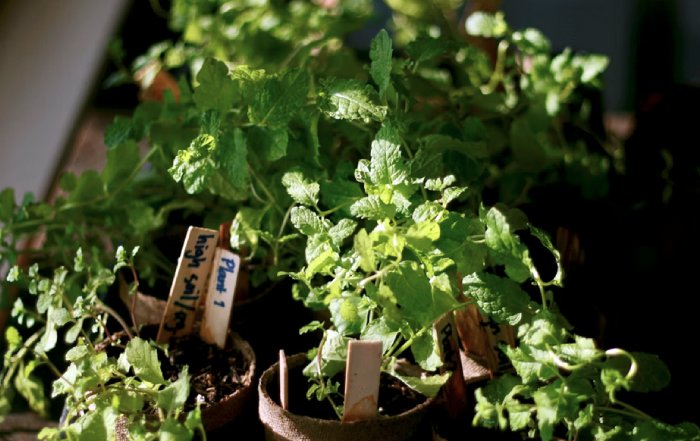
How to Grow Organic Herbs Indoors: A Strategic Guide for Sustainable Living and Business in 2026
Indoor Organic Herb Gardening as a Cornerstone of Modern Sustainability
By 2026, indoor organic herb gardening has matured from a trend into a strategic practice that unites environmental responsibility, personal health, and resilient business operations. For the international community that turns to eco-natur.com for guidance on sustainable living, cultivating a pot of basil on a city windowsill in New York, London, Berlin, Singapore, or São Paulo is no longer viewed as a simple hobby; it has become a visible, daily affirmation of a commitment to sustainability, resource efficiency, and conscious consumption. As climate volatility, supply chain disruptions, and geopolitical tensions continue to affect global food systems, indoor organic herb cultivation offers households and organizations in North America, Europe, Asia, Africa, and South America a tangible way to localize a portion of their food production, reduce environmental impact, and strengthen their sense of agency over what they eat.
The global context underscores the importance of this shift. Analyses from the Food and Agriculture Organization of the United Nations show persistent pressure on arable land, freshwater resources, and biodiversity, while also highlighting the vulnerability of long, complex supply chains to extreme weather events and economic instability. At the same time, consumer demand for organic, traceable, and minimally processed food has accelerated in the United States, the United Kingdom, Germany, Canada, Australia, France, Italy, Spain, the Netherlands, China, and beyond, with herbs often serving as the first point of entry into organic food and more responsible purchasing behavior. For readers of eco-natur.com, indoor herb gardens function as compact laboratories for exploring how everyday decisions about food can be aligned with wider sustainability goals, from emissions reduction to waste minimization and biodiversity protection.
Experience and Expertise: Strategic Value for Households and Businesses
Indoor organic herb gardens deliver value that extends far beyond flavor. In homes, they provide nutrient-rich, chemical-free ingredients on demand, reduce dependence on plastic-packaged supermarket herbs, and encourage more frequent home cooking, which aligns with public health recommendations and sustainable diet frameworks. For families, they create educational opportunities for children to understand plant life cycles, soil health, and the meaning of organic production, reinforcing the principles that readers encounter across eco-natur.com in areas such as sustainability, health, and lifestyle.
For businesses, the strategic benefits are increasingly clear. Restaurants, hotels, caterers, co-working spaces, wellness centers, and even corporate headquarters in cities like New York, Toronto, London, Berlin, Stockholm, Singapore, Tokyo, and Sydney are integrating indoor herb systems to strengthen their sustainability narratives and brand credibility. When guests see herbs harvested directly from living displays, claims about freshness, transparency, and environmental responsibility are no longer abstract; they are demonstrated in real time. This visible alignment between operations and values is particularly important in an era in which regulators, investors, and customers are scrutinizing environmental, social, and governance (ESG) performance, and where accusations of greenwashing can rapidly undermine trust.
Regulatory and scientific authorities such as the United States Department of Agriculture, the European Commission, and national organic certification bodies emphasize that organic production is a systems-based approach focused on ecological balance, soil health, biodiversity, and resource efficiency rather than simply the absence of synthetic chemicals. Translating this philosophy indoors requires expertise: using biologically active organic potting mixes, relying on natural pest management, optimizing lighting for energy efficiency, and closing nutrient loops through composting and careful water use. By applying these principles at home or in commercial spaces, readers of eco-natur.com can transform indoor herb gardening into an applied demonstration of sustainable systems thinking, reinforcing the site's emphasis on evidence-based, trustworthy practice.
Designing an Indoor Organic Herb System with Sustainability in Mind
Effective indoor herb cultivation begins with thoughtful design that integrates environmental performance, practicality, and aesthetics. In dense urban settings across Europe, Asia, and North America, where living space is limited and outdoor access constrained, windowsills, balcony niches, and vertical wall systems can be optimized to capture natural light and airflow while maintaining ease of access for watering and harvesting. In larger homes in Canada, Australia, South Africa, or New Zealand, dedicated growing shelves in kitchens, sunrooms, or home offices can provide year-round harvests and serve as focal points for conversations about sustainability with family members, guests, and clients.
From a sustainability perspective, system design should favor longevity, reparability, and low waste. Reused containers, robust planters constructed from metal, ceramic, or sustainably sourced wood, and modular shelving that can be reconfigured as needs change all support a zero-waste mindset. Organizations such as the Ellen MacArthur Foundation have advanced the concept of circular design, which encourages product and system designers to minimize waste, extend product lifespans, and plan for end-of-life recovery. These principles translate directly to indoor herb systems: choosing lighting fixtures with replaceable components rather than disposable units, selecting growing media that can be composted or reused in outdoor beds, and avoiding single-use plastics wherever feasible. For the eco-natur.com community, the intersection between design and ecology is central, and indoor herb gardens offer a practical canvas on which to apply these ideas.
Lighting remains a critical technical consideration, particularly in higher-latitude countries such as Sweden, Norway, Finland, Germany, the United Kingdom, and Canada, where winter daylight is limited. Modern LED grow lights, informed by horticultural research from institutions like the Royal Horticultural Society and universities including Cornell University and University of California, can be tuned to provide specific light spectra that favor leafy growth, aroma development, and compact plant structure while minimizing energy use. When these lights are powered by clean electricity from rooftop solar, community energy schemes, or certified green tariffs, they reinforce commitments to renewable energy and climate mitigation, aligning indoor herb production with broader decarbonization strategies promoted by agencies such as the International Energy Agency.
Selecting Herb Varieties for Flavor, Health, and Local Context
Choosing which herbs to grow indoors should reflect culinary habits, health objectives, and regional conditions, even when the growing environment is controlled. Mediterranean herbs such as basil, oregano, thyme, rosemary, and sage are staples in Italian, Spanish, French, and Mediterranean-inspired cuisines worldwide, and they flourish under bright light and moderate warmth. In the United States, United Kingdom, Germany, and Canada, these herbs are commonly used in home cooking, making them logical choices for indoor systems that aim to displace store-bought alternatives. In Asian contexts, herbs like Thai basil, shiso, Vietnamese coriander, and lemongrass (in container form) support local dishes and help households maintain cultural food traditions even in dense urban apartments.
Cool-tolerant herbs, including parsley, cilantro, chives, dill, and mint, offer flexibility in a wider range of indoor microclimates and can be especially suitable for offices or homes where temperatures fluctuate. In Nordic countries and parts of Central Europe, these species perform reliably under lower winter light levels, though supplemental LEDs still improve yield and quality. For regions such as Singapore, Malaysia, Thailand, and Brazil, where ambient temperatures and humidity are higher, careful selection of heat-tolerant varieties and attention to airflow can prevent disease while taking advantage of naturally favorable conditions.
From a health perspective, herbs are concentrated sources of phytonutrients, antioxidants, and bioactive compounds that support cardiovascular health, metabolic function, and immune resilience. Organizations such as the World Health Organization and the Harvard T.H. Chan School of Public Health encourage diets rich in plant-based foods and diverse flavor profiles as part of strategies to reduce chronic disease risk. Incorporating fresh, homegrown herbs into daily meals enables cooks to rely less on salt, sugar, and processed flavorings, aligning culinary practice with broader wellbeing goals that are frequently discussed on eco-natur.com in the context of health and sustainable diets.
Organic cultivation adds an additional layer of assurance, particularly for households with children, pregnant individuals, or people with chemical sensitivities. By avoiding synthetic pesticides and fertilizers, indoor herb growers reduce potential exposure to residues that can be present on conventionally produced herbs, an issue documented by monitoring agencies such as the European Food Safety Authority and the United States Environmental Protection Agency. For residents of heavily urbanized or polluted regions in Asia, Europe, and North America, the psychological benefit of knowing that at least part of their diet originates from a clean, controlled environment should not be underestimated, especially when combined with other sustainable living practices.
Soil, Containers, and Organic Inputs: Building a Reliable Growing Foundation
A trustworthy indoor herb system is built on a high-quality, biologically active growing medium. Certified organic potting mixes, typically composed of composted plant material, coconut coir, and mineral amendments such as perlite or pumice, provide both structure and fertility while avoiding synthetic wetting agents or chemical fertilizers. In Europe, certification bodies such as Soil Association and Ecocert, and in North America organizations like OMRI (Organic Materials Review Institute), help consumers identify inputs that meet recognized organic standards, while similar frameworks in Australia, Japan, and Brazil expand access to verified products in other regions. By selecting certified inputs, growers reduce uncertainty and align their practices with the broader organic movement's emphasis on transparency and accountability.
Container choice also influences both plant health and environmental impact. Durable pots made from ceramic, stainless steel, or high-quality, food-grade plastics can provide years of service if properly maintained, but many eco-natur.com readers seek to minimize plastic use wherever possible. For those pursuing a plastic-free or reduced-plastic lifestyle, terracotta, glazed clay, bamboo composites, and repurposed glass jars or metal tins can be effective alternatives, provided that adequate drainage is ensured through drainage holes, inner nursery pots, or a carefully managed watering regime. Thoughtful container selection not only reduces waste but also contributes to interior design, allowing indoor herb systems to complement residential or commercial aesthetics.
Organic fertilization requires a balance between plant needs and indoor environmental considerations. Slow-release organic pellets, liquid seaweed extracts, fish emulsions, and compost teas can all provide nutrients, but they must be applied judiciously to avoid salt buildup, odors, or fungal issues. Research and guidance from organizations such as Rodale Institute and university extension services including Penn State Extension and Missouri Botanical Garden emphasize that container-grown herbs generally require lighter feeding than outdoor crops, and that over-fertilization can lead to excessive, weak growth with diminished flavor. For readers committed to recycling and circular resource use, small-scale vermicomposting units that convert kitchen scraps into worm castings offer a closed-loop solution, transforming household waste into a premium organic fertilizer suitable for indoor use when applied in moderation.
Light, Water, and Microclimate: Managing the Indoor Ecosystem
Successful indoor herb cultivation depends on careful management of light, water, temperature, and airflow, all of which interact to determine plant vigor, flavor intensity, and resilience against pests and disease. Most culinary herbs perform best with at least six hours of bright light per day, while sun-loving species like basil, rosemary, and thyme respond particularly well to eight to twelve hours of full-spectrum illumination. Research from institutions such as University of California Agriculture and Natural Resources and the Royal Horticultural Society indicates that not only the duration but also the intensity and spectrum of light influence essential oil production, leaf thickness, and color, meaning that growers should observe plant responses and adjust light height and duration accordingly rather than relying on rigid schedules.
Water management is often the deciding factor between thriving plants and disappointing results. Overwatering remains the most common cause of failure, especially in cooler interiors or in regions with limited natural light such as northern Europe and parts of Canada. Herbs generally prefer to have their containers watered thoroughly, allowing excess water to drain freely, and then left until the top layer of the medium has begun to dry before watering again. In dry climates such as parts of the western United States, Australia, or South Africa, or in heavily heated winter interiors across Europe and North America, humidity can be too low, leading to leaf edge browning and pest susceptibility. Grouping plants together, placing pots on trays filled with pebbles and water, or using room humidifiers can raise local humidity without creating stagnant, disease-prone conditions.
Temperature and airflow complete the microclimate picture. Most common herbs thrive between 18-24°C (65-75°F), a range that aligns with typical indoor comfort levels in homes and offices worldwide. Sudden temperature swings, hot drafts from heating vents, or cold air from poorly insulated windows can stress plants, so positioning containers away from extreme conditions is essential. Gentle, continuous air movement from ceiling fans or small circulation fans helps strengthen stems, reduces the risk of fungal diseases, and discourages pests, echoing best practices promoted by horticultural organizations and botanical gardens worldwide. For readers interested in the broader economy of resource use, monitoring electricity consumption from lighting and ventilation and pairing these systems with efficient timers and smart plugs can help balance plant needs with energy conservation.
Organic Pest and Disease Management Indoors: Safeguarding Health and Biodiversity
Although indoor environments shield herbs from many outdoor threats, certain pests-such as aphids, spider mites, whiteflies, and fungus gnats-can still appear, often hitchhiking on new plants or potting media. In an organic indoor system, pest management must prioritize prevention, early detection, and low-toxicity interventions to protect both human health and indoor air quality. Quarantining new plants for observation, inspecting the undersides of leaves regularly, and maintaining cleanliness around pots, trays, and shelves are foundational practices recommended by Integrated Pest Management (IPM) programs and university extension services in the United States, Europe, and Asia.
When intervention becomes necessary, organic growers rely on physical, cultural, and biological controls rather than routine chemical sprays. Rinsing leaves with water, pruning heavily infested stems, and using yellow sticky traps for flying insects can resolve many issues at an early stage. In larger indoor greenhouses or commercial hospitality spaces, beneficial insects such as lady beetles or predatory mites can be introduced under professional guidance, providing natural control without chemical residues. Only in persistent or severe cases, and with careful attention to label instructions and ventilation, might certified organic sprays such as insecticidal soaps or neem-based products be considered, and even then, they should be regarded as last-resort tools rather than routine solutions.
From a global sustainability perspective, growing herbs organically indoors reduces demand for conventionally produced herbs that may be associated with pesticide-intensive monocultures, water pollution, and habitat loss. Organizations such as World Wildlife Fund and the Convention on Biological Diversity have documented the impact of unsustainable agriculture on wildlife, pollinators, and ecosystems across regions including the Amazon, Southeast Asia, and sub-Saharan Africa. By choosing to cultivate even a fraction of their herb needs at home or in the workplace, individuals and businesses who follow eco-natur.com contribute to easing pressure on vulnerable landscapes and demonstrate support for production systems that respect biodiversity and ecological integrity.
Integrating Indoor Herbs into Sustainable Lifestyles and Business Strategies
For the eco-natur.com audience, indoor organic herb gardening is most powerful when integrated into a broader, coherent approach to sustainable living and responsible business. In domestic settings, harvesting herbs as needed reduces the food waste associated with pre-packaged bundles that spoil in refrigerators, while eliminating plastic clamshells and sleeves supports a more plastic-free kitchen. The presence of living plants in cooking spaces also encourages more frequent preparation of meals from whole ingredients, reinforcing the site's emphasis on nutritious, low-impact diets and the connections between food, health, and planetary boundaries.
In commercial environments, indoor herb systems can be woven into sustainable business models and communications. Restaurants and cafés can highlight the use of on-site grown herbs on menus, websites, and social media, demonstrating authenticity in their sustainability claims and differentiating themselves in competitive markets in the United States, United Kingdom, Germany, Canada, Australia, and beyond. Hotels and resorts can incorporate herb gardens into guest experiences, offering tours, cooking classes, or spa treatments that feature ingredients grown on the premises. Corporate offices and co-working spaces can use communal herb gardens as focal points for employee engagement initiatives, linking them to broader ESG goals, wellness programs, and training on environmental literacy.
These activities also intersect with macroeconomic and policy trends. Institutions such as the World Bank and the Organisation for Economic Co-operation and Development (OECD) have increasingly emphasized green growth, circular economy models, and urban resilience in their guidance to governments and businesses. Distributed indoor food production, including herb cultivation, complements urban agriculture policies, community garden programs, and local food strategies in cities across Europe, North America, Asia, and Africa. For readers exploring the relationship between sustainability and the economy on eco-natur.com, indoor herb systems offer a small but concrete example of how environmental and economic objectives can be aligned through innovation, design, and behavioral change.
Indoor Herbs, Organic Food Systems, and Global Sustainability
Indoor organic herb gardening sits within a much larger transformation of global food systems, energy systems, and consumption patterns. While growing herbs on a windowsill will not by itself resolve challenges such as climate change, soil degradation, or food insecurity, it represents an accessible entry point into these complex issues, enabling individuals and organizations to experiment with regenerative thinking on a manageable scale. By engaging directly in cultivation, growers gain a deeper appreciation of the resources, time, and care required to produce high-quality food, which in turn can shape purchasing decisions, political priorities, and professional choices.
Organizations such as the United Nations Environment Programme and the Intergovernmental Panel on Climate Change (IPCC) have stressed the importance of shifting diets, reducing food waste, and supporting regenerative agriculture as part of climate mitigation and adaptation strategies. Indoor herb gardening supports these goals by reducing food miles, minimizing packaging, encouraging plant-rich diets, and creating educational opportunities around soil health, biodiversity, and resource use. For readers following global sustainability debates on eco-natur.com, the practice can be seen as one node in a network of solutions that includes agroecology, renewable energy, nature-based climate adaptation, and circular economy innovations in sectors from textiles to electronics.
The practice also intersects with mental health and social cohesion, which have gained prominence in policy and corporate agendas since the early 2020s. Studies summarized by institutions such as University College London and Mayo Clinic indicate that interaction with plants and nature, even in indoor environments, can reduce stress, improve concentration, and enhance overall wellbeing. In high-density cities from Hong Kong and Shanghai to London and New York, indoor herb gardens provide micro-restorative environments that support both personal resilience and workplace productivity, complementing broader eco-natur.com themes around sustainable living and healthy, future-ready lifestyles.
Building Trust Through Transparency, Knowledge, and Continuous Improvement
Trust in indoor organic herb cultivation rests on three pillars: transparent sourcing, evidence-based practice, and a commitment to continuous improvement. By choosing certified organic inputs, consulting authoritative guidance from organizations such as the Food and Agriculture Organization, Royal Horticultural Society, Harvard T.H. Chan School of Public Health, and national organic certification agencies, and documenting their own practices, growers can be confident that their efforts align with recognized standards and evolving scientific understanding. For businesses, sharing this information with customers, employees, and stakeholders enhances credibility and demonstrates that sustainability claims are rooted in verifiable actions rather than marketing language alone.
Platforms like eco-natur.com play a crucial role in this ecosystem by curating knowledge, translating technical research into practical guidance, and contextualizing indoor herb gardening within broader topics such as sustainability, organic food, recycling, and sustainable business. For a global readership spanning the United States, United Kingdom, Germany, Canada, Australia, France, Italy, Spain, Netherlands, Switzerland, China, Sweden, Norway, Singapore, Denmark, South Korea, Japan, Thailand, Finland, South Africa, Brazil, Malaysia, New Zealand, and regions across Europe, Asia, Africa, and the Americas, the core principles remain consistent: design systems for efficiency and longevity, choose herb species appropriate to local conditions and culinary traditions, rely on trusted organic inputs, manage microclimates with care, and approach pest and disease control through preventive, low-toxicity strategies.
As indoor organic herb gardens become more common in homes, offices, restaurants, schools, and community centers, they help normalize sustainability as a lived, daily practice rather than an abstract aspiration. On eco-natur.com, this convergence of experience, expertise, authoritativeness, and trustworthiness reflects a long-term commitment to empowering people and organizations to make informed, effective choices. In 2026 and beyond, growing organic herbs indoors stands as a modest yet powerful expression of stewardship and resilience, linking the intimate scale of a kitchen windowsill to the vast challenges and opportunities of the global transition toward a more sustainable, equitable, and regenerative future.
