
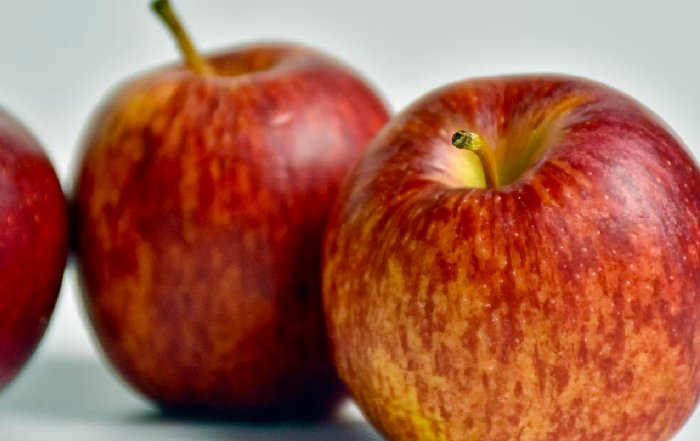
The Connection Between Organic Diet and Great Health
Organic Food at the Heart of Modern Sustainable Living
Really the majority of conversations around organic food has moved far beyond a niche lifestyle preference and has become a central pillar of how households, communities, and businesses understand health, sustainability, and long-term economic resilience. Across North America, Europe, Asia, Africa, and South America, consumers are increasingly linking what they eat to how they feel, how their ecosystems function, and how their economies evolve, and this shift is especially visible in the growing preference for organic products. For eco-natur.com, whose health minded and earth caring community are already deeply engaged with themes such as sustainable living, plastic reduction, recycling, and wildlife protection, the relationship between an organic diet and health is not an abstract theory but a practical question of how to live better, longer, and more responsibly in a rapidly changing world.
Health authorities and research institutions in the United States, the United Kingdom, Germany, Canada, Australia, and many other regions now routinely examine organic food not only as a consumer trend but as a potential lever for reducing chronic disease risk, limiting exposure to synthetic chemicals, and promoting more resilient ecosystems. Readers who follow discussions at organizations such as the World Health Organization (WHO), the Food and Agriculture Organization of the United Nations (FAO), and the European Food Safety Authority (EFSA) will recognize that an organic diet sits at the intersection of nutrition science, environmental health, and economic policy. As organic markets grow in countries like France, Italy, Spain, the Netherlands, Switzerland, China, Sweden, and Japan, the question is no longer whether organic food matters, but how deeply it can shape personal well-being and societal health outcomes.
Within this context, eco-natur.com positions the organic diet as a cornerstone of a holistic lifestyle that also includes sustainability, plastic-free choices, and responsible recycling. The platform's global audience, spanning from the United States and the United Kingdom to South Africa, Brazil, Malaysia, and New Zealand, is increasingly looking for evidence-based guidance that unites scientific rigor with practical, everyday decisions, allowing individuals and businesses to translate the concept of "organic" into tangible health and sustainability outcomes.
Defining Organic: Standards, Systems, and Global Context
To understand the connection between an organic diet and health, it is essential first to clarify what "organic" actually means in 2026, since the term is often used loosely in marketing and public discourse. In most leading markets, organic food is governed by strict regulatory frameworks that specify how crops are grown and how animals are raised. In the United States, the US Department of Agriculture (USDA), through its National Organic Program, defines organic agriculture as a system that relies on natural substances and physical, mechanical, or biologically based farming methods to the fullest extent possible, while prohibiting synthetic pesticides, most synthetic fertilizers, genetically modified organisms (GMOs), and routine use of antibiotics or growth hormones in livestock. In the European Union, the European Commission maintains comprehensive organic regulations that similarly restrict synthetic inputs and emphasize soil health, biodiversity, and animal welfare, and readers can explore these standards directly through the Commission's organic farming portal.
In Canada, the Canadian Food Inspection Agency (CFIA) oversees the Canada Organic Regime, while Australia's organic sector is guided by national standards recognized by Australian Certified Organic and other certifiers. Countries such as Germany, France, Sweden, Denmark, and the Netherlands have gone further by integrating organic agriculture into national sustainability strategies, often supported by research from institutions like the German Federal Institute for Risk Assessment and the Swedish National Food Agency. In Asia, markets like Japan, South Korea, Singapore, and China have implemented their own organic labeling rules, while Thailand and Malaysia are rapidly expanding certified organic acreage in response to rising domestic and export demand.
Despite regional differences, these systems share core principles: avoidance of synthetic agrochemicals where possible, promotion of ecological balance, enhancement of soil fertility, and respect for animal welfare. For the global audience of eco-natur.com, these principles align closely with the platform's broader focus on organic food, biodiversity, and renewable energy, reinforcing the idea that an organic diet is not just a label on a package but a manifestation of a wider sustainable system.
Nutritional Quality: What the Evidence Shows in 2026
The question of whether organic foods are more nutritious than conventionally produced foods has been debated for decades, and by 2026 the evidence has become more nuanced and data-rich. Large-scale reviews, including those summarized by organizations such as Harvard T.H. Chan School of Public Health, indicate that while basic macronutrient content (such as calories, protein, and fat) may be broadly similar between organic and conventional products, there are consistent differences in certain micronutrients and bioactive compounds. For instance, some meta-analyses have found that organic fruits and vegetables often contain higher levels of certain antioxidants and polyphenols, compounds associated with reduced oxidative stress and potentially lower risk of chronic diseases. Interested readers can explore these findings in more detail through resources on nutrition and healthy eating.
In dairy and meat products, research cited by the British Nutrition Foundation and other bodies has suggested that organic systems, which typically involve more pasture-based feeding, may lead to differences in fatty acid profiles, including higher levels of omega-3 fatty acids in organic milk and meat. These differences, while not necessarily dramatic on a per-serving basis, can contribute meaningfully to overall dietary patterns over time, especially in populations that consume these foods regularly. This is particularly relevant for consumers in the United Kingdom, Germany, the Netherlands, and Scandinavia, where organic dairy has achieved significant market penetration and where public health messaging increasingly emphasizes balanced fat intake and cardiovascular health.
Moreover, organic production methods often favor crop diversity, seasonal rotation, and local or regional supply chains, which can indirectly improve diet quality by encouraging consumers to eat a wider variety of whole, minimally processed foods. For the eco-natur.com community, which is already oriented toward sustainable lifestyles and reduced ultra-processed food consumption, this diversity aligns with guidance from organizations such as the World Cancer Research Fund International, which recommends predominantly plant-based diets rich in vegetables, fruits, whole grains, and legumes to lower cancer risk.
While no reputable institution claims that organic foods are a cure-all, the emerging consensus in 2026 is that organic diets, when well-planned and balanced, can offer modest but meaningful nutritional advantages, especially in terms of antioxidant intake and healthy fat profiles, while reinforcing broader patterns of healthy eating. This nuance is vital for business leaders and policymakers who must evaluate the health claims associated with organic labels and integrate them into corporate wellness strategies, school meal programs, and national nutrition policies.
Reduced Chemical Exposure and Long-Term Health
Beyond nutrient content, one of the most compelling arguments for organic diets relates to reduced exposure to synthetic pesticides and certain additives. Numerous biomonitoring studies referenced by agencies such as the US Centers for Disease Control and Prevention (CDC) and the European Food Safety Authority have shown that people who consume predominantly organic foods tend to have lower levels of specific pesticide metabolites in their urine and blood. While regulatory bodies in the United States, Europe, and other regions set maximum residue limits deemed safe for conventional produce, the cumulative and long-term effects of low-dose exposure, particularly in vulnerable populations such as children and pregnant women, remain an area of active research.
The Environmental Working Group (EWG) and similar organizations have long highlighted that some conventional crops are more heavily treated with pesticides than others, and they encourage consumers to prioritize organic versions of certain high-residue items when possible. At the same time, scientific institutions such as the National Institute of Environmental Health Sciences (NIEHS) continue to investigate potential links between chronic pesticide exposure and outcomes such as neurodevelopmental issues, endocrine disruption, and certain cancers. While causality is complex and multifactorial, many families in the United States, Canada, the United Kingdom, and Australia have adopted organic diets at least partially to minimize these potential risks.
For eco-natur.com, this dimension of reduced chemical exposure intersects directly with its focus on health and well-being. The platform's readers, whether in urban centers like New York, London, Berlin, Toronto, Sydney, or in emerging megacities across Asia, increasingly recognize that health is not only about nutrients but also about what is absent from their food: fewer synthetic pesticides, fewer controversial additives, and fewer residues of veterinary drugs. This awareness dovetails with broader environmental concerns, as the same chemicals that consumers seek to avoid in their diets can also affect wildlife, soil organisms, and water quality, reinforcing the holistic perspective that human health and ecosystem health are inseparable.
Organic Diets, Gut Health, and Chronic Disease Risk
One of the most dynamic areas of research in 2026 is the relationship between diet, the gut microbiome, and long-term disease risk. Institutions such as the National Institutes of Health (NIH) in the United States and leading European research centers have been mapping how dietary patterns influence the diversity and function of the trillions of microorganisms that inhabit the human digestive tract. While research rarely focuses on "organic" as a single variable, it frequently examines dietary patterns rich in minimally processed plant foods, whole grains, and fiber, which are commonly associated with organic eating habits.
Emerging evidence suggests that diets abundant in diverse plant foods support a more varied and resilient gut microbiota, which in turn is linked to reduced inflammation, improved immune function, and potentially lower risk of metabolic conditions such as type 2 diabetes and obesity. Readers can explore this emerging science through resources on microbiome and health provided by Nature and other scientific publishers. While it is important not to overstate the role of organic certification alone, the behavioral patterns associated with organic consumers-higher intake of fruits, vegetables, whole grains, and legumes, and lower intake of ultra-processed foods-align closely with what microbiome researchers identify as beneficial for long-term health.
In Europe, where organic consumption is particularly strong in countries such as Germany, France, Denmark, and Sweden, cohort studies have begun to track health outcomes among large populations over extended periods, investigating how organic food intake correlates with obesity rates, cardiovascular disease, and certain cancers. While results are still emerging and must be interpreted cautiously, some studies have reported associations between higher organic food consumption and reduced overall cancer risk, although confounding factors such as lifestyle, physical activity, and socioeconomic status must be taken into account. Organizations like Cancer Research UK and the American Cancer Society continue to emphasize overall dietary patterns rather than single food labels, yet they acknowledge that organic diets often coincide with broader health-promoting behaviors.
For the eco-natur.com readership, which often combines an interest in organic food with attention to exercise, mental health, and sustainable design of homes and workplaces, this emerging science reinforces the view that an organic diet can be a meaningful component of a comprehensive wellness strategy. Whether in Singapore, Tokyo, Seoul, or São Paulo, the idea that a healthy gut underpins a healthy body is gaining traction, and organic diets, by encouraging diverse, plant-rich, minimally processed eating, are well aligned with this paradigm.
Environmental Health, Wildlife, and the Indirect Benefits to Human Well-Being
The link between organic diets and health extends beyond the individual level and into the broader environment, where organic farming practices can influence air and water quality, soil health, and biodiversity, all of which ultimately shape human well-being. Organizations such as the United Nations Environment Programme (UNEP) and the Intergovernmental Science-Policy Platform on Biodiversity and Ecosystem Services (IPBES) have repeatedly warned that biodiversity loss and ecosystem degradation pose serious risks to food security, disease regulation, and climate resilience. Organic agriculture, by reducing reliance on synthetic pesticides and fertilizers and by promoting crop rotations, hedgerows, and habitat preservation, can help maintain healthier ecosystems.
For example, studies summarized by the Food and Agriculture Organization (FAO) indicate that organic farms often host higher levels of pollinators, beneficial insects, and soil microorganisms than conventional farms, contributing to more robust ecosystem services. These services, in turn, support human health by stabilizing food supplies, reducing the need for chemical interventions, and helping to regulate pests and diseases naturally. In regions such as Europe and North America, where concerns about pollinator decline have become acute, organic farming is increasingly seen as part of the solution. Readers interested in these dynamics can explore more about sustainable agriculture and biodiversity.
The eco-natur.com community, which follows issues related to wildlife protection and global environmental change, often approaches organic diets not only as a personal health choice but as a moral and ecological commitment. In countries like South Africa, Brazil, and Thailand, where biodiversity is exceptionally rich yet under pressure from land-use change and chemical inputs, organic and agroecological practices are being promoted by local NGOs and international organizations as a means to protect both human communities and wildlife habitats. This integrated perspective recognizes that cleaner waterways, healthier soils, and more diverse landscapes reduce human exposure to environmental toxins, strengthen local economies, and provide psychological benefits associated with access to nature.
Organic Diets, Sustainable Business, and the Green Economy
The rise of organic food has significant implications for businesses and the broader economy, particularly in 2026 as companies in the United States, United Kingdom, Germany, Canada, Australia, and beyond are under increasing pressure to demonstrate environmental, social, and governance (ESG) performance. For retailers, food manufacturers, and agricultural producers, organic products are no longer a marginal category but a strategic growth area, often commanding price premiums and fostering strong brand loyalty. Reports from organizations such as the OECD and the World Bank have highlighted how the global shift toward sustainable consumption, including organic food, is reshaping trade patterns, investment flows, and rural development strategies. Readers can explore these macroeconomic trends through resources on green growth and sustainable agriculture.
For eco-natur.com, which addresses sustainable business and economy as core themes, the organic sector illustrates how health-driven consumer preferences can catalyze systemic change. Businesses that invest in organic supply chains often need to reconfigure procurement, traceability, and quality assurance processes, collaborating closely with farmers to ensure compliance with certification standards. This collaboration can lead to longer-term contracts, fairer pricing structures, and investments in soil health and water management, all of which contribute to rural resilience and community health. In regions such as Europe and North America, where public and private sector initiatives increasingly support regenerative and organic agriculture, these business models are becoming central to national strategies for climate mitigation and adaptation.
At the same time, the organic economy faces challenges, including higher production costs, yield variability, and access to certification for smallholders in Asia, Africa, and Latin America. International organizations such as IFAD and UNDP are working with governments and NGOs to ensure that the benefits of organic markets reach small farmers and do not exacerbate inequalities. From a health perspective, this inclusivity is crucial, as access to affordable organic food should not be limited to high-income consumers in wealthy countries. The mission of platforms like eco-natur.com is therefore not only to inform consumers but also to support dialogue among policymakers, business leaders, and civil society about how organic systems can be scaled equitably and sustainably.
Organic Diets within a Broader Sustainable Lifestyle
For individuals and families in 2026, choosing an organic diet is rarely an isolated decision; it is typically part of a broader shift toward sustainable living that also involves reducing plastic use, improving recycling habits, conserving energy, and supporting ethical businesses. The readers of eco-natur.com often report that once they begin examining food labels and questioning how their food is produced, they quickly extend that curiosity to packaging, transportation, and household products. This holistic approach aligns with guidance from organizations such as the Ellen MacArthur Foundation, which promotes circular economy principles and encourages consumers and businesses to redesign systems to minimize waste and pollution. Those interested in these broader shifts can learn more about circular economy and sustainable business practices.
Within this lifestyle context, organic food becomes a gateway to other sustainable choices, such as adopting zero-waste habits, supporting plastic-free initiatives, and choosing renewable energy sources at home or in the workplace. For example, a household in the Netherlands or Denmark that subscribes to community-supported agriculture (CSA) for organic vegetables may also invest in rooftop solar panels, reduce car usage, and participate in local composting programs, thereby amplifying the health benefits of an organic diet with cleaner air, more physical activity, and stronger social networks. In rapidly urbanizing regions of Asia and Africa, similar patterns are emerging as middle-class consumers seek lifestyles that combine modern convenience with environmental responsibility.
The role of digital platforms, including eco-natur.com, is crucial in this transition, as they provide curated, trustworthy information that helps consumers navigate complex choices. Whether readers are exploring sustainable living strategies in London, organic food options in Berlin, or recycling systems in Singapore, access to reliable guidance reduces confusion and empowers action. In turn, this informed demand sends clear signals to businesses and policymakers that health, sustainability, and ethical production are not optional extras but core expectations of 21st-century consumers.
Looking Ahead: The Future of Organic Diets and Global Health
As 2026 unfolds, the connection between organic diets and health is likely to deepen, shaped by advances in nutrition science, environmental research, and economic policy. Institutions such as WHO, FAO, and national public health agencies are gradually integrating considerations of environmental sustainability into dietary guidelines, recognizing that what is good for the planet is often good for people as well. In Europe, some countries are already incorporating organic and sustainably produced foods into public procurement for schools and hospitals, while in the United States and Canada, corporate wellness programs increasingly feature organic options in cafeterias and catering, reflecting a growing recognition of the value of employee health and environmental responsibility.
For regions such as Brazil, South Africa, India, and Southeast Asia, the challenge and opportunity lie in expanding organic and agroecological practices in ways that support food security, farmer livelihoods, and ecosystem protection. International collaboration, supported by organizations like FAO and UNEP, will be essential to ensure that organic agriculture contributes to the United Nations' Sustainable Development Goals, particularly those related to hunger, health, climate action, and life on land. Readers interested in these global frameworks can explore how sustainable food systems support the SDGs.
Within this evolving landscape, eco-natur.com serves as a little bridge between global trends and personal choices, translating complex research into actionable insights for households, businesses, and communities worldwide. By highlighting the evidence on nutritional quality, chemical exposure, gut health, biodiversity, and economic transformation, the platform helps its readers understand that an organic diet is not merely a matter of taste or fashion, but a strategic investment in long-term health and resilience. Whether in the United States or the United Kingdom, Germany or Japan, South Korea or New Zealand, the decision to prioritize organic food can ripple outward, supporting cleaner environments, stronger rural economies, and more equitable, sustainable food systems.
Ultimately, the connection between organic diet and health is best understood as a dynamic, multi-layered relationship that spans the individual, the community, and the planet. As scientific knowledge grows and sustainable business models mature, the organic movement is evolving from a niche alternative into a central component of how societies envision a healthy future. For the small, but growing global fans of eco-natur.com, this evolution offers both inspiration and responsibility: inspiration to embrace organic food as part of a richer, more conscious way of living, and responsibility to ensure that the benefits of this transformation are shared widely across regions, cultures, and generations.
Suggest you take a break now and go and check on your house plants or garden possibly sprawling farm. Make sure you do some good for the environment and nature and we'll see you back here again soon.
