
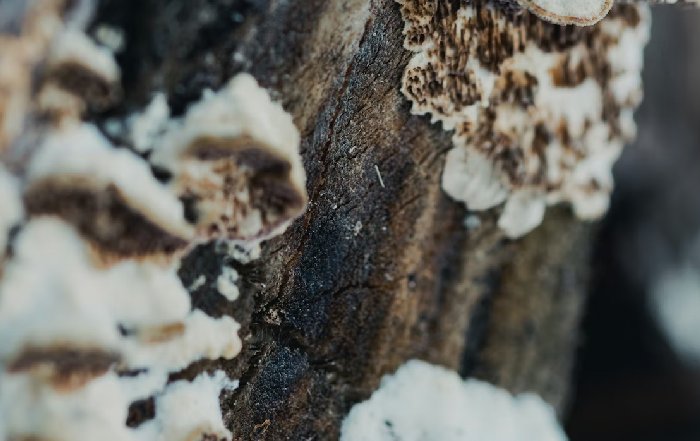
The Role of Fungi in Forest Ecosystems: Foundations for a Sustainable Future
Fungi as the Hidden Infrastructure of Forests
In 2026, as businesses, policymakers and households increasingly integrate sustainability into strategic decisions, the role of fungi in forest ecosystems is emerging from scientific obscurity into mainstream awareness. Forests across North America, Europe, Asia, Africa and South America are not only collections of trees, wildlife and soils; they are complex, living networks in which fungi form an invisible infrastructure that underpins productivity, resilience and climate regulation. For an audience focused on sustainable living, circular economies and responsible supply chains, understanding this fungal dimension is becoming a practical necessity rather than a purely academic interest, and it is within this context that Eco-Natur positions its mission and resources.
Fungi operate as decomposers, mutualistic partners, pathogens and ecosystem engineers, quietly mediating the flow of carbon, nutrients and water that sustain forests from the boreal regions of Sweden and Canada to the tropical landscapes of Brazil, Malaysia and Thailand. Modern research from institutions such as Kew Gardens and the U.S. Forest Service has shown that without fungi, forests would accumulate undecomposed organic matter, nutrients would become locked away, and tree growth would stall, ultimately undermining the ecological services on which global economies depend. For readers of Eco-Natur's sustainability overview, the fungal story offers a compelling example of how natural systems achieve circularity and efficiency that businesses now seek to emulate.
Mycorrhizal Networks: The Forest's Circulatory System
Perhaps the most transformative discovery in forest ecology over the past three decades has been the recognition of mycorrhizal networks, sometimes described as the "wood wide web." Mycorrhizae are symbiotic associations between fungal hyphae and plant roots, in which fungi trade mineral nutrients and water for photosynthetically derived sugars. Research by scientists such as Dr. Suzanne Simard at the University of British Columbia has demonstrated that these networks connect multiple tree species, facilitating the transfer of carbon, nitrogen and signaling molecules across entire stands.
In many temperate and boreal forests in countries such as Canada, Germany, Sweden and Finland, ectomycorrhizal fungi form sheathes around tree roots and extend into the soil, greatly expanding the effective root surface area and enabling trees to access phosphorus and micronutrients that would otherwise remain unavailable. In tropical and subtropical regions including Brazil, Malaysia and Thailand, arbuscular mycorrhizal fungi penetrate root cells and play parallel roles, particularly in phosphorus-limited soils. These mutualisms are not static; they respond dynamically to drought, pest outbreaks and canopy disturbances, buffering trees against environmental shocks. Readers seeking to connect these insights with practical frameworks for sustainable living can view mycorrhizal networks as a biological model for resilient, decentralized resource sharing.
The concept of common mycorrhizal networks has profound implications for forest management and sustainable business practices. When logging operations, infrastructure projects or agricultural expansion fragment forests in the United States, United Kingdom, France or Japan, they do not merely remove trees; they sever the fungal connectivity that underlies forest health. Learning from mycorrhizal cooperation can inform more holistic approaches to sustainable business, where value chains are designed to distribute benefits and risks across interconnected stakeholders, much as fungi allocate nutrients to different trees in response to changing conditions.
Decomposition, Nutrient Cycling and the Circular Economy of the Forest
Beyond their symbiotic roles, fungi are the primary decomposers of complex organic matter in forests, especially lignin-rich wood and leaf litter. Without fungal enzymes capable of breaking down lignin and cellulose, dead trees and fallen leaves would accumulate, locking away nutrients and carbon. Studies summarized by the Food and Agriculture Organization of the United Nations and the European Environment Agency highlight how saprotrophic fungi drive the turnover of organic matter, releasing nitrogen, phosphorus, potassium and trace elements that fuel new plant growth.
In temperate forests of the United States, Germany and the United Kingdom, fungi such as white-rot and brown-rot species specialize in different components of wood, collectively ensuring that virtually every fraction of dead biomass is eventually recycled. In tropical forests of Brazil, Malaysia and Indonesia, where decomposition rates are extremely high, fungi help maintain the thin but highly active layer of fertile soil that sustains extraordinary biodiversity. This natural nutrient cycling offers a powerful analogy for circular economic models, which aim to keep materials in productive use and minimize waste. Businesses exploring low-waste strategies can draw conceptual inspiration from fungal decomposition, just as households adopting zero-waste lifestyles can see forest floors as living examples of closed-loop systems.
From a policy perspective, recognizing the role of fungi in nutrient cycling supports more nuanced approaches to forest conservation and land use. When forest soils are disturbed by intensive logging, mining or poorly planned infrastructure in regions such as South Africa, Brazil or parts of Southeast Asia, the loss of fungal diversity can slow decomposition, alter soil fertility and increase greenhouse gas emissions. Reports from the Intergovernmental Panel on Climate Change now acknowledge soil biota, including fungi, as critical components of climate mitigation strategies, reinforcing the need for integrated management that considers belowground as well as aboveground biodiversity.
Carbon Storage, Climate Regulation and Global Sustainability Goals
Fungi are central actors in the global carbon cycle, influencing both the storage and release of carbon in forest ecosystems. While trees and other plants capture atmospheric carbon dioxide through photosynthesis, it is fungi that determine how much of this carbon remains locked in soils and woody biomass and how much returns to the atmosphere through respiration and decomposition. Research synthesized by the Smithsonian Tropical Research Institute and the Royal Society has shown that mycorrhizal associations can increase the amount of carbon stored in soils by altering root exudation, litter quality and the stabilization of organic matter on mineral surfaces.
Different fungal groups influence carbon dynamics in contrasting ways. Ectomycorrhizal fungi, prevalent in forests of Scandinavia, Russia, North America and parts of East Asia, tend to slow down decomposition rates by competing with saprotrophic fungi for nitrogen, thereby promoting long-term carbon storage in soils. Arbuscular mycorrhizal fungi, more common in tropical and subtropical regions such as Brazil, Malaysia and parts of Africa, often enhance plant growth and carbon input to soils, but may be associated with faster turnover of organic matter. Understanding these patterns helps land managers and climate strategists identify which forest types and management regimes are most effective for long-term carbon sequestration.
For businesses and policymakers engaged with the United Nations Sustainable Development Goals, fungal-mediated carbon processes are not a remote scientific curiosity but a factor that influences climate risk, regulatory frameworks and investment decisions. Forest-based carbon offset projects in countries like Canada, Germany or New Zealand must consider fungal diversity and soil health to ensure that claimed carbon storage is durable and verifiable. For readers of Eco-Natur, this underscores the importance of integrating ecological science into discussions of sustainable economies, where climate resilience, biodiversity and long-term productivity are treated as interconnected dimensions of value.
Fungi, Biodiversity and Wildlife Interactions
Forest fungi are integral to biodiversity at multiple levels, providing habitat, food sources and ecological functions that support wildlife from microscopic invertebrates to large mammals. Many insects, including beetles, flies and moths, depend on fungi at various life stages, while larger organisms such as squirrels, deer and wild boar in Europe, North America and Asia consume mushrooms and truffles as seasonal food resources. In Mediterranean forests of Italy and Spain, truffle-forming fungi support both wildlife and rural economies, creating an intersection between ecology, gastronomy and local livelihoods.
The interdependence between fungi and wildlife extends to more subtle processes. Certain fungal species modify soil structure and water infiltration, indirectly affecting plant communities and the habitats available to birds, reptiles and mammals. Some fungi influence the germination and survival of particular tree species, which in turn shape the composition of forest canopies and understories, with cascading effects on animal communities. Conservation organizations such as WWF and the International Union for Conservation of Nature increasingly recognize that protecting charismatic wildlife such as tigers, orangutans or lynx requires safeguarding the fungal communities that maintain their forest habitats.
For readers interested in wildlife conservation, fungi offer a reminder that effective protection strategies must extend beyond visible species to include the hidden networks that sustain them. Forest restoration projects in South Africa, Brazil or Southeast Asia that focus solely on planting trees without considering soil fungi may achieve limited success, as reintroduced trees struggle to establish in microbiologically impoverished soils. Integrating fungal inoculation, soil health assessments and landscape connectivity into restoration design can significantly improve outcomes for both biodiversity and local communities.
Forest Health, Disease and the Double-Edged Nature of Fungi
While many fungi are beneficial or neutral, others act as pathogens that can severely impact forest health and associated economies. Diseases such as Dutch elm disease in Europe and North America, chestnut blight in the United States, ash dieback in the United Kingdom and continental Europe, and various rusts and wilts in Asia and Africa have reshaped forest landscapes and caused substantial economic losses. Organizations like the Food and Agriculture Organization and the Centre for Agriculture and Bioscience International provide extensive documentation on the spread and management of fungal tree diseases, highlighting the role of global trade and climate change in facilitating new outbreaks.
Increased international movement of timber, nursery stock and packaging materials has allowed pathogenic fungi to cross biogeographical barriers, spreading from their native ranges into new regions where trees lack evolved defenses. Climate change further exacerbates these risks by stressing host trees, altering precipitation patterns and enabling pathogens to thrive in previously unsuitable climates, as seen in outbreaks across Canada, Germany and the Nordic countries. Forest managers, policymakers and businesses relying on timber, paper and non-timber forest products must factor these emerging risks into long-term planning, supply chain resilience and insurance strategies.
Nevertheless, the pathogenic dimension of fungi should not overshadow their broader ecological importance. Effective forest health strategies aim to maintain or restore overall fungal diversity, as diverse communities often suppress the dominance of aggressive pathogens through competition and predation. For readers exploring recycling and circularity, this balance offers a parallel: just as diversified material flows reduce dependence on any single resource and enhance resilience, diverse fungal communities mitigate the risk of catastrophic disease outbreaks.
Fungi, Organic Food Systems and Sustainable Living
Forest fungi intersect with human food systems in multiple ways, from wild mushroom harvesting to the cultivation of edible and medicinal species that support rural livelihoods and urban markets. In countries such as France, Italy, Spain and Japan, culinary traditions built around porcini, chanterelles, shiitake and matsutake mushrooms demonstrate how forest fungi can contribute to high-value, low-impact food cultures. In China, South Korea and Thailand, both wild and cultivated fungi play central roles in diets and traditional medicine, often associated with health benefits that align with contemporary interest in functional foods.
For consumers and businesses focused on organic food and sustainable agriculture, fungal symbioses offer important insights. Mycorrhizal fungi enhance nutrient uptake and stress tolerance in crops, reducing the need for synthetic fertilizers and irrigation. Research disseminated by the Rodale Institute and the Soil Association underscores the potential of mycorrhizal inoculants and fungal-friendly farming practices to improve soil health, crop yields and resilience to climate variability. Integrating agroforestry systems that combine trees, crops and fungal communities can create multifunctional landscapes that deliver food, fiber, carbon storage and biodiversity benefits simultaneously.
Households and businesses committed to plastic-free and low-waste lifestyles can also look to fungi for innovative materials and packaging solutions. Mycelium-based composites, developed by companies such as Ecovative Design and adopted by major brands in Europe and North America, offer biodegradable alternatives to polystyrene and other petroleum-based foams. These emerging bio-based materials illustrate how fungal biology can inspire new industrial design paradigms, aligning with the principles discussed in Eco-Natur's resources on sustainable design and circular economies.
Fungal Innovations in Sustainable Business and the Global Economy
Beyond food and materials, fungi are driving innovation in sectors ranging from pharmaceuticals to construction, with direct relevance for sustainable business strategies across Europe, Asia, North America and beyond. Enzymes derived from forest fungi are used in detergents, paper bleaching, textile processing and biofuel production, enabling lower energy use and reduced reliance on harsh chemicals. Reports from organizations such as the World Business Council for Sustainable Development and the Ellen MacArthur Foundation highlight bio-based solutions, including fungal technologies, as central to the transition towards regenerative, low-carbon economies.
In construction, mycelium-based insulation and structural components are being tested in pilot projects in the Netherlands, Denmark and the United Kingdom, offering the prospect of buildings that are not only energy efficient but also constructed from renewable, compostable materials. In the textile sector, fungal "leather" alternatives are gaining traction among fashion brands in Italy, France and the United States that seek to reduce the environmental footprint of animal and synthetic leathers. These innovations resonate strongly with Eco-Natur's emphasis on global sustainability perspectives, demonstrating how local forest processes can inspire global industrial change.
For corporate leaders, investors and policymakers, fungi exemplify the convergence of ecological knowledge and economic opportunity. Companies that understand and respect the ecological roles of fungi in forest landscapes are better positioned to manage supply chain risks, comply with emerging biodiversity regulations and identify new markets in bio-based products. Integrating fungal science into environmental, social and governance (ESG) strategies can strengthen both risk management and innovation pipelines, reinforcing the message that ecological literacy is now a core component of business competence.
Forest Fungi, Human Health and Urban Sustainability
The influence of forest fungi extends into human health and urban sustainability in ways that are only beginning to be fully appreciated. Many antibiotics, immunosuppressants and cholesterol-lowering drugs originate from fungal metabolites, and ongoing bioprospecting in forests of South America, Africa and Asia continues to reveal new compounds with potential medical applications. Institutions such as the World Health Organization and leading research universities highlight the importance of conserving biodiverse ecosystems, including their fungal components, as reservoirs of future medicines.
At the same time, exposure to diverse environmental microbiomes, including benign fungal communities, is increasingly recognized as important for human immune system development and resilience, especially in children. Urban planning initiatives in countries like Singapore, Sweden and New Zealand that incorporate accessible green spaces, native vegetation and healthy soils can help reconnect city dwellers with beneficial microbial environments. For readers interested in the links between environment and human health, forest fungi illustrate how invisible ecological processes can have tangible impacts on wellbeing, from air quality and allergen dynamics to mental health benefits associated with forest immersion.
Urban sustainability strategies that draw inspiration from forest ecosystems can incorporate fungal principles into waste management, green infrastructure and building design. Mycelium-based filtration systems, for example, are being explored for water purification and stormwater management, while fungal decomposition processes inform composting and organic waste recycling programs. These applications align closely with Eco-Natur's focus on sustainable lifestyles, demonstrating how lessons from forest fungi can be translated into practical actions in cities across North America, Europe, Asia and beyond.
Integrating Fungal Knowledge into Global Sustainability Strategies
As the world advances through 2026, the scientific and practical understanding of fungi in forest ecosystems is converging with broader sustainability agendas. International frameworks such as the Convention on Biological Diversity and the UN Environment Programme increasingly highlight the need to protect soil biodiversity, including fungi, as a foundation for climate resilience, food security and human wellbeing. National forest policies in countries like Germany, Canada, Japan and Brazil are beginning to incorporate belowground biodiversity indicators into monitoring and management, although implementation remains uneven.
For Eco-Natur and its global readership, the role of fungi in forests offers both a scientific narrative and a practical guide. At the household level, individuals can support fungal diversity by choosing sustainably certified wood and paper products, reducing consumption that drives deforestation, and advocating for the protection of old-growth and mixed-species forests. In business contexts, decision-makers can integrate fungal considerations into sourcing policies, land-use planning, restoration investments and innovation strategies, recognizing that long-term value creation depends on maintaining the ecological processes that forests and fungi provide.
Ultimately, fungi remind society that sustainability is not merely about preserving visible landscapes but about safeguarding the invisible relationships that make those landscapes function. Forests from the boreal zones of Scandinavia and Canada to the tropical expanses of the Amazon and Southeast Asia are held together by fungal networks that move nutrients, carbon, water and information in ways that still challenge scientific understanding. By engaging with this hidden dimension, readers of Eco-Natur can deepen their appreciation of forests as complex, living systems and strengthen their commitment to sustainable living, responsible business and resilient economies that respect and work with, rather than against, the profound intelligence of nature.
