
How to Compost in Your Backyard: A Strategic Guide for Sustainable Households and Businesses
Backyard composting has moved from a niche hobby to a mainstream sustainability strategy that aligns closely with the priorities of modern households, entrepreneurs, and sustainability professionals across North America, Europe, Asia, Africa, and South America. As climate risks intensify and resource efficiency becomes a core business and policy concern, the simple act of transforming organic waste into nutrient-rich compost offers a practical, measurable, and highly replicable solution. For readers of eco-natur.com, who are already engaged with themes such as sustainable living, sustainability, and recycling, backyard composting is not merely a gardening technique; it is a cornerstone practice that connects household behaviour with global environmental and economic outcomes.
Composting in 2026: Context, Impact, and Opportunity
By 2026, the global conversation on sustainability has become deeply data-driven and outcome-focused. According to analyses referenced by organizations like the United Nations Environment Programme (UNEP), organic waste remains a significant contributor to methane emissions when landfilled, a potent greenhouse gas that accelerates climate change. When households and small businesses in countries such as the United States, the United Kingdom, Germany, Canada, Australia, France, and emerging economies like Brazil, South Africa, and Malaysia divert food scraps and yard trimmings into compost systems, they reduce pressure on municipal waste infrastructure while also contributing to climate mitigation. Those seeking to understand the broader climate implications of waste management can explore how food systems link to emissions through resources such as the Intergovernmental Panel on Climate Change (IPCC) and its assessments on land use and agriculture.
Backyard composting also intersects with circular economy principles that are increasingly influencing corporate strategies and public policy. Institutions such as the Ellen MacArthur Foundation have helped mainstream the concept of designing out waste and keeping materials in use for as long as possible, and composting is among the clearest examples of a circular loop in action at the household and community level. For readers of eco-natur.com, this practice links directly with themes like plastic-free living, zero-waste approaches, and the evolving green economy, where waste is reframed as a resource and where soil health, biodiversity, and local resilience are strategic assets rather than peripheral concerns.
The Science Behind Composting: Building Trust Through Understanding
Effective composting rests on clear scientific principles that can be understood and applied by households and businesses in any region, whether in dense urban areas of Singapore and Tokyo, suburban communities in the United States and Canada, or rural landscapes in Italy, Spain, and South Africa. At its core, composting is a controlled biological process where microorganisms such as bacteria and fungi, supported by invertebrates like earthworms and insects, break down organic matter into a stable, humus-like material. Institutions like the U.S. Environmental Protection Agency (EPA) and the European Environment Agency (EEA) provide accessible explanations of these processes and outline the environmental advantages of diverting organic waste from landfill.
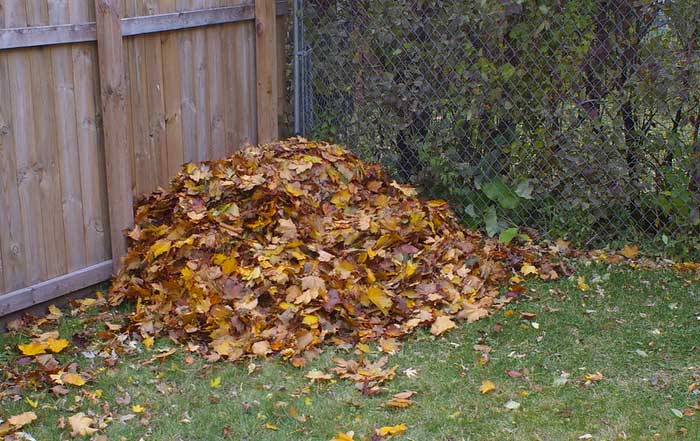
The decomposition process requires four key elements: carbon-rich materials often called "browns," nitrogen-rich materials or "greens," adequate moisture, and sufficient oxygen. Browns, such as dry leaves, shredded cardboard, and straw, provide energy and structure, while greens, such as vegetable scraps, coffee grounds, and grass clippings, supply protein and nitrogen to fuel microbial growth. When these components are balanced, microbial communities thrive, generating heat as they metabolize the organic matter. Readers interested in deeper soil biology can explore resources from The Rodale Institute, which has long studied the links between compost, soil health, and regenerative agriculture. Understanding this science builds confidence and trust, enabling individuals and organizations to design compost systems that are efficient, safe, and aligned with best practices.
Designing a Backyard Compost System: From Strategy to Site Selection
For the eco-conscious household or small business, designing a backyard compost system should be approached with the same strategic thinking applied to any sustainability initiative. Site selection is a key first step. The chosen location should be accessible year-round, including in colder climates such as Sweden, Norway, Finland, and Canada, where snow and ice may limit movement for part of the year. At the same time, it should be discreet enough to maintain property aesthetics and neighbour relations, especially in dense residential zones in cities across Europe and Asia. Locating the compost system on bare earth allows soil organisms to enter the pile, while ensuring good drainage prevents waterlogging and odour.
In terms of physical design, households and businesses can choose between open piles, enclosed bins, tumblers, or multi-bin systems, depending on volume, space, and regulatory context. Urban properties in Singapore, Tokyo, London, and New York may favour compact, enclosed systems that deter pests and manage odour, while rural properties in Australia, New Zealand, and South Africa may benefit from larger, open systems that can handle substantial yard waste. Organizations such as Garden Organic in the United Kingdom and Master Gardener programs supported by land-grant universities in the United States provide detailed design guidance suited to different climates and property types. On eco-natur.com, readers can connect this planning phase with broader decisions about sustainable design and layout, integrating composting into a holistic vision of the property as an ecological system.
What to Compost and What to Avoid: Managing Inputs with Professional Discipline
A well-managed compost system depends on disciplined input management, a principle that resonates with business leaders who already apply quality control and risk management in their operations. In general, backyard compost systems are ideal for fruit and vegetable scraps, coffee grounds, tea leaves, crushed eggshells, yard trimmings, and shredded paper or cardboard, provided these materials are free from plastic coatings or synthetic additives. These inputs provide a balanced mix of carbon and nitrogen and, when combined with adequate moisture and aeration, decompose into stable compost that can be safely returned to gardens and landscapes. Those seeking more detailed guidance can consult resources from Royal Horticultural Society (RHS) in the United Kingdom or the University of California Agriculture and Natural Resources extension, both of which offer practical composting advice suitable for different climates and soil types.
Certain materials, however, are best excluded from standard backyard compost systems, particularly in regions with strict wildlife and public health regulations such as the United States, the European Union, and parts of Asia. Meat, dairy, large quantities of oils, and cooked foods tend to attract pests and can create odour problems if not managed with industrial-scale systems. Similarly, pet waste, glossy or heavily inked paper, and plant material treated with persistent herbicides or pesticides can introduce pathogens or contaminants. In jurisdictions with strong animal welfare and biodiversity protections, such as the Netherlands, Germany, and Denmark, local authorities may also provide guidance on how composting can coexist with urban wildlife without creating conflicts, a theme that resonates with eco-natur.com readers interested in wildlife protection and habitat health.
Operational Best Practices: Turning, Moisture, and Temperature Management
Once a compost system is established and appropriate materials are being added, operational best practices become essential to ensure efficiency, safety, and quality. Regular aeration, often achieved by turning the pile with a fork or using a rotating tumbler, introduces oxygen that aerobic microorganisms require to function effectively. Without adequate oxygen, the system can become anaerobic, leading to unpleasant odours and slower decomposition. Moisture management is equally important; a compost pile should feel like a wrung-out sponge, not overly dry and crumbly, nor waterlogged and compacted. In wetter climates like parts of the United Kingdom or coastal Norway, covering the pile or using lidded bins can prevent saturation, while in hot, dry regions like parts of Australia, Spain, and South Africa, occasional watering may be necessary to maintain optimum conditions.
Temperature monitoring, while not mandatory for every household, can add a layer of professionalism and quality assurance that appeals to business-oriented readers. Hot composting, where internal temperatures reach 55-65°C, can accelerate decomposition and help destroy weed seeds and many pathogens. Organizations such as Cornell Waste Management Institute offer temperature-based composting protocols that can be adapted for backyard systems. This level of operational discipline aligns with the ethos of eco-natur.com, where readers seek not only to participate in sustainable living but to do so in a way that reflects expertise, reliability, and evidence-based practice.
Regional Considerations: Climate, Regulation, and Cultural Practice
Backyard composting in 2026 is shaped not only by science and technique but also by regional climate, regulatory frameworks, and cultural norms. In cold climates such as Canada, the Nordic countries, and parts of northern China, composting slows significantly during winter, but microbial activity does not cease entirely. Insulated bins, strategic positioning in sunny locations, and the use of carbon-rich insulating layers like straw or shredded leaves can help maintain biological activity. In contrast, hot and humid climates in Thailand, Malaysia, and parts of Brazil may experience rapid decomposition but also higher risks of odour and pests if systems are not properly managed. Local agricultural extension services, often linked to national ministries or universities, provide region-specific recommendations that complement global best practices.
Regulatory environments also vary. In some municipalities in the United States, Germany, and Switzerland, there are explicit guidelines or incentives for home composting as part of broader waste reduction and climate action plans. Interested readers can explore policy frameworks through institutions like the Organisation for Economic Co-operation and Development (OECD), which tracks waste and resource productivity policies across member states. In rapidly urbanizing regions of Asia and Africa, where formal waste systems may be under pressure, city governments and non-governmental organizations are increasingly promoting community composting hubs as part of integrated solid waste management strategies. For readers of eco-natur.com in these regions, backyard composting can complement community initiatives, contributing to a more resilient global sustainability landscape that integrates individual and collective action.
Composting as a Pillar of Sustainable Business and Local Economies
Beyond its household benefits, backyard and small-scale composting are increasingly recognized as strategic components of sustainable business models and local economic development. For small enterprises in organic food production, landscaping, urban farming, and eco-tourism across the United States, United Kingdom, Germany, Italy, Spain, South Korea, and Japan, composting reduces input costs by providing a steady supply of organic matter to improve soil structure and fertility. This, in turn, can enhance crop resilience, water retention, and long-term productivity, aligning with the principles of regenerative agriculture promoted by organizations like Regeneration International. Businesses that integrate composting into their operations can differentiate themselves in competitive markets where consumers are increasingly attentive to environmental credentials and lifecycle impacts.
For larger corporations and institutional actors, composting intersects with broader commitments to ESG (Environmental, Social, and Governance) performance and circular economy strategies. While industrial-scale composting often takes place offsite, many companies support employee education and at-home composting as part of their sustainability engagement programs, recognizing that employee behaviour outside the workplace influences overall environmental impact. Those seeking to position their organizations at the forefront of sustainable business can explore frameworks from the World Business Council for Sustainable Development (WBCSD) and the World Resources Institute (WRI), which highlight organic waste reduction and soil health as priority areas. On eco-natur.com, readers can connect these insights with dedicated guidance on sustainable business practices, integrating composting into a broader portfolio of environmental initiatives that also includes renewable energy adoption, plastic reduction, and ethical sourcing.
Compost, Soil Health, and the Future of Food
The compost produced in a backyard system is far more than a waste by-product; it is a strategic resource that underpins soil health, biodiversity, and long-term food security. When applied to garden beds, orchards, and urban green spaces, compost improves soil structure, enhances water infiltration and retention, and supports diverse microbial communities that help plants access nutrients. Institutions like the Food and Agriculture Organization (FAO) of the United Nations have consistently highlighted the importance of healthy soils for global food security, especially in the face of climate variability, land degradation, and population growth. Composting contributes directly to these goals by returning carbon and nutrients to the soil, closing loops that have been broken by linear, extractive models of agriculture and consumption.
For households and businesses invested in organic food systems, composting is particularly significant. Organic standards in regions such as the European Union, the United States, and Japan emphasize soil fertility management through natural inputs rather than synthetic fertilizers. By producing high-quality compost onsite, gardeners, smallholders, and urban farmers can align their practices with these standards while reducing dependency on external inputs whose supply chains may be vulnerable to geopolitical and economic disruptions. Organizations like IFOAM - Organics International provide frameworks and case studies that illustrate how composting supports organic and regenerative agriculture across continents, from vineyards in France and Italy to smallholder farms in Africa, Asia, and South America.
Composting, Biodiversity, and Human Health
Backyard composting also contributes to biodiversity and human health, themes that are central to the mission of eco-natur.com and its readers. By enriching soils and reducing the need for synthetic fertilizers and pesticides, compost supports more diverse plant communities and, by extension, insect, bird, and small mammal populations. This is particularly relevant in urban and suburban environments in the Netherlands, Switzerland, the United Kingdom, and beyond, where green spaces are fragmented and wildlife corridors limited. Organizations such as BirdLife International and the International Union for Conservation of Nature (IUCN) have documented the importance of habitat quality and connectivity for species survival, and compost-enriched gardens can form part of these ecological networks at the micro scale. Readers interested in the intersection of composting and ecosystem resilience can explore more about biodiversity and habitat protection and consider how their own properties can function as nodes in a broader ecological web.
Human health benefits are both direct and indirect. Composting reduces the volume of waste that households and businesses send to landfill or incineration, which can in turn decrease local air pollution and associated health risks, especially in densely populated regions of Asia, Africa, and Latin America where waste infrastructure is under strain. Furthermore, access to nutrient-dense, homegrown or locally produced food, supported by compost-amended soils, can enhance dietary quality and resilience, aligning with public health priorities in countries as diverse as the United States, Brazil, China, and South Africa. Global health authorities such as the World Health Organization (WHO) have increasingly highlighted the links between environmental quality, food systems, and non-communicable diseases, reinforcing the view that practices like composting are not only environmentally beneficial but also part of broader strategies to support human health and well-being.
Integrating Composting into a Holistic Sustainable Lifestyle
For the audience of eco-natur.com, backyard composting is most powerful when integrated into a cohesive lifestyle that encompasses waste reduction, resource efficiency, and conscious consumption. Composting naturally complements efforts to reduce single-use plastics, since avoiding plastic contamination simplifies compost management and improves quality. Those interested in moving further along the sustainability spectrum can explore plastic-free strategies, zero-waste living, and broader sustainable lifestyle choices, ensuring that purchasing decisions, dietary habits, and energy use all work synergistically with composting to minimize environmental footprint.
At the same time, composting can serve as an educational anchor for families, schools, and community groups across regions from North America and Europe to Asia, Africa, and Oceania. By making the decomposition process visible and tangible, it fosters ecological literacy and a sense of agency, demonstrating that everyday actions can contribute to global sustainability goals. Educational organizations, environmental NGOs, and municipal sustainability offices increasingly use composting as a practical entry point into broader conversations about climate change, circular economy, and responsible consumption. For businesses, incorporating composting into employee engagement programs or customer-facing sustainability narratives can deepen credibility and authenticity, especially when combined with transparent reporting and alignment with recognized frameworks such as the UN Sustainable Development Goals (SDGs).
Conclusion: Composting as a Strategic Choice for a Resilient Future
As of 2026, backyard composting stands out as one of the most accessible, scalable, and trust-building practices available to households, entrepreneurs, and sustainability professionals worldwide. It links directly to climate mitigation by reducing methane emissions from landfills, supports soil health and biodiversity, strengthens local and regional food systems, and embodies the principles of the circular economy that are reshaping policy and business strategy in the United States, Europe, Asia, Africa, and South America. For readers of eco-natur.com, composting is not an isolated task but a strategic choice that reinforces commitments to sustainable living, responsible economic systems, organic and healthy food, and a resilient, equitable global future.
By approaching composting with the same attention to experience, expertise, authoritativeness, and trustworthiness that characterizes successful businesses and institutions, individuals can transform their backyards into living laboratories of sustainability. Whether in a small courtyard in Singapore, a suburban garden in Canada, a rooftop in Spain, or a farm edge in South Africa, each well-managed compost system contributes to a larger mosaic of environmental stewardship. In doing so, it aligns personal and organizational values with practical action, demonstrating that meaningful change often begins quite literally in one's own backyard, and that the path to a more sustainable world can be built layer by layer, season by season, from the organic materials that might otherwise have been thrown away.
