
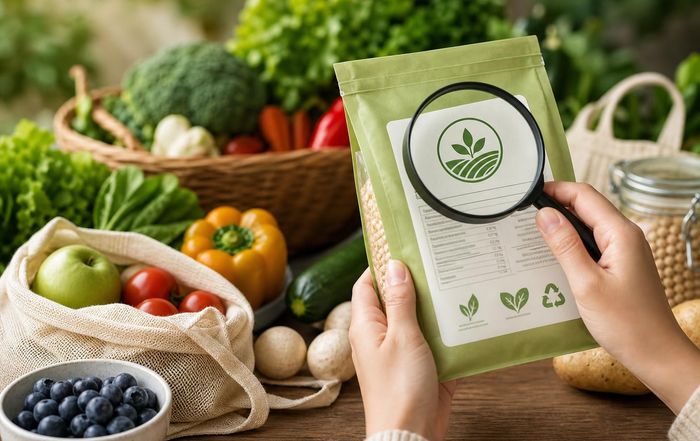
How to Read Organic Food Labels with Confidence
Organic food has moved from niche health stores into mainstream supermarkets across North America, Europe, Asia, and beyond, but the rapid growth of this market has also produced a confusing landscape of logos, seals, and marketing phrases. For readers of Eco Natur who want to make genuinely sustainable choices, understanding what those labels really mean is no longer optional; it is central to living in a way that aligns health, environmental protection, and ethical consumption.
This article explores how organic certification works in major regions, how to distinguish trustworthy seals from vague "green" claims, and how to use labels to support broader goals such as biodiversity, plastic reduction, and fair working conditions. It draws on current standards and research from leading authorities, so that visitors to eco-natur.com can read organic food labels with confidence and integrate that knowledge into their wider journey toward sustainable living.
What "Organic" Really Means - And Why It Matters
Around the world, legally certified organic food is generally defined by a set of production standards that restrict synthetic pesticides and fertilizers, prohibit genetically modified organisms (GMOs), and encourage soil health and ecological balance. While the exact rules differ between countries, reputable organic labels are grounded in enforceable regulations rather than marketing language.
Authorities such as the United States Department of Agriculture (USDA), the European Union (EU), and the Food and Agriculture Organization of the United Nations (FAO) emphasize that organic agriculture is not simply "chemical-free"; instead, it is a regulated system of farming that prioritizes practices like crop rotation, composting, and biological pest control. Readers can explore these frameworks through resources such as the USDA National Organic Program and the European Commission's organic farming portal.
For eco-conscious consumers, the significance of organic labels extends beyond personal health. Many organic standards include requirements or incentives related to animal welfare, biodiversity conservation, and reduced pollution of waterways and soils, which are critical themes for the Eco Natur community. Research summarized by organizations like the Rodale Institute and the IFOAM - Organics International indicates that, when well implemented, organic systems can support richer soil life, more pollinators, and lower synthetic pesticide runoff compared with conventional systems, although outcomes vary by crop and region.
For those exploring holistic sustainability, understanding what organic labels guarantee-and what they do not-is an essential step in making informed choices that respect both human and planetary health.
Core Principles Behind Trustworthy Organic Labels
Although each jurisdiction has its own rulebook, trustworthy organic certifications share several core principles that are relevant to shoppers in the United States, Europe, Asia-Pacific, and beyond.
First, there is a strong emphasis on soil and ecosystem health. Organic standards typically require practices such as diversified crop rotations, use of compost or animal manures instead of synthetic nitrogen fertilizers, and measures to prevent erosion. The FAO's overview of organic agriculture highlights these foundations and links them to long-term resilience of food systems.
Second, synthetic inputs are heavily restricted. Most organic regulations prohibit synthetic herbicides like glyphosate and insecticides such as neonicotinoids, although certain naturally derived pesticides are permitted under strict conditions. Consumers interested in pesticide reduction can consult data from organizations such as the Environmental Working Group and public agencies like the European Food Safety Authority to understand residue testing and comparative exposure levels.
Third, genetic engineering is generally banned. Both the USDA and EU organic regulations prohibit GMOs in organic production and processing, and producers must implement measures to avoid contamination. Those who wish to examine the details can review the USDA's GMO guidance for organic producers and the EU's relevant legal texts.
Fourth, animal welfare is addressed more substantively than in most conventional systems. Organic livestock standards in many countries require outdoor access, limit routine use of antibiotics, and mandate more space per animal. Resources from the Compassion in World Farming and the Soil Association explain how these requirements compare with conventional and other welfare labels.
Together, these principles underpin the trust that consumers place in organic seals and connect directly to the themes of organic food, wildlife protection, and long-term ecological resilience that Eco Natur promotes.
Decoding Major Organic Seals Around the World
Because the audience of eco-natur.com spans continents, it is helpful to understand the main official organic seals in several key regions, as well as how they are enforced.
In the United States, the most widely recognized symbol is the green-and-white USDA Organic seal. Products bearing this logo must comply with the National Organic Program rules, which include third-party certification, on-site inspections, and traceability requirements. The USDA organic labeling guide explains the different categories such as "100 percent organic," "organic" (at least 95 percent organic ingredients), and "made with organic [ingredient]" (at least 70 percent organic ingredients). Understanding these distinctions helps shoppers avoid assuming that every product with the word "organic" on the front panel is fully certified.
In the European Union, the common symbol is the green "Euro-leaf" logo, which indicates compliance with EU organic regulations across member states, including countries like Germany, France, Italy, Spain, and the Netherlands. The logo must appear alongside a code number identifying the control body and a statement of origin, such as "EU Agriculture" or "Non-EU Agriculture." Detailed explanations are available on the European Commission's organic logo page. National organizations such as AB Agriculture Biologique in France and Bio-Siegel in Germany sometimes add their own marks on top of the EU logo, but these generally build on the same regulatory base.
In the United Kingdom, following its departure from the EU, organic products must comply with UK organic regulations and are often certified by bodies such as the Soil Association or Organic Farmers & Growers (OF&G). The Soil Association's symbol is widely recognized and is considered by many consumers to represent standards that go beyond the legal minimum, particularly in areas like animal welfare and additives. More information is provided on the Soil Association certification site.
In Canada, the Canada Organic logo is regulated by the Canadian Food Inspection Agency (CFIA) and applies to products that meet the Canadian Organic Standards. The CFIA's organic products page describes the rules for domestic and imported goods, including equivalency arrangements with the United States and the European Union that allow mutual recognition of certifications.
In the Asia-Pacific region, several countries have established national organic standards. Japan's Japanese Agricultural Standard (JAS) organic logo, overseen by the Ministry of Agriculture, Forestry and Fisheries, is a key example; official details are available on the MAFF JAS portal. Australia does not yet have a single mandatory organic logo, but well-known certifiers such as Australian Certified Organic (ACO) operate under national standards, and the Australian Competition and Consumer Commission provides guidance on truthful organic claims. Similar frameworks exist in South Korea, where the Korean Organic mark is managed by the Ministry of Agriculture, Food and Rural Affairs, and in countries like China and Brazil, which have state-regulated organic seals described on their respective government portals.
For visitors to Eco Natur in Africa, South America, and Southeast Asia, it is important to look for national or internationally recognized certification bodies that are accredited and subject to oversight. IFOAM - Organics International maintains a directory of organic standards and certifications that can help consumers and businesses verify the legitimacy of labels in emerging markets.
Organic, Natural, and Other Claims: Avoiding Greenwashing
Supermarket shelves are crowded with phrases such as "natural," "eco-friendly," "pesticide-free," and "from sustainable farms," but many of these terms are not legally defined or are only loosely regulated, which opens the door to greenwashing. For the Eco Natur audience, learning to distinguish legally grounded organic labels from vague marketing language is essential for authentic sustainable living.
In the United States, for example, the term "natural" on food labels is not strictly defined by law, although the Food and Drug Administration (FDA) has issued limited guidance suggesting that it should mean nothing artificial or synthetic has been added. However, this does not address farming practices, pesticides, or GMOs. The FDA's labelling guidance pages explain these nuances and emphasize that "natural" is not a substitute for certified organic.
Similarly, in the European Union and many other jurisdictions, "eco" or "bio" terms are regulated only when they refer to organic certification; otherwise, companies may use green imagery and words like "sustainable" without meeting robust standards. Consumer protection agencies, such as the UK Competition and Markets Authority and the European Commission's guidance on green claims, have increased scrutiny of misleading environmental claims, but enforcement remains a work in progress.
Independent certifications can help cut through this confusion. Labels like Fairtrade, Rainforest Alliance, and Non-GMO Project address specific dimensions of sustainability or ingredient sourcing, although they are not substitutes for organic certification. Evaluations from organizations such as Consumers International and research by universities and NGOs provide nuanced comparisons of these schemes, highlighting that each has strengths and limitations.
For readers of eco-natur, the most reliable way to ensure that a product meets organic standards is to look for an official organic seal backed by government regulation or internationally recognized accreditation, rather than relying on generic environmental language or imagery.
Reading the Fine Print: Ingredient Lists and Percentages
Even when a product carries a recognized organic logo, the details in the ingredient list can reveal how much of the item is truly organic and how it fits into a broader zero-waste and plastic-free lifestyle. Many regulations allow multi-ingredient products to use the word "organic" in different ways depending on the percentage of organic content.
Under the USDA rules, products labeled "100 percent organic" must contain only organic ingredients and processing aids, excluding water and salt. Items labeled simply "organic" must be at least 95 percent organic, with the remaining 5 percent drawn from an approved list of non-organic substances. Products labeled "made with organic [ingredient]" must contain at least 70 percent organic ingredients, and they cannot display the USDA Organic seal on the front panel. These distinctions are explained in detail on the USDA organic labeling standards page.
The European Union and other regions use similar percentage thresholds, although the exact phrasing differs. In the EU, the organic logo can appear only when at least 95 percent of the agricultural ingredients are organic, while products with a lower proportion may reference organic ingredients only in the ingredient list and not in the main product name. The EU organic regulation overview outlines these rules.
Consumers committed to reducing additives and ultra-processed foods can use ingredient lists to complement organic labels. A certified organic snack might still be high in sugar or refined flours, and organic status does not automatically mean a food is nutritionally optimal. Nutrition guidance from sources such as the World Health Organization and national health agencies can help individuals balance organic choices with overall dietary quality, an issue closely linked to Eco Natur themes of health and sustainability.
Organic Labels, Wildlife, and Biodiversity
For many visitors to Eco Natur, one of the most compelling reasons to choose organic food is its potential to support wildlife and biodiversity. Scientific assessments from bodies such as the Intergovernmental Science-Policy Platform on Biodiversity and Ecosystem Services (IPBES) and conservation organizations like the World Wildlife Fund (WWF) have documented the decline of pollinators, birds, and other species due in part to intensive agriculture, habitat loss, and pesticide use.
Meta-analyses published in peer-reviewed journals and summarized by organizations like IFOAM - Organics International suggest that organic farms often host higher levels of plant, insect, and bird diversity compared with conventional farms, primarily because they avoid many synthetic pesticides and fertilizers and maintain more diverse crop rotations and semi-natural habitats. However, researchers also note that the benefits depend on local context, landscape structure, and specific management practices, and that organic yields can sometimes be lower, raising complex questions about land use and global food security.
Consumers who care about wildlife and biodiversity can use organic labels as one tool among several. Products that combine organic certification with additional conservation-focused labels, such as Bird Friendly coffee certified by the Smithsonian Migratory Bird Center, may offer stronger biodiversity benefits. Resources from the Smithsonian's bird-friendly program and similar initiatives explain how shade-grown, organic practices can protect habitats in Latin America, Africa, and Asia.
In this context, organic labels can be seen not only as a signal of farming practices but also as a gateway to broader engagement with landscape-level conservation, agroforestry, and regenerative agriculture, topics that resonate deeply with the mission of eco-natur and its focus on biodiversity.
Organic Food, Packaging, and the Plastic-Free Challenge
Organic certification primarily addresses how food is grown and processed, not how it is packaged, which means that an organic product can still be wrapped in single-use plastics that conflict with a plastic-free lifestyle. This disconnect is increasingly recognized by both consumers and regulators, especially in Europe, North America, and parts of Asia.
Organizations such as the Ellen MacArthur Foundation and the UN Environment Programme have highlighted the need to align sustainable packaging with sustainable sourcing, and many organic brands are responding by adopting compostable films, recycled cardboard, or refill systems. However, these solutions require careful evaluation; for example, some "biodegradable" plastics break down only in industrial composting facilities, not in home compost or natural environments, a nuance explained by groups like Zero Waste Europe.
For readers of Eco Natur, a practical approach is to treat organic labels as one part of a broader decision-making process that also considers packaging materials, recyclability, and overall waste. The resources on recycling and zero waste living at eco-natur.com can help integrate these dimensions, encouraging consumers to seek products that are both organically produced and thoughtfully packaged.
Organic Markets, Sustainable Business, and the Green Economy
The growth of organic food is reshaping agricultural economies and business models worldwide, creating opportunities and challenges for farmers, retailers, and policymakers. Market analyses from organizations such as the Research Institute of Organic Agriculture (FiBL) and IFOAM - Organics International, particularly in their annual World of Organic Agriculture reports, document steady expansion of organic farmland and consumer demand in regions like Europe, North America, and parts of Asia-Pacific.
From a sustainable business perspective, organic certification can serve as a differentiator that allows companies to command premium prices, build brand trust, and contribute to long-term soil and ecosystem health. At the same time, smallholders and family farms in countries such as India, Brazil, and several African nations often face barriers related to certification costs, market access, and technical support. Initiatives led by organizations like the International Fund for Agricultural Development (IFAD) and the World Bank seek to address these issues by supporting sustainable agriculture and value chains.
For the global economy, the rise of organic markets intersects with debates about food affordability, equity, and climate resilience. While organic foods often carry higher retail prices, partly due to labor-intensive practices and certification costs, some economists and public health experts argue that these prices do not yet reflect the full environmental and health costs of conventional agriculture. Reports from the OECD and the IPCC emphasize that transforming food systems, including expanding agroecological and organic practices, is a significant component of climate mitigation and adaptation strategies.
For Eco Natur, highlighting these connections between individual label-reading decisions and broader economic and policy dynamics is central to empowering readers to act not only as consumers but also as citizens, professionals, and community members influencing the direction of food systems.
Practical Strategies for Confident Organic Label Reading
Armed with an understanding of official seals, ingredient lists, and broader sustainability dimensions, consumers can develop simple habits that make organic label reading more intuitive and aligned with their values.
One effective strategy is to start with a shortlist of trusted certifications based on regional context. For example, shoppers in the United States might prioritize the USDA Organic seal, while those in the European Union look first for the EU organic logo, and consumers in Japan seek the JAS mark. Complementary labels such as Fairtrade or Rainforest Alliance can then be considered for specific products like coffee, tea, or chocolate, especially when social and environmental justice are priorities.
Another approach is to read beyond the front-of-pack claims and examine the ingredient list and percentage information, paying attention to whether the product is "100 percent organic," "organic," or simply "made with organic ingredients." This helps avoid overestimating the organic content of highly processed foods and supports a shift toward simpler, minimally processed options, an approach consistent with Eco Natur's guidance on organic food and health.
Consumers can also investigate brand transparency. Companies that provide clear information about their supply chains, farming partners, and environmental commitments-through websites, sustainability reports, or third-party verifications-tend to be more accountable. Resources such as the B Lab directory of Certified B Corporations and independent product rating platforms can offer additional insight into corporate practices, though these tools should be used as complements, not substitutes, for official organic certification.
Finally, integrating organic choices into a broader lifestyle that includes waste reduction, renewable energy adoption, and support for biodiversity, as explored across Eco Natur's sustainability resources, can amplify the impact of individual purchases. When consumers, businesses, and policymakers align around credible standards and transparent labeling, organic food becomes more than a logo on a package; it becomes part of a coherent strategy for healthier people and a thriving planet.
Looking Ahead: Organic Labels as Gateways to Deeper Change
As of the mid-2020s, organic food labels have evolved from niche symbols to central features of global food markets, reflecting rising concern about health, climate, and ecological integrity. Yet the meaning of "organic" continues to develop, with ongoing debates about how to integrate emerging concepts such as regenerative agriculture, climate-smart farming, and landscape-level biodiversity conservation.
Regulators in regions such as the European Union, North America, and parts of Asia are periodically revising organic standards to address issues like greenhouse gas emissions, animal welfare, and social criteria, while international bodies and civil society organizations explore how organic principles can inform broader sustainability transitions. Readers can follow these developments through sources such as the European Commission's organic policy updates, the USDA organic program news, and global analyses from IFOAM - Organics International.
For eco-natur and its community, learning to read organic food labels with confidence is both a practical skill and an entry point into a deeper engagement with food systems. By recognizing credible certifications, understanding ingredient information, and considering packaging, biodiversity, and social justice, consumers can align daily choices with the broader vision of a sustainable, equitable, and resilient world that Eco Natur champions.
In this way, every organic label becomes more than a promise on a package; it becomes a reminder that informed, values-driven decisions-multiplied across households, cities, and continents-can help drive the transformation of agriculture, markets, and ecosystems that the world urgently needs.
