
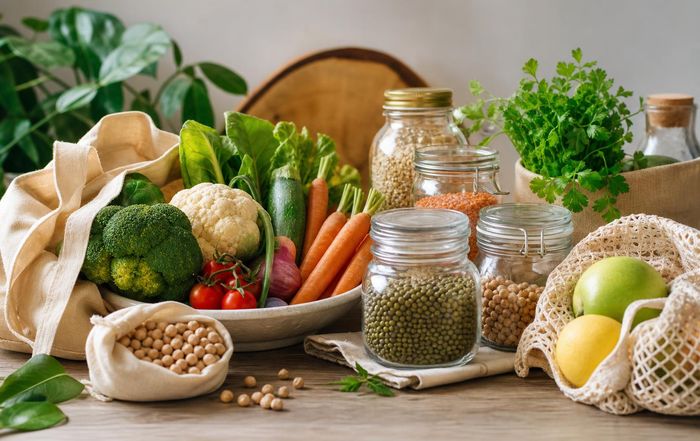
Organic Food Choices for Low-Waste Meal Planning
Rethinking the Everyday Meal: Why Organic and Low-Waste Belong Together
Across households in North America, Europe, Asia and beyond, there is a growing recognition that everyday meals are powerful levers for environmental change. Food systems are responsible for a significant share of global greenhouse gas emissions, land use, biodiversity loss and freshwater consumption, and yet they are also where individuals and communities can most directly influence outcomes through their daily choices. At the same time, food waste remains a persistent global challenge; according to the UN Environment Programme, hundreds of millions of tonnes of food are wasted annually along the supply chain and at home, contributing substantially to climate change and resource depletion.
In this context, organic food and low-waste meal planning have begun to converge as complementary strategies rather than separate lifestyle trends. Organic agriculture, when practiced with integrity and supported by robust certification and monitoring, can reduce synthetic chemical inputs, support biodiversity and improve soil health, while low-waste planning helps ensure that the food produced with such care is actually eaten rather than discarded. Eco Natur (also known as eco-natur or eco-natur.com) has positioned itself at this intersection, encouraging readers to connect sustainable agriculture with mindful consumption, and to explore how thoughtful choices in the kitchen can reinforce broader commitments to sustainable living and circular resource use.
What "Organic" Means in Practice
Although definitions vary slightly by region, organic food is generally produced without synthetic pesticides and fertilizers, genetically modified organisms and routine use of antibiotics or synthetic growth hormones in animal agriculture. In the United States, for instance, the US Department of Agriculture regulates the "USDA Organic" label through the National Organic Program, setting standards for soil management, pest control, animal welfare and processing. In the European Union, including countries such as Germany, France, Spain, Italy and the Netherlands, the EU organic logo is governed by detailed regulations that similarly restrict chemical inputs and encourage ecological practices such as crop rotation and maintenance of soil fertility.
Independent organizations like Soil Association in the United Kingdom and IFOAM - Organics International globally help harmonize standards, share research and provide additional assurance to consumers. In many Asian countries, including Japan, South Korea and China, national organic regulations have evolved rapidly in the last decade, with certification schemes overseen by public authorities and accredited third-party bodies. While there are ongoing debates among scientists and policymakers about yield differences, environmental trade-offs and the scalability of organic systems, multiple peer-reviewed studies summarized by bodies such as FAO indicate that organic farms often have higher soil organic matter, greater biodiversity and lower pesticide residues compared with conventional farms, especially when managed with agroecological principles.
For readers of Eco Natur, understanding these standards is essential because low-waste meal planning begins long before ingredients arrive in the kitchen. Choosing certified organic products where feasible, especially for items known to carry higher pesticide loads or with significant ecological impacts, can align personal health priorities with broader sustainability goals. At the same time, it is important to recognize that certification is not the only marker of responsible practice; many smallholder farmers in regions such as Africa, South America and Southeast Asia follow organic or near-organic methods without formal labels due to cost and administrative barriers, which underscores the value of direct relationships through farmers' markets, community-supported agriculture and trusted local retailers.
The Environmental Case for Organic Foods in a Low-Waste Framework
Low-waste meal planning is not only about reducing packaging or avoiding single-use plastics, although these are important elements. It is also about respecting the ecological effort embedded in every ingredient. When food is wasted, all the water, energy, land and labor that went into its production are squandered, and this is particularly poignant for organic produce grown under more resource-attentive systems. Research compiled by the Intergovernmental Panel on Climate Change shows that food loss and waste account for a notable share of total food-system emissions, and that reducing waste can be one of the most immediately achievable climate actions at the household level.
Organic agriculture's contribution to climate mitigation is still being studied, with some meta-analyses indicating that while yields can be lower in certain contexts, per-hectare emissions and biodiversity outcomes may be more favorable, especially when organic systems are integrated with agroforestry, cover cropping and reduced tillage. Organizations such as Rodale Institute in the United States and FiBL in Switzerland have conducted long-term field trials showing improved soil carbon sequestration and resilience to drought in organic plots compared with conventional ones, though these findings are influenced by local climate, crop type and management techniques.
From a low-waste perspective, the most impactful combination is often organic production paired with careful planning, storage and consumption, which minimizes both pre-consumer and household waste. This integrated approach aligns closely with Eco Natur's emphasis on recycling and circularity, since preventing waste at the source is more effective than trying to manage it after it has occurred. When consumers choose organic products that are seasonal, locally appropriate and thoughtfully used, they help create a feedback loop in which farmers are rewarded for ecological stewardship and communities benefit from fresher, less resource-intensive food.
Designing a Low-Waste, Organic-Forward Pantry
A low-waste pantry that prioritizes organic choices does not need to be elaborate or expensive; rather, it is built around versatile staples, smart storage and an understanding of how different foods keep over time. In many countries, from the United States and Canada to Germany, Sweden and Australia, organic dry goods such as whole grains, legumes, nuts and seeds are increasingly available in bulk sections of supermarkets and dedicated zero-waste stores, which significantly reduces packaging and allows shoppers to buy only what they need. Guidance from organizations like Zero Waste Europe and WRAP UK highlights that bulk purchasing, when combined with proper storage in airtight containers, can substantially cut both packaging waste and food spoilage.
For readers exploring the transition to a more sustainable pantry, Eco Natur offers resources on plastic-free strategies, including the use of glass jars, stainless steel containers and reusable cloth bags. These tools help extend the shelf life of organic ingredients while avoiding microplastic pollution and unnecessary single-use items. In regions where bulk options are limited, such as smaller towns or parts of Asia, Africa and South America, consumers can still prioritize minimally packaged items, larger family-size formats that reduce per-unit packaging and brands that use recyclable or compostable materials verified by independent standards like How2Recycle in North America or the Blue Angel label in Germany.
A key principle in low-waste meal planning is to favor ingredients with multiple uses across different meals. Organic oats, for example, can serve as breakfast porridge, a base for homemade granola and a thickener for soups or plant-based patties. Organic lentils can be transformed into stews, salads, spreads and fillings, while seasonal organic vegetables can anchor soups, stir-fries and roasted dishes that adapt easily to leftovers. This emphasis on versatility supports the broader sustainable lifestyle that Eco Natur promotes, where simplicity and creativity replace overconsumption and disposability.
Seasonal and Local Organic Choices: Reducing Hidden Waste
One of the most effective ways to align organic eating with low-waste principles is to focus on seasonal and local produce whenever possible. Seasonal foods are typically harvested closer to peak ripeness, which can enhance flavor and nutritional quality and reduce the need for energy-intensive storage or long-distance transport. Organizations like Slow Food International and the Sustainable Food Trust emphasize that seasonal eating supports regional agro-ecosystems and preserves traditional varieties that might otherwise be lost.
In Europe, many cities in countries such as France, Italy, Spain, the Netherlands and Denmark have vibrant farmers' markets and community-supported agriculture schemes where consumers can buy directly from organic or agroecological producers, often with minimal packaging. In the United States, the USDA Local Food Directories provide searchable listings of markets, while Canada's Farmers' Markets of Nova Scotia and similar regional associations across provinces highlight local options. In Asia and Oceania, urban residents in cities like Singapore, Bangkok, Seoul and Sydney increasingly rely on community box schemes and online platforms that connect them with nearby organic farms, sometimes delivering in reusable crates or deposit-return containers to cut down on packaging.
From a waste perspective, seasonal and local organic food tends to spend less time in transit and storage, which can reduce spoilage before it reaches the consumer. Moreover, when people plan meals around what is abundantly available in their region, they are more likely to use whole vegetables and fruits, including edible stems, leaves and peels that might otherwise be discarded. Eco Natur's focus on biodiversity and wildlife is closely linked to this seasonal approach, since diversified organic farms with hedgerows, flowering cover crops and mixed plantings provide habitat for pollinators and beneficial insects that support both food production and broader ecosystem health.
Organic Proteins and the Low-Waste Plate
Protein choices have a significant impact on both environmental footprints and household waste patterns. Organic animal products, such as dairy, eggs and meat, are subject to stricter welfare and feed rules in many jurisdictions, including limits on prophylactic antibiotic use and requirements for outdoor access, as outlined by regulators like the European Commission and the USDA National Organic Program. Independent assessments by organizations such as Compassion in World Farming suggest that well-managed organic livestock systems can provide higher welfare outcomes, though conditions vary widely between farms and certification alone is not a guarantee of best practice.
From a climate and resource perspective, however, multiple analyses, including reports by the World Resources Institute, indicate that shifting some portion of protein intake toward plant-based sources can significantly reduce land use, emissions and water consumption, regardless of production system. For low-waste meal planning, this means that organic legumes, whole grains, nuts and seeds often play a central role. They store well, lend themselves to batch cooking and can be repurposed into different dishes throughout the week, which helps prevent leftovers from being forgotten in the refrigerator.
In regions like Germany, Sweden, the United Kingdom and the Netherlands, there has been a notable expansion in organic plant-based products, from tofu and tempeh to minimally processed meat alternatives, many of which are certified organic and packaged in recyclable or compostable materials. In North America, retailers and cooperatives increasingly highlight regenerative or organic plant proteins, while in countries such as Brazil, South Africa and India, traditional dishes based on beans, lentils and pulses provide a culturally rooted template for low-waste, organic-forward eating. Eco Natur encourages readers to see these proteins not as a compromise but as an opportunity to explore diverse culinary traditions that align with sustainable business and economy models supporting small farmers and ethical supply chains.
Organic Food, Health and Well-Being
While low-waste meal planning is often framed in environmental terms, it is also deeply connected to personal and public health. Research reviewed by institutions such as Harvard T.H. Chan School of Public Health and World Health Organization emphasizes the importance of diets rich in vegetables, fruits, whole grains and minimally processed foods, many of which can be sourced organically. Some studies, including those cited by the European Food Safety Authority, have found that organic foods tend to have lower pesticide residues, although both organic and conventional foods sold in regulated markets are generally within legal safety limits.
The health benefits of organic diets are an active area of scientific investigation, with some observational research, such as studies published in journals like Environmental Health Perspectives and JAMA Internal Medicine, suggesting associations between higher organic food consumption and reduced pesticide exposure or certain health outcomes. However, experts caution that such studies are subject to confounding factors, including overall lifestyle, income and education levels, and that more controlled research is needed. What is less controversial is that diets emphasizing whole, minimally processed foods, whether organic or conventional, tend to support better health than diets high in ultra-processed items.
Low-waste planning can reinforce these patterns by encouraging home cooking, mindful portioning and the creative use of leftovers, which often leads to meals based on whole ingredients rather than single-use packaged foods. Eco Natur's focus on health and well-being reflects this synergy, highlighting that when people feel more connected to the origins of their food and more intentional in how they prepare it, they are more likely to sustain nutritious habits over time. This connection is especially important in urban environments across Asia, Europe and the Americas, where fast-paced lifestyles can push households toward convenience foods and take-away meals with higher packaging waste and less transparency about sourcing.
Practical Strategies for Low-Waste, Organic Meal Planning
Translating these principles into daily practice requires a combination of planning, flexibility and realistic expectations. Many households in the United States, United Kingdom, Canada, Australia and beyond have found that dedicating a short period each week to planning meals and checking pantry inventories can drastically reduce impulse purchases and forgotten items. Resources from organizations such as Love Food Hate Waste and ReFED offer evidence-based tips on portioning, storage and creative use of leftovers, which can be readily adapted to organic ingredients.
For Eco Natur's audience, one useful approach is to start by identifying a few key organic items that matter most, whether for environmental, ethical or health reasons, and then building low-waste meal plans around them. This might mean prioritizing organic leafy greens, berries and apples in regions where pesticide use is high on these crops, or choosing organic dairy and eggs where animal welfare is a primary concern. Over time, as budgets and availability allow, more items can be shifted to organic, especially staples that are eaten frequently. Combining this with a zero-waste mindset encourages the use of vegetable trimmings for stocks, repurposing cooked grains into salads or patties and freezing portions before they spoil.
In many European and Asian cities, app-based platforms now connect consumers with surplus food from restaurants and retailers at reduced prices, which, when combined with careful selection of organic or sustainably produced options, can further reduce waste. Initiatives documented by the Ellen MacArthur Foundation illustrate how circular economy principles are being applied to food systems, from reusable packaging to industrial composting and anaerobic digestion for unavoidable food scraps. By engaging with such innovations, households contribute to a broader transformation that extends beyond individual kitchens.
The Economic Dimension: Affordability, Access and Fairness
A common concern about organic food is cost, and it is true that in many countries organic products carry a price premium, reflecting more labor-intensive practices, lower yields in some systems and the costs of certification and segregation along the supply chain. Analyses by organizations such as Consumer Reports and OECD show that price differentials vary widely by product and region, with some items, like organic milk or certain grains, sometimes only modestly more expensive, while others, such as organic berries or specialty products, can be significantly higher.
Low-waste meal planning can help manage these costs by reducing overall waste, focusing on less expensive organic staples and minimizing spending on heavily packaged, convenience items. Cooking from scratch using organic whole foods, especially plant-based proteins and seasonal produce, can often be more economical than purchasing pre-prepared organic meals. Eco Natur also highlights the importance of systemic change, including policy measures such as subsidies for sustainable farming, support for smallholder farmers in Africa, Asia and Latin America and investment in local processing and distribution infrastructure that can bring down prices and improve access for low-income communities.
Fairness is another critical aspect. Organic and low-waste movements must consciously include and support farmers and workers across the global supply chain, from cocoa growers in West Africa to coffee producers in Latin America and tea farmers in Asia. Certifications like Fairtrade and Rainforest Alliance, while not synonymous with organic, often intersect with organic practices and can provide additional assurance regarding labor conditions and environmental stewardship. By choosing products that combine organic and fair trade attributes where possible, consumers reinforce a more equitable global economy that values both ecological integrity and social justice.
Organic Food, Wildlife and the Wider Ecosystem
The link between organic agriculture, low-waste consumption and wildlife conservation is increasingly recognized by conservation scientists and environmental organizations. Studies summarized by BirdLife International and WWF indicate that diversified farming systems with reduced pesticide use, such as many organic farms, can provide more hospitable habitats for birds, pollinators and soil organisms than highly simplified, chemically intensive landscapes. However, the overall impact on wildlife depends not only on farm management but also on broader land-use patterns, including whether reduced yields in some organic systems lead to agricultural expansion elsewhere.
Low-waste meal planning contributes to this equation by helping to ensure that the land already under cultivation is used efficiently, reducing pressure to convert additional natural habitats into farmland. When households in regions such as Europe, North America and East Asia reduce food waste and shift toward diets with lower overall resource demands, they indirectly support efforts to protect forests, wetlands and grasslands in biodiversity-rich regions like the Amazon, Congo Basin and Southeast Asia. Eco Natur's attention to biodiversity and wildlife protection underscores that the consequences of food choices extend far beyond supermarket shelves, influencing species survival and ecosystem resilience at a planetary scale.
Inspiring a Culture of Organic, Low-Waste Eating
As awareness of climate change, plastic pollution and biodiversity loss deepens, the convergence of organic food and low-waste meal planning offers a hopeful narrative: that meaningful change can begin in the most familiar of places, the kitchen. Around the world, from community gardens in London and Berlin to urban farms in Singapore and Johannesburg, from cooperative grocery stores in Montreal and Melbourne to solidarity markets in São Paulo and Bangkok, individuals and communities are experimenting with new ways to grow, share and enjoy food that honors both people and planet.
Eco Natur seeks to amplify these stories and provide practical guidance for readers who wish to integrate organic food choices into a broader journey toward sustainable living, renewable energy adoption, low-waste design and conscious consumption. In a world where the environmental stakes are high, but innovation and collaboration are also accelerating, the act of planning a week's worth of meals with care, choosing organic where it matters most, and ensuring that little is wasted becomes an expression of both responsibility and optimism.
By aligning personal habits with evidence-based practices, staying informed through trusted sources such as UNEP, FAO and leading research institutions and engaging with local food networks, readers can help shape food systems that are healthier, fairer and more resilient. The future of food will be written not only in policy documents and corporate strategies, but in the everyday decisions of households across continents, and eco-natur.com is dedicated to supporting those decisions with clarity, integrity and inspiration.
