
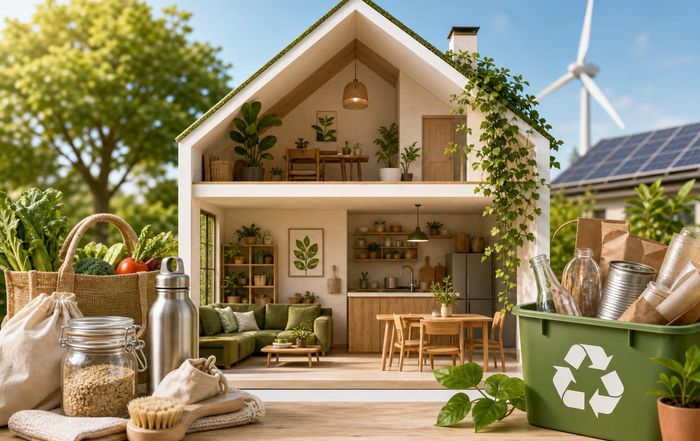
Simple Strategies for a More Sustainable Family Home
Rethinking the Family Home as a Climate Solution
Across the world, families are quietly reshaping what "home" means, turning ordinary houses and apartments into hubs of climate action, health, and community. While headlines often focus on large-scale policies and corporate pledges, research from organizations such as the Intergovernmental Panel on Climate Change (IPCC) and UN Environment Programme consistently shows that household choices, when scaled across millions of homes, can significantly cut emissions, reduce waste, and protect biodiversity. A more sustainable family home is no longer a niche aspiration; it is emerging as a practical, attainable pathway for people who want their daily lives to reflect their values.
For Eco Natur, whose fans span from North America and Europe to Asia, Africa, and South America, the sustainable home is not a single blueprint but a flexible framework that adapts to different climates, cultures, and budgets. Whether a family lives in a city apartment in Singapore, a suburban house in the United States, a village home in South Africa, or a compact flat in Germany, the core principles of sustainable living remain remarkably similar: use fewer resources, waste less, choose healthier materials and foods, and nurture the natural world that surrounds the home.
The following strategies combine current research, policy trends, and practical experience from around the globe, offering families realistic ways to transform their homes step by step without sacrificing comfort or joy.
Designing a Home that Uses Less and Gives More
A sustainable family home begins with design choices, but these do not require a full renovation or new construction. Incremental improvements in layout, materials, and everyday habits can significantly reduce energy use and environmental impact. Leading green building standards, such as LEED from the U.S. Green Building Council and BREEAM in the United Kingdom, emphasize the same foundational ideas: maximize natural light, improve insulation, reduce air leaks, and prioritize durable, low-toxicity materials. Families can draw inspiration from these frameworks even if they never pursue formal certification.
Simple actions such as sealing drafts around windows and doors, installing thick curtains for insulation, and using light-colored paint to reflect daylight can dramatically improve comfort and reduce heating and cooling demands. Studies compiled by the International Energy Agency (IEA) indicate that basic efficiency upgrades in buildings are often the most cost-effective climate measures available, especially when compared to more complex technologies. Families in colder climates like Canada, Sweden, or Finland can focus on insulation and double- or triple-glazed windows, while those in warmer regions such as Thailand, Brazil, or parts of Africa may gain more by improving shading, cross-ventilation, and reflective roofing.
Thoughtful design also extends to how space is used. Multi-purpose rooms, modular furniture, and high-quality, repairable items can reduce the need for constant replacement and remodeling. The philosophy of sustainable design encourages families to see their home as a long-term ecosystem rather than a disposable backdrop, choosing timeless, durable pieces over fast furniture that often ends up in landfills.
Energy: From Consumption to Conscious Use
Energy is central to the environmental footprint of any home, and families now have more options than ever to reduce their reliance on fossil fuels. According to the IEA, household energy use for heating, cooling, lighting, and appliances represents a significant share of global energy demand, yet a combination of efficiency and clean energy can cut that footprint dramatically.
The first step is usually efficiency. Replacing old incandescent bulbs with LEDs, choosing high-efficiency appliances with strong ratings such as ENERGY STAR in the United States and Canada or EU energy labels in Europe, and using smart power strips to eliminate standby power can together reduce electricity consumption by a substantial margin. Simple behavioral changes, such as washing clothes at lower temperatures, line-drying when possible, and turning off lights in unused rooms, remain highly effective, especially when children are actively involved and understand why these habits matter.
The second step is to shift towards cleaner energy sources wherever feasible. Many families now explore rooftop solar, community solar subscriptions, or green electricity tariffs offered by utilities. In countries like Germany, Australia, and the Netherlands, residential solar adoption has grown significantly, supported by falling technology costs and favorable policies documented by the International Renewable Energy Agency (IRENA). Even where rooftop solar is not an option, families can often choose electricity plans that source more power from wind, solar, or hydro, a step that aligns closely with the principles outlined in renewable energy guidance on Eco Natur.
Smart thermostats and connected home energy monitors provide another layer of control. By learning household patterns and adjusting heating and cooling automatically, these devices can reduce energy waste without sacrificing comfort. Independent evaluations by organizations such as Consumer Reports and Which? in the United Kingdom suggest that, when properly configured, smart thermostats can deliver measurable savings, though exact figures vary by climate and home type. The key is to use technology as a tool for awareness and behavior change rather than as a substitute for mindful habits.
Water Wisdom: Conserving a Shared Resource
Water scarcity affects regions from California and Mexico to South Africa and parts of India, and climate models from agencies like the World Meteorological Organization suggest that extremes of drought and flooding are likely to intensify. A sustainable family home therefore treats water as a precious shared resource rather than an unlimited utility.
Practical strategies begin with fixtures and habits. Low-flow showerheads and faucets, dual-flush or efficient toilets, and prompt repair of leaks can save thousands of liters of water per year, as documented by the U.S. Environmental Protection Agency's WaterSense program. In many European and Asian cities, similar standards and labels help consumers identify water-saving products. Families can teach children to take shorter showers, turn off taps while brushing teeth, and reuse lightly used water for plants where appropriate.
In houses with outdoor space, rainwater harvesting systems, ranging from simple barrels to more advanced cisterns, can provide water for gardens, reducing demand on municipal systems and supporting resilient sustainable living. Permeable surfaces, native plants, and thoughtful landscaping can also help manage stormwater, reduce flooding risks, and create microhabitats for local wildlife, aligning with the conservation ethos explored in Eco Natur's resources on biodiversity.
For families in apartments or high-rise buildings, indoor water mindfulness remains powerful. Educating children about the water cycle, local rivers and lakes, and the energy required to treat and transport water can foster a sense of connection and responsibility that extends beyond the home.
Towards a Plastic-Free, Low-Waste Household
Plastic pollution has become one of the defining environmental challenges of the century, with research from organizations such as UNESCO and The Ellen MacArthur Foundation highlighting the scale at which plastics enter oceans, soils, and even human bodies. A sustainable family home can significantly reduce its contribution to this problem by rethinking packaging, products, and disposal practices.
Transitioning to a more plastic-free lifestyle often begins with the kitchen. Families can switch from single-use plastic bags and cling film to glass jars, stainless steel containers, beeswax wraps, and reusable silicone bags. Shopping with cloth bags, buying loose produce where possible, and favoring products sold in glass, metal, or paper packaging can sharply cut plastic waste. Many cities in Europe, North America, and parts of Asia now host zero-waste or refill shops, where households can purchase dry goods, cleaning products, and personal care items without disposable packaging; directories from groups like Zero Waste Europe and Plastic Free Foundation can help locate these options.
Bathroom and laundry habits provide another opportunity. Solid shampoo and conditioner bars, refillable soaps, bamboo toothbrushes, and reusable razors reduce plastic while often eliminating unnecessary chemical additives. Microplastic pollution from synthetic textiles has become a concern documented by research institutions and organizations such as The Ocean Conservancy; families can mitigate this by choosing natural fibers when possible, washing synthetic garments in specialized bags or filters that capture microfibers, and washing less frequently at lower temperatures.
Beyond plastics, a sustainable family home embraces a broader zero waste philosophy. This does not demand perfection; instead, it encourages families to move steadily up the "waste hierarchy," favoring refusal, reduction, reuse, and repair before recycling or disposal. Community repair cafés, swap events, and online sharing platforms supported by networks such as Repair Café International and The Shareable movement demonstrate that practical, joyful alternatives to throwaway culture are already flourishing.
Recycling as Part of a Circular Lifestyle
While waste reduction and reuse come first, effective recycling remains a vital component of a sustainable family home. Recycling systems vary widely between countries and even between neighboring municipalities, so families need to understand local rules and infrastructure. Official guidance from city or national environment agencies, such as the UK's Recycle Now, the U.S. EPA, or similar portals in Germany, Canada, and Japan, provides reliable information about what can and cannot be recycled, how to prepare items, and where to take special materials like electronics or batteries.
Teaching children to sort materials properly, rinse containers, and avoid "wish-cycling" (placing non-recyclables in the bin in the hope they will be processed) builds environmental literacy and respect for the workers and systems that handle waste. Some regions, such as parts of Scandinavia, Germany, and South Korea, have implemented deposit-return schemes and pay-as-you-throw systems that reward careful sorting and reduction; families living in these areas can leverage these incentives to reinforce sustainable habits.
At a deeper level, recycling is most powerful when it is part of a circular approach to consumption. Families can choose products made from recycled content, support brands that design for recyclability and repair, and engage with the broader concept of a circular economy promoted by organizations like the Ellen MacArthur Foundation and Circle Economy. By doing so, they help shift markets and policies towards systems where resources are kept in use for as long as possible, waste is minimized, and natural systems are regenerated, a vision that resonates with the economic perspectives explored in Eco Natur's work on the sustainable economy.
Organic Food, Local Choices, and Family Health
What a family eats is central not only to health and culture but also to environmental impact. Agricultural research from bodies such as the Food and Agriculture Organization (FAO) and World Resources Institute shows that food systems contribute substantially to greenhouse gas emissions, water use, and biodiversity loss. At the same time, sustainable food choices can support healthier soils, cleaner water, and more resilient rural communities.
Many families are turning towards organic food, which, when certified by credible standards such as EU Organic, USDA Organic, or equivalent national schemes, generally avoids synthetic pesticides and fertilizers, promotes crop rotation, and often encourages higher animal welfare. While scientific debate continues over the precise environmental benefits and yield differences of organic versus conventional farming, multiple meta-analyses suggest that organic systems often enhance soil health and biodiversity, especially at the field level. For families, organic choices can be combined with local and seasonal purchasing to reduce transport emissions and support regional farmers.
Plant-rich diets, featuring more vegetables, fruits, legumes, whole grains, nuts, and seeds, and less red and processed meat, are increasingly recommended by public health authorities such as the World Health Organization and national dietary guidelines in countries including Canada, Brazil, and several European nations. These dietary shifts can lower a household's carbon footprint while improving long-term health outcomes, a synergy that aligns with Eco Natur's focus on health and sustainability.
Home cooking, meal planning, and creative use of leftovers are powerful tools against food waste, which the UN Environment Programme estimates to be a major source of unnecessary emissions and resource use. Families can involve children in gardening, even on balconies or windowsills, to build a tangible connection between soil, plants, and the food on their plates. Initiatives such as Slow Food and resources from WWF on sustainable diets provide further guidance and inspiration.
Welcoming Wildlife into Everyday Life
A truly sustainable family home does not end at the front door; it extends into the surrounding ecosystem, whether that is a backyard, a shared courtyard, a balcony, or a nearby park. Biodiversity loss is a global concern highlighted by the Intergovernmental Science-Policy Platform on Biodiversity and Ecosystem Services (IPBES), yet residential areas can offer vital refuges for birds, insects, and small mammals.
Families with gardens can plant native species, create small ponds or water dishes, leave some areas slightly wild, and avoid pesticides and herbicides that harm pollinators and soil life. Even modest steps, such as installing bird feeders or bat boxes following guidance from organizations like the Royal Society for the Protection of Birds (RSPB) in the UK or Audubon Society in the United States, can make a meaningful difference. For those in apartments, balcony planters with native flowers and herbs can support bees and butterflies, and participation in citizen science projects like iNaturalist or eBird can deepen children's understanding of local ecosystems.
The ethos of wildlife-friendly living promoted by us emphasizes coexistence rather than control. By observing and appreciating the species that share their neighborhoods, families cultivate empathy and curiosity, qualities that are foundational for long-term environmental stewardship.
Sustainable Business, Family Finances, and the Wider Economy
A sustainable family home is also shaped by the economic systems that surround it. Families are not only consumers; they are workers, entrepreneurs, investors, and citizens whose decisions influence markets and policies. Interest in sustainable business practices has expanded rapidly, with frameworks such as B Corp certification, Global Reporting Initiative (GRI) standards, and Science Based Targets initiative (SBTi) helping companies align operations with environmental and social goals.
Families can support these shifts by favoring businesses with transparent sustainability commitments, fair labor practices, and credible third-party certifications. Financial choices, including banking, pensions, and investments, increasingly offer options that consider environmental, social, and governance (ESG) criteria, though independent evaluations from organizations like Morningstar and ShareAction stress the importance of scrutinizing claims to avoid "greenwashing." By aligning household spending and savings with values, families contribute to the broader transition towards a regenerative global economy.
At the community level, cooperative ownership models, local repair services, and sharing platforms illustrate how economic resilience and environmental responsibility can reinforce each other. The OECD, World Bank, and numerous academic institutions document how sustainable infrastructure, efficient housing, and clean energy can create jobs and reduce long-term costs, demonstrating that ecological responsibility and economic wellbeing are not mutually exclusive.
Nurturing a Sustainable Family Culture
Technology, design, and policy matter, but the heart of a sustainable family home lies in culture: the shared stories, routines, and values that shape daily life. Research in behavioral science, including work from institutions such as Stanford University and University College London, suggests that habits formed in childhood can have long-lasting impacts, particularly when they are associated with positive emotions, autonomy, and social connection rather than guilt or fear.
Families can embed sustainability into routines in ways that feel natural and rewarding. Regular "eco days" where everyone participates in activities such as a car-free outing, a vegetarian meal challenge, or a neighborhood cleanup can be framed as adventures rather than chores. Reading age-appropriate books about nature, climate, and animals, watching documentaries from trusted sources like BBC Earth or National Geographic, and discussing local environmental news together help children connect global issues to their own lives.
Resources about sustainable lifestyles emphasize that perfection is neither realistic nor necessary. Progress often comes through small, consistent steps and a willingness to learn and adjust over time. Celebrating milestones-such as a month without single-use plastic bags, a successful garden harvest, or a year of lower energy bills-reinforces motivation and demonstrates to children that their actions matter.
Community engagement strengthens this culture. Joining local environmental groups, participating in school sustainability committees, or contributing to city consultations on issues like public transport or green spaces can amplify the impact of individual households. Initiatives such as Fridays for Future, Transition Towns, and local climate action networks show how family voices can influence policy and inspire others.
A Shared Journey, Home by Home
In a world facing intertwined challenges of climate change, biodiversity loss, and resource depletion, the family home might appear to be a small stage. Yet, as evidence from global institutions, local communities, and countless households shows, the cumulative impact of millions of homes embracing sustainability is profound. Each decision-to insulate a roof, to choose organic and plant-rich meals, to reduce plastic, to welcome wildlife, to support responsible businesses-becomes part of a wider story of transformation.
The sustainable family home is both a destination and an ongoing journey. It is a place where comfort and beauty coexist with efficiency and responsibility, where children grow up understanding that their everyday choices are threads in a global tapestry of care. By using the guidance available through sustainability, recycling, organic food, renewable energy, and many other interconnected themes, families can craft homes that not only shelter them but also contribute to a healthier planet.
The path forward is not about grand perfection but about steady, thoughtful change, shared with neighbors, communities, and generations to come. As more households on every continent adopt simple strategies for a more sustainable family home, the collective impact becomes a powerful force for hope and renewal.
