
The Impact of Fast Fashion on Global Sustainability
Fast Fashion at a Turning Point
The global conversation around sustainability has moved from the margins of corporate strategy to the center of boardroom discussions, and few sectors are under more intense scrutiny than fashion. The rise of fast fashion over the past two decades has transformed how people in the United Kingdom, Germany, Canada, France, Spain, China and beyond buy, wear and discard clothing. At the same time, this model has amplified profound environmental, social and economic challenges that now sit at the heart of global sustainability debates.
For Eco Natur, which has long focused on sustainable living, the impact of fast fashion is not a remote policy issue but a daily reality shaping consumer choices, business models and regulatory frameworks. The industry's rapid production cycles, low price points and relentless marketing have encouraged overconsumption and disposability, undermining efforts to build resilient, circular and low-carbon economies. As leading institutions such as the United Nations Environment Programme highlight in their work on sustainable consumption and production, the fashion sector has become both a symbol and a stress test of whether global sustainability commitments can translate into meaningful change.
Understanding the Fast Fashion Model
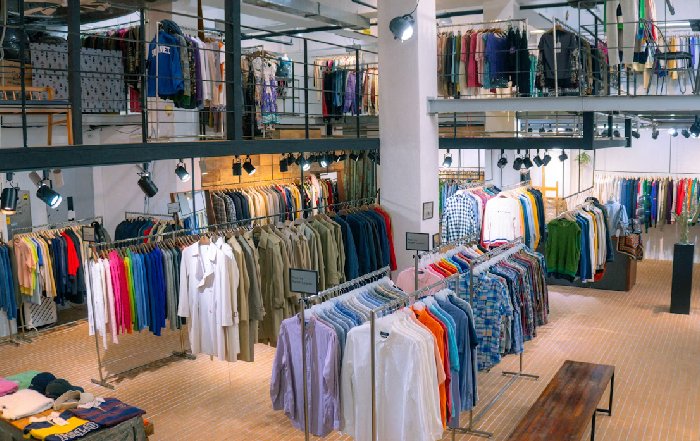
Fast fashion is characterized by accelerated design-to-shelf timelines, high-volume production, low unit costs and a business logic built around frequent collection drops that mirror social media trends rather than seasonal cycles. Companies such as Zara, H&M, SHEIN and Primark have pioneered and scaled this model, leveraging globalized supply chains, sophisticated data analytics and aggressive discounting to encourage consumers to purchase more items, more often, and to view clothing as a short-lived commodity rather than a durable good.
According to analyses from organizations such as the Ellen MacArthur Foundation, global clothing production has roughly doubled since the early 2000s, while the average number of times a garment is worn has fallen significantly, especially in mature markets across North America, Europe and parts of Asia. Learn more about the circular economy in fashion to understand how this shift undermines resource efficiency. For eco-natur.com, which promotes sustainability as a systemic principle, the fast fashion model is a case study in linear consumption: take, make, use briefly and discard.
The speed of design and production is central to this paradigm. Where traditional apparel brands might once have released two main collections per year, fast fashion retailers can launch dozens of micro-collections annually, reacting to real-time data from social media platforms such as Instagram and TikTok. This acceleration compresses design, sampling and quality assurance phases, making it harder to embed eco-design principles, ensure robust labor standards or invest in long-lasting materials. It also encourages a form of psychological obsolescence, in which garments feel outdated not when they wear out, but when the next trend arrives in consumers' feeds.
Environmental Consequences Across the Value Chain
The environmental impact of fast fashion begins long before a garment reaches a store or an online cart. Fiber production, whether synthetic or natural, carries significant ecological footprints. Synthetic fibers such as polyester, which now dominate global clothing markets, are derived from fossil fuels and contribute to greenhouse gas emissions, both in their production and through the energy required for washing and drying. Natural fibers such as conventional cotton, while renewable, can be highly water- and pesticide-intensive, particularly in regions already facing water stress.
Research compiled by the World Resources Institute on the environmental cost of fashion underscores that the fashion sector is responsible for a substantial share of global carbon emissions, water use and chemical pollution. Dyeing and finishing processes rely on large quantities of water and a wide range of chemicals, many of which can contaminate rivers and groundwater in production hubs across Asia, Africa and South America when wastewater treatment is inadequate. For communities in countries such as Bangladesh, Vietnam, India and Ethiopia, the local impacts of this pollution are immediate and severe, affecting health, agriculture and biodiversity.
The rise of synthetic fibers has also intensified concerns about microplastic pollution. Each wash of a polyester garment can release thousands of microfibers into wastewater systems, many of which pass through treatment plants and end up in rivers, lakes and oceans. The International Union for Conservation of Nature has documented the contribution of textiles to microplastic pollution, which affects marine ecosystems and, ultimately, human food chains. For a platform like eco-natur.com, which advocates for plastic-free living, the connection between fast fashion and plastic pollution is a critical narrative that links consumer wardrobes to ocean health.
At the end of the value chain, waste has emerged as one of the most visible and troubling symptoms of the fast fashion system. In many high-income countries, including the United States, the United Kingdom, Germany and Australia, consumers discard clothing at unprecedented rates, often after only a handful of wears. While some items are donated or resold, a significant proportion ends up in landfills or incinerators, contributing to methane emissions and toxic ash. Even well-intentioned donations can create downstream challenges, as large volumes of low-quality garments are exported to countries in Africa and South America, where they can overwhelm local waste management systems and undermine domestic textile industries.
Reports from the European Environment Agency and initiatives such as the EU Strategy for Sustainable and Circular Textiles show how policymakers are beginning to respond with extended producer responsibility schemes, eco-design requirements and stricter waste regulations, particularly across Europe. Learn more about EU textile sustainability policies to see how regulatory frameworks are evolving. These developments are highly relevant for businesses and readers of eco-natur.com, as they signal a shift from voluntary corporate commitments to enforceable standards that will reshape supply chains and consumer markets.
Social and Labor Impacts in Global Supply Chains
Beyond environmental considerations, fast fashion has deep social implications, particularly for workers in the global South who produce garments for consumers in North America, Europe and parts of Asia-Pacific. The search for low production costs has driven brands to outsource manufacturing to countries where labor is inexpensive, unions are weak and regulatory oversight may be limited. This model has generated employment opportunities but also entrenched vulnerabilities, as illustrated by the Rana Plaza factory collapse in Bangladesh in 2013, which exposed systemic failures in building safety, wages and worker protections.
Organizations such as the International Labour Organization have documented persistent issues in garment supply chains, including low wages, excessive overtime, unsafe working conditions and barriers to collective bargaining. Learn more about decent work in the garment sector to understand how these challenges intersect with global trade and development. In countries from Cambodia and Myanmar to Ethiopia and Madagascar, garment workers-many of them women-often face precarious employment, limited social protections and exposure to hazardous chemicals.
Fast fashion's emphasis on speed and cost reduction can exacerbate these pressures. Tight lead times and last-minute order changes can push factories to demand longer hours, subcontract work to unregulated facilities or cut corners on safety. While some leading brands have joined multi-stakeholder initiatives such as the Fair Labor Association or the Ethical Trading Initiative, progress remains uneven, and transparency is still lacking in many supply chains. For business readers and sustainability professionals, this underscores the importance of robust due diligence, independent auditing and genuine partnership with suppliers, rather than treating social compliance as a box-ticking exercise.
The COVID-19 pandemic and subsequent economic disruptions, including inflationary pressures and supply chain shocks through 2024-2025, further revealed the fragility of the fast fashion model. Order cancellations, delayed payments and abrupt factory closures left millions of workers without income or social safety nets, while brands and retailers sought to protect margins and shareholder value. Analyses by Human Rights Watch and Clean Clothes Campaign detail how these dynamics undermined trust and highlighted the need for binding agreements that allocate risk and responsibility more equitably across the value chain. In this context, trustworthiness and ethical leadership have become central to how fashion companies are evaluated by investors, regulators and consumers alike.
Economic Dynamics and the Global Sustainability Agenda
From an economic perspective, fast fashion has been both a driver of growth and a source of structural risk. The model has democratized access to style for consumers in markets ranging from the United States and the United Kingdom to Brazil, South Africa and Malaysia, contributing to retail expansion, job creation and export revenues. At the same time, it has entrenched a volume-based business logic that is increasingly at odds with planetary boundaries and climate commitments.
The World Bank has highlighted in its work on sustainable textiles and apparel that the sector's current trajectory is incompatible with the goals of the Paris Agreement and the UN Sustainable Development Goals (SDGs), particularly those related to responsible consumption and production, climate action and decent work. For eco-natur.com, which explores the intersections of sustainable business and economy, this raises a fundamental question: how can fashion companies create economic value without relying on perpetual volume growth and planned obsolescence?
Investors, regulators and consumers are beginning to answer this question by demanding more rigorous environmental, social and governance (ESG) performance. Frameworks such as the Task Force on Climate-related Financial Disclosures (TCFD) and, in Europe, the Corporate Sustainability Reporting Directive (CSRD) are pushing fashion companies to quantify and disclose their climate risks, supply chain impacts and transition plans. Learn more about ESG reporting and climate risk to understand how these frameworks influence capital allocation. Brands that cannot demonstrate credible decarbonization pathways, circularity strategies and human rights due diligence may face higher financing costs, reputational damage or regulatory penalties.
At the same time, new business models are emerging that challenge the traditional fast fashion paradigm. Rental platforms, resale marketplaces and repair services are gaining traction in markets from the United States and Canada to France, Sweden and Japan, supported by digital technologies and shifting consumer attitudes. Analyses from McKinsey & Company on the future of fashion suggest that circular models could become a significant share of industry revenues by 2030, especially among younger, urban consumers. For eco-natur.com, these developments align closely with the platform's emphasis on zero waste and long-term value creation.
Consumer Behavior, Culture and Responsibility
While corporate strategies and regulations are critical, the demand side of the fashion equation remains decisive. Fast fashion has thrived on a culture of instant gratification, social media-driven trends and the psychological appeal of novelty at low cost. In many countries, from the United States and the United Kingdom to China, South Korea and Thailand, influencers and digital platforms have normalized "haul" culture, where consumers showcase large quantities of inexpensive clothing purchased online, often with little intention of long-term use.
Behavioral research from organizations such as the Behavioural Insights Team and academic institutions including Harvard University and London School of Economics underscores that consumer choices are shaped not only by price and information, but also by social norms, default options and perceived status. Learn more about behavioural science and sustainable consumption to see how policy and design can shift habits. For eco-natur.com, which offers guidance on lifestyle transitions, this means that providing information about fast fashion's impacts is necessary but not sufficient; solutions must also address identity, community and convenience.
Encouraging more sustainable wardrobes involves promoting practices such as buying fewer but higher-quality garments, choosing durable and repairable materials, supporting ethical brands, extending the life of clothing through care and repair, and participating in resale, rental or swapping communities. It also means aligning fashion choices with broader values, such as respect for wildlife, ecosystems and human rights. Initiatives by organizations like Fashion Revolution, which encourages consumers to ask "Who made my clothes?", demonstrate how transparency campaigns can foster a sense of shared responsibility between brands and buyers.
In parallel, there is growing interest in the health and wellbeing dimensions of fashion. Concerns about skin exposure to certain dyes and finishes, indoor air quality related to synthetic textiles and the psychological effects of clutter and overconsumption are prompting more people to seek cleaner, simpler and more mindful wardrobes. For readers of eco-natur.com, this intersects with broader interests in health, mental wellbeing and minimalism, reinforcing the idea that sustainable fashion is not only about environmental metrics, but also about quality of life.
Toward Circular and Regenerative Fashion Systems
If fast fashion represents a linear, extractive model, the emerging vision for the sector is circular and, increasingly, regenerative. Circular fashion aims to design out waste and pollution, keep products and materials in use for as long as possible and regenerate natural systems. This involves rethinking every stage of the value chain, from fiber cultivation and material innovation to design, production, use and end-of-life.
Innovations in bio-based and recycled materials are at the forefront of this transition. Companies and research institutions are developing textiles from agricultural residues, algae, mycelium and other renewable sources, while improving the quality and scalability of mechanical and chemical recycling for fibers such as cotton and polyester. The Textile Exchange provides detailed insights into preferred fibers and materials, which can help businesses and consumers make more informed choices. For eco-natur.com, these developments align with its focus on organic food and regenerative agriculture, as many next-generation fibers are linked to farming systems that enhance soil health, biodiversity and rural livelihoods.
Design for durability, repairability and recyclability is another critical pillar. Brands that embrace eco-design principles consider how garments will be used, cared for and eventually disassembled, using mono-materials where possible, modular components and non-toxic dyes and finishes. Learn more about sustainable product design to understand how design decisions influence environmental outcomes. This design mindset resonates with the themes explored on eco-natur.com's design pages, where aesthetics, function and sustainability are seen as mutually reinforcing rather than competing priorities.
Regenerative approaches go further by seeking to restore ecosystems and communities rather than merely reduce harm. In fashion, this can involve sourcing from regenerative agriculture projects that prioritize soil carbon sequestration, water retention and biodiversity, as well as partnering with Indigenous and local communities in ways that respect cultural heritage and land rights. Organizations such as Regeneration International and initiatives like the Fashion for Good platform are highlighting practical pathways toward regenerative fashion systems. For businesses and policymakers across Europe, Asia, Africa and the Americas, these models offer a way to align fashion with climate resilience, rural development and social equity.
Policy, Standards and Corporate Accountability
As awareness of fast fashion's impacts grows, policy frameworks and industry standards are evolving rapidly. In the European Union, the Strategy for Sustainable and Circular Textiles is introducing requirements on eco-design, durability, repairability and information transparency, as well as measures to tackle greenwashing and misleading environmental claims. Similar discussions are underway in the United States, Canada, the United Kingdom and several Asia-Pacific countries, where legislators are considering due diligence laws, extended producer responsibility schemes and minimum recycling content standards for textiles.
International organizations such as the OECD have developed guidelines for responsible supply chains in the garment and footwear sector, which provide a framework for companies to identify, prevent and mitigate adverse impacts. In parallel, voluntary standards and certifications-such as Global Organic Textile Standard (GOTS), Fairtrade, Bluesign and Cradle to Cradle Certified-offer tools for verifying environmental and social performance, although the proliferation of labels can also create confusion for consumers and investors.
For eco-natur.com, which serves a global audience interested in recycling, renewable energy and broader global sustainability trends, the key message is that regulatory momentum is accelerating, and fashion businesses that fail to adapt may face significant transition risks. At the same time, there is an opportunity for companies to demonstrate leadership by going beyond compliance, integrating science-based targets, living wage commitments and community engagement into their core strategies, and communicating progress in a transparent and verifiable way.
How Can You Help in Shaping the Future?
In the complex landscape of fast fashion and global sustainability, positive thinking, helpful sites such as eco-natur play a distinctive role in connecting evidence, values and practical action. By curating insights on sustainable living, promoting low-impact lifestyle choices and highlighting innovations in sustainable business, eco-natur.com serves as a little bridge between global debates and individual decisions made in homes, workplaces and communities across continents.
The platform's emphasis on Experience, Expertise, Authoritativeness and Trustworthiness reflects a recognition that readers in regions as diverse as Europe, Asia, Africa, North America and South America need more than slogans or superficial advice. They require nuanced analysis of how fast fashion intersects with climate change, biodiversity loss, social justice and economic resilience, as well as concrete pathways for aligning their purchasing decisions, investment strategies and corporate policies with a more sustainable future. By integrating perspectives from leading institutions such as the UNEP, ILO, World Bank, OECD and Ellen MacArthur Foundation, and by grounding these insights in accessible language and real-world examples, eco-natur contributes to a more independent plus hopefully informed and empowered global public.
Looking ahead to the remainder of this decade, the impact of fast fashion on global sustainability will depend on the collective choices of businesses, policymakers, investors and consumers. The industry can continue along a path of high-volume, low-cost, disposable consumption, exacerbating environmental degradation and social inequities, or it can embrace a transformative agenda centered on circularity, regeneration and shared value. For supporting organizations, hyper entrepreneurs and kind individuals engaging with eco-natur.com, the challenge and opportunity lie in recognizing that every garment tells a story-not only of style and identity, but also of ecosystems, workers, communities and future generations-and in choosing to make that story one of responsibility, resilience and respect.
