
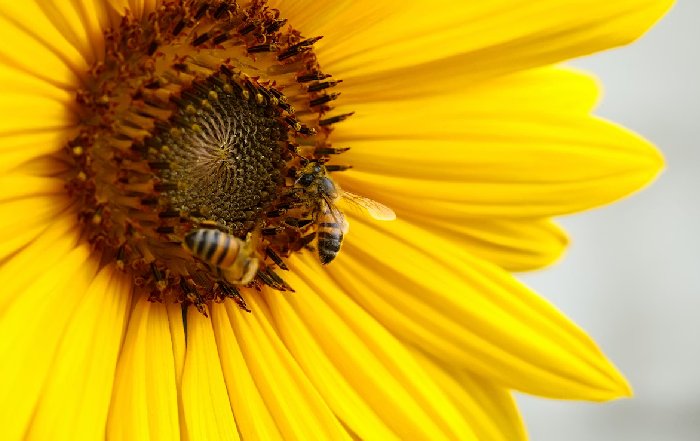
The Role of Bees in Our Ecosystem: Why Pollinators Matter for a Sustainable Future
Bees at the Heart of a Living Planet
As climate risks, biodiversity loss and resource pressures intensify across North America, Europe, Asia, Africa and South America, the role of bees in sustaining ecosystems and economies is no longer a niche environmental concern but a central strategic issue for governments, businesses and communities. Bees, both wild and managed, underpin food systems, maintain healthy landscapes and support the very notion of sustainable living that defines the top mission of eco-natur.com, connecting everyday lifestyle choices with planetary resilience. Far from being simply honey producers, bees are critical pollinators whose activity shapes agricultural productivity, wild plant diversity and long-term ecological stability in countries as diverse as the United States, Germany, Brazil, South Africa, Japan and New Zealand.
Understanding how bees contribute to ecosystem health, how their populations are changing and what this means for sustainable business and policy is now essential for any organization committed to responsible growth. Readers exploring themes such as sustainability, sustainable living, recycling and sustainable business practices on eco-natur.com will find that bees sit at the intersection of environmental stewardship, economic resilience and human wellbeing.
Pollination as a Critical Ecosystem Service
Pollination is one of the most important ecosystem services provided by nature, and bees are its foremost agents. According to the Food and Agriculture Organization of the United Nations (FAO), around three-quarters of the world's leading food crops rely at least in part on animal pollination, with bees being the dominant contributors. Learn more about the global importance of pollinators through the FAO's work on pollination and food production. This service is not only vital for high-value fruits, nuts and vegetables but also for many oilseeds, forage crops and fiber plants that support livestock, textile and bio-based industries.
From Californian almond orchards and British apple farms to French sunflower fields, Italian tomato greenhouses and Brazilian coffee plantations, bees increase yields, improve fruit quality and enhance crop resilience. The Intergovernmental Science-Policy Platform on Biodiversity and Ecosystem Services (IPBES) has estimated that hundreds of billions of dollars in annual global crop output depend directly on pollinators; its assessment on pollinators and food security highlights the scale of this dependence and the systemic risks associated with pollinator decline. For agribusinesses, retailers and food brands in the United States, Canada, the United Kingdom, Germany, China and beyond, this means that bees are not a peripheral conservation issue but a core asset of their supply chains.
In natural ecosystems, bees support the reproduction of a vast array of flowering plants, enabling seed and fruit set and helping maintain the structural complexity of forests, grasslands, wetlands and urban green spaces. This, in turn, sustains insects, birds and mammals that depend on those plants for food and habitat. The Convention on Biological Diversity (CBD) explains how pollination underpins biodiversity and ecosystem resilience, reinforcing the message that bees are foundational to healthy landscapes on which agriculture, tourism, forestry and fisheries ultimately rely.
Bees, Biodiversity and Landscape Resilience
Bees are a key driver of biodiversity, not only because they pollinate a wide range of plants, but because different bee species have distinct ecological niches, foraging behaviors and habitat requirements. While the European honey bee, managed by beekeepers globally, is the most familiar species, thousands of wild bees-from bumblebees in Sweden and Norway to solitary mason bees in the United States and mining bees in South Africa-provide complementary pollination services that increase ecosystem resilience. The International Union for Conservation of Nature (IUCN) provides detailed information on threatened pollinators and their habitats, which can be explored through its resources on red list assessments and species conservation.
Diverse bee communities support diverse plant communities, which in turn stabilize soils, regulate water cycles and store carbon, contributing to climate mitigation and adaptation strategies. Forests and grasslands that depend on bee pollination are critical carbon sinks, and their health affects regional climate patterns in Europe, Asia, Africa and the Americas. For readers interested in how biodiversity connects to climate and economic resilience, the World Resources Institute (WRI) offers analysis on nature-based solutions and ecosystem services. When bee populations decline, the effects cascade through food webs, leading to reduced plant diversity, altered fire regimes, diminished wildlife habitat and increased vulnerability to extreme weather events.
Within the eco-natur.com framework, bees are central to discussions of biodiversity protection and wildlife conservation, because their wellbeing is a sensitive indicator of broader ecosystem health. A landscape that supports thriving bee populations typically features native vegetation, low chemical inputs, connected habitats and diverse cropping systems, all of which align with the principles of regenerative agriculture and sustainable land management that are increasingly adopted by forward-looking businesses and municipalities.
Economic Value Across Global Food Systems
The economic contribution of bees extends from smallholder farms in Thailand, Malaysia and Brazil to large-scale commercial operations in the United States, Australia and Spain. Studies summarized by the Organisation for Economic Co-operation and Development (OECD) show that pollinators significantly enhance the productivity and stability of agricultural sectors, with particular importance for high-value horticultural crops that generate substantial income and employment. Explore how ecosystem services, including pollination, are integrated into OECD green growth and agricultural policies.
In countries like the United States and Canada, migratory beekeeping has become an integral part of industrial agriculture, with managed honey bee colonies transported across states and provinces to pollinate almonds, blueberries, canola and other crops. In Europe, particularly in France, Italy, Spain, Germany and the Netherlands, diversified farming systems and organic agriculture rely on both managed and wild bees to maintain yields while reducing synthetic inputs. The European Commission provides insights into how the EU Pollinators Initiative is shaping pollinator-friendly agricultural and environmental policy.
For export-oriented economies in Asia, such as China, South Korea, Japan and Singapore, and for emerging markets in Africa and South America, pollination services are integral to meeting international quality standards and consumer expectations around taste, appearance and nutritional value. The World Bank has highlighted the role of pollinators in rural development and poverty reduction, particularly in regions where smallholder farmers depend on pollinator-dependent cash crops; more can be learned from its work on biodiversity and ecosystem services in development. As global consumers increasingly favor sustainable, traceable and ethically produced food, the presence of healthy pollinator populations becomes an asset for branding, market access and long-term competitiveness.
From the perspective of eco-natur.com, the economic dimension of bees connects directly to themes explored in its coverage of the sustainable economy and sustainable business models. Companies that recognize the economic value of pollination are beginning to invest in habitat restoration, reduce pesticide use, support regenerative agriculture and collaborate with beekeepers and local communities, thereby aligning profit motives with ecological stewardship.
Bees, Organic Food and Human Health
Bees are closely linked to the growing global interest in organic food, healthy diets and nature-positive lifestyles. Organic farming systems in the United Kingdom, Switzerland, Denmark and Finland, as well as in parts of North America, Latin America and Asia, are designed to minimize synthetic pesticides and fertilizers, create diverse crop rotations and maintain hedgerows and wildflower strips, all of which provide better conditions for pollinators. The Research Institute of Organic Agriculture (FiBL) and similar organizations have documented how organic practices can support pollinator abundance and diversity; insights into these relationships can be found through FiBL's work on organic agriculture and biodiversity.
For consumers, many of the most nutrient-dense foods-berries, nuts, seeds, leafy greens and many fruits-depend heavily on pollination. Diets rich in these foods are associated with improved cardiovascular health, reduced chronic disease risk and better overall wellbeing, as documented by institutions such as the Harvard T.H. Chan School of Public Health, which provides guidance on healthy eating patterns and plant-rich diets. When pollinator populations decline, the availability, diversity and affordability of these foods can be affected, with implications for public health and nutrition, particularly in low-income communities and regions vulnerable to climate impacts.
Within the editorial focus of eco-natur.com, bees are inseparable from themes of organic food and sustainable diets and health and wellbeing. Encouraging readers to choose pollinator-friendly products, support certified organic and regenerative producers and adopt more plant-rich diets becomes a practical way to connect individual lifestyle decisions with the protection of bee populations and ecosystem services.
Threats Facing Bees in a Changing World
Despite their importance, bees are facing multiple, interacting threats across continents. Habitat loss and fragmentation due to intensive agriculture, urban sprawl, infrastructure development and monoculture plantations have reduced the availability of diverse forage and nesting sites. In parts of Europe and North America, hedgerows, wildflower meadows and fallow land have been replaced by large, homogeneous fields, while in Asia, Africa and South America, natural forests and savannas have been cleared for crops, pasture or mining. The United Nations Environment Programme (UNEP) has warned about the consequences of land-use change on pollinators and broader ecosystem health, which can be explored in its materials on biodiversity and ecosystem management.
Pesticide exposure, particularly from neonicotinoids and other systemic insecticides, has been linked to impaired navigation, reduced reproduction and weakened immune systems in bees. Even where certain chemicals have been restricted, complex mixtures of agrochemicals continue to pose risks. The European Food Safety Authority (EFSA) and similar agencies in the United States, Canada and Australia have conducted risk assessments on pesticides and bees, providing scientific evaluations that inform regulatory decisions; more detail is available through EFSA's work on pesticide risk to bees.
Climate change adds another layer of stress, altering flowering times, shifting species distributions and increasing the frequency of extreme events such as heatwaves, droughts and floods. These changes can disrupt the synchrony between bees and the plants they pollinate, particularly in sensitive ecosystems in high-latitude regions such as Sweden, Norway and Finland, as well as in mountain regions in Switzerland, China and South America. The Intergovernmental Panel on Climate Change (IPCC) has summarized how climate change affects terrestrial ecosystems and pollinators in its assessment reports, accessible through its materials on climate impacts on biodiversity.
In addition, diseases and parasites, such as the Varroa mite and various viruses affecting honey bees, have caused significant losses in managed colonies, especially in North America and Europe. Global trade in bees, hive products and agricultural commodities can inadvertently spread pathogens and invasive species, putting further pressure on already stressed pollinator populations. The US Environmental Protection Agency (EPA) provides information on stressors affecting bees and pollinator protection initiatives, which can be consulted through its section on pollinator protection and bee health.
Bees and the Vision of Sustainable Living
For an audience committed to sustainable lifestyles, the role of bees is not an abstract environmental concept but a tangible element of everyday choices in homes, gardens, workplaces and communities. The editorial perspective of eco-natur.com emphasizes that living sustainably involves understanding interdependencies between consumer habits, urban design, agricultural practices and ecosystem health. Bees exemplify this interconnectedness: they respond directly to how people manage gardens, purchase food, design buildings and shape urban and rural spaces.
Readers exploring sustainable living practices will recognize that pollinator-friendly actions-such as planting native flowers, reducing pesticide use, supporting local beekeepers and participating in community gardens-contribute to a broader culture of environmental responsibility. Integrating bees into narratives about lifestyle change makes sustainability personal and actionable, connecting global challenges with local solutions in cities from London and Berlin to Toronto, Sydney, Cape Town and São Paulo.
At the same time, bees align with the platform's emphasis on plastic-free and zero-waste living, since many pollinator-supportive products, from natural cosmetics and organic foods to reusable beeswax wraps, are part of a growing market for eco-conscious goods. Readers interested in reducing waste can also explore how pollinator-friendly packaging, regenerative sourcing and circular economy models intersect with zero-waste principles, reinforcing the idea that protecting bees is compatible with broader efforts to minimize environmental footprints.
Urban Environments, Design and Pollinator-Friendly Cities
Urbanization is reshaping landscapes across Europe, Asia, North America and beyond, but cities can also become refuges for bees if designed thoughtfully. Green roofs, flowering street trees, parks, pollinator corridors, community gardens and nature-based stormwater systems all provide habitat and forage. The C40 Cities Climate Leadership Group and similar networks have emphasized nature-based solutions as part of climate-resilient urban planning; interested readers can explore how cities are integrating green infrastructure and biodiversity into urban climate strategies.
Architects, planners and product designers have opportunities to integrate pollinator needs into building and landscape projects, aligning with the design-focused content on eco-natur.com that explores sustainable design and innovation. From bee hotels on office facades in Amsterdam and Zurich to flowering tram tracks in Barcelona and pollinator-friendly business parks in Singapore and Seoul, design choices can transform urban areas into productive habitats that support both wild and managed bees. These interventions also enhance human wellbeing by improving air quality, reducing heat islands and creating attractive public spaces, reinforcing the connection between ecological health and quality of life.
Urban residents, who may feel distant from agricultural landscapes, can thus play a direct role in pollinator conservation by supporting municipal initiatives, participating in citizen science projects and adopting bee-friendly practices on balconies, rooftops and shared spaces. Educational programs in schools and community centers help build awareness of bees' ecological and economic roles, strengthening the social foundation for long-term sustainability.
Policy, Corporate Responsibility and Global Cooperation
The protection of bees is increasingly recognized as a policy priority at local, national and international levels. Many countries, including the United States, the United Kingdom, France, Germany, Canada, Australia and New Zealand, have developed national pollinator strategies that combine habitat conservation, pesticide regulation, research funding and public engagement. The Convention on Biological Diversity and other multilateral frameworks encourage countries across Europe, Asia, Africa and South America to integrate pollinator protection into biodiversity, agriculture and climate policies, promoting coordinated action that reflects the global nature of the challenge.
Corporations across the food, retail, finance and hospitality sectors are also beginning to recognize their dependence on pollinators and their responsibility to support them. Sustainable sourcing standards, such as those promoted by Rainforest Alliance and similar organizations, often include requirements for pollinator-friendly practices, agroforestry, habitat conservation and reduced chemical use; details can be found in their materials on sustainable agriculture and biodiversity. Investors and insurers are increasingly factoring nature-related risks, including pollinator declines, into their assessments, aligning with emerging frameworks for nature-related financial disclosures.
For businesses and policymakers, the themes explored on eco-natur.com under sustainable business and global sustainability perspectives provide a lens through which pollinator protection can be seen as both a risk management priority and an innovation opportunity. Integrating pollinator-friendly criteria into procurement, land management, product development and corporate reporting allows organizations to demonstrate leadership in environmental, social and governance (ESG) performance while contributing meaningfully to biodiversity conservation.
Bees, Circularity and the Future of Sustainable Economies
Looking ahead, the role of bees in our ecosystem will be increasingly tied to broader transitions toward circular and regenerative economies. As societies aim to decouple economic growth from environmental degradation, the services provided by bees become part of a natural capital base that must be maintained and enhanced rather than depleted. Circular approaches to agriculture, food systems and materials-ranging from composting and recycling to bio-based packaging and integrated pest management-support the habitats and floral diversity that bees require, while reducing pollution and waste that can harm them.
Renewable energy development, another core theme for sustainable economies, can be aligned with pollinator protection when solar farms, wind installations and transmission corridors are designed to include wildflower meadows and native vegetation. Organizations such as the National Renewable Energy Laboratory (NREL) in the United States have documented how pollinator-friendly solar can deliver both energy and ecological benefits, as illustrated in their work on pollinator-friendly solar landscapes. Integrating such approaches into planning processes in Europe, Asia, North America and beyond ensures that the transition to low-carbon energy also supports biodiversity.
The editorial approach of eco-natur.com-connecting renewable energy, sustainability, organic food, wildlife and sustainable living-positions bees as a unifying thread across these domains. By highlighting best practices, case studies and innovations from the United States, the United Kingdom, Germany, Canada, Australia, France, Italy, Spain, the Netherlands, Switzerland, China, Sweden, Norway, Singapore, Denmark, South Korea, Japan, Thailand, Finland, South Africa, Brazil, Malaysia and New Zealand, the platform can inspire readers to see pollinator protection as a practical, measurable component of a sustainable future.
A Shared Responsibility for a Pollinator-Rich Planet
The role of bees in our ecosystem is multifaceted and profound, touching food security, economic stability, biodiversity, climate resilience, public health and cultural identity. As of 2026, the evidence from scientific institutions, international organizations and on-the-ground practitioners is clear: protecting and restoring bee populations is not optional if societies wish to maintain productive agriculture, vibrant natural landscapes and resilient economies across all regions of the world.
For the amazing community around eco-natur.com, bees represent both a symbol and a test of commitment to sustainability. The choices made by individuals, businesses, cities and governments-from garden design and product selection to land-use planning and financial investment-either support or undermine the conditions bees need to thrive. By integrating pollinator-friendly principles into sustainable living, sustainable business, organic food systems, biodiversity protection and global sustainability strategies, it becomes possible to align human prosperity with the health of the natural world.
Ultimately, the future of bees and the future of human societies are inseparable. A world rich in pollinators is a world with abundant, diverse and nutritious food; resilient ecosystems; thriving rural and urban communities; and economies that respect ecological limits. By recognizing the central role of bees in our ecosystem and acting accordingly, the global community can move closer to the vision of a just, regenerative and truly sustainable world that underpins the values and helpful mission of eco-natur.com.
