
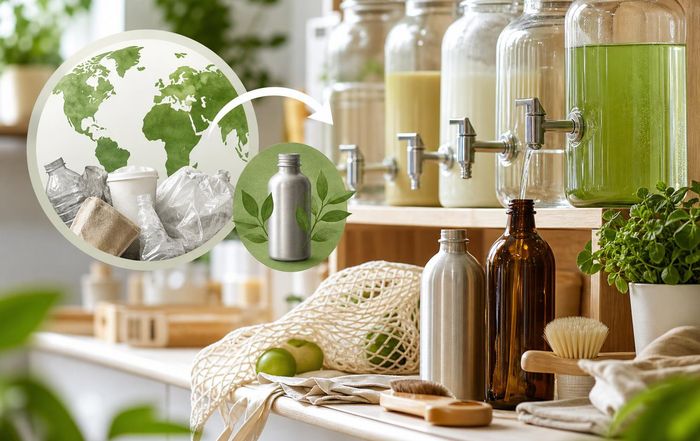
How Refill Stations Help Reduce Packaging Waste
Refill stations, once a niche experiment in a handful of eco-shops, have rapidly evolved into a central strategy for reducing packaging waste and rethinking everyday consumption. From neighborhood zero-waste stores in Berlin and Barcelona to supermarket refill aisles in California, Singapore, and Sydney, the refill model is reshaping how products are delivered, purchased, and used. For fans of Eco Natur and also visitors, the rise of refill stations aligns closely with long-standing interests in sustainable living, plastic-free solutions, and responsible business practices, and it offers a concrete, hopeful pathway toward a more circular economy.
The Scale of the Packaging Waste Problem
Modern retail is built on single-use packaging. According to the OECD, global plastic waste has more than doubled since 2000, with packaging representing the largest and fastest-growing category; only a relatively small fraction is recycled, while the rest is landfilled, incinerated, or leaks into the environment. The UN Environment Programme reports that an estimated 11 million tonnes of plastic enter the ocean every year, much of it from disposable packaging used for just minutes before being discarded. Readers can explore broader context on sustainability and systems change to see how packaging fits into the wider environmental picture.
This challenge is not confined to any single region. The United States, European Union, China, and rapidly urbanizing regions in Asia, Africa, and South America all face rising packaging waste volumes as incomes and consumption increase. The World Bank has warned that global municipal solid waste could grow by 70 percent by 2050 if current trends continue, with packaging as a major contributor. At the same time, many countries struggle with insufficient recycling infrastructure, meaning even technically recyclable packaging often ends up in landfills or open dumps.
Against this backdrop, refill stations offer a different logic: instead of managing ever-growing waste streams, they seek to avoid creating packaging waste in the first place.
What Refill Stations Are and How They Work
Refill stations are retail or community setups where consumers bring their own containers, or use reusable ones provided on site, to replenish products without purchasing new single-use packaging each time. These stations can be found in dedicated zero-waste shops, mainstream supermarkets, cooperative stores, university campuses, and even mobile units visiting rural communities.
Typical refill categories include dry foods such as rice, pasta, cereals, nuts, and beans; household cleaning products like laundry detergent, dish soap, and surface cleaners; personal care items such as shampoo, conditioner, and liquid soap; and, increasingly, beverages, oils, and condiments. Some stations operate as gravity bins, where customers dispense dry goods into containers, while others use digital dispensers that weigh products and print price labels.
For many visitors exploring sustainable living practices, refill stations become a practical entry point into low-waste lifestyles. They reduce packaging, encourage thoughtful purchasing, and often foster a sense of community as people share tips on storage, recipes, and waste-free habits.
How Refill Stations Reduce Packaging Waste
The primary environmental benefit of refill stations is straightforward: by reusing containers multiple times, the total amount of packaging produced, transported, and discarded decreases significantly. However, the mechanisms behind this reduction are multifaceted and extend beyond simple container reuse.
First, refill systems decouple product consumption from packaging production. When a household refills the same glass jar or stainless-steel canister dozens of times with pantry staples, it avoids the repeated manufacture of new plastic bags, cardboard boxes, and composite film pouches. This directly reduces demand for virgin materials derived from fossil fuels, cuts energy use, and lowers associated greenhouse gas emissions. Studies from organizations such as the Ellen MacArthur Foundation indicate that reuse models, including refill, can deliver substantial material and emissions savings when well designed and widely adopted.
Second, refill stations minimize over-packaging. Many products are sold in containers that are larger or more complex than necessary, often combining plastic, paper, and metal in ways that are hard to recycle. Refill systems simplify this equation by optimizing bulk storage and allowing customers to purchase exactly the amount they need, which helps prevent both packaging and food waste. Those interested in deeper insights into recycling challenges and opportunities can see how refill models complement, rather than replace, improved recycling systems.
Third, refill stations can be designed around durable, standardized containers that circulate within a closed loop. In some regions, cleaning product brands offer sturdy refillable bottles that customers return for cleaning and refilling, similar to traditional beverage bottle deposit schemes. This approach further reduces waste and can improve efficiency in logistics and storage.
While the exact waste reduction figures depend on local practices, refill station design, and consumer behavior, multiple pilot projects in Europe, North America, and Asia have shown meaningful decreases in single-use packaging where refill options are convenient, affordable, and trusted.
Refill Stations and the Plastic-Free Movement
The growth of refill stations is closely intertwined with the global push for plastic reduction. Many readers visiting plastic-free lifestyle resources are motivated by concerns about microplastics, marine pollution, and the health impacts of chemical additives in plastics. Refill models directly address these issues by eliminating or drastically cutting down on the need for disposable plastic packaging.
In the United Kingdom, for example, several supermarket chains have piloted refill aisles for dry goods and cleaning products, with some reporting strong customer interest and reduced plastic usage per store. In Germany and France, dedicated zero-waste shops offering extensive refill options have become more common in major cities, supported by growing public awareness of plastic pollution and supportive local policies. Australia and New Zealand have also seen a wave of independent refill stores and mobile refill vans reaching suburban and rural communities.
Globally, initiatives supported by organizations like Greenpeace, Break Free From Plastic, and the Plastic Pollution Coalition have highlighted refill and reuse as critical components of any credible plastic reduction strategy. International negotiations under the proposed global plastics treaty, discussed under the auspices of the United Nations Environment Assembly, have further elevated the role of reuse systems, including refill stations, as countries debate measures to curb plastic production and waste.
Supporting Organic and Sustainable Food Systems
Refill stations intersect meaningfully with the world of organic and sustainably produced food. Many zero-waste and refill shops prioritize sourcing from organic farmers, cooperatives, and fair-trade suppliers, aligning packaging reduction with regenerative agriculture and ethical trade. For Eco Natur readers interested in organic food and healthful diets, this convergence can be especially appealing.
By enabling bulk purchasing of grains, legumes, nuts, seeds, dried fruit, and other staples, refill stations can help consumers transition toward more plant-rich diets, which leading institutions such as the EAT-Lancet Commission and FAO have identified as beneficial for both human health and the climate. When combined with organic production methods that avoid synthetic pesticides and emphasize soil health, the environmental benefits compound.
In some regions, refill shops collaborate directly with local farms and community-supported agriculture (CSA) schemes, offering seasonal produce, preserves, and minimally packaged items that complement the refill pantry. This shortens supply chains, supports rural livelihoods, and builds resilience against disruptions in global food systems. Interested readers can explore sustainable lifestyle guidance to see how refill shopping fits into broader patterns of conscious consumption.
Protecting Wildlife and Ecosystems
One of the most compelling arguments for refill stations is their potential to protect wildlife and natural habitats from the impacts of packaging waste. Birds, marine mammals, fish, and terrestrial animals routinely ingest or become entangled in plastic debris, leading to injury, starvation, or death. Microplastics have been found from the deepest ocean trenches to Arctic ice, with emerging research indicating potential impacts on species health and ecosystem functioning.
By reducing the volume of single-use packaging in circulation, refill systems lower the chances that items will escape waste management systems and enter rivers, oceans, or landscapes. This is particularly important in regions where collection and recycling infrastructure is limited or under strain. Organizations such as WWF, Ocean Conservancy, and The Nature Conservancy have emphasized that upstream solutions like packaging reduction are essential complements to cleanup efforts and improved waste management.
For those passionate about biodiversity, the connection is clear: fewer disposable packages mean fewer risks to animals and ecosystems. The wildlife and biodiversity resources and biodiversity insights at eco-natur.com provide additional context on how consumption choices cascade through natural systems.
The Business Case: Refill Stations and Sustainable Enterprises
From a business perspective, refill stations are no longer just a niche experiment run by small independent shops. Large retailers, consumer goods companies, and logistics providers are increasingly exploring refill and reuse models as part of broader sustainability strategies and climate commitments. For entrepreneurs and corporate leaders interested in sustainable business models, the refill movement offers both challenges and opportunities.
On the opportunity side, refill systems can foster stronger customer loyalty and brand differentiation. Companies that invest in high-quality refill experiences, clear communication, and transparent environmental reporting often build trust with consumers who value authenticity and action over marketing slogans. Refill models can also reduce long-term packaging costs, particularly when durable containers are standardized and used at scale. Initiatives like Loop, developed by TerraCycle, have demonstrated that premium reusable packaging can create new forms of value and customer engagement, even if the economics and logistics are still evolving.
Moreover, corporate climate and circular economy commitments, such as those encouraged by the Science Based Targets initiative and the Ellen MacArthur Foundation's Global Commitment, increasingly push companies to reduce material use and design waste out of their systems. Refill stations and other reuse models help large brands move beyond incremental packaging light-weighting toward more transformative change.
However, the transition is not without complexity. Businesses must navigate food safety regulations, hygiene standards, liability concerns, and the practicalities of cleaning and tracking reusable containers. They also need to ensure that refill systems are genuinely lower impact across their full life cycle, which requires careful design of logistics, cleaning processes, and material choices. For those examining the intersection of sustainability and economics, Eco Natur's focus on the green economy and circular models offers further depth.
Policy, Regulation, and Global Momentum
Public policy plays a critical role in determining how quickly refill stations can scale and how effectively they reduce packaging waste. Around the world, governments are experimenting with regulatory tools that either encourage or require shifts away from single-use packaging and toward reuse.
In the European Union, the Packaging and Packaging Waste Regulation (PPWR), which has been under active negotiation, includes provisions to promote reuse and refill systems for certain product categories and sectors, though specific targets and timelines have been the subject of intense debate among member states, industry groups, and environmental organizations. The European Commission and various national governments have also supported pilot projects, research, and funding for refill and reuse infrastructure, recognizing their potential to reduce waste and emissions.
Several countries, including France and Germany, have implemented or proposed measures to expand reuse systems in food service and retail, such as mandatory acceptance of reusable containers in some takeaway contexts or targets for reusable packaging in certain sectors. In Asia, cities like Seoul, Tokyo, and Singapore have supported refill initiatives through grants, public awareness campaigns, and partnerships with local businesses.
On a global level, negotiations toward an international legally binding instrument on plastic pollution under the UN Environment Assembly have brought refill and reuse into the spotlight as key strategies to reduce plastic production and waste. While the final contours of any agreement remain uncertain, the prominence of refill in these discussions underscores its growing legitimacy as a mainstream solution rather than a fringe idea.
Consumer Experience: Convenience, Trust, and Culture
The success of refill stations ultimately depends on people's day-to-day experiences. Convenience, trust, and cultural acceptance are just as important as environmental benefits, and they vary across regions and demographics.
Many consumers appreciate the tactile, mindful experience of measuring out grains, choosing containers, and seeing the direct reduction in waste. Refill shopping can turn routine errands into more deliberate, even enjoyable, activities, especially when stores are thoughtfully designed and staff are knowledgeable and supportive. For newcomers exploring zero-waste approaches, refill stations often become a gateway to broader lifestyle changes, such as composting, cooking from scratch, or repairing household items.
Yet barriers remain. Time-pressed shoppers may find traditional packaged goods faster and more familiar. Some worry about product freshness, hygiene, or cross-contamination, particularly for allergen-sensitive individuals. Others may perceive refill stores as more expensive or oriented toward certain social groups. Addressing these concerns requires clear labeling, rigorous hygiene protocols, transparent sourcing, and thoughtful pricing strategies.
Digital tools can help bridge gaps. Several retailers now offer apps that track refill purchases, provide reminders to bring containers, and share environmental impact data, such as estimated packaging avoided or emissions saved. Such features can reinforce positive habits and make the benefits of refill more tangible.
Ensuring Health, Safety, and Quality
A critical aspect of any refill system is ensuring that products remain safe, high quality, and compliant with health regulations. Food safety authorities and standards organizations in regions such as North America, Europe, and Asia-Pacific provide guidelines on bulk dispensing, allergen management, and container hygiene, which refill operators must follow closely.
Responsible refill stations maintain strict cleaning routines for dispensers, enforce clear separation of allergen-containing products, and provide guidance to customers on how to clean and store their containers at home. They also monitor product turnover to ensure freshness and prevent spoilage. For personal care and cleaning products, accurate labeling of ingredients, concentration levels, and usage instructions is essential, particularly when customers refill branded products into generic containers.
From a health perspective, reducing plastic packaging can also indirectly decrease exposure to certain chemicals, such as plasticizers and other additives that may migrate from packaging into food or personal care products. While scientific understanding of these exposures continues to evolve, organizations like the European Food Safety Authority (EFSA) and U.S. Food and Drug Administration (FDA) regularly evaluate emerging evidence, and many consumers choose refill and low-packaging options as a precautionary measure. Readers can find additional context on environmental health and wellbeing in Eco Natur's health and sustainability resources.
Refill Stations in Different Regions
The evolution of refill stations varies widely by region, reflecting differences in culture, infrastructure, regulation, and retail structure.
In Europe, particularly in countries like Germany, France, Spain, Italy, Netherlands, and the Nordic region, refill and zero-waste shops have become familiar features in many urban centers. Supportive policies, strong public environmental awareness, and dense urban populations help these models thrive. Major supermarket chains in the United Kingdom and Switzerland have also piloted refill aisles, with some integrating lessons into broader packaging strategies.
In North America, refill stations are common in independent natural food stores, co-ops, and specialty shops in the United States and Canada, with growing interest from mainstream retailers. Local governments in cities such as San Francisco, Vancouver, and New York have supported low-waste initiatives that indirectly benefit refill models, such as bans on certain single-use plastics and support for reuse infrastructure.
Across Asia, innovation is accelerating. Japan and South Korea have experimented with refillable cosmetic and household product systems, often leveraging advanced vending and dispensing technologies. In Singapore, government-backed initiatives encourage businesses to trial refill models, while in Thailand, Malaysia, and China, a mix of grassroots zero-waste stores and corporate pilots are testing what works in fast-growing urban markets.
In Australia and New Zealand, refill shops and mobile refill vans have gained traction, often tied to wider community sustainability movements and coastal conservation efforts. In Africa and South America, traditional markets where customers bring containers for grains, oils, and household goods illustrate that refill is not a new idea but a modern reinvention of long-standing practices, now being updated with contemporary hygiene and quality standards.
Integrating Refill into a Holistic Sustainable Lifestyle
Refill stations are most powerful when integrated into a broader vision of sustainable living. They work best alongside other practices such as reducing overall consumption, choosing durable and repairable products, composting organic waste, and supporting renewable energy and low-carbon transport. Visitors can deepen their understanding of these connections through Eco Natur's resources on renewable energy and climate solutions, sustainable design and product innovation, and global sustainability trends.
On an individual level, simple steps such as assembling a basic kit of reusable containers, cloth bags, and bottles can make refill shopping more convenient. Planning meals, buying only what is needed, and experimenting with pantry-friendly recipes help maximize the benefits of bulk purchasing. Sharing experiences with friends, family, and local communities can normalize refill habits and encourage more retailers to offer such options.
On a societal level, the growth of refill stations signals a cultural shift away from the throwaway mentality that has dominated much of the late twentieth and early twenty-first centuries. It reflects a re-emerging appreciation for durability, care, and stewardship, values that align closely with the mission of Eco Natur and the aspirations of its readers.
Walking Along - From Niche to Norm!
As of the mid-2020s, refill stations sit at an important crossroads. They are no longer a curiosity, yet they have not fully entered the mainstream in most countries. Their future will depend on how effectively businesses, policymakers, communities, and consumers can collaborate to overcome remaining barriers and scale successful models.
Technological innovation in dispensing systems, digital tracking, and logistics is likely to make refill more convenient and reliable. Policy frameworks that set clear reuse and refill targets, internalize the environmental costs of single-use packaging, and support infrastructure investment can accelerate adoption. Education and storytelling, including the work of platforms like eco-natur.com, will continue to play a vital role in inspiring people to try refill options and share their experiences.
Crucially, the refill movement demonstrates that meaningful environmental progress does not always require sacrificing quality of life. Many who embrace refill shopping report feeling more connected to their choices, more empowered in their role as citizens and consumers, and more hopeful about the possibility of change. In an era defined by complex ecological and social challenges, refill stations offer a tangible, everyday expression of the belief that a more sustainable, equitable, and beautiful world is not only necessary but achievable.
