
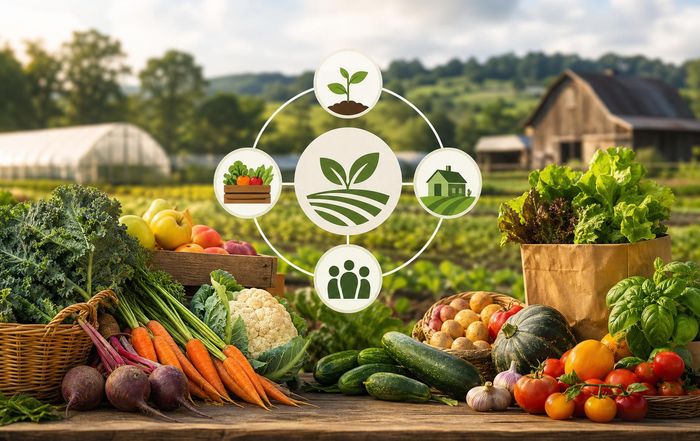
How Seasonal Organic Eating Supports Local Food Systems
A New Kind of Abundance: Rethinking Food Through the Seasons
Across the world, from urban neighborhoods in New York and London to rural communities in Germany, Brazil, South Africa, and beyond, a quiet transformation is reshaping how people think about food. Seasonal organic eating, once seen as a niche or nostalgic practice, has become a central pillar of modern sustainability conversations, and platforms such as Eco Natur are helping to connect this movement to a broader vision of ecological and social wellbeing. By aligning diets with natural growing cycles and supporting organic production methods that work with, rather than against, local ecosystems, households and businesses are discovering that what is good for the planet can also be profoundly good for communities, economies, and personal health.
This approach goes far beyond choosing a few organic products at the supermarket. It invites a reorientation of everyday life around nature's rhythms, regional diversity, and the real costs and benefits of food production, transport, and waste. As climate pressures intensify and global food supply chains face mounting strain, the case for localized, seasonal, and organic food systems is becoming increasingly compelling, and evidence from research organizations such as the Food and Agriculture Organization of the United Nations (FAO) and the Intergovernmental Panel on Climate Change (IPCC) strongly suggests that diets aligned with local ecosystems can play a vital role in building resilience.
For eco-natur, seasonal organic eating is not just a dietary preference but a gateway to more holistic sustainable living, where individual choices reinforce healthier soils, stronger local economies, and thriving wildlife habitats.
Understanding Seasonal Organic Eating
Seasonal organic eating refers to choosing foods that are both organically produced and naturally in season in a given region. Organic production standards, overseen by bodies such as USDA Organic in the United States (USDA Organic Program) and EU Organic certification in Europe (European Commission organics), typically prohibit synthetic pesticides and fertilizers, restrict genetically modified organisms, and encourage practices that support soil health and biodiversity. Seasonality, meanwhile, simply means consuming produce during the time of year it naturally grows and is harvested locally, rather than relying on long-distance imports or energy-intensive greenhouse cultivation out of season.
In practice, this might mean enjoying asparagus and strawberries in spring in Germany and the UK, stone fruits and tomatoes in the height of summer in Italy and Spain, hardy greens and root vegetables in Scandinavian winters, or tropical fruits aligned with rainy and dry seasons in Thailand, Brazil, and Malaysia. While global trade makes it possible to eat almost anything at any time, organizations such as Slow Food International (Slow Food) have long emphasized that reconnecting with seasonal cycles restores culinary diversity, supports regional food cultures, and reduces environmental pressures linked to transport and storage.
For readers of Eco Natur, this understanding of seasonality is closely tied to a broader commitment to sustainability, where food choices are evaluated not only for taste and nutrition but also for their impact on land use, emissions, water resources, and local livelihoods.
Environmental Benefits: From Soil Health to Climate Resilience
One of the most powerful arguments for seasonal organic eating lies in its environmental benefits, particularly when compared with highly industrialized, globalized food systems that often rely on intensive chemical inputs, long-distance shipping, and energy-hungry storage.
Organic agriculture, when well-managed, tends to prioritize soil health through methods such as crop rotations, composting, cover cropping, and reduced reliance on synthetic fertilizers. Research synthesized by the Rodale Institute (Rodale Institute) and peer-reviewed meta-analyses published in journals such as Nature Plants indicate that organic systems can, in many contexts, enhance soil organic matter and improve soil structure, which in turn supports water retention, reduces erosion, and can increase resilience to drought and heavy rainfall events. Though yield comparisons between organic and conventional systems vary by crop and region, there is growing evidence that organic diversification and agroecological approaches can be particularly beneficial in smallholder and climate-stressed settings.
Seasonality adds another layer of environmental advantage. Consuming foods that are naturally in season locally generally reduces the need for artificial heating, lighting, and long-term refrigerated storage, all of which are associated with higher energy use and greenhouse gas emissions. Studies highlighted by organizations such as Carbon Trust (Carbon Trust) and the UK Committee on Climate Change have shown that, in many cases, the carbon footprint of transporting fresh produce by air from distant countries can significantly exceed that of locally grown, seasonal alternatives, especially for perishable items like berries and green beans.
Aligning diets with local harvests also supports more efficient use of rainwater and regional climate conditions. For example, seasonal field-grown tomatoes in Mediterranean Europe or California generally require less energy and fewer inputs than tomatoes grown out of season in heated greenhouses in colder climates. While there are nuanced exceptions-such as efficient large-scale greenhouse operations in countries like the Netherlands-broad patterns suggest that seasonal production often offers environmental advantages, particularly when combined with organic practices that minimize chemical runoff and support biodiversity.
Strengthening Local Food Systems and Community Resilience
Seasonal organic eating is deeply intertwined with the vitality of local food systems. When consumers prioritize organic produce grown in their own regions, they directly support farmers, cooperatives, and small businesses that are investing in sustainable land management, fair labor practices, and community-oriented distribution models.
Organizations such as Community Supported Agriculture networks in North America and Europe, as well as regional initiatives coordinated by the International Federation of Organic Agriculture Movements (IFOAM - Organics International), have documented how direct relationships between farmers and consumers-through farm shares, farmers' markets, and local food hubs-can stabilize farm incomes and reduce the volatility associated with commodity markets. These relationships are often strongest when farmers can plan around predictable seasonal demand, offering boxes of vegetables, fruits, and grains that reflect what is thriving in local fields and orchards at any given time.
In many regions, from the United States and Canada to South Africa and New Zealand, seasonal organic markets have become community anchors, providing spaces where residents learn about farming methods, exchange recipes, and build social networks. Research summarized by The Journal of Rural Studies and organizations like FoodPrint (FoodPrint) suggests that such community-based food systems can enhance food security by shortening supply chains, diversifying sources of nutrition, and fostering mutual support during disruptions, whether caused by extreme weather, economic shocks, or public health crises.
For Eco Natur, emphasizing seasonal organic food is also a way of supporting sustainable business models that keep value within local economies. Independent grocers, cooperatives, and small-scale processors who focus on regional organic products are better positioned to reinvest in their communities, create dignified employment, and respond flexibly to local needs. This stands in contrast to highly centralized supply chains, where profits and decision-making often flow away from the regions where food is grown and consumed.
Economic Impacts: Local Prosperity and a Greener Economy
From an economic perspective, seasonal organic eating can be a powerful driver of local prosperity and a more resilient economy. When consumers select regionally produced organic foods, a larger share of their spending tends to remain within the community, supporting farmers, transporters, artisans, and market operators. Studies by organizations such as Sustainable Agriculture Research and Education (SARE) in the United States and similar initiatives in Europe have found that local food systems often generate higher economic multipliers than conventional long-distance supply chains, meaning that each unit of spending circulates more times within the local area.
Organic farms, particularly those oriented toward diversified seasonal production, frequently rely on skilled labor for tasks such as crop rotation planning, integrated pest management, and careful harvesting. This can create employment opportunities in both rural and peri-urban areas, while also encouraging knowledge-intensive, innovation-driven forms of agriculture. In Germany, France, Italy, and the Netherlands, where organic sectors have seen steady growth, national statistics offices and organizations such as FiBL - Research Institute of Organic Agriculture (FiBL) have documented rising numbers of organic producers and processors, along with new market channels including subscription services, specialty retailers, and farm-to-table restaurants.
Seasonal alignment can also help stabilize farm finances. Growing crops that are well-suited to local conditions reduces input costs and the risk of crop failure, while peak-season abundance can be channeled into value-added products such as preserves, ferments, and dried goods. This not only reduces waste but allows farmers and food entrepreneurs to extend their income beyond a narrow harvest window. In regions like Australia, Canada, and the Nordic countries, government agencies and NGOs are increasingly providing guidance on seasonal marketing strategies and local branding, recognizing the role that food systems play in regional development and identity.
For readers exploring the economic dimensions of sustainable diets, Eco Natur offers insights into how seasonal organic choices intersect with broader global trends in green jobs, circular economies, and regenerative business models that prioritize long-term ecological health over short-term extraction.
Health and Nutrition: Aligning Diets with Nature's Calendar
Beyond environmental and economic benefits, seasonal organic eating carries important implications for human health and wellbeing. While nutritional outcomes can vary depending on storage, processing, and preparation methods, there is evidence that produce harvested at peak ripeness and consumed shortly thereafter often retains higher levels of certain vitamins, antioxidants, and phytonutrients. Research referenced by institutions such as Harvard T.H. Chan School of Public Health (Harvard Nutrition Source) and World Health Organization (WHO healthy diet) underscores the importance of diverse, plant-rich diets in reducing the risk of non-communicable diseases, and seasonal eating naturally encourages variety across the year.
Organic production may also reduce dietary exposure to certain synthetic pesticides. Large-scale reviews, including those summarized by European Food Safety Authority (EFSA) and national health agencies, indicate that while both organic and conventional foods in many high-income countries generally meet safety thresholds, organic products typically show lower pesticide residue levels. For individuals who wish to minimize such exposures, seasonal local organics can be an effective strategy, especially for fruits and vegetables that are otherwise heavily treated.
Seasonal eating also encourages culinary exploration and more mindful engagement with food. When households plan meals around what is abundant locally, they are more likely to experiment with new recipes, cooking methods, and preservation techniques, from fermenting cabbage in winter in Eastern Europe to creating fresh herb sauces and fruit-based dishes in Mediterranean summers. This aligns with Eco Natur's emphasis on healthy lifestyle choices that integrate nutrition, culture, and environmental awareness.
In many regions, traditional knowledge around seasonal foods is being rediscovered and updated for contemporary kitchens. Organizations such as EAT Foundation (EAT Lancet Commission) and public health agencies in countries like Sweden, Japan, and Brazil have begun to integrate sustainability into dietary guidelines, encouraging greater consumption of minimally processed plant foods and regionally appropriate, seasonal ingredients as part of a holistic approach to health.
Wildlife, Biodiversity, and the Living Landscape
Healthy local food systems depend on thriving ecosystems, and seasonal organic agriculture can be a powerful ally for wildlife conservation. Organic standards often require or encourage practices such as maintaining hedgerows, buffer zones, and uncultivated field margins, which provide habitats for pollinators, birds, and beneficial insects. Studies compiled by organizations like BirdLife International (BirdLife) and The Royal Society for the Protection of Birds (RSPB) have shown that more diverse, less chemically intensive agricultural landscapes can support higher levels of farmland biodiversity compared with monoculture systems heavily reliant on pesticides and herbicides.
Seasonality reinforces these benefits by aligning cropping patterns with local ecological cycles. When farmers plant and harvest in tune with regional climate and daylight patterns, they are more likely to maintain crop diversity, staggered flowering times, and mixed habitats that provide food and shelter for insects, small mammals, and birds throughout the year. This is particularly important for pollinators such as bees and butterflies, whose populations have been under pressure in many countries, including the United States, the United Kingdom, and parts of Asia.
For readers interested in the intersection of food and nature, Eco Natur offers resources on wildlife and ecosystem protection, emphasizing that every seasonal organic purchase is, in effect, a vote for landscapes where agriculture and biodiversity can coexist. International frameworks such as the Kunming-Montreal Global Biodiversity Framework, coordinated under the Convention on Biological Diversity (CBD), highlight sustainable agriculture as a crucial component of reversing biodiversity loss, and local organic food systems are increasingly recognized as part of that solution.
Reducing Waste, Packaging, and Plastic Dependence
Another significant way that seasonal organic eating supports local food systems is by reducing waste and dependence on single-use packaging, particularly plastics. When consumers buy directly from local producers or markets, they often encounter fewer layers of packaging, and many farmers and retailers encourage the use of reusable bags, containers, and crates. This contrasts with heavily packaged out-of-season produce that has traveled long distances and must be protected during transport and extended shelf life.
Organizations such as Ellen MacArthur Foundation (Ellen MacArthur Foundation) and UN Environment Programme (UNEP plastics) have documented the growing environmental and health concerns linked to plastic pollution, especially in oceans and freshwater systems. Seasonal local markets, community-supported agriculture schemes, and organic box deliveries that minimize or eliminate plastic packaging offer practical pathways for households to reduce their plastic footprint.
Surpluses of seasonal produce can also be preserved through traditional and innovative methods-canning, drying, fermenting, freezing-thereby extending availability without relying on energy-intensive global cold chains. This aligns with Eco Natur's focus on zero waste and plastic-free strategies, demonstrating that thoughtful planning and creativity in the kitchen can significantly cut food waste while enhancing culinary richness.
Public awareness campaigns in countries such as France, Denmark, and South Korea, often supported by municipal governments and NGOs, are increasingly highlighting the connection between food waste, climate impact, and resource use, and seasonal organic eating is frequently presented as an accessible entry point for more responsible consumption.
Organic, Seasonal, and Global Equity
While seasonal organic eating is often discussed in the context of affluent consumers in Europe, North America, and parts of Asia-Pacific, its implications reach far beyond these regions. Many smallholder farmers in Africa, Asia, and Latin America have long practiced forms of agroecology and low-input agriculture that align closely with organic principles, even if they are not formally certified. Supporting local and regional organic markets can help these producers capture more value from their labor and knowledge, reducing dependence on volatile export markets and strengthening food sovereignty.
Organizations such as Agroecology Fund (Agroecology Fund) and La Via Campesina (La Via Campesina) emphasize that agroecological and organic approaches, often rooted in Indigenous and traditional practices, are central to building equitable food systems that respect both people and planet. Seasonal eating in wealthier countries can complement these efforts when it reduces pressure for year-round imports of products that might otherwise displace local food crops or lead to environmentally damaging monocultures.
For eco-natur, highlighting seasonal organic choices is therefore part of a broader commitment to fair and sustainable global food relations, where consumers are encouraged to appreciate the abundance of their own regions while remaining mindful of the social and ecological implications of imported foods. This perspective resonates with international frameworks such as the UN Sustainable Development Goals (UN SDGs), which call for responsible consumption and production, climate action, and the eradication of hunger through resilient, sustainable agriculture.
Integrating Seasonal Organic Eating into Everyday Life
Translating the principles of seasonal organic eating into daily practice need not be complicated or restrictive. In many countries, online tools and local guides now help consumers identify what is in season in their area, while cookbooks, blogs, and community workshops share recipes tailored to regional harvests. Public institutions, from schools and hospitals to corporate cafeterias, are beginning to incorporate more local organic produce into their menus, supported by initiatives such as Farm to School programs in the United States (National Farm to School Network) and similar efforts across Europe and Asia.
For households, simple steps such as visiting local farmers' markets, joining a community-supported agriculture scheme, or choosing seasonal organic options in supermarkets can gradually reshape purchasing habits. Planning meals around what is abundant locally, rather than forcing a fixed menu year-round, often leads to fresher, more flavorful food and can, in some cases, reduce costs when seasonal gluts bring prices down. Learning basic preservation techniques further extends the benefits, allowing summer or autumn abundance to be enjoyed in colder months without relying heavily on imported produce.
Eco Natur provides readers with practical guidance on recycling, organic food, and renewable energy, recognizing that dietary choices are most powerful when integrated into a broader lifestyle that respects planetary boundaries. By linking seasonal organic eating with responsible energy use, thoughtful product design, and community engagement, individuals and organizations can participate in a comprehensive transition toward truly sustainable societies.
A Shared Future Rooted in Local Harvests
As the world navigates complex challenges related to climate change, biodiversity loss, public health, and economic inequality, the way food is grown, distributed, and consumed has emerged as a central arena for positive transformation. Seasonal organic eating offers a tangible, hopeful pathway, reconnecting people with the land, seasons, and communities that sustain them. It supports farmers who are stewarding soils and landscapes with care, strengthens local economies, reduces environmental pressures, and encourages diverse, nutrient-rich diets aligned with nature's rhythms.
For eco-natur, this is more than a trend; it is a core expression of a values-driven approach to life and business, where every meal becomes an opportunity to support healthier ecosystems, thriving wildlife, and fairer economies. By choosing seasonal organic foods, individuals across continents-from the United States and Canada to Germany, Italy, South Africa, Japan, and beyond-can participate in building resilient local food systems that honor both place and planet.
In the years ahead, as knowledge deepens and innovations in agroecology, logistics, and community organization continue to emerge, seasonal organic eating is likely to become even more central to discussions about sustainable development. Those who embrace it today, guided by trusted resources such as Eco Natur, are helping to cultivate a future in which abundance is measured not only by quantity, but by the health of soils, the vibrancy of local cultures, and the wellbeing of all who share the Earth's harvests.
