
Organic Food Storage Tips That Reduce Spoilage
Organic food promises a healthier relationship with both the body and the planet, yet it also presents a familiar challenge: how to keep fresh, minimally processed ingredients from spoiling before they can be enjoyed. Without synthetic preservatives and with shorter supply chains, organic fruits, vegetables, grains, and dairy can be more vulnerable to temperature shifts, improper packaging, and simple neglect. For readers of Eco Natur who already care deeply about sustainable living and reducing waste, learning to store organic food more intelligently is one of the most powerful ways to protect both household budgets and the environment.
In recent years, organizations such as the Food and Agriculture Organization of the United Nations and UN Environment Programme have highlighted that roughly one-third of food produced globally is lost or wasted each year, with significant climate and biodiversity impacts. Reducing spoilage at home is therefore not a minor lifestyle tweak but an important contribution to a more sustainable food system. When households apply practical storage strategies, they not only save money and eat better but also support the broader goals of sustainable living and zero waste that define the mission of eco-natur.
This article explores evidence-based, practical, and plastic-conscious methods for storing organic food, drawing on guidance from reputable sources such as the US Department of Agriculture (USDA), UK Food Standards Agency, European Food Safety Authority, and research institutions that study food safety and post-harvest science. The goal is to offer readers of Eco Natur a detailed, trustworthy reference they can return to whenever they bring home fresh organic produce or pantry staples.
Why Organic Food Spoils Differently
Organic food is subject to the same basic physics and biology as conventional food, but some distinctive features influence how quickly it spoils and how it should be stored.
Organic fruits and vegetables are often grown with fewer post-harvest chemical treatments. Many conventional produce items receive wax coatings or fungicidal treatments to slow moisture loss and decay. Organic standards in regions such as the European Union and the United States restrict or prohibit these treatments, so organic produce may dehydrate or mold more quickly if stored carelessly. Research summarized by USDA Agricultural Research Service and European Commission reports has shown that post-harvest handling and storage conditions can have as much impact on shelf life as farming methods, which means that consumers who buy organic must take particular care once food is at home.
At the same time, organic farming often emphasizes soil health and biodiversity, which can influence the nutritional profile and microbial communities on produce surfaces. Studies published through platforms such as PubMed and ScienceDirect indicate that differences in antioxidant content or plant secondary metabolites do not fundamentally change storage requirements, but they may subtly affect how certain fruits and vegetables respond to temperature and humidity. In practice, however, the most important variables for households remain simple: temperature, moisture, air flow, and time.
For Eco Natur readers who care about sustainability, the goal is to extend the life of organic food using methods that also respect the environment, minimizing reliance on single-use plastics and energy-intensive technologies while still prioritizing food safety.
Foundational Principles of Organic Food Storage
Any effective strategy begins with a few core principles that apply across categories of food, regardless of country or climate.
The first principle is to understand the "cold chain." Once refrigerated foods such as dairy, meat, and many fresh-cut fruits and vegetables leave the controlled environment of the store or market, they begin to warm, and bacteria can multiply faster. Guidance from the USDA Food Safety and Inspection Service and the UK Food Standards Agency consistently recommends keeping perishable foods at or below 4°C (40°F) and minimizing the time they spend at room temperature. For organic shoppers who may buy from farmers' markets or community-supported agriculture schemes, using insulated bags and returning home promptly can significantly extend freshness.
The second principle is to manage humidity and airflow. Many fruits and vegetables lose quality when they dry out, while others deteriorate if trapped in excess moisture. Research summarized by University of California Agriculture and Natural Resources and similar extension services in Europe and Australia shows that leafy greens thrive in high humidity with gentle airflow, while onions and garlic require dry, well-ventilated conditions. Proper storage containers and placements within the refrigerator can therefore make a striking difference in spoilage rates.
The third principle is to separate foods that emit high levels of ethylene gas from those that are sensitive to it. Ethylene is a natural plant hormone that accelerates ripening. Fruits like apples, bananas, and avocados produce significant ethylene, while items such as leafy greens, broccoli, and cucumbers are highly sensitive and may yellow or soften prematurely when stored together. Resources from the Produce for Better Health Foundation and Harvard T.H. Chan School of Public Health explain this interaction in detail, and applying it at home is straightforward: store ethylene-producing fruits separately, either in different drawers or in distinct containers.
Finally, the principle of "first in, first out" remains essential. Rotating older items to the front of shelves and keeping clear visibility into pantries and refrigerators helps ensure that organic food is used at peak quality rather than forgotten. For the Eco Natur community, this simple practice aligns directly with sustainable living habits that reduce both waste and unnecessary consumption.
Plastic-Conscious Storage: Protecting Food and the Planet
A central concern for eco-natur readers is how to reduce plastic usage without compromising food safety or quality. While lightweight plastics have historically been used to wrap produce and store leftovers, the environmental costs documented by organizations such as UNEP and WWF are substantial, from ocean pollution to microplastic contamination. Transitioning to lower-impact materials while still prolonging the life of organic food is therefore a key priority.
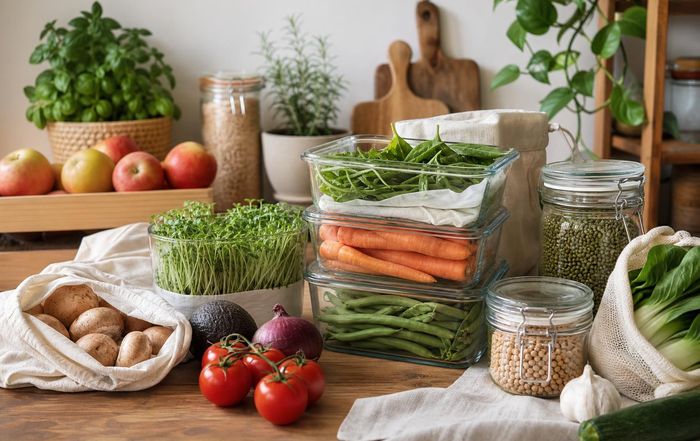
Glass containers with tight-fitting lids offer one of the most durable and inert options. They do not absorb odors, are easy to clean, and can safely store everything from cooked grains to cut vegetables. Stainless steel containers and tiffins, common in parts of Asia and increasingly popular in Europe and North America, provide another robust alternative, particularly for transporting lunches and storing dry goods. Reusable silicone bags, when manufactured to food-safe standards, can mimic some of the flexibility of plastic while being washable and long-lasting.
For produce, breathable materials often work best. Clean cotton or linen bags, sometimes branded as produce bags, can keep root vegetables and certain fruits in good condition without trapping excessive moisture. Beeswax wraps, which combine cotton fabric with beeswax and other natural ingredients, can be molded around cut fruits, cheese, or bread to preserve freshness. Consumers should ensure that any such wraps comply with local food-contact regulations, as recommended by agencies like the European Food Safety Authority.
Readers interested in a deeper exploration of plastic reduction strategies can consult Eco Natur's dedicated resources on plastic-free living and zero-waste practices, which offer additional guidance on choosing containers and materials that balance practicality with environmental responsibility.
Storing Organic Fruits and Vegetables for Maximum Freshness
Fresh organic produce is often the most vulnerable to spoilage, but careful handling and storage can meaningfully extend its life. Evidence-based recommendations from organizations such as the USDA, NHS in the UK, and various national food safety authorities converge on several practical strategies.
Leafy greens such as lettuce, spinach, and herbs benefit from high humidity and gentle cushioning. After a quick rinse and thorough drying in a salad spinner or with clean towels, they can be stored in glass containers or reusable bags lined with a dry cloth or paper to absorb excess moisture. This balance helps prevent both wilting and slimy decay. Many home cooks find that loosely packing greens and leaving a small amount of air in the container maintains texture for several days longer than tightly compressed storage.
Root vegetables like carrots, beets, and radishes prefer cool, slightly humid conditions. If purchased with greens attached, removing the tops before storage slows moisture loss from the roots. Carrots and radishes can be kept in the refrigerator, sometimes submerged in water in a sealed container, with the water changed regularly to maintain crispness. Potatoes, sweet potatoes, and onions, by contrast, should be stored in a dark, cool, well-ventilated place outside the refrigerator to avoid off-flavors and texture changes, as noted by FoodSafety.gov and European consumer guidance.
Fruits require more nuanced handling because of ethylene interactions. Apples, pears, and kiwis store well in the refrigerator's crisper drawer, ideally in separate sections from ethylene-sensitive vegetables. Bananas, mangoes, and pineapples generally prefer room temperature until ripe; once they reach the desired ripeness, refrigeration can slow further softening, though the skin of bananas may darken. Berries are among the most perishable fruits; many food safety experts recommend storing them unwashed in a breathable container and rinsing only immediately before consumption. Some home preservation enthusiasts use a mild vinegar-water rinse followed by thorough drying to reduce surface microbes, a practice that has support in food safety literature when done correctly.
For readers seeking to integrate these habits into a broader lifestyle, Eco Natur's pages on sustainable living and biodiversity underline how choosing seasonal, locally grown organic produce can also enhance storage outcomes, since shorter transport times often mean fresher arrivals at home.
Safely Storing Organic Dairy, Eggs, and Plant-Based Alternatives
Organic dairy products and eggs require particularly careful temperature control, as they are prone to bacterial growth if mishandled. Guidelines from the US Centers for Disease Control and Prevention, Health Canada, and European food safety agencies consistently emphasize rapid refrigeration and adherence to use-by dates.
Milk, yogurt, and soft cheeses should be stored in the coldest part of the refrigerator rather than in the door, where temperatures fluctuate with frequent opening. Keeping containers tightly closed reduces absorption of odors and slows spoilage. Hard cheeses can often be wrapped in breathable materials like waxed paper or specialized cheese paper, which allow some air exchange while preventing excessive drying. Organic dairy, which may be minimally processed, can sometimes have a shorter shelf life, making it especially important to buy only what can be consumed in a reasonable period.
Eggs, whether organic or conventional, should be refrigerated in countries where this is the established practice, such as the United States and Canada, because they are typically washed and may lose some of their natural protective coating. In parts of Europe where unwashed eggs are sold at room temperature, storage recommendations differ slightly, but many food safety authorities still suggest refrigeration at home to extend freshness. Consumers should follow local guidance and avoid temperature swings that encourage condensation on shell surfaces.
Plant-based alternatives, including organic soy, oat, almond, or pea milks, follow storage instructions similar to dairy once opened, even if they are shelf-stable before opening. Manufacturers' labels and regulatory advice from agencies like the US Food and Drug Administration and European Commission Directorate-General for Health and Food Safety provide detailed information on safe storage durations, and these should be respected to prevent spoilage.
By managing these products thoughtfully, households support not only their own health but also the environmental benefits associated with organic and plant-based production, which are discussed in more depth in Eco Natur's resources on organic food and health and nutrition.
Grains, Legumes, and Pantry Staples: Long Life with the Right Conditions
Dry organic staples such as whole grains, beans, lentils, seeds, and nuts can last many months if stored correctly, yet they are still vulnerable to moisture, heat, and pests. Organizations like the FAO, World Food Programme, and national extension services emphasize that cool, dry, and dark environments are ideal for preserving both nutritional value and flavor.
Airtight glass or metal containers protect against humidity and insects more effectively than thin plastic packaging, which can be easily breached. Storing grains and legumes away from direct sunlight and heat sources prevents oxidation and rancidity, particularly for items rich in natural oils such as brown rice, flaxseeds, and certain nuts. Some consumers choose to refrigerate or freeze nuts and seeds to extend their shelf life, a practice supported by food storage guidance from university extension programs in the United States and Europe.
Whole grains generally have shorter shelf lives than refined grains because the germ and bran layers contain oils that can become rancid. For this reason, organic whole wheat flour or brown rice should be rotated regularly. Paying attention to aroma and taste is important; stale or off-flavored grains should not be consumed. In many households, buying smaller quantities more frequently is a practical compromise between freshness and cost.
For the Eco Natur audience, these pantry strategies intersect with broader themes of sustainable business and economy, since supporting local bulk stores and cooperative markets can reduce packaging waste and allow shoppers to purchase exactly the quantities they need, further minimizing the risk of spoilage.
Using the Freezer Wisely to Preserve Organic Goodness
Freezing is one of the most effective tools for extending the life of organic food without relying on chemical preservatives. When done correctly, it preserves nutrients and flavor remarkably well. Guidance from the USDA, Eat Right (Academy of Nutrition and Dietetics), and national health services in Europe and Asia provides a solid foundation for best practices.
Most fruits and vegetables can be frozen, though blanching vegetables briefly in boiling water and then cooling them rapidly is often recommended to inactivate enzymes that cause texture and color changes. Berries, sliced bananas, and stone fruits can be frozen on trays before being transferred to containers, preventing clumping and making it easy to use only the desired amount later. Herbs can be frozen in ice cube trays with water or oil, creating convenient flavor boosters for soups and sauces.
Cooked grains, beans, and leftovers from organic meals also freeze well and can be portioned into glass containers or freezer-safe reusable bags. Labeling with contents and dates helps ensure that frozen food is used within recommended timeframes, which vary by product but often range from a few months to a year for best quality. Food safety authorities consistently note that freezing keeps food safe indefinitely at -18°C (0°F) or lower, but quality gradually declines, so planning regular "freezer clean-out" meals aligns with both practicality and recycling and zero-waste principles.
For readers of Eco Natur, freezing is not just a convenience; it is a strategic tool in a sustainable kitchen, allowing households to buy seasonal organic produce in abundance, support local farmers, and enjoy those foods year-round while minimizing spoilage.
Organic Food Storage as a Pillar of Sustainable Living
Reducing spoilage is closely intertwined with the broader goals of sustainability, climate action, and biodiversity protection that define the ethos of eco-natur. When organic food is discarded, the environmental benefits of organic farming are partially lost, as the land, water, energy, and labor that produced that food have been expended without nourishing anyone. Organizations such as Project Drawdown and ReFED identify food waste reduction as one of the most impactful strategies for lowering greenhouse gas emissions, particularly in high-income countries.
Thoughtful storage practices complement other sustainable choices such as buying seasonal and local produce, supporting regenerative agriculture, and choosing products with minimal packaging. They also help protect wildlife and ecosystems, since less wasted food means reduced pressure for land conversion and lower pollution from landfills, which can emit methane and leach contaminants. Readers interested in these connections can explore Eco Natur's content on wildlife conservation and global sustainability to see how individual kitchen habits contribute to planetary outcomes.
In the context of sustainable business, retailers, logistics companies, and producers are increasingly investing in better cold chains, intelligent packaging, and data-driven inventory management to reduce waste across the supply chain. Reports from organizations like the Ellen MacArthur Foundation and World Resources Institute highlight how circular economy principles can be applied to food systems, from farm to fork. Consumers who store food effectively at home reinforce these upstream efforts, closing the loop and ensuring that organic products reach their full potential.
Building a Culture of Care Around Organic Food
As more households around the world embrace organic diets and environmentally conscious lifestyles, the knowledge of how to store food properly becomes a shared cultural asset. In many regions, traditional practices-such as root cellars in northern Europe, fermentation in East Asia, and sun-drying in parts of Africa and South America-offer time-tested methods for extending the life of food with minimal energy inputs. Modern science, from microbiology to materials engineering, adds another layer of insight, helping people adapt these traditions to contemporary homes and climates.
Platforms like Eco Natur play a vital role in weaving together this blend of tradition and innovation. By curating practical guidance on sustainable living, organic food, and renewable energy in the home, they help readers see food storage not as a chore but as an expression of care-for personal health, family well-being, community resilience, and the global environment.
In 2026 and beyond, as climate change, resource constraints, and population growth place increasing pressure on food systems, the simple act of storing organic food wisely takes on new significance. It becomes a daily opportunity to align values with actions, to respect the labor of farmers and the richness of the soil, and to ensure that the nourishment brought into the home is honored rather than wasted.
For those who visit eco-natur seeking inspiration and practical tools, adopting these organic food storage tips is one of the most immediate and empowering steps toward a more sustainable, resilient, and hopeful future.
