
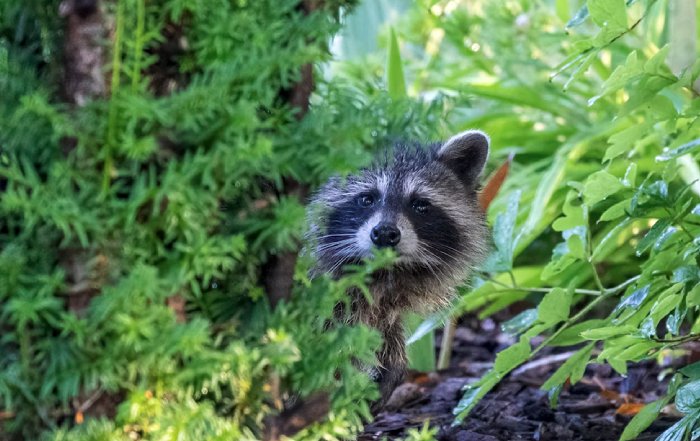
Creating a Wildlife-Friendly Backyard in 2026: A Strategic Guide for Sustainable Living and Business
In 2026, the idea of a wildlife-friendly backyard has matured from a lifestyle trend into a strategic component of how households, communities, and businesses express their environmental values and manage their land. For the global readership of eco-natur.com, this shift is especially relevant because gardens, courtyards, balconies, and small commercial landscapes are increasingly understood as micro-ecosystems that can advance climate resilience, biodiversity conservation, and human wellbeing at the same time. Whether in the United States, the United Kingdom, Germany, Canada, Australia, France, Italy, Spain, the Netherlands, Switzerland, China, or emerging urban hubs across Asia, Africa, and South America, outdoor spaces are no longer viewed as decorative afterthoughts; they are treated as living assets that can support pollinators, birds, small mammals, beneficial insects, and soil organisms while aligning closely with sustainable living and responsible business practices.
Readers who come to eco-natur.com for guidance on sustainable living increasingly expect advice that is rooted in solid ecological science, practical experience, and proven design principles. A wildlife-friendly backyard now sits at the intersection of multiple sustainability priorities: reducing environmental footprints, enhancing local biodiversity, improving personal and community health, and strengthening the long-term value of properties and brands. In this context, the backyard becomes not just a private retreat but a visible, measurable expression of environmental commitment, whether that commitment is made by a family in suburban Canada, an entrepreneur in Singapore, or a hospitality business in South Africa.
Wildlife-Friendly Backyards in the Global Sustainability Landscape
The global context for wildlife-friendly backyards has become more urgent since the mid-2020s. Scientific assessments by bodies such as the Intergovernmental Science-Policy Platform on Biodiversity and Ecosystem Services (IPBES) and the United Nations Environment Programme (UNEP) continue to show that habitat loss and fragmentation remain among the most serious drivers of biodiversity decline worldwide. Urban expansion, intensive agriculture, and infrastructure development have fragmented landscapes in North America, Europe, Asia, and beyond, leaving many species dependent on small, scattered green spaces for survival. In this fragmented reality, every garden, courtyard, rooftop, or shared yard has the potential to act as a stepping stone in a wider ecological network.
In countries such as the United States and Canada, data from organizations like the National Wildlife Federation demonstrate that modest interventions-native planting, reduced chemical use, provision of water and shelter-can significantly increase the abundance and diversity of birds and pollinators in urban and suburban neighborhoods. In the United Kingdom, the work of the Royal Society for the Protection of Birds (RSPB) and allied conservation charities has shown similar results, with ordinary gardens playing a measurable role in supporting declining species. Comparable initiatives in Germany, the Netherlands, Sweden, Singapore, and Japan reveal that even high-density cities can sustain surprising levels of biodiversity when private and public spaces are managed as connected habitats rather than isolated decorative plots. Readers who wish to place their own backyards within this global picture can explore how sustainability principles link local decisions to broader environmental objectives and international policy frameworks.
Grounding Design in Local Ecology and Native Species
A credible, effective wildlife-friendly backyard in 2026 begins with a clear understanding of local ecology. Climate, soil type, rainfall patterns, and native species assemblages differ dramatically between the temperate forests of Scandinavia and Canada, the Mediterranean landscapes of Spain and Italy, the monsoon-influenced regions of Thailand and Malaysia, the drylands of Australia and South Africa, and the mixed urban environments of the United States, the United Kingdom, China, and Brazil. High-quality information is now widely available from national and regional agencies such as the United States Environmental Protection Agency, Environment and Climate Change Canada, and equivalent institutions across Europe and Asia, which provide guidance on native plants, invasive species, and conservation priorities.
Native plants remain the cornerstone of wildlife-friendly design because they have evolved with local insects, birds, and mammals, providing food and shelter that exotic ornamentals often cannot replicate. Research supported by the Smithsonian Institution, European universities, and Asian research institutes has consistently shown that gardens dominated by native species support significantly higher numbers and diversity of pollinators than lawns or plantings focused on non-native ornamental species. For the audience of eco-natur.com, integrating native plants into a backyard is not only a matter of ecological performance but also of ethical and aesthetic coherence, as it connects personal taste with regional identity and long-term ecosystem health. Readers who are already exploring sustainable living choices will recognize that plant selection is a practical extension of their broader sustainability commitments.
Building Habitat Structure: Layers, Shelter, and Connectivity
Beyond species selection, the physical structure of a backyard strongly influences which animals can use it. Ecologists emphasize that wildlife thrives in environments with vertical and horizontal complexity, where multiple layers of vegetation and varied microhabitats create niches for different species. In practical terms, this means combining trees, tall and low shrubs, herbaceous perennials, ground covers, and undisturbed zones such as leaf litter, log piles, and rock clusters. Birds may depend on tall trees and dense shrubs for nesting and cover, while amphibians, reptiles, and many invertebrates require shaded, moist areas under vegetation, stones, or dead wood.
Landscape architects and sustainability-oriented designers are increasingly incorporating these principles into residential and commercial projects, and their experience offers valuable guidance for smaller private gardens. In the UK, continuous hedgerows and mixed native shrub borders are being used to reconnect habitats for hedgehogs and songbirds; in Germany and Switzerland, structured plantings along fences and property lines create corridors for small mammals and insects; in Australia and New Zealand, layered native plantings are adapted to drought and fire risk while still providing shelter and food for birds, lizards, and pollinators. For readers of eco-natur.com, understanding how to translate ecological structure into attractive, functional layouts is essential, and further insights can be found in discussions of sustainable design approaches, where form, function, and ecological value are deliberately integrated.
Water as a Core Element of Wildlife-Friendly Design
In almost every region of the world, clean water is a limiting resource for wildlife in urban and suburban environments. Hard surfaces, stormwater infrastructure, and manicured lawns reduce access to natural water sources, particularly during heatwaves and droughts that are becoming more frequent under climate change. Even a small water feature can dramatically increase the ecological value of a backyard. Shallow birdbaths, small ponds with gently sloping edges, rain gardens that capture runoff, and water trays on balconies can all provide critical drinking and bathing opportunities for birds, insects, amphibians, and small mammals.
Organizations such as the Royal Horticultural Society in the UK and BirdLife International worldwide offer detailed recommendations on designing wildlife-friendly water features that are safe, hygienic, and supportive of local species. Key considerations include avoiding chemical treatments, ensuring regular cleaning, and providing escape routes for small animals that might otherwise become trapped. In water-stressed regions such as parts of the western United States, South Africa, Spain, and Australia, the integration of rainwater harvesting systems and drought-tolerant native plantings around water features allows property owners to support wildlife without exacerbating local water scarcity. Readers interested in connecting water-wise gardening with broader resource strategies can explore how renewable energy and efficiency fit into integrated sustainability planning at home and in business.
Food Provision: Native Vegetation, Seasonality, and Organic Practices
Food availability is one of the most decisive factors determining whether wildlife will visit and remain in a backyard. While bird feeders and nectar stations can provide important supplemental resources, particularly during harsh winters in Canada, Scandinavia, and northern parts of the United States and Europe, the most robust and resilient approach is to design plantings that naturally offer food across the seasons. Flowering native perennials, shrubs with berries, seed-bearing grasses, and fruit trees can together support a diverse community of birds, insects, and small mammals in regions as varied as the UK, Germany, Japan, Brazil, and South Africa.
The quality of this food is increasingly recognized as dependent on management practices. The global shift toward organic and regenerative gardening, influenced by organizations such as the Food and Agriculture Organization of the United Nations (FAO) and IFOAM - Organics International, emphasizes the reduction or elimination of synthetic pesticides and fertilizers. This approach directly benefits pollinators, soil organisms, and other beneficial species that are sensitive to chemical exposure. For readers of eco-natur.com already committed to organic food choices, extending organic principles into the garden creates a consistent, trustworthy lifestyle pattern in which human nutrition and wildlife nutrition are mutually reinforcing rather than competing priorities.
Minimizing Chemical Inputs and Using Ecological Pest Management
A credible wildlife-friendly backyard is incompatible with heavy, routine use of synthetic pesticides, herbicides, and fungicides. Regulatory bodies such as the European Chemicals Agency (ECHA) and the World Health Organization (WHO) continue to publish evidence on the risks these substances pose to pollinators, aquatic life, soil organisms, and human health. In response, many households, municipalities, and businesses in the European Union, North America, and parts of Asia-Pacific are shifting toward integrated pest management, which prioritizes prevention, monitoring, and biological control over blanket chemical treatments.
Ecological pest management in a backyard setting can include encouraging predatory insects such as ladybirds and lacewings, providing nesting opportunities for insectivorous birds and bats, and maintaining high plant diversity to reduce vulnerability to single-species pest outbreaks. Healthy, biologically active soil, built through composting and organic mulches, supports stronger, more resilient plants that are less prone to disease. For the audience of eco-natur.com, these practices align naturally with a broader sustainable lifestyle, reducing exposure to harmful substances while enhancing garden resilience and aligning with increasingly stringent regulatory expectations in markets such as the EU, the UK, Canada, and New Zealand.
Plastic-Free and Zero-Waste Principles in the Garden
The global concern about plastic pollution has extended firmly into garden and landscape management by 2026. Plastic plant pots, synthetic turf, plastic netting, decorative items, and single-use packaging all introduce persistent materials that can fragment into microplastics, contaminate soil and water, and pose entanglement and ingestion risks for wildlife. Studies supported by organizations such as the International Union for Conservation of Nature (IUCN) and leading universities have highlighted the presence of microplastics in terrestrial ecosystems, not just oceans, prompting a reassessment of how plastic is used in everyday gardening.
Environmentally conscious gardeners and businesses are responding by adopting plastic-free and low-waste practices that mirror the values promoted on plastic-free living and zero-waste strategies. Biodegradable pots, natural fiber twine, reusable containers, and durable tools made from metal and wood are replacing disposable plastic items. Composting of garden and kitchen waste reduces landfill contributions and generates nutrient-rich material that supports soil health, reduces the need for synthetic fertilizers, and enhances the habitat value of the garden. From Amsterdam and Copenhagen to Singapore and Seoul, these practices are increasingly aligned with municipal circular economy policies, allowing individual households and businesses to contribute to broader systemic change.
Recycling, Resource Efficiency, and Circular Design Outdoors
A wildlife-friendly backyard provides a practical arena in which to apply circular economy concepts at a small but meaningful scale. Materials that might otherwise be discarded-such as old bricks, stones, timber offcuts, and pruned branches-can be repurposed into raised beds, seating, paths, and wildlife habitat features. Log piles and rock clusters, for example, create shelter for insects, amphibians, and small mammals while giving new life to materials that might have been treated as waste. Readers interested in linking these practices to broader sustainability strategies can find additional guidance in the discussion of recycling and circular resource use on eco-natur.com.
Water efficiency is another critical dimension of resource-conscious backyard management. Rainwater harvesting systems, from simple barrels to more sophisticated cisterns, capture runoff from roofs and paved surfaces for later use in irrigation and wildlife water features. In water-scarce regions such as California, parts of Australia and South Africa, and southern Europe, these systems reduce pressure on municipal supplies and increase resilience during droughts. Institutions such as the United States Geological Survey (USGS) and Australia's Bureau of Meteorology provide data and educational resources that help property owners plan for changing rainfall patterns and design landscapes that are both wildlife-supportive and climate-adapted.
Pollinators, Biodiversity, and the Backyard as a Micro-Reserve
Pollinators-bees, butterflies, moths, beetles, and certain birds and bats-are central to both natural ecosystems and agricultural productivity, yet they continue to face pressures from habitat loss, pesticide exposure, diseases, and climate change. International frameworks such as the Convention on Biological Diversity (CBD) and national pollinator strategies in countries like France, Germany, and the United States emphasize the vital role that private gardens and corporate landscapes can play in reversing pollinator declines. By planting a sequence of flowering species that bloom from early spring through late autumn, providing nesting sites and overwintering habitat, and avoiding harmful chemicals, backyard owners and facility managers can create reliable refuges that sustain pollinators throughout the year.
The concept of biodiversity in a backyard extends beyond pollinators to encompass soil organisms, fungi, birds, reptiles, amphibians, and small mammals. In effect, a well-designed wildlife-friendly backyard functions as a micro-reserve that reflects the principles of biodiversity conservation promoted by global organizations such as WWF and The Nature Conservancy. In the UK, school programs encourage children to survey and enhance biodiversity in school grounds; in Japan, community groups create insect-friendly planting schemes; in Brazil and South Africa, urban conservation initiatives link backyard habitats with city parks and river corridors. For readers of eco-natur.com, participation in such initiatives offers an opportunity to combine personal satisfaction with measurable ecological benefits.
Balancing Human Use, Health, and Wildlife Needs
A wildlife-friendly backyard must serve people as well as wildlife, particularly in settings where outdoor space is a key extension of living and working environments. Families in North America and Europe may require safe play areas for children, outdoor dining and cooking zones, and quiet spaces for rest or remote work. In dense urban areas of Asia, balconies and rooftop terraces may be the primary available outdoor spaces, requiring creative vertical planting and container-based habitats. The design challenge lies in integrating these human functions with wildlife needs in ways that minimize conflict and maximize mutual benefit.
Zoning is a common strategy, with more intensively used areas located close to buildings and quieter, more densely planted wildlife zones situated toward boundaries or less trafficked corners. Safety considerations include managing potential conflicts with larger wildlife in regions where they occur, designing water features to prevent accidents, and being aware of disease vectors such as ticks and mosquitoes. Public health agencies like the Centers for Disease Control and Prevention (CDC) in the United States and Public Health England (now part of the UK Health Security Agency) provide guidance on enjoying outdoor spaces while managing health risks. For the audience of eco-natur.com, these considerations are closely connected to health and sustainable living, underscoring that well-planned wildlife-friendly spaces can enhance mental and physical wellbeing through contact with nature, improved air quality, and opportunities for physical activity and stress reduction.
Economic and Business Value of Wildlife-Friendly Backyards
By 2026, the economic and business implications of wildlife-friendly landscaping are more visible than ever. In real estate markets across the United States, the UK, Germany, Canada, Australia, and beyond, properties featuring sustainable, biodiverse gardens often command price premiums and attract buyers who value environmental performance and quality of life. For hotels, guesthouses, restaurants, and eco-tourism operators, wildlife-friendly outdoor spaces offer unique guest experiences, strengthen brand positioning, and support storytelling around sustainability credentials.
At a broader scale, investment in nature-positive landscaping supports local economies by creating demand for nurseries specializing in native plants, providers of organic soil amendments, ecological design consultants, and maintenance services that prioritize sustainability. These dynamics align closely with the themes explored in sustainable business models and sustainable economy insights on eco-natur.com, where nature-based solutions are recognized as strategic assets rather than optional extras. Institutions such as the World Economic Forum and the OECD increasingly highlight the role of green infrastructure and urban biodiversity in enhancing climate resilience, reducing health costs, and supporting long-term economic stability, reinforcing the business case for wildlife-friendly backyards in both residential and commercial contexts.
eco-natur.com as a Partner in Personal and Global Commitments
For readers around the world-from North America and Europe to Asia, Africa, and South America-the creation of a wildlife-friendly backyard in 2026 represents both a deeply personal project and a meaningful contribution to global sustainability goals. Each decision, from choosing native plants and eliminating unnecessary plastics to harvesting rainwater and providing habitat for pollinators, signals a commitment to living in closer harmony with nature. Through the resources and perspectives available on eco-natur.com, including guidance on sustainable living, sustainability, plastic-free practices, and wildlife stewardship, individuals and organizations can move beyond awareness toward informed, confident action.
As environmental pressures intensify and the need for credible, trust-worthy sustainability practices grows, wildlife-friendly backyards, balconies, and shared green spaces form a global mosaic of habitats that support migratory species, stabilize local ecosystems, and inspire neighbors, colleagues, and future generations. In cities from London, Berlin, and Paris to New York, Toronto, São Paulo, Cape Town, Singapore, Bangkok, Seoul, and Tokyo, these spaces demonstrate that even small patches of land can embody experience, expertise, authoritativeness, and trustworthiness in sustainability. By treating the backyard as an integral part of a wider ecological and social system, the community around eco-natur.com helps to ensure that private and commercial outdoor spaces are not only attractive and functional but also resilient, life-supporting environments that contribute meaningfully to a more sustainable and nature-positive world.
