
Why Native Plants Matter for Local Wildlife
Native Plants at the Heart of a Living Landscape
Across suburbs, cities, farms, and forests, a quiet transformation is underway. Gardeners, planners, and conservationists are rediscovering a simple but powerful idea: the plants that evolved in a place are the foundation of life there. Native plants, once dismissed as messy or ordinary compared with exotic ornamentals, are now recognized as vital infrastructure for healthy ecosystems, resilient communities, and thriving local economies. For readers online and visitors to eco-natur.com, this shift aligns closely with long-standing interests in sustainable living, wildlife protection, and regenerative design, and it is reshaping how landscapes are planned and cared for in homes, cities, and rural regions across the world.
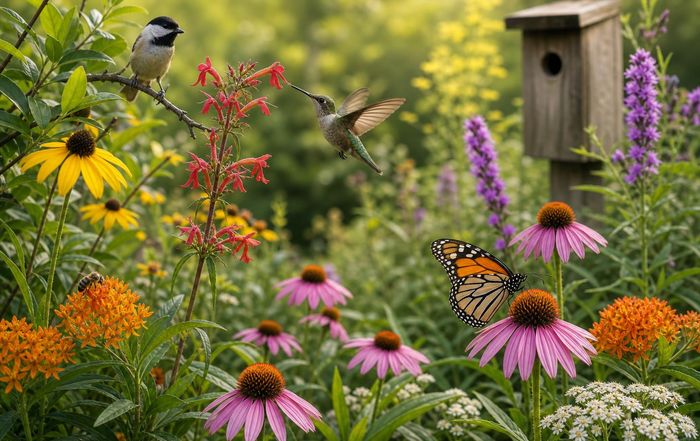
Native plants matter for local wildlife because they form the base of food webs, provide irreplaceable habitat, and coevolve with animals, fungi, and microbes over thousands of years. When landscapes are dominated by non-native or invasive species, that finely tuned web begins to unravel, leaving birds, insects, mammals, and soil life without the resources they need to survive. The growing body of ecological research, together with practical experience from urban parks, farms, and home gardens, confirms that restoring native vegetation is among the most effective ways to support biodiversity while also improving human well-being and climate resilience. This article explores how and why native plants are so crucial, and how individuals, communities, and businesses can work with them in ways that align with the sustainable living principles championed by us.
The Ecological Power of Native Plants
Native plants are species that have evolved in a particular region over long timeframes without human introduction, adapting to local soils, climate, and other organisms. This deep coevolution means that native plants are tightly integrated into local food webs, especially through their relationships with insects. Research by ecologists such as Dr. Douglas Tallamy of the University of Delaware has shown that many insects, particularly caterpillars of butterflies and moths, can feed only on specific native plant lineages. When these plants are replaced by non-native ornamentals, the insects lose their food source, and the birds that rely on those insects to feed their young also decline. Studies published in journals such as Proceedings of the National Academy of Sciences and Biological Conservation have linked the abundance and diversity of native plants in residential landscapes with higher numbers of breeding birds and insect species.
Organizations like the National Wildlife Federation explain that native plants typically support many more insect species than non-native alternatives; for example, certain native oaks in North America host hundreds of caterpillar species, while comparable non-native trees may support only a handful. Similar patterns have been documented in Europe and other regions, where native trees and shrubs support diverse communities of beetles, pollinators, and other invertebrates that in turn feed birds, bats, amphibians, and small mammals. Readers interested in how this connects to broader sustainable living choices can explore sustainable living strategies that integrate native planting into everyday life.
Native plants also tend to be better adapted to local rainfall patterns, temperature ranges, and soil types, which often makes them more resilient to droughts, storms, and other climate stresses. While not all native species are low-maintenance in every setting, many require less irrigation and fewer chemical inputs than exotic species once they are established, particularly when planted in appropriate microclimates. This resilience supports the broader sustainability goals discussed in Eco Natur's coverage of renewable energy and climate solutions, because landscapes that require fewer external inputs are generally more compatible with low-carbon, resource-efficient lifestyles.
Food Webs, Pollinators, and the Insect Crisis
The importance of native plants becomes especially clear in the context of global insect declines. Multiple long-term studies in Europe and elsewhere, including work summarized by the German Centre for Integrative Biodiversity Research (iDiv) and articles in Science and PLOS ONE, have documented significant reductions in insect biomass and diversity in some regions over recent decades. Although the exact magnitude and causes of insect declines vary by location and taxa, habitat loss, pesticide use, climate change, and the replacement of diverse native vegetation with simplified landscapes are consistently identified as major drivers.
Native plants help counter these trends by providing nectar, pollen, foliage, and nesting habitat for pollinators and other invertebrates. Organizations such as Pollinator Partnership and the Xerces Society for Invertebrate Conservation have produced region-specific planting guides that emphasize native species as the most effective way to support bees, butterflies, and other pollinators. These guides underline that while some non-native plants can provide nectar and pollen, many pollinators have evolved to use specific native flowers, and the timing of native blooms is often closely aligned with the life cycles of local insects.
For example, early spring wildflowers in temperate forests offer critical nectar and pollen for queen bumblebees emerging from winter dormancy, while late-flowering native asters and goldenrods sustain migrating butterflies and bees preparing for winter. Similar seasonal patterns are evident in Mediterranean climates, tropical regions, and arid zones, where native plants are finely tuned to local rainfall and temperature cycles. These relationships are especially important for wild pollinators that play key roles in both natural ecosystems and agriculture, contributing to the production of fruits, nuts, and vegetables. Those interested in how pollinator health intersects with food systems can learn more about organic food and ecological farming, which often depend on robust native plant communities in surrounding landscapes.
Shelter, Nesting, and the Architecture of Habitat
Beyond food, native plants create the physical structure of habitat that wildlife needs for shelter, breeding, and movement. Dense native shrubs, hedgerows, and understory plants provide nesting sites for songbirds, cover for small mammals, and microhabitats for amphibians and reptiles. Native grasses and wildflowers offer overwintering sites for insects, including many solitary bees that nest in hollow stems or in the soil at the base of plants. Fallen leaves and woody debris from native trees support decomposers such as fungi, millipedes, and earthworms, which in turn enrich soils and recycle nutrients.
Conservation organizations including BirdLife International and the Royal Society for the Protection of Birds (RSPB) have emphasized that gardens, parks, and farms planted with native species can function as vital refuges and stepping stones for wildlife in increasingly fragmented landscapes. In urban and suburban areas, where natural habitats are often broken into small patches, networks of native plantings can form "green corridors" that allow birds, insects, and small mammals to move between larger habitat areas. This connectivity is essential for maintaining genetic diversity and enabling species to adapt to climate change by shifting their ranges.
On Eco Natur, readers will find related discussions of wildlife conservation and habitat protection, where the role of native vegetation is a recurring theme. From small balcony gardens to large corporate campuses, the strategic use of native plants can transform otherwise sterile environments into living, interconnected habitats that support a surprising range of species.
Soil Health, Water Cycles, and Climate Resilience
Native plants contribute to ecosystem health below ground as well. Many native species form intricate relationships with mycorrhizal fungi and soil microbes, enhancing nutrient uptake and improving soil structure. Deep-rooted native grasses and perennials help build soil organic matter, increase water infiltration, and reduce erosion. This is particularly evident in prairie and savanna ecosystems, where native grasses can develop root systems several meters deep, stabilizing soils and sequestering significant amounts of carbon. Research summarized by organizations such as The Nature Conservancy and the Food and Agriculture Organization (FAO) indicates that healthy, plant-rich soils are a crucial component of climate mitigation strategies and sustainable agriculture.
Native vegetation also plays a key role in local water cycles. By slowing runoff and increasing infiltration, native plant communities help recharge groundwater, reduce flooding, and filter pollutants before they reach rivers, lakes, and coastal waters. Urban stormwater management projects in cities from the United States to Germany, Singapore, and Australia are increasingly incorporating native plants into rain gardens, bioswales, and green infrastructure systems. Municipal and regional initiatives documented by the United States Environmental Protection Agency (EPA) and similar agencies in Europe and Asia highlight how native species often perform better in these applications because they are adapted to local rainfall patterns and can withstand periodic flooding and drought.
The integration of native plants into water-sensitive urban design aligns with the broader sustainability themes addressed on Eco Natur, including circular resource use and green economy principles. By reducing the need for irrigation, fertilizers, and stormwater infrastructure, native landscapes can lower public and private costs while increasing resilience to extreme weather events, which many regions are experiencing with increasing frequency.
Native Plants, Sustainable Living, and Plastic-Free Lifestyles
For individuals and families seeking to live more sustainably, native plants offer a tangible way to align daily life with ecological principles. A garden or balcony filled with native species not only supports local wildlife but also tends to require fewer synthetic inputs such as fertilizers, pesticides, and plastic-based gardening products. This reduction in chemical and plastic use resonates with the plastic-free and low-waste values that many Eco Natur readers prioritize, as reflected in the platform's resources on plastic-free living and alternatives and zero-waste strategies.
By choosing native plants, gardeners often find they can rely more on natural processes such as predation by beneficial insects, soil-building by decomposers, and self-seeding of plants adapted to local conditions. This approach reduces the need for plastic pots, synthetic fertilizers, and single-use packaging associated with many conventional gardening products. Community seed swaps and native plant nurseries that use biodegradable or reusable containers further reinforce this low-waste ethos. Organizations such as Garden Organic in the United Kingdom and Seed Savers Exchange in the United States promote seed saving and organic gardening practices that integrate native species and minimize reliance on external inputs.
Native planting also dovetails with broader sustainable lifestyle choices, from reducing lawn areas that require frequent mowing and watering to creating edible landscapes that combine native fruiting shrubs, nut trees, and pollinator-friendly herbs. Readers interested in connecting native planting with everyday habits can explore Eco Natur's guidance on sustainable lifestyle practices and holistic health and environmental well-being, which highlight the mental and physical benefits of spending time in biodiverse, nature-rich spaces.
Urban Planning, Green Cities, and Native Plant Design
City planners, architects, and landscape designers are increasingly recognizing that native plants are essential components of sustainable urban environments. Green roofs, living walls, pocket parks, and restored riverfronts that incorporate native species can mitigate urban heat islands, improve air quality, and provide accessible nature for residents. Organizations such as C40 Cities and the World Resources Institute (WRI) have documented how nature-based solutions, including native plantings, contribute to climate adaptation and public health in cities across continents.
Design frameworks like biophilic urbanism and regenerative design emphasize not only the aesthetic appeal of native plants but also their ability to create multifunctional spaces that support biodiversity, social interaction, and cultural identity. For instance, native plant gardens in public spaces can highlight local ecological heritage and traditional knowledge, while also serving as outdoor classrooms where children learn about pollinators, seasons, and food webs. Architectural and landscape practices featured by institutions such as the American Society of Landscape Architects (ASLA) and Royal Institute of British Architects (RIBA) increasingly showcase projects that prioritize native vegetation and ecological connectivity.
These approaches intersect with the design-focused content on Eco Natur, where readers can explore sustainable design and architecture concepts that integrate native plants into buildings and public spaces. Whether in dense urban cores or suburban neighborhoods, native plantings are proving that ecological function and visual beauty can reinforce rather than contradict each other, offering inspiring models for future cities.
Agriculture, Native Vegetation, and a Regenerative Economy
In agricultural landscapes, native plants play crucial roles in supporting pollination, pest control, soil health, and water regulation. Field margins, hedgerows, riparian buffers, and agroforestry systems that include native shrubs, trees, and wildflowers provide habitat for beneficial insects, birds, and bats that help control crop pests and pollinate crops. Research compiled by organizations such as the United Nations Environment Programme (UNEP) and FAO indicates that such ecological infrastructure can enhance yields, reduce pesticide use, and increase farm resilience to climate extremes.
Regenerative agriculture initiatives in regions from North America and Europe to Africa, Asia, and Latin America often incorporate native species into cover crops, windbreaks, and mixed cropping systems. These practices not only benefit wildlife but also contribute to carbon sequestration, improved soil structure, and diversified farm income streams. In some cases, native plants themselves are harvested for food, fiber, or medicinal uses, supporting local economies and cultural traditions while maintaining ecosystem functions. Readers interested in the economic dimensions of this transition can learn more about sustainable business models and green economy pathways, which align closely with the values promoted by Eco Natur.
At a broader scale, integrating native vegetation into production landscapes is increasingly seen as essential for meeting international biodiversity and climate targets, including the goals of the Convention on Biological Diversity and various national strategies for nature-positive economies. As governments, businesses, and civil society organizations work to align economic activity with planetary boundaries, native plants are emerging as a practical and symbolic cornerstone of a more resilient and equitable future.
Native Plants, Biodiversity, and Global Conservation Goals
The significance of native plants extends beyond individual gardens and farms to the global challenge of biodiversity loss. Scientific assessments by bodies such as the Intergovernmental Science-Policy Platform on Biodiversity and Ecosystem Services (IPBES) have highlighted habitat degradation and the spread of invasive species as major drivers of species declines worldwide. Restoring and conserving native plant communities is therefore central to reversing these trends and achieving the biodiversity targets that many countries have committed to under international agreements.
From temperate forests in Europe and North America to tropical rainforests in South America, Africa, and Southeast Asia, conservation organizations including WWF, Conservation International, and national parks agencies emphasize the importance of protecting native vegetation as a way to safeguard endangered species, maintain ecosystem services, and respect the rights and knowledge of Indigenous peoples. In many regions, Indigenous communities have long stewarded native plants through traditional ecological practices that maintain diversity and resilience, and contemporary conservation efforts increasingly seek to learn from and support these approaches.
For readers of Eco Natur, the connection between native plants and global ecological health is closely linked to broader discussions of global sustainability challenges and solutions and biodiversity protection. By recognizing local native plants as part of a planetary tapestry of life, individuals and communities can see their own actions-whether planting a tree, restoring a meadow, or supporting a conservation project-as meaningful contributions to a shared global effort.
Recycling, Circularity, and Native Plant Restoration
The restoration and management of native plant communities intersect with recycling and circular economy principles in several ways. When landscapes are designed around native species, they often generate organic matter-such as leaves, branches, and plant residues-that can be composted and returned to the soil, reducing the need for external fertilizers and diverting green waste from landfills. Municipal and community composting programs in cities across North America, Europe, and Asia are increasingly integrating native plant maintenance into closed-loop systems that turn prunings and fallen leaves into soil amendments for parks and gardens.
This approach aligns with the circular resource strategies covered in Eco Natur's articles on recycling and waste reduction and sustainability in everyday life. By viewing native plant landscapes as dynamic systems where nutrients are cycled locally, rather than as static, manicured spaces that require constant external inputs and generate waste, communities can reduce environmental impacts and foster a deeper sense of connection to natural processes. Some cities and regions also use recycled materials in the construction of paths, mulches, and structures within native plant reserves and parks, further reinforcing the link between ecological restoration and circular design.
How Eco Natur Inspires Action with Native Plants!
For Eco Natur, native plants are not only a topic of ecological interest but a practical pathway toward the sustainable, nature-positive future the platform advocates. Through its daily original in-depth content on sustainable living, organic food systems, wildlife conservation, and sustainable business innovation, eco-natur consistently highlights the role of local ecosystems and the importance of aligning human activities with the rhythms and requirements of the natural world.
By showcasing examples from different countries and climates-from urban pollinator corridors in the United States and the United Kingdom to agroforestry projects in Brazil, wetland restorations in Germany and the Netherlands, and community gardens in South Africa, India, and New Zealand-Eco Natur emphasizes that native plants are relevant across cultures and regions. Whether in dense Asian megacities, rural African landscapes, European suburbs, or North and South American farming communities, the principles remain consistent: when people work with native plants, they create conditions for wildlife to flourish, for soils and waters to heal, and for local economies to become more resilient and just.
In a world where environmental challenges can feel overwhelming, the choice to plant and protect native species offers a concrete, hopeful way forward. Each native tree, shrub, or wildflower added to a garden, schoolyard, business campus, or public park becomes part of a larger network of life, stitching together fragmented habitats and supporting the intricate relationships that sustain biodiversity. For readers and partners here, this is not just an abstract ecological concept but an invitation to participate in a living, evolving story of regeneration, where local landscapes once again become home to the full richness of their native wildlife.
