
Energy-Saving Home Upgrades That Lower Everyday Costs
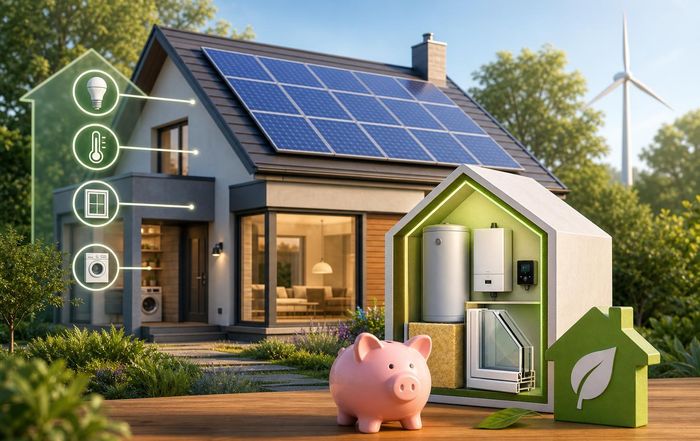
Energy efficiency has moved from a niche interest to a central pillar of how households think about comfort, cost of living, and environmental responsibility. Across North America, Europe, Asia, Africa, and South America, families are facing higher energy prices, more frequent heatwaves and cold snaps, and a growing awareness of the impact that residential energy use has on the planet. In this context, energy-saving home upgrades are no longer perceived only as technical improvements; they are seen as strategic investments that can lower everyday costs, increase resilience, and support a more sustainable lifestyle. For environmentally aware individuals these upgrades align closely with broader goals of sustainable living, responsible consumption, and long-term wellbeing.
Why Home Energy Efficiency Matters Now
Residential buildings account for a substantial share of global energy demand and associated greenhouse gas emissions. The International Energy Agency (IEA) estimates that buildings (residential and commercial combined) are responsible for around 30 percent of final energy consumption and nearly 27 percent of energy-related CO₂ emissions worldwide, with space heating, cooling, and water heating representing the largest shares of household energy use. Readers can explore this global picture in more depth through the IEA's analysis on buildings and climate.
At the same time, households in countries as diverse as the United States, Germany, the United Kingdom, Brazil, South Africa, and Japan are experiencing volatile energy prices and, in many regions, rising electricity tariffs. Reports from organizations such as BloombergNEF and the World Bank highlight how energy price shocks can erode disposable income, particularly for low- and middle-income families. In response, governments are increasingly providing incentives for energy-saving upgrades, while homeowners and renters are looking for practical ways to reduce monthly bills without sacrificing comfort.
For Eco Natur and its global audience, the attraction of energy-efficient homes extends beyond cost savings. Energy upgrades intersect with sustainability, recycling, plastic-free living, and sustainable business practices, forming part of a holistic approach to a lower-impact lifestyle. Efficient homes consume fewer resources, reduce strain on energy grids, and create healthier indoor environments, supporting both planetary and personal health.
Insulation and Air Sealing: The Foundation of an Efficient Home
Energy-saving upgrades begin with the building envelope: the walls, roof, floors, windows, and doors that separate indoor and outdoor environments. Poorly insulated or leaky homes lose heat in winter and gain unwanted heat in summer, forcing heating and cooling systems to work harder and increasing energy bills.
Organizations such as the U.S. Department of Energy (DOE) and the UK Energy Saving Trust consistently emphasize that improving insulation and air sealing is often the most cost-effective step homeowners can take. The DOE's guidance on insulation materials and strategies explains how adding or upgrading attic insulation, insulating cavity walls or external walls, and sealing cracks and gaps around windows, doors, and service penetrations can significantly reduce energy demand. In many climates, these measures can cut heating and cooling needs by 10 to 30 percent, though exact savings depend on building type, climate zone, and existing conditions.
For readers of eco-natur, there is a growing interest in the environmental profile of insulation materials themselves. Traditional options like fiberglass and mineral wool remain widely used and can be effective when properly installed, but they are increasingly joined by more natural alternatives such as cellulose (often made from recycled paper), wood fiber, cork, and sheep's wool, which align with the principles of sustainable materials and design. Organizations like Green Building Council chapters in the United Kingdom, Germany, and other countries provide guidance on the life-cycle impacts of these materials, while platforms such as Architecture 2030 offer resources on low-carbon building envelopes.
Air sealing, although less visible than insulation, is equally important. Studies referenced by the Lawrence Berkeley National Laboratory indicate that uncontrolled air leakage can account for 25 to 40 percent of heating and cooling energy use in some homes. Professionals use blower-door tests and thermal imaging to identify leaks, but even simple measures such as weatherstripping, caulking around window frames, and installing door sweeps can make a noticeable difference. For households interested in zero-waste principles, choosing durable, non-toxic sealants and minimizing packaging waste from renovation projects can align energy upgrades with broader sustainability goals.
Windows, Shading, and Natural Light
Windows are central to comfort and aesthetics, yet they can be a major source of heat loss in winter and heat gain in summer. Modern high-performance windows, often double- or triple-glazed with low-emissivity (low-E) coatings and insulated frames, can substantially improve thermal performance compared with older single-pane windows. According to the Efficient Windows Collaborative and guidance from the European Commission's energy efficiency in buildings initiatives, upgrading from single-pane to high-performance double-glazed windows can reduce heat loss through windows by more than half in many climates, though the payback period depends on local energy prices, installation costs, and building design.
However, full window replacement is not always the most economical or sustainable choice, especially if existing frames are in good condition. Secondary glazing, interior storm windows, and high-quality window films can improve performance at lower cost and with less material use, which may appeal to readers focused on resource efficiency and recycling. Organizations such as Historic England and National Trust in the UK have documented how secondary glazing can deliver significant energy savings in older buildings while preserving architectural character.
Shading and daylight management also play crucial roles. External shading devices, such as awnings, shutters, and pergolas, can dramatically reduce solar heat gain in hot climates, while interior blinds and curtains with reflective backings offer additional control. The Passive House Institute and the Building Science Corporation provide detailed guidance on passive solar design and shading strategies that use the sun's path and local climate data to optimize comfort and reduce reliance on mechanical cooling. For many households, thoughtful use of natural light, coupled with energy-efficient window coverings, can lower lighting and cooling needs simultaneously.
Heating, Cooling, and Heat Pumps: Efficient Comfort for All Climates
Heating and cooling systems are often the largest contributors to household energy bills, particularly in regions with cold winters or hot summers. Upgrading to high-efficiency systems can yield substantial savings, especially when combined with improvements to the building envelope.
Heat pumps have emerged as a central technology in this transition. By moving heat rather than generating it through combustion or resistance, modern air-source and ground-source heat pumps can deliver two to four units of heat for every unit of electricity consumed under suitable conditions. The International Renewable Energy Agency (IRENA) and the IEA both highlight heat pumps as a key technology for decarbonizing heating, with the IEA's Global Heat Pump Tracker documenting rapid adoption in Europe, North America, China, Japan, and other regions.
For homeowners, the attraction is twofold: lower operating costs compared with older electric resistance heaters or oil furnaces, and the ability to provide both heating and cooling in a single system. In milder climates, high-efficiency air-source heat pumps can replace traditional furnaces and air conditioners, while in colder climates, specialized cold-climate models or hybrid systems that combine heat pumps with backup boilers or furnaces may be more appropriate. Independent testing organizations such as Energy Star in the United States and Topten.eu in Europe provide performance data to help consumers identify efficient models.
Where heat pumps are not yet practical or cost-effective, upgrading to high-efficiency gas or oil boilers, installing smart thermostats, and improving distribution systems can still deliver meaningful savings. The Carbon Trust and national energy agencies in countries like Germany, Sweden, and Canada offer guidance on system optimization, including balancing radiators, insulating hot water pipes, and using weather-compensated controls. For eco-conscious households, integrating heating upgrades with renewable energy options, such as solar thermal collectors for hot water or rooftop solar photovoltaics to power heat pumps, can significantly reduce both emissions and long-term energy costs.
Lighting and Appliances: Small Changes with Cumulative Impact
While heating and cooling dominate energy use in many climates, lighting and appliances represent a significant and growing share of electricity consumption, particularly in urban apartments and homes with extensive electronics. Fortunately, these are also areas where relatively simple upgrades can produce quick and visible savings.
The global transition from incandescent and halogen bulbs to light-emitting diode (LED) technology is one of the most successful energy efficiency stories of recent decades. According to the United Nations Environment Programme (UNEP) and the Global Lighting Challenge, LEDs use up to 75 percent less energy than traditional incandescent bulbs and can last 25 times longer under typical operating conditions. Many countries, including members of the European Union, the United States, Australia, and others, have implemented regulations that phase out inefficient lamps and promote high-efficiency alternatives, supported by labeling schemes such as Energy Star, the EU energy label, and comparable programs in Asia and Latin America.
Appliances and electronics are another critical frontier. Refrigerators, washing machines, dishwashers, heat-pump dryers, and induction cooktops have all seen significant efficiency improvements in recent years. Independent testing bodies, consumer organizations like Consumer Reports in the United States and Which? in the UK, and government databases such as the EU's energy label product database allow consumers to compare models based on energy use, water consumption, and performance. For readers of Eco Natur, choosing durable, repairable, and energy-efficient appliances aligns with both sustainable lifestyle choices and circular economy principles, helping to reduce waste and resource extraction.
Smart plugs, advanced power strips, and energy-monitoring devices can further cut the "phantom" or standby loads that many electronics draw even when not in use. Studies compiled by organizations like the Natural Resources Defense Council (NRDC) suggest that standby power can account for 5 to 10 percent of residential electricity use in some households, making this an area where attentive management can yield real savings with minimal inconvenience.
Water Heating and Efficient Hot Water Use
Water heating is often the second-largest energy use in homes after space heating, particularly in cooler climates. Upgrading to efficient water heaters and optimizing hot water use can therefore play a major role in lowering everyday costs.
Traditional storage tank water heaters can be replaced with high-efficiency condensing gas models, heat pump water heaters, or, in some cases, tankless (on-demand) systems. The U.S. Environmental Protection Agency (EPA) and Natural Resources Canada provide detailed comparisons of these technologies, noting that heat pump water heaters can be two to three times more efficient than conventional electric resistance units under suitable conditions. In sunny regions, solar thermal systems that preheat water can further reduce reliance on grid electricity or fossil fuels, especially when combined with well-insulated storage tanks and efficient distribution.
Simple behavioral and low-cost measures also matter. Insulating hot water pipes, installing low-flow showerheads and faucets, fixing leaks promptly, and setting water heater thermostats to appropriate temperatures can reduce both water and energy use. These practices align strongly with Eco Natur's emphasis on sustainable living and resource stewardship, recognizing that water and energy are deeply interconnected in modern economies.
Integrating Renewable Energy at the Household Level
As rooftop solar and small-scale wind systems become more accessible, many households are exploring how on-site renewable energy can complement efficiency upgrades. The consensus among energy experts, including the IEA and organizations like Rocky Mountain Institute (RMI), is that the most cost-effective approach is usually to reduce energy demand first and then size renewable systems to meet the optimized load. This sequence maximizes the benefit of each solar panel or turbine, reduces upfront costs, and can shorten payback periods.
Solar photovoltaic (PV) systems have seen dramatic cost declines over the past decade, making them increasingly competitive across the United States, Europe, Asia, Africa, and Latin America. The International Renewable Energy Agency provides extensive data on solar PV cost trends and deployment. In many regions, households can benefit from net metering or feed-in tariffs that credit them for excess electricity exported to the grid, though policies vary widely by country and even by state or province.
For readers of eco-natur, integrating rooftop solar with energy-efficient appliances, electric vehicles, and heat pumps can create a synergistic system in which clean electricity powers the major end-uses of the home. Home battery storage, while still relatively expensive in some markets, is becoming more common, particularly in places with frequent power outages or high time-of-use electricity rates. Independent evaluations by organizations such as Fraunhofer ISE in Germany and National Renewable Energy Laboratory (NREL) in the United States provide ongoing analysis of the performance and economics of residential solar-plus-storage systems.
Smart Controls and Home Energy Management
Digital technologies are transforming how households interact with energy, offering new tools to monitor, control, and optimize consumption in real time. Smart thermostats, connected appliances, and whole-home energy management systems can help residents understand where energy is being used and identify opportunities for savings, often with minimal manual intervention.
Smart thermostats, in particular, have been widely studied. Research supported by the American Council for an Energy-Efficient Economy (ACEEE) and field data from utilities indicate that, when properly installed and used, smart thermostats can reduce heating and cooling energy use by around 8 to 15 percent in many homes, with variations depending on climate, building characteristics, and user behavior. These devices learn occupancy patterns, adjust temperatures automatically, and often provide feedback on energy use compared to similar homes.
More advanced systems integrate lighting, appliances, electric vehicle charging, and renewable energy generation, enabling load shifting to times when electricity is cheaper or cleaner. In countries such as Denmark, Sweden, and the Netherlands, time-of-use tariffs and demand response programs are encouraging households to participate actively in grid balancing, supporting the integration of higher shares of wind and solar power. For Eco Natur readers, these developments illustrate how individual households can contribute to a more resilient and sustainable energy system while also lowering their own costs.
Health, Comfort, and the Human Dimension of Energy Upgrades
While financial savings and emissions reductions are often the headline benefits of energy-saving home upgrades, there is growing recognition of their impact on health, comfort, and overall quality of life. Poorly insulated or inadequately heated homes are associated with respiratory illnesses, cardiovascular stress, and mental health challenges, particularly among vulnerable populations such as children, older adults, and those with pre-existing conditions. Organizations like the World Health Organization (WHO) and public health agencies in the United Kingdom, New Zealand, and other countries have documented the links between cold homes, dampness, and health outcomes.
By improving insulation, sealing drafts, and upgrading heating and ventilation systems, households can maintain more stable indoor temperatures, reduce condensation and mold growth, and improve indoor air quality. Balanced mechanical ventilation with heat recovery, used in many high-performance buildings, helps ensure a steady supply of fresh air while minimizing heat loss. For those concerned with health and wellbeing, these measures demonstrate that energy efficiency is not only about kilowatt-hours and carbon; it is also about creating healthier places to live and thrive.
Comfort is equally important. Efficient homes can maintain more even temperatures across rooms, reduce noise from mechanical equipment, and offer better control over lighting and shading. For many families, this enhances everyday life in ways that are difficult to quantify but deeply valued, reinforcing the idea that sustainability and comfort can go hand in hand.
Financing, Incentives, and the Role of Policy
The upfront cost of energy-saving upgrades remains a barrier for many households, even when long-term savings are substantial. Recognizing this, governments, utilities, and financial institutions across the world are experimenting with new models to make efficiency more accessible.
In the United States, federal tax credits and rebates administered under programs such as the Energy Efficient Home Improvement Credit support investments in insulation, windows, heat pumps, and other measures, while state and utility programs provide additional incentives. In Europe, countries including Germany, France, Italy, and the Netherlands have implemented grants, low-interest loans, and energy performance contracting schemes to support renovations, often targeting older building stock. The European Commission's Renovation Wave initiative outlines plans to accelerate building retrofits as part of the broader climate and energy strategy, with details available through the Commission's energy efficiency in buildings resources.
In emerging and developing economies, international organizations such as the World Bank, UN Development Programme (UNDP), and regional development banks are supporting energy efficiency through technical assistance, concessional finance, and policy reforms. These efforts recognize that efficient housing can reduce energy poverty, improve resilience to climate extremes, and free up public resources for other priorities.
For individual homeowners and renters, understanding local incentives, building codes, and financing options is essential. Independent advisory services, non-profit organizations, and trustworthy online resources help bridge the information gap. Eco Natur contributes to this ecosystem by offering accessible guidance on sustainable living, renewable energy, organic and sustainable products, and global sustainability trends, tailored to audiences in the United States, Europe, Asia, Africa, and beyond.
Aligning Everyday Choices with a Sustainable Future
Energy-saving home upgrades illustrate how individual decisions can contribute meaningfully to global sustainability goals while delivering immediate, tangible benefits. From better insulation and high-performance windows to efficient heat pumps, LED lighting, and smart controls, these measures allow households to reduce monthly bills, increase comfort, and lower their environmental footprint. When combined with responsible consumption, plastic-free habits, thoughtful recycling, and support for sustainable businesses, they form a coherent strategy for living well within planetary boundaries.
In a world where climate risks and energy challenges are becoming more visible, the work of organizations, researchers, and communities committed to efficiency and sustainability provides a source of optimism. Independent institutions such as the IEA, IRENA, UNEP, and national energy agencies continue to refine understanding of what works best in different contexts, while innovators and builders push the boundaries of what is possible in residential design and retrofits. The growing body of evidence from real-world projects across continents confirms that energy-efficient homes are not only feasible but desirable, offering a pathway to lower costs, healthier living spaces, and a more stable climate.
For the nature loving community, the journey toward an energy-smart home is an invitation to align everyday choices with long-term values, to see each upgrade not just as a technical fix but as a step toward a more resilient and regenerative way of life. By staying informed, seeking trustworthy advice, and choosing solutions that fit local conditions and personal circumstances, households everywhere can help shape a future in which comfort, affordability, and ecological responsibility reinforce one another rather than stand in tension.
