
Zero-Waste Living - A Practical Guide for Beginners

Last updated by Editorial team at eco-natur.com on Tuesday 9 September 2025
Zero-Waste Living A Practical Guide for Beginners

The year 2025 marks a decisive moment for global sustainability efforts as rising levels of waste, particularly plastic and non-biodegradable materials, continue to threaten ecosystems, oceans, and human health. At the same time, more individuals, businesses, and governments are adopting zero-waste strategies as part of a collective response to environmental degradation. For those just starting on this journey, the idea of living without waste may appear overwhelming. However, practical steps, conscious choices, and community-driven initiatives are making zero-waste living more achievable and rewarding than ever.

Zero-waste living does not mean producing absolutely no waste; rather, it emphasizes a circular lifestyle where materials are reused, composted, or recycled in a way that prevents them from entering landfills and oceans. The concept extends beyond individual behavior to touch upon supply chains, product design, and sustainable business practices that reshape the global economy. By beginning with small daily changes and gradually adopting larger commitments, even beginners can play a role in advancing a waste-free world.

For readers of eco-natur.com, this guide offers both inspiration and practical steps. It draws from real-world examples across the United States, Europe, Asia, and beyond, demonstrating that while cultural habits and infrastructure vary, the principles of waste reduction are universal.

Understanding the Principles of Zero-Waste

The zero-waste movement is rooted in five guiding principles, often referred to as the “5 Rs”: Refuse, Reduce, Reuse, Recycle, and Rot.

Refuse: Say no to single-use plastics, unnecessary packaging, and free promotional items that often end up in the trash.

Reduce: Buy less, choose quality over quantity, and simplify consumption patterns.

Reuse: Replace disposables with durable, reusable alternatives and find creative ways to repurpose materials.

Recycle: Prioritize proper recycling practices, ensuring materials are sent to facilities capable of processing them effectively.

Rot: Compost organic waste, transforming food scraps and yard clippings into valuable soil nutrients.

These principles align with broader concepts of sustainable living, encouraging individuals to adopt habits that minimize waste at its source.

Globally, cities like San Francisco, Seoul, and Ljubljana are recognized as pioneers of zero-waste urban models. Their success demonstrates that community engagement, policy enforcement, and access to infrastructure are critical in making zero-waste a feasible lifestyle for all.

Everyday Zero-Waste Practices at Home

Kitchen and Food Waste

The kitchen is often the largest source of household waste, particularly from food packaging and leftovers. Transitioning to a zero-waste kitchen requires mindful shopping, storage, and disposal practices. Choosing bulk stores, carrying reusable containers, and supporting local farmers’ markets are effective ways to cut packaging waste. Composting food scraps, whether through backyard systems or community programs, prevents organic matter from ending up in landfills where it generates methane emissions.

Using apps and platforms that track expiration dates helps reduce food waste, while meal planning ensures efficient use of ingredients. Many households across Europe are now embracing smart composting bins that monitor decomposition and notify users when compost is ready for garden use.

Learn more about organic food and how it ties into sustainable eating choices.

Bathroom and Personal Care

Bathrooms are filled with products packaged in plastic—from shampoo bottles to disposable razors. Switching to bar soaps, shampoo bars, safety razors, bamboo toothbrushes, and refillable containers dramatically reduces waste. Innovative companies like Lush and Ethique have pioneered package-free cosmetics, proving that zero-waste can be both functional and luxurious.

Toothpaste tablets, compostable floss, and refill stations for personal care products are increasingly available in cities worldwide. As awareness grows, retailers are expanding bulk refill options, normalizing sustainable personal care for mainstream consumers.

Cleaning and Household Supplies

Conventional cleaning products often come in single-use plastic bottles filled mostly with water. Concentrated refills, homemade cleaning solutions using vinegar and baking soda, and reusable cloths are eco-friendly alternatives. Many startups are now offering refill subscription services, where cleaning products arrive in compostable packets designed to be mixed with water at home.

For more ideas on creating a plastic-free home environment, eco-conscious households are sharing solutions that balance convenience with sustainability.

Your Zero-Waste Journey Roadmap

Week 1-2: Foundation

Start with the basics: reusable water bottle, shopping bags, and coffee cup

Month 1-2: Kitchen Revolution

Transform your kitchen with bulk shopping and composting

Month 3-4: Personal Care

Switch to package-free personal care and cleaning products

Month 5-6: Community & Fashion

Engage with community and adopt sustainable fashion practices

6+ Months: Zero-Waste Champion

Master advanced techniques and inspire others

The Role of Recycling in Zero-Waste Living

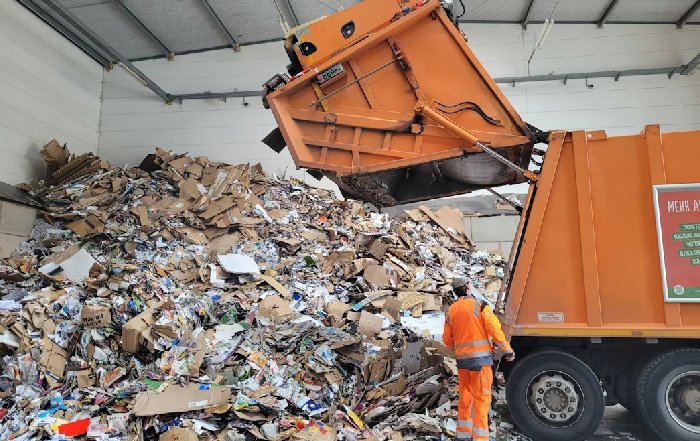
Recycling plays an essential role in zero-waste strategies, but it is not the first or only solution. Global recycling systems face challenges, with reports of plastic waste being exported from developed nations to countries lacking proper processing facilities. To counter this, businesses and governments are investing in closed-loop recycling systems, where materials are reused within domestic markets.

Countries like Germany and Sweden have established some of the world’s most efficient recycling infrastructures, with high rates of material recovery. However, even in these contexts, consumer education is vital. Sorting waste correctly ensures that recycling plants operate effectively, preventing contamination that could send entire batches of recyclables to landfills.

For beginners, learning local recycling guidelines is one of the first steps toward zero-waste success. From separating glass and paper to understanding the difference between recyclable plastics and compostables, proper recycling creates a foundation for broader waste-reduction habits.

Discover more insights on recycling and its role in building a circular economy.

Community and Cultural Approaches to Zero-Waste

In many parts of the world, zero-waste is not a new concept but rather a revival of older traditions. In countries like Japan, where the concept of mottainai (avoiding waste) has deep cultural roots, households have long practiced resource efficiency. In rural parts of Africa and South Asia, communities naturally reuse and repurpose materials due to limited access to disposable goods.

Modern zero-waste movements are often community-driven. Local cooperatives, repair cafés, and swap shops encourage collective action and make sustainable practices accessible. Repair cafés in the Netherlands and the United Kingdom bring together volunteers to fix household items, promoting skill-sharing and extending the lifespan of goods.

The role of education is equally important. Schools and universities across the United States, Canada, and Australia are integrating zero-waste curricula into environmental studies, preparing younger generations to embrace sustainable lifestyles.

Zero-Waste in Business and Industry

Corporate Responsibility and Innovation

The zero-waste movement is not limited to households; it extends into the realm of business and industry, where the stakes are even higher. Companies that embrace waste reduction are increasingly seen as leaders in sustainability, attracting environmentally conscious consumers and investors alike. Patagonia, Unilever, and IKEA are just a few global brands that have integrated circular economy principles into their business models, designing products that can be reused, repaired, or recycled.

Corporate adoption of zero-waste policies often begins with internal operations—eliminating single-use plastics in offices, setting up comprehensive recycling programs, and switching to compostable materials in cafeterias. However, the impact is most profound when businesses extend these practices to their supply chains. By redesigning packaging, working with suppliers to eliminate waste at the source, and supporting end-of-life product recovery programs, companies can significantly reduce their environmental footprint.

Explore how sustainable business practices are reshaping industries around the world.

Zero-Waste Retail and Hospitality

Retail and hospitality industries are at the forefront of consumer interaction, making them powerful advocates for zero-waste lifestyles. Supermarkets in countries like Germany and France are adopting package-free aisles, where customers bring reusable containers to purchase dry goods, oils, and cleaning products. In the hospitality sector, hotels are eliminating miniature toiletry bottles, replacing them with refillable dispensers, and reducing food waste through portion control and composting initiatives.

Restaurants in cities like London, New York, and Singapore are experimenting with zero-waste menus, where chefs creatively use every part of an ingredient, from root to stem. This not only reduces waste but also introduces innovative culinary experiences for diners. Businesses that take these steps often see long-term cost savings, improved efficiency, and stronger brand loyalty from eco-conscious customers.

Technology and Circular Innovation

The integration of technology into zero-waste strategies is driving rapid transformation. Artificial intelligence is being used to optimize waste sorting, while blockchain ensures supply chain transparency, verifying that materials are recycled and not dumped into landfills. Startups specializing in material innovation are developing biodegradable packaging, compostable alternatives to plastics, and fabrics made from agricultural waste.

Platforms connecting businesses with surplus inventory to consumers—such as Too Good To Go in Europe—are preventing millions of tons of food waste each year. Digital marketplaces for second-hand goods are expanding globally, normalizing reuse as a mainstream consumer behavior. These advancements align with the broader push toward a circular economy, where waste is seen not as an endpoint but as a resource.

Zero-Waste Policies and Global Initiatives

Government Leadership

Governments around the world are adopting ambitious zero-waste targets as part of broader climate action strategies. The European Union has set stringent regulations under its Circular Economy Action Plan, including bans on certain single-use plastics and requirements for recyclable packaging by 2030. In the United States, states like California and New York are implementing legislation that compels manufacturers to take responsibility for the full lifecycle of their products.

In Asia, South Korea has emerged as a global leader in food waste recycling, with mandatory household separation programs and the use of digital tracking systems that charge residents based on the volume of waste they produce. Singapore’s Zero Waste Masterplan is another benchmark, combining community education with high-tech infrastructure to minimize landfill dependency.

International Collaboration

Organizations like the United Nations Environment Programme (UNEP) and the World Economic Forum (WEF) are fostering international cooperation, highlighting the importance of waste reduction in achieving climate goals. Initiatives such as the UN Global Compact encourage corporations worldwide to adopt responsible practices, while city-level alliances like C40 Cities promote knowledge-sharing between urban centers striving for zero-waste solutions.

For beginners, understanding these global frameworks provides context for why local changes matter. Every refillable container, compost bin, or recycling effort contributes to the global ambition of a waste-free future.

Lifestyle Transformations for Beginners

Mindset Shifts

The first step in adopting a zero-waste lifestyle is changing how one views consumption. Instead of treating convenience as the primary driver, individuals can prioritize durability, repairability, and sustainability. Developing an awareness of hidden waste—such as microplastics in synthetic clothing or packaging in online deliveries—empowers people to make informed choices.

This transformation often starts with small victories, such as carrying a reusable water bottle or refusing plastic straws. Over time, these actions build momentum, leading to broader lifestyle changes that align with sustainable living.

Building a Zero-Waste Household

Beginners can start by conducting a waste audit—examining what they throw away most often. From there, alternatives can be introduced one step at a time. Common switches include reusable shopping bags, stainless steel lunchboxes, cloth napkins, and glass jars for storage. Buying second-hand furniture, clothing, and electronics extends the life cycle of products and prevents unnecessary manufacturing waste.

Health-conscious individuals can also explore the connection between zero-waste and wellness. Reducing plastic exposure lowers the risk of harmful chemical ingestion, while composting contributes to healthier soil and nutrient-rich organic gardening. For more insights, explore health and sustainability as interconnected pathways to well-being.

Community Participation

Zero-waste living flourishes when individuals engage with local communities. Joining zero-waste groups, attending workshops, or participating in community composting programs fosters accountability and shared learning. Farmers’ markets, co-ops, and zero-waste stores are not only sources of sustainable products but also hubs of education and inspiration.

Digital communities on platforms like Instagram, YouTube, and specialized forums provide global support networks where beginners can learn from others’ experiences. By sharing successes and challenges, individuals reinforce the idea that progress—not perfection—is the goal.

The Link Between Zero-Waste and Biodiversity

Reducing waste is directly tied to protecting biodiversity. Plastic pollution, chemical leachates from landfills, and overproduction of disposable goods all contribute to habitat destruction and species decline. By shifting to zero-waste lifestyles, humans ease the burden on ecosystems, giving wildlife space to thrive.

Marine life, in particular, benefits from reduced plastic usage. Each reusable bag or bottle prevents countless microplastics from entering oceans where they are ingested by fish, seabirds, and marine mammals. Terrestrial ecosystems also gain when agricultural waste is composted rather than burned, enriching soils and supporting plant and insect diversity.

Readers passionate about nature can learn more about protecting wildlife and biodiversity as integral aspects of zero-waste living.

Global Case Studies: Zero-Waste in Action

United States and Canada

Across North America, grassroots initiatives and municipal policies are reshaping waste management. San Francisco was one of the first cities to commit to zero-waste, implementing mandatory composting and recycling laws. The city now diverts nearly 80% of its waste from landfills, a model studied by other regions. In Canada, Vancouver has introduced comprehensive food waste bans, while Toronto’s community-led repair cafés are promoting a culture of reuse.

Small towns are also leading by example. In Kamloops, British Columbia, local schools have adopted zero-waste lunch programs, requiring students to pack reusable containers and eliminate single-use plastics. These localized experiments illustrate that even communities without massive infrastructure can make significant progress.

Europe: Leaders of Circular Living

Europe continues to be a global leader in zero-waste living. Ljubljana, Slovenia, was the first capital in the EU to declare a zero-waste goal. Today, more than 60% of its waste is recycled, thanks to public education campaigns and strict sorting rules. In Sweden, innovative waste-to-energy plants turn non-recyclables into district heating, reducing landfill dependency to near zero.

In the United Kingdom, the city of Bristol has pioneered household composting systems, while supermarkets like Waitrose are investing in refillable packaging pilots. Germany remains a gold standard with its “Green Dot” recycling system, which compels producers to pay for packaging disposal, incentivizing them to design products with less waste.

Asia and the Pacific

Asian countries are rapidly advancing zero-waste practices. Japan’s Kamikatsu is a small town famous for its 45-category waste sorting system, engaging residents in meticulous recycling and composting. In South Korea, the government’s volume-based waste fee system charges residents for trash by weight, resulting in some of the world’s highest recycling rates.

In Singapore, cutting-edge infrastructure under the Zero Waste Masterplan focuses on e-waste recycling and food waste valorization. Meanwhile, in Australia and New Zealand, community-driven initiatives are pushing supermarkets toward package-free aisles and promoting composting on a national scale.

Africa and South America

In developing regions, zero-waste principles often align with traditional practices of reuse and repair. In Kenya, the government banned single-use plastic bags, drastically reducing pollution in rivers and cities. South Africa is experimenting with “waste picker” integration programs, providing livelihoods for informal recyclers while formalizing waste recovery systems.

In South America, Brazil has launched innovative recycling cooperatives where communities profit from collecting and processing recyclables. Colombia has banned certain single-use plastics and is expanding composting infrastructure in urban centers. These regions demonstrate that economic development and waste reduction can advance together.

Practical Starter Kits for Zero-Waste Beginners

Transitioning to zero-waste does not require a complete lifestyle overhaul at once. Instead, it can be approached as a gradual journey. Beginners can start by assembling a zero-waste starter kit to handle common daily situations.

Essential items include:

A stainless-steel or glass water bottle

Reusable shopping bags and produce bags

A durable coffee cup or thermos

A stainless-steel lunchbox or bento box

Bamboo or metal cutlery set

Cloth napkins or handkerchiefs

Glass jars or containers for bulk shopping

These simple tools not only reduce single-use waste but also save money over time. For those just beginning, focusing on high-impact items like bottles, bags, and coffee cups offers immediate and visible results. Over time, individuals can expand their kits to include compost bins, refillable personal care products, and second-hand household goods.

For inspiration on living more sustainably, readers can explore resources on zero-waste living and lifestyle changes that support eco-friendly choices.

Advanced Tips for Going Deeper

Once the basics are mastered, more advanced steps can accelerate progress toward a zero-waste lifestyle.

Home and Garden

Homeowners can explore rainwater harvesting systems, greywater recycling, and renewable energy solutions that integrate with waste reduction efforts. Composting can move beyond kitchen scraps to include bokashi systems, worm farms, or community compost drop-offs. Those with gardens can close the loop by using compost to grow organic food, creating a cycle of consumption that returns nutrients to the soil.

Fashion and Clothing

The fashion industry is one of the largest contributors to global waste. Embracing sustainable fashion means choosing second-hand clothing, supporting brands committed to circular design, and learning basic repair skills to extend the life of garments. Clothing swaps, both in-person and online, are gaining popularity in cities across the United States and Europe.

Learning more about sustainable design can help consumers make informed fashion choices while supporting businesses committed to waste reduction.

Travel and Lifestyle

Zero-waste principles can be extended to travel by choosing eco-friendly accommodations, carrying reusable travel kits, and supporting airlines or transportation companies with carbon-neutral policies. Globally, destinations like Costa Rica and Norway are aligning tourism strategies with sustainability goals, offering eco-conscious travelers more options than ever.

Lifestyle changes also include digital decluttering—reducing electronic waste by using devices longer, recycling responsibly, and choosing cloud services powered by renewable energy.

Zero-Waste Beginner’s Checklist

To help readers take practical steps, the following checklist provides a structured way to begin:

Conduct a home waste audit to identify top sources of trash.

Assemble a basic zero-waste starter kit (bags, bottles, jars, and cutlery).

Switch to refillable or package-free household and personal care products.

Begin composting food scraps using backyard or community systems.

Learn local recycling rules and commit to correct sorting.

Choose organic and locally grown food whenever possible.

Buy second-hand before purchasing new items.

Support companies with transparent sustainability policies.

Engage in community initiatives such as repair cafés or swap events.

Share your journey online or with friends to inspire others.

By breaking the process into manageable steps, beginners avoid the overwhelm of trying to achieve perfection overnight. Instead, zero-waste living becomes a rewarding lifestyle transformation built on progress, not strict absolutes.

Looking Ahead: The Future of Zero-Waste Living

As awareness of climate change and biodiversity loss intensifies, zero-waste living will continue to grow as a cultural, economic, and political movement. In 2025, consumers are more empowered than ever to demand sustainable products and services, while businesses face increasing accountability for the lifecycle impacts of their goods.

New innovations—from bioplastics and smart composting systems to artificial intelligence in waste sorting—are expanding possibilities for a truly circular economy. Meanwhile, grassroots communities remind the world that the heart of zero-waste lies in conscious choices made daily.

For readers of eco-natur.com, the message is clear: zero-waste is not just an environmental ideal but a practical lifestyle that brings financial savings, improved health, and deeper connection to the natural world. By starting small and embracing continuous improvement, individuals can join the global momentum toward a waste-free future.

Explore more about sustainability, organic food, and global environmental issues to continue your journey.

Conclusion

Zero-waste living is both a personal journey and a collective responsibility. From the kitchen to the workplace, from fashion to travel, every choice contributes to shaping a sustainable future. While systemic changes driven by governments and corporations are critical, the decisions made by individuals are equally powerful.

For beginners, the path to zero-waste is best approached with curiosity, patience, and persistence. Each reusable bag, each compost bin, and each act of mindful consumption is a statement of hope for a cleaner, healthier planet. In 2025, the tools, knowledge, and community support exist to make this lifestyle not only possible but deeply rewarding.

Zero-waste living is not about perfection—it is about participation. And the time to participate is now.

Global Sustainability Goals and Challenges

Last updated by Editorial team at eco-natur.com on Tuesday 9 September 2025
Global Sustainability Goals and Challenges

As the world navigates through the complexities of the 21st century, the urgency of sustainability has shifted from abstract discussions into practical necessities that shape economies, societies, and industries worldwide. The year 2025 marks a crucial point in evaluating global sustainability goals, particularly those established under the United Nations Sustainable Development Goals (SDGs). These objectives, ranging from eradicating poverty and promoting clean energy to fostering sustainable cities and protecting biodiversity, provide a shared blueprint for building a future that balances prosperity with ecological responsibility. For platforms such as eco-natur.com, which engage with audiences across continents, this discourse is both personal and practical, reflecting the collective responsibility of businesses, governments, and individuals.

The Evolution of Global Sustainability Goals

The global sustainability movement has deep roots in the environmental awakening of the 20th century, but its structured framework emerged in 2015 with the adoption of the 17 SDGs by all UN member states. These goals aimed for achievement by 2030, yet as of 2025, progress has been uneven. While significant strides have been made in renewable energy adoption, organic farming, and plastic reduction, challenges such as climate change, overconsumption, biodiversity loss, and widening inequality persist. Countries like Germany, Sweden, and Norway have made impressive progress in aligning policies with sustainability targets, while larger economies such as the United States and China remain pivotal due to their global carbon footprints and market influence.

Climate Change as the Defining Challenge

The most pressing sustainability challenge remains climate change. Extreme weather events, rising sea levels, and prolonged droughts have placed unprecedented strain on communities and economies. According to the Intergovernmental Panel on Climate Change (IPCC), the world must reduce carbon emissions by nearly half by 2030 to remain within the 1.5°C warming threshold. Governments and corporations are increasingly investing in renewable energy sources such as solar, wind, and geothermal power, but fossil fuel dependency persists in regions heavily reliant on coal and oil. The need for a rapid transition towards clean energy has created both opportunities for sustainable businesses and conflicts with industries tied to traditional energy markets.

The Global Push for Renewable Energy

Countries across Europe, Asia, and North America have accelerated their transition towards renewable energy, with Denmark and Spain emerging as leaders in wind and solar production. Meanwhile, China has become the largest global investor in renewable infrastructure, recognizing both its environmental necessity and its economic potential. The United States, despite political divisions, has continued expanding clean energy subsidies and infrastructure. For individuals and businesses, adopting clean power not only reduces costs but also strengthens reputations in markets increasingly shaped by sustainability-conscious consumers. Eco-natur.com’s renewable energy insights highlight practical approaches for households and companies seeking to align with this transformative shift.

Sustainable Living and Consumer Responsibility

Beyond policy and infrastructure, the pursuit of sustainability lies in everyday choices. From reducing single-use plastics to embracing sustainable living practices, consumers hold immense power in shaping demand for responsible products and services. Global surveys show that younger generations, particularly Millennials and Gen Z, prioritize sustainability in purchasing decisions, pressuring corporations to adapt supply chains. Movements toward plastic-free packaging, zero-waste lifestyles, and eco-friendly fashion have gained momentum in markets such as the United Kingdom, Canada, and Australia, signaling a cultural shift towards responsibility in consumption.

Food Systems and the Rise of Organic Production

The global food system presents both challenges and opportunities in achieving sustainability. Industrial agriculture, reliant on chemical fertilizers, pesticides, and monocultures, contributes heavily to greenhouse gas emissions and biodiversity loss. Conversely, the growing demand for organic food and regenerative farming practices has created new pathways for sustainable production. France, Italy, and Spain have embraced organic agriculture at scale, while emerging markets in Asia and South America show increasing appetite for healthier, locally grown options. At the same time, food security remains a pressing concern in regions vulnerable to climate disruptions, underscoring the need for innovation in sustainable food systems.

Biodiversity and Wildlife Protection

Protecting wildlife and ecosystems is central to global sustainability goals. Yet deforestation, urban expansion, and pollution continue to endanger biodiversity hotspots, from the Amazon rainforest to African savannas. The loss of biodiversity threatens not only ecological balance but also global health and economic stability, given the reliance on natural systems for clean air, water, and agricultural productivity. Countries such as Brazil and Indonesia face dual pressures of economic development and environmental stewardship, while international organizations push for stronger commitments to conservation. For eco-conscious communities, supporting biodiversity protection is a moral and strategic priority in ensuring planetary resilience.

🌍 Global Sustainability Dashboard 2025

Interactive overview of worldwide progress toward sustainable development goals

1Clean Energy Transition
Accelerating renewable energy adoption globally with focus on solar, wind, and geothermal power
72% Progress - Good Momentum
2Circular Economy
Transitioning from linear "take-make-dispose" models to sustainable circular systems
58% Progress - Moderate Growth
3Biodiversity Protection
Preserving ecosystems and wildlife through conservation and sustainable practices
34% Progress - Critical Action Needed
4Sustainable Living
Promoting zero-waste lifestyles, organic food systems, and conscious consumption
65% Progress - Strong Consumer Adoption
5Climate Action
Reducing carbon emissions by 50% by 2030 to stay within 1.5°C warming threshold
41% Progress - Urgent Acceleration Required

Sustainable Business and the Circular Economy

The Role of Sustainable Business in Achieving Global Goals

Businesses have emerged as both key contributors to environmental degradation and critical actors in solving sustainability challenges. The transition from linear production models to circular systems marks one of the most important business shifts of the 21st century. A linear model of "take, make, dispose" is no longer viable in an age of finite resources and rising consumer awareness. Instead, companies are moving toward the circular economy, in which materials are reused, recycled, or repurposed to minimize waste. Organizations such as the Ellen MacArthur Foundation have been influential in promoting circular economy frameworks across industries, encouraging businesses to rethink everything from packaging to product life cycles.

Adopting circular practices not only reduces waste but also creates cost savings and new revenue streams. For instance, global brands in the fashion industry are investing in textile recycling, while electronics companies are implementing buyback and refurbishment programs. Small and medium enterprises also benefit from these models, as they can integrate recycling and renewable energy into their operations to enhance efficiency. For readers of eco-natur.com’s sustainable business guide, these strategies highlight practical ways companies can strengthen both competitiveness and environmental responsibility.

Recycling as a Cornerstone of Sustainability

Recycling continues to be one of the most visible and impactful sustainability practices worldwide. While recycling rates vary significantly between countries, advancements in technology and policy have increased efficiency and participation. In nations such as Germany and Sweden, recycling systems have achieved impressive results, diverting significant volumes of waste away from landfills. Meanwhile, other regions are catching up by expanding infrastructure and awareness campaigns.

The integration of recycling with zero-waste initiatives is creating stronger outcomes, particularly in urban centers where waste accumulation is most severe. Yet, challenges remain. Many recycling systems face contamination issues, inconsistent policies, and limited markets for recycled materials. To overcome these hurdles, innovation in material science, government incentives, and international collaboration are essential. Businesses also play a major role in designing products that are easier to recycle, making it possible for consumers to contribute meaningfully to waste reduction.

Zero-Waste Movements and Consumer Activism

The global zero-waste movement has gained momentum over the past decade, promoting the philosophy of reducing, reusing, and refusing unnecessary consumption. Cities such as San Francisco, Toronto, and Seoul have adopted ambitious waste-reduction targets, supported by community-driven initiatives and government legislation. On the consumer side, zero-waste advocates have reshaped retail industries by demanding refill stations, compostable packaging, and sustainable alternatives to single-use plastics.

The rise of zero-waste living intersects with the broader emphasis on sustainable living, highlighting how everyday decisions can influence global outcomes. Businesses that embrace zero-waste commitments not only reduce their environmental footprint but also position themselves as leaders in a marketplace where transparency and responsibility matter. The lessons from these movements illustrate how collective behavior—when scaled across societies—can transform waste into opportunity.

Global Policy Frameworks and Regional Approaches

International Agreements Driving Change

Global sustainability goals are supported by major international agreements such as the Paris Agreement and frameworks developed by the United Nations Environment Programme (UNEP). These agreements provide guidelines and accountability mechanisms for countries to pursue decarbonization, biodiversity protection, and sustainable development. However, implementation remains a challenge. While many nations have committed to ambitious climate targets, the gap between pledges and actual progress continues to be a concern.

Collaborative efforts such as the European Green Deal illustrate how policy frameworks can unify regional action toward sustainability. By setting legally binding emissions reduction targets and incentivizing green investments, the European Union has become a global leader in environmental regulation. Similarly, countries in Asia, including Japan and South Korea, are expanding clean technology industries to align with international sustainability objectives.

Regional Case Studies in Sustainability

Different regions of the world face unique sustainability challenges and opportunities:

North America: The United States and Canada continue to grapple with balancing economic growth and environmental protection. While renewable energy expansion has been significant, fossil fuel industries remain politically and economically influential.

Europe: The European Union has set the benchmark for policy-driven sustainability, with countries such as Germany, France, and Denmark leading in renewable integration and low-carbon infrastructure.

Asia: Nations such as China, Singapore, and Japan are investing heavily in sustainable cities and digital technologies to manage resources more effectively.

Africa: Sustainability initiatives often focus on resilience and adaptation, with countries like South Africa investing in renewable energy projects to meet growing demand.

South America: Brazil faces the dual challenge of protecting the Amazon rainforest while supporting its agricultural economy, while Chile is becoming a leader in renewable energy development.

These regional approaches highlight that while sustainability goals are global in scope, solutions must be adapted to local realities, cultures, and economic structures.

Health, Lifestyle, and Sustainability

Health and Environmental Well-Being

The intersection of health and sustainability has become increasingly evident in 2025. Environmental degradation directly affects public health, from polluted air causing respiratory illnesses to contaminated water spreading disease. At the same time, sustainable practices—such as reducing carbon emissions, promoting clean diets, and improving urban green spaces—have profound positive impacts on well-being. World Health Organization (WHO) research emphasizes that climate action and public health improvement are mutually reinforcing, with preventive measures often being more cost-effective than reactive healthcare systems.

Adopting environmentally responsible lifestyles also contributes to reducing chronic illnesses. For example, the global shift toward plant-based diets not only reduces pressure on agricultural emissions but also supports healthier populations. The increased demand for fresh, organic, and locally sourced foods reinforces the need for organic food markets to scale sustainably while ensuring accessibility for all.

Lifestyle Choices that Drive Sustainability

Consumers play a decisive role in shaping sustainability outcomes through lifestyle decisions. Embracing sustainable lifestyles involves more than individual action; it represents a cultural movement that transforms markets and societies. Choices such as opting for renewable energy in households, using public transport, minimizing waste, and supporting ethical brands all contribute to systemic change.

Technology has also amplified the ability of individuals to measure and reduce their ecological footprint. Apps that track carbon usage, water consumption, and recycling habits have gained global traction, particularly among younger demographics. This democratization of sustainability data empowers people to align their daily routines with broader environmental goals, strengthening the cultural momentum toward responsible living.

Biodiversity, Economy, and Sustainable Growth

Protecting Biodiversity for Future Generations

Biodiversity forms the foundation of planetary stability, yet it is under unprecedented threat. According to the Convention on Biological Diversity, more than one million species are at risk of extinction within decades if current trends continue. The decline of pollinators, loss of marine ecosystems, and widespread deforestation disrupt food chains, economic systems, and human security.

Preserving biodiversity requires coordinated efforts that integrate conservation into business, government, and community practices. Protected areas, reforestation programs, and sustainable agricultural models all serve as essential tools in restoring balance. Initiatives such as the 30x30 global biodiversity pledge, which aims to conserve 30% of land and sea areas by 2030, reflect the growing recognition that ecosystems must be preserved not only for ethical reasons but also for long-term economic survival.

The Economic Dimension of Sustainability

The global economy is deeply intertwined with environmental well-being. Unsustainable practices carry immense hidden costs, from disaster recovery expenses to healthcare burdens linked to pollution. Conversely, investing in green infrastructure, renewable energy, and sustainable innovation generates jobs and long-term economic growth. According to the World Bank, the transition to a low-carbon economy could create millions of jobs globally by 2030, particularly in renewable energy and circular economy sectors.

Markets are also evolving in response to investor demand for sustainability. Environmental, Social, and Governance (ESG) criteria now shape corporate valuations, with investors favoring businesses that demonstrate long-term resilience and ethical responsibility. While debates remain about the consistency and transparency of ESG metrics, the overall trend signals a future in which sustainability is not peripheral but central to financial performance.

Future Challenges and Global Outlook

Key Challenges Ahead

Despite progress, several challenges threaten the achievement of global sustainability goals by 2030:

Climate Urgency: Current commitments still fall short of what is necessary to limit global warming to 1.5°C.

Resource Scarcity: Growing populations and consumption patterns continue to strain natural resources, particularly water and arable land.

Social Inequality: Sustainability efforts risk being undermined if benefits are not equitably distributed across developed and developing regions.

Technological Gaps: While innovation is central to solutions, many regions lack access to advanced technologies that could accelerate transitions.

These obstacles demand international cooperation, financial investment, and public participation. Without collective action, the sustainability agenda risks fragmentation and failure.

Outlook for 2025 and Beyond

As of 2025, the global sustainability movement is at a pivotal moment. The urgency of challenges is matched by an unprecedented alignment of innovation, policy, and consumer demand. Nations and corporations that embrace sustainability not only reduce risks but also gain competitive advantage in a rapidly evolving marketplace. For communities worldwide, adopting practices such as zero-waste living, supporting biodiversity protection, and investing in renewable energy represent meaningful steps toward securing a stable future.

The path forward requires persistence, innovation, and trust. Global sustainability is not merely an aspiration—it is the only viable strategy for ensuring human well-being, economic stability, and ecological survival in the decades to come. As voices from platforms such as eco-natur.com remind readers, achieving these goals is a shared journey where every decision, from business investments to individual lifestyle choices, carries weight.

20 Simple Ways to Live a More Sustainable Life

Last updated by Editorial team at eco-natur.com on Tuesday 9 September 2025
20 Simple Ways to Live a More Sustainable Life

Sustainability is no longer a peripheral concern but a defining element of how individuals, communities, and businesses operate across the globe. From urban centers in Europe to rural landscapes in Africa and Asia, the urgent call to adopt sustainable lifestyles resonates louder than ever. The escalating climate crisis, biodiversity loss, resource depletion, and economic uncertainty all converge into one clear reality: the choices people make today directly shape the future of humanity and the planet.

This article explores twenty impactful and practical strategies that enable individuals to live sustainably, reduce ecological footprints, and align daily habits with global goals. While the path toward sustainability may seem overwhelming, the following approaches break it down into achievable steps that can collectively transform societies and economies.

For readers of eco-natur.com, these strategies reflect a shared commitment to sustainable living that is practical, ethical, and grounded in both science and cultural wisdom.

The Growing Imperative of Sustainable Living

Over the past decade, sustainability has transitioned from being a matter of ethical choice to a necessity driven by survival. Rising global temperatures, erratic weather patterns, shrinking water resources, and widespread deforestation underscore the urgency of shifting human behavior. Governments, corporations, and non-governmental organizations now emphasize climate action through ambitious frameworks such as the Paris Agreement and the United Nations Sustainable Development Goals (SDGs).

Yet policies alone cannot solve the crisis. It is individual behavior, magnified across billions of people, that ultimately determines whether global ambitions succeed. Simple acts like reducing waste, conserving energy, and making mindful consumer choices collectively influence the trajectory of entire industries.

Eco-natur.com’s sustainability section emphasizes that personal responsibility and systemic transformation are intertwined. To live sustainably is not merely about deprivation or sacrifice; it is about embracing innovative solutions, healthier lifestyles, and smarter ways of engaging with the environment and economy.

1. Reduce Single-Use Plastics

Plastic pollution remains one of the most visible and harmful symbols of unsustainable living. Every year, more than 11 million metric tons of plastic waste leak into oceans, devastating marine ecosystems and entering human food chains through microplastics. Despite increased awareness, the production of plastic continues to rise globally, particularly in regions without strict waste management systems.

By 2025, many countries have implemented bans or taxes on single-use items like straws, cutlery, and plastic bags. The European Union, Canada, and parts of Asia are leading in enforcement. Yet, real progress relies on individuals who refuse convenience-driven habits and adopt alternatives such as stainless-steel bottles, bamboo toothbrushes, beeswax wraps, and cloth shopping bags.

The movement toward a plastic-free lifestyle not only benefits marine life but also enhances public health by minimizing exposure to harmful chemicals found in plastics. Organizations like the Ellen MacArthur Foundation advocate for a circular plastics economy, where design and reuse replace disposal (Ellen MacArthur Foundation).

Case Study: In Bali, Indonesia, grassroots initiatives led by youth activists have drastically reduced plastic bag usage, demonstrating how cultural pride and environmental urgency can drive systemic change even before national legislation takes effect.

2. Embrace Recycling and Upcycling

Recycling has long been promoted as a cornerstone of environmental responsibility, but its effectiveness varies widely across countries. Germany, for example, boasts recycling rates above 65%, while other nations struggle with inadequate infrastructure. By adopting conscious recycling practices, individuals reduce demand for virgin materials, conserve energy, and lower emissions.

Yet recycling alone is insufficient. Upcycling—repurposing waste into new, valuable products—adds creativity and reduces consumer dependency on new goods. Old furniture can become modern décor, glass jars can transform into storage containers, and discarded textiles can find new life in innovative fashion.

On eco-natur.com’s recycling page, readers can explore how communities worldwide are reshaping waste into resources. External resources like Earth911 provide location-specific recycling guidance (Earth911).

Global Perspective: In India, local entrepreneurs have pioneered upcycled products ranging from furniture made of scrap wood to handbags made of discarded rubber tires, creating jobs while reducing waste. These businesses embody the principle that sustainability and economic opportunity go hand in hand.

3. Choose Renewable Energy

Energy production accounts for the majority of global greenhouse gas emissions. Transitioning from fossil fuels to renewables is among the most critical steps humanity can take to mitigate climate change. By 2025, renewable energy has surpassed coal as the largest source of global electricity, with rapid growth in solar, wind, and hydro.

For households, installing rooftop solar panels or subscribing to community energy programs represents a powerful step toward sustainability. In regions where individual adoption is limited, consumers can still choose renewable energy providers, pushing utilities toward greener portfolios.

Companies like Tesla Energy, Ørsted, and NextEra Energy are pioneering affordable and scalable renewable solutions. More resources on the subject can be found in eco-natur.com’s renewable energy section.

Regional Case Study: Germany’s Energiewende (energy transition) policy has empowered citizens to invest directly in renewable projects, creating a decentralized, people-driven energy revolution. By 2025, similar models are spreading to countries like South Korea and Chile.

4. Support Organic and Local Food

Food choices carry profound environmental implications. Industrial farming relies heavily on pesticides, synthetic fertilizers, and monoculture practices that degrade soil health and threaten biodiversity. Organic farming, in contrast, prioritizes natural cycles, soil fertility, and ecosystem resilience.

By supporting local farmers’ markets, consumers reduce the emissions associated with long-distance transport while also bolstering community economies. Farmers who grow organically not only protect ecosystems but also preserve traditional knowledge and diversify local food systems.

Readers can learn more about sustainable diets on eco-natur.com’s organic food page. For broader insights, the Food and Agriculture Organization (FAO) highlights global strategies to ensure food security while reducing environmental damage (FAO).

Example: In California, Community Supported Agriculture (CSA) programs connect urban households with local farmers, ensuring consumers receive fresh, seasonal produce while farmers secure stable income. This direct connection fosters a culture of trust and accountability.

5. Reduce Food Waste

Globally, food waste contributes nearly 10% of greenhouse gas emissions. From overbuying to improper storage, households are among the biggest contributors. Eliminating waste begins with mindful shopping, meal planning, and creative use of leftovers.

Composting plays a critical role in diverting organic waste from landfills, where it otherwise generates methane—a potent greenhouse gas. Cities like Milan and Seoul have introduced mandatory composting programs, dramatically reducing municipal waste.

Readers can explore practical steps in eco-natur.com’s zero-waste section. The World Resources Institute (WRI) also provides comprehensive guidance on reducing food waste across all stages of the supply chain (WRI).

Global Insight: In the United Kingdom, campaigns like Love Food Hate Waste have educated millions on food preservation, portion control, and smart shopping, saving consumers money while reducing waste.

6. Adopt Energy-Efficient Appliances

Household appliances account for a large share of residential energy consumption, and upgrading to energy-efficient alternatives is one of the simplest ways to reduce environmental impact. By 2025, innovations in design and smart technology have made energy-efficient refrigerators, washing machines, dishwashers, and HVAC systems accessible to millions of households worldwide.

Programs like ENERGY STAR in the United States and the EU Energy Label in Europe provide clear benchmarks for consumers. These certifications guarantee that products meet strict efficiency standards, often consuming 20–50% less energy compared to conventional models. For example, LED lighting, which lasts 25 times longer and uses up to 80% less electricity than incandescent bulbs, has become a global standard.

In Asia, Japan and South Korea have been early adopters of high-efficiency appliances, driven by cultural emphasis on resource conservation. Meanwhile, in Africa, off-grid solar-powered appliances are becoming lifelines for rural communities, enabling sustainable development while reducing reliance on diesel generators.

Smart appliances now integrate with mobile apps and smart meters, enabling households to track energy consumption in real time. This digital transformation bridges the gap between individual responsibility and systemic energy management.

7. Use Sustainable Transportation

Transportation contributes nearly 24% of direct CO₂ emissions from fuel combustion globally, making it a critical area for change. Embracing sustainable modes of transport helps address both climate concerns and urban congestion.

Walking and cycling remain the most sustainable methods of mobility, offering zero emissions while improving health and well-being. Cities like Amsterdam, Copenhagen, and Bogotá have built extensive bike lane networks, inspiring other regions to follow suit.

Public transportation, when efficient and accessible, is another essential solution. Expansions in metro systems across China, India, and Brazil have demonstrated that investing in large-scale infrastructure can drastically reduce car dependency.

Electric vehicles (EVs) are rapidly becoming mainstream. Companies like Tesla, BYD, Volkswagen, and Hyundai are producing EVs that are increasingly affordable and available across global markets. Battery technology has also improved, with innovations in solid-state batteries promising longer ranges and faster charging times.

For commuters without access to EVs, carpooling, ride-sharing platforms, and hybrid vehicles still represent meaningful steps. The International Energy Agency (IEA) highlights how achieving net-zero transport requires coordinated policies, technological innovation, and cultural shifts (IEA).

Regional Insight: Norway continues to lead the world in EV adoption, where more than 80% of new car sales in 2024 were electric. This achievement demonstrates how government incentives, charging infrastructure, and consumer awareness can combine to accelerate transformation.

🌱 Sustainability Impact Calculator

Discover your environmental footprint and see how sustainable practices can make a difference

🚗 Transportation

100 miles
2 flights

🏠 Home Energy

$150

🍽️ Food & Consumption

10 meals

♻️ Waste & Water

5 items

Your Environmental Impact

8. Conserve Water

Water scarcity already affects over two billion people globally, and by 2030, demand is projected to exceed supply by nearly 40% if unsustainable practices persist. Conserving water is therefore one of the most urgent sustainability challenges of our time.

Households can take simple yet impactful measures such as fixing leaks, installing low-flow showerheads and faucets, using dual-flush toilets, and harvesting rainwater for irrigation. Businesses are also responding: industries like Microsoft and Google are investing in water-positive strategies, aiming to replenish more water than they consume.

Regions like California, Australia, and parts of the Middle East have faced prolonged droughts, leading to strict conservation policies. In Cape Town, South Africa, the near “Day Zero” crisis in 2018 served as a stark reminder of how fragile water systems are. Since then, the city has embraced aggressive water-saving campaigns and desalination technologies, showing that crisis can lead to systemic change.

At a personal level, cultivating water consciousness can involve lifestyle habits such as shorter showers, sustainable gardening, and choosing drought-resistant plants. These small shifts, when multiplied across millions of households, can alleviate pressure on overstretched water systems.

9. Practice Minimalism

Minimalism, often framed as a cultural or aesthetic trend, is in reality a profound sustainability practice. At its core, minimalism advocates for mindful consumption—buying less, choosing durable goods, and focusing on quality rather than quantity.

By reducing unnecessary possessions, individuals decrease demand for production, transportation, and disposal of consumer goods, thereby conserving resources and reducing emissions. Minimalism also helps people refocus on experiences, relationships, and personal well-being rather than material accumulation.

On eco-natur.com’s lifestyle page, minimalism is positioned as a way to align inner values with external choices. This lifestyle has gained momentum across Europe and North America, but it is also rooted in traditions from Asia, such as Japanese wabi-sabi, which celebrates simplicity and imperfection.

Example: Sweden’s cultural concept of Lagom, meaning “just the right amount,” encapsulates the minimalist philosophy. It encourages moderation and balance, a mindset increasingly embraced by individuals striving for sustainable and fulfilling lives.

Minimalism is not about deprivation; it is about liberation. It allows people to live lighter—both environmentally and emotionally—by detaching from the cycle of overconsumption.

10. Support Sustainable Fashion

The fashion industry is among the most resource-intensive sectors, responsible for around 10% of global carbon emissions and 20% of wastewater. Fast fashion, characterized by cheap, disposable clothing, exacerbates this problem by encouraging overconsumption and waste.

Supporting sustainable fashion means making intentional choices: selecting clothing made from organic cotton, hemp, or recycled textiles; purchasing fewer but higher-quality items; and supporting brands committed to ethical labor and environmental practices.

Brands like Patagonia, Stella McCartney, and Eileen Fisher have pioneered eco-friendly fashion by incorporating circular design principles, transparent supply chains, and fair labor standards. Beyond high-profile brands, smaller local designers and second-hand shops contribute to reducing fashion’s footprint.

On eco-natur.com’s design section, readers can explore how innovative design reshapes industries. Globally, concepts like slow fashion are gaining traction, emphasizing timeless design and durability rather than disposable trends.

Case Study: In Italy, luxury fashion houses are increasingly embracing sustainable materials, not only in response to consumer demand but also to protect their reputations in a world where transparency is expected. This shift demonstrates that sustainability is no longer optional, even for high-end markets.

11. Protect Biodiversity and Wildlife

Biodiversity underpins the resilience of ecosystems that humanity depends on for food, clean water, medicine, and climate stability. Yet by 2025, more than one million species remain at risk of extinction due to deforestation, pollution, overfishing, and climate change. Protecting biodiversity is therefore one of the most critical elements of sustainable living.

Individuals can support biodiversity by making conscious consumer choices, such as avoiding products linked to habitat destruction. Palm oil, for instance, is a major driver of deforestation in Southeast Asia, and consumers can reduce impact by buying only certified sustainable palm oil products. On a local scale, planting native vegetation in gardens supports pollinators like bees and butterflies, which are vital for food security.

On eco-natur.com’s biodiversity page and wildlife section, readers can explore actionable ways to protect ecosystems. Global organizations such as WWF and Conservation International provide resources for individuals and businesses to align with conservation goals.

Case Study: Costa Rica has become a global model for biodiversity protection, dedicating more than 25% of its land to protected reserves. Through eco-tourism, reforestation, and strong environmental governance, the country demonstrates that economic growth and conservation can coexist.

12. Invest in Sustainable Businesses

Where people direct their money matters. Supporting companies that prioritize ethical practices, renewable energy, circular design, and fair labor accelerates the shift toward a greener economy. The rise of Environmental, Social, and Governance (ESG) investing shows how consumer and investor choices are reshaping markets.

By 2025, ESG funds globally manage trillions of dollars, reflecting growing confidence that sustainable businesses outperform in resilience and innovation. For individuals, this means choosing products and services from businesses that openly report on their environmental and social performance.

Eco-natur.com’s sustainable business section offers deeper insights, while its economy page shows how conscious capitalism influences global trends. External organizations like the Global Reporting Initiative (GRI) and CDP provide standards that ensure corporate accountability.

Example: In the United States, companies like Seventh Generation have redefined consumer goods by emphasizing plant-based cleaning products, recyclable packaging, and transparent supply chains. Their success proves that sustainable values and profitability can go hand in hand.

13. Transition to Plant-Based Diets

Food production is one of the leading contributors to greenhouse gas emissions, land use change, and water consumption. Shifting to plant-based diets is a simple yet powerful way to reduce environmental impact. Even small changes—such as adopting a “meatless Monday” or reducing red meat consumption—can significantly lower one’s ecological footprint.

Plant-based diets are not only environmentally friendly but also promote better health outcomes, reducing risks of heart disease, diabetes, and obesity. In 2025, plant-based alternatives have gone mainstream, with companies like Beyond Meat, Impossible Foods, and Oatly expanding their reach into global markets.

Countries like Germany and the UK have witnessed dramatic increases in plant-based food consumption, while Asian nations like Singapore and Japan are investing heavily in alternative protein technologies. The Harvard T.H. Chan School of Public Health provides evidence on the benefits of plant-forward diets (Harvard).

Case Study: In Canada, school districts in Vancouver have introduced plant-based meals as part of their regular menus, normalizing sustainable diets for future generations.

14. Commit to Zero-Waste Living

Zero-waste living has gained global momentum as individuals and cities strive to eliminate unnecessary waste. The principle revolves around redesigning the lifecycle of products so that all materials are reused or composted, leaving nothing for landfills or incinerators.

Adopting a zero-waste lifestyle involves practical steps like carrying reusable containers, buying in bulk, choosing refillable packaging, and refusing items with excessive wrapping. Communities worldwide have created zero-waste stores, where shoppers bring their own jars and bags to purchase goods without disposable packaging.

Readers can find strategies in eco-natur.com’s zero-waste section. The Zero Waste International Alliance (ZWIA) also sets global frameworks for waste reduction (ZWIA).

Global Example: In Kamikatsu, Japan, residents sort their waste into more than 40 categories to achieve near-total recycling. The town has become a symbol of what dedicated communities can accomplish when aligned with zero-waste principles.

15. Prioritize Sustainable Health Choices

Health and sustainability are deeply interconnected. Exposure to toxic chemicals, pollution, and processed foods not only damages ecosystems but also undermines personal well-being. Choosing sustainable health options, such as organic foods, eco-friendly personal care products, and natural remedies, benefits both individuals and the planet.

Green wellness practices extend beyond consumption. Embracing active lifestyles like walking, cycling, and yoga reduces reliance on carbon-heavy transport while improving health outcomes. Similarly, indoor air quality can be improved by introducing houseplants, reducing synthetic cleaning products, and ensuring proper ventilation.

On eco-natur.com’s health page, readers can explore the overlap between sustainability and wellness. Globally, companies in the healthcare sector are adopting environmentally responsible practices, from biodegradable medical supplies to energy-efficient hospital design.

Case Study: In the United Kingdom, the National Health Service (NHS) has committed to becoming the world’s first net-zero national health system by 2040. By rethinking procurement, energy use, and treatment models, the NHS shows how sustainable health practices can influence entire systems.

16. Green Your Workplace

Workplaces are powerful hubs of change, influencing not just employees but entire supply chains and communities. Greening the workplace involves reducing energy consumption, cutting paper waste, promoting remote or hybrid work, and integrating sustainable procurement policies.

By 2025, many companies have adopted green building standards such as LEED and BREEAM, ensuring offices are energy-efficient, water-conscious, and designed with natural light to improve well-being. Digital transformation has also reduced reliance on paper, with cloud systems and AI-driven tools replacing outdated processes.

Employees play a vital role in workplace sustainability. Advocating for recycling programs, energy-saving policies, and eco-conscious vendors empowers businesses to align with broader climate goals.

Example: Microsoft has committed to becoming carbon-negative by 2030, setting an ambitious precedent for the tech industry. Such leadership demonstrates that corporate sustainability is not just a trend but a competitive advantage in a market where stakeholders demand accountability.

17. Educate and Advocate

Sustainability thrives on awareness and collaboration. Educating communities about environmental issues and advocating for policy change multiplies the effect of individual actions. Parents who teach children about responsible consumption raise future generations of conscious citizens, while businesses that host sustainability workshops inspire employees to adopt greener lifestyles.

Advocacy also extends to civic engagement. Supporting environmental organizations, signing petitions, and contacting policymakers ensure that sustainability remains a political priority. Platforms like the Climate Reality Project, founded by Al Gore, empower individuals to speak out and lead community initiatives (Climate Reality).

Digital platforms and social media have amplified advocacy, enabling grassroots movements to become global forces. Youth-led campaigns, from Fridays for Future to Extinction Rebellion, show how education combined with activism can shape the cultural and political landscape.

18. Integrate Technology for Sustainability

Technology has become both a challenge and a solution in sustainability. While digital infrastructure consumes vast amounts of energy, innovations in green tech are enabling unprecedented efficiency and transparency.

Smart home devices now allow households to monitor and adjust energy and water usage, while apps track individual carbon footprints. Artificial intelligence and big data help companies optimize supply chains, reduce waste, and forecast energy needs more accurately.

In cities, smart grids, electric buses, and sensor-driven water systems represent how technology can transform urban sustainability. Singapore’s Smart Nation initiative, for example, uses data-driven infrastructure to optimize transport, reduce energy waste, and improve resilience against climate risks.

At a business level, blockchain technology is being used to verify ethical sourcing, ensuring that products such as coffee or fashion items truly come from sustainable and fair-trade origins.

19. Travel Responsibly

Travel enriches lives but also contributes significantly to carbon emissions, particularly through aviation. Responsible travel emphasizes minimizing environmental impact while supporting local cultures and economies.

Opting for trains or buses instead of short-haul flights, choosing eco-certified hotels, and participating in conservation-focused tours are all examples of sustainable tourism. Travelers can also offset carbon emissions by contributing to verified reforestation or renewable energy projects.

The Global Sustainable Tourism Council (GSTC) provides standards and certifications to help travelers identify eco-friendly options (GSTC). Destinations like Costa Rica, New Zealand, and Bhutan are recognized for pioneering eco-tourism that prioritizes biodiversity conservation and cultural preservation.

Example: In Spain, rural communities are embracing agro-tourism, where visitors stay on farms, learn about organic practices, and contribute directly to local economies. This not only reduces environmental impact but also fosters cultural exchange.

20. Participate in Global and Local Initiatives

No sustainability journey is complete without collective action. Participating in local clean-up drives, joining reforestation programs, or supporting international climate campaigns magnifies the impact of individual choices.

Grassroots initiatives often drive national change. For instance, community-led plastic bans in the Philippines and Kenya preceded broader government legislation. Global initiatives, like the annual Earth Hour organized by WWF, unite millions worldwide in symbolic and practical commitments to energy conservation.

On eco-natur.com’s global section, readers can discover how worldwide collaboration builds momentum. These initiatives show that while individuals make choices, movements create systemic transformation.

Conclusion: Building a Future of Sustainable Living

Living sustainably in 2025 is about far more than personal sacrifice. It is about embracing innovation, cultural wisdom, and global cooperation to redefine progress in harmony with the planet. The twenty practices highlighted—from reducing single-use plastics and conserving water to supporting sustainable businesses and traveling responsibly—demonstrate that sustainability is achievable, practical, and beneficial at every level of society.

For readers of eco-natur.com, sustainability is not a distant goal but a daily practice. By aligning lifestyle choices with environmental values, individuals can contribute to healthier ecosystems, stronger economies, and more equitable communities.

The world faces immense challenges, but it also holds remarkable opportunities. By choosing to live sustainably, people collectively shape a future where human prosperity and planetary health are inseparable. The steps may be simple, but their impact is profound—proving that small actions, when multiplied across billions, can transform the trajectory of humanity.

Home Chef’s Commitment to Sustainability and Waste Reduction

Last updated by Editorial team at eco-natur.com on Tuesday 9 September 2025
Home Chefs Commitment to Sustainability and Waste Reduction

Sustainability is no longer an abstract concept confined to policy discussions or environmental conferences. It has entered homes, restaurants, and food delivery services, shaping how individuals, families, and businesses engage with food. Among the many spaces where environmental responsibility plays out daily, the kitchen stands out as both a challenge and an opportunity. Here, home chefs make decisions that impact ecosystems, supply chains, and communities. Whether it is choosing seasonal produce, reducing packaging waste, or finding creative uses for leftovers, these choices collectively contribute to a global movement toward responsible consumption.

The commitment to sustainability and waste reduction is not just about saving resources; it reflects a deeper alignment with values of health, fairness, and long-term resilience. For eco-natur.com, which emphasizes sustainable living, this subject resonates profoundly with readers worldwide, particularly in regions such as the United States, Europe, and Asia, where food waste remains a pressing issue. The role of the modern home chef, therefore, extends far beyond preparing meals—it represents active participation in shaping a greener future.

Understanding the Global Challenge of Food Waste

Globally, more than a third of all food produced ends up wasted, according to the United Nations Environment Programme (UNEP). This equates to nearly 1.3 billion tons of edible products discarded annually, with severe consequences for greenhouse gas emissions, water usage, and agricultural land. The problem is not limited to affluent societies; in many developing regions, losses occur in storage, processing, and transportation. Yet in households, particularly in industrialized nations, consumer choices and behaviors play a decisive role.

In countries like the United States and the United Kingdom, per capita food waste can exceed 200 pounds per year. This excess does not merely represent squandered calories; it embodies the loss of energy, fertilizers, packaging materials, and transport fuel invested in the food’s journey from farm to plate. Addressing this issue requires both systemic changes in supply chains and grassroots efforts led by home chefs who rethink consumption habits.

The Rise of the Sustainable Home Chef

The sustainable home chef is not defined by professional training or access to luxury tools. Instead, the defining characteristic is mindfulness—an intentional approach to cooking and eating that prioritizes environmental responsibility. This movement reflects a growing awareness that individual kitchens can mirror global sustainability efforts.

One major trend involves prioritizing organic food, sourced from farms committed to soil health, biodiversity, and reduced pesticide use. By supporting organic farmers, home chefs contribute to a more balanced agricultural system while safeguarding personal health. Learn more about the role of organic food in sustainable diets.

Another trend includes adopting a zero-waste mindset, in which ingredients are fully utilized. For example, carrot tops become pesto, stale bread transforms into croutons, and vegetable scraps are repurposed into broth. While such practices may appear modest, they reduce landfill contributions and lower household grocery costs, creating a win-win scenario for both families and the environment. Explore eco-natur.com’s insights on zero waste principles to see how these habits align with broader lifestyle changes.

🌱 Sustainable Kitchen Calculator

Discover your sustainability score and get personalized recommendations

1. How often do you meal plan before shopping?

2. Do you compost food scraps?

3. How often do you buy organic/local produce?

4. Do you use leftovers creatively?

5. Do you use energy-efficient appliances?

Sustainable Sourcing: From Farmers’ Markets to Global Networks

Sourcing plays a central role in a home chef’s sustainability journey. Farmers’ markets have become hubs where individuals can directly support local growers who prioritize biodiversity, reduced packaging, and regenerative practices. Buying locally not only shortens supply chains but also helps communities retain food sovereignty in an era of globalized trade.

Beyond local markets, sustainability-conscious home chefs increasingly rely on transparent supply chains offered by companies such as Whole Foods Market in the United States or Edeka in Germany, which showcase certifications like Fairtrade and Rainforest Alliance. These labels reassure consumers that workers are treated fairly and ecosystems are preserved. On a global scale, organizations such as the World Wildlife Fund (WWF) provide valuable resources to help households identify sustainable seafood and meat sources.

For urban consumers in Singapore, London, or New York, online platforms and delivery services have emerged to bridge gaps between responsible producers and busy households. Companies like Imperfect Foods and Oddbox specialize in selling surplus or imperfect produce, directly tackling the waste problem while making sustainable consumption more affordable.

Waste Reduction Practices in Everyday Cooking

Waste reduction begins with planning. A well-thought-out shopping list reduces the risk of overbuying and ensures that perishable items are consumed before expiration. Many home chefs now rely on digital tools and apps that suggest recipes based on what remains in the refrigerator, aligning with the broader push for technology-enabled sustainability.

Meal prepping also plays a vital role. By cooking in batches and properly storing meals, families minimize spoilage and energy use while saving time during the week. Storage solutions, such as reusable beeswax wraps or glass containers, replace single-use plastics, reinforcing the principle of plastic-free living. Learn more about recycling practices that support responsible disposal of packaging and food waste.

Composting, whether in a backyard bin or through municipal collection services, further closes the loop. Organic waste transformed into compost enriches soil, reduces methane emissions, and embodies the circular economy model. Cities from Toronto to Milan have implemented large-scale composting programs, but home chefs remain at the core of this practice through daily discipline.

Linking Culinary Creativity with Sustainability

Culinary creativity often flourishes within constraints, and sustainability provides exactly that kind of framework. Rather than viewing food scraps or surplus ingredients as burdens, sustainable home chefs see opportunities for innovation. Leftover rice becomes fried rice infused with regional spices, while excess citrus fruits are turned into marmalades or infused waters. These approaches not only reduce waste but also foster a culture of resourcefulness that younger generations can inherit.

This creativity extends to plant-based diets, which have gained remarkable momentum worldwide. The reduction of meat and dairy consumption not only lowers household carbon footprints but also encourages experimentation with legumes, grains, and vegetables. The growing popularity of flexitarianism highlights how sustainability is not about rigid restrictions but about balance and moderation.

Global Innovations in Sustainable Cooking

The movement toward sustainable home cooking is enriched by technological and cultural innovations that have reshaped how individuals interact with food. Across the globe, initiatives are emerging that redefine culinary practices to align with environmental responsibility. For example, in Nordic countries like Sweden and Denmark, culinary schools are integrating sustainability modules into their curricula, ensuring that new generations of chefs—whether professional or domestic—develop instincts for minimizing waste. Similarly, in Japan, age-old traditions of using every part of the fish or vegetable are being revisited and celebrated as modern sustainability lessons.

Smart kitchen appliances also play a pivotal role in shaping this landscape. Energy-efficient induction stoves, smart refrigerators that track expiration dates, and composting devices small enough to fit in an apartment kitchen are increasingly accessible to consumers. Companies like Samsung and LG have developed refrigerator models that notify users of soon-to-expire items, while startups such as Lomi and FoodCycler have designed compact composting machines that turn scraps into soil within hours. These innovations bridge the gap between sustainability ideals and practical daily application, making it easier for home chefs to live out their values.

The Role of Technology in Reducing Household Waste

Technology has become a vital ally in the fight against food waste. Mobile applications such as Too Good To Go and OLIO have expanded from restaurants and bakeries to households, allowing individuals to share or purchase surplus food that might otherwise go to waste. These platforms illustrate how digital ecosystems can complement physical kitchens, enabling communities to redistribute resources more equitably.

Artificial intelligence is increasingly integrated into home cooking through recipe generators and kitchen assistants that tailor suggestions to the ingredients already available. This minimizes unnecessary shopping trips and prevents forgotten items from languishing in the back of the fridge. Moreover, AI-driven meal planning tools account for nutritional balance, reinforcing connections between sustainability and personal health. For eco-natur.com readers who are deeply invested in health and lifestyle, these technologies offer a path toward aligning environmental responsibility with everyday well-being.

Blockchain technology is another emerging force, enhancing transparency in food sourcing. By scanning a QR code on packaging, consumers can trace a product’s journey from farm to table, verifying whether sustainable practices were genuinely followed. This kind of visibility empowers home chefs to support ethical supply chains while holding producers accountable.

Collaboration Between Consumers, Businesses, and Governments

While individual action is critical, sustainability thrives when it is reinforced by systemic collaboration. Governments around the world are implementing policies that reduce household waste, such as France’s law banning supermarkets from destroying unsold edible food, instead requiring it to be donated. These measures create ripple effects that reach into homes, where consumers benefit from affordable, repurposed surplus.

Businesses are increasingly recognizing that sustainability is not a marketing slogan but a long-term survival strategy. Grocery chains like Tesco in the United Kingdom and Kroger in the United States have invested in food waste reduction programs, offering discounts on products nearing expiration and improving packaging to extend shelf life. In Germany, REWE Group has introduced refill stations for staples like grains and pasta, helping home chefs avoid unnecessary plastic packaging and align with plastic-free lifestyles.

Non-governmental organizations, including Feeding America and Feedback Global, play a crucial role in bridging gaps between policy, corporate responsibility, and consumer action. These groups provide education campaigns, workshops, and partnerships with schools to encourage sustainable habits from an early age. Collaboration ensures that sustainability moves beyond being an individual challenge to become a collective cultural norm.

Regional Case Studies: Lessons from Around the World

Europe: Tradition Meets Modern Innovation

In countries like Italy and Spain, culinary traditions emphasize minimal waste through dishes such as soups, stews, and tapas that creatively use small quantities of diverse ingredients. This cultural heritage dovetails with contemporary initiatives like the European Green Deal, which promotes sustainable food systems under the Farm to Fork Strategy. In Scandinavia, home chefs often participate in community-supported agriculture (CSA) programs, ensuring steady support for local organic farmers.

North America: Innovation and Scale

The United States and Canada are seeing rapid growth in household composting and urban farming initiatives. Cities such as San Francisco have achieved impressive diversion rates from landfills by making composting mandatory, while Toronto provides city-wide green bin programs. Meanwhile, home chefs across North America increasingly adopt plant-based alternatives, influenced by the success of companies like Beyond Meat and Impossible Foods, which offer sustainable options without sacrificing taste or convenience.

Asia: Tradition as a Foundation

In Asia, sustainability often builds upon ancient practices. In South Korea, kimchi fermentation reduces food waste by preserving vegetables for months, while in Thailand and Vietnam, markets traditionally operate with minimal packaging. Singapore’s government-led initiative, Zero Waste Masterplan, has accelerated food recycling and inspired households to become active participants in reducing waste footprints. These examples highlight how cultural memory and modern innovation can work hand in hand to foster sustainable living.

Africa and South America: Emerging Pathways

In South Africa, urban gardening initiatives in Johannesburg and Cape Town empower families to grow their own produce, reducing reliance on imports and strengthening food security. Brazil, meanwhile, promotes agroforestry systems that blend farming with conservation, offering home chefs access to organic products that support both biodiversity and local economies. These emerging markets illustrate the global reach of sustainability, with lessons applicable across continents.

Integrating Wildlife and Biodiversity into Culinary Choices

The kitchen may seem distant from forests, oceans, and wildlife habitats, yet every food decision affects ecosystems. Choosing sustainable seafood protects marine populations and prevents overfishing, while avoiding products linked to deforestation—such as palm oil not certified by the Roundtable on Sustainable Palm Oil (RSPO)—preserves critical habitats for orangutans and tigers. Home chefs are increasingly aware that their purchasing power contributes to the broader goal of protecting wildlife and biodiversity.

Efforts to integrate biodiversity into kitchens include encouraging greater dietary diversity. By embracing lesser-known grains like millet or amaranth, consumers reduce pressure on overproduced staples such as rice and wheat, supporting resilient ecosystems. Organizations like Slow Food International have championed the preservation of endangered traditional crops, empowering home chefs to connect cultural heritage with ecological responsibility.

Economy and Sustainable Business Models in the Kitchen

Sustainability in the kitchen is not only an environmental concern but also an economic opportunity. By committing to waste reduction, home chefs directly influence household budgets, community economies, and even global markets. Food waste costs households billions of dollars annually, and reducing that waste translates into immediate savings. Families who plan meals, store ingredients effectively, and use leftovers creatively often report a noticeable decrease in grocery expenses. These financial benefits reinforce the idea that sustainability is not a sacrifice but a form of long-term value creation.

From a broader perspective, the shift toward sustainable cooking fuels new business models. Companies offering subscription-based boxes of surplus produce, such as Oddbox in the UK, or imperfect products, such as Imperfect Foods in the US, are thriving. These businesses not only divert food from landfills but also provide consumers with affordable and nutritious options. Such models embody the principles of a sustainable business, demonstrating how eco-friendly initiatives can achieve profitability and scalability.

Local economies also benefit when home chefs prioritize farmers’ markets, community-supported agriculture, and cooperatives. By reducing reliance on long supply chains dominated by global corporations, households empower regional producers who operate with greater accountability to their environment and communities. This, in turn, supports job creation, fair wages, and resilient local economies.

Renewable Energy and Sustainable Kitchens

The commitment to sustainability extends beyond food choices to how meals are prepared. Energy usage in the kitchen is a significant contributor to household carbon footprints, making the adoption of renewable energy and energy-efficient appliances a natural extension of waste reduction. Solar panels on rooftops, induction cooktops, and energy-efficient ovens not only lower emissions but also reduce utility bills over time. Countries like Germany and Denmark, leaders in renewable energy adoption, offer subsidies that encourage households to make these transitions.

At the same time, eco-conscious manufacturers are producing appliances designed with sustainability in mind. Dishwashers that use less water, refrigerators with smart cooling systems, and ovens with energy recovery technology are increasingly available. Home chefs who integrate these tools into their cooking routines reduce both environmental impact and long-term operational costs, reinforcing the connection between sustainability and economic practicality.

Education as the Catalyst for Change

No transformation is complete without education, and the rise of the sustainable home chef highlights the importance of knowledge transfer across generations. Schools, community programs, and online platforms play vital roles in teaching children and adults alike how to cook responsibly, minimize waste, and appreciate the value of food. Campaigns led by organizations such as Love Food Hate Waste in the UK or Think.Eat.Save by the UNEP provide resources that make sustainability accessible to households everywhere.

Education also empowers individuals to demand more from businesses and policymakers. Informed consumers are better equipped to challenge greenwashing, identify authentic certifications, and align their spending with their values. For eco-natur.com readers, understanding the intersection of sustainability and sustainable living is not just about daily kitchen practices but about contributing to a larger cultural shift toward accountability and transparency.

Cultural Dimensions of Sustainable Home Cooking

Culture profoundly influences how sustainability manifests in the kitchen. In Mediterranean societies, long-standing traditions of using fresh, seasonal, and local produce align seamlessly with modern ecological principles. In contrast, North American households, influenced by industrial-scale agriculture and convenience-oriented consumer culture, face greater challenges but also more opportunities for innovation. The Japanese practice of “mottainai,” which expresses regret over waste, has become a guiding principle that resonates globally in the context of sustainability.

These cultural frameworks remind us that while technology and policy play critical roles, values and traditions embedded in societies can inspire powerful, lasting changes. By integrating cultural respect with modern innovation, home chefs across the globe are weaving sustainability into the fabric of everyday life.

The Future Outlook: Kitchens as Sustainability Hubs

Looking ahead to 2035, kitchens are set to evolve into integrated sustainability hubs. Imagine a home where AI-driven devices track nutritional intake, automate shopping lists to prevent excess, and manage composting systems that feed into home gardens. Solar-powered appliances and circular water systems will redefine household efficiency. Emerging technologies such as lab-grown proteins and vertical farming will reshape how ingredients are sourced, making sustainable choices not only preferable but inevitable.

Policy and regulation will further accelerate this transition. Governments in Europe, Asia, and North America are already setting ambitious targets for food waste reduction, and by 2030, many aim to halve current levels. These policies, combined with consumer demand and business innovation, will ensure that sustainability in the kitchen becomes standard practice rather than an exception.

Actionable Strategies for Home Chefs

For eco-natur.com readers eager to take practical steps, several strategies can help transform everyday cooking into a model of environmental responsibility:

Plan with precision: Develop weekly menus and shop with a clear list to avoid impulse purchases.

Store smartly: Use glass jars, beeswax wraps, and airtight containers to extend the shelf life of fresh produce.

Cook creatively: Embrace zero-waste recipes that utilize vegetable skins, bones, and other often-discarded items.

Compost consistently: Whether through a backyard system or municipal collection, composting ensures organic waste enriches soil rather than landfills.

Support local and organic: Choose regional farmers and producers who prioritize ecological health and biodiversity.

Invest in energy efficiency: Transition to induction cooktops, energy-efficient ovens, and renewable energy sources when possible.

Educate and share: Pass down sustainable cooking practices to children and community members, building a legacy of responsibility.

These strategies align with broader lifestyle goals, connecting directly with themes of recycling, economy, and global responsibility.

The Home Chef as a Global Change-Maker

In 2025, the kitchen has become a stage where sustainability and responsibility converge. The home chef’s role extends far beyond preparing meals; it embodies an opportunity to reduce waste, support ethical economies, and protect ecosystems. Every choice—from selecting organic produce to embracing renewable energy—signals commitment to a future where people and planet thrive together.

For eco-natur.com, the story of the sustainable home chef is deeply personal, rooted in values of respect, resilience, and interconnectedness. Readers across the United States, Europe, Asia, and beyond are not merely observers of this transformation—they are active participants. By aligning their kitchens with principles of sustainable living, they ensure that their households become microcosms of a global movement. The commitment to sustainability and waste reduction is not just a culinary choice; it is a declaration of hope for the planet and for generations to come.

Tree Planting vs. Forest Fires and Deforestation in the USA

Last updated by Editorial team at eco-natur.com on Tuesday 9 September 2025
Tree Planting vs Forest Fires and Deforestation in the USA

The United States has long been recognized for its vast and diverse forest ecosystems, ranging from towering conifers in the Pacific Northwest to the hardwood forests of the Appalachian Mountains. These forests provide critical ecological services, including carbon sequestration, biodiversity protection, and water regulation. However, in recent decades, rising deforestation pressures and the intensification of wildfires have created an alarming imbalance. In parallel, tree-planting campaigns have expanded across the country, seeking to restore what has been lost. The question remains: can reforestation initiatives meaningfully counteract the destructive forces of deforestation and the increasing severity of wildfires?

For an international readership, particularly for eco-conscious audiences in regions such as Europe, Asia, and North America, understanding how the United States manages its forests is essential. The world’s largest economy plays a pivotal role in climate strategies, and its approach to sustainable forest management has global consequences. On eco-natur.com, this analysis provides insights into the challenges and opportunities of balancing reforestation efforts against escalating forest destruction.

The Current State of US Forests

Forests cover about one-third of the land area of the United States. According to the US Forest Service, approximately 766 million acres of forested land exist, with ownership split between federal, state, tribal, and private hands. While the overall area of forests has remained relatively stable over the past century, the quality and health of these forests have been deteriorating due to human activity, invasive species, climate change, and fire damage.

In states like California, Oregon, and Washington, devastating wildfires have consumed millions of acres over the past decade. These fires are no longer seasonal anomalies but rather recurrent disasters, costing billions in damages and releasing massive amounts of carbon into the atmosphere. Meanwhile, in the Southeast, forests are increasingly cleared for agriculture, urban expansion, and industrial uses, threatening biodiversity and long-term sustainability.

For those committed to sustainable living, understanding the interplay between forest growth and forest destruction is essential to shaping responsible global consumption and conservation choices.

The Drivers of Deforestation in the United States

While the U.S. is not among the worst offenders in terms of tropical deforestation, the country faces significant pressures that continue to erode forest ecosystems.

Urbanization and Infrastructure Development

As populations expand in metropolitan regions, forests are cleared for housing developments, roads, and commercial zones. The U.S. Census Bureau projects steady population growth, particularly in states like Texas and Florida, where forested lands are often sacrificed to accommodate sprawling suburbs.

Agriculture and Timber Industries

Commercial agriculture remains a primary driver of deforestation in parts of the U.S. Soybean production, cattle grazing, and large-scale monoculture plantations often displace native forests. The timber industry also exerts considerable influence, harvesting vast tracts of forest each year, though much of it is replanted. However, monoculture tree farms cannot replicate the biodiversity and resilience of old-growth ecosystems.

Climate Change

Changing temperature and precipitation patterns are altering the growth and survival of forests. Droughts, pest outbreaks, and diseases—exacerbated by a warming climate—are weakening tree populations and making them more vulnerable to large-scale destruction.

Energy Development

From oil drilling in Alaska to solar and wind projects in forested areas, energy infrastructure often comes at the cost of tree cover. While renewable energy is critical to combating climate change, poorly planned installations risk undermining forest health.

Readers of eco-natur.com can explore deeper connections between deforestation and the global economy, understanding how markets and policies influence land use decisions.

🌲 US Forest Balance Calculator

1M100M
50 million trees
0.5M10M
4.2 million acres
0.1M5M
1.5 million acres

📊 Forest Balance Analysis

Trees Planted
2.5M acres
Total Forest Loss
5.7M acres
Net Forest Balance
-3.2 million acres
64% Loss

💡 Key Insights

🔥 Wildfires are the dominant force, destroying more forest area than deforestation
🌱 Current tree planting efforts cannot keep pace with forest destruction
⚖️ A balanced approach requires both increased planting AND reduced losses

The Growing Threat of Forest Fires

Wildfires are part of natural cycles in many ecosystems, but their frequency and intensity in the U.S. have escalated dramatically. According to NASA Earth Observatory, climate change has doubled the number of large fires in the western U.S. since the 1980s. The “megafires” of recent years, particularly those in California, Colorado, and Oregon, have shocked the world with their ferocity and destructive capacity.

Causes of Increased Wildfire Intensity

Climate Change: Rising temperatures, extended droughts, and reduced snowpack create tinderbox conditions across western states.

Human Activity: Power lines, campfires, and accidents remain leading causes of fire ignition.

Forest Management Practices: Decades of fire suppression policies have led to overgrown forests, creating excessive fuel loads that allow fires to burn hotter and faster.

Consequences Beyond Trees

Wildfires not only destroy millions of acres of trees but also contribute to severe air pollution, threaten human settlements, and devastate wildlife habitats. They release enormous amounts of carbon dioxide, undermining the very climate goals that tree planting and reforestation seek to achieve.

In a world where sustainability is increasingly critical, the rising threat of fire serves as a reminder that solutions must go beyond planting more trees. They must include resilient land management practices, community adaptation, and wildlife protection.

Tree Planting as a Solution: Opportunities and Limitations

Tree planting has become a symbolic and practical tool in the fight against deforestation and climate change. National programs, local NGOs, and international alliances are all investing in tree-planting initiatives. Campaigns such as Arbor Day Foundation’s Tree City USA have inspired community participation, while global partnerships like the Trillion Tree Campaign emphasize large-scale restoration.

Opportunities

Carbon Sequestration: Newly planted forests absorb carbon dioxide, directly mitigating greenhouse gas emissions.

Biodiversity Restoration: Planting native species can help restore habitats for threatened and endangered wildlife.

Soil and Water Protection: Trees reduce erosion, improve water infiltration, and stabilize ecosystems.

Community Engagement: Tree planting fosters awareness, education, and local ownership of conservation efforts.

Limitations

Survival Rates: Many large-scale planting initiatives fail due to poor maintenance and low survival rates of saplings.

Monoculture Plantations: Planting a single species may boost short-term tree numbers but fails to create healthy, resilient forests.

Mismatch of Trees and Ecosystems: Planting inappropriate species can disrupt natural ecosystems and harm biodiversity.

Time Lag: Trees take decades to mature, meaning immediate carbon sequestration benefits are limited.

Those pursuing a plastic-free and ecologically balanced lifestyle understand that tree planting must be part of a broader sustainability strategy rather than a silver bullet.

Comparing the Scale of Tree Planting and Forest Loss

The fundamental challenge is that while millions of trees are planted each year, the scale of loss due to wildfires and deforestation often surpasses gains. In 2020, for example, California’s wildfires destroyed nearly 4.2 million acres of land, offsetting years of tree planting efforts across the country. Even as organizations boast of planting millions of trees, a single catastrophic fire can undo much of the progress.

Moreover, while tree planting is measured in numbers—millions of saplings—the quality of those plantings matters just as much. A thousand acres of monoculture pines planted in a degraded ecosystem cannot replace the ecological services of a thousand acres of mature, diverse forest.

Efforts must therefore shift from mere numbers toward strategic forest landscape restoration, integrating principles of sustainability, ecological resilience, and long-term community stewardship.

U.S. Government Policies on Forest Management

Government intervention plays a central role in balancing the scales between tree planting and forest destruction in the United States. Federal agencies like the U.S. Forest Service and Bureau of Land Management oversee vast tracts of forest land, while state and local governments manage additional millions of acres. Over the years, policies have shifted from prioritizing timber production to focusing on ecosystem services, biodiversity, and climate resilience.

Federal Initiatives

The Biden Administration has made reforestation and wildfire management a cornerstone of its climate agenda. Through the Inflation Reduction Act and bipartisan infrastructure funding, billions of dollars have been allocated toward wildfire prevention, forest restoration, and climate-smart agriculture. Programs supporting prescribed burns, fuel thinning, and improved forest monitoring are now being scaled up across western states.

The Reforestation Trust Fund, which channels revenues from tariffs on wood imports, has been expanded to cover large-scale tree planting efforts. Recent legislation also lifted a cap on reforestation spending, enabling the planting of over 1.2 billion trees on national forest lands by 2035. These policies aim not only to replace trees lost to logging and fires but also to restore ecological integrity in degraded landscapes.

State and Local Actions

States such as California and Colorado have launched ambitious wildfire prevention programs, including vegetation management, early warning systems, and community fire adaptation planning. In the Southeast, state agencies are promoting sustainable forestry practices that integrate conservation with economic development.

Local governments, particularly in urban areas, are advancing tree canopy programs to reduce heat island effects, improve air quality, and increase community resilience. For example, New York City’s MillionTreesNYC initiative became a model for other municipalities across the country.

The Role of the Private Sector

Beyond government action, private companies and investors are increasingly shaping the future of U.S. forests. The rise of corporate sustainability pledges has fueled investment in tree planting and conservation projects, often tied to carbon offset markets.

Corporate Reforestation Commitments

Tech giants such as Microsoft, Amazon, and Google have pledged billions of dollars to climate initiatives, with tree planting and reforestation projects serving as visible demonstrations of commitment. By funding carbon credits tied to verified forest restoration, these companies aim to achieve net-zero or carbon-negative goals.

At the same time, timber companies are transitioning toward sustainable forestry certification programs like Forest Stewardship Council (FSC) and Sustainable Forestry Initiative (SFI). These certifications ensure that harvested timber is balanced with replanting and ecosystem protection, aligning profitability with responsibility.

Investment in Nature-Based Solutions

Wall Street is also recognizing the value of forests as “natural capital.” Investment funds are pouring into reforestation projects and carbon markets, creating opportunities for landowners to profit from ecosystem services rather than only timber extraction. This shift toward monetizing sustainability could accelerate the scale of restoration if managed transparently and equitably.

However, reliance on private capital raises questions about equity and accountability. Critics argue that corporations often use tree planting as a form of “greenwashing,” offsetting emissions on paper without reducing fossil fuel dependence in practice. For audiences at eco-natur.com, this underscores the importance of distinguishing between genuine commitments and marketing tactics when assessing sustainable business models.

Community-Led Reforestation and Grassroots Activism

While federal programs and corporate pledges draw headlines, much of the real work of tree planting occurs at the community level. Grassroots organizations, non-profits, and indigenous groups have become vital actors in restoring forests and resisting destructive practices.

Nonprofit and NGO Engagement

Groups like the National Forest Foundation and American Forests mobilize volunteers, fund local planting drives, and partner with governments to implement large-scale projects. These organizations emphasize planting native species, educating communities, and ensuring long-term forest health.

Indigenous Knowledge and Leadership

Indigenous communities have historically managed forests through practices that balance human needs with ecological sustainability. In recent years, tribal nations in the U.S. have regained management rights over ancestral lands, applying traditional ecological knowledge to restore balance. Controlled burning, selective harvesting, and habitat protection offer proven methods of resilience that modern policies are increasingly recognizing.

Urban and Rural Community Efforts

Community-based efforts range from small-scale urban planting campaigns to rural cooperatives managing thousands of acres. Urban tree-planting not only combats pollution but also provides psychological and social benefits, connecting people with nature in densely populated areas. In rural regions, landowners are adopting conservation easements and enrolling in federal programs that reward reforestation, thereby protecting landscapes for future generations.

These bottom-up initiatives illustrate how sustainable living is not just a policy framework but a cultural shift driven by people at every level of society.

International Comparisons: Lessons for the United States

The challenges faced by the U.S. in balancing tree planting with deforestation and wildfire losses are mirrored in other countries, offering valuable lessons.

Europe’s Forest Management

Countries like Germany, Sweden, and Finland have developed advanced models of sustainable forestry that balance timber production with biodiversity. Long-term planning, strict harvest regulations, and strong public participation have allowed European forests to expand in both area and quality over recent decades.

Asia’s Reforestation Drives

China’s Great Green Wall project represents one of the largest reforestation programs in human history, aiming to combat desertification by planting billions of trees. While criticized for reliance on monocultures, the project demonstrates the scale of what coordinated government action can achieve. South Korea, once severely deforested, has restored much of its forest cover through aggressive national programs, proving that recovery is possible within a generation.

Lessons for the U.S.

The U.S. can learn from these models by integrating long-term planning, prioritizing ecological diversity, and fostering community involvement. While American efforts often focus on immediate fire prevention or post-disaster planting, global best practices highlight the need for proactive, landscape-level strategies that strengthen resilience before crises strike.

For readers interested in global strategies, the section on biodiversity and international cooperation provides further depth into how ecosystems can be protected across borders.

Long-Term Strategies for a Balanced Future

The tension between tree planting and forest destruction in the U.S. is unlikely to disappear in the coming years. Instead, the focus must shift toward comprehensive, long-term strategies that go beyond symbolic gestures.

Integrated Fire Management

Fire cannot be eliminated from American landscapes; it must be managed. Expanding prescribed burns, thinning overgrown forests, and creating defensible spaces around communities are essential steps. Coupled with early warning technologies and resilient infrastructure, these measures can reduce catastrophic losses.

Ecological Reforestation

Instead of planting trees indiscriminately, the U.S. must invest in ecological reforestation—prioritizing native species, restoring natural habitats, and allowing ecosystems to regenerate naturally where possible. This ensures that reforestation projects support wildlife, soil health, and water systems.

Policy and Market Incentives

Aligning economic incentives with forest protection is crucial. Policies that reward landowners for carbon sequestration, ecosystem services, and conservation easements can drive behavior change. Expanding carbon markets and ensuring transparency will help finance large-scale restoration while safeguarding against exploitation.

Public Engagement and Education

Ultimately, forest sustainability depends on public awareness and participation. Educational campaigns, citizen science programs, and youth-led movements are vital to building long-term cultural change. By embedding reforestation in lifestyle and consumption habits, society can ensure that sustainability becomes second nature rather than a policy requirement.

Conclusion

The battle between tree planting and forest destruction in the United States is emblematic of the broader struggle to achieve environmental balance in a rapidly changing world. While tree planting offers hope and symbolism, it cannot match the scale of losses from wildfires and deforestation unless paired with systemic reforms. Forest sustainability requires a holistic approach: government action, private sector responsibility, community participation, and international cooperation.

For audiences of eco-natur.com, this analysis underscores a key truth: sustainability is not simply about planting trees but about reshaping how societies interact with forests. From adopting renewable energy to embracing zero waste principles, every choice connects to the fate of our forests. Whether in the U.S. or across the globe, forests remain a cornerstone of ecological resilience, human well-being, and the future of our planet.

How Industries Can Become More Environmentally Caring

Last updated by Editorial team at eco-natur.com on Tuesday 9 September 2025
How Industries Can Become More Environmentally Caring

In the face of escalating climate change, biodiversity loss, and resource scarcity, industries across the globe are under mounting pressure to transform how they operate. The year 2025 has become a pivotal moment in this transition, with governments, businesses, and consumers aligning around the urgent need for sustainable growth. Becoming more environmentally caring is no longer a matter of public relations or corporate social responsibility alone—it is now a core determinant of long-term viability. Companies that embed sustainability into their strategies are not only reducing risks but also unlocking new opportunities for innovation, efficiency, and customer trust.

For eco-conscious platforms like eco-natur.com, the conversation goes beyond slogans and explores concrete actions that industries must take. From rethinking supply chains to adopting circular economy principles, each sector has a unique role to play in creating a greener, fairer, and more resilient global economy.

The Manufacturing Industry: Driving Sustainable Production

Embracing Circular Economy Practices

The manufacturing sector remains one of the most resource-intensive industries worldwide, contributing heavily to emissions, waste, and water usage. To become environmentally caring, manufacturers must transition from a linear “take-make-dispose” model to a circular economy approach. By designing products for durability, repairability, and recyclability, companies can minimize resource extraction and reduce landfill dependency. Major corporations such as Philips and IKEA have already pioneered circular product lines, setting benchmarks for others to follow.

Cleaner Energy and Green Factories

The integration of renewable power into manufacturing facilities is accelerating. Investments in renewable energy, such as solar rooftops and wind-powered plants, not only lower carbon footprints but also reduce long-term energy costs. Siemens and General Electric are developing industrial technologies that enable “green factories,” where energy efficiency, water recycling, and zero-waste principles define operations. This transition illustrates that sustainability is both an environmental responsibility and an economic advantage.

The Food and Agriculture Industry: Cultivating Sustainable Futures

Organic and Regenerative Farming

Industrial agriculture has been linked to deforestation, soil degradation, and high greenhouse gas emissions. To move toward an environmentally caring future, food producers are increasingly embracing organic food practices and regenerative farming methods that prioritize soil health, biodiversity, and carbon sequestration. Farmers in regions such as the United States, Germany, and Australia are implementing crop rotation, agroforestry, and composting to reduce chemical reliance and restore ecosystems.

Reducing Food Waste and Innovating Supply Chains

Globally, nearly one-third of food produced is wasted. Food companies must rethink logistics and consumption patterns to minimize this inefficiency. Unilever and Nestlé have launched digital platforms to monitor supply chains and optimize shelf-life, while startups like Too Good To Go are connecting consumers with surplus food. By aligning production and consumption, the industry can simultaneously fight hunger and protect the environment.

For readers at eco-natur.com, these approaches also tie into broader sustainable living choices, where conscious eating habits and responsible purchasing can make a measurable difference.

🌍 Industry Sustainability Navigator

The Energy Industry: Transitioning to Renewable Power

Phasing Out Fossil Fuels

The energy sector is both a driver of economic growth and the largest contributor to global emissions. The shift toward renewables is not just desirable—it is essential. BP, Shell, and TotalEnergies are rebranding themselves as energy companies rather than oil giants, investing billions in solar, wind, and hydrogen projects. Countries like Norway and Denmark are leading in offshore wind capacity, while China dominates solar panel manufacturing, supplying much of the world’s clean energy infrastructure.

Innovation in Energy Storage and Smart Grids

Renewables come with challenges of intermittency, requiring large-scale storage and efficient distribution. Innovations in battery technology, such as those developed by Tesla Energy and CATL, are enabling a more reliable and decentralized energy future. Smart grids, supported by AI-driven demand management, are also helping balance consumption and reduce waste. Readers can learn more about how sustainability intersects with renewable energy in shaping the economy of tomorrow.

The Fashion Industry: From Fast Fashion to Sustainable Style

Eco-Friendly Materials and Ethical Sourcing

The fashion industry has faced scrutiny for its contribution to water pollution, carbon emissions, and exploitative labor practices. By adopting biodegradable fabrics, recycled textiles, and organic cotton, companies can significantly reduce their footprint. Brands like Patagonia and Stella McCartney have set industry standards, while mainstream retailers such as H&M are committing to sustainability goals, albeit with varying degrees of progress.

Consumer Influence and Slow Fashion Movements

Rising consumer awareness has fueled demand for sustainable fashion. “Slow fashion” emphasizes quality, repair, and timeless design over cheap, disposable trends. By educating consumers on plastic-free alternatives, water-conscious dyeing, and ethical purchasing, the industry can redefine what it means to be fashionable in 2025.

The Technology Industry: Building a Digital but Sustainable World

Data Centers and Energy Efficiency

Technology is both an enabler of sustainability and a source of environmental pressure. Data centers consume massive amounts of energy and water for cooling. Companies like Google and Microsoft are pioneering carbon-neutral and even carbon-negative operations, running data centers on renewable power and using advanced cooling systems that minimize water use. These practices are not only environmentally caring but also align with long-term sustainable business strategies.

E-Waste Management and Circular Electronics

E-waste is one of the fastest-growing waste streams globally. By designing electronics for longer lifespans and repairability, companies like Fairphone are challenging the disposable culture of consumer electronics. Initiatives for responsible recycling, supported by organizations like Basel Action Network, ensure toxic components are managed responsibly while valuable materials are recovered.

The Transportation Industry: Reimagining Mobility

Electric Vehicles and Green Logistics

Transportation accounts for a significant share of global emissions. The electrification of cars, trucks, and buses is accelerating thanks to Tesla, BYD, Volkswagen, and Ford, which are rolling out increasingly affordable electric models. Beyond personal vehicles, logistics giants like DHL and Maersk are investing in electric fleets, hydrogen-powered ships, and low-carbon aviation fuels.

Public Transit and Urban Planning

Cities from Singapore to Amsterdam are rethinking mobility by prioritizing public transit, cycling infrastructure, and pedestrian-friendly design. These initiatives reduce congestion, cut emissions, and foster healthier lifestyles. As eco-natur.com emphasizes in its lifestyle coverage, individual choices such as biking, carpooling, or using public transport also amplify the industry’s broader sustainability goals.

The Construction Industry: Building with Nature in Mind

Green Building Standards and Eco-Design

The construction industry has historically been associated with high emissions, resource depletion, and urban sprawl. However, the rise of green building standards such as LEED, BREEAM, and DGNB has transformed how developers approach sustainability. These frameworks emphasize energy efficiency, water conservation, and low-carbon materials. Increasingly, architects and builders are turning to sustainable design principles that integrate natural light, passive ventilation, and biophilic design to create healthier spaces for both people and the planet.

Projects in countries such as Germany and Singapore showcase buildings that generate more energy than they consume, often referred to as “net-positive” or “regenerative” structures. By embedding sustainability into every stage of design and construction, the sector can drastically reduce its ecological footprint.

Materials Innovation and Circular Construction

One of the most promising shifts in the industry lies in the development of eco-friendly construction materials. Innovations such as carbon-absorbing concrete, hempcrete, bamboo composites, and recycled steel are redefining what is possible. Companies like Holcim are investing in carbon-neutral cement, while startups are experimenting with 3D-printed structures using waste-derived materials. These advancements not only cut emissions but also reduce dependency on finite natural resources.

Circular construction practices, including modular building and design for disassembly, ensure that materials can be reused or recycled at the end of a building’s life cycle. This approach aligns with the principles of zero waste and supports urban resilience in the long term.

The Finance Industry: Investing in a Greener Economy

The Rise of Green Finance and ESG Integration

The finance sector wields enormous influence over global sustainability. By directing capital toward eco-conscious projects, banks and investors can accelerate the transition to a low-carbon economy. Environmental, Social, and Governance (ESG) criteria have become mainstream, with BlackRock, HSBC, and Deutsche Bank integrating climate risk into investment strategies.

Green bonds, sustainability-linked loans, and climate funds are rapidly expanding. According to the International Finance Corporation (IFC), sustainable finance reached unprecedented levels in 2024, with more than $1 trillion directed toward renewable energy, sustainable infrastructure, and biodiversity protection. These financial flows underscore the vital role of capital in driving sustainable business.

Accountability and Transparency in Finance

Transparency remains a key challenge. Critics argue that “greenwashing” undermines trust, as some firms exaggerate sustainability claims. To counter this, regulatory bodies in the European Union, United Kingdom, and United States have introduced stricter disclosure requirements. By mandating standardized reporting on carbon footprints, biodiversity impacts, and supply chain ethics, finance can shift from short-term profit maximization to long-term ecological stewardship.

The Tourism Industry: Redefining Travel for the Planet

Eco-Tourism and Responsible Travel

Tourism has long been a double-edged sword—stimulating economies while placing enormous pressure on natural habitats and local communities. To become more environmentally caring, the industry is embracing eco-tourism, which emphasizes low-impact travel, wildlife protection, and community-based development. Destinations such as Costa Rica and New Zealand are leading examples, offering travelers experiences rooted in conservation and cultural authenticity.

Travel companies are investing in carbon-neutral packages, with airlines such as KLM and Singapore Airlines experimenting with sustainable aviation fuel. Cruise operators like Royal Caribbean are exploring LNG-powered ships and waste-to-energy systems to reduce their ecological footprint. For eco-natur.com readers, supporting wildlife conservation initiatives while traveling becomes an extension of conscious sustainable living.

Digital Nomadism and Sustainable Hospitality

The rise of digital nomadism has reshaped the tourism sector, bringing opportunities for more sustainable forms of long-term travel. Eco-lodges powered by solar energy, hotels adopting zero-waste practices, and cities promoting remote work visas are reducing the reliance on mass tourism. At the same time, travelers are becoming more selective, seeking destinations that prioritize sustainability and inclusivity.

The Healthcare Industry: Healing People and the Planet

Green Hospitals and Sustainable Healthcare Systems

Healthcare, while essential for human well-being, is also resource-intensive. Hospitals are among the largest consumers of energy and water, while medical waste poses growing environmental risks. Forward-looking institutions such as Cleveland Clinic in the US and Karolinska University Hospital in Sweden have pioneered green hospital initiatives. These include renewable energy use, on-site water recycling, and sustainable procurement policies.

By aligning with health and sustainability goals, healthcare systems can improve resilience while reducing ecological impacts. For instance, the use of telemedicine reduces patient travel emissions, while digital records cut down paper waste.

Reducing Medical Waste and Promoting Eco-Pharma

Pharmaceutical manufacturing generates chemical waste, and single-use plastics remain a concern in hospitals worldwide. To address this, companies such as Johnson & Johnson and Pfizer are investing in green chemistry to minimize hazardous byproducts. Efforts to recycle surgical instruments, adopt biodegradable packaging, and manage supply chains responsibly are setting the tone for an environmentally caring healthcare future.

Cross-Industry Collaboration: Toward Systemic Change

Government Policies and International Agreements

While each industry plays a vital role, systemic transformation requires collaboration across sectors. Governments are increasingly embedding sustainability in legislation, from carbon pricing in Canada and Sweden to plastic bans in France and Kenya. International frameworks like the Paris Agreement and the United Nations Sustainable Development Goals (SDGs) remain crucial in aligning efforts globally.

For industries, these policies are not simply restrictions but opportunities to innovate and lead. Businesses that align early with evolving regulations gain competitive advantage, while those that resist face reputational and financial risks.

Consumer Activism and the Power of Choice

Consumers in 2025 are more informed and vocal than ever. Social media campaigns, boycotts, and certifications like Fair Trade and Rainforest Alliance have reshaped purchasing behavior. This consumer-driven accountability ensures that industries remain focused on genuine impact. As highlighted on eco-natur.com/global, global awareness is increasingly translating into local action, from plastic-free shopping in Europe to solar adoption in Africa.

The Road Ahead: Building an Environmentally Caring Global Economy

Innovation and Future Technologies

Emerging technologies such as artificial intelligence, blockchain, and synthetic biology hold potential to accelerate sustainability across industries. AI optimizes resource use, blockchain ensures transparent supply chains, and lab-grown meat reduces reliance on traditional livestock farming. These innovations, when combined with cultural shifts toward sustainable living, promise a transformative future.

Collective Responsibility for 2030 and Beyond

The path toward an environmentally caring economy requires shared responsibility across governments, businesses, and individuals. The year 2025 is not an endpoint but a milestone in a longer journey toward achieving climate neutrality, protecting biodiversity, and building fairer economic systems. Every industry has the capacity to act, and the collective outcome depends on whether decision-makers prioritize long-term planetary health over short-term gains.

Conclusion

Becoming environmentally caring is no longer optional—it is imperative. From manufacturing and agriculture to finance and healthcare, industries must embrace sustainability not as a side initiative but as a guiding principle. Platforms like eco-natur.com demonstrate the importance of linking everyday lifestyle choices with systemic industrial shifts, reminding audiences that true change emerges when businesses, governments, and individuals act together.

The story of 2025 is one of industries realizing that caring for the environment is caring for their own future. By embedding sustainability into every decision, industries worldwide can help build a resilient, regenerative, and thriving planet for generations to come.

Understanding the United Nations Global Compact

Last updated by Editorial team at eco-natur.com on Tuesday 9 September 2025
Understanding the United Nations Global Compact

As the global community navigates the complexities of climate change, inequality, and ethical governance, the United Nations Global Compact (UNGC) has emerged as a leading framework guiding businesses toward sustainable and responsible practices. Since its inception in 2000, the Global Compact has grown into the world’s largest corporate sustainability initiative, engaging thousands of companies across diverse industries and geographies. By aligning corporate strategies with universally accepted principles on human rights, labor, environment, and anti-corruption, the initiative provides a structured yet flexible approach for businesses to act as stewards of both society and the planet.

For readers of eco-natur.com, the UNGC embodies the intersection between sustainable living, corporate responsibility, and systemic transformation. This article examines the Global Compact’s principles, its evolution, case studies of companies implementing its guidelines, and its relevance in shaping the future of sustainability in 2025 and beyond.

The Origins and Vision of the UN Global Compact

The Global Compact was officially launched in July 2000 by Kofi Annan, then Secretary-General of the United Nations, who called upon the business community to embrace universal values. The Compact was not designed as a regulatory instrument but rather as a voluntary platform encouraging businesses to adopt practices that promote transparency, sustainability, and shared prosperity.

From the start, its vision was rooted in collaboration between corporations, civil society, and governments. By encouraging companies to uphold standards on human rights, labor protections, environmental stewardship, and anti-corruption, the Global Compact sought to address the growing disconnect between business growth and social well-being.

Today, over 20,000 participants in more than 160 countries are signatories, including multinational corporations, small and medium-sized enterprises, and non-business stakeholders such as academic institutions and NGOs. The Compact has become a pivotal resource for businesses aiming to balance profitability with responsibility.

The Ten Principles of the UN Global Compact

At its core, the Global Compact is anchored by ten guiding principles drawn from international declarations, including the Universal Declaration of Human Rights, the International Labour Organization’s Declaration on Fundamental Principles and Rights at Work, the Rio Declaration on Environment and Development, and the United Nations Convention Against Corruption.

Human Rights

Businesses should support and respect the protection of internationally proclaimed human rights.

Businesses should ensure they are not complicit in human rights abuses.

Labor Standards

Businesses should uphold the freedom of association and the effective recognition of the right to collective bargaining.

Eliminate all forms of forced and compulsory labor.

Abolish child labor.

Eliminate discrimination in respect of employment and occupation.

Environment

Businesses should support a precautionary approach to environmental challenges.

Undertake initiatives to promote greater environmental responsibility.

Encourage the development and diffusion of environmentally friendly technologies.

Anti-Corruption

Businesses should work against corruption in all its forms, including extortion and bribery.

These principles are not abstract ideals but actionable commitments that shape the operational and ethical framework of participating organizations.

UN Global Compact Journey: From Vision to Global Impact

1999

Kofi Annan's Vision

UN Secretary-General challenges business leaders at Davos to "embrace universal values and give a human face to the global market"

2000

Official Launch

UN Global Compact officially launched with 10 principles covering human rights, labor, environment, and anti-corruption

2015

SDG Integration

Global Compact principles aligned with UN Sustainable Development Goals, creating unified framework for global action

2020

20th Anniversary

Milestone celebration with enhanced focus on climate action and digital transformation accelerated by global pandemic

2025

25th Anniversary

Over 20,000 participants across 160+ countries. Focus shifts to measurable impacts and stronger accountability mechanisms

2030

Future Vision

Target alignment with SDG deadline. Enhanced SME participation, climate finance integration, and biodiversity focus

The 10 Principles Framework

Human Rights
Support & Respect Protection
Labor Standards
Freedom & Fair Employment
Environment
Precautionary & Responsible
Anti-Corruption
Transparency & Integrity
Global Impact Today
20,000+
Participants
160+
Countries
25
Years Strong

Why the Global Compact Matters in 2025

In 2025, the urgency of implementing the Global Compact’s principles has never been greater. Rising global temperatures, biodiversity loss, systemic inequality, and geopolitical instability threaten economic and social stability. For businesses, aligning with the Compact offers several advantages:

Reputation and trust: Companies associated with the UNGC are seen as credible actors in sustainability, which enhances consumer trust and stakeholder confidence.

Risk management: Integrating principles of human rights, labor standards, and environmental responsibility mitigates reputational, legal, and financial risks.

Innovation opportunities: Commitments to environmental technologies and circular economy models open pathways to new products, services, and business models.

Global alignment: The Compact helps companies align with the UN Sustainable Development Goals (SDGs), which form the backbone of global sustainability strategies.

For organizations in countries like the United States, Germany, United Kingdom, Japan, and Brazil, participation not only signals leadership but also positions them within global sustainability networks.

UN Global Compact and the Sustainable Development Goals (SDGs)

The Compact’s principles are deeply connected to the 2030 Agenda for Sustainable Development. By signing the Compact, companies commit to integrating the 17 SDGs into their strategies, from eradicating poverty to promoting renewable energy.

For example:

Principle 7 on precautionary approaches aligns with SDG 13 (Climate Action).

Principle 9 on environmentally friendly technologies supports SDG 9 (Industry, Innovation, and Infrastructure).

Principle 10 on anti-corruption strengthens SDG 16 (Peace, Justice, and Strong Institutions).

This alignment bridges the gap between high-level global objectives and practical business action, enabling enterprises to demonstrate measurable contributions to societal goals.

Case Studies: Businesses Leading by Example

Unilever

Unilever has been a long-time participant in the Global Compact, embedding sustainability at the heart of its corporate strategy. From reducing plastic packaging to sourcing raw materials responsibly, the company embodies principles on labor, environment, and human rights.

Microsoft

Microsoft integrates the Compact’s environmental principles by investing heavily in renewable energy and carbon removal technologies. The company has pledged to become carbon-negative by 2030, showcasing how digital transformation and sustainability intersect.

Nestlé

Nestlé has aligned its agricultural supply chains with labor rights and environmental responsibility, ensuring that farmers are empowered while ecosystems are protected.

IKEA

IKEA invests in circular economy models, renewable energy, and ethical sourcing, demonstrating how a global retailer can contribute meaningfully to environmental and labor standards.

These case studies highlight that the Global Compact is not a symbolic gesture but a framework driving real-world change.

Challenges in Implementation

While the Global Compact provides a powerful framework, implementation is not without challenges.

Voluntary nature: Because the initiative is non-binding, some companies sign up for reputational gain without making substantive changes.

Measurement difficulties: Assessing compliance with human rights or anti-corruption principles requires robust monitoring, which many organizations lack.

Supply chain complexity: In globalized markets, ensuring that suppliers adhere to principles is a daunting task.

Regional disparities: Businesses in developing countries may struggle with the financial and infrastructural demands of implementation.

Despite these challenges, accountability mechanisms such as the Communication on Progress (CoP) reports have been introduced, requiring signatories to publish annual updates on their progress.

The Role of Local Networks

One of the unique strengths of the Global Compact is its Local Networks—country-level platforms that provide contextualized support. These networks help companies interpret and implement the principles within their specific regulatory, cultural, and economic environments.

For instance, the Global Compact Network UK provides resources and events tailored to British businesses, while the Global Compact Network Germany emphasizes renewable energy integration and industrial sustainability. These localized approaches ensure that the principles remain relevant across diverse contexts.

Connecting the Global Compact to Everyday Sustainability

For eco-natur.com readers, the Global Compact is not only about corporations—it also influences individual choices and sustainable lifestyles. By encouraging businesses to reduce waste, invest in renewable energy, and respect biodiversity, the initiative supports broader movements like sustainable living, plastic-free alternatives, recycling, and organic food consumption.

Consumers play a vital role by choosing products and services from companies aligned with these principles. This collective demand for ethical practices pushes businesses to continue evolving.

Technology and Innovation as Enablers

Emerging technologies are accelerating the integration of the Compact’s principles.

Blockchain enhances transparency in supply chains, ensuring that labor rights and anti-corruption measures are upheld.

Artificial intelligence is being deployed to monitor carbon emissions and optimize energy usage.

Renewable energy technologies such as solar, wind, and green hydrogen directly support principles on environmental stewardship.

Businesses leveraging these innovations not only comply with the Global Compact but also future-proof their operations against evolving global challenges.

Future Outlook: The Next 25 Years

As the Compact approaches its 25th anniversary in 2025, its influence continues to expand. The focus is shifting from voluntary commitments to measurable impacts, with stronger emphasis on transparency, accountability, and stakeholder engagement.

Over the next decades, the initiative will likely prioritize:

Expanding participation among small and medium-sized enterprises (SMEs).

Strengthening links with climate finance mechanisms.

Enhancing cross-sector collaboration between governments, NGOs, and businesses.

Elevating biodiversity and ecosystem restoration alongside climate action.

For businesses and individuals alike, aligning with the Global Compact represents a path toward resilience, responsibility, and shared prosperity.

The United Nations Global Compact represents one of the most ambitious and practical frameworks for aligning business with the pressing needs of humanity and the environment. Its ten principles provide clarity in a world where sustainability can often seem abstract, and its integration with the Sustainable Development Goals ensures a consistent, future-oriented roadmap.

For eco-natur.com readers, the Global Compact highlights the importance of supporting companies that embrace ethical and sustainable practices. Whether through sustainable business strategies, investment in renewable energy, or adopting a zero-waste lifestyle, the Compact empowers all stakeholders to play a role in building a more equitable and environmentally secure world.

In 2025 and beyond, the Global Compact will remain central to fostering a global economy that values people, planet, and prosperity in equal measure.

Expanding the Historical Context of the UNGC

The United Nations Global Compact was not created in a vacuum. It emerged during a period of profound transformation in global politics and economics. By the late 1990s, globalization was reshaping supply chains, expanding markets, and connecting economies in ways that had never been seen before. While this brought prosperity to many regions, it also exposed weaknesses in global governance and created new risks. Issues such as child labor in developing nations, the rise of multinational corporations with little oversight, and the unchecked environmental degradation of natural ecosystems raised alarm bells within the international community.

Against this backdrop, Kofi Annan’s appeal at the World Economic Forum in Davos in 1999 became a turning point. He challenged business leaders to “embrace universal values and give a human face to the global market.” This vision resonated with companies that saw the need for a global set of principles that would guide corporate behavior in a way that complemented economic growth with social and environmental responsibility. The official launch of the Global Compact in 2000 provided this platform, bringing together the private sector, the United Nations, and civil society in a novel partnership.

By 2025, the Global Compact has not only survived but thrived, adapting to evolving global challenges while staying true to its foundational values. Its resilience reflects the recognition that businesses cannot operate successfully in societies that fail, and societies cannot thrive without responsible businesses contributing positively to their future.

The Growing Relevance in Global Markets

The Global Compact’s framework has gained relevance in every major economic hub. In the United States, businesses are under increasing pressure from both consumers and regulators to demonstrate genuine commitments to sustainability. The Securities and Exchange Commission (SEC) has introduced climate disclosure requirements, which align neatly with the reporting frameworks encouraged by the Compact.

In Europe, where the European Green Deal sets ambitious decarbonization targets, companies participating in the Global Compact find themselves better positioned to meet new standards on energy efficiency, biodiversity preservation, and sustainable finance. Countries like Germany, France, and Sweden have been particularly proactive in aligning national corporate policies with the Compact’s ten principles.

In Asia, economies such as China, Singapore, and Japan are embedding sustainability into industrial strategies, partly driven by pressure to reduce carbon footprints and respond to international trade standards. Similarly, in Africa and South America, businesses increasingly view the Compact as a bridge to global markets that demand higher environmental and labor standards.

By aligning with the Compact, businesses in diverse regions are not only complying with international expectations but also tapping into opportunities for growth, investment, and innovation.

Corporate Responsibility and Consumer Expectations

Modern consumers are no longer passive participants in the global economy. Surveys conducted across North America, Europe, and Asia-Pacific consistently reveal that customers prefer to support brands that align with ethical and sustainable practices. This shift in consumer consciousness has created a powerful incentive for companies to adopt the Compact’s principles in a visible and authentic manner.

For example, brands that prioritize reducing single-use plastics, promoting fair labor practices, and ensuring supply chain transparency have experienced stronger customer loyalty. For eco-conscious readers at eco-natur.com, this reinforces the direct connection between consumer behavior and corporate decision-making. Supporting companies that participate in the Global Compact encourages responsible growth while aligning personal values with global sustainability goals.

This trend is especially evident in industries such as fashion, food production, and technology, where ethical sourcing, recycling, and plastic-free alternatives have become distinguishing factors. As more people adopt sustainable lifestyles, corporations are recognizing that environmental and social responsibility is no longer optional—it is a competitive necessity.

Addressing Environmental Responsibility

The Compact’s environmental principles—precautionary approaches, greater environmental responsibility, and the promotion of clean technologies—are central to global climate action. Businesses are expected to go beyond compliance and take proactive steps toward protecting ecosystems, reducing emissions, and embracing renewable energy.

For example, renewable power generation has grown exponentially since 2000, and companies aligned with the Compact have often been early adopters of solar, wind, and hydroelectric solutions. The rise of green hydrogen, carbon capture technologies, and investments in biodiversity restoration represent the next frontier.

The Compact also encourages companies to integrate concepts such as the circular economy, which minimizes waste and maximizes the reuse of materials. This approach directly connects with zero-waste strategies and recycling initiatives, areas where businesses and consumers alike can make measurable impacts.

For instance, Apple’s commitment to building products from recycled materials aligns with both market demands and the Compact’s environmental framework. Similarly, Tesla and other innovators in clean energy are demonstrating how environmentally friendly technologies can transform entire industries.

The Human Rights Imperative

The first two principles of the Compact address human rights, emphasizing that businesses must respect universal human rights and avoid complicity in abuses. This remains critically relevant in 2025 as global supply chains stretch across regions where governance is weak, and risks of exploitation persist.

Textile and apparel industries provide a clear example. Over the past two decades, consumer backlash against sweatshops has forced major fashion brands to reform labor practices. By adopting the Compact’s principles, companies are building more transparent supply chains, monitoring working conditions, and engaging in partnerships with civil society organizations to protect vulnerable workers.

Technology companies, too, face challenges in ensuring that their supply of rare earth minerals and electronic components does not contribute to human rights abuses. Through blockchain-based traceability systems and collaboration with NGOs, many have taken steps to demonstrate compliance with global standards.

This aligns closely with eco-natur.com’s advocacy for ethical consumption and sustainable production, where everyday choices such as supporting organic food producers or companies with verified ethical supply chains reflect an individual’s commitment to human dignity.

Combating Corruption in Global Business

The tenth principle of the Global Compact—anti-corruption—remains one of the most challenging yet essential commitments. Corruption undermines trust, distorts markets, and disproportionately harms communities in developing countries. Businesses that embrace transparency not only strengthen their reputations but also foster healthier market conditions.

Technological tools such as digital payment systems and AI-driven compliance monitoring are helping companies detect and prevent fraudulent practices. Partnerships with organizations like Transparency International and collaboration with government watchdogs are becoming integral to corporate governance strategies.

In 2025, consumers and investors increasingly demand clarity regarding where their money flows. As a result, businesses that commit to anti-corruption measures gain access to global capital markets and enjoy stronger partnerships with international stakeholders.

Integration of Global Compact into Corporate Strategy

The most successful participants in the Global Compact are those that move beyond compliance and integrate its principles into the very DNA of their organizations. This requires alignment at three levels:

Board and leadership commitment: Senior executives must champion sustainability and human rights.

Operational integration: Supply chains, production processes, and innovation pipelines must reflect the principles.

Reporting and accountability: Transparent disclosures such as the Communication on Progress (CoP) ensure that commitments are visible and measurable.

For businesses, this integration creates long-term value and stability. For stakeholders, it provides assurance that companies are acting responsibly in ways that align with global sustainability priorities.

Regional Networks and Localized Impact

One of the most powerful aspects of the Global Compact is the network of localized initiatives that support businesses in specific contexts.

In Canada, the local network emphasizes reconciliation with Indigenous peoples, aligning corporate responsibility with national priorities on inclusivity.

In Brazil, the focus is on biodiversity and the protection of the Amazon, aligning with both environmental and social sustainability.

In India and South Africa, networks encourage companies to address inequality, education, and access to healthcare.

These localized applications make the Compact not just a global vision but also a practical tool adapted to local realities. This reflects eco-natur.com’s commitment to biodiversity protection, sustainability, and regional solutions for global problems.

Expanding Opportunities in 2025 and Beyond

Looking forward, the UNGC is positioned as a catalyst for global transformation. The years ahead will see even greater integration of its principles into business investment, trade policies, and consumer choices. For forward-thinking businesses, joining the Compact offers access to collaborative networks, innovation ecosystems, and global recognition.

For individuals, understanding and supporting the Compact ensures that consumer choices, investment strategies, and advocacy efforts align with the pursuit of sustainable, ethical, and equitable global development.

By strengthening ties between business and society, the Compact provides a roadmap for a world where economic growth does not come at the expense of the planet or human dignity.

Data Centers AI and Crypto Usage of Water

Last updated by Editorial team at eco-natur.com on Tuesday 9 September 2025
Data Centers AI and Crypto Usage of Water

The expansion of artificial intelligence and cryptocurrency has reshaped the global technological landscape, yet it has also intensified critical questions about sustainability. Data centers, the silent backbone of this digital revolution, are consuming vast amounts of water for cooling and energy generation, leading to growing concern from environmental organizations, governments, and communities. On eco-natur.com, where sustainable living and forward-looking environmental strategies are central, this issue deserves deep examination. The world is facing a paradox: advanced digital systems promise efficiency and innovation, but their physical infrastructure risks undermining commitments to climate goals, biodiversity protection, and responsible resource use.

This article explores the scale of water use in data centers, particularly those powering AI computation and cryptocurrency mining, and evaluates the implications for sustainability. It examines how regions worldwide are grappling with water scarcity, the strategies companies are adopting to mitigate impact, and the policies needed to ensure that the future of technology aligns with the values of ecological preservation and sustainable business.

💧 Data Center Water Impact Calculator

Calculate the hidden water footprint of AI and crypto operations

30 days
10 units

The Digital Expansion and Its Hidden Thirst

The modern economy is increasingly digital. From AI-powered healthcare diagnostics to blockchain-enabled financial systems, nearly every sector relies on intensive computing. What often goes unnoticed is that data centers, which host these operations, depend on enormous cooling systems to prevent overheating. Traditional air cooling alone is insufficient, particularly for facilities running dense clusters of AI servers and cryptocurrency mining rigs.

Water cooling has become the industry standard due to its efficiency, but this approach extracts significant volumes of fresh water. A large-scale data center can consume millions of gallons annually, often in regions already struggling with water scarcity. As sustainability experts emphasize, resource allocation must balance innovation with ecological responsibility, yet current practices reveal a widening gap.

The problem escalates when one considers AI model training, which requires extensive parallel processing over weeks or months. Similarly, cryptocurrency mining—particularly proof-of-work systems like Bitcoin—demands continuous high-power computations, amplifying cooling requirements. While AI promises to drive sustainable living through smarter energy grids and optimized agriculture, the irony is that the very systems supporting this transformation are resource-intensive in ways that threaten water ecosystems.

Global Water Stress and the Role of Data Centers

United States and Europe

In the United States, data centers are concentrated in states such as Arizona and Nevada, where water scarcity is already acute. Communities have raised concerns about facilities operated by companies like Google, Microsoft, and Meta, which consume water that could otherwise support local residents and agriculture. In Europe, data hubs in Ireland and the Netherlands have faced protests and regulatory scrutiny as citizens demand accountability for excessive water use.

Asia-Pacific

In Singapore, where land and resources are limited, water consumption from data infrastructure challenges national resilience strategies. China and South Korea, home to massive AI development initiatives, also face the dilemma of balancing technological leadership with water security.

Other Regions

Countries like Brazil and South Africa, which already experience irregular rainfall patterns, now find themselves in debates about whether to allow crypto mining farms that exacerbate drought conditions. Meanwhile, Scandinavian nations such as Norway and Sweden attempt to use renewable energy and cold climates to reduce water needs, offering models worth studying for global adoption.

The global perspective highlights a shared issue: the digital economy is not resource-free, and its reliance on natural ecosystems makes it vulnerable to climate variability and community resistance. As eco-natur.com/global emphasizes, global solutions must consider both environmental and socioeconomic realities.

The AI Water Footprint

AI model development often requires training neural networks on billions of parameters. This process translates into massive energy demand, and consequently, intensive cooling needs. Research has revealed that training a single large AI model can consume hundreds of thousands of liters of water, largely for cooling and electricity generation.

Companies such as OpenAI, NVIDIA, and Amazon Web Services are increasingly under pressure to disclose water consumption metrics alongside carbon emissions. Transparency is becoming a competitive factor, as stakeholders demand not only efficient algorithms but also environmentally conscious infrastructure.

Efforts to reduce the AI water footprint include innovations in liquid immersion cooling, data center placement in cooler climates, and investment in renewable energy systems. Sustainable technology design plays a vital role, as it integrates energy efficiency and eco-friendly water use from the planning stage. Yet, adoption remains uneven, and corporate green pledges often fall short of measurable outcomes.

Cryptocurrency and the Water Debate

Cryptocurrency, particularly Bitcoin, has faced global criticism for its energy consumption, but less attention has been paid to its water impact. Mining operations, often located in regions with cheap electricity, are increasingly drawing from local water supplies to cool thousands of mining rigs.

In Texas, mining farms supported by state subsidies have clashed with environmentalists who argue that subsidized water and power undermine efforts toward renewable energy adoption. In Kazakhstan and parts of China, water-intensive mining worsened community-level water shortages, prompting stricter regulations.

Some newer blockchain platforms, such as Ethereum after its transition to proof-of-stake, demonstrate that alternative models can drastically reduce resource use. However, widespread adoption remains slow, and legacy systems like Bitcoin continue to consume disproportionately high volumes of energy and water.

For readers of eco-natur.com, this highlights a crucial tension: while blockchain technology holds potential for more transparent and sustainable financial systems, its current trajectory risks undermining ecological stability unless redesigned with sustainability at its core.

Toward Sustainable Data Infrastructure

Renewable Energy Integration

Linking data centers to renewable power sources like wind, solar, and hydro reduces overall environmental impact. Companies such as Google have announced commitments to operate fully on carbon-free energy by 2030. However, renewable power does not eliminate water use, especially when facilities still rely on evaporative cooling.

Advanced Cooling Techniques

Emerging solutions such as liquid immersion cooling, seawater cooling, and closed-loop water recycling systems offer promising alternatives. Microsoft has experimented with underwater data centers that use the surrounding seawater for thermal management, potentially bypassing freshwater use entirely.

Circular Economy Approaches

Integrating data centers into the circular economy ensures that waste heat and water are repurposed. For instance, in Denmark, excess heat from data centers is used to warm residential areas. This model reduces overall resource demand and aligns with the principles of recycling and zero waste.

Policy and Regulation

Governments are beginning to act. The European Union is considering stricter disclosure requirements for both energy and water usage, while U.S. states are debating caps on water allocations for technology companies. The role of public policy will be decisive in shaping how the industry balances growth with ecological responsibility.

A Call for Ecological Accountability

As AI and crypto redefine global markets, the unseen environmental cost of water use in data centers has emerged as a defining issue for sustainability in the digital age. Without urgent intervention, the promise of technological progress could be overshadowed by ecological degradation and resource conflict.

On eco-natur.com, where readers value sustainable living, organic food, and wildlife protection, this challenge underscores a broader truth: sustainability must be integrated into every aspect of modern life, from how we grow food to how we power our digital networks. Businesses, governments, and consumers must align their efforts to ensure that the next generation of innovation is also a generation of ecological accountability.

The solution lies in transparency, innovation, and collective responsibility. By reimagining the architecture of data centers, embracing renewable technologies, and advancing responsible policy frameworks, humanity can harness the benefits of AI and blockchain while safeguarding the planet’s most precious resource—water.

Case Studies: Major Companies and Their Water Management Strategies

Google and Hyperscale Data Centers

Google has positioned itself as a global leader in sustainable digital infrastructure. The company has invested heavily in renewable energy, aiming for round-the-clock carbon-free operations by 2030. However, reports from communities in Oregon and Arizona revealed that Google’s data centers consumed millions of gallons of water annually, leading to conflict with residents and farmers during drought conditions.

In response, Google committed to improving water stewardship, adopting advanced cooling systems and increasing transparency around water consumption. By publishing sustainability reports and engaging local stakeholders, Google sought to maintain public trust while continuing to scale its AI and cloud services. Still, critics argue that the scale of AI training—such as powering generative AI systems—inevitably places pressure on already stressed water supplies.

Microsoft and Experimental Cooling Solutions

Microsoft has experimented with some of the most innovative approaches to data center cooling. Its Project Natick submerged data centers underwater off the coast of Scotland, leveraging seawater to regulate temperature. Results showed higher reliability and reduced freshwater use. While not yet a mainstream solution, it demonstrated that creative design can significantly lower environmental impact.

In addition, Microsoft has pledged to be water positive by 2030, meaning it will replenish more water than it consumes across its global operations. To achieve this, the company is investing in wastewater recycling and developing AI-driven efficiency models to optimize both energy and water consumption. These efforts highlight how corporations can combine technological innovation with ecological responsibility, aligning with principles of sustainable business.

Meta and Regional Water Tensions

Meta, the parent company of Facebook and Instagram, has faced criticism for building data centers in Iowa, Utah, and New Mexico, regions where water scarcity is already an issue. Local activists argued that Meta’s green energy commitments overlook the equally critical issue of water use. In response, Meta announced initiatives to fund water restoration projects in affected regions, including watershed conservation and agricultural efficiency programs.

Such corporate compensation strategies raise important ethical questions: is it enough to restore water elsewhere while consuming it in vulnerable communities, or must companies redesign their entire cooling infrastructure to minimize reliance on freshwater?

Regional Perspectives on Water Use in AI and Crypto

North America

In the United States, states like Texas and Nevada have become popular hubs for cryptocurrency mining due to cheap electricity. However, their arid climates make water-intensive cooling unsustainable. The state of New York imposed a temporary ban on new crypto mining projects powered by fossil fuels, citing both carbon emissions and water usage as justification.

Canada, by contrast, benefits from abundant freshwater resources and colder climates, reducing reliance on artificial cooling. Still, the expansion of both AI research hubs in Toronto and crypto mining farms in Quebec has triggered debate about long-term ecological impacts, particularly regarding local ecosystems and wildlife.

Europe

In Ireland, community protests against data center construction highlighted the growing tension between economic growth and sustainability. The Irish government has begun restricting new permits, forcing companies like Amazon Web Services to reconsider their expansion plans. Germany, with its strong environmental policies, has emphasized strict monitoring of water and energy use in line with its Energiewende sustainability goals.

In Scandinavia, data centers operated by companies like Apple and Google benefit from naturally cold climates and abundant hydropower, reducing water dependency. Norway’s use of fjord water for cooling illustrates how geography can provide natural solutions, aligning with circular design and zero waste principles.

Asia

China has aggressively invested in AI and crypto infrastructure, particularly in provinces like Inner Mongolia and Xinjiang. However, rising concerns over water depletion and environmental degradation have forced the government to impose stricter controls on mining. Singapore, with limited land and water resources, has imposed moratoriums on new data centers, recognizing that unrestrained growth is incompatible with national sustainability strategies.

Japan and South Korea are investing in advanced liquid cooling and renewable integration, hoping to establish themselves as models for sustainable digital ecosystems in Asia.

Africa and South America

In South Africa, rolling blackouts and droughts highlight the challenge of hosting resource-intensive data infrastructure. Communities argue that water should prioritize agriculture and human consumption rather than crypto mining or AI computation. Similarly, Brazil, already strained by Amazon deforestation and water pollution, faces pressure to regulate mining farms that exploit regional hydropower and freshwater reserves.

These examples underscore the importance of global sustainability cooperation, as technological demand does not respect borders, but environmental costs are borne locally.

Community Impacts and Environmental Justice

The debate around water use in AI and crypto is not purely technical—it is deeply social. Communities living near large data centers or mining operations often experience:

Competition for water resources, particularly in drought-prone regions.

Higher utility costs, as municipalities subsidize industrial water and energy rates.

Reduced biodiversity, when water-intensive cooling disrupts local ecosystems.

Health risks, as excessive water extraction alters natural flows and groundwater quality, directly linking to public health concerns.

These issues reveal an environmental justice dimension. Wealthy technology companies extract natural resources from communities that often lack equal political influence. The benefits of AI and blockchain are global, but the burdens of water depletion are local.

Sustainability experts argue for a just transition: one where technological progress does not come at the expense of vulnerable populations. On platforms like eco-natur.com, the integration of community voices into the sustainability dialogue is vital to ensure solutions are equitable as well as effective.

Future Innovations and Opportunities

AI for Water Efficiency

Ironically, AI itself can help mitigate the problem. Advanced models are being developed to optimize cooling systems, predict peak demand, and allocate resources more efficiently. For example, DeepMind, a Google subsidiary, created AI tools that reduced data center cooling energy by up to 40%. Expanding these applications to water management could significantly reduce resource intensity.

Blockchain for Transparency

Blockchain, the very technology criticized for its resource intensity, can also improve supply chain transparency in water use. By recording real-time consumption data, companies could prove compliance with sustainability standards and allow regulators and consumers to hold them accountable. This aligns with the principles of sustainability reporting.

Closed-Loop Cooling Systems

Closed-loop systems that recycle the same water for cooling are gaining traction. These reduce freshwater extraction by reusing water multiple times before disposal. In regions like Finland and Denmark, such systems are integrated with district heating, turning waste heat into a community resource.

Ocean-Based and Atmospheric Solutions

Innovations such as ocean-cooled floating data centers and atmospheric water capture for cooling offer futuristic pathways. While not yet commercially widespread, these solutions highlight the need for design thinking that embraces biodiversity and ecosystem preservation.

A Path Forward

As the world moves deeper into the digital era, the challenge is clear: data centers powering AI and crypto must evolve to minimize their water footprint. The solutions lie in:

Corporate accountability: transparent reporting and measurable commitments.

Technological innovation: advanced cooling, closed-loop recycling, and renewable integration.

Policy frameworks: global standards on water use disclosure and limits.

Community engagement: ensuring affected regions benefit from, rather than suffer due to, digital expansion.

For eco-natur.com readers passionate about sustainable living, organic food, and long-term ecological stability, the takeaway is clear: sustainability is not only about what we eat or how we travel—it is also about the invisible systems powering our digital lives. By demanding accountability and supporting innovative practices, individuals and organizations can play a role in shaping a future where technology and ecology thrive together.

Conclusion

In 2025, AI and crypto continue to revolutionize global industries, but their hidden reliance on water exposes a critical sustainability challenge. From Google’s hyperscale facilities to Bitcoin’s mining farms, the scale of resource use demands urgent action. By embracing renewable energy, advanced cooling systems, and transparent policies, the digital economy can chart a path that respects the planet’s finite resources.

The responsibility lies not only with corporations and governments but also with consumers, investors, and advocates. By prioritizing ecological accountability, society can ensure that the data-driven future does not drain the very lifeblood of our planet. Water, like data, is essential for life—and only by respecting both can humanity truly claim to be building a sustainable world.