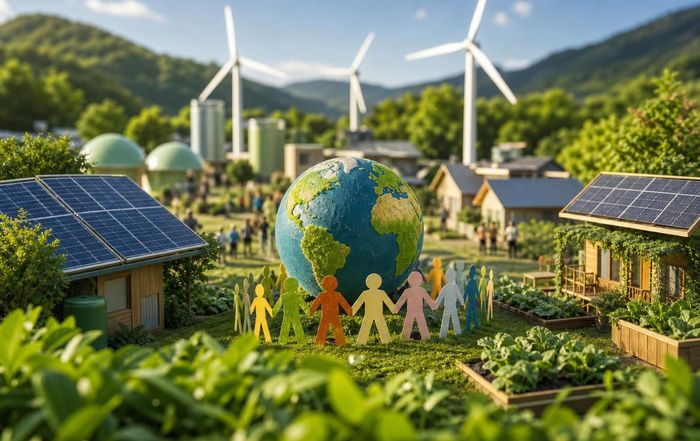

The Psychology Behind Eco-Friendly Choices

Last updated by Editorial team at eco-natur.com on Tuesday 30 June 2026
Article Image for The Psychology Behind Eco-Friendly Choices

The Psychology Behind Eco-Friendly Choices Today

Understanding the New Green Mindset

So sustainability has shifted from a niche concern to a defining feature of consumer expectations, corporate strategy and public policy across North America, Europe, Asia, Africa and South America. Yet despite the visibility of climate commitments, plastic reduction pledges and circular economy roadmaps, a persistent gap remains between what people say they value and what they actually do. This gap, often described as the "intention-action" or "value-behavior" gap, lies at the heart of the psychology behind eco-friendly choices, and it is precisely this space that eco-natur.com seeks to illuminate for its global audience of individuals, professionals and business leaders.

Behavioral science, environmental psychology and decision theory now offer a robust body of evidence explaining why some people embrace sustainable living and others resist change, even when they share similar values. From cognitive biases and social norms to identity, habit formation and the emotional resonance of nature, these factors interact in complex ways that influence whether a household in the United States chooses renewable electricity, a business in Germany invests in circular design, or a community in Brazil mobilizes to protect local ecosystems. Understanding these psychological drivers is no longer a purely academic exercise; it is an essential foundation for designing policies, products and communications that genuinely move societies toward a low-carbon, regenerative future.

Values, Identity and the Story People Tell About Themselves

At the core of eco-friendly decision-making lies personal and social identity: how individuals see themselves and how they wish to be seen by others. Research from organizations such as Pew Research Center and World Values Survey shows that environmental concern has become an integral part of self-definition for many younger consumers in the United Kingdom, Canada, Australia and across Europe, yet identity is not only a generational phenomenon. Professionals in finance, technology and manufacturing increasingly want their work and purchasing decisions to align with a coherent story about themselves as responsible, future-oriented actors who contribute positively to their communities and the planet.

Environmental psychologists emphasize that values such as altruism, universalism and openness to change are strongly correlated with sustainable behaviors, but values alone are not enough. The way these values are framed in everyday life matters. When eco-friendly options are presented as expressions of competence, innovation and leadership rather than sacrifice or deprivation, they more easily integrate into a person's aspirational identity. Many businesses in countries such as Sweden, Norway, Singapore and Japan have recognized this shift and now position green products as high-quality, modern and performance-driven. For readers of eco-natur.com, this alignment between inner values and outward choices is central to building a resilient, meaningful sustainable lifestyle that feels authentic rather than imposed.

The Intention-Action Gap: Why Good Intentions Often Fail

Across regions as diverse as the United States, Germany, South Korea and South Africa, surveys consistently show high levels of concern about climate change, biodiversity loss and plastic pollution. Yet real-world actions such as reducing car use, avoiding single-use plastics or switching to plant-rich diets lag behind the stated intentions. Behavioral economists at institutions like Harvard University and London School of Economics have demonstrated that humans are systematically prone to biases that favor the status quo, immediate gratification and convenience, which often work against eco-friendly choices.

One key factor is present bias: the tendency to overweight immediate costs and benefits while discounting future consequences. The environmental benefits of choosing organic food, investing in home insulation or paying a premium for renewable energy are often long-term and diffuse, whereas the costs are instant and salient. This imbalance makes it psychologically difficult for consumers in regions from France and Italy to Thailand and Malaysia to consistently choose the greener option, especially when under time pressure or financial stress. Additionally, decision fatigue in modern, choice-rich marketplaces means that even well-intentioned consumers revert to habitual purchases when confronted with complex labels or conflicting claims.

For organizations aiming to promote sustainable behavior, including those featured on eco-natur.com, recognizing this gap is critical. Effective strategies simplify decisions, reduce friction for green choices and make sustainable options the easiest, most obvious default rather than an extra cognitive burden. When eco-friendly actions are seamlessly embedded into routines, the intention-action gap begins to close in practice rather than only in principle.

Habits, Routines and the Power of Small Defaults

Habits are automatic behaviors triggered by contextual cues, and they play an outsized role in shaping environmental impact in households and workplaces across North America, Europe and Asia. Whether someone routinely brings a reusable bag in Spain, sorts recycling in the Netherlands or chooses public transport in Japan often depends less on conscious deliberation and more on the physical and social environment that surrounds them. Behavioral science research from organizations such as Behavioral Insights Team and OECD shows that small changes in defaults and infrastructure can produce significant shifts in collective behavior.

When building a more sustainable routine, the key is to start with small, specific, context-anchored actions that can be repeated until they become automatic. For example, placing a clearly labeled recycling bin next to the main trash bin in an office or home makes it far more likely that recyclable materials will be sorted correctly, supporting the broader goals of recycling and circular resource use. Similarly, setting a default option for green energy tariffs, paperless billing or low-carbon shipping nudges individuals and companies toward better choices without requiring constant willpower.

In countries like Denmark, Finland and Switzerland, where infrastructure supports cycling, district heating and efficient public transport, eco-friendly habits are reinforced by the design of cities and services. For readers of eco-natur.com seeking to transform personal or organizational behavior, focusing on habit-friendly environments and intelligent defaults can be more effective than relying solely on education or appeals to conscience, which often fade once the initial motivation subsides.

Social Norms, Peer Influence and the Desire to Belong

Human beings are deeply social, and their environmental behaviors are strongly influenced by perceptions of what others do and approve of. Social norms-both descriptive (what people believe others are doing) and injunctive (what people believe others think they should do)-shape decisions about energy use, waste, transport and consumption in subtle yet powerful ways, from urban centers in China and South Korea to rural communities in Africa and South America. Studies highlighted by organizations like National Academies of Sciences have shown that providing households with information about how their energy use compares to that of neighbors can significantly reduce consumption, especially when combined with social approval signals.

Businesses and institutions have also learned to harness social norms by publicly committing to sustainability targets, reporting progress and celebrating achievements. When leading companies such as Unilever, Patagonia or IKEA adopt ambitious climate and circularity goals, they not only reduce their own footprint but also set expectations for suppliers, competitors and customers. This normative influence is particularly evident in sectors like finance and technology, where environmental, social and governance (ESG) performance is increasingly scrutinized by investors, regulators and employees. Readers interested in how businesses can leverage such dynamics can explore sustainable business strategy and practice to understand how norms translate into competitive advantage.

For individuals, the desire to belong to a community that shares their values can be a powerful motivator for eco-friendly action. Local initiatives in cities from New York and London to Berlin, Singapore and Cape Town that promote community gardens, repair cafés, plastic-free markets and urban biodiversity projects demonstrate how visible, collective efforts reinforce the sense that sustainable behavior is both normal and desirable. Online communities and platforms, including the global audience of eco-natur.com, amplify these norms across borders, making it easier for people to see themselves as part of a much larger movement.

Emotions, Nature Connection and the Power of Experience

While much of sustainability discourse focuses on facts, data and rational arguments, the psychology of eco-friendly choices reveals that emotions and direct experiences with nature are often more decisive in shaping long-term commitments. Feelings of awe, gratitude and connectedness that arise from time spent in forests, oceans, mountains or urban green spaces can profoundly shift how people perceive their relationship with the natural world. Organizations such as World Wildlife Fund (WWF) and The Nature Conservancy have long emphasized the importance of emotional engagement in conservation campaigns, understanding that people protect what they love and feel part of.

At the same time, negative emotions such as eco-anxiety, guilt and grief are increasingly common, especially among younger generations in regions like Europe, North America and parts of Asia. Reports from entities such as World Health Organization and American Psychological Association highlight the mental health impacts of climate change, from trauma related to extreme weather events to chronic stress about future risks. While such emotions can catalyze action, they can also lead to paralysis if not accompanied by a sense of efficacy and agency.

For platforms like eco-natur.com, which explore themes such as wildlife and biodiversity and global environmental trends, integrating emotional narratives and stories of successful restoration, innovation and community resilience is crucial. When individuals see concrete examples of positive change, whether in rewilding projects in the United Kingdom, renewable energy transitions in Portugal and Chile, or regenerative agriculture in Kenya and New Zealand, they are more likely to believe that their own actions matter and to sustain eco-friendly behaviors over time.

Information, Misinformation and the Role of Trust

Trust is a cornerstone of eco-friendly decision-making, especially in a digital landscape saturated with competing claims, greenwashing and misinformation. Consumers in the United States, France, Italy, China and beyond are regularly exposed to marketing messages that label products as "green," "natural," "eco" or "sustainable" without clear standards or verification. Institutions such as United Nations Environment Programme (UNEP) and European Commission have raised concerns about misleading environmental claims and are working on regulations and guidelines to improve transparency and accountability.

From a psychological perspective, people rely on trusted intermediaries-scientific institutions, non-governmental organizations, independent certification bodies and credible media-to navigate this complexity. Resources such as the Intergovernmental Panel on Climate Change (IPCC), International Energy Agency (IEA) and World Resources Institute (WRI) help anchor public understanding in robust evidence, yet the way this information is communicated remains critical. Overly technical or alarmist messaging can alienate audiences, while clear, actionable and context-specific guidance fosters engagement and confidence.

Within this landscape, eco-natur.com positions itself as a trusted guide for readers seeking practical, evidence-informed insights on topics such as sustainability fundamentals, renewable energy adoption and health and environmental interconnections. By curating content that is transparent about sources, grounded in current science and attentive to regional realities-from energy grids in Germany and the Netherlands to agricultural systems in Brazil and Thailand-the platform supports informed decision-making and counters the fatigue that arises when people feel unable to distinguish credible information from noise.

Economic Perceptions, Trade-Offs and Behavioral Incentives

Eco-friendly choices are frequently perceived through an economic lens, with many individuals and businesses assuming that sustainable options necessarily cost more or compromise performance. This perception persists even as technological advances, policy incentives and economies of scale have made renewable energy, energy-efficient appliances and circular business models increasingly competitive or even cost-saving in markets across the United States, China, India and the European Union. Behavioral economists note that people often rely on mental shortcuts that equate "green" with "expensive" or "luxury," which can discourage adoption among cost-conscious households and small enterprises.

In reality, the economics of sustainability are multifaceted. For example, shifting to a plant-rich diet or reducing food waste can lower household expenses, while investments in building efficiency or solar power can pay back over time through reduced energy bills. Businesses that embed sustainability into their operations and supply chains increasingly find that they mitigate regulatory risk, attract talent, strengthen brand loyalty and unlock innovation. Institutions such as World Bank, International Monetary Fund (IMF) and Organisation for Economic Co-operation and Development (OECD) now regularly highlight the macroeconomic benefits of green transitions, from job creation in clean industries to resilience against volatile fossil fuel prices.

For readers exploring the intersection of sustainability and finance, the lens of the green economy is particularly relevant. Behavioral incentives such as tax credits, rebates, congestion charges and deposit-refund schemes can align individual and corporate decisions with broader environmental goals, making the eco-friendly choice also the financially rational one. When combined with clear information about long-term savings and risk reduction, these instruments help reframe sustainability not as a cost but as a strategic investment in competitiveness and wellbeing.

Plastic, Waste and the Psychology of "Out of Sight, Out of Mind"

The global struggle against plastic pollution illustrates how psychological distance can obscure the true impacts of everyday consumption. Single-use plastics often create a sense of disposability and detachment: items are used briefly and then removed from immediate view, leading many people in regions from North America and Europe to Asia and Africa to underestimate the long-term environmental consequences. Images of ocean plastic and harmed wildlife, widely shared by organizations such as Ocean Conservancy and Ellen MacArthur Foundation, have begun to close this distance by making the issue emotionally salient, yet behavior change remains uneven.

Psychologists note that tangible, visible feedback about waste can significantly influence behavior. When communities and businesses introduce transparent waste audits, clear signage and public reporting on plastic use, individuals are more likely to reconsider their habits and support alternatives. Retailers and hospitality providers in countries like the United Kingdom, Germany and Singapore that have introduced refill systems, package-free aisles and deposit schemes for reusable containers demonstrate how infrastructure and design can support a plastic-free and low-waste lifestyle without relying solely on personal restraint.

For readers of eco-natur.com, the journey toward zero waste and circular consumption involves both individual choices and systemic shifts in product design, logistics and policy. When the environmental and social costs of disposable products are made visible, and when high-quality, convenient alternatives are readily available, the psychological barriers to abandoning single-use plastics diminish substantially.

Culture, Region and the Diversity of Green Motivations

Although the psychological principles influencing eco-friendly choices have universal elements, cultural context significantly shapes how these principles play out in practice. In some societies, such as those in Scandinavia, strong social trust and a long tradition of collective welfare make citizens more receptive to regulations and taxes that support environmental goals. In other regions, such as parts of Asia, rapid urbanization and technological innovation drive enthusiasm for smart, efficient solutions that combine sustainability with modernization. In countries across Africa and South America, direct dependence on local ecosystems for livelihoods can foster a pragmatic, place-based environmentalism focused on soil health, water security and resilient agriculture.

These differences influence which messages, policies and business models resonate. Appeals to national pride and technological leadership may be effective in countries like South Korea and Japan, while narratives emphasizing heritage, land stewardship and community resilience may be more compelling in South Africa or Brazil. In the United States and Canada, where individual freedom and consumer choice are highly valued, framing eco-friendly options as ways to enhance autonomy, save money and improve health often proves persuasive.

For a global platform like eco-natur.com, recognizing this diversity is essential. Content that discusses sustainable living practices must navigate regional energy mixes, regulatory environments, cultural norms and economic realities to remain relevant for readers in the United Kingdom, France, Italy, Spain, Netherlands, Switzerland, China, Thailand, Malaysia, New Zealand and beyond. Yet despite these differences, a common thread emerges: people everywhere are more likely to embrace eco-friendly choices when these choices align with their identity, values, aspirations and everyday realities rather than conflicting with them.

From Insight to Action: Designing for Sustainable Choices

The psychology behind eco-friendly choices reveals that sustainable behavior is not simply a matter of providing more information or appealing to moral duty. It requires a sophisticated understanding of how identity, habits, social norms, emotions, trust, economics and culture interact in real-world settings. For businesses, policymakers and educators, this means moving beyond generic messaging to design environments, incentives and narratives that make the greener path also the more attractive, convenient and rewarding one.

Organizations that integrate behavioral insights into product design, service delivery and corporate culture are better equipped to meet the rising expectations of stakeholders in regions from Europe and North America to Asia, Africa and South America. They can create offerings that reduce friction for customers, support employee engagement, strengthen brand credibility and contribute meaningfully to planetary health. For individuals, applying these insights at home and in the workplace can transform sustainability from a source of stress or guilt into a source of purpose, connection and resilience.

As eco-natur.com continues to explore themes such as sustainable design and innovation and the protection of biodiversity and ecosystems, its role is to translate complex psychological and scientific knowledge into practical guidance that empowers readers. By understanding why people make the choices they do, and by recognizing the levers that can gently shift those choices toward more sustainable outcomes, individuals and organizations across the world can help shape an economy and culture in which environmental responsibility is not an exception but an embedded, intuitive part of everyday life.

Well the need is now more clear: leveraging psychological insight is no longer optional if societies are to accelerate the transition to climate stability, resource efficiency and ecological regeneration. The more deeply that people, companies and institutions understand the human factors behind eco-friendly choices, the more capable they become of designing futures in which prosperity and planetary wellbeing reinforce rather than undermine each other.

DIY Natural Cleaning Products

Last updated by Editorial team at eco-natur.com on Monday 29 June 2026
Article Image for DIY Natural Cleaning Products

DIY Natural Cleaning Products: A Strategic Guide for Sustainable Living and Business

The Strategic Case for Natural Cleaning in a Changing World

The shift toward natural cleaning products has moved well beyond a lifestyle trend and has become a strategic response to global environmental, health, and regulatory pressures that affect households, businesses, and public institutions alike. Around the world, from the United States and United Kingdom to Germany, Canada, Australia, and rapidly growing markets in Asia, decision-makers are reassessing how cleaning products are sourced, manufactured, used, and disposed of, and are increasingly turning to do-it-yourself (DIY) natural alternatives as part of a broader sustainability strategy. On eco-natur.com, this transformation is viewed through the lens of integrated sustainable living, connecting home practices with systemic shifts in the economy, supply chains, and corporate responsibility.

Growing scientific evidence links conventional cleaning agents to indoor air pollution, endocrine disruption, and aquatic toxicity, prompting regulators such as the European Chemicals Agency and the U.S. Environmental Protection Agency to tighten oversight and encourage safer formulations. At the same time, consumers are becoming more informed and demanding transparency, supported by organizations such as the Environmental Working Group, which evaluates the health and environmental profiles of household products. Within this context, DIY natural cleaning solutions-based on simple ingredients like vinegar, baking soda, plant-based soaps, and essential oils-are emerging not only as a healthier option but also as a practical way to support sustainable living and corporate sustainability commitments.

For eco-conscious individuals and forward-looking companies, natural cleaning is increasingly framed as a core element of broader sustainability strategies that encompass resource efficiency, waste reduction, and climate resilience. Moving from conventional cleaners to DIY alternatives can reduce chemical exposure, cut plastic packaging, lower carbon emissions tied to manufacturing and transport, and build trust with stakeholders who expect authentic, measurable environmental action.

Understanding the Risks of Conventional Cleaning Products

The modern cleaning industry has been built on synthetic surfactants, solvents, fragrances, dyes, and preservatives that deliver performance but often at a hidden cost. Studies compiled by the World Health Organization and national health agencies in France, Italy, Spain, the Netherlands, and beyond have linked certain volatile organic compounds (VOCs) and other chemicals in cleaning products to respiratory irritation, asthma exacerbation, and potential long-term health risks. Indoor environments in offices, schools, and homes can accumulate these substances, leading to higher exposure than many outdoor settings, especially in tightly sealed, energy-efficient buildings.

Wastewater analysis by institutions such as the United Nations Environment Programme and environmental research groups in Sweden, Norway, Denmark, Japan, and South Korea has shown that many synthetic cleaning agents are persistent in aquatic ecosystems, bioaccumulate in wildlife, and may disrupt endocrine systems in fish and other organisms. These impacts raise concerns for wildlife protection and biodiversity, particularly in sensitive habitats already stressed by climate change and urbanization.

From a business perspective, reliance on conventional cleaners also exposes organizations to evolving regulatory and reputational risks. Sustainability reporting frameworks, including those from the Global Reporting Initiative, encourage disclosure of hazardous substances and their environmental pathways, while investors increasingly integrate chemical safety into environmental, social, and governance (ESG) assessments. Companies that continue to depend heavily on traditional formulations may find themselves at a competitive disadvantage as procurement policies in Europe, North America, and Asia-Pacific prioritize safer, more sustainable alternatives.

Why DIY Natural Cleaning Aligns with Sustainable Living

DIY natural cleaning represents a practical and accessible way for households and businesses to integrate sustainability into daily routines. By relying on a small set of multi-purpose ingredients, individuals can reduce product complexity, minimize waste, and exercise direct control over what enters their living and working environments. This approach fits naturally with the principles of zero waste and plastic-free living, as many DIY recipes rely on bulk ingredients stored in reusable containers rather than single-use plastic bottles.

On eco-natur.com, DIY cleaning is framed as a gateway to a more holistic lifestyle change. When people understand how simple ingredients can replace a long list of specialized products, they often begin to question other consumption patterns, from food packaging to personal care products, and gradually adopt more responsible purchasing habits. This behavioral shift supports the broader objectives of a circular economy, in which resources are kept in use for as long as possible, waste is designed out, and natural systems are regenerated.

For families in Canada, Australia, New Zealand, and South Africa, where outdoor lifestyles and close proximity to nature are integral to everyday life, DIY natural cleaning also offers a way to align indoor practices with outdoor values. Reducing household chemical loads supports better indoor air quality, which is particularly important for children, older adults, and people with respiratory conditions, and connects directly to the themes explored in eco-natur.com's focus on health and environmental wellbeing.

Core Ingredients: Simple, Accessible, and Effective

The foundation of DIY natural cleaning lies in a small number of well-known ingredients that have been used for decades, and in some cases centuries, for domestic hygiene. Organizations such as Consumer Reports and the Cleveland Clinic highlight the effectiveness of white vinegar for cutting grease and dissolving mineral deposits, while baking soda is recognized for its gentle abrasiveness and deodorizing properties. Castile soap, often derived from olive or other plant oils, provides a biodegradable, low-toxicity surfactant that can be used for surfaces, floors, and even some personal care applications.

Citrus peels, particularly from lemons and oranges, can be infused in vinegar to create naturally scented cleaning solutions that harness the degreasing power of limonene, a plant-derived compound. Essential oils such as tea tree, eucalyptus, and lavender, when used in moderation and with appropriate safety considerations, can add antimicrobial properties and pleasant aromas, although they should be handled carefully around pets, infants, and sensitive individuals. For readers seeking to learn more about organic and plant-based ingredients, the parallels between natural cleaning and organic food systems are increasingly evident, as both prioritize transparency, minimal processing, and ecological integrity.

In Germany, Switzerland, and the Nordic countries, where eco-labels and green certifications are well established, the use of such ingredients aligns with long-standing cultural preferences for low-toxicity, biodegradable products. Guidance from public health institutions like Health Canada and the UK National Health Service has also contributed to greater awareness of safer household practices, encouraging many households to simplify their cleaning arsenals and rely more heavily on time-tested natural substances.

Practical DIY Formulations for Homes and Small Businesses

While DIY cleaning recipes vary, the underlying logic is consistent: combine a mild acid, a gentle base, a plant-based soap, and, where appropriate, natural fragrances to address specific cleaning tasks. Multi-surface sprays typically rely on diluted vinegar or a mix of vinegar and water, sometimes enhanced with a small amount of castile soap for additional cleaning power. Glass cleaners may substitute vinegar and water alone, applied with a reusable cloth to minimize streaking and waste. For scrubbing sinks, bathtubs, and stovetops, a paste made from baking soda and a small quantity of water or castile soap can provide enough abrasion to remove grime without damaging surfaces.

In office environments, co-working spaces, and boutique hospitality settings across Singapore, Thailand, Malaysia, and Brazil, DIY natural cleaning can be scaled through standardized recipes, labeled refill stations, and staff training programs. These settings often highlight their cleaning practices as part of their sustainability branding, aligning with the values of eco-conscious clients and travelers. Businesses can integrate natural cleaning protocols into their broader sustainable business strategies, linking them to energy efficiency, responsible procurement, and waste reduction.

For more specialized needs, such as floor cleaning in high-traffic commercial spaces or sanitizing food-contact surfaces in cafés and restaurants, it is essential to balance natural formulations with regulatory requirements and hygiene standards. Organizations such as the U.S. Food and Drug Administration and the European Food Safety Authority provide guidance on safe cleaning and sanitizing in food environments, and these frameworks can be consulted when adapting DIY recipes to professional contexts. In some cases, a hybrid approach that combines natural everyday cleaners with targeted, certified disinfectants may be the most responsible solution.

Integrating DIY Cleaning into a Plastic-Free and Zero-Waste Strategy

One of the most compelling advantages of DIY natural cleaning is its alignment with plastic reduction and zero-waste objectives. Conventional cleaning products are typically packaged in single-use plastic bottles, often with complex labels and non-recyclable components such as spray triggers and caps. Even in countries with advanced recycling infrastructure, including the Netherlands, Sweden, and Japan, a significant portion of plastic packaging is downcycled, incinerated, or exported, rather than truly closed-loop recycled.

By purchasing core ingredients like vinegar, baking soda, and castile soap in bulk, households and businesses can dramatically cut the volume of packaging they bring into their premises. Refillable glass or durable plastic bottles can be used repeatedly, and labels can be standardized to ensure safe use and storage. This approach dovetails with the principles explored on eco-natur.com's pages on plastic-free living and zero-waste design, illustrating how small, practical steps can contribute to systemic change.

The Ellen MacArthur Foundation has emphasized the importance of redesigning systems to eliminate waste and pollution from the outset, and DIY natural cleaning offers a tangible example of this philosophy in action. By simplifying product categories and focusing on concentrated, multi-purpose ingredients, households and organizations can reduce the number of containers, reduce transport emissions, and decrease the likelihood of chemical contamination in recycling streams. This is particularly relevant in rapidly urbanizing regions of Asia, Africa, and South America, where waste management infrastructure is under pressure and plastic pollution is a growing concern for both communities and ecosystems.

Economic and Business Advantages of Natural DIY Cleaning

From an economic perspective, DIY natural cleaning can deliver measurable cost savings for households, small enterprises, and large organizations. Bulk purchasing of core ingredients typically reduces per-unit costs, and the versatility of these ingredients means that fewer specialized products are required. For businesses operating in competitive markets in the United States, United Kingdom, France, and Italy, such savings can contribute to leaner operations and improved margins, particularly when combined with other efficiency measures such as energy management and water conservation.

On eco-natur.com, the transition to natural cleaning is framed as part of a broader sustainable economy, in which resource efficiency, innovation, and environmental stewardship reinforce each other. Companies that adopt DIY or low-toxicity cleaning protocols can integrate these actions into their ESG narratives, demonstrating tangible progress toward climate and health goals. This can strengthen relationships with customers, employees, and investors who increasingly scrutinize sustainability claims and expect evidence-based reporting.

Organizations such as CDP and the Sustainability Accounting Standards Board encourage companies to disclose environmental impacts across their operations, including chemical use and waste generation. By reducing dependence on conventional cleaning products, businesses can report lower hazardous waste volumes, reduced packaging, and improved indoor air quality metrics. In sectors such as hospitality, real estate, and coworking, where user experience is critical, highlighting natural cleaning practices can also differentiate brands in crowded markets and support premium positioning.

Health, Indoor Air Quality, and Workplace Wellbeing

The health dimension of natural cleaning is particularly relevant in 2026, as employers and policymakers around the world continue to focus on indoor air quality and occupant wellbeing. Research synthesized by the World Green Building Council links healthier indoor environments to higher productivity, reduced absenteeism, and better cognitive performance, making the choice of cleaning products a strategic factor for organizations seeking to optimize human capital.

Traditional cleaners often contain fragrances and solvents that contribute to indoor VOC levels, which can trigger headaches, eye irritation, and respiratory discomfort. In contrast, DIY natural formulations, when properly ventilated and used in moderation, tend to emit fewer harmful compounds and can support a healthier indoor environment. This aligns with the growing emphasis on health-centric building certifications, such as WELL and LEED, which encourage low-emission materials and cleaning practices. Readers interested in the intersection of health, environment, and building performance can explore related themes on eco-natur.com's health and sustainability pages, which emphasize the importance of integrated design and operational decisions.

In schools, healthcare facilities, and eldercare homes across North America, Europe, and Asia-Pacific, the potential benefits of lower-toxicity cleaning are particularly significant, given the vulnerability of occupants and the frequency of cleaning activities. While strict hygiene standards must be maintained, especially in clinical settings, many non-critical areas can safely adopt natural cleaning agents, thereby reducing cumulative chemical exposure for staff and residents. Guidance from organizations such as the Centers for Disease Control and Prevention and the World Health Organization can help institutions balance infection control with broader health and environmental considerations.

Global and Regional Trends Shaping the Future of Natural Cleaning

Globally, the momentum behind natural cleaning is reinforced by broader sustainability frameworks, including the United Nations Sustainable Development Goals, which call for responsible consumption and production, good health and wellbeing, and life below water and on land. Governments in the European Union, United States, China, and Japan are tightening regulations on hazardous substances, promoting green chemistry, and encouraging transparent labeling, creating a more favorable environment for natural and DIY solutions.

In Europe, the Green Deal and related initiatives are driving innovation in bio-based materials, circular packaging, and eco-design. In Asia, particularly in China, Singapore, and South Korea, rapid urbanization and rising middle-class expectations are creating demand for healthier, more sustainable products, which in turn stimulates research into plant-based surfactants and biodegradable formulations. Across Africa and South America, community-based programs supported by organizations such as the UN Development Programme promote low-cost, locally sourced cleaning solutions that minimize import dependence and support local economies.

For eco-natur.com, which serves a global audience interested in sustainability, these trends underscore the importance of context-sensitive guidance. While the core principles of DIY natural cleaning are universal, the availability and affordability of ingredients, regulatory environments, and cultural norms vary significantly between regions. In Brazil and Thailand, for example, citrus and plant-based oils may be locally abundant, while in Scandinavia or Canada, bulk vinegar and baking soda may be more accessible. Tailoring DIY strategies to local realities ensures that natural cleaning remains inclusive, practical, and scalable.

Building Trust: Transparency, Education, and Evidence

Experience and expertise are critical for building trust in DIY natural cleaning, particularly among business audiences that require evidence of performance, safety, and cost-effectiveness. On eco-natur.com, content is curated to reflect best practices, emerging research, and real-world case studies, helping readers navigate the transition with confidence. Clear, detailed explanations of ingredient functions, appropriate use, and limitations are essential, as is an honest discussion of situations where conventional or specialized products may still be necessary.

Organizations such as Green Seal and the EU Ecolabel provide benchmarks for safer, more sustainable cleaning products, and their criteria can inform the design of DIY formulations. Scientific resources from PubChem and educational materials from leading universities help demystify common ingredients, enabling users to understand their chemical properties, environmental behavior, and safety profiles. By drawing on this body of knowledge, eco-natur.com emphasizes authoritativeness and reliability, encouraging readers to make informed decisions rather than relying on anecdotal claims.

Education also extends to proper storage, labeling, and disposal of DIY cleaning solutions. Even natural ingredients can pose risks if misused, particularly in concentrated forms or when mixed inappropriately, such as combining vinegar with bleach, which can release hazardous gases. Providing clear, accessible guidance reduces the likelihood of accidents and reinforces the perception of DIY natural cleaning as a responsible and professional practice.

From Individual Action to Systemic Change

DIY natural cleaning products occupy a unique position at the intersection of personal choice and systemic transformation. For individuals and families, they offer an immediate, tangible way to reduce chemical exposure, cut plastic waste, and align daily routines with environmental values. For businesses, they represent an opportunity to demonstrate leadership in sustainable business practices, enhance employee wellbeing, and respond proactively to evolving regulations and stakeholder expectations.

On eco-natur.com, natural cleaning is presented not as an isolated tactic but as part of an integrated vision that connects sustainable living, circular design, responsible consumption, and resilient economies. By embracing DIY formulations, organizations and households contribute to a broader cultural shift that values simplicity, transparency, and stewardship over convenience and disposability. This shift is essential for addressing the intertwined challenges of climate change, pollution, biodiversity loss, and public health that define the global agenda in 2026.

As more stakeholders across North America, Europe, Asia, Africa, and South America adopt natural cleaning practices, the collective impact becomes increasingly significant. Reduced demand for hazardous chemicals, lower plastic consumption, and improved indoor air quality all contribute to healthier communities and ecosystems. In this evolving landscape, platforms like eco-natur.com play a vital role in sharing knowledge, showcasing innovation, and fostering a global community committed to practical, trustworthy, and effective sustainability solutions.

Comparing Renewable Energy Sources

Last updated by Editorial team at eco-natur.com on Sunday 28 June 2026
Article Image for Comparing Renewable Energy Sources

Comparing Renewable Energy Sources in 2026: Strategic Choices for a Sustainable Economy

Renewable Energy at a Turning Point

Renewable energy has moved from the margins of policy debate to the centre of economic strategy, corporate risk management and everyday lifestyle decisions. Governments across North America, Europe, Asia and beyond are setting more ambitious targets, large institutional investors are divesting from fossil fuels, and households from the United States to Germany, Australia and South Africa are rethinking how they power their homes and mobility. Within this global transformation, Eco-Natur and its audience are increasingly focused on how different renewable energy sources compare in terms of cost, reliability, environmental impact and long-term resilience, and how these choices connect to broader themes such as sustainable living, sustainability, plastic-free lifestyles, recycling and protection of wildlife and biodiversity.

As energy systems become more decentralised and digital, and as climate risks intensify, decision-makers in businesses, cities and households require not only technical data but also trustworthy, experience-based guidance that can translate complex trade-offs into practical, region-specific choices. Comparing renewable energy sources in 2026 therefore means analysing them not in isolation, but as integral components of sustainable business models, resilient economies and healthier lifestyles that reflect the values of the Eco-Natur community.

The Strategic Role of Renewable Energy in a Sustainable Economy

Renewable energy is no longer framed solely as an environmental imperative; it is now a core pillar of economic competitiveness, industrial policy and national security. Agencies such as the International Energy Agency (IEA) provide detailed outlooks showing that renewables are set to account for the majority of new power capacity worldwide, with solar and wind leading the expansion. Learn more about the global energy transition on the IEA website.

For businesses, the shift to renewable energy is increasingly linked to long-term value creation, as firms in the United Kingdom, Germany, Canada, Japan and Singapore integrate science-based climate targets into their strategies and seek to reduce exposure to volatile fossil fuel prices. Resources from organizations such as the World Business Council for Sustainable Development help companies learn more about sustainable business practices. This strategic realignment aligns closely with the themes explored on Eco-Natur, where sustainable business and green economy models are examined not as niche initiatives but as mainstream drivers of innovation, employment and competitiveness.

For households and communities, renewable energy intersects with broader questions of sustainable lifestyle choices, from the adoption of heat pumps and electric vehicles to the selection of organic food and low-impact consumer products. Policymakers in the European Union, the United States, China and other major economies are increasingly designing integrated frameworks that connect energy policy with industrial development, housing, transport and public health. The European Commission provides a useful overview of how energy and climate policies are being aligned across member states; explore its climate and energy policies.

In this context, comparing renewable energy sources is not a purely technical exercise; it is a strategic assessment of how different technologies contribute to resilient, low-carbon economies that respect ecological limits, enhance human health and support just transitions for workers and communities.

Solar Energy: Distributed Power for Homes, Cities and Businesses

Solar energy has become the emblematic technology of the renewable revolution, with dramatic cost reductions over the past decade transforming it into one of the cheapest sources of new electricity generation in many regions. From rooftop installations in California and Spain to utility-scale solar parks in India, China and the Middle East, photovoltaics are redefining how power systems are designed and financed. The U.S. Department of Energy offers detailed information on solar technologies and performance; readers can explore solar energy basics.

For the Eco-Natur audience, solar energy is particularly relevant because it aligns closely with decentralised, citizen-driven models of sustainable living, enabling households and small enterprises to generate their own electricity, reduce dependence on fossil-fuel utilities and support local resilience during grid disruptions. In countries such as Australia, Germany and Italy, high levels of rooftop solar adoption have turned consumers into "prosumers," who both use and supply electricity, often in combination with battery storage and smart home technologies.

From an environmental perspective, solar power offers significant benefits in terms of reduced greenhouse gas emissions and air pollution, contributing directly to better public health outcomes, especially in densely populated urban areas across Asia and North America. Institutions like the World Health Organization (WHO) highlight the connections between clean energy and respiratory health; more information can be found in WHO's work on air pollution and health. However, solar technologies also raise questions about land use, material sourcing and end-of-life management, particularly for large-scale installations. Responsible deployment requires careful site selection to avoid sensitive habitats, integration with biodiversity-friendly design, and robust recycling systems for panels and inverters.

From a business and investment standpoint, solar energy's modularity and rapidly declining costs make it attractive for corporate power purchase agreements, especially for companies seeking to align with the Science Based Targets initiative or frameworks such as CDP. The International Renewable Energy Agency (IRENA) provides comprehensive data on solar deployment and cost trends; readers can explore IRENA's solar resources. For firms featured or supported by Eco-Natur, integrating solar into their operations or supply chains can enhance brand credibility, reduce long-term energy costs and demonstrate leadership in climate action.

Onshore and Offshore Wind: Utility-Scale Workhorses of the Energy Transition

Wind power has matured into one of the most cost-effective large-scale renewable energy sources, particularly in regions with favourable wind resources such as the central United States, the North Sea, parts of China, Brazil, South Africa and coastal Australia. Onshore wind farms are now a familiar feature of rural landscapes, while offshore wind has expanded rapidly in Europe and is gaining momentum in markets such as the United Kingdom, the United States, South Korea and Japan. The Global Wind Energy Council (GWEC) provides detailed global statistics and policy analysis; readers can learn more about global wind trends.

Onshore wind typically offers lower installation costs and shorter project timelines compared with offshore wind, making it attractive for emerging economies in Asia, Africa and South America seeking to expand capacity quickly. However, it can face local opposition related to visual impact, noise concerns and perceived effects on property values. Effective community engagement, transparent benefit-sharing mechanisms and careful siting are therefore essential, particularly in densely populated regions such as parts of Europe and East Asia.

Offshore wind, by contrast, often involves higher capital costs and more complex engineering, but it can tap into stronger and more consistent wind resources, deliver larger project sizes and reduce land-use conflicts. In countries such as the United Kingdom, Denmark and the Netherlands, offshore wind has become central to national decarbonisation strategies, with long-term policy frameworks providing the certainty needed for large-scale investment. The UK Department for Energy Security and Net Zero offers insight into how offshore wind is integrated into national planning; interested readers can explore UK offshore wind policy.

From an ecological standpoint, wind power has a substantially lower lifecycle carbon footprint than fossil fuels, but it is not impact-free. Turbine placement and design must consider bird and bat migration routes, marine ecosystems and cumulative landscape effects. Organisations such as BirdLife International provide guidance on reducing impacts of renewable energy on wildlife. For the Eco-Natur community, wind energy exemplifies the need to balance rapid decarbonisation with robust protection of wildlife and ecosystems, using evidence-based planning and continuous monitoring to refine practices.

In terms of business models, wind energy projects often involve long-term power purchase agreements, sophisticated project finance structures and cross-border supply chains, creating opportunities for sustainable industrial development, particularly in manufacturing hubs such as China, Germany and the United States. For companies pursuing sustainable business strategies, participation in wind projects-whether through direct investment, procurement or innovation in components-can serve as a visible commitment to climate leadership and long-term resilience.

Hydropower: Mature Technology with Complex Social and Ecological Dimensions

Hydropower remains the largest source of renewable electricity globally, providing significant baseload power in countries such as China, Brazil, Canada, Norway and Switzerland. Its ability to offer flexible generation and storage through reservoirs makes it a valuable complement to variable renewables like solar and wind. The World Bank provides analysis of hydropower's role in development and climate strategies; more information is available in its hydropower resources.

However, large hydropower projects are also among the most controversial renewable technologies, particularly in terms of ecological disruption, displacement of communities and impacts on riverine systems. Dams can alter sediment flows, affect fish migration and transform downstream ecosystems, with long-term consequences for biodiversity, agriculture and local livelihoods. Organizations such as the International Union for Conservation of Nature (IUCN) document these impacts and propose mitigation approaches; readers can learn more about rivers and dams.

For the Eco-Natur audience, hydropower illustrates the importance of holistic sustainability assessment that goes beyond carbon metrics to include social justice, cultural heritage and ecosystem integrity. In regions such as Southeast Asia, Africa and South America, new hydropower proposals must be evaluated within the context of cumulative impacts, transboundary water governance and climate-induced changes in hydrology. Smaller-scale run-of-river projects and modernisation of existing dams can sometimes offer lower-impact alternatives, but they still require careful planning and stakeholder engagement.

In mature markets such as Europe and North America, the focus is increasingly shifting from building new large dams to optimising existing infrastructure, improving safety and exploring dam removal where ecological restoration and recreational benefits outweigh energy production. The U.S. Geological Survey (USGS) and other research bodies provide valuable data on river ecosystems and dam impacts; an overview of U.S. hydrologic science is available from USGS water resources. For businesses and policymakers, hydropower projects demand rigorous due diligence, transparent governance and adherence to international standards to maintain trust and social licence.

Bioenergy: Between Circular Economy Opportunity and Sustainability Risk

Bioenergy, encompassing biofuels, biomass power and biogas, occupies a complex position in the renewable energy landscape. On the one hand, it offers potential synergies with circular economy principles by converting agricultural residues, organic waste and forestry by-products into useful energy, thereby reducing landfill use and methane emissions. On the other hand, poorly regulated bioenergy can drive deforestation, compete with food production and undermine climate goals, especially when it relies on dedicated energy crops or unsustainably harvested forests.

International bodies such as the Food and Agriculture Organization of the United Nations (FAO) examine the links between bioenergy, food security and land use; readers can explore FAO's work on bioenergy and food security. For countries in Europe, North America and Asia, advanced biofuels derived from waste streams and non-food feedstocks are increasingly prioritised, particularly in sectors that are hard to electrify, such as aviation, shipping and certain industrial processes.

For the Eco-Natur community, bioenergy connects directly to themes of organic food systems, soil health, sustainable forestry and responsible consumption. When integrated into diversified farming systems that prioritise soil regeneration, biodiversity and local food security, bioenergy can contribute positively to rural economies and climate mitigation. However, when driven primarily by short-term profit motives or weak sustainability criteria, it can exacerbate land conflicts, biodiversity loss and greenhouse gas emissions.

Certification schemes and sustainability standards, such as those developed by the Roundtable on Sustainable Biomaterials (RSB), attempt to differentiate responsible bioenergy from harmful practices; more information on these frameworks can be found on the RSB website. Businesses in the United States, Brazil, Malaysia and other biofuel-producing regions are under growing scrutiny from investors, civil society and regulators, making transparent reporting and independent verification essential for maintaining trust.

Geothermal and Emerging Technologies: Niche Solutions with High Potential

Geothermal energy, which taps the Earth's internal heat, offers stable, low-carbon baseload power and direct heat applications, particularly in regions with favourable geology such as Iceland, New Zealand, parts of the United States, Italy, Indonesia and Kenya. Although global installed capacity remains modest compared with solar or wind, advances in drilling technologies and enhanced geothermal systems (EGS) are expanding its potential. The U.S. National Renewable Energy Laboratory (NREL) provides accessible overviews of geothermal technologies; readers can learn more about geothermal energy.

For countries focused on reducing dependence on imported fuels while providing reliable power, geothermal can be an attractive option, especially when integrated with district heating systems in colder climates such as Sweden, Finland and parts of Germany. From the perspective of Eco-Natur, geothermal exemplifies how context-specific resource endowments can shape sustainable energy strategies and how careful project design can minimise seismic risks and protect groundwater.

Beyond geothermal, a range of emerging technologies-such as tidal and wave energy, advanced energy storage, green hydrogen and next-generation nuclear-are being explored as complements to established renewables. While many of these remain at demonstration or early commercial stages, they could play significant roles in specific regions or sectors. The International Energy Agency and research institutions like MIT Energy Initiative provide forward-looking analysis on these innovations; readers can explore MIT's energy research. For businesses and policymakers, the challenge lies in supporting innovation while avoiding lock-in to technologies that may not prove scalable or sustainable.

Comparing Environmental and Social Impacts Across Technologies

When comparing renewable energy sources, carbon emissions are only one dimension of sustainability. The Eco-Natur audience is acutely aware that issues such as land use, water consumption, pollution, plastic waste reduction, ecosystem integrity and community rights are equally important for long-term resilience and ethical responsibility.

Solar and wind generally have low lifecycle emissions and minimal operational pollution, but they require significant quantities of metals, minerals and, in some cases, plastics and composites. Responsible sourcing, improved design for disassembly and robust recycling and circularity strategies are therefore essential, particularly as large volumes of panels, turbines and batteries approach end of life in the coming decades. Organisations such as the Ellen MacArthur Foundation provide frameworks for integrating circular economy principles into design and manufacturing; readers can learn more about circular economy strategies.

Hydropower's environmental profile depends heavily on project design and location, with some run-of-river plants having relatively low impacts while large dams in biodiverse river basins can cause profound and irreversible damage. Bioenergy's impacts vary widely based on feedstock, land management and supply chain governance. Geothermal projects must manage risks associated with induced seismicity, subsidence and potential contamination, though these can often be mitigated through careful engineering and monitoring.

Social impacts also differ across technologies. Large-scale projects, whether wind farms, solar parks or dams, can affect local communities through land acquisition, visual changes and altered livelihoods. Best practice increasingly emphasises free, prior and informed consent (FPIC), benefit-sharing mechanisms, local employment and long-term community partnerships. The United Nations Development Programme (UNDP) offers guidance on inclusive and sustainable energy development. For Eco-Natur, highlighting projects that genuinely respect community rights and enhance local resilience is central to building a culture of trust around renewable energy deployment.

Economic Competitiveness and Grid Integration in 2026

By 2026, levelised costs of electricity from solar and onshore wind are competitive or cheaper than new fossil fuel generation in many markets, yet economic assessment must extend beyond generation costs to include grid integration, storage, flexibility and system resilience. High shares of variable renewables require investment in transmission infrastructure, digital grid management, demand response and storage solutions, from utility-scale batteries to vehicle-to-grid systems.

Regulators and grid operators in Europe, North America and Asia are developing new market designs to reward flexibility and reliability, while ensuring that consumers benefit from lower generation costs. The International Energy Agency and agencies such as the Federal Energy Regulatory Commission (FERC) in the United States provide detailed analysis of these evolving market structures; readers can explore FERC's energy market oversight. For businesses and investors, understanding these regulatory dynamics is essential for evaluating the long-term profitability and risk profile of different renewable technologies.

For households and communities, the economics of renewable energy are increasingly shaped by policies such as net metering, feed-in tariffs, tax incentives and green finance products. In countries such as Germany, France, the Netherlands and Japan, citizen energy cooperatives and community-owned projects have demonstrated that distributed renewables can deliver not only financial returns but also social cohesion and local empowerment. For the Eco-Natur readership, these models resonate strongly with the desire to integrate renewable energy into everyday life in ways that reinforce local autonomy and environmental stewardship.

Integrating Renewable Energy with Broader Sustainability Goals

Renewable energy deployment does not occur in a vacuum; it intersects with urban planning, transportation, food systems, health and wellbeing, and the transition towards low-waste, plastic-free and circular lifestyles. Cities across Europe, Asia and the Americas are developing integrated climate action plans that combine clean energy with sustainable mobility, green building standards and nature-based solutions. The C40 Cities Climate Leadership Group showcases such initiatives; readers can explore city climate actions.

For Eco-Natur, the comparison of renewable energy sources is therefore embedded within a holistic vision of sustainable living, where energy choices support healthier diets, cleaner air, reduced exposure to hazardous chemicals, and the regeneration of ecosystems. A household that installs rooftop solar, switches to electric mobility, adopts a largely organic diet and embraces zero-waste practices is not merely reducing its carbon footprint; it is participating in a systemic shift towards a more resilient and equitable global economy.

At the corporate level, companies that align their energy procurement with broader sustainability strategies-covering supply chain emissions, product design, packaging, recycling and social responsibility-are better positioned to meet the expectations of regulators, investors and consumers in markets from the United States and Canada to Singapore and South Korea. Frameworks such as the Task Force on Climate-related Financial Disclosures (TCFD) and emerging global reporting standards are reinforcing this integrated approach; more information is available from the TCFD knowledge hub.

A Trusted Path Forward for the Eco-Natur Community

In 2026, the comparison of renewable energy sources is no longer about choosing a single "best" technology but about designing balanced, context-specific portfolios that combine solar, wind, hydropower, bioenergy, geothermal and emerging solutions in ways that respect ecological boundaries, support just transitions and enhance long-term economic resilience. For households, businesses and communities engaging with Eco-Natur, the key is to translate global insights into practical, local decisions that reflect personal values and regional realities.

By drawing on high-quality information from international organisations, scientific institutions and leading practitioners, and by connecting energy choices to broader themes of sustainable lifestyles, global sustainability, biodiversity protection and circular economy innovation, Eco-Natur aims to provide a trusted, experience-based guide through the complexity of the energy transition. As renewable technologies continue to evolve and costs decline further, the decisive factors will increasingly be governance quality, social inclusion, design excellence and the willingness of individuals, companies and governments to align energy decisions with a comprehensive vision of sustainability that serves both people and planet.

How to Achieve a Plastic-Free Bathroom

Last updated by Editorial team at eco-natur.com on Saturday 27 June 2026
Article Image for How to Achieve a Plastic-Free Bathroom

How to Achieve a Plastic-Free Bathroom

The Strategic Importance of a Plastic-Free Bathroom

The bathroom has emerged as one of the most strategically important spaces for households and businesses seeking to demonstrate authentic environmental leadership. From multinational hotel chains in the United States and Europe to boutique eco-lodges in Asia and Africa, and from family homes in Canada, Australia, and New Zealand to urban apartments in Germany, France, Italy, Spain, the Netherlands, and beyond, the bathroom has become a visible litmus test of how seriously an individual, brand, or organization treats sustainability. The shift toward a plastic-free bathroom is no longer just a lifestyle preference; it is increasingly a marker of corporate responsibility, regulatory readiness, and long-term resilience in a world that is rapidly tightening expectations on waste, resource use, and climate impact.

For eco-natur.com, this space is more than a room in a house or a line item in a facilities budget; it is a practical laboratory where principles of sustainable living, circular design, and responsible consumption can be translated into daily habits that are both realistic and scalable. The bathroom concentrates many of the core challenges of modern consumption: single-use plastics, chemical-intensive products, water and energy inefficiencies, and complex supply chains. This concentration also makes it a powerful starting point for households and businesses across North America, Europe, Asia, Africa, and South America that wish to accelerate their sustainability journeys in a tangible, measurable way.

Understanding the Plastic Problem in Bathrooms

A plastic-free bathroom strategy begins by understanding the scale and complexity of the problem. Globally, plastic production has more than doubled since the start of the century, and a significant portion of this growth is driven by packaging for personal care and cleaning products. According to the United Nations Environment Programme, plastic packaging remains one of the largest contributors to marine litter and microplastic pollution, with bathroom products such as shampoo bottles, toothpaste tubes, disposable razors, and cosmetic containers playing a highly visible role. Learn more about global plastic pollution and policy responses through the UNEP plastics overview.

In many households in the United States, the United Kingdom, Germany, Canada, and other high-income economies, bathrooms routinely contain dozens of plastic containers at any given time, many of which are made from mixed materials that are difficult to recycle. Even in countries with advanced waste management systems such as Sweden, Norway, Denmark, the Netherlands, and Singapore, recycling rates for small bathroom plastics remain low because items are often contaminated, made from composite materials, or simply too small to be captured by sorting infrastructure. The Organisation for Economic Co-operation and Development (OECD) has highlighted that only a fraction of global plastic waste is effectively recycled, with the remainder incinerated, landfilled, or leaking into the environment; further context can be found in the OECD reports on global plastics.

Bathrooms also contribute to the microplastics crisis through products containing microbeads, synthetic fibers, and polymer-based ingredients. While many jurisdictions, including the United States, the United Kingdom, Canada, and several EU member states, have already restricted or banned microbeads in rinse-off cosmetics, a wide range of personal care products still rely on synthetic polymers and microplastics in formulations, packaging, or both. The European Chemicals Agency provides an evolving regulatory framework on microplastics in products, which can be explored via the ECHA guidance on microplastics.

For eco-conscious readers of eco-natur.com, the bathroom therefore represents a microcosm of the global plastics challenge: high volumes of short-lived products, complex material combinations, and entrenched consumer habits. Addressing this space systematically offers a concrete path to reduce household and business plastic footprints while also improving health outcomes, indoor air quality, and long-term cost efficiency.

The Business and Economic Case for Plastic-Free Bathrooms

For businesses operating in hospitality, real estate, retail, and workplace management across regions such as Europe, North America, and Asia-Pacific, the move toward plastic-free bathrooms is increasingly driven by both risk management and value creation. Corporate sustainability reporting frameworks, such as those advanced by the Global Reporting Initiative (GRI) and the Sustainability Accounting Standards Board (SASB), now expect organizations to disclose information related to resource use, waste, and packaging, making bathroom product choices relevant to ESG performance. Companies can explore broader sustainability disclosure expectations through the GRI standards portal.

In major markets like the European Union, where the European Commission continues to strengthen regulations on single-use plastics, packaging waste, and extended producer responsibility, organizations that proactively redesign bathroom amenities to minimize plastic are better positioned to comply with forthcoming rules and to avoid reputational damage. Regulatory developments and circular economy policies can be followed through the European Commission's environment pages. Meanwhile, in the United States, state-level legislation in California, New York, and other jurisdictions is pushing hotels and large venues away from miniature plastic toiletry bottles and toward refillable dispensers, a trend that is likely to accelerate across global hospitality chains headquartered in the United States, the United Kingdom, France, and Asia.

From a financial perspective, a well-planned transition to a plastic-free bathroom can reduce long-term operating costs by decreasing reliance on disposable items, consolidating product ranges, and leveraging bulk purchasing for refillable systems. For example, replacing single-use plastic shampoo and body wash bottles with wall-mounted refillable dispensers in hotel bathrooms can significantly reduce packaging waste and procurement costs over time, while simultaneously enhancing the brand's sustainability narrative. Businesses that integrate these changes into a broader sustainable business strategy can also unlock new customer segments, improve employee engagement, and differentiate themselves in competitive markets such as Germany, Switzerland, Japan, and Singapore, where environmental performance is increasingly valued by both consumers and investors.

Mapping the Plastic Footprint of a Typical Bathroom

A practical path toward a plastic-free bathroom begins with a detailed mapping of all plastic-containing items, from obvious packaging to less visible components. In a typical household bathroom in North America, Europe, or Asia, the largest plastic categories include shampoo and conditioner bottles, liquid soap dispensers, toothpaste tubes, disposable razors, toothbrushes, floss containers, cosmetic packaging, menstrual products, cotton swab stems, cleaning product bottles, and an array of accessories such as shower curtains, storage baskets, and synthetic sponges. Many of these items are made from multiple plastic types, often combined with metal springs, rubber seals, or laminated labels, which further complicates recycling.

This mapping exercise is equally relevant for hotels, gyms, offices, and co-living spaces in cities from New York and London to Berlin, Paris, Toronto, Sydney, Singapore, and Seoul. Facility managers can conduct a structured inventory of bathroom amenities and cleaning supplies, noting material types, refill or reuse options, and end-of-life pathways. Aligning this inventory with local recycling guidelines, such as those provided by municipal authorities or national agencies, is essential. In the United States, the U.S. Environmental Protection Agency (EPA) offers guidance on household waste and recycling, which can support decision-making; more information is available through the EPA's sustainable materials management resources. In the United Kingdom, the Waste and Resources Action Programme (WRAP) provides similar guidance for businesses and households, accessible via the WRAP resources on plastics and recycling.

For readers of eco-natur.com, this mapping stage is not just a technical exercise; it is a moment of awareness that reveals the hidden complexity of everyday consumption. When combined with the platform's resources on recycling and zero waste, it becomes the foundation for a structured, step-by-step transition toward a more circular bathroom ecosystem.

Prioritizing High-Impact Substitutions

Once the plastic footprint of the bathroom is understood, the next step is to prioritize substitutions that deliver the greatest environmental and economic benefits with the least disruption. In practice, this often means starting with high-volume, high-turnover items such as shampoo, conditioner, body wash, hand soap, and dental care products, then moving toward accessories and less frequently replaced items.

Solid personal care products have become a cornerstone of plastic-free bathrooms in markets as diverse as the United States, the United Kingdom, Germany, Sweden, South Korea, and New Zealand. Solid shampoo and conditioner bars, facial cleansers, and body soaps typically come in minimal paper packaging or reusable tins, eliminating the need for plastic bottles and pumps. Many of these products also have a higher concentration of active ingredients and less water content, which can reduce transport emissions and storage space. Consumers and businesses seeking credible, science-based guidance on product ingredients and environmental claims can consult resources such as the Environmental Working Group (EWG), which maintains databases on personal care product formulations; further details can be found through the EWG Skin Deep database.

Toothpaste and oral care are another high-impact category. Traditional plastic tubes are difficult to recycle and are produced in enormous quantities across global markets from North America to Asia. Alternatives such as toothpaste tablets, powders in glass jars or metal tins, bamboo toothbrushes, and refillable floss containers offer practical pathways to reduce plastic. In countries like Germany, the Netherlands, and Sweden, zero-waste shops and refill stations have made these alternatives increasingly accessible, while online platforms have expanded distribution to regions from Brazil and South Africa to Malaysia and Thailand. For households exploring broader lifestyle shifts, the lifestyle guidance on eco-natur.com provides complementary insights into integrating such changes into everyday routines.

For businesses, especially in hospitality and wellness sectors, prioritizing high-impact substitutions also means rethinking amenity design. Moving from individual miniatures to refillable dispensers, partnering with suppliers that offer bulk deliveries in reusable or returnable containers, and aligning product choices with recognized environmental standards are all practical steps. Organizations can look to certifications from bodies such as Ecocert or the Soil Association for guidance on organic and natural formulations, with more context available through the Soil Association's organic standards overview.

Integrating Plastic-Free Choices with Health and Wellness

Plastic-free bathroom strategies intersect closely with health, wellness, and indoor environmental quality, areas of growing concern for households and businesses worldwide. Many conventional bathroom products contain synthetic fragrances, preservatives, and other chemical additives that can contribute to indoor air pollution or trigger sensitivities. By shifting toward minimally packaged, plant-based, and organically sourced alternatives, it is often possible to reduce both plastic waste and exposure to potentially harmful substances.

For families in the United States, Canada, the United Kingdom, Germany, and other markets where allergies and skin sensitivities are prevalent, the move to simpler ingredient lists can have tangible health benefits. The World Health Organization (WHO) has underscored the importance of reducing exposure to certain chemicals in household environments, and while not all plastics or additives are inherently harmful, the cumulative effect of multiple sources is an area of ongoing research. Interested readers can explore broader health and environment connections through the WHO environment and health portal.

On eco-natur.com, the intersection of environmental choices and personal well-being is reflected in resources such as the platform's pages on health and organic food, which illustrate how a holistic approach to sustainability spans diet, home care, and personal care. In bathrooms, this holistic view translates into selecting products that are not only plastic-free but also aligned with broader wellness priorities, whether that means avoiding certain synthetic fragrances, choosing cruelty-free brands, or supporting companies with transparent ingredient sourcing.

Designing a Plastic-Free Bathroom Ecosystem

Achieving a plastic-free bathroom is not solely about switching individual products; it is about designing an integrated system in which materials, layout, and user behavior reinforce one another. This systems approach is particularly relevant for new constructions and renovations in markets such as the United States, the United Kingdom, Germany, France, the Netherlands, Switzerland, Scandinavia, Japan, and Singapore, where architects and interior designers increasingly incorporate sustainability criteria into their work.

At the design level, replacing plastic accessories with long-lasting materials such as glass, stainless steel, bamboo, or sustainably sourced wood can significantly reduce the overall plastic presence. Storage containers, soap dishes, toothbrush holders, and even mirror frames can be selected with durability and end-of-life recyclability in mind. For inspiration on sustainable design principles that extend beyond the bathroom, readers can refer to eco-natur.com's design insights, which emphasize longevity, repairability, and material transparency.

Water-efficient fixtures, such as low-flow showerheads and dual-flush toilets, complement plastic-free strategies by reducing resource consumption and aligning with broader sustainability frameworks like those promoted by LEED and BREEAM in green building certifications. The U.S. Green Building Council (USGBC) provides detailed guidance on integrating water efficiency and materials choices into building projects; more information is available through the USGBC resources on green buildings. Although water efficiency does not directly eliminate plastic, it supports the same underlying principles of resource conservation and life-cycle thinking that guide plastic-free initiatives.

For businesses managing multiple properties across regions such as North America, Europe, and Asia-Pacific, developing standardized bathroom design guidelines that prioritize non-plastic materials, refillable product systems, and easy-to-clean surfaces can simplify procurement and maintenance, while also reinforcing brand identity. These guidelines can be connected to broader corporate commitments on sustainability and economy, demonstrating how environmental choices are integrated into operational and financial decision-making.

Connecting Plastic-Free Bathrooms to Circular Economy and Recycling

While the ultimate vision for a plastic-free bathroom is to eliminate unnecessary plastics altogether, the transition period will inevitably involve managing existing plastic items and navigating imperfect markets for alternatives. This is where a circular economy perspective becomes critical. Rather than viewing bathroom plastics as disposable, households and businesses can adopt strategies that extend product life, facilitate reuse, and ensure that unavoidable plastics are recycled as effectively as possible.

In practice, this means establishing clear routines for sorting bathroom waste, ensuring that recyclable plastics such as certain bottles and containers are properly cleaned and placed in the correct streams. It also means recognizing that some items, such as composite toothpaste tubes or pumps with metal springs, may not be recyclable in standard municipal systems and must be minimized or replaced. In several countries, including the United States, the United Kingdom, France, and Japan, specialized take-back schemes and mail-in programs have emerged to handle hard-to-recycle bathroom items. The Ellen MacArthur Foundation offers a comprehensive overview of circular economy principles and real-world applications, which can be explored through the foundation's circular economy resources.

For readers of eco-natur.com, aligning plastic-free bathroom efforts with broader recycling and zero-waste strategies helps ensure that changes in one part of the home or business support systemic transformation rather than isolated improvements. This integrated view is particularly valuable in regions where waste infrastructure is evolving rapidly, such as parts of Asia, Africa, and South America, where proactive household and business practices can significantly reduce environmental leakage even when municipal systems are still developing.

Protecting Wildlife and Biodiversity Through Bathroom Choices

The impacts of bathroom plastics extend far beyond household walls and urban infrastructure; they reach rivers, oceans, and ecosystems across continents, affecting wildlife and biodiversity. Microplastics from personal care products, fibers from synthetic towels and sponges, and fragments from discarded packaging can enter waterways through wastewater and mismanaged waste, ultimately affecting marine life from the coasts of Australia and New Zealand to the Mediterranean, the North Sea, and the waters around Southeast Asia and South America.

Organizations such as the World Wide Fund for Nature (WWF) have documented the effects of plastic pollution on marine and freshwater species, highlighting ingestion, entanglement, and habitat degradation as key threats. Readers can deepen their understanding of these impacts through the WWF's plastics and oceans information. By reducing plastic use in bathrooms, households and businesses contribute directly to lowering the volume of plastic entering aquatic ecosystems, thereby supporting the health of species ranging from seabirds and turtles to fish and invertebrates.

On eco-natur.com, the connection between daily choices and ecosystem health is reflected in resources dedicated to wildlife and biodiversity. In 2026, as global negotiations on biodiversity protection and plastic pollution intensify under frameworks such as the Convention on Biological Diversity and the emerging international plastics treaty, the bathroom becomes an unexpectedly powerful arena for individuals and organizations to align their behaviors with global conservation goals.

Regional Pathways and Cultural Adaptation

Although the principles of a plastic-free bathroom are globally relevant, their implementation must be tailored to regional contexts and cultural habits. In North America and parts of Europe, where large supermarkets and online retailers dominate distribution, the emphasis may be on shifting purchasing patterns toward brands that offer refillable, package-free, or low-plastic options, supported by robust consumer education and clear labeling. In countries like Germany, Sweden, Norway, Denmark, and the Netherlands, where zero-waste and bulk stores are more common, the focus can be on normalizing refill culture and expanding access to solid and concentrated products.

In Asia, where rapid urbanization and rising middle-class consumption in countries such as China, South Korea, Japan, Thailand, Malaysia, and Singapore are driving increased demand for personal care products, there is a critical opportunity to leapfrog directly to plastic-minimizing solutions rather than replicating the high-waste models of the past. Governments, businesses, and civil society organizations in these regions are already experimenting with refill stations, deposit-return schemes, and digital platforms that reward low-waste behaviors. The World Bank has produced analyses of solid waste management and plastic pollution in various regions, which provide valuable context for understanding these dynamics; these can be explored through the World Bank's waste and plastics resources.

In Africa and South America, where infrastructure and income levels vary widely, successful plastic-free bathroom strategies often combine traditional practices-such as the use of bar soaps, locally made natural sponges, and reusable cloths-with modern innovations like solar-powered water heating and community-based refill initiatives. For global readers of eco-natur.com, this diversity of approaches underscores that there is no single blueprint; instead, the platform encourages context-sensitive solutions that respect cultural norms while advancing environmental objectives across global and regional contexts.

From Individual Action to Systemic Change

Achieving a plastic-free bathroom is ultimately a journey that connects individual decisions, household routines, business strategies, and public policy. For a platform like eco-natur.com, which is dedicated to empowering readers to integrate sustainable living into daily life, the bathroom offers a highly visible and manageable starting point that can build momentum for broader transformations in consumption, energy use, and food systems.

In 2026, the convergence of rising consumer expectations, evolving regulations, and advancing innovation makes this an opportune moment for households and organizations across the United States, the United Kingdom, Germany, Canada, Australia, France, Italy, Spain, the Netherlands, Switzerland, China, Sweden, Norway, Singapore, Denmark, South Korea, Japan, Thailand, Finland, South Africa, Brazil, Malaysia, New Zealand, and beyond to commit to tangible, time-bound goals for reducing bathroom plastics. Aligning these goals with credible frameworks, tracking progress, and sharing lessons learned can amplify impact and encourage peers, suppliers, and policymakers to accelerate their own efforts.

By treating the bathroom as an integrated system, prioritizing high-impact substitutions, connecting product choices to health and biodiversity outcomes, and embedding these changes within a broader strategy for sustainability and responsible economy, individuals and organizations can transform an ordinary room into a powerful expression of Experience, Expertise, Authoritativeness, and Trustworthiness in sustainability. In doing so, they not only reduce plastic waste but also help shape a more resilient, equitable, and regenerative future-one refill, one solid bar, and one thoughtfully designed bathroom at a time.

The Importance of Soil Health for Organic Farming

Last updated by Editorial team at eco-natur.com on Friday 26 June 2026
Article Image for The Importance of Soil Health for Organic Farming

The Strategic Importance of Soil Health for Organic Farming

Soil as a Strategic Asset in the Global Organic Economy

Soil health has moved from being a niche agronomic concern to a strategic priority at the heart of the global organic economy, and for eco-natur.com this shift is more than a technical trend; it is the foundation of the lifestyles, businesses and policy choices the platform seeks to inform and inspire. As organic food markets in the United States, Europe and Asia continue to expand, and as climate volatility reshapes risk calculations from California to Germany and from Brazil to South Africa, healthy soil is increasingly understood as natural capital that underpins productivity, resilience and long-term profitability. Leading institutions such as the Food and Agriculture Organization of the United Nations (FAO) emphasize that over 95% of global food production depends directly or indirectly on soil, and that soil degradation threatens food security, biodiversity and climate stability across continents. Readers who follow the broader sustainability agenda on eco-natur.com, whether through its focus on sustainable living or its coverage of the green economy, will recognize that soil health is now a central pillar of both environmental stewardship and sound business strategy.

The organic farming sector, from family farms in the United Kingdom and France to large certified operations in the United States, Canada and Australia, is uniquely positioned to treat soil not as an input to be exploited but as a living system to be cultivated and protected. This perspective aligns closely with the principles promoted by IFOAM - Organics International, which frame organic agriculture as a system that sustains the health of soils, ecosystems and people. As investors and policymakers in Europe, Asia and North America refine definitions of sustainable finance and environmental, social and governance performance, the way farms manage soil is increasingly being scrutinized as a proxy for long-term risk and resilience. For the global community engaging with eco-natur.com, understanding soil health is therefore not only a matter of ecological ethics but also of competitive positioning in a rapidly evolving organic marketplace.

Defining Soil Health: A Living System, Not a Static Resource

Soil health in the context of organic farming is best understood as the continued capacity of soil to function as a vital living ecosystem that sustains plants, animals and humans. This definition, widely used by organizations such as the United States Department of Agriculture (USDA), emphasizes biological activity, structure and resilience rather than simply chemical fertility. Healthy soils host complex communities of microorganisms, fungi, insects and larger fauna that interact in ways that regulate nutrient cycles, suppress disease and maintain structure, and these living communities are central to the philosophy of organic production, which rejects synthetic fertilizers and pesticides in favor of ecological processes.

From the perspective of sustainable living and responsible consumption, which eco-natur.com regularly explores through its pages on sustainability and lifestyle, this living-soil concept has profound implications. It reframes soil from a background factor in food production to a dynamic ecosystem that connects consumer choices in cities such as London, Berlin, New York, Singapore or Tokyo with landscapes in rural Spain, Thailand or South Africa. When consumers in the United Kingdom choose certified organic vegetables, or when restaurants in Sweden and Denmark prioritize regional organic supply chains, they are implicitly supporting farming systems that seek to protect and regenerate soil life rather than deplete it. Scientific bodies such as the European Food Safety Authority (EFSA) and research organizations across Europe and Asia have increasingly highlighted how soil biodiversity contributes to ecosystem services such as water purification and carbon sequestration, reinforcing the idea that soil health is a public good as well as a private asset.

Soil Health as the Foundation of Organic Crop Productivity

For organic farmers operating without synthetic nitrogen fertilizers or systemic pesticides, soil health is not a luxury; it is the primary engine of crop productivity and reliability. In regions as diverse as the Midwestern United States, the Po Valley in Italy and the grain belts of Australia, organic producers depend on biological nitrogen fixation, organic matter decomposition and complex root-microbe interactions to supply nutrients and maintain yields. Institutions such as Rodale Institute have spent decades demonstrating that systems built around compost, cover crops and crop rotations can match or, under stress conditions, outperform conventional systems in terms of yield stability and profitability over the long term.

The mechanisms are both physical and biological. Soils rich in organic matter and well-structured aggregates hold water more effectively, a crucial advantage during droughts that are becoming more frequent in Mediterranean Europe, parts of Brazil, South Africa and the western United States. Deeper rooting and improved porosity allow plants to access moisture and nutrients more efficiently, while diverse microbial communities help mobilize phosphorus and trace elements that might otherwise remain locked in mineral forms. As research published by the International Food Policy Research Institute (IFPRI) and other global think tanks illustrates, these characteristics are particularly important for smallholder farmers in Asia, Africa and South America, where access to external inputs is limited and climate risks are intensifying. For the audience of eco-natur.com, which includes both consumers and business leaders, understanding these agronomic realities clarifies why soil-focused organic systems are a rational response to long-term resource constraints, not simply an ethical preference.

Soil Health, Climate Resilience and Carbon Management

The climate dimension of soil health has become impossible to ignore. Globally, soils store more carbon than the atmosphere and terrestrial vegetation combined, and their management can either release this carbon or lock it away for decades. Organizations such as the Intergovernmental Panel on Climate Change (IPCC) have repeatedly highlighted soil carbon as a critical component of climate mitigation and adaptation strategies. Organic farming systems, with their emphasis on compost, green manures and reduced reliance on fossil fuel-intensive inputs, are naturally aligned with practices that build soil organic carbon and enhance resilience to climate shocks.

In practical terms, this means that organic farms in Germany, France, the Netherlands or Switzerland that adopt diversified crop rotations, maintain permanent soil cover and integrate livestock in carefully managed systems are not only improving fertility but also contributing to national climate targets. In countries such as Canada, New Zealand and Norway, where agricultural emissions are a significant share of total greenhouse gas profiles, soil-centric organic practices offer credible pathways to emission reductions and carbon sequestration. Readers interested in the broader energy and climate nexus can connect these dynamics with the transition described on eco-natur.com in its coverage of renewable energy, as decarbonized energy systems and carbon-rich soils are complementary pillars of a low-carbon economy. Initiatives such as 4 per 1000, supported by several governments and research bodies, illustrate how modest annual increases in soil carbon stocks could offset a significant portion of anthropogenic emissions, reinforcing the strategic value of organic management for climate policy.

Biodiversity, Wildlife and the Ecological Web Beneath Our Feet

Soil health is inseparable from biodiversity, both above and below ground. Healthy soils are home to an extraordinary diversity of organisms, from bacteria and fungi to earthworms, arthropods and small mammals, all of which contribute to nutrient cycling, pest regulation and structural stability. The Convention on Biological Diversity (CBD) and conservation organizations such as WWF have underscored the importance of soil biota as a foundation for terrestrial biodiversity, and this perspective resonates strongly with the wildlife and habitat themes that eco-natur.com explores through its dedicated section on wildlife and its broader coverage of biodiversity.

Organic farms that prioritize soil health tend to reduce or eliminate synthetic pesticides and herbicides, maintain field margins, hedgerows and buffer zones, and support more diverse rotations, all of which provide habitat and food sources for pollinators, birds and beneficial insects. In regions such as the United Kingdom, Sweden and the Netherlands, agri-environment schemes increasingly reward farmers for such practices, recognizing that landscapes with healthy soils also support richer wildlife communities. In tropical and subtropical regions, including parts of Brazil, Malaysia, Thailand and South Africa, organic systems that protect soil from erosion and chemical contamination help maintain downstream aquatic ecosystems and wetlands, which are critical for migratory birds and fisheries. For readers of eco-natur.com who care about both sustainable food and wildlife conservation, soil health offers a unifying lens through which to view farming as a partner, rather than an adversary, of biodiversity.

Organic Food Quality, Human Health and Soil Functions

The relationship between soil health and human health is attracting increasing attention from researchers, health professionals and consumers. While scientific debates continue about the precise nutritional differences between organic and conventional foods, institutions such as Harvard T.H. Chan School of Public Health and World Health Organization (WHO) acknowledge that reduced pesticide exposure and more sustainable land management can have significant public health benefits. Soils that are rich in organic matter and biologically active tend to support crops with more balanced nutrient profiles and lower uptake of certain contaminants, especially where heavy metal risks are present.

From the perspective of eco-natur.com, which addresses the intersection of organic food, health and sustainable consumption, soil health becomes a critical but often invisible determinant of food quality. Consumers in markets such as the United States, Canada, Japan and Singapore are increasingly aware that their choices influence farming practices, but few fully appreciate the extent to which soil structure, microbial diversity and organic matter content shape the nutritional and sensory characteristics of their food. Research compiled by the European Commission and national food safety agencies in countries like Germany and Italy suggests that longer-term organic management can improve certain aspects of soil function that, in turn, may influence plant secondary metabolites, antioxidant levels and other quality parameters. While more work is needed to clarify these pathways, the direction of travel is clear: healthy soils are a precondition for healthy diets and resilient food systems, especially in the face of climate stress and resource constraints.

The Business Case: Soil Health as a Core Asset for Sustainable Enterprises

For businesses operating along organic value chains, from farm enterprises and cooperatives to processors, retailers and hospitality brands, soil health is increasingly recognized as a material factor that influences risk, cost structures and brand equity. Reports from organizations such as the World Business Council for Sustainable Development (WBCSD) and World Resources Institute (WRI) highlight how soil degradation can lead to yield volatility, increased input costs and reputational risks, especially where supply chains depend on vulnerable regions such as drought-prone areas in Spain, Australia or South Africa. Conversely, companies that support regenerative and organic practices can secure more stable supplies, differentiate their products and align with investor expectations around environmental stewardship.

The audience of eco-natur.com, many of whom are engaged in or interested in sustainable business, will recognize that soil health fits naturally into broader corporate sustainability strategies. Retailers in the United Kingdom, Germany and the United States are beginning to integrate soil metrics into supplier standards, while financial institutions in Switzerland, the Netherlands and Singapore are exploring how soil health indicators can inform sustainability-linked loans and green bonds. Frameworks such as those discussed by the Taskforce on Nature-related Financial Disclosures (TNFD) are pushing companies to account for their dependencies on natural capital, including soils, in a more systematic way. For organic brands, demonstrating credible commitments to soil regeneration-through long-term contracts with farmers, support for training and investment in on-farm composting or agroforestry-strengthens both market positioning and stakeholder trust.

Soil Health, Circularity and Plastic-Free, Low-Waste Systems

Soil health is also intimately connected to broader circular economy and waste reduction agendas that feature prominently on eco-natur.com, particularly in its sections on recycling, plastic-free living and zero waste. Organic farming systems that prioritize composting, on-farm nutrient cycling and the use of biodegradable inputs reduce reliance on synthetic fertilizers and minimize waste streams that can contaminate soils and waterways. In many countries, including France, Italy, South Korea and Japan, municipal organic waste collection and composting programs are increasingly linked to local farms, creating symbiotic relationships that close nutrient loops and support soil regeneration.

At the same time, concerns about microplastics in soils, highlighted by research from the United Nations Environment Programme (UNEP) and leading universities, underscore the importance of moving towards plastic-free or reduced-plastic agricultural systems, including the gradual replacement of conventional plastic mulches with biodegradable or organic alternatives. For readers committed to plastic-free lifestyles and sustainable consumption, it is important to recognize that their efforts to reduce packaging waste and support compostable materials have direct implications for soil health on farms in North America, Europe, Asia and beyond. Organic farmers who integrate principles of circular design, as reflected in the design-oriented perspectives available on eco-natur.com through its design content, are better positioned to maintain soil quality while aligning with evolving regulations and consumer expectations around waste and pollution.

Regional Perspectives: Soil Health Challenges and Opportunities Worldwide

While the principles of soil health are universal, their practical application varies across regions, climates and socio-economic contexts. In North America, particularly in the United States and Canada, large-scale organic grain and horticultural producers face challenges related to soil erosion, compaction and nutrient management on extensive fields, yet they also benefit from access to advanced research, machinery and digital tools that can support precision cover cropping and reduced tillage. In Europe, where land is more fragmented and policy frameworks such as the European Green Deal and the Farm to Fork Strategy set ambitious targets for organic expansion, soil health is becoming a central criterion for subsidy schemes and certification programs, influencing practices from Germany and France to Spain, Denmark and Finland.

In Asia, the picture is more heterogeneous. Countries such as Japan and South Korea have long traditions of integrating organic matter into soils, while emerging organic markets in China, Thailand and Malaysia are grappling with the legacy of intensive chemical use and rapid land-use change. African regions, including South Africa and parts of East and West Africa, face acute soil degradation due to erosion, nutrient mining and climate stress, yet they also host innovative agroecological initiatives supported by organizations like the Alliance for a Green Revolution in Africa (AGRA) and regional research centers. In South America, Brazil offers both cautionary tales of soil depletion under monocultures and inspiring examples of organic and agroforestry systems that rebuild soil fertility while supporting local communities and biodiversity. For a global platform such as eco-natur.com, which explicitly addresses global sustainability dynamics, highlighting these regional nuances is essential to avoid one-size-fits-all narratives and to support context-appropriate soil health strategies.

Integrating Soil Health into Sustainable Living and Consumer Choices

For individuals and households seeking to align their lifestyles with the principles of sustainable living, soil health may seem distant from daily decisions, yet in reality it is deeply embedded in choices about food, waste, energy and even financial products. By prioritizing certified organic food, especially from local or regional producers where transparency is higher, consumers in cities from New York to Berlin, Sydney to Singapore and Cape Town to São Paulo can directly support farming systems that invest in soil regeneration. Resources that help consumers learn more about sustainable living practices and understand organic labels and supply chains are therefore critical components of a soil-aware lifestyle.

Beyond purchasing decisions, urban residents can contribute to soil health by supporting community composting, participating in urban gardening initiatives, and advocating for municipal policies that direct organic waste towards high-quality composting rather than landfills or incineration. In many European, North American and Asian cities, partnerships between municipalities, waste companies and organic farmers are already demonstrating how citizen engagement can improve soil quality in surrounding rural areas. Financial choices also matter: investors and consumers can favor banks, pension funds and brands that commit to regenerative and organic agriculture as part of their sustainability strategies, aligning personal values with broader systemic shifts. For the readership of eco-natur.com, who are often looking to integrate ecological principles into both private and professional spheres, recognizing soil as a central thread that connects diet, waste, energy and finance can make sustainability more coherent and actionable.

Soil Health as a Cornerstone of a Sustainable Future

The importance of soil health for organic farming is no longer a specialist topic confined to agronomists and environmentalists; it is a strategic concern for policymakers, investors, businesses and citizens across continents. Healthy soils underpin the organic food systems that many readers of eco-natur.com rely on and advocate for, they stabilize economies by reducing climate and supply risks, and they provide essential ecosystem services that cannot be easily replicated by technology. Organizations such as FAO, IPCC, IFOAM, WRI and numerous national research institutes continue to refine the science and policy frameworks that will guide soil management in the coming decades, but the core message is already clear: without living, fertile soils, ambitions for sustainable living, resilient economies and thriving wildlife will remain out of reach.

For eco-natur.com, which has consistently highlighted the connections between soil, food, health, biodiversity and business, the coming years offer both opportunity and responsibility. By deepening coverage of soil-centered organic practices, showcasing innovations from farms and businesses in Europe, North America, Asia, Africa and South America, and equipping readers with practical knowledge about sustainability, organic food, and the broader green economy, the platform can help ensure that soil health moves from the margins of public awareness to the center of strategic decision-making. In doing so, it supports not only the organic farming sector but also the wider transition towards a regenerative, low-carbon and equitable global society, in which the ground beneath our feet is recognized and respected as one of our most valuable shared assets.

Innovations in Plastic Recycling Technology

Last updated by Editorial team at eco-natur.com on Thursday 25 June 2026
Article Image for Innovations in Plastic Recycling Technology

Innovations in Plastic Recycling Technology: Building a Circular Future

The Strategic Role of Advanced Plastic Recycling in a Net-Zero World

Plastic has become both a symbol of global convenience and a persistent reminder of the environmental costs of linear consumption. For decision-makers in business, government and finance, plastic waste is no longer a peripheral sustainability topic; it is a core strategic issue tied to climate risk, regulatory exposure, brand value and long-term competitiveness. Against this backdrop, innovations in plastic recycling technology are reshaping how companies and communities think about materials, resource efficiency and circular design, and platforms such as eco-natur.com are helping bridge the gap between technical progress and practical action for households, cities and enterprises.

The world now produces more than 400 million tonnes of plastic annually, with only a fraction being effectively recycled. The rest is landfilled, incinerated or leaked into ecosystems, contributing to biodiversity loss, climate emissions and mounting societal pressure for change. As organizations align with the United Nations Sustainable Development Goals and net-zero commitments, they increasingly recognize that traditional waste management systems are inadequate. New forms of mechanical, chemical and digital recycling, combined with policy and market innovation, are emerging as essential tools in the transition to a circular plastics economy that supports both environmental resilience and sustainable economic growth. For readers of eco-natur.com, this transformation connects directly to broader themes of sustainable living, sustainability and sustainable business, where individual choices and corporate strategies intersect.

From Linear to Circular: Why Recycling Technology Had to Change

For decades, plastic systems were built on a linear model of take-make-dispose, in which fossil resources were extracted, converted into polymers, turned into products and ultimately discarded, with limited attention to end-of-life impacts. Conventional mechanical recycling, which relies on collecting, sorting, washing and re-melting plastics, has delivered important environmental benefits but is constrained by contamination, polymer degradation and limited compatibility across different plastic families. As a result, many complex or multi-layer materials, such as flexible packaging and certain textiles, have historically been considered unrecyclable at scale.

The shift towards a circular economy, championed by organizations such as the Ellen MacArthur Foundation, has accelerated demand for technologies that can retain material value far beyond a single use cycle. In leading markets across the United States, European Union and Asia, extended producer responsibility schemes, recycled content mandates and bans on single-use items are creating a new economic logic for innovation in plastic recycling. Businesses now recognize that advanced recycling is not only about waste reduction but also about securing future feedstock, mitigating supply chain volatility and responding to consumer expectations for credible, verifiable environmental performance. For visitors engaging with recycling and zero waste content on eco-natur.com, these policy and market shifts help explain why technological innovation is accelerating so rapidly.

Next-Generation Mechanical Recycling: Smarter Sorting and Higher Quality

Mechanical recycling remains the backbone of plastic circularity, and in 2026 it is being transformed by advances in sorting, detection and process control. High-resolution near-infrared spectroscopy, combined with machine learning algorithms, now enables facilities to identify polymer types, colors and even additive profiles in real time, significantly improving purity and yield. Companies such as Tomra and Amp Robotics have pioneered sensor-based and AI-powered systems that recognize and separate plastics at high speed, reducing contamination and enabling more consistent recycled resin quality. This level of sophistication allows recyclers to target specific grades suitable for applications such as food packaging and automotive components, where performance and safety standards are stringent.

At the same time, innovations in washing, de-inking and odor removal are overcoming long-standing barriers to consumer acceptance of recycled plastics. Advanced hot-wash processes, improved detergents and closed-loop water systems help remove labels, adhesives and residues more efficiently, while minimizing water and energy use. In markets such as Germany, Netherlands and Sweden, deposit return schemes and well-designed collection systems provide high-quality input streams that further enhance the performance of mechanical recycling. Learn more about how robust policy frameworks support effective recycling systems through resources from the European Commission and the OECD, which analyze best practices and emerging regulatory models.

For businesses and households exploring plastic-free strategies, these improvements in mechanical recycling complement efforts to reduce and redesign plastic usage. They allow unavoidable plastics to be reintegrated into production cycles with lower environmental impact, supporting a more holistic approach to resource management that aligns with the values of eco-natur.com's global audience.

Chemical Recycling: Breaking Plastics Down to Their Molecular Building Blocks

Beyond mechanical recycling, chemical or advanced recycling technologies are gaining prominence as a way to handle mixed, contaminated or complex plastic streams that would otherwise be incinerated or landfilled. These processes, which include pyrolysis, gasification, depolymerization and solvent-based purification, break plastics down into monomers, oils or basic chemicals that can be used to produce new polymers with virgin-like properties. Organizations such as the American Chemistry Council and PlasticsEurope have highlighted the potential of these technologies to expand the range of recyclable materials and support higher recycled content in demanding applications.

Pyrolysis, for instance, converts mixed polyolefin waste into pyrolysis oil, which can be fed into existing petrochemical infrastructure to produce new polyethylene and polypropylene. Depolymerization processes, used by innovators like Loop Industries and Carbios, target specific polymers such as PET and nylon, breaking them back into monomers that can be repolymerized into high-quality resins suitable for food-grade packaging and textiles. Solvent-based purification, meanwhile, dissolves plastics in carefully selected solvents, allowing impurities, dyes and additives to be removed before the polymer is recovered in a purified form.

However, the growth of chemical recycling also raises critical questions about lifecycle emissions, energy use, potential toxic by-products and the risk of locking in continued high levels of virgin plastic production. Independent assessments by bodies such as the European Environment Agency and the International Energy Agency stress that advanced recycling should complement, not replace, waste prevention, reuse and mechanical recycling. For readers focused on sustainability and economy, this underscores the importance of evaluating technologies within a broader systems perspective that prioritizes resource efficiency, climate alignment and social responsibility.

Enzymatic and Bio-Based Recycling: Learning from Nature's Chemistry

One of the most promising frontiers in plastic recycling is enzymatic depolymerization, a form of bio-recycling that uses specially engineered enzymes to break down polymers under relatively mild conditions. Building on breakthroughs first showcased in academic journals and by organizations like Carbios, researchers have developed enzymes capable of efficiently degrading PET into its constituent monomers, which can then be purified and reassembled into new, high-quality plastic. This approach offers the potential for lower energy consumption and reduced process complexity compared with some thermochemical methods, while also opening pathways for closed-loop recycling of textiles and packaging.

The National Renewable Energy Laboratory in the United States and research institutions across Europe, Japan and South Korea are exploring enzyme cocktails and microbial consortia that can tackle a broader range of polymers, including polyurethanes and certain polyesters used in foams and technical fabrics. While enzymatic recycling is still scaling from pilot to commercial facilities, its progress illustrates how biotechnology can support more circular material flows and inspire new product design approaches. For companies seeking to align with science-based climate targets and regenerative business models, these bio-inspired solutions can become a cornerstone of long-term innovation strategies.

For the eco-natur.com community, which often connects questions of plastics with organic food, health and ecosystem integrity, enzymatic recycling also highlights an important conceptual shift: rather than treating plastic solely as a pollutant to be managed, it becomes a resource that can be safely and repeatedly cycled, provided that the right technologies, policies and safeguards are in place.

Digitalization, AI and the Data-Driven Recycling Ecosystem

Digital technologies are reshaping every stage of the plastic value chain, from product design and labeling to collection, sorting and end-market development. Artificial intelligence, computer vision and robotics are now widely used in material recovery facilities to identify and separate plastics faster and more accurately than human operators, reducing labor intensity and improving safety. Companies such as Google DeepMind, in collaboration with industry partners, are exploring how AI can optimize plant operations, predict contamination patterns and support dynamic pricing for recycled materials, thereby improving both environmental and financial performance.

Digital product passports, championed by the European Commission and aligned with broader circular economy initiatives, aim to embed information about material composition, additives and recyclability directly into products through QR codes, RFID tags or blockchain-based systems. This transparency enables recyclers to make better decisions about processing routes, supports regulatory compliance and gives consumers more insight into the lifecycle of the products they purchase. Learn more about digital product passports and circular economy policy through the European Commission's dedicated circular economy portal, which tracks regulatory developments and implementation timelines.

For businesses and municipalities in regions as diverse as Singapore, Canada, Brazil and South Africa, data-driven waste management platforms help optimize collection routes, monitor contamination hot spots and engage citizens with real-time feedback on recycling performance. These tools align closely with the values promoted on eco-natur.com, where sustainable living is presented as a shared endeavor between individuals, communities and institutions, supported by accessible information and transparent metrics.

Designing for Recyclability: Where Innovation Begins

The effectiveness of any recycling technology is determined long before a product reaches the bin. Design for recyclability and circularity has become a central discipline for brands, packaging suppliers and industrial designers who recognize that material choices, colorants, labels, adhesives and multi-layer structures all influence recyclability. Organizations such as the Ellen MacArthur Foundation, WRAP in the United Kingdom and the U.S. Plastics Pact have issued design guidelines that encourage the use of mono-material formats, easily removable components and standardized labeling to facilitate sorting and processing.

In 2026, leading consumer goods companies, including Unilever, Nestlé and Coca-Cola, have made public commitments to increase the recyclability and recycled content of their packaging portfolios, driving innovation in barrier coatings, lightweighting and refill-ready formats. These efforts intersect with the growing movement toward reusable packaging systems, supported by startups and logistics providers that are redefining the relationship between brands and packaging ownership. For readers interested in design and product innovation, this shift highlights how creative disciplines can directly influence environmental outcomes and business resilience.

Within the eco-natur.com ecosystem, design for recyclability connects to broader themes of plastic-free living, where reducing unnecessary packaging and choosing materials compatible with local recycling systems are presented as key levers for individuals and organizations striving to minimize their environmental footprint.

Global Policy Momentum and Market Signals in 2026

Policy frameworks are a decisive driver of innovation in plastic recycling technology, shaping investment flows, infrastructure development and corporate strategies. The Global Plastics Treaty negotiations under the auspices of the United Nations Environment Programme have, by 2026, moved toward binding commitments on plastic production, design, waste management and transboundary movement of plastic waste. These negotiations, supported by scientific assessments from bodies such as the Intergovernmental Panel on Climate Change and the OECD, are creating a clearer long-term horizon for businesses and investors.

In the European Union, the Single-Use Plastics Directive, Packaging and Packaging Waste Regulation and extended producer responsibility schemes are pushing companies to internalize the costs of end-of-life management and to invest in higher recycling rates and recycled content. In the United States and Canada, state and provincial initiatives, including bottle bills and recycled content mandates for beverage containers and certain packaging types, are gaining momentum, while Japan, South Korea and Singapore are advancing sophisticated resource-circulation policies that integrate recycling with broader climate and industrial strategies. Learn more about how policy is driving circular economy innovation through resources provided by the World Economic Forum, which details global trends and case studies.

These policy shifts create both obligations and opportunities for businesses across sectors, from packaging and retail to automotive, electronics and construction. For many, collaboration with technology providers, recyclers and platforms such as eco-natur.com becomes essential to navigate regulatory complexity, anticipate market changes and build credible, future-proof sustainability strategies.

Economic and Social Dimensions: Jobs, Investment and Equity

Innovations in plastic recycling are not only technical achievements; they are also reshaping labor markets, investment priorities and social equity considerations. According to analyses from the International Labour Organization and the World Bank, circular economy activities, including advanced recycling, have the potential to create millions of jobs globally, particularly in collection, sorting, engineering, plant operations and digital services. These opportunities are especially important in emerging economies across Asia, Africa and South America, where waste management infrastructure is often underdeveloped, and informal waste pickers play a critical role in material recovery.

However, the transition must be managed carefully to ensure that new technologies do not displace vulnerable workers without providing pathways to formal employment, training and social protection. Inclusive business models that integrate informal recyclers into formal value chains, support cooperatives and provide access to finance and safety equipment are essential components of a just transition. Organizations such as UN-Habitat and the Global Alliance for Incinerator Alternatives have documented examples of cities and companies that are building more equitable and effective recycling systems, demonstrating that social and environmental goals can reinforce one another.

For the audience of eco-natur.com, which spans North America, Europe, Asia-Pacific and beyond, understanding these social dimensions is crucial to evaluating the true impact of recycling innovations. Sustainable solutions must work not only for shareholders and consumers but also for workers, communities and ecosystems, aligning with a holistic vision of sustainable living and global responsibility.

Protecting Wildlife and Ecosystems Through Better Recycling

The link between plastic pollution and biodiversity loss has become increasingly evident, with scientific research from organizations such as the World Wide Fund for Nature (WWF) and the International Union for Conservation of Nature (IUCN) documenting the impacts of macro- and microplastics on marine life, freshwater systems and terrestrial species. Entanglement, ingestion and habitat degradation threaten wildlife from seabirds and turtles to plankton and coral reefs, while microplastics have been detected in soils, air and even human bloodstreams.

Innovations in recycling alone cannot solve these challenges, but they play a vital role in reducing leakage of plastic waste into the environment by increasing the value of used materials and incentivizing proper collection and processing. When combined with upstream measures such as reduction, reuse, alternative materials and improved product design, advanced recycling helps create a system in which plastic is less likely to become pollution. For readers exploring wildlife protection and biodiversity on eco-natur.com, this integrated view underscores why recycling must be considered as part of a broader conservation strategy that also addresses land use, climate change and sustainable consumption.

How Businesses and Households Can Engage with Recycling Innovation

In 2026, the gap between high-level technological innovation and everyday practice is narrowing, but active engagement from businesses and households remains essential. Companies can integrate advanced recycling into their sustainability roadmaps by mapping material flows, setting ambitious but realistic recycled content targets, collaborating with recyclers and technology providers, and participating in industry coalitions that drive collective action. Transparent reporting, third-party verification and alignment with frameworks such as the Science Based Targets initiative help ensure that claims about recycled content and circularity are credible and trustworthy.

Households and communities can support innovation by improving source separation, choosing products designed for recyclability, participating in refill and reuse schemes and advocating for better local infrastructure and policies. Educational platforms like eco-natur.com play a critical role in translating complex developments into actionable guidance, helping individuals understand how their daily choices around packaging, organic food, health and lifestyle connect with global material flows and technological advances.

By exploring resources on recycling, renewable energy and zero waste, readers can build a more integrated understanding of how plastic recycling fits into a wider sustainability strategy that also addresses energy, food, mobility and urban design.

The Pathway: Building Trustworthy, High-Impact Recycling Systems

As the world moves deeper into the 2020s, innovations in plastic recycling technology are poised to play a central role in the transition toward a circular, low-carbon and nature-positive economy. Mechanical recycling is becoming more precise and efficient; chemical and enzymatic processes are expanding the range of materials that can be looped back into production; and digital tools are enabling unprecedented levels of transparency and optimization. Yet technology alone is not enough. Success depends on coherent policy frameworks, responsible investment, inclusive social models and a commitment to design products and systems that are inherently compatible with circular principles.

For business leaders, policymakers and citizens across United States, United Kingdom, Germany, Canada, Australia, France, Italy, Spain, Netherlands, Switzerland, China, Nordic countries, Japan, Singapore, South Africa, Brazil, Malaysia, New Zealand and beyond, the imperative is clear: treating plastic as a valuable resource rather than disposable waste is no longer optional. It is a strategic necessity that touches climate resilience, economic competitiveness, public health and ecological integrity. Platforms like eco-natur.com provide the knowledge base and practical insights needed to navigate this transformation, connecting cutting-edge technological developments with the everyday decisions of households, businesses and communities.

By engaging thoughtfully with these innovations, aligning them with broader goals of sustainability, sustainable business and global citizenship, and maintaining a strong focus on experience, expertise, authoritativeness and trustworthiness, stakeholders can help shape plastic recycling systems that genuinely reduce environmental harm, support thriving economies and contribute to a healthier, more equitable planet.

Bird Migration Patterns and Climate Change

Last updated by Editorial team at eco-natur.com on Wednesday 24 June 2026
Article Image for Bird Migration Patterns and Climate Change

Bird Migration Patterns and Climate Change: What a Warming World Means for Global Flyways

Introduction: A Turning Point for Migratory Birds

Evidence from ornithologists, climate scientists, and conservation organizations converges on a single, sobering conclusion: climate change is reshaping bird migration on every continent. From Arctic-breeding shorebirds to tropical songbirds crossing the Sahara or the Pacific, the timing, routes, and success of migration are increasingly influenced by rising temperatures, shifting seasons, and altered ecosystems. For the global audience of eco-natur.com, which follows developments in sustainable living, biodiversity, and responsible business, understanding these changes is not only a matter of scientific curiosity but also of ethical responsibility and strategic foresight.

Bird migration has always been dynamic, with species adapting routes and schedules in response to natural variability in climate and habitat. Yet the current rate of change, documented by institutions such as NASA and the Intergovernmental Panel on Climate Change, far exceeds historical baselines, creating mismatches between birds and the resources they depend on. These disruptions carry cascading implications for ecosystems, food systems, and economies, particularly in regions where birds support pollination, pest control, seed dispersal, and nature-based tourism. Against this backdrop, eco-natur.com positions bird migration as a lens through which to explore the interconnected themes of sustainability, wildlife protection, and climate-resilient development.

How Bird Migration Works: The Ecology Behind the Journey

Migratory behavior is the product of millions of years of evolution, combining genetic programming, environmental cues, and learned knowledge passed across generations. Birds use a sophisticated toolkit to navigate, including the position of the sun and stars, the Earth's magnetic field, polarized light, and even olfactory cues. Scientific work by organizations such as the Cornell Lab of Ornithology has shown that many species integrate these signals with internal biological clocks, allowing them to depart, travel, and arrive with remarkable precision.

Migration patterns are broadly shaped by the need to exploit seasonal peaks in food availability. Many species breed in temperate or Arctic regions where long daylight hours and insect abundance support rapid chick growth, then move to milder wintering grounds in Africa, South America, Asia, or Australasia. The Royal Society for the Protection of Birds and other conservation bodies have documented how these journeys often span thousands of kilometers, crossing oceans, deserts, and mountain ranges in tightly synchronized waves. At key stopover sites, birds refuel on insects, seeds, nectar, or marine resources, making these habitats critical bottlenecks in global flyways.

For readers of eco-natur.com, these ecological dynamics connect directly to themes of biodiversity and wildlife conservation. Migratory birds knit together ecosystems on different continents, carrying nutrients and seeds, influencing insect populations, and providing essential ecosystem services that underpin agriculture and forestry, especially in regions such as North America, Europe, and East Asia where intensive land use has already stressed natural systems.

Climate Change and the Timing of Migration

One of the most thoroughly documented impacts of climate change on birds is the shift in migration timing. Long-term datasets from organizations like the Audubon Society and the British Trust for Ornithology show that many species now arrive earlier in spring and delay departure in autumn, particularly in the United States, the United Kingdom, Germany, and the Nordic countries. Warmer temperatures trigger earlier plant flowering and insect emergence, prompting birds to adjust their schedules to track food availability.

However, these shifts are not uniform across species or regions. Long-distance migrants that winter in sub-Saharan Africa, South America, or Southeast Asia often rely on day length rather than local temperature as a cue to start migration, which means they may not adjust quickly enough to earlier springs on their breeding grounds in Europe or North America. This creates a mismatch between the peak abundance of food-such as caterpillars in temperate forests-and the period when chicks most need it. Research summarized by the European Environment Agency highlights that such mismatches can reduce breeding success, contributing to population declines in iconic species like swifts, flycatchers, and warblers.

These timing disruptions intersect with broader concerns about sustainable living and climate adaptation. Communities across Canada, Scandinavia, and Japan, for example, have long used the arrival of certain migratory birds as cultural markers of seasonal change, guiding planting, fishing, and traditional practices. As the seasons decouple from historical patterns, local knowledge systems must adapt, and climate-resilient strategies in agriculture and resource management increasingly depend on integrating ecological monitoring with human decision-making.

Shifting Routes and Expanding Ranges

Beyond timing, climate change is reshaping where birds travel and where they can successfully breed or overwinter. As temperatures rise, many species are shifting their ranges poleward or to higher elevations, a trend documented by the U.S. Geological Survey and other national research agencies. In North America, some waterfowl and shorebirds now winter further north than they did a few decades ago, while in Europe, species such as herons and egrets have expanded into regions that were once too cold.

These range shifts create both winners and losers. Some generalist species adapt quickly, exploiting new habitats and food sources, while specialists with narrow ecological requirements struggle. For example, high-altitude species in the Alps, the Pyrenees, and the Himalayas face a literal ceiling: as conditions warm, suitable habitat retreats upward until there is nowhere left to go. In the Arctic, melting sea ice and thawing permafrost alter the breeding landscapes of geese, shorebirds, and seabirds, with implications for Indigenous communities whose livelihoods and cultural practices are tied to these species.

The International Union for Conservation of Nature has increasingly incorporated climate vulnerability into its Red List assessments, noting that migratory birds are particularly exposed because they depend on multiple habitats across continents. In South America, Africa, and Asia, rapid land-use change for agriculture, urbanization, and infrastructure development compounds the stress of climate change, fragmenting the stopover sites that birds need for rest and refueling. For readers engaged with eco-natur.com on themes such as recycling and circular economies, these patterns underline how resource-intensive development in one region can reverberate through ecological networks worldwide.

Flyways Under Pressure: Global Hotspots of Change

Major migratory flyways-such as the East Asian-Australasian Flyway, the African-Eurasian Flyway, and the Americas Flyways-are experiencing profound environmental change. Along the East Asian-Australasian Flyway, which connects Siberia and Alaska to Southeast Asia, Australia, and New Zealand, extensive coastal reclamation and sea-level rise have reduced tidal flats that shorebirds rely on during migration. The Ramsar Convention on Wetlands has identified several of these sites in China, South Korea, and Southeast Asia as internationally important, yet many remain under pressure from industrial expansion and urban growth.

In the African-Eurasian Flyway, the increasing frequency and intensity of droughts across the Sahel and North Africa, as documented by the World Meteorological Organization, threaten wetlands that serve as critical stopovers for European migrants. Similarly, in the Americas, hurricanes and storms intensified by warmer ocean temperatures can devastate coastal habitats and directly cause mass mortality events among birds attempting long ocean crossings. These challenges demonstrate how climate change interacts with other environmental stressors, creating a complex risk landscape for migratory species.

For businesses and policymakers, these flyway pressures highlight the importance of cross-border cooperation and integrated planning. Nature-based tourism in countries such as South Africa, Brazil, Costa Rica, and New Zealand depends heavily on healthy bird populations, and disruptions to migration can affect local employment, community enterprises, and national branding. By aligning business strategies with conservation frameworks, including those promoted by the Convention on Migratory Species, companies can help safeguard the natural capital on which their long-term success depends.

Ecosystem Services, Food Systems, and the Green Economy

Migratory birds contribute significantly to ecosystem services that support human well-being and economic activity. In agricultural landscapes across the United States, Europe, China, and Australia, insectivorous birds help regulate pest populations, reducing reliance on chemical pesticides and supporting more sustainable farming systems. Pollinating birds, particularly in tropical regions, assist in the reproduction of fruits, nuts, and other crops, while seed-dispersing species help maintain forest health and regeneration, which in turn supports climate mitigation through carbon sequestration.

Studies aggregated by the Food and Agriculture Organization of the United Nations emphasize that resilient food systems depend on biodiversity, including the services provided by migratory birds. As climate change alters migration patterns, the timing and intensity of these services can shift, potentially affecting yields, pest outbreaks, and the stability of rural livelihoods. For readers interested in organic food and regenerative approaches, the protection of migratory birds is part of a broader strategy to align agriculture with ecological processes rather than against them.

From a macroeconomic perspective, the emerging green economy recognizes biodiversity as a form of natural capital. The World Bank and other financial institutions increasingly incorporate ecosystem risk into assessments of infrastructure, agriculture, and urban development projects. Countries in Europe, Asia, Africa, and the Americas are beginning to factor migration corridors and key habitats into spatial planning, recognizing that the cost of losing these services-through crop losses, increased disease vectors, or diminished tourism-far outweighs the investment required to conserve them. In this context, the themes explored in eco-natur.com's economy section intersect directly with climate-smart policies and biodiversity stewardship.

Urbanization, Light Pollution, and Climate Synergies

Urban growth represents another critical dimension of change for migratory birds, and its impacts are intensified by climate dynamics. Expanding cities in North America, Europe, and Asia create vast areas of artificial light that disorient nocturnally migrating birds, leading to collisions with buildings and other infrastructure. Warmer temperatures can extend the duration of insect activity in cities, drawing some species into urban environments where they face new risks from glass facades, traffic, and domestic predators.

Organizations such as BirdLife International have documented how light pollution, combined with extreme weather events driven by climate change, can cause significant mortality during peak migration periods. Efforts to reduce unnecessary lighting, adopt bird-friendly building designs, and integrate green spaces into urban planning are gaining traction in cities such as Toronto, London, Berlin, Singapore, and Melbourne. These initiatives align with broader sustainability agendas, including energy efficiency, public health, and climate mitigation.

For readers of eco-natur.com exploring plastic-free living and urban sustainability, the connection between everyday choices and migratory bird survival is increasingly clear. Reducing single-use plastics, for example, helps limit the ingestion and entanglement hazards that affect seabirds and shorebirds along coasts and river systems worldwide. Similarly, supporting urban policies that prioritize green infrastructure contributes to safer migratory pathways and more livable cities for people and wildlife alike.

Conservation, Policy, and Corporate Responsibility

Responding to the challenges facing migratory birds requires coordinated action across governments, businesses, civil society, and local communities. International agreements such as the Convention on Biological Diversity and region-specific instruments like the African-Eurasian Waterbird Agreement provide frameworks for habitat protection, monitoring, and research. However, effective implementation depends on integrating these commitments into national policies on land use, climate adaptation, energy, and transport.

The private sector has a particularly important role in this transition. Companies in sectors ranging from agriculture and forestry to energy and tourism influence many of the landscapes and seascapes that birds depend on. By adopting science-based targets, conducting biodiversity impact assessments, and aligning investment with conservation priorities, businesses can help maintain the integrity of flyways while also enhancing their own resilience. Resources from organizations such as the World Resources Institute and the OECD offer guidance on integrating nature into corporate strategy and sustainable finance.

Within this context, eco-natur.com positions itself as a platform that connects readers with practical insights into sustainable business practices, highlighting how responsible supply chains, low-carbon operations, and circular design approaches can reduce pressures on migratory species. By fostering an informed audience across regions including the United States, the United Kingdom, Germany, Canada, Australia, and emerging economies in Asia, Africa, and South America, the site contributes to a global conversation about aligning economic development with ecological limits.

Lifestyle, Health, and Citizen Science

Individual choices and community initiatives also play a significant role in supporting migratory birds in a changing climate. Citizen science platforms, such as eBird and national bird monitoring schemes, have transformed the ability of researchers to track migration patterns in near real time, using observations from volunteers across the globe. These datasets inform conservation planning, climate models, and local decision-making, illustrating how engaged citizens can contribute to evidence-based policy.

For individuals and families pursuing sustainable lifestyles, supporting migratory birds can involve relatively simple actions that collectively have large impacts. Creating bird-friendly gardens with native plants, reducing pesticide use, supporting certified sustainable products, and choosing low-carbon transport options all help reduce pressure on ecosystems along migration routes. At the same time, spending time in nature and observing seasonal bird movements offers well-documented benefits for mental and physical health, as emphasized by public health agencies and organizations such as the World Health Organization.

These connections between environmental stewardship and well-being resonate strongly with themes explored in eco-natur.com's health content. As climate change accelerates, maintaining a close relationship with the natural world, including the rhythms of migration, can foster resilience, community cohesion, and a sense of shared purpose that transcends national borders.

Renewable Energy, Design, and Minimizing Unintended Impacts

The global shift toward decarbonization is essential for limiting climate change, yet it must be pursued in ways that minimize unintended harm to migratory birds. Wind farms, solar installations, and transmission lines, if poorly sited, can create collision risks or disrupt key habitats. Research from the International Renewable Energy Agency and conservation groups underscores that careful planning and design can significantly reduce these impacts, for example by avoiding major flyways, incorporating bird-safe technologies, and restoring habitat around infrastructure.

For designers, architects, and engineers, this challenge represents an opportunity to innovate. Bird-friendly glass, lighting systems that reduce nocturnal disorientation, and landscape designs that integrate habitat corridors demonstrate how sustainability can be embedded in the built environment. These themes align closely with the emphasis on responsible design and renewable energy on eco-natur.com, where readers seek guidance on technologies and approaches that support both climate goals and biodiversity.

By advocating for integrated planning that considers carbon, biodiversity, and social outcomes together, eco-natur.com helps its global audience-from Europe and North America to Asia, Africa, and South America-navigate the complexities of the energy transition in ways that respect the needs of migratory species and local communities alike.

Toward a Climate-Resilient Future for Migratory Birds

The transformation of bird migration patterns in response to climate change is not an abstract phenomenon confined to remote wilderness; it is a visible, measurable signal of planetary change that touches urban centers, rural landscapes, and coastal communities on every continent. As global temperatures continue to rise, the success of migratory birds will depend on the speed and effectiveness with which societies reduce greenhouse gas emissions, protect and restore critical habitats, and redesign economies around principles of circularity and ecological integrity.

For the community that gathers around eco-natur.com, this moment calls for a renewed commitment to integrating environmental considerations into daily life, business strategy, and policy advocacy. Whether through supporting zero-waste initiatives, advancing global sustainability goals, or promoting climate-smart agriculture and conservation finance, each action contributes to a broader effort to keep migratory flyways alive and thriving.

Birds have long connected continents, cultures, and climates, serving as messengers of seasonal change and indicators of ecosystem health. Now their altered journeys remind humanity of both the fragility and resilience of the natural world. By aligning sustainable living, responsible economic development, and science-based conservation, societies across the United States, Europe, Asia, Africa, and the Americas can help ensure that future generations continue to witness the extraordinary spectacle of migration in a climate-stable, nature-rich world.

Sustainability Certifications for Businesses

Last updated by Editorial team at eco-natur.com on Tuesday 23 June 2026
Article Image for Sustainability Certifications for Businesses

Sustainability Certifications for Businesses: A Strategic Guide for Global Leaders

Why Sustainability Certifications Matter More Than Ever

Sustainability has moved from a peripheral concern to a defining characteristic of resilient and competitive businesses, and across markets from the United States and United Kingdom to Germany, Japan, Brazil, and South Africa, corporate leaders are recognizing that verifiable sustainability performance is now a prerequisite for market access, investor confidence, and long-term brand value rather than a discretionary public relations exercise. As regulatory pressure intensifies, supply chains become more transparent, and stakeholders demand credible proof of environmental and social responsibility, sustainability certifications have emerged as a critical mechanism for demonstrating that a company's claims are backed by robust standards, independent verification, and continuous improvement, a transformation that aligns closely with the mission and editorial focus of eco-natur.com, which supports organizations and individuals seeking practical, trustworthy pathways to a more sustainable economy.

While many companies have already taken initial steps toward sustainable living and operational efficiency, the current landscape requires a more structured and externally validated approach, integrating sustainability into governance, strategy, and everyday decision-making, and this is precisely where certifications provide a powerful framework. They translate broad sustainability ambitions into clear criteria, measurable indicators, and accountability mechanisms, thereby reducing the risk of greenwashing and helping executives communicate with clarity to customers, regulators, employees, and investors. At the same time, certifications are not a panacea; they must be selected carefully, implemented rigorously, and embedded into a broader commitment to sustainability that touches products, supply chains, and corporate culture, a holistic approach that eco-natur.com has consistently highlighted through its coverage of sustainability, sustainable business, and the evolving green economy.

The Evolving Global Context for Certified Sustainability

The business environment of 2026 is shaped by converging global trends: climate risk, biodiversity loss, social inequality, and resource scarcity, all of which are driving regulatory and market shifts that elevate the importance of credible sustainability standards. The United Nations Sustainable Development Goals continue to guide national policies and corporate strategies, while the UN Global Compact has steadily expanded its network of companies committed to principles on human rights, labor, environment, and anti-corruption, reinforcing the expectation that sustainability must be integrated into core operations rather than addressed through isolated initiatives.

In the European Union, regulatory frameworks such as the Corporate Sustainability Reporting Directive and the evolving taxonomy for sustainable activities are raising disclosure standards and influencing business practices well beyond Europe, as multinational companies with operations in Germany, France, Italy, Spain, the Netherlands, Sweden, Denmark, and Finland must ensure that their sustainability information is consistent, comparable, and verifiable. In North America, agencies such as the U.S. Environmental Protection Agency and Environment and Climate Change Canada are tightening environmental expectations, while investors increasingly rely on ESG data frameworks like those developed by the Sustainability Accounting Standards Board (SASB) and the Global Reporting Initiative (GRI) to evaluate corporate performance.

Across Asia and the Pacific, governments in China, Japan, South Korea, Singapore, Thailand, Malaysia, Australia, and New Zealand are adopting climate commitments and green industrial strategies that reward companies with credible sustainability credentials, and in emerging markets across Africa and South America, including South Africa and Brazil, international buyers and financiers often require certified standards on environmental and social performance as a condition of engagement. In this complex and rapidly changing context, certifications provide a common language and a shared reference point, enabling businesses in different regions to demonstrate alignment with global best practices and to participate in international value chains that increasingly demand proof of responsible operations.

Core Certification Frameworks for Corporate Sustainability

Among the broad, cross-cutting certifications that address overall corporate sustainability performance, several frameworks have become particularly influential by 2026, offering structured pathways for companies of different sizes and sectors to formalize their commitments and demonstrate progress in a transparent way.

One of the most recognized voluntary standards is ISO 14001, developed by the International Organization for Standardization, which focuses on environmental management systems and provides a framework for organizations to identify environmental aspects, set objectives, comply with regulations, and continually improve performance, making it especially relevant for manufacturing, logistics, and service sectors that wish to reduce their environmental footprint in a systematic and auditable manner. Closely related is ISO 50001, which targets energy management and supports organizations that aim to optimize energy use, reduce greenhouse gas emissions, and enhance resilience to fluctuating energy prices and regulatory changes, an increasingly important consideration for companies transitioning to renewable energy sources.

Another rapidly expanding framework is B Corp Certification, overseen by B Lab, which evaluates companies based on a comprehensive assessment of governance, workers, community, environment, and customers, and requires legal commitments that embed stakeholder interests into the company's structure, thereby aligning corporate purpose with broader societal value. For many small and medium-sized enterprises, as well as mission-driven brands in sectors such as organic food, circular design, and ethical retail, B Corp status has become a powerful signal of authenticity and long-term commitment to sustainability.

In parallel, the Science Based Targets initiative has emerged as a critical validation mechanism for corporate climate strategies, enabling companies to align their greenhouse gas reduction targets with the goals of the Paris Agreement and to demonstrate that their decarbonization plans are consistent with climate science rather than arbitrary pledges. While not a certification in the traditional sense, SBTi approval functions as a form of scientific endorsement that investors, regulators, and civil society increasingly expect, particularly from large emitters and global brands. For companies featured on eco-natur.com, integrating such frameworks into their sustainability journey can help move from aspirational statements to verifiable, science-aligned action.

Sector-Specific Certifications: From Organic Food to Zero Waste

Beyond these broad frameworks, sector-specific certifications provide more granular and operationally relevant standards that address the unique sustainability challenges of particular industries, and they are especially important for companies whose products and services are closely scrutinized by environmentally conscious consumers in regions such as Europe, North America, and Asia.

In the food and agriculture sector, organic and regenerative certifications have become central to consumer trust and supply chain integrity. Programs such as USDA Organic in the United States and EU Organic in Europe establish strict requirements on synthetic pesticides, fertilizers, genetically modified organisms, and animal welfare, thereby providing assurance that products meet defined environmental and health criteria. Complementary initiatives like Fairtrade and Rainforest Alliance address social and ecological conditions in global supply chains for commodities such as coffee, cocoa, and tea, supporting farmers in Latin America, Africa, and Asia while giving brands a recognized signal of ethical sourcing. For readers exploring organic food on eco-natur.com, these certifications are central to understanding how responsible consumption can influence agricultural practices and rural livelihoods worldwide.

In the built environment and design sector, certifications such as LEED, administered by the U.S. Green Building Council, and BREEAM, originating in the United Kingdom, provide rigorous benchmarks for sustainable building design, construction, and operation, covering energy efficiency, water use, materials, indoor environmental quality, and site ecology. These frameworks are increasingly used not only in North America and Europe but also in markets such as China, the Middle East, and Southeast Asia, where green buildings are seen as a strategic response to urbanization and climate risk. For companies engaged in product development, packaging, or circular economy innovation, design-oriented frameworks and life-cycle assessment methodologies, often referenced in the work of organizations like the Ellen MacArthur Foundation, help ensure that sustainability is integrated into product and service design from the outset, a theme that resonates with the design and zero waste perspectives promoted by eco-natur.com.

Certifications Supporting Plastic-Free and Circular Strategies

Plastic pollution has become a defining environmental concern for consumers, regulators, and businesses across continents, with particular urgency in coastal regions of Asia, Europe, and North America, and as a result, certifications and labeling schemes that address plastic reduction, recyclability, and material safety are gaining strategic importance for brands seeking to differentiate themselves through credible commitments to a plastic-free or low-plastic future.

Organizations such as Cradle to Cradle Certified evaluate products based on material health, circularity, renewable energy, water stewardship, and social fairness, encouraging companies to design products and packaging that can be safely cycled and reused, thereby reducing dependency on single-use plastics and virgin fossil-based materials. In parallel, certification schemes for compostable and biodegradable materials, such as those recognized by TÜV Austria and other standards bodies, help clarify which materials can genuinely break down in industrial or home composting conditions, addressing consumer confusion and reducing the risk of misleading claims.

On the recycling and resource recovery side, credible waste management and recycling certifications, including those promoted by the Recycling Partnership and various national standards, support companies in demonstrating that their products and packaging are compatible with existing collection and processing systems, thereby strengthening circular value chains and reducing leakage into the environment. For readers exploring recycling and zero waste approaches on eco-natur.com, these certifications provide a practical bridge between corporate strategy and on-the-ground waste reduction outcomes.

Protecting Wildlife and Biodiversity Through Certified Practices

The accelerating loss of biodiversity and degradation of ecosystems, from tropical forests in Brazil and Southeast Asia to marine environments in the North Atlantic and Southern Oceans, has elevated the importance of certifications that explicitly address wildlife protection and habitat conservation, and businesses across sectors are increasingly expected to demonstrate how their operations and supply chains contribute to or mitigate these impacts.

Certifications such as Forest Stewardship Council (FSC) and Programme for the Endorsement of Forest Certification (PEFC) provide standards for responsible forest management, ensuring that timber, paper, and derived products are sourced from forests managed in ways that protect biodiversity, respect indigenous rights, and maintain ecosystem services, an expectation that is particularly relevant for companies operating in Europe, North America, and Asia that rely on global forestry supply chains. In marine ecosystems, the Marine Stewardship Council (MSC) and Aquaculture Stewardship Council (ASC) offer certifications for wild-caught and farmed seafood, respectively, helping retailers and food service companies demonstrate that their sourcing supports sustainable fish stocks and minimizes harm to marine habitats.

These biodiversity-oriented certifications complement broader conservation initiatives led by organizations such as WWF and the International Union for Conservation of Nature (IUCN), which provide scientific and policy frameworks for protecting species and ecosystems at scale. For businesses and readers interested in wildlife and biodiversity on eco-natur.com, aligning with such certifications is a tangible way to ensure that commercial activities support, rather than undermine, the ecological foundations on which all economies ultimately depend.

Building Trust: Experience, Expertise, and Governance Behind the Labels

The credibility and business value of any sustainability certification depend heavily on the rigor of its standards, the independence and competence of its auditors, and the transparency of its governance, and in 2026 stakeholders are more discerning than ever about which labels they trust and which they consider superficial or potentially misleading. Certifications that are grounded in peer-reviewed science, developed through multi-stakeholder processes, and regularly updated to reflect new knowledge and regulatory developments tend to command greater respect among investors, NGOs, and informed consumers, especially in mature markets such as the United Kingdom, Germany, the Netherlands, and the Nordic countries.

Robust assurance processes, including third-party audits, on-site inspections, and grievance mechanisms, are essential to maintaining integrity and preventing the erosion of trust that can occur when high-profile violations or inconsistencies are exposed. Organizations such as the International Accreditation Forum and national accreditation bodies in the United States, Europe, and Asia play a critical role in overseeing the competence of certification bodies and ensuring that audits are conducted to consistent standards. Businesses that understand and engage with these governance structures are better positioned to select certifications that genuinely enhance their reputation and risk management rather than creating additional complexity without clear benefit.

For platforms like eco-natur.com, which serve a global audience interested in sustainable lifestyles, responsible consumption, and corporate accountability, highlighting certifications with strong governance and transparent methodologies is part of a broader commitment to Experience, Expertise, Authoritativeness, and Trustworthiness. By curating information that helps readers distinguish between substantive and superficial claims, eco-natur.com contributes to a marketplace in which credible sustainability performance is rewarded and greenwashing is increasingly exposed.

Strategic Integration of Certifications into Business Models

For certifications to create real value, they must be embedded into the strategic and operational fabric of the business, rather than treated as isolated marketing tools or compliance checklists. Leading companies in North America, Europe, and Asia are increasingly integrating certification requirements into product development, procurement policies, supplier contracts, and performance incentives, thereby ensuring that sustainability standards shape decisions at every level of the organization. This integration often begins with a materiality assessment and a clear sustainability strategy, aligned with frameworks such as those recommended by the Task Force on Climate-related Financial Disclosures (TCFD) or the International Sustainability Standards Board (ISSB), followed by the selection of certifications that best support the company's priorities, sector, and geographic footprint.

When certifications are aligned with corporate purpose and business models, they can unlock new revenue streams, strengthen customer loyalty, and reduce costs through efficiency improvements and risk mitigation, outcomes that are especially relevant for companies navigating transitions in energy, materials, and consumer expectations. For example, a food company that combines organic, Fairtrade, and climate-aligned certifications can appeal to health-conscious consumers in markets such as the United States, Canada, France, and Japan while also reducing supply chain volatility and reputational risks. Similarly, a manufacturing firm that adopts ISO 14001, ISO 50001, and circular design certifications can enhance operational resilience, access green financing, and meet procurement criteria set by large buyers and public authorities. In this way, certifications become not just badges of achievement but integral components of a sustainable business strategy that aligns environmental and social performance with long-term profitability.

Connecting Corporate Certifications with Sustainable Lifestyles

Although sustainability certifications are often discussed in the context of corporate governance and regulatory compliance, they also play a vital role in shaping everyday choices made by individuals and communities, and this is where platforms like eco-natur.com occupy a unique and influential position. By explaining the meaning behind labels on food, clothing, electronics, buildings, and services, and by linking these labels to broader themes such as lifestyle, health, and environmental protection, eco-natur.com helps bridge the gap between corporate action and personal decision-making in households from London and Berlin to Singapore, Sydney, São Paulo, and Johannesburg.

When consumers understand that a certified organic product supports reduced pesticide use and healthier soils, or that a building with credible green certification offers better indoor air quality and lower energy use, they are more likely to align their purchasing decisions with their values, thereby reinforcing market signals that reward responsible businesses. This feedback loop between certified corporate practices and informed consumer demand is central to accelerating the transition toward sustainable living and a more resilient global economy, and it underscores the importance of trustworthy information sources that can translate complex certification frameworks into accessible, actionable insights.

What's The Future of Sustainability Certifications

As sustainability expectations continue to rise across regions and sectors, the landscape of certifications is likely to evolve toward greater integration, digitalization, and impact measurement, with emerging technologies such as blockchain, satellite monitoring, and advanced data analytics enabling more granular and real-time verification of environmental and social performance. In the coming years, businesses may see closer alignment between certification standards and regulatory requirements, particularly in jurisdictions such as the European Union, the United States, and major Asian economies, where governments are seeking to harmonize reporting, reduce administrative burdens, and ensure that sustainability claims are both reliable and comparable.

At the same time, there will be increasing pressure to move beyond process-oriented standards toward certifications that demonstrate measurable outcomes, such as verified reductions in greenhouse gas emissions, improvements in biodiversity indicators, or tangible benefits for workers and communities. Organizations that can document and certify real-world impact will be better positioned to attract capital, talent, and customer loyalty in a world where climate risk, social justice, and ecological limits are central to business continuity. For eco-natur.com, continuing to track, analyze, and communicate these developments will remain a core part of its mission, offering readers in Europe, Asia, Africa, the Americas, and Oceania a trusted guide to the evolving intersection of business strategy, environmental stewardship, and everyday life.

In this evolving context, sustainability certifications are not an endpoint but a dynamic tool, one that helps businesses structure their efforts, demonstrate accountability, and engage constructively with stakeholders, while providing individuals and communities with clearer signals about which products, services, and organizations align with a more sustainable and equitable future.