
The Legacy of Rachel Carson and Silent Spring

Last updated by Editorial team at eco-natur.com on Wednesday 17 June 2026
Article Image for The Legacy of Rachel Carson and Silent Spring

The Legacy of Rachel Carson and Silent Spring in Sustainability Economy

Rachel Carson's Enduring Influence on Modern Environmental Thought

When Rachel Carson published Silent Spring in 1962, she could not have anticipated the scale and persistence of its impact on global environmental consciousness, regulatory policy, and sustainable business strategy more than six decades later. Yet in 2026, as governments, companies, and citizens across the United States, Europe, Asia, Africa, and South America confront accelerating climate risks, biodiversity loss, and chemical pollution, the questions Carson raised about the relationship between economic progress, ecological integrity, and public health remain remarkably current. Her insistence that society recognize the interconnectedness of human activity and natural systems laid a foundation for the very idea of sustainability that now underpins climate agreements, corporate ESG frameworks, and the growing movement toward regenerative and circular economies.

Carson's work was rooted in meticulous scientific observation and a rare ability to translate complex ecological dynamics into compelling narrative, a combination that has inspired generations of environmental scientists, policy makers, and business leaders. Today, institutions such as the U.S. Environmental Protection Agency (EPA) and regulatory frameworks like the European Union's REACH regulation on chemicals exist in part because Silent Spring forced a public reckoning with the unexamined risks of synthetic pesticides. As organizations from UNEP to OECD refine standards for chemical safety and environmental governance, Carson's legacy continues to shape the principles that guide sustainable decision-making in agriculture, manufacturing, and urban development worldwide.

From Silent Spring to Global Environmental Governance

The core argument of Silent Spring-that unchecked chemical use could lead to a world where birds no longer sing and ecosystems unravel-provided one of the earliest, clearest articulations of what is now widely understood as environmental externalities. Carson documented how pesticides like DDT accumulated through food webs, threatening wildlife and, ultimately, human health. Her work helped catalyze the modern environmental movement, which, over the following decades, produced landmark policies such as the U.S. Clean Air Act, Clean Water Act, and the creation of the EPA, as well as international agreements like the Stockholm Convention on Persistent Organic Pollutants, whose details can be explored through the United Nations Environment Programme website.

In Europe, Carson's influence can be traced in the adoption of the precautionary principle, which now guides much of the European Union's environmental and health legislation. The REACH framework, described by the European Chemicals Agency, requires companies to demonstrate the safety of chemicals before they are marketed, reversing the burden of proof that had allowed widespread use of dangerous substances for decades. Learn more about how the EU manages chemical risks through the European Commission's environment pages. For eco-natur.com, which focuses on practical guidance for sustainable living and responsible consumption, these regulatory milestones are not abstract policy achievements but the structural backdrop that enables citizens and businesses to make safer, more informed choices.

In Asia, Latin America, and Africa, where agricultural intensification and industrialization continue at pace, Carson's warnings about chemical dependency have inspired both civil society activism and public policy reform. Countries such as Brazil, South Africa, and Thailand have seen vigorous debates over pesticide approvals and the balance between food security and ecological protection, debates that echo Carson's insistence that short-term gains must not compromise long-term planetary health. The Food and Agriculture Organization of the United Nations (FAO) now provides extensive guidance on integrated pest management and safer alternatives, illustrating how her ideas have permeated global agricultural policy; readers can explore these evolving practices through the FAO's sustainable agriculture resources.

The Evolution of Chemical Awareness and Corporate Responsibility

By 2026, chemical safety has moved from being a niche environmental concern to a central component of corporate risk management and brand reputation across the United States, United Kingdom, Germany, Canada, Australia, and beyond. Carson's method-combining rigorous scientific evidence with a clear moral argument for precaution-anticipated today's ESG frameworks, in which environmental performance and social responsibility are assessed alongside financial metrics. Major enterprises such as BASF, Bayer, Unilever, and Nestlé now publish detailed sustainability reports that quantify emissions, water use, and chemical footprints, aligning with global standards shaped by organizations like the Global Reporting Initiative (GRI) and the Sustainability Accounting Standards Board (SASB), whose evolving guidance can be followed via the IFRS Sustainability hub.

In this context, the legacy of Silent Spring is visible not only in regulation but in the internal governance of corporations that operate across Europe, Asia, and North America. Companies increasingly apply lifecycle assessments, green chemistry principles, and circular design strategies to minimize hazardous inputs and waste, reflecting a shift from reactive compliance to proactive stewardship. Learn more about how businesses are integrating sustainability into core strategy through the World Business Council for Sustainable Development and its resources on transforming systems. For eco-natur.com, which dedicates significant attention to sustainable business and the evolving green economy, Carson's work serves as a historical anchor that underscores why transparency, precaution, and accountability have become non-negotiable expectations for responsible enterprises.

Biodiversity, Wildlife Protection, and the Carson Ethos

One of the most profound aspects of Carson's legacy is her insistence that wildlife and ecosystems possess intrinsic value, not merely instrumental worth to human economies. Her evocative descriptions of birds, insects, and aquatic life framed environmental protection as both a scientific necessity and an ethical obligation. In 2026, with the Intergovernmental Science-Policy Platform on Biodiversity and Ecosystem Services (IPBES) warning of unprecedented species loss, and with the Global Biodiversity Framework aiming to halt and reverse nature decline by 2030, Carson's early defense of non-human life resonates with renewed urgency. Readers can deepen their understanding of current biodiversity trends through the IPBES assessments.

National parks, nature reserves, and marine protected areas from the United States and Canada to South Africa, Brazil, and New Zealand stand as living embodiments of the values Carson championed. Organizations such as the World Wildlife Fund (WWF) and Conservation International carry forward her mission by advocating for habitat conservation, sustainable land use, and species protection, particularly in biodiversity hotspots across Asia, Africa, and South America. Explore current conservation initiatives via WWF's global programs. For eco-natur.com, which highlights wildlife conservation and biodiversity as central pillars of a healthy planet, Carson's work provides a narrative framework that connects everyday consumer choices-such as avoiding harmful chemicals or supporting certified sustainable products-to the survival of birds, pollinators, and marine life.

Sustainable Living and the Everyday Legacy of Silent Spring

While Silent Spring was written as a work of investigative science and public advocacy rather than a lifestyle guide, its long-term effect has been to inspire generations of citizens to reconsider the environmental implications of daily habits. The rise of sustainable living movements in the United States, United Kingdom, Germany, the Netherlands, Sweden, and beyond can be traced to the awareness that individual and collective choices about food, energy, transportation, and consumer goods have cumulative ecological impacts. By exposing the hidden costs of seemingly benign products, Carson anticipated the modern demand for transparency in supply chains and product ingredients, a demand now reflected in eco-labels, organic certifications, and digital tools that help consumers assess environmental footprints.

Across Europe, North America, and Asia-Pacific countries such as Japan, South Korea, Australia, and New Zealand, citizens increasingly seek to align their lifestyles with values of health, environmental responsibility, and social equity. This shift is visible in the growth of organic food markets, the popularity of plant-based diets, the adoption of home composting and recycling, and the rapid expansion of renewable energy solutions for households. The World Health Organization (WHO) has documented links between chemical exposure, air quality, and public health, reinforcing Carson's central claim that environmental protection is inseparable from human well-being; readers can explore this relationship through the WHO's environment and health portal. For eco-natur.com, whose mission is to make sustainability tangible through guidance on lifestyle, health, and responsible consumption, this convergence of environmental and health awareness is a direct continuation of the conversation Carson began.

Organic Food, Regenerative Agriculture, and Chemical-Free Futures

One of the most visible and commercially significant manifestations of Carson's legacy is the global growth of organic and regenerative agriculture. By highlighting the ecological and health risks of synthetic pesticides and fertilizers, Silent Spring helped legitimize alternative farming practices that prioritize soil health, biodiversity, and long-term resilience. In 2026, organic food markets in the United States, Canada, Germany, France, Italy, Spain, the United Kingdom, and the Nordic countries continue to expand, supported by consumer demand, government incentives, and growing evidence of environmental benefits. Learn more about the science behind organic agriculture through the Rodale Institute and its research on regenerative organic farming.

At the same time, regenerative practices are gaining ground in countries such as Brazil, South Africa, India, and Thailand, where farmers are experimenting with agroforestry, cover cropping, and reduced chemical inputs to restore degraded land and increase climate resilience. The International Federation of Organic Agriculture Movements (IFOAM - Organics International) has documented these trends and provides a global platform for advancing organic standards; readers can explore their work via IFOAM's website. For eco-natur.com, which maintains a dedicated focus on organic food and sustainable agriculture, Carson's critique of chemical dependency offers both a historical perspective and an ongoing mandate: to help consumers and businesses understand how food choices influence soil health, water quality, biodiversity, and rural livelihoods.

Plastic-Free, Zero Waste, and the Extended Logic of Silent Spring

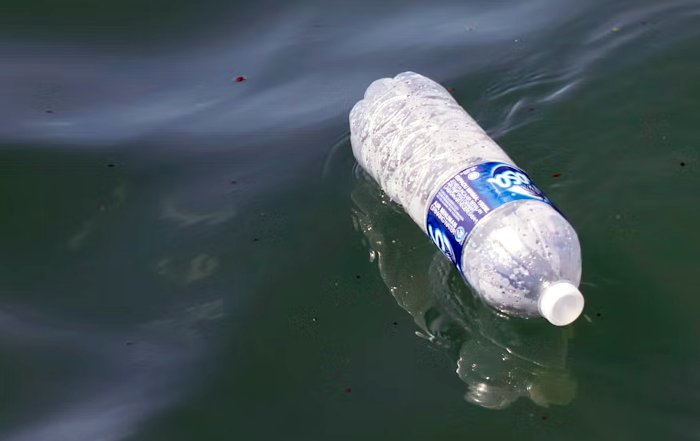
Although Carson focused on pesticides rather than plastics, the logic of Silent Spring-that synthetic substances introduced without full understanding of their long-term impacts can cause profound ecological harm-applies powerfully to the global plastics crisis of the 21st century. From the Pacific Ocean gyres to urban rivers in Asia and Africa, plastic pollution now threatens marine life, food safety, and human health, prompting a wave of activism and policy responses that echo Carson's call for precaution and systemic change. Organizations such as The Ocean Cleanup and Plastic Pollution Coalition are working to reduce plastic leakage into oceans and promote alternatives, while the United Nations is negotiating a global plastics treaty; readers can follow developments on the UN Environment plastics page.

The rise of plastic-free and zero waste lifestyles in cities from London and Berlin to Singapore, Tokyo, and New York reflects a growing recognition that waste is a design and systems problem, not merely an issue of individual behavior. By questioning the assumption that synthetic chemicals were the inevitable price of progress, Carson laid the intellectual groundwork for contemporary critiques of disposability and linear consumption. For eco-natur.com, which offers practical resources on plastic-free strategies and circular design, this lineage is important: it situates modern zero-waste practices within a broader historical movement toward systemic environmental responsibility.

Sustainable Business, Green Economy, and Investor Expectations

Perhaps one of the most striking developments since Silent Spring is the integration of environmental risk into mainstream economic and financial decision-making. What began as a moral and scientific argument has evolved into a core consideration for investors, lenders, and regulators who recognize that climate change, biodiversity loss, and pollution pose material threats to long-term value creation. Institutions such as the Task Force on Climate-related Financial Disclosures (TCFD) and its successor frameworks have pushed companies in the United States, Europe, and Asia to disclose climate risks and strategies, while central banks and financial regulators increasingly view environmental degradation as a source of systemic financial risk. Learn more about how climate and nature risks are being integrated into finance via the Network for Greening the Financial System at ngfs.net.

At the corporate level, sustainability is no longer confined to philanthropy or compliance; it is embedded in product development, supply chain management, capital allocation, and innovation portfolios. Companies across sectors-from renewable energy and green building to sustainable fashion and circular packaging-are rethinking business models to align profitability with ecological regeneration. The Ellen MacArthur Foundation has been instrumental in articulating the economic case for a circular economy, and its resources on circular business models illustrate how deeply Carson's challenge to linear, extractive systems has penetrated contemporary strategy. For eco-natur.com, whose coverage of the green economy and sustainable entrepreneurship is central to its identity, this convergence of environmental ethics and market logic underscores the continuing relevance of Carson's insights for executives, investors, and policymakers.

Health, Environment, and the Integrated Risk Perspective

Carson was among the first public intellectuals to argue convincingly that environmental contamination and public health could not be treated as separate policy domains. In 2026, this integrated perspective has become a foundational assumption of global governance, particularly in the wake of pandemics, climate-related disasters, and growing awareness of the health effects of air pollution, endocrine-disrupting chemicals, and microplastics. The Lancet Commission on Pollution and Health and similar initiatives have quantified the economic and social costs of pollution-related disease, providing robust evidence that environmental protection is a cost-effective public health strategy; readers can examine these findings via The Lancet's pollution and health resources.

Public health agencies in the United States, United Kingdom, Germany, Canada, and across the European Union, as well as in rapidly developing economies such as China, India, and Indonesia, now collaborate closely with environmental ministries to address cross-cutting issues like air quality, water safety, and chemical exposure. For eco-natur.com, which emphasizes the link between environmental quality and health, this integrated risk perspective is central to its mission of helping readers in regions from Scandinavia to South Africa understand how lifestyle, policy, and corporate decisions intersect with long-term well-being.

A Global, Interconnected Legacy for the 21st Century

As the world moves deeper into the 2020s, with climate negotiations, biodiversity summits, and sustainability standards shaping policy and business choices across continents, the legacy of Rachel Carson and Silent Spring can be seen as both a historical milestone and a living, evolving influence. Her insistence on scientific rigor, her courage in challenging powerful economic interests, and her ability to communicate complex ecological relationships to a broad audience continue to inspire environmental educators, activists, and decision-makers from the United States and Europe to Asia-Pacific, Latin America, and Africa. Institutions such as the United Nations Framework Convention on Climate Change (UNFCCC), whose negotiations can be followed through the UNFCCC website, operate within a conceptual universe that Carson helped to define: one in which human prosperity must be measured against the resilience of natural systems.

For eco-natur.com, which serves a global readership seeking credible, actionable guidance on sustainability, Carson's work is not merely a historical reference point but a guiding ethos. It informs the platform's commitment to evidence-based content on sustainability, renewable energy, recycling, organic food, and wildlife conservation, as well as its focus on practical solutions that individuals and organizations can implement in their own contexts, whether in urban centers of North America and Europe or rapidly growing cities in Asia, Africa, and South America. By connecting the scientific and ethical foundations laid by Carson to contemporary innovations in sustainable design, green finance, and regenerative agriculture, eco-natur.com positions itself as a bridge between legacy and future, helping readers understand not only where the modern environmental movement came from, but where it must go next.

In this sense, the true measure of Silent Spring is not only the policies it inspired or the organizations it helped create, but the ongoing willingness of citizens, businesses, and governments to ask the kind of questions Carson posed: What are the unseen consequences of our actions on the natural world? How can economic systems be redesigned to respect ecological boundaries? And what responsibilities do individuals and institutions bear toward future generations? As eco-natur.com continues to explore these questions across its coverage of sustainable living, green economies, and global environmental trends, it does so in dialogue with a legacy that remains as vital-and as challenging-as ever.

Community-Supported Agriculture Explained

Last updated by Editorial team at eco-natur.com on Tuesday 16 June 2026
Article Image for Community-Supported Agriculture Explained

Community-Supported Agriculture: Building Trust Between Land, Food, and People

Understanding Community-Supported Agriculture in a Changing World

Community-Supported Agriculture, widely known as CSA, has evolved from a niche experiment in local food systems into a mature global movement that connects citizens directly with farms, landscapes, and food cultures. As climate volatility, supply chain disruptions, and rising concerns about food quality continue to shape public debate, CSA stands out as a practical, trust-based model that redefines how households, businesses, and communities engage with agriculture. Rather than treating food as an anonymous commodity, CSA invites members to share both the risks and rewards of farming with producers, creating a partnership that is economic, ecological, and social at the same time.

At its core, a CSA agreement usually involves members purchasing a share of a farm's harvest in advance, thereby providing farmers with predictable income and working capital, while members receive regular boxes of seasonal produce and, in many cases, eggs, dairy, grains, meat, or flowers. This simple framework has been adapted to very different contexts across North America, Europe, Asia, Africa, and Latin America, yet the underlying principles remain similar: shared responsibility, transparency, and a commitment to sustainable land stewardship. For the readers of eco-natur.com, who are already exploring themes of sustainable living, sustainability, and organic food, CSA represents a tangible way to align everyday consumption with environmental values and social impact.

Origins and Global Evolution of CSA

The historical roots of CSA can be traced to community farming initiatives in Japan and Europe in the 1960s and 1970s, where citizens concerned about food safety and rural decline began pre-purchasing harvests from local farmers. In Japan, the concept of "teikei," often translated as "food with the farmer's face on it," emphasized personal relationships and mutual responsibility. Similar experiments in Switzerland and Germany later inspired CSA models in the United States and Canada during the 1980s. Since then, CSA has expanded across the United Kingdom, France, Italy, Spain, the Netherlands, Scandinavia, and further afield into countries such as Brazil, South Africa, China, and Thailand, reflecting the adaptability of the model to very different agricultural and cultural settings.

Organizations such as Urgenci - The International Network for Community-Supported Agriculture have played a key role in documenting and connecting these initiatives, helping to create a shared language around CSA and its principles. In many regions, CSA has become a central pillar of broader agroecology and food sovereignty movements that seek to empower farmers and communities while protecting ecosystems. Readers interested in the global policy context can explore how CSA aligns with the Food and Agriculture Organization of the United Nations (FAO) vision for sustainable food systems by visiting resources from the FAO on sustainable agriculture. These developments underscore that CSA is no longer a marginal experiment but a recognized instrument in the transition toward resilient and equitable food systems.

How CSA Works in Practice

While there is considerable variation across countries and regions, most CSA schemes share a set of common operational features that distinguish them from conventional retail or subscription models. Members typically sign a contract or informal agreement with a farm or a network of farms before the growing season, committing to pay a fixed fee for a share of the harvest. This pre-financing arrangement allows farmers to plan production, invest in seeds and infrastructure, and manage labor needs without relying solely on volatile market prices or bank loans. In exchange, members receive a regular delivery or pick-up of seasonal produce, often weekly or bi-weekly, throughout the season.

The content of CSA shares reflects local climate, soil, and farming practices. In the United States, a typical vegetable CSA might include a diverse mix of leafy greens, root crops, herbs, and fruits, while in Italy or Spain, shares may feature more Mediterranean crops such as tomatoes, peppers, and olives. In countries such as Germany, France, and the United Kingdom, multi-farm CSAs and cooperatives have emerged to provide a broader range of products, including bread from local grains, dairy from pasture-based herds, and meat from regenerative livestock systems. Many of these initiatives are guided by organic or biodynamic standards, and some are certified by bodies listed by the International Federation of Organic Agriculture Movements, further strengthening their credibility.

In Asia, CSA has often emerged as a response to concerns about food safety and pesticide use, especially in rapidly urbanizing regions of China, South Korea, and Thailand. Urban consumers, including professionals and families with young children, have sought closer relationships with trusted farmers to ensure the integrity of their food. Learn more about how regional food systems are evolving in Asia via analyses from the Asian Development Bank on food security and agriculture. Across all these contexts, the defining feature of CSA remains the same: a direct, transparent, and ongoing relationship between producers and members, anchored in mutual trust and shared risk.

CSA and Sustainable Living

For individuals and families seeking to live more sustainably, CSA offers a structured way to translate intentions into daily practice. Membership in a CSA often leads to a deeper awareness of seasonality, biodiversity, and the realities of farming, since the contents of each share reflect real-time conditions in the field rather than abstract consumer preferences. This can encourage members to cook more at home, reduce food waste, and diversify their diets by experimenting with unfamiliar vegetables or heritage varieties. Readers of eco-natur.com who are already exploring a more ecological lifestyle will recognize how CSA complements efforts to reduce environmental footprints in areas such as energy, transport, and housing.

From an environmental perspective, CSA farms frequently adopt practices that are aligned with ecological principles, even when they are not formally certified. Crop rotations, composting, cover crops, and integrated pest management are common features, helping to build soil health, conserve water, and reduce reliance on synthetic inputs. These practices contribute to climate mitigation by increasing soil organic matter and sequestering carbon, complementing broader transitions toward renewable energy and low-carbon infrastructure. Reports from bodies such as the Intergovernmental Panel on Climate Change (IPCC), which can be consulted via the IPCC website, highlight the importance of sustainable land management in achieving global climate goals, and CSA farms are often at the forefront of implementing these strategies at a local scale.

In addition, CSA membership can reinforce social dimensions of sustainable living by fostering community connections. Many farms host open days, harvest festivals, or volunteer opportunities, enabling members to visit the land, meet the farmers, and sometimes involve children in planting or harvesting activities. This experiential learning deepens appreciation for the labor and expertise behind each meal and can inspire broader engagement in environmental and social causes. For a platform like eco-natur.com, which integrates themes of health, food, and environment, CSA represents a concrete entry point into a more holistic understanding of sustainability.

Economic Resilience and the CSA Business Model

From a business and economic perspective, CSA offers a distinctive model that contrasts sharply with conventional agri-food supply chains. By receiving payment in advance, farmers can reduce financial uncertainty and improve cash flow, which is especially critical for small and medium-sized farms that often face limited access to credit and volatile market prices. This financial stability allows them to plan for the long term, invest in soil health, and adopt innovative practices without being forced to maximize short-term yields at the expense of ecological integrity. For a deeper understanding of how sustainable food systems contribute to broader economic resilience, readers can consult analyses from organizations such as the World Bank on agriculture and food systems.

For members, CSA can offer good value over the course of a season, particularly when they compare the quantity and quality of produce to organic retail prices. More importantly, members gain non-monetary value in the form of transparency, traceability, and a sense of shared purpose, which are increasingly important in an era when many consumers question the environmental and social impacts of globalized supply chains. On eco-natur.com, discussions about the economy and sustainable business often highlight the need for new models that internalize environmental costs and reward long-term stewardship; CSA exemplifies such an approach by aligning economic incentives with ecological and social outcomes.

In regions such as the United States, Canada, and the European Union, CSA has also contributed to the revitalization of peri-urban and rural economies by creating stable markets for small-scale, diversified farms. Local governments and policy institutions, including the European Commission, have recognized the potential of short supply chains and local food systems to support rural development and resilience, as reflected in policy documents available through the European Commission's agriculture and rural development portal. In emerging economies, CSA and related models can provide supplementary income for smallholders while strengthening local food security, especially in areas where climate impacts and market volatility threaten traditional livelihoods.

Trust, Transparency, and Food Quality

Trust is the cornerstone of CSA. Unlike anonymous retail transactions, CSA relationships are built on direct communication and a shared understanding of farming practices, risks, and constraints. Members typically know where their food comes from, who grows it, and how it is produced, which is particularly valuable in a time when food fraud, misleading labels, and opaque supply chains remain persistent concerns. Independent guidance from agencies such as the United States Department of Agriculture (USDA), accessible via the USDA website, and the European Food Safety Authority (EFSA), whose work can be explored at efsa.europa.eu, provides further context on standards and regulations, but CSA adds an additional layer of personal accountability and transparency.

Food quality in CSA systems is often closely linked to freshness and minimal processing. Because produce is harvested shortly before delivery, nutrient loss is reduced, and flavor is often superior to items that have traveled long distances or been stored for extended periods. Many CSA farms prioritize heirloom or regionally adapted varieties that may not fit the uniform appearance or shelf-life requirements of large retailers but offer greater diversity of taste, nutrition, and resilience. This emphasis on quality aligns with broader trends toward whole foods and minimally processed diets, which are increasingly recognized by organizations such as the World Health Organization (WHO) as important for long-term health; relevant information can be found via the WHO nutrition pages.

For eco-natur.com readers concerned with organic food, CSAs can provide a high level of assurance, particularly when farms are transparent about their methods and, where feasible, certified. However, the CSA relationship often goes beyond formal certification, as members can directly observe or inquire about practices, attend farm visits, and engage in dialogue with producers. This level of interaction fosters a culture of continuous improvement and mutual learning, reinforcing the experience, expertise, and authoritativeness of both farmers and informed consumers.

CSA, Biodiversity, and Wildlife Protection

Beyond food production, CSA can play a vital role in protecting biodiversity and wildlife habitats. Many CSA farms manage mosaics of fields, hedgerows, woodlots, and wetlands that provide shelter and food for birds, pollinators, and other wildlife. Practices such as reduced pesticide use, maintenance of wildflower strips, and preservation of riparian zones contribute to healthier ecosystems and more resilient landscapes. For readers interested in the intersection of farming and conservation, resources from organizations such as WWF offer valuable insights into sustainable agriculture and biodiversity.

On eco-natur.com, the focus on wildlife and biodiversity is closely connected to discussions about land use and agricultural design. CSA farms often experiment with agroforestry, permaculture, and mixed cropping systems that mimic natural ecosystems and provide habitats for a wide array of species. These diversified systems can enhance pollination and natural pest control, reducing the need for chemical inputs and supporting long-term soil fertility. In regions such as the United Kingdom, Sweden, and Denmark, CSA initiatives are increasingly collaborating with conservation groups and landscape planners to integrate ecological corridors and protected areas into their farm designs, demonstrating how food production and wildlife protection can be mutually reinforcing rather than competing objectives.

Plastic-Free, Zero-Waste, and Circular Practices in CSA

For many households and businesses striving to reduce plastic use and waste, CSA offers a practical framework for implementing plastic-free and zero-waste principles. Because CSA operates on a direct distribution model, there is greater flexibility to use reusable crates, fabric bags, glass jars, or simple paper packaging instead of single-use plastics. Members often return containers on a weekly basis, creating closed-loop systems that significantly reduce packaging waste compared to conventional retail channels. This approach aligns with broader circular economy strategies promoted by institutions such as the Ellen MacArthur Foundation, whose resources on the circular economy and food provide a useful conceptual framework.

In addition to packaging, CSA models can contribute to waste reduction by encouraging members to plan meals around seasonal abundance and by offering guidance on storage and preservation techniques such as pickling, fermenting, and freezing. Some CSA farms collaborate with local food processors, restaurants, or community kitchens to transform surplus produce into value-added products, thereby minimizing losses and creating additional revenue streams. Readers interested in practical guidance on recycling and waste reduction will find that CSA participation complements household efforts to minimize environmental impacts, while also supporting farms that are actively rethinking resource use and material flows.

Health, Nutrition, and Well-Being

The health benefits associated with CSA participation extend beyond the nutritional value of fresh produce. Regular access to seasonal fruits and vegetables encourages more plant-based meals, higher fiber intake, and reduced consumption of ultra-processed foods, all of which are linked to lower risks of chronic diseases such as obesity, type 2 diabetes, and cardiovascular conditions. Public health agencies, including the Centers for Disease Control and Prevention (CDC), emphasize the importance of fruit and vegetable consumption as part of healthy diets, as outlined in guidance available through the CDC nutrition pages.

Furthermore, the experiential aspects of CSA, such as farm visits, cooking classes, and community events, can have positive effects on mental health and social well-being. Engaging with nature, learning new skills in the kitchen, and building relationships with other members and farmers can strengthen a sense of belonging and purpose. On eco-natur.com, where health is viewed in close connection with environment and lifestyle, CSA represents an integrated approach to well-being that encompasses physical, emotional, and social dimensions. In countries such as Canada, Australia, and New Zealand, health practitioners and community organizations have begun promoting CSA participation as part of broader "food as medicine" and social prescribing strategies, recognizing the multifaceted benefits of closer relationships with food and land.

CSA in Urban, Suburban, and Rural Contexts

CSA has demonstrated its versatility across diverse geographic and socio-economic contexts, from dense urban centers to remote rural communities. In major metropolitan areas such as New York, London, Berlin, Paris, Tokyo, and Singapore, urban residents often access CSA through neighborhood pick-up points, workplace deliveries, or partnerships with community centers and schools. These arrangements reduce the environmental footprint associated with food transport and distribution while making fresh, seasonal produce accessible to time-pressed urban professionals and families. For a broader perspective on how cities are reshaping their food systems, readers can consult initiatives documented by C40 Cities, available at C40's food systems resources.

In suburban and rural areas, CSA often serves as a bridge between towns and surrounding farmland, reinforcing regional identities and supporting local economies. In the United States, United Kingdom, Germany, and the Nordic countries, CSA farms frequently collaborate with schools, restaurants, and local businesses to create integrated food networks that highlight regional specialties and culinary traditions. In parts of Africa, South America, and Southeast Asia, CSA-inspired models are being adapted to community gardens, cooperative farms, and social enterprises that address food insecurity and provide livelihoods for marginalized groups. These diverse experiences illustrate that CSA is not a one-size-fits-all solution but a flexible framework that can be tailored to local needs, cultures, and ecological conditions.

The Role of CSA in a Global Climate Sustainability Transition

As the world moves further into the 2020s, the urgency of transitioning to sustainable, resilient, and inclusive food systems is increasingly recognized by governments, businesses, and civil society. CSA contributes to this transition by demonstrating how localized, trust-based relationships can complement broader policy frameworks and technological innovations. While large-scale reforms in trade, regulation, and infrastructure remain essential, CSA shows that meaningful change can also emerge from the ground up, driven by communities that choose to reorient their consumption and investment patterns.

For eco-natur.com, which positions itself as a platform for integrated perspectives on sustainability, sustainable living, and global ecological challenges, CSA offers a concrete, actionable narrative that bridges high-level concepts with everyday practice. Whether readers are based in North America, Europe, Asia, Africa, or South America, they can explore local CSA options, support farmers committed to ecological stewardship, and participate in a broader cultural shift toward responsible consumption and production. To explore how these local actions connect to global agendas such as the Sustainable Development Goals, readers may consult the United Nations resources on sustainable development and food systems.

By engaging with CSA, individuals and organizations are not merely purchasing food; they are investing in landscapes, livelihoods, and learning processes that foster experience, expertise, authoritativeness, and trustworthiness across the food system. This alignment of values and practice is precisely the kind of transformation that platforms like eco-natur.com seek to illuminate, encouraging readers to see themselves not just as consumers, but as active participants in the co-creation of a more sustainable and equitable future.

Recycling Myths Debunked

Last updated by Editorial team at eco-natur.com on Monday 15 June 2026
Article Image for Recycling Myths Debunked

Recycling Myths Debunked: What Businesses and Households Need to Know

Introduction: Why Recycling Myths Still Matter

Finally recycling is more visible than ever in homes, offices, factories, and city streets across the world, yet confusion and misinformation continue to undermine its potential. Misunderstandings about what can be recycled, how recycling systems work, and whether recycling truly makes an environmental difference persist from the United States and United Kingdom to Germany, Canada, Australia, and beyond. For decision-makers in companies, public institutions, and households who care about sustainability, these myths can lead to disengagement, poor investment decisions, and missed opportunities to reduce environmental impact.

For eco-natur.com, whose readers are deeply engaged with sustainable living, sustainability, plastic-free choices, and recycling, debunking these myths is not a theoretical exercise; it is central to enabling practical, credible climate and resource strategies in homes and businesses. As global frameworks such as the United Nations Environment Programme's initiatives on waste and resource efficiency continue to evolve, and as policies like extended producer responsibility expand in Europe, Asia, North America, and South America, it becomes critical to separate persistent myths from evidence-based practice. Learn more about global waste and resource trends through the UNEP website.

This article examines the most common recycling myths that circulate across regions such as France, Italy, Spain, the Netherlands, Switzerland, China, Sweden, Norway, Singapore, Denmark, South Korea, Japan, Thailand, Finland, South Africa, Brazil, Malaysia, and New Zealand, and explains how businesses and households can respond strategically, drawing on experience, expertise, authoritativeness, and trustworthiness to make informed decisions.

Myth 1: "Recycling Does Not Really Help the Environment"

One of the most persistent myths is the belief that recycling is a symbolic gesture with negligible environmental benefits, especially when compared to actions such as reducing fossil fuel use or preserving forests. Yet life-cycle assessments conducted by organizations like the U.S. Environmental Protection Agency and the European Environment Agency consistently demonstrate that recycling, when properly implemented, significantly reduces greenhouse gas emissions, conserves raw materials, and saves energy. Readers can explore detailed data on waste and climate impacts via the EPA's sustainable materials management resources and the EEA's waste and circular economy pages.

When materials such as aluminum, steel, glass, paper, and many plastics are recycled, the energy required to produce new products drops dramatically compared to using virgin materials. For example, recycling aluminum can save up to 95 percent of the energy needed to produce it from bauxite ore, and similar though varying benefits exist for other materials. In regions with energy-intensive manufacturing, such as parts of Asia and Africa, these savings translate directly into lower carbon emissions and reduced air pollution. For eco-natur.com readers who are already engaged with renewable energy and carbon reduction strategies, understanding the real climate benefits of recycling helps integrate waste management into broader decarbonization plans.

The environmental benefits also extend beyond climate. Recycling reduces the need for mining, logging, and drilling, thereby alleviating pressure on ecosystems and wildlife, a concern particularly relevant to those following eco-natur.com's coverage of biodiversity and wildlife protection. While recycling is not a silver bullet and must be paired with reduction and reuse, the claim that it does not help the environment is simply inconsistent with decades of empirical evidence.

Myth 2: "Everything Placed in the Recycling Bin Gets Recycled"

Another widespread misconception is the assumption that anything placed in a recycling bin will automatically be recycled, regardless of its condition or composition. In reality, recycling systems in the United States, Europe, and across Asia-Pacific rely on complex sorting and quality control processes. Items that are contaminated with food, liquid, or non-recyclable materials can be rejected, either at sorting facilities or at later stages in the supply chain. This is a critical issue for both households and businesses, as "wishcycling"-putting questionable items in the recycling bin in the hope that they will be recycled-can actually reduce the recyclability of entire batches.

Organizations such as The Recycling Partnership and WRAP UK have documented how contamination rates affect the economics and feasibility of recycling programs, especially for materials like paper and certain plastics. Readers can study these dynamics via resources from The Recycling Partnership and waste guidance from WRAP in the United Kingdom. For companies operating across multiple countries, understanding local contamination thresholds and material acceptance rules is essential to designing effective recycling policies in offices, warehouses, and retail locations.

For eco-natur.com, the practical implication is that education and clear communication are as important as infrastructure. Households and organizations must understand which materials their local systems accept, how to prepare them, and when items should instead be directed to reuse, repair, composting, or safe disposal. This aligns with the site's broader focus on zero-waste strategies, where the goal is not only to divert materials from landfill but to maintain material quality so that recycling remains economically and environmentally viable.

Myth 3: "Recycling Uses More Energy Than It Saves"

A recurring myth, often amplified in online discussions, claims that the energy required to collect, transport, and process recyclables outweighs the benefits of recycling itself. Peer-reviewed research and industry data from bodies such as the International Energy Agency and World Resources Institute consistently contradict this narrative. Learn more about resource and energy efficiency through the IEA's material efficiency work and the WRI's circular economy insights.

The energy balance of recycling depends on the material, the efficiency of local collection systems, and the energy mix of the region. In countries with advanced infrastructure such as Germany, Sweden, Norway, Netherlands, Japan, and South Korea, well-optimized logistics and modern sorting facilities ensure that recycling yields substantial net energy savings. Even in regions where infrastructure is still developing, the energy required to recycle metals, glass, and high-quality paper is typically much lower than that needed to produce them from raw materials.

Businesses that conduct life-cycle assessments of their products increasingly confirm these findings. By integrating recycled content into packaging and product design, companies in sectors as diverse as construction, consumer goods, and electronics reduce both energy use and material costs. For readers engaged with eco-natur.com's sustainable business insights and economic perspectives on sustainability, understanding this energy balance clarifies why investors and regulators are pushing for higher recycled content standards, rather than abandoning recycling altogether.

Myth 4: "Plastic Recycling Is a Failure, So It Is Not Worth Trying"

Plastic is at the center of many recycling debates, and there is a growing narrative that plastic recycling has "failed" globally. While it is true that recycling rates for plastics remain relatively low compared with metals or paper, and that certain plastic types are extremely difficult to recycle, it is misleading to conclude that all plastic recycling is futile. The reality is more nuanced, and it has significant implications for those committed to plastic-free strategies and responsible material use.

Reports from organizations like OECD and Ellen MacArthur Foundation have highlighted both the systemic challenges and the emerging solutions in plastic recycling. Readers can examine these trends through the OECD's plastics and environment work and the Ellen MacArthur Foundation's New Plastics Economy initiative. Many countries, including Germany, Netherlands, Sweden, South Korea, Japan, and Singapore, now operate deposit-return schemes and advanced sorting technologies that achieve significantly higher recycling rates for PET bottles and certain rigid plastics than the global average.

However, the myth that plastic recycling has failed often stems from conflating all plastics into a single category. In practice, some plastics, such as PET and HDPE, have established recycling markets, while others, like multi-layer films and certain composite materials, remain challenging. For eco-natur.com readers, the strategic takeaway is to prioritize reduction and substitution of problematic plastics, support product and packaging design that favors recyclable resins, and advocate for policies that expand deposit-return and extended producer responsibility systems. Complementing these efforts with organic and low-packaging food choices can further reduce plastic dependency, especially in sectors such as groceries, personal care, and household products.

Myth 5: "Recycling Is the Same Everywhere"

Many multinational companies and globally mobile consumers assume that recycling rules and capabilities are broadly similar across regions, leading to standardized internal guidelines that are mismatched with local realities. In truth, recycling systems vary dramatically between countries and even between neighboring municipalities. What can be recycled in Germany or Switzerland may not be accepted in many parts of the United States or South Africa, and vice versa, due to differences in infrastructure, markets, policy frameworks, and public awareness.

Organizations such as the World Bank and OECD have documented these disparities in their analyses of municipal solid waste management. Readers can review comparative data through the World Bank's "What a Waste" resources and the OECD's environment statistics. For businesses operating in diverse markets such as Brazil, Malaysia, Thailand, and New Zealand, this means that a one-size-fits-all recycling policy is rarely effective. Instead, leading companies are adopting location-specific waste management strategies, supported by local partners and detailed mapping of material flows.

For eco-natur.com, whose audience is truly global, this variability underscores the importance of localized knowledge and flexible guidance. While the principles of sustainable living and lifestyle choices are universal, the practical steps for recycling correctly must be tailored to local conditions. Encouraging readers to consult municipal guidelines, regional waste authorities, and credible local organizations helps bridge the gap between global intent and local implementation.

Myth 6: "Recycling Is Only About Household Waste"

Another myth that limits progress is the assumption that recycling is primarily a household responsibility, centered on kitchen bins and curbside collections. In reality, a substantial share of recyclable materials originates from commercial and industrial sources, including construction, manufacturing, logistics, and retail. Ignoring these streams can significantly undercut the potential of recycling to support a circular economy.

Industry-focused organizations such as World Business Council for Sustainable Development and Ellen MacArthur Foundation emphasize that business-to-business material flows-such as pallets, packaging, scrap metals, and off-spec products-offer some of the highest-volume and most economically attractive recycling opportunities. Learn more about corporate circular economy strategies from the WBCSD's circular economy program and further resources from the Ellen MacArthur Foundation. Companies that integrate recycling into procurement, logistics, and product design often discover cost savings, resilience benefits, and reputational gains, especially in markets where customers, regulators, and investors are increasingly scrutinizing waste performance.

For readers of eco-natur.com who manage or influence organizations, this myth highlights the need to embed recycling into broader sustainable business strategies rather than treating it as a peripheral facilities issue. Aligning recycling with product stewardship, circular design, and material innovation-topics also explored in eco-natur.com's coverage of sustainable design-helps ensure that recycling becomes a value-creating component of the business model rather than a compliance burden.

Myth 7: "Landfills and Incineration Have Replaced the Need for Recycling"

In some regions, especially where land is abundant or waste-to-energy plants are expanding, there is a belief that modern landfills and incinerators have made recycling less relevant. While engineered landfills and advanced incineration technologies are safer and more efficient than historical practices, they do not address the fundamental challenge of resource depletion and material waste. Landfills, even well-managed ones, tie up valuable materials indefinitely and can still pose long-term environmental risks, while incineration, although capable of energy recovery, typically destroys material value that could otherwise support a circular economy.

The International Solid Waste Association and research institutions such as Chalmers University of Technology in Sweden have analyzed the role of waste-to-energy in integrated waste management systems, emphasizing that it should complement, not replace, high-quality recycling and waste prevention. Readers can explore these perspectives through the ISWA's knowledge base and academic insights into circular waste systems from Chalmers' circular economy research. In Europe, the waste hierarchy enshrined in policy places prevention and recycling above energy recovery and disposal, reflecting a consensus that long-term sustainability requires material loops, not just safe disposal.

For eco-natur.com, which emphasizes holistic sustainability and global perspectives, this myth is particularly important to address. While waste-to-energy can play a role in managing residual waste, especially in densely populated areas of Asia and Europe, it should not be used as an excuse to neglect recycling investments or to delay the shift toward product designs and business models that minimize waste at the source.

Myth 8: "Recycling and Wildlife Conservation Are Unrelated"

Some observers view recycling as a purely technical or urban issue, separate from concerns about wildlife, ecosystems, and biodiversity. In practice, the way societies manage materials has direct and indirect consequences for habitats and species across Africa, South America, Asia, and Oceania. When materials are not properly collected and recycled, they often leak into rivers, oceans, and landscapes, where they can harm wildlife through entanglement, ingestion, and habitat degradation.

Organizations such as World Wildlife Fund and IUCN have documented the impact of plastic pollution, metal and glass debris, and other waste on marine and terrestrial species. Readers can learn more about these impacts through the WWF's plastic and oceans work and the IUCN's marine plastics program. For countries with rich biodiversity such as Brazil, South Africa, Malaysia, and Thailand, improving recycling and waste management is not only a climate and resource priority but also a critical component of conservation strategies.

For the eco-natur.com community, which follows topics such as wildlife, biodiversity, and health, recognizing this connection reinforces the idea that everyday decisions about packaging, product choices, and waste separation have far-reaching ecological consequences. By supporting effective recycling systems, individuals and businesses contribute to cleaner habitats, reduced pollution, and healthier ecosystems, aligning personal and corporate actions with broader conservation goals.

Myth 9: "Recycling Alone Is Enough to Achieve Sustainability"

A final and subtle myth is not that recycling is ineffective, but that it is sufficient. Some organizations and individuals treat recycling as a complete sustainability strategy, believing that as long as materials are recycled, they can continue with "business as usual" consumption and production patterns. This mindset is increasingly at odds with scientific assessments from bodies such as the Intergovernmental Panel on Climate Change and the International Resource Panel, which stress the need for systemic changes in energy, materials, land use, and consumption. Readers can explore these broader resource and climate perspectives via the IPCC's reports and the International Resource Panel's assessments.

Recycling is an essential pillar of a circular economy, but it must be complemented by reduction, reuse, repair, and redesign. For example, shifting to organic and low-impact foods, adopting durable and repairable products, and redesigning packaging to eliminate unnecessary materials can reduce the volume of waste that needs to be managed in the first place. Similarly, aligning recycling with sustainable living and lifestyle choices ensures that environmental benefits extend beyond the waste bin into energy use, mobility, housing, and diet.

For businesses, relying solely on recycling targets without addressing product design, supply chains, and business models risks accusations of greenwashing and leaves significant value untapped. Integrating recycling into comprehensive sustainability strategies that encompass climate, resource efficiency, social impact, and resilience is increasingly recognized by investors, regulators, and consumers as a marker of true leadership.

Building a Credible Recycling Culture for the Future

The global conversation around recycling is becoming more sophisticated. Governments in United States, Canada, European Union member states, and countries across Asia-Pacific are tightening regulations on packaging, mandating higher recycled content, and investing in circular infrastructure. At the same time, citizens and businesses are demanding clearer information, better labeling, and more transparent data about what happens to their waste.

For eco-natur.com, the mission is to support this transition by providing trustworthy, experience-based guidance that connects recycling to the broader themes of sustainability, economy, health, and biodiversity. By addressing myths head-on, and by grounding discussions in credible sources and practical examples, the platform helps readers in North America, Europe, Asia, Africa, and South America navigate complex choices with confidence.

Recycling alone will not solve the environmental challenges of the 21st century, but when combined with responsible consumption, circular design, renewable energy, and thoughtful policy, it becomes a powerful tool for building a more resilient and equitable world. Readers who wish to deepen their understanding of these interconnections can explore further resources across eco-natur.com, including its focus on recycling, sustainable business, economy, zero waste, global sustainability, and the broader vision presented on the eco-natur.com home page.

By moving beyond myths and embracing evidence-based practices, businesses, policymakers, and households can transform recycling from a confusing obligation into a strategic pillar of sustainable living, unlocking environmental, economic, and social benefits that resonate far beyond the recycling bin.

Protecting Pollinators in Your Backyard

Last updated by Editorial team at eco-natur.com on Sunday 14 June 2026
Article Image for Protecting Pollinators in Your Backyard

Protecting Pollinators in Your Backyard: A Strategic Imperative for Homes and Businesses

Why Pollinators Matter to the Global Economy and to Eco-Natur's Community

The conversation about climate, biodiversity, and sustainable growth has moved decisively from the margins to the center of economic and policy debates, and nowhere is this shift more visible than in the growing focus on pollinators. From suburban gardens in the United States and the United Kingdom to vineyards in France, almond orchards in Australia, coffee farms in Brazil, and urban rooftops in Singapore, bees, butterflies, moths, bats, and other pollinating species are now recognized not just as symbols of nature, but as critical infrastructure for the global food system and the wider economy. For the readers and partners of Eco-Natur and the eco-natur.com community, who are already engaged with themes of sustainable living, sustainability, and wildlife protection, protecting pollinators in the backyard has become a tangible, local expression of global responsibility.

Leading organizations such as the Food and Agriculture Organization of the United Nations (FAO) estimate that a significant proportion of the world's food crops, including fruits, vegetables, nuts, and oilseeds, depend at least in part on animal pollination, and this dependence is especially evident in high-value crops that underpin rural livelihoods and export revenues in regions such as Europe, North America, Asia, Africa, and South America. Readers who wish to understand the macroeconomic dimension can explore how pollinators support agricultural productivity and rural economies through resources such as the FAO's overview of pollinators and food production. Yet, beyond the macro statistics, the crucial insight for households, small businesses, and sustainability-oriented enterprises is that pollinator protection is no longer solely the concern of large farms or conservation organizations; it is a practical, evidence-based action that can be implemented in every backyard, balcony, rooftop, and business landscape, directly aligning with the values and guidance that Eco-Natur promotes through its coverage of sustainable business strategies and green economic models.

The Science of Pollination and the Global Decline in Pollinators

Scientific understanding of pollination ecology has advanced rapidly over the past decade, revealing intricate relationships between plants and the animals that transfer pollen between flowers, enabling fertilization and seed production. The Intergovernmental Science-Policy Platform on Biodiversity and Ecosystem Services (IPBES) has highlighted how more than three-quarters of global food crop types benefit from animal pollination, and how this service supports not only food quantity but also quality, nutritional value, and resilience in the face of climate variability. Those interested in a deeper scientific foundation can review the IPBES assessment on pollinators, pollination, and food production to see how this ecosystem service underpins both local food security and international trade.

At the same time, multiple long-term monitoring programs in Europe, North America, and Asia have documented declines in wild bee populations, butterflies, and other pollinators, driven by a combination of habitat loss, pesticide exposure, climate change, invasive species, and disease. The International Union for Conservation of Nature (IUCN) and national conservation agencies in countries such as Germany, the United Kingdom, and Sweden have placed several bee and butterfly species on red lists of threatened species, underscoring the urgency of action at every scale. For a global overview of species status, readers can consult the IUCN Red List and its analysis of threatened pollinator species. These scientific findings are not abstract; they translate into practical guidance for how individuals and businesses can use their properties more intelligently, designing gardens, yards, and corporate landscapes that serve as refuges and corridors for pollinators, in line with the nature-positive approach that Eco-Natur advocates across its coverage of biodiversity and global environmental trends.

Backyard Habitats as Strategic Biodiversity Infrastructure

Across cities in the Netherlands, suburban communities in Canada, rural regions of Italy and Spain, and emerging megacities in Asia and Africa, a growing body of research shows that small, well-managed green spaces can collectively form powerful networks of habitat for pollinators. The concept of "backyard biodiversity infrastructure" has gained traction among urban planners and sustainability professionals, who now see residential and commercial landscapes not merely as decorative spaces, but as functional components of ecological networks that connect parks, nature reserves, and agricultural land. The United Nations Environment Programme (UNEP) has provided guidance on how urban nature can contribute to resilience, and readers can explore how cities are integrating pollinator-friendly design through UNEP's resources on urban biodiversity and ecosystems.

For the eco-natur.com audience, this perspective aligns directly with the site's emphasis on sustainable living choices that have measurable environmental outcomes. In practical terms, a backyard in the United States planted with native flowering shrubs, a balcony garden in Germany filled with pesticide-free herbs, a community garden in South Africa with diverse flowering crops, or a rooftop meadow in Singapore designed with local wildflowers can each function as stepping stones that allow pollinators to move across fragmented landscapes. These micro-habitats help offset the homogenization of rural land caused by intensive agriculture and large-scale monocultures, while also mitigating the ecological simplification often seen in conventional ornamental landscaping.

Designing a Pollinator-Friendly Backyard: From Aesthetic to Ecological Performance

Designing a backyard that actively supports pollinators involves moving beyond purely aesthetic criteria and evaluating plant choices, layout, and maintenance practices through an ecological lens. Landscape architects and ecologists now emphasize the importance of plant diversity, structural variety, and continuous bloom throughout the growing season, ensuring that nectar and pollen are available from early spring to late autumn in temperate climates and year-round in tropical and subtropical regions. The Royal Horticultural Society (RHS) in the United Kingdom has developed practical guidance on choosing plants for pollinators, which can be adapted to different regions and climate zones, including continental Europe, North America, and parts of Asia and Oceania.

For readers of Eco-Natur, who are often already attentive to sustainable design and material choices, integrating pollinator support can be seen as a natural extension of broader environmental goals. The selection of native or well-adapted flowering plants, the incorporation of layered vegetation from groundcovers to shrubs and small trees, and the reduction of heavily manicured lawns in favor of meadow-like plantings all contribute to a more resilient backyard ecosystem. Those interested in aligning garden design with broader sustainable principles can explore Eco-Natur's insights on eco-conscious design, which complement technical guidance from institutions such as the United States Department of Agriculture (USDA), whose Natural Resources Conservation Service provides region-specific recommendations for pollinator-friendly plantings.

Reducing Pesticides and Embracing Integrated Pest Management

One of the most significant threats to pollinators across the United States, Europe, and parts of Asia has been the widespread use of synthetic pesticides, especially systemic insecticides that can persist in plant tissues and contaminate nectar and pollen. Scientific reviews by agencies such as the European Food Safety Authority (EFSA) and the United States Environmental Protection Agency (EPA) have examined the risks posed by certain classes of pesticides, prompting regulatory restrictions in the European Union and heightened scrutiny in other jurisdictions. Readers who wish to understand the regulatory science can consult the EPA's overview of pollinator protection and pesticides.

For homeowners, small businesses, and community organizations, the most effective response is often to reduce or eliminate routine pesticide use in gardens and landscapes, replacing it with integrated pest management approaches that prioritize prevention, biological control, and targeted interventions only when necessary. This shift aligns closely with Eco-Natur's advocacy for plastic-free and toxin-reduced lifestyles, where the emphasis is on minimizing unnecessary chemical inputs into homes, soils, and waterways. By tolerating minor aesthetic imperfections in plants, encouraging beneficial insects such as ladybirds and lacewings, and using physical barriers or organic treatments only when absolutely needed, backyard managers can significantly reduce the chemical burden on pollinators while still maintaining healthy and attractive landscapes.

Supporting Pollinators through Water, Shelter, and Nesting Sites

While flowering plants and pesticide reduction are central, robust pollinator support in a backyard or business property also requires attention to water, shelter, and nesting opportunities. Wild bees, for example, include many solitary species that nest in bare soil, hollow stems, or existing cavities, while butterflies and moths need host plants for their larvae and safe overwintering sites. Providing shallow water sources with landing stones, leaving some areas of bare or lightly mulched ground, and retaining dead wood or hollow stems in discreet parts of the garden can substantially increase habitat quality. The Xerces Society for Invertebrate Conservation, a leading organization in North America, offers detailed guidance on creating habitat for native pollinators, which can inspire adaptations in Europe, Asia, and beyond.

For readers of eco-natur.com, many of whom are already engaged with zero-waste principles, the creation of nesting sites and shelters can be integrated into broader resource-efficient practices. For instance, instead of discarding pruned branches or untreated timber, these materials can be repurposed into insect hotels or habitat piles, while old clay pots and natural stones can be arranged to create microhabitats that benefit both pollinators and other beneficial wildlife. In urban settings, small interventions such as leaving a section of a balcony planter undisturbed or installing a bee hotel on a sunny wall can have disproportionate benefits, particularly in cities where natural cavities and undisturbed ground are scarce.

Organic Food, Pollinators, and Consumer Choices

The relationship between pollinators and food is bidirectional: pollinators support the production of many foods valued by consumers, and consumer choices, in turn, influence agricultural practices that can either harm or help pollinator populations. The growing demand for organic and agroecological products in markets from Germany and France to Japan, South Korea, and New Zealand has encouraged farmers to adopt practices that reduce synthetic pesticide use, increase crop diversity, and maintain semi-natural habitats on farms, all of which tend to benefit pollinators. The Research Institute of Organic Agriculture (FiBL) and international networks such as IFOAM - Organics International have documented how organic systems often support higher pollinator abundance and diversity compared with conventional systems, and readers can explore these dynamics through overviews of organic agriculture and biodiversity.

For the Eco-Natur community, which already engages with organic food choices as part of a broader sustainable lifestyle, this connection highlights how everyday purchasing decisions can reinforce the benefits created in their own backyards. Choosing certified organic fruits, vegetables, and nuts where possible, supporting local farmers' markets and community-supported agriculture schemes, and favoring products that explicitly commit to pollinator-friendly practices all help create market signals that reward responsible land stewardship. In turn, these shifts in demand encourage farmers in regions as diverse as Brazil, Thailand, and South Africa to experiment with diversified cropping systems, flowering field margins, and reduced pesticide regimes, amplifying the impact of individual backyard actions.

Pollinators, Climate Resilience, and the Future of Sustainable Living

As climate change accelerates, with observable impacts on temperature regimes, precipitation patterns, and extreme weather events across Europe, Asia, Africa, and the Americas, pollinators face new challenges. Changes in flowering times, mismatches between plant blooms and pollinator activity, and the spread of pests and diseases into new regions all threaten to destabilize the delicate timing and interactions that underpin pollination services. The Intergovernmental Panel on Climate Change (IPCC) has highlighted how climate-driven shifts in species distributions and phenology can affect ecosystem services, and readers can explore these dynamics in the IPCC's assessments of climate change impacts on ecosystems.

Within this context, the backyard becomes a testing ground for climate-resilient practices that support both pollinators and human communities. Planting a diversity of species with staggered flowering times, selecting varieties tolerant of heat or drought, and incorporating features such as rain gardens and shade trees all help buffer gardens against climate extremes while providing continuous resources for pollinators. For households and businesses that follow Eco-Natur's guidance on renewable energy adoption and low-carbon lifestyles, integrating climate-smart planting strategies into backyard management is a logical next step, ensuring that pollinator-friendly landscapes remain functional even as environmental conditions change.

The Business Case: Pollinators, Corporate Landscapes, and ESG Performance

For businesses in sectors ranging from real estate and retail to hospitality and manufacturing, corporate landscapes and facility grounds represent underutilized assets in the pursuit of environmental, social, and governance (ESG) goals. Transforming conventional lawns and ornamental plantings into pollinator-friendly habitats can contribute to biodiversity targets, climate adaptation strategies, employee well-being, and community relations. Organizations such as the World Business Council for Sustainable Development (WBCSD) and the World Economic Forum (WEF) have increasingly emphasized nature-positive business models and the integration of biodiversity into corporate risk management, and readers can explore how leading companies are acting on these priorities through analyses of business and nature.

From the perspective of Eco-Natur and its content on sustainable business, the protection of pollinators in corporate backyards, campuses, and industrial sites is not merely a philanthropic gesture; it is a strategic investment in ecosystem services, brand reputation, and regulatory preparedness. Companies operating in regions such as the United States, Germany, Japan, and Singapore are already facing increasing expectations from investors, regulators, and customers to demonstrate concrete contributions to biodiversity and climate resilience, and pollinator-friendly landscaping offers a visible, measurable, and relatively low-cost avenue for doing so. When combined with employee engagement programs, citizen-science monitoring of pollinators, and transparent reporting, these initiatives can strengthen trust and demonstrate that sustainability commitments extend beyond rhetoric into tangible land-management practices.

Policy, Community Action, and the Role of Eco-Natur

Public policy frameworks in the European Union, the United Kingdom, Canada, and several Asian and Latin American countries are increasingly supportive of pollinator protection, through national pollinator strategies, agri-environment schemes, and urban biodiversity plans. The European Commission, for example, has advanced an EU Pollinators Initiative that encourages member states to restore habitats, reduce pesticide risks, and improve monitoring, and readers can learn more about these policy directions through the Commission's summary of actions for pollinators. At the municipal level, cities from Copenhagen and Oslo to Melbourne and Vancouver are experimenting with pollinator-friendly mowing regimes, wildflower corridors, and public education campaigns, recognizing that citizen participation is essential to scaling up impact.

Within this evolving landscape, Eco-Natur serves as both a knowledge hub and a connector for individuals, families, and businesses who want to align their daily decisions with larger environmental and economic transitions. By curating practical guidance on recycling and resource efficiency, promoting sustainable living practices, and highlighting the links between biodiversity, health, and the economy, the platform helps its audience move from awareness to action. In the specific context of pollinators, eco-natur.com can amplify best practices from around the world, showcase case studies from different climates and cultures, and encourage its community to view every backyard, terrace, or corporate courtyard as a strategic asset in the global effort to protect the living systems that underpin food, livelihoods, and long-term prosperity.

Toward a Pollinator-Positive Future

Thinking what's coming ahead to the remainder of this decade, protecting pollinators in backyards, gardens, and business landscapes will increasingly be seen as a core component of responsible citizenship and modern sustainability strategy, rather than a niche hobby for nature enthusiasts. As evidence accumulates from scientific research, policy experimentation, and on-the-ground practice in regions as diverse as the United States, China, South Africa, and Brazil, it becomes clear that small-scale actions, when replicated across millions of properties, can collectively restore ecological functions that have been eroded by decades of intensive land use and chemical dependence.

For the global audience of Eco-Natur, spanning Europe, Asia, Africa, Oceania, and the Americas, the message is both empowering and demanding. It is empowering because every reader, regardless of whether they manage a large garden in the countryside, a modest backyard in a suburb, a balcony in a high-rise, or a corporate campus in a major city, holds a portion of the solution in their hands. It is demanding because meaningful change requires a willingness to rethink conventional aesthetics, to prioritize ecological performance over short-term convenience, and to integrate pollinator protection into broader decisions about consumption, energy, and economic activity.

By treating backyards as critical habitat, aligning purchasing choices with pollinator-friendly agriculture, engaging in community and corporate initiatives, and drawing on the expertise and resources available through eco-natur.com and trusted international organizations, individuals and businesses can help secure a pollinator-positive future. In doing so, they not only protect bees, butterflies, and other vital species, but also reinforce the foundations of a resilient, sustainable, and inclusive global economy that recognizes the true value of nature in every decision it makes.

The Triple Bottom Line in Modern Business

Last updated by Editorial team at eco-natur.com on Saturday 13 June 2026
Article Image for The Triple Bottom Line in Modern Business

The Triple Bottom Line in Modern Business: From Concept to Competitive Advantage

Rethinking Success: People, Planet and Profit

The triple bottom line has moved from an aspirational concept discussed in academic circles to a practical framework reshaping how leading companies in the United States, Europe, Asia, Africa and South America define success, allocate capital and communicate with stakeholders. Originally popularized by sustainability pioneer John Elkington, the idea that businesses should account not only for financial profit but also for social and environmental impact has become embedded in regulatory expectations, investor analysis and consumer behavior, particularly in markets such as the United Kingdom, Germany, Canada, Australia, France, Italy, Spain, the Netherlands, the Nordic countries and major Asian economies including China, Japan, South Korea and Singapore.

For eco-natur.com, which has long advocated for integrated thinking across sustainability, sustainable living, plastic-free lifestyles and recycling, the triple bottom line is not a passing trend but a structural shift in how the global economy functions. It offers a coherent lens through which to connect individual lifestyle choices with corporate strategy, regulatory frameworks and macroeconomic transitions toward low-carbon, circular and inclusive models of growth.

As organizations from Unilever and Patagonia to Microsoft and IKEA integrate environmental, social and governance (ESG) metrics into core strategy, the triple bottom line provides a language that resonates with investors, employees, communities and policymakers alike. Businesses that once viewed sustainability as a cost center now recognize that robust environmental performance, strong social license to operate and transparent governance can reduce risk, open new markets and enhance long-term profitability. Learn more about how ESG is reshaping capital markets through resources from the World Economic Forum.

Defining the Triple Bottom Line: People, Planet, Profit

The triple bottom line framework posits that business performance should be evaluated across three interconnected dimensions: people (social impact), planet (environmental impact) and profit (economic performance). While traditional accounting focuses narrowly on financial statements, this broader approach acknowledges that long-term value creation depends on the resilience of social systems, the health of ecosystems and the stability of the broader economy.

The "people" dimension encompasses employee well-being, diversity and inclusion, community engagement, human rights in supply chains and contributions to public health and education. In practice, this means companies are increasingly expected to demonstrate fair labor practices, provide safe and inclusive workplaces and ensure that products and services do not harm vulnerable communities. Organizations seeking guidance on social impact metrics often turn to frameworks developed by institutions such as the International Labour Organization and the United Nations Global Compact.

The "planet" dimension addresses resource use, emissions, pollution, biodiversity and the broader ecological footprint of business operations and value chains. This includes decarbonization strategies aligned with the Paris Agreement, circular economy initiatives, water stewardship and protection of habitats and species. Businesses are aligning with scientific guidance from bodies such as the Intergovernmental Panel on Climate Change and using tools like science-based targets to translate global climate goals into operational action. For readers of eco-natur.com, this dimension connects directly with topics such as renewable energy, biodiversity and wildlife protection.

The "profit" dimension remains essential, but its meaning is evolving from short-term earnings maximization to long-term value creation for shareholders and stakeholders. Modern sustainable businesses increasingly consider systemic risks such as climate change, resource scarcity and social instability as material financial factors. Institutions like the OECD and World Bank have emphasized that resilient, inclusive economies depend on integrating environmental and social considerations into economic decision-making, a perspective that aligns closely with the sustainable business and economy focus areas developed by eco-natur.com.

Regulatory Momentum and Investor Expectations in 2026

By 2026, the triple bottom line is no longer driven solely by voluntary corporate commitments; it is increasingly codified through regulation and investor requirements across North America, Europe and Asia-Pacific. In the European Union, the Corporate Sustainability Reporting Directive (CSRD) has expanded the scope and depth of non-financial reporting, requiring thousands of companies, including many based in Germany, France, Italy, Spain and the Netherlands, to disclose detailed environmental and social data. The European Commission provides extensive documentation and technical standards that are reshaping corporate reporting practices far beyond Europe's borders.

In the United States, the Securities and Exchange Commission (SEC) has advanced climate-related disclosure requirements, while state-level regulations in California and other jurisdictions push companies to account for supply chain emissions, labor practices and environmental justice concerns. Investors, guided by organizations such as the Principles for Responsible Investment, are integrating these disclosures into portfolio construction, risk assessment and engagement strategies, effectively rewarding companies that embrace triple bottom line principles and penalizing those that lag behind.

Across Asia, regulators in markets such as Singapore, Japan, South Korea and China are strengthening ESG disclosure frameworks, often referencing global standards from bodies like the International Sustainability Standards Board and the Task Force on Climate-related Financial Disclosures (TCFD). In parallel, sovereign wealth funds and large institutional investors in regions such as the Nordics and the Middle East are increasingly conditioning capital allocation on robust sustainability performance, further embedding triple bottom line thinking into the global financial system.

This convergence of regulation and investor expectations has direct implications for businesses of all sizes, including small and medium-sized enterprises in Canada, Australia, New Zealand, South Africa, Brazil, Malaysia and Thailand, which supply global value chains. Companies that can demonstrate credible environmental and social performance, supported by transparent data and robust governance, are better positioned to secure financing, win contracts and maintain access to key markets.

From Compliance to Strategy: Integrating the Triple Bottom Line

While compliance with emerging regulations is a necessary starting point, the most forward-looking organizations are using the triple bottom line as a strategic framework rather than a reporting obligation. For many of the businesses that engage with eco-natur.com, the question is not whether to address sustainability but how to embed it systematically into core operations, product design, supply chains and customer relationships.

Strategic integration typically begins with a materiality assessment that identifies which environmental and social issues are most relevant to the business model and stakeholder expectations. Companies then align these priorities with the UN Sustainable Development Goals, using guidance from platforms such as the UN SDG Knowledge Platform and sector-specific roadmaps from industry associations. This process helps organizations translate broad sustainability aspirations into targeted initiatives around areas such as low-carbon logistics, circular product systems, regenerative agriculture or inclusive employment.

At the operational level, triple bottom line integration often involves redesigning processes to reduce waste, energy use and emissions, while improving worker safety and community outcomes. For example, manufacturers in Germany, Sweden and Denmark are adopting circular economy principles inspired by resources from the Ellen MacArthur Foundation, shifting from linear "take-make-dispose" models toward closed-loop systems that prioritize durability, repairability and recycling. This approach aligns closely with the zero waste philosophy and recycling strategies that eco-natur.com promotes for both individuals and organizations.

In service sectors, from finance and technology to tourism and healthcare, triple bottom line integration may focus on digital solutions that reduce resource use, inclusive access to services and ethical data governance. Companies are increasingly using sustainability-linked performance indicators in executive compensation and integrating ESG metrics into enterprise risk management, recognizing that climate risks, social unrest and biodiversity loss can have direct financial consequences. Learn more about emerging risk frameworks through resources offered by the World Business Council for Sustainable Development.

Sustainable Supply Chains and the Plastic-Free Imperative

One of the most visible and urgent applications of the triple bottom line in 2026 is the transformation of global supply chains, particularly in relation to plastic use, waste management and resource circularity. As consumers in the United Kingdom, Canada, Australia and across Europe demand products with lower environmental footprints, and as regulators in regions such as the European Union and parts of Asia impose stricter rules on single-use plastics, companies are under pressure to redesign packaging, logistics and end-of-life systems.

For eco-natur.com, whose readers are deeply engaged with plastic-free solutions and sustainable lifestyles, this shift represents a critical intersection between personal choices and corporate responsibility. Businesses are exploring bio-based materials, reusable packaging models, deposit-return systems and innovative recycling technologies, often in collaboration with research institutions and NGOs. Organizations such as the UN Environment Programme provide global assessments and policy guidance on plastic pollution, while initiatives like the Global Commitment spearheaded by the Ellen MacArthur Foundation and UNEP encourage companies to set measurable plastic reduction targets.

In regions such as Asia and Africa, where waste management infrastructure may be less developed, triple bottom line strategies increasingly emphasize collaboration with local communities, social enterprises and municipal authorities to improve collection, sorting and recycling, thereby creating jobs and reducing pollution. Businesses are recognizing that extended producer responsibility and circular design are not only environmental imperatives but also opportunities to build brand loyalty and resilience in the face of resource constraints and regulatory tightening.

Organic Food, Regenerative Agriculture and Healthy Communities

The food and agriculture sector offers a particularly vivid illustration of triple bottom line thinking in practice, as it sits at the nexus of climate change, biodiversity, public health and rural livelihoods. Across North America, Europe, Asia and Latin America, consumers are showing growing interest in organic food, regenerative practices and transparent supply chains, trends that align strongly with the organic food focus and health and wellness themes explored on eco-natur.com.

Producers and retailers are increasingly adopting standards certified by organizations such as USDA Organic, Soil Association in the United Kingdom and EU Organic, often informed by research from institutions like the Food and Agriculture Organization of the United Nations. These practices typically avoid synthetic pesticides and fertilizers, prioritize soil health and often incorporate biodiversity-friendly measures such as hedgerows, agroforestry and pollinator habitats. Learn more about the science of sustainable agriculture through resources from the Rodale Institute.

From a triple bottom line perspective, organic and regenerative systems can enhance the "planet" dimension by sequestering carbon, improving water retention and supporting wildlife, while also strengthening the "people" dimension through safer working conditions, healthier diets and more resilient rural economies. Financially, companies that invest in traceability, certification and long-term partnerships with farmers can command price premiums, reduce reputational risk and meet rising regulatory and investor expectations around deforestation-free and climate-smart supply chains.

In emerging markets such as Brazil, South Africa, Malaysia and Thailand, triple bottom line strategies in agriculture often focus on smallholder inclusion, fair pricing mechanisms and climate adaptation, recognizing that rural communities are on the front lines of climate impacts. Organizations like the International Fund for Agricultural Development provide frameworks and financing mechanisms that align with these objectives, illustrating how public and private actors can collaborate to advance shared sustainability goals.

Innovation, Design and the Future of Sustainable Products

Design has become a critical lever for triple bottom line performance, as decisions made at the concept and development stage largely determine a product's environmental footprint, social implications and economic viability. Companies across sectors are embracing eco-design principles, life-cycle assessment and circular business models to create offerings that meet customer needs while minimizing harm and maximizing long-term value.

For the community around eco-natur.com, the connection between sustainable design, sustainable living and responsible consumption is particularly tangible. From modular electronics designed for repair and upgrade, to apparel made from recycled fibers and low-impact dyes, to building materials optimized for energy efficiency and end-of-life recovery, design choices increasingly reflect the triple bottom line mindset. Organizations such as the Cradle to Cradle Products Innovation Institute provide frameworks and certification systems that guide companies in integrating circularity and safety into product development.

Digital technologies including artificial intelligence, blockchain and the Internet of Things are enabling more precise tracking of materials, emissions and social impacts across value chains, supporting more informed design decisions and transparent communication with customers. Companies in regions as diverse as the United States, Sweden, Singapore and Japan are using these tools to optimize resource use, verify ethical sourcing and provide consumers with detailed information on product origins and impacts. Learn more about sustainable innovation trends through reports from the International Energy Agency and other research bodies.

Building Trust: Transparency, Reporting and Stakeholder Engagement

Experience over the past decade has shown that the credibility of triple bottom line claims depends heavily on transparency, data quality and meaningful engagement with stakeholders. In an era of heightened scrutiny from regulators, investors, NGOs and consumers, particularly in digitally connected markets across Europe, North America and Asia-Pacific, companies must demonstrate that their sustainability narratives are backed by verifiable evidence and third-party validation.

Many organizations now produce integrated reports that combine financial and non-financial information, guided by frameworks such as the Global Reporting Initiative (GRI) and the Integrated Reporting Framework. These reports increasingly include climate scenario analysis, social impact metrics and governance structures that illustrate how sustainability is embedded in decision-making. Resources from the Global Reporting Initiative help companies navigate the complexities of disclosure and stakeholder communication.

At the same time, stakeholder engagement has evolved from one-way communication to ongoing dialogue, co-creation and partnership. Businesses are collaborating with communities, employees, suppliers, NGOs and academic institutions to identify risks, test solutions and share value. For audiences of eco-natur.com, this participatory approach resonates with the ethos of informed, active citizenship and community-based sustainability initiatives that underpin effective sustainable living and global collaboration.

Trust also depends on addressing difficult trade-offs transparently, such as balancing short-term costs with long-term benefits, managing tensions between local and global priorities or navigating complex supply chain realities. Companies that acknowledge challenges, set realistic targets and report progress honestly are more likely to maintain stakeholder confidence than those that rely on aspirational marketing without substantive action.

The Business Case: Performance, Resilience and Competitive Edge

By 2026, a growing body of empirical evidence supports the business case for triple bottom line strategies. Studies from institutions such as Harvard Business School, the London School of Economics and the McKinsey Global Institute have linked strong ESG performance with lower cost of capital, reduced volatility and improved operational efficiency. Companies that proactively manage environmental and social risks tend to experience fewer regulatory fines, supply disruptions and reputational crises, while those that embrace innovation in areas such as clean energy, circular materials and inclusive products often capture new revenue streams and market share.

For businesses in regions as diverse as the United States, Germany, China and Brazil, triple bottom line strategies can enhance resilience against shocks ranging from extreme weather events and pandemics to geopolitical instability and resource price spikes. Diversified supply chains, robust worker protections, local community partnerships and investments in renewable energy and efficiency can reduce exposure to disruptions and accelerate recovery when crises occur.

From the perspective of eco-natur.com, which has consistently emphasized the interdependence of economy, environment and society, the triple bottom line reinforces the idea that sustainable business is not a niche or philanthropic pursuit but a core component of long-term competitiveness. Organizations that align profit with purpose and performance with responsibility are better positioned to attract talent, secure investment and build durable relationships with customers who increasingly expect authenticity and accountability.

A Personal Call to Action for Businesses and Individuals

The evolution of the triple bottom line from concept to mainstream practice reflects broader societal shifts in how success, responsibility and progress are understood across continents and cultures. For readers and partners of eco natur, the implications are both systemic and personal. Businesses operating in any sector or region-from manufacturing in Germany and logistics in the Netherlands, to technology in the United States, retail in the United Kingdom, agriculture in France, tourism in Thailand or services in South Africa-have the opportunity to embed triple bottom line principles into strategy, operations and culture.

At the same time, individuals as citizens, employees, consumers and investors influence corporate behavior through daily choices, advocacy and engagement. By supporting companies that demonstrate credible commitments to people, planet and profit, and by integrating principles of sustainable living, zero waste, organic food and wildlife protection into personal lifestyles, the community around environmental nature contributes to a broader cultural shift that reinforces and accelerates corporate transformation.

As the global community approaches critical milestones in climate, biodiversity and development goals, the triple bottom line offers a practical, credible and increasingly indispensable framework for aligning business success with planetary boundaries and social well-being. The journey is complex and ongoing, but the direction is clear: organizations that embrace integrated thinking, invest in sustainable innovation and build trust through transparency and collaboration will not only meet rising expectations in 2026 and beyond, they will help shape an economy that is more resilient, equitable and compatible with the ecological systems on which all prosperity ultimately depends.

For those seeking to deepen their understanding and translate these principles into action, eco-natur.com provides a curated gateway to insights on sustainability, sustainable business, global trends and practical pathways toward a more balanced and regenerative future, grounded in the enduring logic of the triple bottom line.

International Agreements on Environmental Protection

Last updated by Editorial team at eco-natur.com on Friday 12 June 2026
Article Image for International Agreements on Environmental Protection

International Agreements on Environmental Protection: A Strategic Lens for Business

The New Strategic Context for Environmental Agreements

International agreements on environmental protection have moved from the margins of diplomatic discussion to the center of economic strategy, risk management, and corporate governance, shaping decisions from boardrooms in New York and London to manufacturing hubs in Shenzhen and logistics corridors in Rotterdam, Singapore, and Durban. For the global audience of eco-natur.com, which spans sustainable living advocates, environmental professionals, policy analysts, and business leaders, these agreements are no longer abstract treaties negotiated in distant conference halls; they are concrete frameworks that define market rules, reshape supply chains, influence consumer expectations, and determine the long-term viability of business models across North America, Europe, Asia, Africa, and South America.

International environmental law increasingly underpins the practical realities of sustainable living, sustainable business, and the transition to a low-carbon economy, and understanding this architecture has become essential for organizations seeking to build credibility, resilience, and trust in a world where climate risk, biodiversity loss, pollution, and resource scarcity are recognized as systemic economic threats. Readers exploring the broader sustainability context at eco-natur.com, for example through its focus on sustainable living or sustainability, will find that international agreements now sit at the core of how governments regulate, how investors evaluate risk, and how responsible companies design long-term strategies.

From Stockholm to 2026: The Evolution of Global Environmental Governance

The modern era of international environmental protection began in 1972 with the United Nations Conference on the Human Environment in Stockholm, which first elevated the environment to a central place in multilateral diplomacy and led directly to the creation of the United Nations Environment Programme (UNEP). Over the following decades, a series of landmark conferences and conventions, notably the 1992 Rio Earth Summit, the establishment of the United Nations Framework Convention on Climate Change (UNFCCC), and the 2002 and 2012 summits in Johannesburg and Rio+20, progressively built a complex but coherent framework for global cooperation. Businesses and citizens can explore how this institutional architecture functions through resources such as the UN Environment Programme and the UN Climate Change portal, which provide insight into negotiations, national commitments, and technical guidance.

By the time the Paris Agreement was adopted in 2015, the global community had shifted from viewing environmental protection as a constraint on growth to recognizing it as a foundation for long-term economic stability and social well-being. This shift was reinforced in 2015 by the adoption of the UN Sustainable Development Goals (SDGs), which explicitly link environmental integrity with poverty reduction, health, innovation, and sustainable cities; organizations can learn more about the SDGs to understand how environmental and social objectives are increasingly integrated in national and corporate strategies. For an audience concerned with issues such as recycling, wildlife, and organic food, this historical trajectory explains why environmental treaties are now deeply embedded within trade policy, financial regulation, and consumer expectations.

The Paris Agreement and the Climate Governance Architecture

The Paris Agreement remains the central pillar of global climate governance in 2026, setting the collective objective of limiting global warming to well below 2°C above pre-industrial levels while pursuing efforts to restrict it to 1.5°C, and requiring all Parties to submit and periodically strengthen their Nationally Determined Contributions (NDCs). The Agreement's design, based on progressive ambition, transparency, and regular stocktakes, has created a predictable framework within which governments in the United States, United Kingdom, Germany, Canada, Australia, France, Italy, Spain, the Netherlands, South Korea, Japan, Brazil, and many other countries translate climate goals into regulations, carbon pricing mechanisms, and investment incentives.

For businesses and citizens, the Paris framework is not just a diplomatic milestone but a practical roadmap that informs national climate laws, corporate transition plans, and investor expectations. Resources such as the Intergovernmental Panel on Climate Change provide the scientific assessments that underpin Paris, while initiatives like the Science Based Targets initiative help companies align their emissions reductions with the Agreement's temperature goals. Readers of eco-natur.com interested in the intersection of climate policy and economic transformation can deepen their understanding of how decarbonization reshapes markets through the site's focus on renewable energy and economy, which together highlight how climate agreements are accelerating shifts in energy systems, infrastructure, and industry.

Biodiversity, Wildlife, and Nature-Positive Commitments

While climate policy has dominated public debate, the parallel crisis of biodiversity loss has driven a second major strand of international environmental governance, culminating in the Kunming-Montreal Global Biodiversity Framework adopted under the Convention on Biological Diversity (CBD). This framework, which has been compared in significance to the Paris Agreement, commits countries to halt and reverse biodiversity loss by 2030 and establishes targets for protecting at least 30 percent of land and sea areas, restoring degraded ecosystems, and phasing out harmful subsidies. Businesses and citizens can explore the evolving biodiversity agenda through the Convention on Biological Diversity and related initiatives that promote nature-positive strategies.

For companies operating in sectors such as agriculture, forestry, fisheries, tourism, and urban development across regions from Europe and North America to Asia, Africa, and South America, the biodiversity framework is reshaping expectations regarding land use, supply-chain traceability, and the protection of endangered species. The link between biodiversity, wildlife protection, and sustainable consumption is particularly visible for readers interested in wildlife conservation and habitats and biodiversity, where international agreements are increasingly backed by national legislation on habitat protection, invasive species control, and the regulation of wildlife trade. Organizations that proactively integrate biodiversity considerations into their strategies strengthen their credibility and trustworthiness, especially in markets such as the United Kingdom, Germany, Sweden, Norway, and New Zealand, where consumers and regulators increasingly demand demonstrable nature-positive performance.

Chemicals, Pollution, and the Emerging Plastics Treaty

Beyond climate and biodiversity, a series of international agreements address pollution, hazardous substances, and waste management, forming a critical framework for businesses seeking to transition toward plastic-free, low-toxicity, and zero-waste models. The Basel Convention on the control of transboundary movements of hazardous wastes, the Rotterdam Convention on prior informed consent for certain hazardous chemicals, and the Stockholm Convention on persistent organic pollutants together define global rules for managing dangerous substances and preventing the export of environmental harm to less regulated jurisdictions. Detailed information on these regimes is available through the Basel, Rotterdam and Stockholm Conventions Secretariat.

In recent years, global attention has increasingly focused on plastic pollution, particularly in marine environments, leading to negotiations toward a legally binding Global Plastics Treaty under the auspices of the UN Environment Assembly. Although still under development in 2026, this treaty is expected to transform how companies design products, manage packaging, and structure global supply chains, particularly in consumer goods, retail, and logistics sectors in markets such as the United States, China, Southeast Asia, and the European Union. For the eco-natur.com community, which is already engaged with plastic-free living, recycling strategies, and zero-waste approaches, the emerging plastics agreement underscores the convergence of personal lifestyle choices, corporate responsibility, and international law.

Regional Frameworks and the Role of the European Union

While global agreements set overarching goals and principles, regional frameworks and national regulations often determine the specific obligations that businesses must meet. The European Union, in particular, has become a powerful driver of environmental standards through initiatives such as the European Green Deal, the EU Climate Law, and the Fit for 55 package, which collectively aim to make Europe the first climate-neutral continent by 2050. Detailed information on these measures can be found through the European Commission climate and energy pages.

These policies have far-reaching implications beyond EU borders because they influence global supply chains, trade relationships, and product standards, affecting exporters in countries such as the United States, Canada, Brazil, South Africa, and countries across Asia that supply European markets. The introduction of mechanisms such as the Carbon Border Adjustment Mechanism (CBAM) illustrates how regional climate policies are reshaping international trade and creating new incentives for decarbonization in heavy industry and manufacturing. For businesses and professionals engaging with eco-natur.com, especially those exploring sustainable business models or global perspectives on sustainability, the EU's leadership demonstrates how environmental agreements translate into concrete regulatory expectations and competitive dynamics in global markets.

Sustainable Business, Finance, and Corporate Accountability

As international environmental agreements have matured, they have increasingly influenced the behavior of investors, financial institutions, and corporations, giving rise to a sophisticated ecosystem of standards, taxonomies, and disclosure requirements. Organizations such as the Task Force on Climate-related Financial Disclosures (TCFD), now integrated into broader sustainability reporting frameworks, have pushed companies to assess and report climate-related risks and opportunities, while the work of the International Sustainability Standards Board (ISSB) has advanced the harmonization of global sustainability reporting standards. Businesses can explore evolving reporting expectations and guidance through resources such as the IFRS Sustainability standards.

In parallel, financial institutions and asset managers, particularly in centers such as London, Frankfurt, New York, Zurich, Singapore, and Tokyo, have increasingly adopted responsible investment principles influenced by international agreements and initiatives like the UN Principles for Responsible Investment (UN PRI), which can be explored in more depth through the PRI initiative. For companies seeking to demonstrate experience, expertise, and trustworthiness in sustainability, aligning with these frameworks is no longer optional; it is a prerequisite for access to capital, favorable credit terms, and long-term investor confidence. The eco-natur.com perspective on sustainable business reflects this reality, emphasizing that credible environmental performance is now inseparable from financial resilience and strategic competitiveness.

Sustainable Living and Consumer Expectations Across Regions

International agreements may be negotiated by governments, but their success depends heavily on how citizens, consumers, and communities in countries as diverse as the United States, United Kingdom, Germany, Canada, Australia, France, Italy, Spain, the Netherlands, Switzerland, China, Sweden, Norway, Singapore, Denmark, South Korea, Japan, Thailand, Finland, South Africa, Brazil, Malaysia, and New Zealand translate these commitments into everyday choices and social norms. As awareness of climate risks, biodiversity loss, and pollution has grown, consumer expectations have shifted rapidly, driving demand for low-impact products, organic food, renewable energy services, and responsible brands that can demonstrate consistency with global environmental goals.

This convergence between international policy and personal lifestyle is particularly evident in areas such as plant-based diets, local and organic agriculture, and reduced food waste, where agreements on climate and biodiversity intersect with public health and food security objectives. Organizations such as the Food and Agriculture Organization of the United Nations (FAO) provide evidence and guidance on sustainable food systems, which can be explored via the FAO website. For readers of eco-natur.com exploring organic food choices, health and environmental impacts, and broader lifestyle transitions, international agreements provide a backdrop that reinforces the importance of individual action while also highlighting the systemic changes required in agriculture, transport, and urban planning.

Circular Economy, Design, and Innovation

One of the most significant shifts catalyzed by international agreements is the growing emphasis on circular economy principles, which seek to decouple economic growth from resource use by designing out waste and pollution, keeping products and materials in use for as long as possible, and regenerating natural systems. Agreements on waste, chemicals, and climate have encouraged governments and businesses to rethink product design, infrastructure, and consumption models, fostering innovation in areas such as reusable packaging, repairable electronics, modular construction, and industrial symbiosis. Thought leadership on circular economy models is increasingly accessible through organizations such as the Ellen MacArthur Foundation, where readers can learn more about circular economy strategies.

For the eco-natur.com community, circularity is not just a technical concept but a practical framework that connects design for sustainability, plastic-free alternatives, and zero-waste lifestyles with the broader objectives of international agreements on climate, biodiversity, and pollution. Businesses that invest in circular design, particularly those operating in consumer goods, fashion, electronics, and construction in regions such as Europe, North America, and Asia-Pacific, are increasingly seen as leaders in innovation and environmental stewardship, reinforcing their reputation and competitive position in markets where regulatory requirements and consumer expectations are converging around circular economy principles.

Justice, Equity, and the Global South Perspective

International environmental agreements are also shaped by questions of fairness, historical responsibility, and the right to development, particularly for countries in Africa, South Asia, Latin America, and small island developing states that are highly vulnerable to climate impacts and biodiversity loss despite having contributed relatively little to historical emissions. Debates around climate finance, technology transfer, and capacity building have become central to negotiations, with mechanisms such as the Green Climate Fund and the Loss and Damage Fund designed to support adaptation, resilience, and recovery in the most affected regions. Stakeholders can explore these mechanisms and their governance through the Green Climate Fund and related UN climate finance platforms.

For businesses and organizations engaging with markets in Africa, South America, and parts of Asia, understanding these justice dimensions is essential for building trust and legitimacy, particularly where local communities and indigenous peoples are directly affected by resource extraction, infrastructure projects, and land-use change. The eco-natur.com global perspective, reflected in its global sustainability focus and coverage of environmental issues across continents, emphasizes that credible environmental strategies must integrate social equity, human rights, and local participation, aligning with international norms on environmental justice and inclusive development.

Integrating International Agreements into Corporate Strategy

By 2026, leading organizations in sectors ranging from energy, transport, and manufacturing to finance, technology, and agriculture have begun to internalize international environmental agreements as core strategic reference points rather than external compliance obligations. This integration typically involves several interrelated steps, including mapping relevant agreements and national regulations, setting science-based climate and nature targets, embedding circular economy and resource efficiency into product and process design, and building transparent systems for monitoring, reporting, and verification that align with international disclosure standards.

Resources such as the World Business Council for Sustainable Development (WBCSD) provide frameworks and case studies illustrating how companies can operationalize these commitments and learn more about sustainable business practices. For the eco-natur.com audience, which includes entrepreneurs, sustainability professionals, and responsible investors, the practical question is how to translate the high-level goals of treaties into specific decisions on procurement, logistics, product portfolios, and stakeholder engagement. The site's interconnected coverage of sustainable business, sustainable living, and sustainability offers a coherent narrative that helps bridge the gap between international frameworks and day-to-day operational choices.

The Role of Knowledge Platforms like eco-natur.com

In an environment where international agreements are growing in number, complexity, and practical relevance, accessible and trustworthy knowledge platforms have become essential intermediaries between policy, science, business, and citizens. eco-natur.com occupies a distinctive position within this landscape by connecting high-level environmental governance with the tangible realities of lifestyle choices, community initiatives, and corporate strategies, serving readers across the United States, Europe, Asia-Pacific, Africa, and Latin America who are seeking both conceptual clarity and actionable insight.

By curating content on sustainable living, recycling and waste reduction, organic food and health, renewable energy transitions, and global sustainability trends, the platform reinforces the principle that international environmental agreements are not isolated legal instruments but part of a broader ecosystem of change that spans personal behavior, social norms, market dynamics, and long-term economic planning. In doing so, eco-natur.com contributes to building the experience, expertise, authoritativeness, and trustworthiness that are essential for guiding individuals and organizations through the complex but indispensable transition toward a more sustainable, resilient, and equitable future.

Moving Ahead: From Commitments to Transformation

The success of international agreements on environmental protection will be judged not by the elegance of their legal language but by the extent to which they drive measurable, rapid, and just transformations in energy systems, land use, industrial production, finance, and everyday consumption across all regions, from North America and Europe to Asia, Africa, and South America. The coming decade will test whether governments can align fiscal policy, infrastructure investment, and regulation with their treaty commitments, whether businesses can reimagine value creation within planetary boundaries, and whether citizens can sustain the social and political momentum required to support ambitious environmental action.

For the readers and partners of eco-natur.com, engaging deeply with this evolving architecture of international agreements is both a responsibility and an opportunity: a responsibility because informed decisions at every level, from household purchasing to corporate strategy, influence the collective trajectory of the planet; and an opportunity because those who understand and anticipate the implications of these agreements are better positioned to innovate, lead, and thrive in an economy increasingly defined by sustainability. As international environmental governance continues to evolve, platforms like eco-natur.com will remain vital in translating global commitments into practical pathways for sustainable living, resilient businesses, and a more stable and prosperous world.

For further exploration of these interconnected themes and their implications for daily life and long-term strategy, readers can continue their journey across the broader eco-natur.com ecosystem at eco-natur.com, where global agreements, local action, and personal responsibility converge into a coherent vision for environmental stewardship in the twenty-first century.

Starting an Organic Container Garden

Last updated by Editorial team at eco-natur.com on Thursday 11 June 2026
Article Image for Starting an Organic Container Garden

Starting an Organic Container Garden: A Strategic Guide for Sustainable Urban Living

Organic Container Gardening as a Modern Sustainability Strategy

Organic container gardening has evolved from a niche hobby into a strategic element of sustainable living, urban resilience, and responsible business practice. As cities across North America, Europe, Asia, Africa, and South America grow denser and land prices rise, individuals, families, and organizations are increasingly turning balconies, rooftops, patios, and even office terraces into productive micro-farms that align with broader environmental, health, and economic goals. For the global community that visits eco-natur.com, the move toward container-based food production is not merely about growing a few herbs; it is about embedding sustainability into everyday decisions and demonstrating that meaningful climate and biodiversity action can begin at home, in an apartment courtyard, or on a corporate campus.

Organic container gardening fits naturally within the broader themes explored on eco-natur.com, from sustainable living and sustainability to organic food, recycling, and zero-waste principles. As climate risks intensify and food systems are disrupted by extreme weather, geopolitical tensions, and supply chain fragility, the ability to cultivate organic produce in containers becomes both a practical resilience measure and a tangible expression of environmental values for households and businesses from the United States and Canada to Germany, Singapore, South Africa, and Brazil.

Why Container Gardening and Why Organic?

Container gardening offers a uniquely flexible approach to food production, particularly well suited to the realities of urban life in 2026. In high-density cities such as New York, London, Berlin, Tokyo, and Singapore, where access to soil is limited and outdoor space is fragmented, containers allow residents to transform small balconies, window ledges, and rooftops into productive ecosystems. The model also scales effectively for organizations, enabling office buildings, hotels, and co-working spaces to incorporate edible landscapes into terraces and courtyards, thereby reinforcing corporate sustainability narratives and employee well-being initiatives. For readers considering how to integrate such initiatives into broader sustainable business strategies, container gardens provide a low-risk, visible, and educational entry point.

The organic dimension is equally important. By avoiding synthetic fertilizers and pesticides and focusing instead on compost, natural soil amendments, crop diversity, and ecological pest management, organic container gardening aligns with the principles promoted by organizations such as IFOAM - Organics International and supports the kind of regenerative practices highlighted by the Food and Agriculture Organization of the United Nations. Those who wish to explore global perspectives on organic agriculture can review the FAO's work on sustainable food and agriculture and the United Nations Environment Programme guidance on sustainable consumption and production. For the eco-natur.com community, these practices are not only about personal health; they are about contributing to healthier ecosystems, reducing chemical runoff, and supporting pollinators and urban wildlife, themes that connect directly to biodiversity and wildlife protection.

Planning an Organic Container Garden with Purpose

Effective organic container gardening begins with strategic planning that considers climate, space, time, and long-term sustainability objectives. In temperate regions such as the United Kingdom, Germany, France, Canada, and the northern United States, gardeners must account for frost dates, limited winter light, and increasingly unpredictable weather patterns. In hotter climates such as Australia, southern Europe, South Africa, and parts of Asia, heat stress and water scarcity require careful crop selection and container management. To make informed decisions, many practitioners rely on tools such as the USDA Plant Hardiness Zone Map for North America or the Royal Horticultural Society plant guides in the United Kingdom, while global climate and agriculture insights can be explored through resources provided by the World Bank on climate-smart agriculture.

For the eco-natur.com audience, planning also involves aligning a container garden with personal or organizational sustainability priorities. Individuals focused on health and nutrition may prioritize leafy greens, herbs, and nutrient-dense vegetables, integrating their harvest into a broader healthy lifestyle and organic diet. Businesses aiming to demonstrate environmental leadership might design visible container installations in reception areas, rooftops, and staff lounges, using them as living case studies in sustainability training and employee engagement programs. Readers who are exploring sustainable design principles can connect these efforts to the ideas discussed on eco-natur.com's design page, considering aesthetics, accessibility, and user experience alongside ecological performance.

Selecting Containers, Growing Media, and Organic Inputs

The choice of containers and growing media is central to the success and environmental integrity of an organic container garden. In 2026, a wide range of options is available, from recycled plastic pots and upcycled wooden crates to fabric grow bags and modular vertical systems. For those committed to reducing plastic use, the principles discussed on the eco-natur.com plastic-free guide are directly relevant, encouraging the selection of durable, reusable, or biodegradable containers where possible. Upcycling food-grade buckets, wooden wine boxes, or metal tins can extend product life cycles and reinforce a circular economy mindset, an approach supported by thought leadership from the Ellen MacArthur Foundation, which explores circular design and reuse models.

The growing medium must be carefully chosen to balance drainage, aeration, water retention, and nutrient availability. Many experienced practitioners avoid peat-based composts due to the climate impact of peat extraction, instead favoring mixes that combine high-quality compost, coir, bark, and mineral components such as perlite or pumice. Guidance on sustainable soil management can be found in resources from Rodale Institute, a pioneer in organic agriculture research, which offers detailed insights into organic soil health. Gardeners who wish to close nutrient loops at home or in the workplace often integrate small-scale composting systems, from worm bins to bokashi buckets, connecting their efforts to the recycling and resource recovery concepts discussed on eco-natur.com and to broader zero-waste aspirations.

Organic inputs, including fertilizers and soil amendments, must meet recognized organic standards and be used sparingly and strategically. Many container gardeners rely on homemade compost, well-aged manure from trusted sources, and plant-based fertilizers, supplemented by mineral amendments such as rock dust or seaweed extracts when needed. The European Commission offers useful background on organic farming regulations in the EU, which can help European readers understand labeling and certification, while North American readers can consult the USDA National Organic Program to better understand what "organic" means in their context. For multinational businesses and globally minded households, aligning container garden inputs with these standards supports consistency and credibility across regions.

Choosing Crops for Diverse Climates and Lifestyles

Selecting suitable crops for an organic container garden requires consideration of climate, available light, container size, and the gardener's culinary preferences. In many urban settings worldwide, leafy greens such as lettuce, spinach, chard, and Asian greens perform exceptionally well in containers, offering quick harvests and high nutritional value. Herbs including basil, thyme, rosemary, mint, coriander, and chives are particularly well suited to balconies and window boxes, allowing residents of apartments in Paris, Toronto, Sydney, or Singapore to harvest fresh flavors with minimal space. For deeper containers, compact tomato varieties, peppers, eggplants, dwarf beans, and bush cucumbers provide abundant yields, while strawberries and dwarf fruit trees can extend the range of produce available in small spaces.

In regions with shorter growing seasons such as Scandinavia, Canada, and northern Japan, container gardeners often leverage season extension tools like cold frames, cloches, and mini greenhouses, as well as indoor grow lights, to increase their harvest window. Organizations such as Royal Horticultural Society and Gardens Illustrated provide practical guidance on container plant selection and care, which can be adapted to different climates and cultural contexts. For eco-natur.com readers interested in the intersection between food, health, and sustainability, integrating container-grown produce into a broader organic food lifestyle can support reduced pesticide exposure, higher intake of fresh vegetables, and greater awareness of seasonal eating.

Water, Energy, and Climate Considerations

Water management is a critical element of sustainable container gardening, especially in regions experiencing drought, heatwaves, or water restrictions, such as parts of Australia, Spain, South Africa, and the western United States. Containers can dry out quickly, and inefficient watering practices can lead to significant waste. To address this, many gardeners adopt drip irrigation systems, self-watering containers, mulching, and rainwater harvesting strategies. The World Resources Institute provides valuable analysis on global water stress and resilience, which underscores the importance of water-efficient practices at every scale, including household and balcony gardens.

Energy use is another consideration, particularly when artificial lighting, heating, or pumping systems are involved. For indoor or rooftop gardens that rely on grow lights, efficient LED technology, timers, and smart controls can significantly reduce energy consumption. Where feasible, integrating container gardens with onsite renewable energy systems such as solar panels can further enhance sustainability and align with corporate or household decarbonization goals. The International Energy Agency offers a comprehensive overview of renewable energy trends and policies, helping readers understand how their micro-level actions fit within global energy transitions.

Climate resilience is increasingly central to container garden design. Heat-tolerant varieties, shade cloths, reflective surfaces, and strategic placement can mitigate extreme temperatures, while windbreaks and sturdy supports protect plants on exposed balconies and rooftops. As climate-related risks intensify worldwide, from typhoons in East Asia to heatwaves in Europe and wildfires in North America, container gardens can be designed not only for productivity but also for robustness, serving as living laboratories where individuals and organizations explore adaptive strategies that may inform broader land-based agriculture and urban planning.

Integrating Wildlife and Biodiversity into Container Gardens

While container gardens are typically compact and highly managed, they can still play a meaningful role in supporting urban biodiversity and wildlife. By incorporating flowering plants that provide nectar and pollen throughout the growing season, gardeners in cities from Amsterdam and Zurich to Seoul and São Paulo can create micro-habitats for pollinators such as bees, butterflies, and hoverflies. Native or regionally adapted plants are particularly valuable, offering food and shelter that align with local ecological needs. Readers interested in the broader implications of these choices can explore the wildlife and biodiversity resources on eco-natur.com, which emphasize the importance of habitat connectivity and species diversity.

Organizations such as Xerces Society for Invertebrate Conservation provide detailed guidance on pollinator-friendly gardening, including container-specific recommendations, while the Royal Society for the Protection of Birds (RSPB) offers ideas for wildlife-friendly urban spaces. For eco-natur.com readers who care deeply about nature conservation, integrating insect hotels, small water dishes, and diverse flowering species into container arrangements allows them to transform even the smallest balcony into a meaningful node in a wider ecological network, demonstrating that nature-positive actions are possible in high-rise apartments and dense commercial districts.

Circularity, Waste Reduction, and the Urban Bioeconomy

Starting an organic container garden in 2026 also provides a practical entry point into circular economy thinking and waste reduction strategies. Kitchen scraps can be composted or processed through vermicomposting systems, producing nutrient-rich amendments that feed container crops and reduce the volume of organic waste sent to landfills or incinerators. Old containers, pallets, and building materials can be repurposed as planters, trellises, and supports, extending product lifespans and reducing demand for new materials. These practices resonate strongly with the zero-waste and recycling philosophies promoted on eco-natur.com and align with international guidance from organizations such as the OECD, which explores circular economy and resource efficiency.

The organic container garden thus becomes a microcosm of a local bioeconomy, where organic by-products are viewed as resources rather than waste, and where nutrient cycles are intentionally closed at the household or organizational level. This approach can be particularly powerful in dense cities across Asia, Europe, and the Americas, where municipal waste systems are under pressure and where citizens are looking for practical ways to reduce their environmental footprint. By documenting and sharing their experiences, eco-natur.com readers contribute to a growing body of practice-based knowledge that complements high-level policy frameworks and academic research on sustainable urban systems.

Economic and Business Dimensions of Container Gardening

From a business and economic perspective, organic container gardening offers several layers of value creation, extending beyond the direct production of herbs and vegetables. For households, especially in regions with high food prices or limited access to fresh organic produce, container gardening can partially offset grocery costs while delivering health and well-being benefits that are difficult to quantify in purely financial terms. For businesses, particularly those in hospitality, real estate, education, and corporate services, visible container gardens can enhance brand positioning, support ESG narratives, and create engaging spaces for clients, employees, and visitors. Readers exploring the intersection of environment and economy can connect these ideas to the broader themes on eco-natur.com's economy page, where the relationship between sustainability and long-term value creation is examined.

There is also a growing ecosystem of enterprises around organic container gardening itself, from suppliers of sustainable containers and soil mixes to service providers who design, install, and maintain edible landscapes for residential and commercial clients. Reports from organizations such as the World Economic Forum on nature-positive business models highlight how urban agriculture and green infrastructure are becoming integral components of future-proof cities and competitiveness strategies. For entrepreneurs and intrapreneurs in markets such as the United States, United Kingdom, Germany, Singapore, and Brazil, container gardening can serve as both a business opportunity and a visible manifestation of commitment to sustainable development goals.

Health, Lifestyle, and Cultural Shifts

The health and lifestyle benefits of organic container gardening resonate strongly with eco-natur.com's global readership, many of whom are seeking integrated approaches to well-being that connect diet, physical activity, mental health, and environmental stewardship. Engaging in gardening activities, even on a modest balcony or windowsill, has been associated with reduced stress, improved mood, and increased physical activity, as documented in various public health studies and summarized by institutions such as Harvard T.H. Chan School of Public Health, which discusses the links between diet, environment, and health. For residents of high-pressure urban centers from Seoul to London and New York, container gardening offers a rare opportunity to slow down, observe natural processes, and reconnect with seasonal rhythms.

Culturally, the expansion of organic container gardening contributes to a broader revaluation of food, place, and community. In diverse neighborhoods across Europe, North America, Asia, and Africa, shared rooftop gardens and balcony networks are fostering new forms of social connection and intercultural exchange, as residents trade seeds, recipes, and growing tips. For eco-natur.com readers interested in sustainable lifestyle choices, starting an organic container garden can be a gateway to broader shifts, including increased consumption of plant-based foods, reduced food waste, and more mindful purchasing decisions. These personal transformations, when multiplied across millions of households and businesses, create the cultural foundation necessary for large-scale transitions toward sustainable food systems.

A Global, Local, and Personal Commitment

The case for starting an organic container garden extends far beyond the personal satisfaction of harvesting homegrown tomatoes or basil. For the worldwide community that engages with eco-natur.com, container gardening represents a convergence of environmental responsibility, economic prudence, health consciousness, and cultural renewal. It is a practical expression of the sustainability principles discussed across the site, from global environmental challenges to the specifics of organic food, sustainable living, and sustainable business.

As individuals and organizations in the United States, United Kingdom, Germany, Canada, Australia, France, Italy, Spain, the Netherlands, Switzerland, China, Sweden, Norway, Singapore, Denmark, South Korea, Japan, Thailand, Finland, South Africa, Brazil, Malaysia, New Zealand, and beyond consider their role in shaping a more resilient and equitable future, the organic container garden offers a tangible starting point. It is small enough to be manageable yet rich enough in implications to touch on climate, biodiversity, water, energy, waste, economy, and well-being. In this sense, every balcony planter and rooftop tomato vine becomes part of a global mosaic of action, demonstrating that meaningful change can begin with a single container, a handful of seeds, and a commitment to cultivating a more sustainable world from the ground-or the pot-up. For those ready to take the next step, the resources and perspectives across eco-natur.com provide a trusted foundation for designing, growing, and continually improving an organic container garden that reflects both personal values and global responsibilities.

The Lifecycle of a Plastic Bottle

Last updated by Editorial team at eco-natur.com on Wednesday 10 June 2026
Article Image for The Lifecycle of a Plastic Bottle

The Lifecycle of a Plastic Bottle: From Production to Regeneration in a Circular Economy

Introduction: Why a Single Bottle Matters

Today the lifecycle of a plastic bottle has become a defining case study for understanding how modern economies interact with the environment, how global supply chains operate, and how individuals and businesses can shift from linear consumption to circular, regenerative models. For readers of eco-natur.com, the journey of a single polyethylene terephthalate (PET) bottle-from extraction of raw materials to its final fate in landfills, oceans, or recycling plants-offers a powerful lens through which to evaluate sustainable living, responsible business practices, and the evolving regulatory landscape across regions such as North America, Europe, and Asia.

As governments strengthen policies, corporations pledge net-zero targets, and citizens in countries from the United States and Germany to Japan and Brazil demand more responsible products, the plastic bottle stands at the intersection of convenience, health, climate, and biodiversity. Understanding its lifecycle is no longer a purely technical exercise; it is a strategic imperative for leaders seeking to align profitability with environmental stewardship and for individuals aiming to support a more sustainable lifestyle. In this context, the editorial perspective of eco-natur.com, with its focus on sustainable living, sustainability, and plastic-free solutions, becomes particularly relevant as it guides readers through the complexity behind seemingly simple everyday objects.

Extraction and Production: The Hidden Origins of a Plastic Bottle

The lifecycle of a plastic bottle begins long before it is filled with water or soft drinks; it starts with the extraction of fossil fuels, predominantly crude oil and natural gas, from regions spanning the Middle East, North America, and offshore fields worldwide. These hydrocarbons are transported to refineries where they are processed into various fractions, including naphtha, which serves as a key feedstock for PET production. Organizations such as the International Energy Agency provide detailed overviews of how petrochemical demand continues to grow despite broader decarbonization efforts, and readers can explore global petrochemical trends to understand the scale at which plastic bottle feedstocks are produced.

In specialized petrochemical plants, naphtha undergoes cracking to produce ethylene and other basic chemicals that are further transformed into purified terephthalic acid (PTA) and monoethylene glycol (MEG), the core building blocks of PET. The polymerization process results in small resin pellets that can be easily shipped to manufacturing facilities around the world, from the United States and Europe to China, South Korea, and Thailand. This upstream phase is energy-intensive and carbon-heavy, and according to analyses from Our World in Data, plastics production contributes significantly to global greenhouse gas emissions; those interested can review data on plastics and climate impacts to better appreciate the climate dimension of each bottle produced.

For eco-conscious businesses and policymakers, this early part of the lifecycle highlights why upstream interventions-such as shifting to bio-based feedstocks, improving energy efficiency in refineries, and integrating renewable energy-are essential to reducing the overall environmental footprint of PET bottles. The editorial stance at eco-natur.com, reflected in its focus on renewable energy and economy, emphasizes that the sustainability conversation must begin at the source, not just at the point of disposal.

Design and Manufacturing: Where Sustainability Can Be Engineered In

Once PET pellets reach bottling plants, they are heated, molded into preforms, and then blown into their familiar bottle shapes through high-pressure air in stretch blow molding machines. At this stage, design decisions play a crucial role in determining the bottle's recyclability, material efficiency, and overall environmental impact. Lightweighting-reducing the amount of plastic per bottle-has been widely adopted by leading beverage companies such as Coca-Cola and PepsiCo, which promote their packaging innovations through sustainability reports available on their corporate websites. Interested readers can learn more about sustainable packaging initiatives to see how global brands are responding to regulatory and consumer pressures.

However, design is not only about using less material; it also concerns the types of additives, labels, and closures used. Colored PET, multilayer structures, and complex label adhesives can significantly reduce recyclability, especially in regions where sorting and processing technologies are less advanced. Industry guidelines from organizations such as Plastics Recyclers Europe emphasize design-for-recycling principles, and professionals can review these design guidelines to better align product development with circular economy objectives.

For eco-natur.com, which explores design and zero-waste concepts, the manufacturing phase underscores the importance of embedding sustainability at the earliest design stage. Businesses that integrate recyclability, modularity, and material transparency into bottle design not only reduce downstream environmental impacts but also build trust with increasingly informed consumers in markets from the United Kingdom and Sweden to Singapore and New Zealand.

Distribution and Consumption: Convenience, Culture, and Health

After manufacturing, bottles are filled, sealed, labeled, and distributed through complex logistics networks that span continents. They travel by truck, rail, ship, and occasionally air freight, adding further emissions to their lifecycle. The carbon footprint associated with transportation varies significantly by geography; for example, long-distance exports from bottling hubs in Asia to markets in Europe or North America can substantially increase the overall environmental impact of each bottle. Organizations such as the World Resources Institute provide analytical tools to assess supply chain emissions that help companies quantify and manage these impacts.

Once on shelves, plastic bottles intersect with cultural norms and consumer expectations. In many regions, from the United States to South Africa, bottled water has become associated with convenience and perceived purity, even where tap water meets high quality standards. Public health authorities such as the World Health Organization publish guidelines on drinking water safety, and readers can compare tap and bottled water considerations to better understand the trade-offs. In parallel, consumer awareness of microplastics, endocrine-disrupting chemicals, and packaging waste has grown, pushing many to reconsider habitual use of single-use bottles in favor of reusable alternatives made from stainless steel or glass.

For the audience of eco-natur.com, which frequently explores health and lifestyle dimensions of environmental choices, this consumption phase is where personal behavior, corporate marketing, and public infrastructure intersect. Businesses that promote refillable systems, install water refill stations, and encourage reusable packaging not only respond to environmental concerns but also help shape new norms around convenience and responsibility in cities from London and Berlin to Tokyo and São Paulo.

Disposal Pathways: Landfill, Incineration, Litter, and Recycling

When a plastic bottle is emptied, its next destination depends on local waste management systems, regulatory frameworks, and individual behavior. In countries with robust collection infrastructure, such as Germany, Sweden, and South Korea, a significant share of bottles enters formal waste streams, while in many parts of Asia, Africa, and South America, informal waste pickers and community recyclers play a vital role in recovering value from discarded plastics. The United Nations Environment Programme has documented the diversity of waste systems and the resulting environmental outcomes, and professionals can explore global waste management insights to compare regional practices.

A large proportion of plastic bottles still end up in landfills, where they can persist for centuries, slowly fragmenting into microplastics that contaminate soil and leach into groundwater. In some regions, particularly where land is scarce, incineration with or without energy recovery is used as an alternative, raising concerns about air pollutants and greenhouse gas emissions. The US Environmental Protection Agency offers detailed information on solid waste and incineration, which can help decision-makers evaluate trade-offs between different disposal options.

For visitors of eco-natur.com, the disposal phase highlights the importance of active participation in recycling systems, advocacy for improved municipal services, and support for policies that prioritize waste reduction and reuse over end-of-pipe solutions. Where collection systems are weak, responsible consumer behavior-such as minimizing single-use purchases and ensuring proper disposal-can significantly reduce the risk of bottles becoming litter that ultimately reaches rivers, coasts, and the open ocean.

Environmental Impacts: Oceans, Wildlife, Climate, and Human Health

The environmental consequences of mismanaged plastic bottles are now well documented and widely recognized. An estimated millions of tons of plastic enter the oceans every year, with bottles and caps among the most commonly found items in coastal cleanups. Organizations such as Ocean Conservancy and The Ocean Cleanup have published extensive data on marine debris, and those interested can learn about marine plastic pollution and its global distribution.

Once in the environment, bottles break down into smaller fragments that are ingested by marine animals, birds, and terrestrial wildlife, causing physical harm, malnutrition, and in some cases death. Microplastics have been detected in remote regions from the Arctic to the deep sea, and research institutions like The National Oceanic and Atmospheric Administration (NOAA) maintain resources that explain microplastic impacts on ecosystems. For readers of eco-natur.com who care deeply about wildlife and biodiversity, the lifecycle of a bottle is inseparable from the fate of species and habitats across continents.

Beyond ecological damage, the climate implications of plastic bottles are increasingly central to policy debates. Life cycle assessments show that emissions occur at every stage-from extraction and refining to production, transport, and disposal-contributing to the broader climate crisis. The Intergovernmental Panel on Climate Change (IPCC) highlights the importance of reducing fossil fuel dependence in all sectors, and stakeholders can review IPCC reports on mitigation to understand how plastic reduction fits into global climate strategies. Additionally, concerns about human exposure to microplastics and associated chemicals in food, water, and air have prompted investigations by scientific bodies and health agencies worldwide, reinforcing the need for precautionary approaches and stronger regulations.

Recycling and the Circular Economy: From Waste to Resource

Recycling offers one of the most visible and widely promoted pathways for extending the lifecycle of a plastic bottle and reducing its environmental footprint. In many countries, PET bottles are among the most commonly recycled plastic products, thanks to their relatively simple polymer structure and established markets for recycled PET (rPET). When properly collected, sorted, cleaned, and processed, used bottles can be transformed into new bottles, textiles, packaging, or industrial materials, thereby displacing virgin plastic and conserving energy. The Ellen MacArthur Foundation has played a key role in defining the circular economy concept and provides resources to understand circular plastics systems.

However, recycling is not a panacea, and its effectiveness depends on multiple factors, including collection rates, contamination levels, economic incentives, and technological capabilities. In high-performing systems such as the German Pfand deposit-return scheme, bottle return rates exceed 90 percent, demonstrating how well-designed policies can drive behavior and create a stable supply of high-quality recyclate. In contrast, many regions struggle with low collection rates and mixed waste streams, which result in downcycling or disposal rather than true circularity. The European Environment Agency offers comparative analyses of waste and recycling performance in Europe that highlight best practices and remaining gaps.

For eco-natur.com, which encourages readers to embrace sustainable business and circular thinking, the recycling phase is an opportunity to showcase how companies, municipalities, and citizens can collaborate to keep materials in use for as long as possible. By supporting deposit-return systems, investing in advanced sorting technologies, and designing bottles explicitly for recyclability, businesses can position themselves as leaders in the transition from linear to circular models, while individuals can increase the likelihood that each bottle they use is genuinely recovered and repurposed.

Policy, Regulation, and Market Transformation in 2026

By 2026, the policy landscape around plastic bottles has evolved significantly, with governments across Europe, North America, and Asia adopting increasingly stringent measures to curb single-use plastics and promote circularity. The European Union, through directives on single-use plastics and packaging waste, has set ambitious targets for collection and recycled content, influencing corporate strategies not only in member states such as France, Italy, Spain, and the Netherlands, but also in global supply chains that serve European markets. Businesses can review EU packaging and waste regulations to understand the regulatory context that shapes bottle design and recycling obligations.

In the United States and Canada, a patchwork of state and provincial regulations, extended producer responsibility schemes, and local bans on certain single-use items is gradually reshaping the packaging landscape. At the same time, countries like China, Singapore, and South Korea are implementing sophisticated waste management and resource recovery strategies, often pairing technological innovation with public education campaigns. The Organisation for Economic Co-operation and Development (OECD) provides international comparisons of plastics policies and economic instruments that can guide policymakers and corporate strategists alike.

For the business-focused audience of eco-natur.com, this regulatory shift underscores the need to treat the plastic bottle not as a low-cost commodity but as a strategic asset within a broader sustainability and risk management framework. Companies that anticipate regulatory trends, invest in eco-design, and collaborate across the value chain-from resin producers and bottle manufacturers to retailers and recyclers-are better positioned to manage costs, protect brand reputation, and meet the expectations of environmentally conscious consumers in markets from Australia and New Zealand to South Africa and Malaysia.

Consumer Choice, Organic Food, and Sustainable Lifestyles

The lifecycle of a plastic bottle is deeply intertwined with broader lifestyle choices, including dietary preferences and shopping habits. As demand for organic food and locally sourced products grows in regions such as the United Kingdom, Germany, and the Nordic countries, consumers are increasingly seeking packaging that aligns with their environmental and health values. Retailers and brands that specialize in organic and natural products are therefore under pressure to reduce plastic use, introduce refill stations, and experiment with alternative materials such as glass, aluminum, or compostable bioplastics.

Public awareness campaigns by organizations like Greenpeace and WWF have highlighted the contradictions between eco-friendly product claims and unsustainable packaging, prompting both skepticism and demand for transparency. Readers can explore sustainable consumption insights to better understand how everyday decisions, including beverage choices, influence wider environmental outcomes. For eco-natur.com, which positions itself as a guide to holistic sustainable living, the plastic bottle serves as a tangible example of how personal values, purchasing power, and advocacy can converge to drive systemic change.

In many cities across Europe, North America, and Asia, refill culture is gaining momentum, supported by mobile apps that map water fountains, businesses that welcome bottle refills, and municipal initiatives to improve tap water quality and public trust. This shift is not merely about replacing one container with another; it reflects a deeper reconsideration of convenience, ownership, and the relationship between individuals and shared infrastructure. As eco-natur.com continues to explore global trends in sustainability, it can highlight how communities from Amsterdam and Copenhagen to Seoul and Tokyo are redefining what responsible, modern lifestyles look like.

Towards a Plastic-Free and Regenerative Future

While the lifecycle of a plastic bottle today still often ends in landfills, incinerators, or the natural environment, the trajectory for the coming decade suggests a growing convergence of innovation, policy, and cultural change aimed at drastically reducing reliance on single-use plastics. Movements toward plastic-free living, zero-waste communities, and regenerative business models are gaining traction in regions as diverse as Europe, Asia, and South America, supported by entrepreneurs, NGOs, and forward-thinking corporations.

Technological advances, including chemical recycling, improved sorting through artificial intelligence, and bio-based polymers, are being tested and scaled, although each comes with its own environmental and economic considerations. Research institutions and policy think tanks, such as the Stockholm Environment Institute, provide nuanced analyses of sustainable plastics and resource use that can help decision-makers avoid unintended consequences. For the editorial team and readers of eco-natur.com, the challenge lies in distinguishing between genuine solutions and superficial "green" claims, and in promoting approaches that prioritize reduction, reuse, and systemic redesign over incremental efficiency gains.

Ultimately, the story of a plastic bottle is a story about choices-those made by extractive industries, manufacturers, retailers, policymakers, and, crucially, individuals. By tracing its lifecycle from fossil fuel extraction to potential reincarnation as a new product within a circular economy, stakeholders can better understand where interventions are most effective and where collaboration is most needed. As eco-natur.com continues to inform and inspire its audience on topics ranging from sustainable living and sustainability to recycling and sustainable business, the humble plastic bottle remains a powerful symbol-and practical starting point-for building a more resilient, equitable, and environmentally sound global economy.