
Understanding Compost: A Natural Process

Last updated by Editorial team at eco-natur.com on Monday 8 September 2025
Understanding Compost A Natural Process

In a world increasingly focused on sustainable living, waste reduction, and building a healthier relationship with the planet, composting has emerged as one of the most effective natural processes to recycle organic matter back into the soil. By mimicking what happens naturally in forests and fields, composting allows households, businesses, and agricultural communities to transform food scraps, garden waste, and other biodegradable materials into nutrient-rich soil amendments. This process not only reduces the volume of waste sent to landfills but also enhances soil fertility, improves plant health, and contributes to the global effort of reducing greenhouse gas emissions.

For eco-natur.com, where readers care deeply about sustainability, organic food production, and environmentally conscious lifestyles, understanding compost is more than just a gardening tip—it is a pathway toward a circular economy, healthier communities, and resilience against climate change. Compost embodies the principle that nothing in nature is truly waste; everything has a purpose, and when managed properly, organic by-products can be a valuable resource that regenerates rather than depletes the earth.

The Science of Composting

At its core, composting is a biological process driven by billions of microorganisms, fungi, and small organisms such as earthworms that break down organic matter into simpler compounds. When materials such as fruit peels, vegetable scraps, leaves, and grass clippings are combined in the right balance of carbon (browns) and nitrogen (greens), the process generates heat, reduces pathogens, and ultimately produces humus-like material that enriches soil.

The balance between carbon and nitrogen is critical. Too much carbon and the pile decomposes slowly; too much nitrogen and it produces unpleasant odors. A successful compost system needs oxygen, moisture, and diversity in organic input. In this way, composting is both science and art—a practice rooted in ecological understanding and adapted to practical human use.

The United States Environmental Protection Agency (EPA) explains that composting reduces methane emissions from landfills, a major contributor to climate change. By ensuring oxygen is present during the decomposition process, composting avoids anaerobic conditions that release methane and instead channels decomposition into a sustainable cycle. Learn more about sustainable living.

Historical Roots of Compost

Composting is not a modern innovation but a practice with ancient origins. Historical evidence shows that civilizations as far back as Mesopotamia and Egypt used composting techniques to improve agricultural yields. Aristotle described the importance of “putrefaction” in soil fertility, while farming communities in China, India, and Europe integrated composting into their traditional agricultural systems for centuries.

In more recent history, Sir Albert Howard, often called the father of modern organic farming, championed composting in the early 20th century as part of his holistic approach to agriculture. His work in India emphasized returning organic matter to the soil to maintain fertility naturally, laying the foundation for today’s organic and regenerative agriculture movements.

Today, the practice has been revitalized as part of the broader push for sustainability, waste management reform, and the need to restore degraded soils globally. From traditional farmers in Africa using compost pits to urban residents in London or New York using compact kitchen composters, composting has become a unifying link between past wisdom and future sustainability goals.

Environmental Benefits of Composting

The environmental impact of composting is profound, extending far beyond the garden. By reducing reliance on chemical fertilizers, compost contributes to healthier ecosystems and protects biodiversity.

Reducing Landfill Burden: Organic waste makes up about one-third of municipal solid waste in many developed nations. When disposed of in landfills, it becomes a liability; when composted, it becomes an asset.

Lowering Greenhouse Gas Emissions: Composting prevents the anaerobic breakdown of organic waste, reducing methane emissions—a gas 25 times more potent than carbon dioxide.

Improving Soil Health: Compost enhances soil structure, increases water retention, and reduces erosion. These improvements are vital for agriculture in drought-prone regions and urban landscapes where soil health has deteriorated.

Promoting Biodiversity: Healthy soils enriched with compost foster diverse microbial communities, which in turn support pollinators, wildlife, and the entire ecosystem. Explore the importance of biodiversity.

In a time where climate change challenges food production and ecological resilience, composting serves as a practical, accessible solution that communities around the world can adopt.

🌱 Composting Calculator & Guide

Discover your composting potential and get personalized recommendations

138+
2820+
♻️
Reduces Landfill
Diverts organic waste
🌱
Enriches Soil
Creates nutrient-rich humus
🌍
Fights Climate Change
Reduces methane emissions

Based on EPA data and sustainable living best practices

Composting and the Circular Economy

Composting exemplifies the principles of the circular economy, where resources are reused, repurposed, and recycled instead of being discarded. By treating food scraps and organic waste as raw materials rather than trash, societies reduce dependency on extractive processes and move closer to achieving zero waste.

The Ellen MacArthur Foundation, a global leader in circular economy research, has repeatedly highlighted composting as a vital component of regenerative systems. Organic waste, when composted, is not only diverted from landfills but is also reinvested into agriculture, gardens, and green spaces, reducing the demand for industrial fertilizers that carry significant environmental costs.

In cities like San Francisco, where zero-waste initiatives have been aggressively implemented, composting has become mandatory for households and businesses. This model demonstrates how governments, corporations, and individuals can align their actions toward shared sustainability goals. Learn more about zero-waste principles.

Compost in Agriculture and Food Security

Agriculture faces mounting pressures from soil degradation, population growth, and climate instability. Compost provides a natural, low-cost solution to many of these challenges. It restores depleted soils, improves water retention in arid regions, and helps farmers transition away from harmful synthetic fertilizers.

In regions such as Sub-Saharan Africa, composting projects supported by NGOs and local cooperatives are empowering smallholder farmers to boost yields while preserving their environment. In Europe, organic certification bodies encourage compost use to enhance soil fertility without reliance on chemical inputs.

Food security, a critical issue in both developed and developing nations, benefits directly from compost. By improving soil fertility, compost increases crop resilience and nutritional quality, supporting global health and nutrition goals. Learn more about the role of organic food.

Composting in Urban Spaces

Urbanization presents unique challenges in managing organic waste. With millions of residents generating food scraps daily, cities must innovate to prevent waste from overwhelming landfill capacity. Composting initiatives in urban centers, whether community-led or government-driven, are proving that cities can turn waste into resources.

Programs in New York City, Toronto, and Berlin illustrate how municipal composting can be scaled up to serve millions of people. Community gardens often become central collection points, turning kitchen scraps into compost that sustains urban farming projects. Startups and innovators are also developing high-tech composting solutions, such as smart bins that monitor decomposition and odor, making composting convenient even in high-rise apartments.

For urban residents who wish to contribute on a personal level, compact composters and bokashi systems have gained popularity. These systems allow individuals with limited space to recycle food waste efficiently, supporting a broader cultural shift toward sustainable living. Discover practical tips for sustainability.

Composting for Businesses and Corporate Responsibility

In the modern business landscape, environmental responsibility is no longer optional but a central expectation from consumers, regulators, and investors. Composting has become a practical and visible way for corporations to demonstrate commitment to sustainability while reducing operational costs. Food service companies, hospitality groups, supermarkets, and even corporate campuses are increasingly integrating composting programs into their operations.

For instance, Google has invested heavily in waste diversion practices, ensuring that its cafeterias compost food scraps and organic material. Similarly, IKEA has launched circular food programs where leftovers are repurposed and organic waste is composted for reuse. These actions not only reduce waste management costs but also align with broader corporate social responsibility (CSR) goals, improving brand reputation and trust.

For businesses in the hospitality and food sector, composting also ensures compliance with local sustainability regulations. Several U.S. states, such as California, have enacted laws mandating the separation of organic waste from other forms of trash. By adopting composting strategies early, companies not only comply with such laws but also gain a competitive edge by marketing their eco-conscious practices. Learn more about sustainable business practices.

Government Policies and Global Frameworks

Public policy has played a crucial role in accelerating compost adoption worldwide. Governments are recognizing the environmental, social, and economic benefits of composting, implementing supportive policies that create incentives for households and businesses alike.

European Union: Under the Circular Economy Action Plan, EU member states are required to separate organic waste at source by 2025. This directive has fueled investment in composting infrastructure across Europe.

United States: Programs led by the U.S. Department of Agriculture (USDA) and Environmental Protection Agency (EPA) support composting as part of broader waste reduction goals. States such as Vermont and California are leading with progressive mandates for compostable waste separation.

Asia-Pacific: Countries such as Japan and South Korea have pioneered innovative composting systems. South Korea, in particular, has reduced food waste drastically through mandatory composting and pay-as-you-throw schemes that encourage citizens to minimize waste.

Developing Nations: In Africa and South America, composting is being promoted as a low-cost, community-based solution to address both waste management challenges and agricultural productivity needs.

By aligning compost initiatives with climate action frameworks, governments are ensuring that composting contributes directly to emissions reduction goals outlined in the Paris Agreement. Explore sustainability frameworks.

Global Case Studies in Compost Success

San Francisco: A Zero-Waste Pioneer

San Francisco has become a global model for composting success. The city’s mandatory composting ordinance requires residents and businesses to separate organics, recyclables, and trash. With strong enforcement and community engagement, San Francisco has diverted over 80% of its waste from landfills, setting a benchmark for other cities worldwide.

Milan: Food Waste and Composting Integration

In Italy, Milan operates one of Europe’s largest citywide food waste collection programs, serving 1.4 million people. Food scraps are collected separately and turned into compost or biogas, powering public services and providing soil amendments to local farms.

South Korea: Household Composting Revolution

South Korea has transformed its food waste management through household participation. Citizens purchase biodegradable bags to dispose of food waste, which is collected daily, composted, and repurposed as animal feed or fertilizer. This approach has nearly eliminated food waste in landfills and improved national recycling rates.

Rwanda: Composting as Agricultural Development

In Rwanda, composting has been introduced as part of sustainable agricultural programs to support rural farmers. NGOs and local cooperatives teach communities how to manage compost pits, improve soil fertility, and boost harvests while preserving the natural environment.

These examples demonstrate that composting can be tailored to different cultural, economic, and geographic contexts, proving its adaptability and universal value. Learn more about global environmental practices.

Challenges and Barriers to Composting

Despite its many benefits, composting faces several challenges that must be addressed for widespread adoption.

Infrastructure Gaps: Many cities and rural areas lack the infrastructure to collect and process organic waste efficiently. Without composting facilities, households and businesses cannot scale their efforts.

Public Awareness: In some regions, people are unaware of how to compost correctly, leading to contamination of compost streams with plastics and non-biodegradable waste.

Economic Viability: For municipalities and companies, the initial investment in composting facilities, bins, and logistics can be high, discouraging adoption without subsidies or incentives.

Cultural Barriers: Composting habits are influenced by cultural practices. In societies where waste separation is not the norm, implementing composting can be challenging without extensive education campaigns.

Policy Enforcement: Regulations are effective only when enforced consistently. In many cases, lack of monitoring and accountability weakens the impact of compost mandates.

Solving these challenges requires collaboration between governments, businesses, NGOs, and communities. Educational initiatives, incentives, and innovative technology will be essential to overcome obstacles and make composting a mainstream practice.

Practical Composting for Households

For individuals and families, composting represents one of the simplest ways to live more sustainably. Setting up a compost system does not require large investments or advanced knowledge; it only requires consistency and awareness of basic principles.

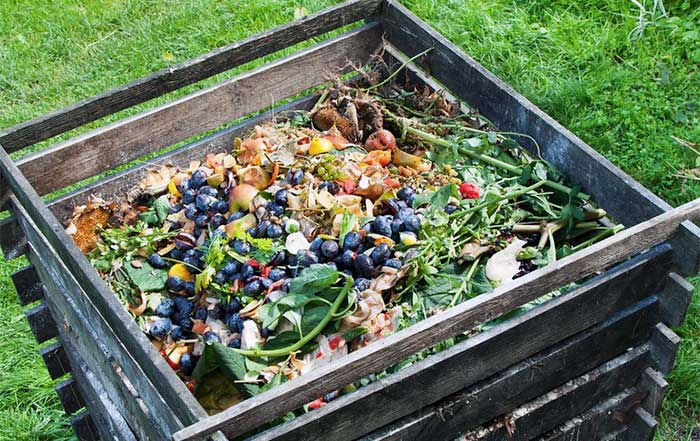
Outdoor Compost Bins: For those with gardens or backyards, compost bins or piles are effective and inexpensive. Layering greens (food scraps, coffee grounds, fresh grass) with browns (dried leaves, cardboard, paper) ensures balanced decomposition.

Indoor Composting: For apartment dwellers, indoor systems like bokashi composting or worm bins (vermicomposting) offer space-efficient solutions without unpleasant odors.

Compostable Materials: Suitable materials include fruit and vegetable scraps, eggshells, coffee grounds, tea bags, garden trimmings, and shredded paper. Items to avoid include meat, dairy, oils, and plastics.

Maintenance: Regularly turning compost piles introduces oxygen, speeding up the decomposition process. Monitoring moisture ensures the pile is neither too dry nor waterlogged.

By participating in composting, households not only reduce their environmental footprint but also create nutrient-rich soil that can be used for gardening or donated to community projects. Discover eco-friendly lifestyle practices.

Composting and Health Connections

Healthy soils enriched with compost directly support human health by producing more nutritious crops and reducing chemical exposure. Studies show that compost-grown foods contain higher levels of micronutrients and beneficial compounds compared to those grown with synthetic fertilizers.

Additionally, composting reduces exposure to harmful waste. By diverting organic material from landfills, communities prevent the proliferation of pests and reduce leachate—a toxic liquid that contaminates water sources. This makes composting not just an environmental practice but a public health intervention. Learn more about environmental health benefits.

The Future of Composting: Innovation and Technology

While composting is rooted in ancient practices, modern innovations are transforming how it is managed and scaled. Smart compost bins, AI-powered waste tracking systems, and automated sorting technologies are making composting more efficient and accessible.

Startups in Europe and North America are pioneering technologies such as in-vessel composting, which accelerates decomposition in controlled environments, producing compost in weeks instead of months. These innovations are particularly valuable for urban areas where space is limited.

Biotech companies are also exploring how engineered microbes can speed up decomposition, break down difficult materials, and create specialized compost blends tailored for specific crops. By combining tradition with technology, composting is set to become even more impactful in the years ahead. Explore innovative design solutions.

Conclusion: Compost as a Pathway to Sustainability

Composting is more than a waste management solution—it is a philosophy rooted in respect for natural cycles. It teaches societies that what is discarded can become a resource, that waste is an opportunity, and that living sustainably requires embracing the regenerative processes already perfected by nature.

From households to multinational corporations, from rural farms to dense urban centers, composting is adaptable, practical, and essential for a sustainable future. Its benefits reach across environmental, economic, and health dimensions, aligning with global goals for climate action, food security, and biodiversity preservation.

For readers of eco-natur.com, composting represents a simple yet profound way to participate in sustainable living. Whether through small steps like a kitchen compost bin or larger commitments like advocating for municipal composting programs, every action contributes to building a healthier, more resilient planet. Explore the many dimensions of sustainability.

Exploring Alternative Energy Sources around the World

Last updated by Editorial team at eco-natur.com on Monday 8 September 2025
Exploring Alternative Energy Sources around the World

The global energy landscape is undergoing a profound transformation. As societies confront the twin challenges of climate change and finite fossil fuel resources, the urgency to transition toward cleaner, renewable, and innovative energy alternatives has never been greater. Governments, businesses, and communities worldwide are investing in solutions that promise not only to reduce greenhouse gas emissions but also to foster energy security, economic growth, and long-term resilience. In 2025, the world is seeing unprecedented collaboration between nations, industries, and research institutions to scale technologies that once seemed futuristic into everyday realities. For readers of eco-natur.com, understanding the scope, diversity, and impact of these alternative energy sources is essential to fostering sustainable living and empowering responsible decision-making in both personal and professional contexts.

The Need for Energy Transformation

The reliance on coal, oil, and natural gas has driven industrialization and economic growth for over a century, but it has also come at a staggering environmental cost. Rising global temperatures, extreme weather events, and escalating ecological disruptions highlight the dangers of remaining tied to fossil fuels. According to the International Energy Agency (IEA), global energy demand is expected to increase significantly by 2050, particularly in emerging economies. Without decisive action, this demand could lock the world into a high-carbon trajectory with devastating consequences for ecosystems and human societies alike. Transitioning to renewable and alternative energy is therefore not a matter of preference but of necessity.

Readers invested in sustainability and sustainable living recognize that the shift to cleaner energy systems is central to achieving a zero-carbon future. Beyond reducing emissions, alternative energy sources also strengthen resilience by decentralizing production, reducing dependency on geopolitical oil markets, and creating localized employment opportunities that align with sustainable business practices.

Solar Power: Harnessing the Energy of the Sun

Advances in Solar Technology

Solar energy remains one of the fastest-growing renewable sources worldwide. In 2025, innovations in photovoltaic (PV) materials, such as perovskite solar cells, are dramatically increasing efficiency while lowering production costs. Tesla, First Solar, and Trina Solar are among the companies driving advancements that make solar energy more accessible for residential, commercial, and industrial users. The integration of solar panels into building materials—such as solar windows and solar roof tiles—has further normalized solar energy as part of modern architectural design.

For eco-conscious homeowners and businesses, solar represents a practical path toward zero-waste energy systems. Coupled with advanced battery storage, households can now achieve near-total energy independence, reducing reliance on central grids and fossil fuels.

Global Adoption and Regional Leaders

Countries such as China, Germany, and Australia have positioned themselves as leaders in solar adoption. China’s solar farms now power entire provinces, while Germany’s Energiewende policy continues to prioritize solar integration despite fluctuating political debates. Australia, benefiting from abundant sunshine, is exporting expertise in solar farm design to emerging markets in Asia and Africa. In the United States, federal tax credits and state-level incentives are driving installation surges, particularly in California, Texas, and Florida.

Learn more about sustainable business opportunities in solar adoption and how local companies can harness renewable energy to enhance competitiveness.

Wind Energy: Power from the Air

Offshore and Onshore Expansion

Wind energy has rapidly expanded from niche to mainstream. Onshore wind farms dominate landscapes across Europe and North America, while offshore wind farms are emerging as the next frontier. In 2025, Denmark, United Kingdom, and Netherlands are spearheading massive offshore projects, with turbines taller than skyscrapers and blades spanning hundreds of meters. These advancements enable power generation even in regions with moderate wind speeds.

Technological Innovations

Floating wind farms, pioneered by companies such as Ørsted and Equinor, are revolutionizing the industry by unlocking deep-sea wind resources previously inaccessible. These technologies reduce land-use conflicts, minimize ecological disruption, and generate electricity at scales comparable to conventional power plants. Coupled with digital monitoring and AI-driven efficiency improvements, wind energy is becoming one of the most reliable and cost-effective alternatives to fossil fuels.

Communities adopting wind energy not only reduce carbon footprints but also stimulate local economies through manufacturing, construction, and long-term maintenance jobs.

Hydropower: The Old Giant Reinvented

Traditional Hydropower

Hydropower has long been the backbone of renewable electricity. Countries like Norway, Canada, and Brazil rely heavily on hydropower for their energy needs. While traditional dams provide massive amounts of electricity, they also raise concerns about ecosystem disruption, displacement of communities, and loss of biodiversity.

Small-Scale and Innovative Hydropower

In response, smaller-scale and run-of-river hydropower systems are gaining traction. These technologies harness natural river flows without requiring large dams, minimizing ecological harm while still generating significant electricity. Micro-hydropower projects are particularly important in rural and remote areas of Asia and Africa, where access to centralized grids is limited. By integrating hydropower with wildlife conservation, these projects illustrate the balance between human progress and ecological stewardship.

Hydropower’s ability to provide stable, dispatchable electricity also complements intermittent sources like solar and wind, making it a cornerstone of renewable grid stability.

Global Renewable Energy Explorer 2025

Discover how countries worldwide are embracing alternative energy sources

🇺🇸 United States

SolarWindHydroFusion Research

Leader in renewable innovation with the Inflation Reduction Act driving massive investments. Texas leads wind capacity while California pursues 100% clean electricity by 2045.

🇨🇦 Canada

HydroOffshore WindGreen Hydrogen

Hydropower supplies two-thirds of electricity. Quebec and British Columbia export surplus to the US, reinforcing cross-border energy integration.

130+
Countries with Net-Zero Pledges
$70B+
Cleantech Investment 2024
13M+
Renewable Energy Jobs

Geothermal Energy: Heat Beneath the Earth

Expanding Potential

Geothermal energy, though less publicized, holds immense potential. By tapping into the Earth’s internal heat, geothermal plants deliver a consistent, renewable source of energy. Nations such as Iceland and New Zealand have long relied on geothermal for heating and electricity. Today, advances in drilling technologies are enabling countries like United States, Kenya, and Indonesia to expand geothermal capacity.

Emerging Technologies

Enhanced Geothermal Systems (EGS) are among the most promising innovations. By injecting water into hot dry rock formations, EGS creates artificial geothermal reservoirs in areas where natural resources are limited. This technology opens possibilities for geothermal adoption worldwide, reducing reliance on geography-specific conditions.

For communities exploring sustainable living solutions, geothermal energy offers a low-emission, high-reliability option that aligns with long-term sustainability goals.

Bioenergy: Turning Waste into Power

Biomass and Biogas

Bioenergy, derived from organic matter such as agricultural residues, forestry byproducts, and municipal waste, is proving to be an essential player in the renewable landscape. Biomass power plants and biogas digesters convert waste into usable electricity, heat, and fuel, simultaneously addressing recycling challenges and reducing landfill waste.

Sustainable Concerns and Innovations

While bioenergy has potential, it raises sustainability concerns, particularly regarding land use and competition with food crops. However, advancements in second-generation biofuels, which use non-food biomass such as algae or waste oils, are addressing these issues. In 2025, countries such as Sweden, Brazil, and United States are leading research into scalable biofuel production for aviation and heavy transport, industries difficult to decarbonize.

Learn more about how organic food systems and bioenergy can intersect to create circular economies where agricultural residues feed energy systems rather than being discarded.

Hydrogen: The Fuel of the Future

Green Hydrogen Revolution

Hydrogen energy is gaining momentum as a versatile alternative fuel. When produced using renewable energy, known as green hydrogen, it becomes a zero-emission energy carrier capable of powering industries, vehicles, and even entire cities. Japan, Germany, and South Korea are at the forefront of building hydrogen economies, investing billions in infrastructure, fuel cells, and distribution networks.

Industrial and Transport Applications

Hydrogen is particularly promising in sectors where electrification is challenging, such as steelmaking, shipping, and aviation. Companies like Airbus are actively testing hydrogen-powered aircraft, while automotive leaders including Toyota and Hyundai continue to expand their fuel-cell vehicle fleets. With governments offering subsidies and international collaborations driving innovation, hydrogen is on track to become a pillar of decarbonization strategies.

Ocean Energy: Waves, Tides, and Currents

Harnessing the Power of Water

Ocean energy remains one of the least tapped yet highly promising sources. Wave energy converters, tidal stream turbines, and ocean current systems capture the kinetic power of the seas. Countries like United Kingdom, Portugal, and South Korea are conducting large-scale pilot projects, supported by organizations such as Ocean Energy Europe.

Future Prospects

Although ocean energy still faces technical and cost challenges, it offers unparalleled predictability compared to wind and solar. As designs improve and economies of scale emerge, ocean power could play a critical role in diversifying the renewable mix. For coastal nations, it presents an opportunity to harness natural resources while safeguarding biodiversity.

Nuclear Fusion: The Long-Awaited Breakthrough

From Theory to Reality

For decades, nuclear fusion has been described as the “holy grail” of energy—an almost limitless source of clean power derived from the same process that fuels the sun. Unlike fission, which splits atoms and leaves radioactive waste, fusion merges hydrogen isotopes to produce vast amounts of energy with minimal environmental impact. In 2025, the momentum around fusion is stronger than ever, thanks to groundbreaking projects such as ITER in France, the National Ignition Facility in the United States, and private ventures like Commonwealth Fusion Systems.

In late 2023, scientists achieved a major milestone when net-positive energy was briefly generated in a controlled reaction, marking a step closer to practical fusion power. This breakthrough set off a wave of international investments, with governments and private companies racing to commercialize reactors that could revolutionize the global energy sector within the next two decades.

Potential Impacts

Fusion holds extraordinary promise for reducing global dependence on fossil fuels. With abundant fuel sources—such as deuterium from seawater and tritium bred from lithium—fusion could ensure energy security for centuries. Its scalability could also support the electrification of industries where renewable penetration is currently limited. By complementing existing renewable energy systems, fusion could provide the reliable baseload power needed to stabilize grids and support intermittent resources like solar and wind.

Energy Storage: Solving Intermittency

The Role of Batteries

As renewable adoption accelerates, one of the central challenges is managing intermittency. Solar and wind generate electricity only when the sun shines or the wind blows, which creates supply fluctuations. Advanced energy storage technologies are therefore critical to ensuring reliability. In 2025, lithium-ion batteries continue to dominate the market, with innovations improving capacity, reducing costs, and enhancing recycling processes.

Emerging alternatives, including solid-state batteries and flow batteries, are gaining attention for their ability to deliver longer lifespans and higher efficiency. Companies like CATL, Panasonic, and QuantumScape are leading breakthroughs that could redefine how communities store and utilize renewable energy.

Beyond Batteries

Energy storage extends beyond chemical batteries. Pumped hydro storage, compressed air energy systems, and thermal storage are also being deployed at scale. Countries like Switzerland and China are expanding pumped hydro facilities, while startups are experimenting with gravity-based storage solutions that use cranes and massive weights to store energy.

By stabilizing supply and demand, these technologies underpin the future of sustainable living and empower communities to rely on renewables without fear of blackouts or shortages.

Smart Grids: The Backbone of Modern Energy Systems

Intelligent Energy Management

Smart grids are transforming electricity distribution into dynamic, data-driven systems. Unlike traditional grids, which flow in one direction from central plants to consumers, smart grids enable two-way communication, integrating distributed energy resources like rooftop solar, electric vehicles, and microgrids.

Countries such as Germany, Singapore, and United States are investing heavily in smart grid infrastructure. Through advanced sensors, digital meters, and artificial intelligence, utilities can now monitor consumption in real time, detect faults, and optimize supply to reduce waste.

Consumer Empowerment

For individuals and businesses, smart grids allow greater control over energy usage. Smart meters and apps let households track consumption patterns and make informed decisions, reducing costs and carbon footprints. On a societal scale, this digital infrastructure ensures that the transition to renewables aligns with the demands of modern economies, supporting sustainable business practices and climate goals.

Policy Frameworks Driving Change

International Collaboration

The global energy transition is not happening in isolation. Policies, treaties, and cooperative frameworks are essential in accelerating adoption. Agreements such as the Paris Agreement and international organizations like the International Renewable Energy Agency (IRENA) are pushing for ambitious decarbonization targets. By 2025, over 130 countries have pledged to achieve net-zero emissions by mid-century, embedding renewable and alternative energy expansion at the heart of national strategies.

National Incentives

In the United States, the Inflation Reduction Act continues to provide billions in incentives for renewable energy deployment, electric vehicles, and energy efficiency. The European Union’s Green Deal drives massive investments in offshore wind, solar, and hydrogen infrastructure. Meanwhile, countries like India and Brazil are using subsidies, tax breaks, and international partnerships to leapfrog into clean energy leadership.

For readers committed to sustainability, policy frameworks underscore the importance of aligning personal and corporate strategies with evolving government priorities.

Investment Strategies and Market Growth

Private Sector Engagement

The private sector is fueling much of the innovation in alternative energy. Venture capital investments in cleantech surpassed $70 billion in 2024, with funds flowing into solar startups, hydrogen technologies, and storage solutions. Companies like Microsoft, Amazon, and Google are committing to 100% renewable energy procurement, driving demand across global supply chains.

Opportunities for Emerging Markets

Emerging economies represent some of the most dynamic markets for clean energy investment. Africa’s abundant solar and wind resources, Latin America’s hydropower dominance, and Asia’s rapidly growing demand create fertile ground for global investors. By linking alternative energy projects with job creation and community development, these regions can pursue economic growth while avoiding the environmental costs that characterized industrialization in the West.

For businesses and individuals alike, exploring sustainable business models in energy provides both environmental and financial returns.

Alternative Energy and Global Sustainability

Environmental Benefits

Alternative energy sources not only reduce emissions but also protect ecosystems. Solar and wind farms, when carefully planned, avoid the habitat destruction linked with fossil fuel extraction. Ocean energy projects are increasingly designed to minimize impacts on marine biodiversity, while geothermal plants leave a fraction of the footprint of coal or natural gas facilities.

Social and Economic Impact

The transition to renewable energy is creating millions of jobs in engineering, construction, manufacturing, and maintenance. According to IRENA, renewable energy employment exceeded 13 million globally by 2024 and continues to grow. Beyond employment, clean energy improves air quality, reduces healthcare costs, and provides communities with affordable power, advancing health and well-being.

Regional Perspectives

United States and Canada

North America is emerging as a powerhouse of renewable integration, with Canada’s hydro capacity complementing the U.S.’s solar and wind growth. Joint initiatives are exploring cross-border grids that can share resources seamlessly.

Europe

Europe continues to lead in offshore wind and hydrogen, with the European Union enforcing strict decarbonization targets that drive innovation. Countries like Norway and Sweden are proving how renewable energy can power entire economies without compromising industrial competitiveness.

Asia-Pacific

China dominates global solar production, while Japan and South Korea push hydrogen economies. Meanwhile, countries like Indonesia and Philippines are rapidly scaling geothermal, and Australia positions itself as a renewable energy exporter to Asia through hydrogen and solar-powered projects.

Africa and Latin America

Africa’s vast solar potential is attracting global partnerships, while Brazil, Chile, and Mexico are expanding solar and wind alongside their hydropower bases. These regions highlight the potential of renewable energy to unlock inclusive growth.

The Future Outlook

By 2025, the alternative energy transition is no longer a distant vision but a reality shaping everyday lives. The diversity of solutions—from solar rooftops to hydrogen aircraft and fusion reactors—demonstrates humanity’s capacity to innovate in response to existential challenges.

For readers of eco-natur.com, the lesson is clear: investing in renewable technologies, supporting policies that drive sustainability, and adopting personal practices that align with plastic-free living, recycling, and clean energy are steps that not only mitigate climate risks but also build a healthier, more resilient future.

The path forward requires persistence, innovation, and collaboration. As the global community harnesses alternative energy sources, it lays the foundation for a world where economies thrive without compromising the environment—a future in which sustainability is not optional, but essential.

Exploring Alternative Energy Sources Around the World

Country-by-Country Deep Dive

To understand the scope of alternative energy adoption, it is vital to explore how different countries and regions are responding to the global call for sustainability. Each nation brings unique geographic advantages, policy frameworks, and cultural attitudes toward energy. In 2025, these diverse approaches highlight the complexity of building a global clean energy economy while offering lessons that can be adapted worldwide.

United States: Innovation and Market Scale

The United States remains a global leader in renewable energy innovation and investment. With vast landscapes and diverse climates, the country has leveraged solar farms in the sunny Southwest, wind corridors in the Midwest, and hydropower resources in the Pacific Northwest. Federal incentives through legislation such as the Inflation Reduction Act continue to provide billions in tax credits for solar, wind, electric vehicles, and hydrogen development.

At the state level, California has committed to achieving 100% clean electricity by 2045, while Texas has become a surprising leader in wind energy, surpassing many countries in installed capacity. The U.S. also plays a pivotal role in advancing fusion research at the National Ignition Facility, demonstrating its long-term vision for clean, limitless energy.

The emphasis on sustainability has also been mirrored in the private sector. Corporations like Google, Apple, and Microsoft have pledged to operate entirely on renewable energy, influencing supply chains and setting standards for sustainable business practices.

Canada: Hydropower and Beyond

Canada benefits from abundant natural resources, particularly hydropower, which supplies nearly two-thirds of its electricity. Provinces like Quebec and British Columbia export surplus hydropower to the United States, reinforcing North America’s cross-border energy integration.

Canada is also investing heavily in offshore wind and hydrogen, particularly green hydrogen projects aimed at export to Europe and Asia. The country’s commitment to protecting wildlife and indigenous lands has shaped its energy development strategies, with greater emphasis on community-led renewable projects.

In 2025, Canada is positioning itself as both an energy powerhouse and a responsible steward of natural ecosystems, balancing economic growth with environmental preservation.

Germany: Energiewende in Action

Germany remains synonymous with renewable leadership. Its Energiewende policy has set ambitious targets for decarbonization, focusing on wind, solar, and energy efficiency. Despite challenges from fluctuating energy markets and political debates, Germany continues to expand offshore wind in the North Sea and solar adoption across urban and rural areas.

Germany is also a pioneer in green hydrogen, building infrastructure to support heavy industry decarbonization. The country’s automotive giants—Volkswagen, BMW, and Mercedes-Benz—are integrating clean energy and electric mobility strategies that ripple through global markets.

For German households, the proliferation of rooftop solar panels and energy cooperatives reflects a grassroots embrace of sustainable living. Communities generate their own power, feed surplus into smart grids, and reinvest profits locally.

United Kingdom: Offshore Wind Giant

The United Kingdom has transformed itself into the world’s largest offshore wind market. Projects such as Dogger Bank Wind Farm represent record-breaking capacity, delivering clean electricity to millions of households.

The U.K. government has also prioritized nuclear power, both traditional and small modular reactors, to complement its renewable mix. At the same time, initiatives in Scotland promote tidal and wave energy, taking advantage of the nation’s coastal geography.

The U.K.’s clean energy strategy is closely tied to economic regeneration, with former industrial hubs now serving as centers for renewable manufacturing and sustainable business development.

China: Scale and Speed

China dominates global renewable energy deployment. It leads the world in solar panel manufacturing, wind turbine installation, and hydropower capacity. Entire provinces are powered primarily by renewables, and the country has pledged to achieve carbon neutrality by 2060.

In addition to solar megafarms in desert regions, China has invested heavily in offshore wind projects along its eastern seaboard. The nation is also pioneering electric transportation, with companies like BYD and NIO exporting electric vehicles worldwide.

Despite its achievements, China still grapples with balancing renewable growth against ongoing reliance on coal. However, its sheer scale and rapid investment ensure that it remains a central player in the global energy transition.

Japan and South Korea: Hydrogen Pioneers

Both Japan and South Korea have embraced hydrogen as a cornerstone of their energy futures. Japan hosted the world’s first “Hydrogen Olympics” in 2020 and continues to scale hydrogen-powered buses, homes, and industries. Companies such as Toyota and Honda are at the forefront of hydrogen fuel cell vehicles.

South Korea, through its Hydrogen Economy Roadmap, has committed billions to hydrogen infrastructure, including refueling stations and industrial applications. The country is also advancing offshore wind, using its engineering expertise to develop deep-water turbines.

Together, these nations illustrate how hydrogen can serve as a national strategy for energy independence and industrial competitiveness.

Nordic Countries: Renewable Leaders

The Nordic region—comprising Denmark, Sweden, Norway, and Finland—represents some of the most advanced renewable energy ecosystems in the world.

Denmark leads in offshore wind innovation, exporting technology worldwide.

Sweden has nearly decarbonized its electricity system, relying on hydropower, nuclear, and biomass.

Norway generates almost all of its electricity from hydropower while investing in electric mobility and carbon capture technologies.

Finland is pioneering small modular nuclear reactors alongside extensive forest biomass projects.

These countries demonstrate how small, high-income economies can integrate zero-waste principles into their energy systems while maintaining competitiveness in global markets.

Africa: Unlocking Solar Potential

Africa’s renewable story is one of untapped potential and rapid progress. With some of the world’s highest solar irradiation levels, countries such as Morocco, Kenya, and South Africa are advancing solar megaprojects. Morocco’s Noor Solar Complex, for example, is one of the largest concentrated solar power plants globally.

Kenya has become a geothermal leader, generating over 40% of its electricity from volcanic resources in the Rift Valley. Meanwhile, decentralized solar home systems are bringing affordable electricity to millions in rural areas, bypassing traditional grid infrastructure.

These projects not only reduce emissions but also stimulate economic growth and social development by powering schools, hospitals, and small businesses.

Latin America: Hydropower and Diversification

Latin America has long relied on hydropower, with countries like Brazil and Paraguay generating most of their electricity from massive dams. However, growing environmental concerns and climate-related droughts have prompted diversification.

Chile and Mexico are leading solar and wind investments, supported by international partnerships. Chile’s Atacama Desert hosts some of the world’s most efficient solar plants, while Brazil is rapidly expanding wind farms in its northeastern regions.

The integration of bioenergy, particularly ethanol from sugarcane in Brazil, underscores how renewable energy ties into organic food systems and agricultural economies.

Australia and New Zealand: Renewable Exporters

Australia is positioning itself as a renewable energy exporter. Its vast deserts are home to solar farms designed to generate hydrogen for export to Asia. Offshore wind projects are also expanding along its southern coastlines.

New Zealand continues to rely heavily on hydropower and geothermal, with ambitions to achieve 100% renewable electricity by 2030. Both countries emphasize aligning renewable growth with biodiversity protection, ensuring ecosystems remain intact while energy systems evolve.

Conclusion: A Shared Global Mission

From the deserts of Africa to the coastlines of Europe and the innovation hubs of Asia, the pursuit of alternative energy is reshaping economies, lifestyles, and the environment. While each country follows its own path, the shared mission is clear: build energy systems that power societies without compromising the planet.

For readers of eco-natur.com, this exploration reinforces the importance of integrating clean energy into personal choices, corporate strategies, and public policies. Whether through embracing recycling, supporting sustainable businesses, or advocating for renewable energy, individuals play an essential role in shaping the clean energy future.

By 2025, humanity stands at a turning point. The technologies exist, the investments are flowing, and the willpower is growing. What remains is the collective commitment to accelerate adoption, overcome challenges, and ensure that alternative energy becomes the global standard rather than the exception.

Impact of Plastic Pollution on the Environment and Solutions

Last updated by Editorial team at eco-natur.com on Monday 8 September 2025
Impact of Plastic Pollution on the Environment and Solutions

Plastic pollution has become one of the defining environmental challenges of the 21st century, with its reach extending across oceans, landscapes, food systems, and even into the human body. While plastics have revolutionized industries by offering affordable, lightweight, and versatile materials, their persistence in nature has triggered profound ecological, economic, and health consequences. As of 2025, global awareness of the plastic crisis has reached unprecedented levels, driven by alarming scientific findings and mounting public pressure on governments, corporations, and communities to find sustainable alternatives. For eco-natur.com, addressing this issue is not only about highlighting the dangers of plastic waste but also about offering realistic, actionable solutions that align with a vision of sustainability, resilience, and long-term environmental stewardship.

The growing urgency is underscored by the fact that nearly 400 million tons of plastic are produced annually worldwide, according to the United Nations Environment Programme (UNEP), with more than half designed for single-use purposes. Despite decades of initiatives, recycling rates remain shockingly low, with only around 9% of plastics successfully recycled, while the rest accumulates in landfills, incinerators, and natural ecosystems. This imbalance has severe implications, from choking marine life to contributing to greenhouse gas emissions. Understanding both the magnitude of the problem and the spectrum of solutions is vital for businesses, policymakers, and individuals seeking to build a more responsible future.

At the heart of the plastic debate lies a paradox: plastics are indispensable to modern life, yet their mismanagement has created a planetary emergency. The challenge is not simply about eliminating plastics altogether but about redesigning systems, innovating materials, and fostering behaviors that ensure plastics do not end up where they should not be. By exploring the impact of plastic pollution and examining pathways toward sustainable solutions, stakeholders can collectively chart a course toward meaningful change.

The Scale of Plastic Pollution in 2025

Global Production and Consumption Trends

Since their mass adoption in the mid-20th century, plastics have permeated every aspect of human existence. From packaging and textiles to electronics and construction, the versatility of plastics has transformed industries. However, this growth has come with exponential waste generation. In 2025, global production is still climbing, particularly in regions such as Asia, which account for over 50% of output. Much of this demand is driven by e-commerce packaging, fast-moving consumer goods, and medical supplies.

The single-use plastic sector remains the most problematic. Items such as bags, bottles, straws, and food wrappers are often discarded after mere minutes of use, yet they persist in the environment for centuries. This phenomenon underscores the disconnect between product lifespan and environmental persistence. Although some countries have implemented bans on specific single-use plastics, such policies often lack the global coordination required to make a significant dent in the problem.

Environmental Persistence

Plastics are not biodegradable in the traditional sense. Instead, they fragment into smaller pieces called microplastics, which can remain in ecosystems indefinitely. Microplastics, defined as particles smaller than 5 millimeters, have been discovered in virtually every corner of the planet—from Arctic ice to deep ocean trenches. The World Health Organization (WHO) has raised concerns over their presence in drinking water and food supplies, yet the full scope of their health effects remains under investigation.

The resilience of plastics means that once they enter the environment, they accumulate and interact with natural systems in ways that are both direct and insidious. Large items entangle wildlife, clog waterways, and damage habitats, while microplastics infiltrate soil, rivers, and even the atmosphere. This persistence is why many experts view plastic pollution as a long-term crisis requiring systemic intervention.

Ecological Consequences of Plastic Pollution

Impacts on Marine Ecosystems

The oceans have become the most visible stage for plastic pollution. Every year, an estimated 11 million tons of plastic waste enter the seas, with projections suggesting this figure could triple by 2040 without intervention. Marine animals mistake floating plastics for food, leading to internal injuries, starvation, and death. Sea turtles ingest plastic bags that resemble jellyfish, while seabirds are found with stomachs filled with bottle caps and fishing lines.

Beyond physical harm, plastics introduce toxic chemicals into marine ecosystems. Additives used in manufacturing, such as phthalates and flame retardants, leach into seawater, contaminating food chains and threatening biodiversity. Coral reefs, vital to marine life and coastal economies, are particularly vulnerable, as plastics smother their delicate structures and exacerbate disease transmission.

Effects on Terrestrial Wildlife

Plastic pollution is not limited to oceans; land-based ecosystems also bear significant burdens. Animals living near urban centers or agricultural fields often encounter plastic waste while foraging. In some regions, cows, goats, and other livestock have been found with stomachs clogged by plastic bags, leading to health complications and reduced productivity. Furthermore, plastics in soils alter microbial communities, potentially disrupting nutrient cycles essential for agriculture.

Microplastics in the Food Chain

Perhaps the most unsettling ecological consequence is the infiltration of microplastics into food chains. Tiny particles are consumed by plankton and filter feeders, eventually moving up trophic levels to fish, shellfish, and ultimately humans. A recent study published by Science Advances revealed microplastics embedded in fish tissues sold in markets across Europe and Asia, raising concerns about long-term health implications. These findings illustrate how the plastic crisis transcends environmental boundaries, directly intersecting with public health and food security.

Global Plastic Crisis Dashboard

Real-time insights into the world's plastic pollution challenge

0

Million Tons
Annual Production

0

% Actually
Recycled

0

Million Tons
Enter Oceans Yearly

100

% of Locations
Have Microplastics

Regional Progress on Plastic Reduction

Europe

78%

North America

65%

Asia-Pacific

45%

Africa

38%

South America

52%

Key Milestones in Plastic Regulation

2008

Rwanda becomes first country to ban plastic bags nationwide

2019

EU Single-Use Plastics Directive bans straws, cutlery, and plates

2020

China implements nationwide ban on non-biodegradable plastic bags

2022

UN launches negotiations for global plastic pollution treaty

2025

Global plastic treaty expected to be finalized and implemented

🌱

Bioplastics

Biodegradable materials from corn, sugarcane, and algae

♻️

Chemical Recycling

Advanced technologies breaking plastics into molecular components

🔄

Circular Economy

Reuse, refill, and redesign systems reducing waste generation

Human Health Risks

Direct and Indirect Exposure

Plastic pollution’s impact on human health is increasingly recognized, though much remains to be studied. People are exposed to plastics in two primary ways: direct ingestion through contaminated food and water, and indirect exposure through environmental pathways such as air and soil. Microplastics have been detected in bottled water, table salt, and even in the placentas of newborns, demonstrating the pervasive nature of this issue.

Chemical Hazards

Plastics often contain additives that enhance durability, flexibility, or color, but many of these substances are toxic. Chemicals like bisphenol A (BPA) and certain phthalates have been linked to endocrine disruption, reproductive disorders, and developmental problems. When plastics degrade, they release these compounds into surrounding environments, increasing the likelihood of human exposure. Moreover, plastics can act as vectors for pollutants such as heavy metals and persistent organic pollutants, which adhere to their surfaces and magnify toxicity risks when ingested.

Economic Costs of Plastic Pollution

Burden on National Economies

The financial toll of plastic pollution is staggering, with governments and businesses bearing the costs of cleanup, waste management, and lost ecosystem services. According to estimates from the Organisation for Economic Co-operation and Development (OECD), plastic pollution costs the global economy tens of billions of dollars annually. Coastal nations in particular spend heavily on beach cleaning, marine debris removal, and infrastructure maintenance to mitigate the effects of mismanaged plastic waste. For developing countries, these expenditures strain already limited budgets, diverting resources from education, healthcare, and sustainable development initiatives.

Tourism-dependent economies suffer significantly when plastic pollution tarnishes beaches, coral reefs, and waterways. Nations such as Thailand, Indonesia, and the Philippines have reported sharp declines in tourism revenue due to plastic debris along coastlines, undermining local livelihoods and long-term economic stability. Similarly, fisheries and aquaculture industries face declining yields as plastic contamination damages marine habitats and reduces the quality and safety of seafood exports.

Impact on Businesses and Supply Chains

Beyond direct cleanup costs, businesses across multiple sectors are grappling with the implications of plastic pollution. Companies in retail, food service, and consumer goods face increasing regulatory pressures, reputational risks, and rising material costs. Consumers are demanding more sustainable packaging, forcing corporations to innovate or risk losing market share. Global brands such as Unilever, Nestlé, and Coca-Cola have committed to ambitious targets for recyclable or reusable packaging, but progress has been slow, leaving them vulnerable to criticism and regulatory penalties.

Supply chains are also affected, as microplastics infiltrate agricultural soils and marine products, raising concerns about food safety and export quality. In some cases, entire markets have been disrupted by contamination scandals, highlighting the fragile link between environmental health and economic resilience. For investors, these risks are increasingly material, with environmental, social, and governance (ESG) metrics incorporating plastic reduction as a critical benchmark for responsible investment.

Social Impacts and Equity Dimensions

Disproportionate Burden on Vulnerable Communities

Plastic pollution is not only an environmental and economic issue but also a matter of social justice. Vulnerable communities—particularly those in low-income countries and marginalized populations—often bear the heaviest burdens of plastic waste mismanagement. Informal waste pickers, who play a critical role in recycling systems in countries like India, Brazil, and Kenya, are exposed daily to hazardous materials without adequate protective measures. These workers, many of whom are women and children, face health risks while earning meager wages, underscoring the inequities embedded within global waste systems.

Furthermore, communities living near landfills, incinerators, or rivers clogged with plastic face higher risks of waterborne diseases, respiratory illnesses, and exposure to toxic emissions. In many cases, these areas lack the political influence to demand systemic reforms, perpetuating cycles of environmental injustice. Addressing plastic pollution therefore requires not only technical solutions but also frameworks that prioritize inclusivity, equity, and dignity for those most affected.

Consumer Behavior and Cultural Norms

Cultural and behavioral factors also influence plastic consumption and disposal patterns. In regions where convenience culture dominates, single-use plastics remain deeply embedded in daily life. Meanwhile, in parts of Asia and Africa, traditional markets rely heavily on plastic bags and wrappers for affordability and accessibility. Changing these patterns demands more than bans and penalties—it requires education, awareness campaigns, and accessible alternatives.

Organizations like Greenpeace and Plastic Pollution Coalition have highlighted the importance of shifting narratives around consumption, encouraging consumers to embrace reusable materials and hold corporations accountable. Grassroots campaigns, zero-waste movements, and youth-led initiatives are gaining momentum worldwide, but their effectiveness hinges on systemic changes that align individual behaviors with broader institutional support.

Policy Responses and Global Initiatives

International Agreements

In recent years, momentum has been building toward a global treaty to address plastic pollution. In 2022, the United Nations Environment Assembly (UNEA) launched negotiations for a legally binding agreement on plastic waste, with the goal of finalizing the treaty by 2025. This landmark effort aims to tackle the full lifecycle of plastics, from production to disposal, marking a shift from fragmented regional bans toward a cohesive global strategy. If implemented effectively, it could transform industries, spur innovation, and harmonize standards across borders.

National and Local Regulations

Countries have adopted diverse approaches to managing plastic pollution. The European Union’s Single-Use Plastics Directive bans items such as plastic straws, cutlery, and polystyrene containers, while also requiring producers to cover cleanup costs. In the United States, regulatory frameworks vary by state, with California leading the way through extended producer responsibility (EPR) laws that place financial responsibility for waste management on manufacturers. Meanwhile, countries like Rwanda and Kenya have enacted some of the world’s strictest plastic bag bans, demonstrating the potential of bold regulatory action.

Local governments also play a crucial role by implementing waste collection systems, incentivizing community recycling, and fostering public-private partnerships. Cities like San Francisco and Amsterdam have pioneered zero-waste strategies, integrating education, infrastructure, and policy tools to reduce dependence on plastics while promoting circular economy practices.

Corporate Responsibility

Corporations are increasingly under pressure to reduce their reliance on virgin plastics and adopt circular models. Extended producer responsibility schemes and voluntary initiatives such as the Ellen MacArthur Foundation’s New Plastics Economy Global Commitment push companies to design products with reuse and recyclability in mind. However, progress remains uneven, and critics argue that corporate pledges often lack transparency, enforceability, and measurable outcomes. Achieving meaningful change requires stronger regulatory frameworks and independent monitoring to hold businesses accountable.

Technological and Innovative Solutions

Biodegradable and Compostable Alternatives

One promising avenue in the fight against plastic pollution lies in the development of biodegradable and compostable materials. Innovations in bioplastics derived from corn starch, sugarcane, and algae offer alternatives that mimic the functionality of traditional plastics while degrading more naturally in the environment. Companies such as NatureWorks and Novamont are leading the charge, supplying biopolymer resins for packaging, textiles, and agriculture.

However, the scalability of these materials faces challenges, including higher production costs, limited composting infrastructure, and concerns about competition with food crops. To succeed, bioplastics must be integrated into broader waste management systems, ensuring that they are disposed of under conditions that enable proper biodegradation.

Advanced Recycling Technologies

Traditional mechanical recycling has limitations, as it often downgrades plastic quality and excludes contaminated or mixed plastics. Emerging chemical recycling technologies, such as pyrolysis and depolymerization, promise to break plastics down into their molecular components for reuse in new products. Companies like Loop Industries and Brightmark are pioneering projects in this space, backed by investments from major consumer goods firms.

While these technologies offer potential, they also face scrutiny regarding energy consumption, cost efficiency, and environmental trade-offs. Their success will depend on transparent lifecycle assessments and integration into circular economy strategies rather than serving as a justification for unchecked plastic production.

Circular Economy and Systemic Redesign

At its core, the plastic crisis cannot be solved through end-of-pipe solutions alone. Systemic redesign, guided by circular economy principles, is essential. This approach prioritizes product longevity, reuse, repair, and redesign, reducing the flow of waste into the environment. Initiatives such as refill stations, packaging-free retail models, and deposit-return schemes are gaining traction worldwide, reshaping consumer expectations and business models.

For example, TerraCycle’s Loop program enables consumers to purchase everyday goods in durable, reusable packaging, which is returned, cleaned, and refilled—a modern twist on the traditional milkman model. Such systems not only reduce waste but also build customer loyalty and brand differentiation in increasingly eco-conscious markets.

Community-Driven Solutions

Grassroots Movements and Local Innovation

Communities around the world have become incubators for creative solutions to plastic pollution. From small villages in India that ban plastic bags in favor of woven baskets, to urban collectives in Germany that champion zero-waste grocery stores, grassroots initiatives demonstrate that meaningful change can begin at the local level. These efforts often arise where government enforcement is weak, highlighting the ability of civil society to drive progress where institutions lag.

Organizations such as Break Free From Plastic and Plastic Oceans International work closely with communities to monitor plastic pollution, organize cleanups, and push for accountability from corporations. Local beach cleanups, river restoration projects, and school-based recycling programs not only reduce waste but also instill a sense of ownership and collective responsibility. By leveraging community pride and local knowledge, these initiatives prove that solutions can be both practical and culturally relevant.

The Role of Indigenous Knowledge

Indigenous communities offer valuable insights into sustainable living practices that predate the plastic age. Many indigenous groups have traditionally relied on natural, biodegradable materials such as banana leaves, bamboo, and coconut husks for packaging, storage, and daily use. These practices are being rediscovered and adapted for modern contexts, showing how cultural heritage can inform innovative approaches to sustainability.

For instance, in parts of the Pacific Islands, community-driven bans on single-use plastics draw upon traditional practices of using woven palm leaves for wrapping food. By reintroducing these methods, communities not only reduce plastic reliance but also strengthen cultural identity. Recognizing and amplifying indigenous voices is therefore essential for developing inclusive, diverse, and context-sensitive solutions.

Regional Perspectives on Plastic Pollution

United States and Canada

In North America, plastic consumption remains among the highest globally, but awareness and regulatory momentum are growing. The United States faces challenges due to fragmented waste management systems, with recycling rates hovering around 30%. While states like California, Oregon, and New York have pioneered bans on single-use plastics and deposit-return schemes, federal-level legislation has lagged. The Break Free From Plastic Pollution Act, reintroduced in Congress, aims to establish nationwide producer responsibility programs, but political gridlock has slowed its progress.

Canada, by contrast, has taken a more unified approach. The Canadian government announced a ban on several categories of single-use plastics, including bags and straws, alongside broader strategies for transitioning to a circular plastics economy. These efforts reflect a growing recognition that piecemeal policies are insufficient to address the scale of the problem.

Europe

Europe has emerged as a global leader in tackling plastic waste through ambitious regulatory frameworks and circular economy initiatives. The European Union’s Single-Use Plastics Directive sets binding targets for reducing consumption, while also mandating that plastic bottles contain at least 25% recycled content by 2025. Countries such as Germany, Sweden, and Denmark boast advanced waste management systems, with high recycling rates supported by strong public participation and deposit-return schemes.

However, Europe is not immune to challenges. Plastic waste exports to developing countries, particularly in Asia, have raised ethical concerns about outsourcing pollution. Addressing these contradictions requires Europe to focus not only on domestic recycling but also on reducing overall consumption and production of plastics.

Asia

Asia is both a hotspot for plastic production and a critical region for solutions. Countries such as China, Indonesia, and the Philippines are among the largest contributors of plastic leakage into oceans, due in part to rapid urbanization and inadequate waste management infrastructure. Yet, Asia is also a region of innovation and bold action. China’s 2020 ban on non-biodegradable plastic bags in major cities marked a significant shift, while India has pledged to eliminate single-use plastics nationwide.

Southeast Asia, supported by organizations like the Asian Development Bank, is investing in waste-to-energy projects, recycling infrastructure, and community education programs. At the same time, entrepreneurs in countries like Indonesia are developing seaweed-based packaging, demonstrating how regional resources can inspire global innovation.

Africa

Africa faces unique challenges in addressing plastic pollution, with rapid population growth, limited infrastructure, and economic reliance on low-cost packaging materials. Yet some of the world’s most progressive plastic policies come from this continent. Rwanda’s 2008 ban on plastic bags is considered one of the strictest globally and has transformed Kigali into one of Africa’s cleanest cities. Kenya followed with similarly stringent laws, imposing heavy fines and even jail terms for plastic bag usage.

While enforcement varies across the continent, these policies have sparked global attention, proving that ambitious regulation is possible even in lower-income countries. The challenge ahead lies in scaling up alternatives and ensuring accessibility so that bans do not disproportionately impact small businesses or vulnerable populations.

South America

South America has witnessed a surge in local initiatives targeting plastic waste, with countries like Chile leading the way. Chile was the first country in the region to ban plastic bags nationwide, while Colombia has enacted levies on plastic use to encourage reduction. Brazil, despite being the largest economy in the region, struggles with weak enforcement and growing waste volumes, particularly in coastal areas where tourism and fisheries are vital.

Grassroots efforts have flourished in South America, where community cooperatives of waste pickers—known as catadores in Brazil—play a central role in recycling systems. Recognizing and formalizing the contributions of these groups is critical for improving efficiency, ensuring equity, and building circular economies across the region.

Education, Awareness, and Advocacy

Empowering the Next Generation

Education is a cornerstone of long-term solutions to plastic pollution. Schools, universities, and informal learning platforms worldwide are integrating environmental education into their curricula, teaching students about the consequences of plastic waste and the importance of sustainable alternatives. By embedding sustainability in early learning, younger generations are empowered to challenge consumption norms and champion innovative solutions.

Youth-led organizations such as Fridays for Future and Bye Bye Plastic Bags have mobilized millions of young people to demand stronger policies from governments and corporations. These movements underscore the importance of engaging youth not merely as beneficiaries of future environmental health but as active participants shaping present-day decisions.

Public Awareness Campaigns

Public campaigns play an essential role in shifting consumer behavior and social norms. From viral social media challenges like #PlasticFreeJuly to high-profile documentaries such as A Plastic Ocean, awareness initiatives inspire individuals to reconsider their consumption patterns and hold corporations accountable. Strategic partnerships with celebrities, influencers, and athletes further amplify these messages, ensuring they reach diverse audiences.

Campaigns are most effective when paired with systemic support, such as accessible alternatives, government incentives, and transparent information. Without these, awareness risks becoming symbolic rather than transformative. Effective advocacy bridges this gap by ensuring that public enthusiasm translates into structural reforms.

The Role of Media and Technology

Digital media and technology have revolutionized advocacy by enabling real-time tracking of plastic pollution, citizen science projects, and online mobilization. Apps that help consumers locate refill stations, platforms that gamify recycling behaviors, and blockchain-enabled tracking systems for waste management exemplify the intersection of technology and activism. By making environmental issues more visible, measurable, and actionable, technology empowers individuals and organizations to engage with the plastic crisis in new and impactful ways.

Long-Term Strategies for a Plastic-Free Future

Strengthening Global Governance

To achieve a future free from the most damaging effects of plastic pollution, global governance must evolve beyond voluntary commitments and fragmented regulations. The anticipated United Nations global plastics treaty, due to be finalized in 2025, represents a historic opportunity to align nations under a unified framework. Success will depend on enforceability, transparency, and the capacity to hold major producers accountable for their contributions to plastic waste. Coordinated monitoring systems, standardized reporting mechanisms, and equitable funding for developing countries are critical elements for ensuring the treaty delivers real change.

International cooperation must also extend to innovation sharing. Countries with advanced recycling infrastructure, like Germany or Sweden, can share best practices and technologies with regions struggling to manage waste. Similarly, nations rich in natural resources, such as seaweed in Indonesia or sugarcane in Brazil, can drive global adoption of alternative materials that align with local strengths. Building a truly global response requires leveraging regional expertise while fostering collective responsibility.

The Role of Renewable Energy and Sustainable Materials

Plastic pollution is deeply connected to the fossil fuel industry, as most plastics are derived from petroleum or natural gas. Transitioning to renewable energy not only reduces greenhouse gas emissions but also diminishes the economic incentives for fossil-based plastic production. By decoupling material innovation from fossil fuel dependence, societies can create pathways for genuinely sustainable alternatives.

Research into organic, plant-based materials is accelerating. Innovations include packaging made from mushroom mycelium, edible seaweed wrappers, and hemp-based textiles. These alternatives not only degrade safely but also offer co-benefits, such as enhancing soil health or providing new agricultural markets for farmers. Integrating organic food systems with material production opens possibilities for circular economies that prioritize both ecological and human health.

Moving Toward Zero Waste

The concept of zero waste provides a comprehensive framework for addressing the root causes of plastic pollution. Rather than focusing narrowly on recycling, zero-waste systems aim to redesign production and consumption so that waste is eliminated at every stage. This involves rethinking supply chains, redesigning products for reuse, and fostering consumer habits that prioritize minimalism and resource efficiency.

Cities like San Francisco and Kamikatsu, Japan, offer inspiring examples of zero-waste strategies in practice. These communities have demonstrated that with the right combination of infrastructure, education, and community engagement, waste diversion rates of 80–90% are achievable. Such case studies highlight the importance of vision and leadership in guiding collective efforts toward ambitious environmental goals.

The Business Case for Change

Innovation and Market Opportunities

Far from being a burden, the shift away from plastics presents enormous opportunities for business innovation. Companies that adopt sustainable packaging, circular models, and eco-friendly materials are not only mitigating risks but also differentiating themselves in increasingly competitive markets. Consumers are demonstrating strong preferences for brands that align with their values, creating new demand for sustainable alternatives.

The rise of green finance and ESG (environmental, social, governance) investing further reinforces this trend. Investors are scrutinizing companies’ environmental footprints, and businesses that fail to adapt face reputational and financial risks. Conversely, firms that embrace sustainability are gaining access to capital, partnerships, and loyal customer bases. This market-driven dynamic illustrates why sustainability is not only a moral imperative but also a strategic advantage.

Building Resilient Economies

Addressing plastic pollution is also integral to building resilient economies capable of withstanding future shocks. Over-reliance on plastics exposes supply chains to volatility in fossil fuel markets, while unmanaged waste undermines public health, tourism, and food security. By adopting circular economy strategies and investing in sustainable business practices, countries can reduce vulnerabilities and create long-term value for citizens and enterprises alike.

A Call to Action

For Governments

Governments must strengthen regulatory frameworks, invest in waste management infrastructure, and support innovation in alternative materials. Policies should prioritize extended producer responsibility, ensuring that corporations bear the costs of managing their products throughout their lifecycle. Importantly, equity considerations must remain central, with support directed to communities and workers disproportionately impacted by plastic waste.

For Businesses

Corporations hold immense power to accelerate change. By redesigning products, eliminating unnecessary packaging, and embracing circular models, businesses can reduce waste at scale. Partnerships with startups, NGOs, and governments will be essential in creating ecosystems that foster innovation and accountability. Transparent reporting on plastic footprints and measurable commitments can build trust with consumers and investors alike.

For Individuals

While systemic change is essential, individuals remain powerful agents of transformation. Reducing personal reliance on single-use plastics, supporting zero-waste businesses, and advocating for stronger policies all contribute to collective impact. Engaging with resources such as sustainable living, recycling, and plastic free practices helps integrate these values into everyday life. When millions of individuals act in concert, their influence can reshape entire industries.

Conclusion

The story of plastic pollution is one of paradox: a material that enabled extraordinary progress has also created profound harm. By 2025, the crisis has reached a tipping point, but it has also sparked unprecedented awareness, innovation, and mobilization. Governments are negotiating global treaties, businesses are rethinking product design, and communities are rediscovering sustainable traditions. The path forward is neither simple nor easy, but it is clear: humanity must transition from a throwaway culture to one that values resilience, responsibility, and regeneration.

For readers of eco-natur.com, this moment offers both a warning and an opportunity. The warning is evident in the images of polluted oceans, endangered wildlife, and microplastics in human bodies. The opportunity lies in reimagining economies, lifestyles, and values that prioritize the health of people and the planet alike. By embracing sustainable practices, investing in innovation, and fostering collective action, societies can turn the tide against plastic pollution. The challenge is immense, but so too is the potential for creating a world where environmental stewardship is not an aspiration but a defining characteristic of human progress.

How to Choose Sustainable Products to Save the World

Last updated by Editorial team at eco-natur.com on Monday 8 September 2025
how to choose sustainable products to save the world

Every purchase made today influences tomorrow’s world. As environmental concerns intensify in 2025, consumers are no longer passive participants in the global economy but active decision-makers whose choices shape ecosystems, labor markets, and the climate. Opting for sustainable products is not simply a lifestyle preference; it is a moral and economic responsibility that empowers individuals and businesses to reduce harm while creating long-term benefits for society and the planet. For platforms like eco-natur.com, guiding readers toward informed, responsible decisions is central to building a culture of sustainable living.

In a globalized economy where supply chains stretch across continents, the hidden environmental and social costs of unsustainable products—from deforestation to unfair labor practices—are increasingly difficult to ignore. Consumers in regions such as the United States, United Kingdom, Germany, Canada, Australia, and beyond are demanding transparency, ethical practices, and innovative materials that align with their values. The challenge lies not only in recognizing which products are sustainable but also in understanding the broader systems that support them.

Choosing sustainable products means moving beyond marketing claims and into the deeper evaluation of sourcing, manufacturing, packaging, and end-of-life impact. This article explores the pathways to selecting truly sustainable goods and services, providing readers worldwide with practical knowledge, industry insights, and resources to make informed decisions that help save the world.

Defining Sustainable Products

The Core Principles

Sustainable products can be defined as goods designed, produced, and consumed in ways that minimize negative environmental and social impacts while maximizing positive contributions to ecosystems and communities. They are characterized by longevity, resource efficiency, ethical labor conditions, and their ability to support a transition toward a low-carbon, circular economy.

The United Nations Environment Programme (UNEP) emphasizes that sustainability is not a single factor but a combination of resource management, emissions reduction, and social responsibility. For example, a bamboo toothbrush may appear eco-friendly, but if harvested unsustainably or shipped using fossil-fuel intensive logistics, its footprint may still be significant.

Key Characteristics

Responsible sourcing of raw materials: Renewable, recycled, or low-impact inputs are prioritized.

Reduced carbon footprint: From manufacturing to distribution, processes are optimized to lower emissions.

Durability and longevity: Products are built to last, reducing waste and resource demand.

End-of-life responsibility: Designed for recycling, composting, or safe biodegradation.

Ethical labor practices: Fair wages, safe working conditions, and respect for local communities.

To support readers in adopting more conscious purchasing decisions, eco-natur.com provides resources such as sustainable living guides and insights into sustainability.

Understanding Greenwashing: Avoiding False Promises

The Rise of Misleading Claims

One of the most significant barriers to identifying sustainable products is greenwashing—the practice by which companies exaggerate or falsely advertise their environmental credentials. In a crowded marketplace, labels such as “eco-friendly,” “natural,” or “green” can be vague and unverified, misleading consumers into believing a product is more sustainable than it actually is.

Common Greenwashing Tactics

Using vague language like “all-natural” without certification.

Highlighting one green feature while ignoring larger environmental harms.

Creating fake eco-labels that lack independent verification.

Overstating carbon offsets while continuing harmful practices.

How to Protect Yourself

Consumers must look beyond marketing slogans and focus on certifications from reputable organizations. Standards such as Fairtrade, B Corp Certification, Forest Stewardship Council (FSC), and Cradle to Cradle provide assurance of authenticity. Learning to identify misleading claims ensures that sustainable choices are genuinely impactful.

For deeper awareness, eco-natur.com’s zero-waste and plastic-free resources help readers differentiate between genuine environmental efforts and deceptive advertising.

🌱 Sustainable Shopping Quiz

Test your knowledge about choosing eco-friendly products

Question1of10

🎉 Quiz Complete!

Materials That Make a Difference

Renewable and Biodegradable Materials

The material composition of a product is often the most visible indicator of its sustainability. Bamboo, hemp, cork, organic cotton, and bioplastics derived from plants are gaining popularity as alternatives to traditional petroleum-based plastics and synthetic fibers. These materials offer reduced environmental impact, faster biodegradability, and less reliance on fossil fuels.

Recycled and Upcycled Resources

Recycling not only reduces the extraction of raw materials but also gives new life to post-consumer waste. From furniture crafted from reclaimed wood to clothing made from recycled polyester, these innovations support the principles of the circular economy. Upcycling goes a step further by transforming discarded materials into items of higher value and utility.

The Role of Technology

Advanced materials such as lab-grown leather, algae-based foams, and carbon-negative concrete are revolutionizing industries from fashion to construction. Companies like Allbirds, Patagonia, and Adidas have pioneered the use of such materials, setting new benchmarks for responsible product design.

Eco-natur.com also highlights the importance of design in sustainable innovation, showing how creativity and science can merge to create environmentally positive solutions.

Packaging and Distribution: Hidden Impacts

The Cost of Convenience

While sustainable materials gain attention, packaging often goes overlooked. Plastic wrappers, styrofoam, and single-use containers account for a significant percentage of global waste. Opting for products with minimal, recyclable, or compostable packaging is one of the easiest ways to cut environmental impact.

Sustainable Packaging Solutions

Compostable packaging made from cornstarch, sugarcane, or seaweed.

Reusable containers and refillable product models.

Packaging innovations such as Loop’s reusable system and Ecovative’s mushroom packaging.

Transport and Logistics

A product’s carbon footprint extends beyond materials and packaging. Long supply chains and energy-intensive logistics can negate the benefits of sustainable sourcing. Supporting local producers not only reduces emissions but also strengthens communities. Encouragingly, some companies are investing in electric freight transport, biofuel-powered shipping, and localized micro-distribution hubs.

For consumers, supporting businesses that embrace recycling and low-carbon logistics creates a ripple effect that reduces waste and emissions on a global scale.

Ethical and Social Dimensions of Sustainability

Beyond the Environment

Sustainability is not only about ecological impact; it is also about human well-being. Ethical supply chains ensure that farmers, artisans, and workers are paid fair wages, provided safe working conditions, and respected for their contributions. This aspect is particularly critical in industries such as textiles, agriculture, and electronics, where exploitation is widespread.

Fair Trade and Local Economies

Purchasing Fairtrade-certified coffee or chocolate, for instance, supports small-scale farmers while discouraging exploitative middlemen. Similarly, choosing locally made goods sustains regional economies, reduces transport emissions, and fosters community resilience.

Supporting Wildlife and Biodiversity

Sustainable consumerism also extends to protecting wildlife habitats. For example, responsibly sourced wood certified by FSC helps preserve forests that are home to endangered species. Eco-natur.com’s focus on wildlife and biodiversity provides readers with deeper insights into the interconnectedness of consumer choices and ecological preservation.

Sustainable Food and Agriculture: Choosing What Nourishes the Planet

Organic Food as a Cornerstone of Sustainability

Food production is one of the largest contributors to greenhouse gas emissions, biodiversity loss, and deforestation. The transition to sustainable agriculture is therefore a cornerstone of global environmental recovery. Organic farming reduces reliance on synthetic fertilizers and pesticides, prioritizes soil health, and promotes biodiversity. When consumers choose certified organic products, they support farming practices that nurture ecosystems while providing healthier food options.

In 2025, the organic food market continues to grow across Europe, North America, and Asia, driven by increasing awareness of health and sustainability. By opting for locally sourced organic produce, consumers reduce carbon-intensive transportation while strengthening regional food security. Platforms such as organic food on eco-natur.com highlight the connections between food, health, and environmental responsibility.

Regenerative Agriculture: Beyond Organic

While organic farming eliminates harmful chemicals, regenerative agriculture takes sustainability further by focusing on practices that restore and improve ecosystems. Techniques such as crop rotation, cover cropping, no-till farming, and managed grazing help sequester carbon, improve soil fertility, and enhance water retention. Farmers adopting these methods are becoming key players in reversing climate change.

Reducing Meat and Dairy Consumption

Animal agriculture accounts for a substantial portion of global emissions and deforestation. By reducing consumption of beef and dairy or shifting toward plant-based alternatives, consumers can drastically lower their environmental footprint. Plant-based innovations, from Beyond Meat to Oatly, are expanding accessibility and providing delicious alternatives that reduce dependence on resource-intensive animal farming.

Renewable Energy in Everyday Products

Clean Energy Integration

Energy is embedded in almost every product we use, from the manufacturing of household appliances to the charging of personal devices. Consumers can choose energy-efficient products certified by organizations like ENERGY STAR, or support companies powered by renewable energy sources.

At the household level, investments in solar panels, small-scale wind turbines, and smart energy systems allow individuals to directly reduce fossil fuel dependence. The renewable energy insights at eco-natur.com demonstrate how clean power adoption creates immediate reductions in carbon footprints.

Electric Mobility and Low-Carbon Transportation

Transportation is another critical area where consumer choices matter. The rise of electric vehicles (EVs), bicycles, and shared mobility platforms provides opportunities to replace fossil-fuel intensive commutes with cleaner alternatives. Companies such as Tesla, Rivian, and BYD are expanding global access to EVs, while governments in Germany, Norway, and China incentivize adoption through subsidies and charging infrastructure investments.

Home Energy Efficiency

Everyday choices—LED lighting, energy-efficient refrigerators, water-saving fixtures, and smart thermostats—reduce household emissions while cutting energy bills. For eco-conscious readers, integrating these solutions into daily life represents a practical and impactful way to contribute to climate goals.

Certifications and Trusted Labels: Navigating the Marketplace

Why Certifications Matter

Certifications provide third-party verification that a product meets established sustainability criteria, giving consumers confidence in their purchases. They are vital tools for distinguishing genuine sustainability efforts from greenwashing.

Key Certifications to Look For

Fairtrade: Ensures fair wages and ethical treatment of farmers and workers.

FSC (Forest Stewardship Council): Promotes responsible forestry and sustainable wood products.

Cradle to Cradle (C2C): Evaluates products for safe materials, recyclability, and renewable energy use.

B Corp Certification: Recognizes companies balancing profit with social and environmental purpose.

LEED (Leadership in Energy and Environmental Design): Sets standards for green buildings.

Consumers can also learn about sustainable shopping principles through eco-natur.com’s sustainable business resources.

Digital Tools and Apps

Modern technology has simplified responsible shopping. Mobile apps like Good On You, which rates fashion brands, or Think Dirty, which analyzes cosmetic ingredients, empower consumers to make informed decisions quickly. Transparency platforms such as Sourcemap provide insight into global supply chains, showing the true journey of products from raw materials to retail shelves.

Consumer Activism and Corporate Accountability

The Power of Consumer Voices

In 2025, consumers wield unprecedented influence over corporate behavior. Through petitions, social media campaigns, and shareholder activism, people are demanding that companies align with environmental and social goals. Movements like Fridays for Future, spearheaded by young activists, have shown the world how collective consumer pressure can reshape policies and corporate commitments.

Holding Companies Responsible

Corporate sustainability reports are increasingly becoming mandatory in regions like the European Union, which requires large companies to disclose environmental and social impacts. However, it is consumer demand that ensures these reports translate into real change. Choosing products from companies with measurable sustainability goals encourages transparency and accountability.

The Role of Policy and Regulation

While consumer choices are powerful, government policies create the structural incentives necessary for systemic change. Carbon taxes, plastic bans, and subsidies for renewable energy create environments where sustainable products thrive. Citizens can further accelerate change by supporting leaders who prioritize climate-friendly policies.

Regional Perspectives: Sustainability Across the Globe

United States and Canada

North America has witnessed rapid adoption of plant-based foods, clean energy, and electric vehicles. Consumer demand is pushing major corporations like Walmart and Amazon to adopt carbon reduction strategies and expand sustainable product lines. In Canada, government investments in renewable energy and reforestation projects further support eco-conscious living.

Europe

Europe continues to lead in sustainable regulation and innovation. Countries such as Germany, Sweden, and Denmark are pioneers in renewable energy, while France has banned short-haul domestic flights where rail alternatives exist. The European Green Deal ensures that sustainability remains central to the region’s economy.

Asia

China, Japan, and South Korea are making significant strides in renewable energy and electric mobility, with China dominating the global solar and EV market. Meanwhile, Singapore and Thailand are focusing on urban sustainability projects and green tourism, catering to environmentally conscious travelers.

Africa

Across Africa, sustainability is linked closely to community resilience. Countries such as Kenya and South Africa are scaling up renewable energy, while regenerative agriculture initiatives support food security. Local cooperatives and grassroots organizations are empowering communities to adopt circular economy models.

South America

Brazil, Chile, and Colombia are at the forefront of sustainable agriculture and renewable energy. From protecting the Amazon rainforest to expanding wind and solar capacity, South America demonstrates the power of combining natural resources with eco-conscious policies.

Actionable Steps for Eco-Natur.com Readers

Practical Guidelines for Choosing Sustainable Products

Research before purchasing: Consult trusted sources like eco-natur.com’s sustainability section for informed decision-making.

Prioritize durability: Invest in long-lasting products instead of disposable alternatives.

Look for certifications: Verify eco-labels from credible organizations.

Choose local and seasonal foods: Support regional farmers while reducing transport emissions.

Adopt plastic-free habits: Use reusable containers, bottles, and shopping bags. Resources such as plastic free provide practical ideas.

Support ethical businesses: Buy from companies that commit to fair labor practices and transparent reporting.

Integrate recycling and zero-waste practices: Use recycling and zero waste guides to manage consumption responsibly.

Engage in advocacy: Use your voice to demand change from corporations and policymakers.

Conclusion: Every Choice Matters

The path to saving the world begins with conscious choices made at the checkout counter, in the kitchen, and within the home. Choosing sustainable products is not about perfection but about consistent, thoughtful decisions that collectively drive systemic change. In a world where environmental crises intensify, consumers are empowered to shape a more resilient, fair, and thriving future through the products they support.

For eco-natur.com readers, sustainability is not just an aspiration—it is a daily practice. By aligning purchases with values, supporting businesses committed to regeneration, and engaging with communities that prioritize the planet, individuals become active participants in the global transformation toward sustainability.

Tips for Conserving Water at Home

Last updated by Editorial team at eco-natur.com on Monday 8 September 2025
tips for conserving water at home

Water has become one of the most pressing sustainability concerns of our time. With climate change intensifying droughts, population growth increasing demand, and pollution threatening freshwater supplies, the need to conserve water has never been greater. Around the world, households are waking up to the reality that simple changes at home can play a significant role in preserving this essential resource. For readers of eco-natur.com, who are deeply committed to sustainable living, learning how to integrate water-saving practices into daily routines represents a meaningful step toward creating a more resilient planet.

In 2025, urban centers from California to Cape Town are still experiencing periodic water restrictions, and communities across Europe and Asia are investing in advanced conservation programs. This article explores practical and effective ways to conserve water at home, supported by the latest expertise in sustainable design, eco-friendly technologies, and responsible consumer behavior. It also highlights how individual efforts connect to broader environmental goals such as reducing carbon footprints, supporting sustainability, and protecting global biodiversity.

Understanding the Value of Water

The Global Context

Globally, less than 3% of Earth’s water is freshwater, and only a fraction of that is easily accessible for human use. According to the United Nations, billions of people live in regions experiencing water stress, and projections suggest this number will continue to rise by 2030 if current consumption patterns persist. This scarcity is not limited to arid regions; even water-rich countries like Canada and Norway are implementing conservation strategies to ensure future security.

The Household Contribution

Residential water use may seem small in the face of industrial and agricultural consumption, but homes account for a significant share of local water demand, particularly in developed nations. In the United States, for instance, the Environmental Protection Agency (EPA) reports that the average household uses more than 300 gallons per day, with showers, toilets, and laundry leading the way. Simple changes—like upgrading fixtures, fixing leaks, and adopting mindful habits—can reduce this dramatically.

Practical Tips for Water Conservation Indoors

Fixing Leaks Promptly

A dripping faucet may not seem like a crisis, but even a small leak can waste thousands of liters of water annually. Regular maintenance of pipes, faucets, and toilets is one of the easiest steps homeowners can take. Smart leak-detection systems, increasingly available through home automation platforms, now alert residents to hidden leaks in real time, preventing both waste and costly damage.

Upgrading to Water-Efficient Fixtures

Modern fixtures are designed with conservation in mind. Low-flow showerheads, dual-flush toilets, and aerated faucets can reduce water usage by 20–60% without compromising comfort. Programs like the EPA’s WaterSense in the U.S. and similar initiatives in Europe and Australia certify products that meet high efficiency standards. Choosing certified appliances ensures measurable savings.

Smart Laundry and Dishwashing

Washing machines and dishwashers are among the most water-intensive appliances in the home. Opting for high-efficiency models can cut consumption in half. Equally important is changing behavior: running machines only with full loads, using eco-cycles, and avoiding unnecessary pre-rinsing of dishes. This not only conserves water but also reduces energy use, linking water conservation with renewable energy goals.

Conscious Cooking and Cleaning Habits

In kitchens, mindful behavior goes a long way. Defrosting food in the refrigerator instead of under running water, washing fruits and vegetables in a basin, and collecting leftover rinse water for plants are small but impactful practices. Similarly, sweeping patios instead of hosing them down prevents unnecessary water use, especially in drought-prone regions like California or Australia.

💧 Household Water Conservation Calculator

Select Conservation Measures:

$0
Monthly Savings
0
Gallons Saved/Month
$0
Annual Savings

🌍 Environmental Impact

Your conservation efforts help preserve freshwater resources and reduce energy consumption!

Outdoor Water Conservation Strategies

Rethinking Garden Design

Outdoor spaces often consume the largest share of household water, particularly in warmer climates. Sustainable landscaping—sometimes called xeriscaping—prioritizes native plants that thrive in local conditions with minimal irrigation. Regions such as Spain and Arizona have championed this approach, blending beauty with efficiency. For readers exploring design, eco-landscaping is both a creative and practical choice.

Efficient Irrigation Techniques

Traditional sprinklers waste vast amounts of water through evaporation and runoff. Drip irrigation systems, which deliver water directly to plant roots, can reduce waste by up to 50%. Smart irrigation controllers now integrate with weather data to adjust watering schedules automatically. These systems are becoming increasingly affordable, making them a realistic solution for households worldwide.

Harvesting Rainwater

Rainwater harvesting systems capture runoff from roofs and store it for use in gardens or even for non-potable household needs. In countries like Germany and India, rainwater harvesting is encouraged through subsidies and regulations. Homeowners who install these systems reduce demand on municipal supplies while gaining a free, sustainable water source.

Sustainable Pools and Recreation

For households with swimming pools, water conservation may seem counterintuitive. However, simple steps such as covering pools to prevent evaporation, using efficient filtration systems, and minimizing refills can significantly reduce waste. Eco-friendly pool designs that recycle and filter water are becoming increasingly popular among sustainability-minded families.

Linking Water Conservation to Broader Sustainability Goals

Supporting Biodiversity

Freshwater ecosystems—from wetlands to rivers—support vast biodiversity. Excessive household water use reduces river flows and stresses wildlife habitats. By conserving water at home, families indirectly contribute to protecting ecosystems, aligning with broader commitments to wildlife and biodiversity preservation.

Reducing Energy and Carbon Footprints

Water and energy are deeply interconnected. Heating water for showers, laundry, and dishwashing accounts for a large portion of household energy bills. By reducing water use, families cut energy demand, contributing to carbon reduction goals. This reinforces commitments to sustainable business and climate-friendly lifestyles.

Building Resilient Communities

Household conservation extends beyond individual benefits. Communities that adopt widespread water-saving practices become more resilient during droughts and emergencies. Local governments in countries like Singapore and Israel have shown how public education campaigns combined with household action can dramatically reduce national consumption levels.

Cultural Perspectives on Water Conservation

United States and Canada

In North America, water conservation campaigns emphasize technological solutions like smart irrigation and efficient appliances. Drought-prone regions such as California have pioneered rebate programs encouraging households to replace lawns with drought-tolerant plants.

Europe

Countries like Germany and Netherlands have long histories of innovative water management, integrating rainwater harvesting and greywater recycling into urban planning. Policies encourage households to align with national sustainability goals, ensuring water security for future generations.

Asia and the Middle East

In Singapore, water conservation is part of the national identity, with households educated from an early age about the value of every drop. In the Middle East, where water scarcity is acute, technologies like desalination are complemented by household efficiency measures.

Africa and South America

Communities in South Africa and Brazil have experienced severe water shortages in recent years, prompting public awareness campaigns that emphasize behavioral change. Households have learned to adopt “day zero” practices, demonstrating how cultural adaptation can drive conservation.

Innovative Technologies for Home Water Management

Greywater Recycling Systems

Greywater systems collect water from sinks, showers, and laundry for reuse in irrigation or toilet flushing. This approach reduces demand on freshwater supplies and is gaining traction in urban housing developments worldwide. Regulations in Australia and California now actively support residential greywater use.

Smart Home Integration

Connected devices allow households to monitor real-time water usage through smartphone apps. Companies like Google Nest and Honeywell are integrating water management into broader smart home ecosystems, enabling homeowners to track leaks, optimize irrigation, and set conservation goals.

Desalination at Micro-Scale

While desalination is traditionally a large-scale infrastructure project, innovators are developing compact systems for coastal households. In regions like Japan and Spain, pilot programs are exploring how these units can supplement municipal supply, particularly during shortages.

The Role of Policy and Incentives

Governments and municipalities worldwide recognize that household participation is critical for water security. Subsidies for efficient appliances, tax incentives for rainwater harvesting, and public campaigns encourage widespread adoption of conservation practices. In the United Kingdom, water companies now provide free water-saving devices to households, while in Australia, state governments offer rebates for sustainable landscaping.

Practical Daily Habits for Households

Turn off taps while brushing teeth or shaving.

Limit showers to five minutes.

Collect cold water while waiting for it to warm up and use it for cleaning or watering plants.

Install faucet aerators in every sink.

Water gardens early in the morning or late in the evening to reduce evaporation.

Reuse cooking water for plants after cooling.

These small changes, when adopted consistently, form the backbone of sustainable home practices that connect with broader commitments to plastic-free living, recycling, and zero-waste lifestyles.

Regional Case Studies in Household Water Conservation

California’s Ongoing Drought Response

Few regions symbolize the urgency of household water conservation as clearly as California. Over the past two decades, recurring droughts have pushed state authorities to implement strict water restrictions, with households often limited in how often they can water gardens or wash cars. Programs encouraging residents to replace lawns with drought-tolerant plants, alongside rebates for low-flow fixtures, have reshaped domestic water use. Residents in cities like Los Angeles now actively adopt sustainable landscaping and invest in smart irrigation systems, demonstrating how policy and consumer behavior work hand in hand.

Singapore’s Water Security Model

Singapore has become a global leader in water management, often cited as a model for urban resilience. Its “Four National Taps” strategy integrates imported water, desalination, stormwater capture, and recycled water. On a household level, the Public Utilities Board (PUB) runs education campaigns and offers tools that help families monitor usage. Smart meters, rebate programs, and widespread use of efficient fixtures make Singaporean households some of the most water-conscious in the world, showing how culture and infrastructure reinforce conservation habits.

Germany’s Rainwater Harvesting Success

In Germany, rainwater harvesting is commonplace. Municipalities encourage residents to install tanks that capture rain from rooftops, which can then be used for garden irrigation, flushing toilets, or cleaning. By integrating harvesting systems into building codes and urban planning, Germany has significantly reduced pressure on municipal supplies. This aligns closely with eco-conscious design principles promoted through sustainable living practices, making German households exemplars of resilience and foresight.

South Africa’s “Day Zero” Lessons

In 2018, Cape Town nearly became the first major city in the world to run out of water—a scenario dubbed “Day Zero.” To avert disaster, households were restricted to just 50 liters per person per day. Residents learned to reuse greywater, reduce shower times, and adopt low-tech solutions like water buckets for flushing toilets. While the crisis was narrowly avoided, it left a lasting cultural impact, reminding households across Africa and beyond of the importance of behavioral change in water conservation.

The Interconnection Between Water and Food

Agriculture’s Water Footprint

Agriculture consumes more than 70% of freshwater globally, yet household food choices directly influence this demand. Diets heavy in meat and processed foods have larger water footprints, while plant-based diets and locally sourced organic food reduce indirect water consumption. For example, producing a kilogram of beef requires over 15,000 liters of water, compared with 1,500 liters for a kilogram of wheat.

Household Food Practices

Households can further reduce water use by planning meals carefully to minimize food waste. Wasted food represents wasted water, as every discarded product embodies the resources used to produce it. Composting at home, which ties into zero-waste lifestyles, prevents food scraps from becoming landfill waste and allows nutrients to cycle back into local gardens.

Advanced Technologies Driving Household Water Efficiency

Greywater and Blackwater Treatment

Modern home systems now go beyond greywater reuse. Compact treatment units can process blackwater (from toilets) into safe non-potable water for landscaping. These technologies, already in use in eco-homes in Scandinavia and Japan, are expected to expand globally as costs decrease and regulations evolve.

AI-Powered Monitoring

Artificial intelligence is now part of water conservation. Startups are developing AI-powered platforms that track household water use, detect inefficiencies, and provide personalized recommendations. These systems analyze patterns, such as peak shower times or irrigation schedules, and suggest alternatives that balance comfort with conservation. AI-driven efficiency is already being trialed in smart cities across Europe and Asia, aligning with the broader shift toward sustainable economy models.

Desalination Integration

For coastal households, small-scale desalination devices are emerging as backup systems. In regions like Australia and Spain, families use compact solar-powered desalination units to generate limited amounts of freshwater for gardening or emergency use, easing strain on municipal sources during droughts.

Household Water Conservation and Health Benefits

Hygiene Without Waste

Balancing hygiene and conservation is often a concern, but households are finding innovative solutions. Using biodegradable soaps and capturing rinse water for plants not only reduces waste but also aligns with healthier, chemical-free living. These practices connect to health and lifestyle, as households choose natural cleaning methods that benefit both families and the environment.

Mental Well-Being Through Sustainable Practices

Living sustainably contributes to a sense of purpose and mental well-being. Families that engage in water-saving routines often report increased satisfaction, knowing their efforts align with larger environmental goals. Studies have linked eco-friendly habits with reduced stress and enhanced well-being, reinforcing the idea that conservation is not only practical but emotionally rewarding.

Business and Economic Dimensions of Water Conservation at Home

Cost Savings for Households

On a financial level, water efficiency translates to tangible savings. Families who invest in efficient appliances, fixtures, and smart monitoring systems can cut water bills significantly. These savings grow over time, making conservation an economically sensible decision that aligns with sustainable business practices at the household level.

Driving Market Demand

Consumer demand for water-efficient products has created a booming industry. Companies producing low-flow fixtures, smart irrigation systems, and rainwater harvesting technologies are seeing steady growth. Global corporations like Kohler, Grohe, and Moen now dedicate entire product lines to efficiency, while startups in Silicon Valley and Berlin innovate with smart water technologies. This demonstrates how household conservation drives economic transformation.

Educational and Cultural Shifts in Water Awareness

Schools and Community Programs

Education plays a vital role in shaping household behavior. Schools in Canada, Finland, and Japan now integrate water conservation into environmental education, teaching children to value every drop from an early age. Community programs often provide free water-saving kits, fostering collective responsibility.

Media and Cultural Representation

Documentaries, news outlets, and social media campaigns highlight water scarcity, making conservation a cultural priority. In 2025, platforms like National Geographic, BBC Earth, and local sustainability influencers emphasize how households can be part of the solution. By framing conservation as both urgent and achievable, cultural narratives inspire wider adoption of water-saving practices.

Looking Ahead: The Future of Household Water Conservation

The future of household water conservation is shaped by innovation, education, and cultural adaptation. By 2030, experts predict that smart water management systems will be as common as smart thermostats, enabling households to optimize consumption effortlessly. Governments worldwide are expected to tighten efficiency standards for appliances, making wasteful products obsolete. Simultaneously, urban planning will integrate greywater systems and rainwater harvesting into standard building codes, ensuring sustainability becomes the default rather than the exception.

Most importantly, the cultural shift toward mindful consumption will continue to grow. As households embrace broader sustainability movements—such as plastic-free living, recycling, and biodiversity preservation—water conservation will remain at the heart of environmental responsibility. Each household, regardless of size or location, plays a role in this collective journey toward resilience.

Final Reflection

Conserving water at home is not a solitary act but part of a global movement toward sustainability. From the advanced smart homes of Germany to the resourceful communities of South Africa, households worldwide demonstrate that conservation is both achievable and essential. For readers of eco-natur.com, adopting water-saving practices is not just about reducing bills or complying with regulations—it is about contributing to a shared vision of a planet where clean, accessible water remains abundant for future generations.

By weaving conservation into daily routines, supporting innovation, and participating in community efforts, households can lead the way toward a sustainable future. In 2025, every drop truly counts, and every household choice reflects a commitment to protecting the Earth’s most precious resource.

Designing an Eco-Friendly Home with an Architect: Essential Considerations

Last updated by Editorial team at eco-natur.com on Monday 8 September 2025
Designing an Eco-Friendly Home with an Architect Essential Considerations

As the global community faces increasing pressure from climate change, urbanization, and population growth, the role of architecture in creating sustainable living spaces has never been more critical. Homeowners are no longer satisfied with properties that are aesthetically pleasing but environmentally taxing; they are now seeking solutions that reduce carbon footprints, conserve resources, and improve the health of occupants. Designing an eco-friendly home with the guidance of an architect has become not only a lifestyle choice but also a moral and financial investment in the future. For readers of eco-natur.com, this subject resonates deeply with the vision of promoting sustainable living, organic food choices, and plastic-free lifestyles while aligning personal goals with global environmental responsibility.

Architects today are uniquely positioned to bridge the gap between technological innovation and environmental stewardship. They are not only designers of buildings but also facilitators of change who guide clients through the essential considerations required to make homes truly eco-friendly. From materials selection and energy systems to spatial design and integration of biodiversity, every choice plays a pivotal role in creating a dwelling that contributes positively to both the environment and human well-being. For households in the United States, United Kingdom, Germany, Canada, Australia, and beyond, the global momentum toward green architecture underscores its universal appeal and necessity.

This article explores the essential considerations involved in designing an eco-friendly home with an architect. It will delve into material selection, energy efficiency, waste reduction, water conservation, smart design strategies, and the economic implications of eco-friendly living. Drawing upon expertise, research, and the latest industry standards, it provides guidance for those who want to make informed decisions and live in harmony with their surroundings.

The Role of the Architect in Eco-Friendly Home Design

An eco-friendly home begins with vision, but it takes the professional expertise of an architect to turn ideas into reality. Unlike standard construction projects, where design often prioritizes aesthetics or short-term cost savings, sustainable architecture requires a holistic approach. Architects must evaluate not only the immediate needs of homeowners but also the long-term environmental impact of every choice made during the design and building process.

A qualified architect specializing in sustainable design collaborates with clients to define priorities. These may include renewable energy systems, zero-waste construction practices, or the integration of natural ventilation to reduce dependency on mechanical cooling. Their role is to balance aspirations with technical feasibility and to ensure compliance with evolving environmental standards in regions such as Europe, Asia, and North America. Working with an architect also helps homeowners take advantage of new technologies and sustainable materials that may not be widely known but have significant potential to reduce energy and resource use.

Furthermore, architects provide expertise in passive design strategies—such as building orientation, shading, and insulation—that minimize energy requirements from the outset. They also coordinate with engineers, contractors, and suppliers to ensure that the eco-friendly vision remains intact through every stage of development. For readers of eco-natur.com, this highlights the importance of professional collaboration in pursuing a sustainability-first approach rather than treating eco-friendly design as an afterthought.

Sustainable Materials: Building with Responsibility

One of the most fundamental considerations in eco-friendly home design is material selection. The environmental impact of materials can last for decades, influencing not only the carbon footprint of the construction process but also the long-term performance of the home. Architects play a crucial role in sourcing and recommending sustainable alternatives that balance durability, affordability, and aesthetics.

Natural and renewable materials, such as bamboo, cork, and timber sourced from responsibly managed forests, are increasingly favored for their low environmental impact. Recycled steel, reclaimed wood, and eco-friendly concrete mixes reduce demand for virgin materials and lower greenhouse gas emissions. Many architects are now turning to cross-laminated timber (CLT), a versatile structural material that stores carbon while offering strength comparable to traditional steel and concrete.

For interiors, non-toxic finishes and paints are vital for maintaining indoor air quality. Architects often suggest clay-based plasters, lime washes, and natural oils that reduce harmful volatile organic compounds (VOCs). In addition, they encourage clients to consider lifecycle costs rather than simply upfront expenses. While certain sustainable materials may seem costlier initially, they often offer greater durability and reduced maintenance, making them more economical in the long term.

In regions like Germany and Sweden, where green building standards such as Passivhaus have gained prominence, material choice is directly linked to achieving certifications that validate energy efficiency and sustainability. Homeowners across the United States and Asia-Pacific markets are also increasingly looking to architects for advice on local sourcing to minimize transportation emissions and support regional economies. By working with professionals who understand the nuances of material sustainability, homeowners contribute to recycling, waste reduction, and broader ecological balance.

🏡 Eco-Friendly Home Cost Calculator

2,500 sq ft

Cost Breakdown & Savings

Initial Cost
$350,000
Annual Savings
$3,500
10-Year Financial Projection

Environmental Impact

Energy Efficiency and Renewable Energy Integration

Energy consumption remains one of the most pressing concerns for eco-friendly home design. Traditional homes often rely heavily on fossil fuels for heating, cooling, and electricity, contributing significantly to global carbon emissions. In contrast, eco-friendly homes emphasize energy efficiency combined with the integration of renewable energy technologies.

Architects design homes to optimize natural light, reduce thermal losses, and ensure maximum energy efficiency through techniques such as high-performance insulation, triple-glazed windows, and airtight construction. Passive solar design, for example, allows homes to harness the sun’s energy in winter while minimizing heat gain in summer. Roof overhangs, shading devices, and the strategic placement of windows work together to maintain comfortable indoor temperatures with minimal reliance on artificial systems.

Beyond efficiency, renewable energy systems are increasingly becoming central to eco-home design. Photovoltaic solar panels, geothermal heating, and small-scale wind turbines are options that architects can incorporate depending on regional conditions. Tesla, Sonnen, and other companies have popularized home energy storage solutions, enabling homeowners to store excess renewable power for use during peak demand. In countries like Australia and Spain, abundant solar resources make photovoltaic systems particularly attractive, while Scandinavian nations often explore geothermal heating due to their geological advantages.

Homeowners working with architects also have the opportunity to future-proof their properties. Designing spaces that can accommodate the rapid evolution of renewable technologies ensures that eco-homes remain adaptable for decades. This proactive approach not only reduces energy bills but also aligns with the principles of renewable energy promoted at eco-natur.com, showcasing the integration of technology and sustainability in practical living environments.

Water Conservation and Management

Sustainable home design extends beyond energy considerations to encompass water usage, an increasingly scarce resource in many regions. Architects incorporate water conservation strategies from the outset, ensuring that systems for collection, filtration, and reuse are seamlessly integrated into the home’s infrastructure.

Rainwater harvesting systems, for instance, collect and store precipitation for use in irrigation, toilet flushing, and even household cleaning. Greywater recycling technologies treat lightly used water from showers, sinks, and laundry for reuse in landscape irrigation, reducing demand on municipal supplies. In water-stressed regions such as Australia, South Africa, and parts of California, these measures are not only environmentally responsible but often legally encouraged through building regulations.

Architects also play a role in reducing water consumption through design choices. Low-flow fixtures, water-efficient appliances, and drought-resistant landscaping—commonly referred to as xeriscaping—contribute to significant reductions in overall consumption. Moreover, architects help clients design homes that are resilient to climate-related water challenges, such as flooding or drought. By working with local environmental data, they can elevate structures above flood-prone zones or incorporate permeable paving systems that reduce runoff and support groundwater recharge.

Incorporating such strategies also connects directly to eco-natur.com’s themes of sustainable living and zero-waste, as water management intersects with larger ecological cycles. Conscious design not only conserves resources but also prepares communities for an uncertain future where water security will play a central role in both lifestyle and economic stability.

Waste Reduction and Zero-Waste Design Principles

Waste management is one of the cornerstones of sustainable architecture. An eco-friendly home is not just about reducing waste during daily living; it is also about minimizing waste generation during the construction process. Architects who prioritize sustainability often collaborate with builders to adopt zero-waste construction practices, ensuring that surplus materials are reused, recycled, or responsibly disposed of rather than sent to landfills.

Modular design is one strategy increasingly adopted by architects to reduce construction waste. Prefabricated building components manufactured in controlled environments minimize errors, reduce offcuts, and speed up assembly on-site. These methods not only reduce the volume of construction waste but also enhance the efficiency of the building process, making projects more cost-effective for homeowners.

Once the home is complete, waste management becomes an integral part of everyday living. Architects design spaces that encourage residents to recycle and compost effectively, incorporating dedicated storage areas for separation of materials. Integration of composting systems into kitchens or gardens encourages the recycling of organic matter, which aligns with the principles of organic food and soil health promoted by eco-natur.com.

On a broader level, architects are now recommending circular economy approaches where materials used in construction are seen not as disposable products but as resources that can re-enter the cycle at the end of a building’s life. Reusable bricks, recyclable steel, and biodegradable insulation materials ensure that eco-homes contribute to long-term ecological balance while reducing the strain on waste management systems. For homeowners committed to zero-waste living, these strategies provide the foundation for sustainable practices that extend far beyond individual households.

Smart Technology and Energy Management Systems

The rise of smart home technology has transformed the way eco-friendly homes are designed and managed. Architects increasingly incorporate digital systems that monitor, control, and optimize energy use, giving homeowners the tools they need to reduce consumption without sacrificing comfort.

Smart thermostats, such as those developed by Nest and Ecobee, automatically adjust heating and cooling based on occupancy patterns and weather conditions, reducing unnecessary energy expenditure. Lighting systems that integrate motion sensors and programmable schedules ensure that rooms are illuminated only when needed, cutting down on wasteful energy use. Additionally, advanced energy monitoring platforms provide real-time feedback, allowing residents to track their electricity, water, and gas consumption with precision.

For homes with renewable energy systems, smart technology becomes even more powerful. Automated systems can manage when solar panels feed energy into the grid versus when power is stored in home batteries, ensuring maximum efficiency. In some regions, homeowners can even sell excess energy back to the grid, turning eco-homes into micro power stations that benefit the broader community. This aligns directly with eco-natur.com’s vision of sustainability by demonstrating how individual choices contribute to systemic change.

As 5G and the Internet of Things (IoT) expand, the potential for eco-friendly homes to integrate with smart city infrastructures is also growing. Homes of the future may be able to synchronize with public energy systems, electric vehicle charging networks, and even local food supply chains. Architects designing homes today must account for these technological advancements, ensuring that dwellings built in 2025 remain relevant and adaptable for decades to come.

Indoor Air Quality and Healthy Living Spaces

Eco-friendly home design is not limited to energy savings and environmental conservation; it also prioritizes human health and well-being. Architects understand that the quality of indoor environments directly affects the physical and mental health of occupants. Poor air circulation, toxic materials, and inadequate lighting can lead to respiratory issues, allergies, and reduced productivity.

Sustainable architects emphasize the use of non-toxic materials such as low-VOC paints, natural flooring, and sustainable insulation that avoids harmful chemicals. They also design homes with natural ventilation in mind, using operable windows, skylights, and ventilation shafts to maintain fresh air circulation without excessive reliance on mechanical systems. In regions like Japan and Scandinavia, traditional architectural principles that emphasize fresh air and natural light are being reimagined in modern eco-homes.

Daylighting is another critical factor. Architects design layouts that maximize access to natural light, reducing the need for artificial lighting during the day while supporting circadian rhythms that influence human health. Combined with biophilic design—integrating natural elements such as indoor gardens, green walls, and water features—these strategies create homes that are not only sustainable but also nurturing.

For readers of eco-natur.com, the intersection of health and sustainability highlights the importance of architecture that supports holistic lifestyles. By collaborating with architects, homeowners can ensure that their eco-friendly home provides not only environmental benefits but also a safe and healthy living environment for their families.

Biodiversity and Landscaping Integration

The land surrounding a home is as important to sustainability as the structure itself. Architects increasingly integrate landscaping into eco-home design, ensuring that outdoor spaces contribute to biodiversity, climate resilience, and human well-being. Instead of lawns that require intensive maintenance and chemical fertilizers, eco-friendly homes prioritize native plants, edible gardens, and habitats for local wildlife.

By working with landscape architects, homeowners can design gardens that provide food, shade, and aesthetic beauty while reducing water and energy use. For example, edible landscaping allows residents to grow fruits, vegetables, and herbs, reducing reliance on industrial agriculture and contributing to food security. This aligns directly with eco-natur.com’s themes of organic food and sustainable ecosystems.

Architects also recognize the importance of supporting pollinators such as bees and butterflies by incorporating flowering plants and biodiversity corridors into home landscapes. Green roofs and vertical gardens extend these benefits into urban settings, where space is limited but ecological contributions are still vital. In cities across Europe and North America, green infrastructure is increasingly seen as a way to combat heat islands, reduce stormwater runoff, and improve air quality.

For homeowners interested in wildlife preservation, designing homes that coexist harmoniously with natural habitats is an essential consideration. From birdhouses and bat boxes to natural ponds and hedgerows, small design choices can have meaningful ecological impacts. Architects serve as guides in integrating these features into residential design without compromising functionality or aesthetics, ensuring that homes contribute positively to the planet’s biodiversity.

The Economics of Eco-Friendly Home Design

While the moral and environmental case for eco-friendly homes is clear, the economic considerations are equally compelling. Architects often help clients understand the financial implications of sustainable design, highlighting both the short-term costs and long-term savings associated with eco-friendly choices.

Initial construction costs for sustainable materials and renewable energy systems can be higher than conventional alternatives. However, lower operating expenses in the form of reduced energy bills, water savings, and minimal maintenance often offset these investments within a few years. Moreover, eco-friendly homes typically enjoy higher resale values as buyers increasingly seek properties aligned with sustainability principles. A study by the U.S. Green Building Council has shown that green-certified homes often sell faster and at higher prices than conventional ones, a trend echoed in global markets from Canada to Singapore.

Architects also advise clients on government incentives and financing mechanisms that make eco-friendly construction more affordable. Tax credits, rebates, and green mortgage programs are available in many regions, lowering the barrier to entry for sustainable building. For example, the European Union’s Green Deal provides funding for energy-efficient housing, while programs in California and New York offer rebates for solar installations and water conservation systems.

For eco-natur.com’s audience, the link between sustainable business, economy, and eco-friendly homes is clear: designing green residences is not just a lifestyle choice but also a strategic investment in financial resilience. As energy prices fluctuate and climate risks intensify, eco-homes represent stability and forward-thinking design that protects both the planet and homeowners’ economic interests.

Global Case Studies in Eco-Friendly Home Design

Around the world, eco-friendly homes are being designed not as isolated experiments but as mainstream solutions to the challenges of urbanization and climate change. These case studies highlight how architects adapt sustainable design principles to local conditions, cultures, and resources while demonstrating the universal applicability of green architecture.

In Germany, the Passivhaus standard has set a benchmark for energy-efficient construction. Homes built under this standard use ultra-insulation, airtight construction, and heat recovery ventilation systems to minimize energy consumption. German architects have shown that homes can achieve up to 90 percent reductions in heating energy demand compared to conventional buildings, making them both environmentally responsible and economically sustainable. The success of Passivhaus has inspired adoption in the United States, United Kingdom, and Canada, where architects adapt the model to colder or more variable climates.

In Australia, where water scarcity is a persistent concern, eco-friendly homes emphasize rainwater harvesting, greywater recycling, and drought-resistant landscaping. Architects also design homes with wide eaves and cross-ventilation to reduce reliance on air conditioning in hot climates. Projects in regions like Melbourne and Perth demonstrate how sustainable design responds directly to local ecological challenges, reinforcing the importance of context-sensitive architecture.

Meanwhile, Japan has pioneered compact eco-homes that maximize efficiency in urban spaces. Architectural firms in Tokyo have embraced modular construction, renewable energy integration, and earthquake-resilient structures that align with both sustainability and safety. Japan’s emphasis on blending traditional building techniques, such as wooden structures and sliding panels, with modern green technologies creates a unique model of harmony between culture and innovation.

In North America, notable eco-homes integrate cutting-edge technology with community-oriented design. For example, in California, solar-powered homes equipped with battery storage are increasingly common, reflecting the region’s push toward renewable energy adoption. Similarly, communities in Canada are building net-zero neighborhoods where each home produces as much energy as it consumes. These examples showcase how eco-friendly home design scales from individual projects to entire communities, making sustainability not only personal but also collective.

Cultural Perspectives on Eco-Friendly Living

Cultural values profoundly influence the way eco-friendly homes are designed and perceived. Architects must navigate these perspectives to create homes that resonate with both the environmental goals and the lifestyles of homeowners.

In Scandinavia, minimalism and respect for nature have long informed architectural practices. Homes are typically designed with clean lines, natural materials, and large windows that emphasize a connection to the outdoors. This aesthetic aligns seamlessly with sustainable design principles, making eco-homes both culturally authentic and environmentally advanced. The success of Scandinavian design has inspired architects globally, shaping trends in Europe, North America, and Asia.

In South Korea and Singapore, where space is at a premium, cultural emphasis on efficiency and technological innovation has driven the rise of smart eco-homes. Compact apartments equipped with advanced automation systems and green rooftops reflect societies that balance urban density with sustainability. These innovations are particularly relevant to eco-natur.com’s global audience, many of whom live in urban environments where sustainability must be achieved within limited physical space.

Conversely, in regions like Africa and South America, eco-friendly home design often draws upon traditional practices that have been inherently sustainable for centuries. In parts of South Africa, homes are constructed with clay, stone, and thatch, materials that provide natural insulation and reduce reliance on industrial supply chains. Similarly, in Brazil, architects integrate open-air courtyards and shaded verandas that reduce the need for mechanical cooling. By blending indigenous wisdom with modern technology, architects in these regions create homes that are both culturally rooted and environmentally forward-looking.

Future Trends in Eco-Friendly Home Architecture

As we move further into 2025, several key trends are shaping the future of eco-friendly home design. Architects and homeowners alike must be prepared to embrace these developments to ensure that sustainability remains at the forefront of residential construction.

Net-Zero and Energy-Positive Homes: While net-zero homes—those that generate as much energy as they consume—are becoming more common, the next frontier is energy-positive homes that produce surplus renewable energy. These homes not only meet their own needs but also contribute to local energy grids, fostering community resilience.

Biophilic Design: The integration of nature into home design is expected to expand further, with architects increasingly prioritizing green roofs, vertical gardens, and indoor ecosystems. Biophilic design enhances well-being, improves air quality, and strengthens the connection between residents and their environment.

Circular Construction: The concept of buildings as material banks is gaining traction. Architects are designing homes with components that can be easily disassembled, reused, or recycled at the end of their lifecycle. This circular approach aligns with eco-natur.com’s advocacy for recycling and sustainable living, ensuring that construction supports long-term ecological goals.

Smart Grids and Community Integration: Homes of the future will not operate in isolation but as part of interconnected systems. Architects are beginning to design neighborhoods where energy, water, and waste systems are shared, optimizing efficiency at a community scale. Such integration reflects the shift from individual sustainability to collective responsibility.

Resilient Design for Climate Change: As extreme weather events become more frequent, architects are emphasizing resilience in eco-friendly home design. Elevated foundations in flood-prone areas, fire-resistant materials in regions susceptible to wildfires, and cooling strategies in heat-stressed climates will define sustainable architecture in the coming decade.

Practical Steps for Homeowners Collaborating with Architects

For homeowners considering an eco-friendly build or renovation, working with an architect requires clear communication, careful planning, and a willingness to embrace innovative solutions. The process can be divided into several key steps:

Defining Priorities: Before engaging with an architect, homeowners should clarify their sustainability goals. These may include achieving net-zero energy use, adopting plastic-free construction, or designing a home that integrates organic gardens for food production. Clear priorities help architects tailor designs to meet specific environmental and lifestyle objectives.

Budgeting with Long-Term Vision: Eco-friendly homes may require higher upfront investments, but homeowners should approach budgeting with a long-term perspective. Architects can provide cost-benefit analyses that highlight energy savings, water reductions, and potential property value appreciation over time.

Selecting the Right Architect: Not all architects specialize in sustainable design. Homeowners should seek professionals with proven expertise in eco-friendly projects, relevant certifications, and familiarity with local building regulations that support sustainability.

Engaging in Collaborative Design: The best eco-friendly homes emerge from collaborative processes where homeowners and architects exchange ideas openly. Homeowners should be prepared to explore innovative concepts such as passive solar orientation, green roofs, or reclaimed materials, even if these depart from conventional expectations.

Considering Certifications and Standards: Achieving certifications such as LEED (Leadership in Energy and Environmental Design), BREEAM (Building Research Establishment Environmental Assessment Method), or Passivhaus can validate the sustainability of a home and increase its market appeal. Architects guide homeowners through the requirements of these standards, ensuring that projects meet or exceed international benchmarks.

By following these steps, homeowners can maximize the expertise of architects while ensuring that their eco-friendly homes reflect personal values and global sustainability principles. This practical approach ensures alignment with eco-natur.com’s vision of advancing sustainability in everyday life.

Global Case Studies in Eco-Friendly Home Design

Around the world, eco-friendly homes are being designed not as isolated experiments but as mainstream solutions to the challenges of urbanization and climate change. These case studies highlight how architects adapt sustainable design principles to local conditions, cultures, and resources while demonstrating the universal applicability of green architecture.

In Germany, the Passivhaus standard has set a benchmark for energy-efficient construction. Homes built under this standard use ultra-insulation, airtight construction, and heat recovery ventilation systems to minimize energy consumption. German architects have shown that homes can achieve up to 90 percent reductions in heating energy demand compared to conventional buildings, making them both environmentally responsible and economically sustainable. The success of Passivhaus has inspired adoption in the United States, United Kingdom, and Canada, where architects adapt the model to colder or more variable climates.

In Australia, where water scarcity is a persistent concern, eco-friendly homes emphasize rainwater harvesting, greywater recycling, and drought-resistant landscaping. Architects also design homes with wide eaves and cross-ventilation to reduce reliance on air conditioning in hot climates. Projects in regions like Melbourne and Perth demonstrate how sustainable design responds directly to local ecological challenges, reinforcing the importance of context-sensitive architecture.

Meanwhile, Japan has pioneered compact eco-homes that maximize efficiency in urban spaces. Architectural firms in Tokyo have embraced modular construction, renewable energy integration, and earthquake-resilient structures that align with both sustainability and safety. Japan’s emphasis on blending traditional building techniques, such as wooden structures and sliding panels, with modern green technologies creates a unique model of harmony between culture and innovation.

In North America, notable eco-homes integrate cutting-edge technology with community-oriented design. For example, in California, solar-powered homes equipped with battery storage are increasingly common, reflecting the region’s push toward renewable energy adoption. Similarly, communities in Canada are building net-zero neighborhoods where each home produces as much energy as it consumes. These examples showcase how eco-friendly home design scales from individual projects to entire communities, making sustainability not only personal but also collective.

Cultural Perspectives on Eco-Friendly Living

Cultural values profoundly influence the way eco-friendly homes are designed and perceived. Architects must navigate these perspectives to create homes that resonate with both the environmental goals and the lifestyles of homeowners.

In Scandinavia, minimalism and respect for nature have long informed architectural practices. Homes are typically designed with clean lines, natural materials, and large windows that emphasize a connection to the outdoors. This aesthetic aligns seamlessly with sustainable design principles, making eco-homes both culturally authentic and environmentally advanced. The success of Scandinavian design has inspired architects globally, shaping trends in Europe, North America, and Asia.

In South Korea and Singapore, where space is at a premium, cultural emphasis on efficiency and technological innovation has driven the rise of smart eco-homes. Compact apartments equipped with advanced automation systems and green rooftops reflect societies that balance urban density with sustainability. These innovations are particularly relevant to eco-natur.com’s global audience, many of whom live in urban environments where sustainability must be achieved within limited physical space.

Conversely, in regions like Africa and South America, eco-friendly home design often draws upon traditional practices that have been inherently sustainable for centuries. In parts of South Africa, homes are constructed with clay, stone, and thatch, materials that provide natural insulation and reduce reliance on industrial supply chains. Similarly, in Brazil, architects integrate open-air courtyards and shaded verandas that reduce the need for mechanical cooling. By blending indigenous wisdom with modern technology, architects in these regions create homes that are both culturally rooted and environmentally forward-looking.

Future Trends in Eco-Friendly Home Architecture

As we move further into 2025, several key trends are shaping the future of eco-friendly home design. Architects and homeowners alike must be prepared to embrace these developments to ensure that sustainability remains at the forefront of residential construction.

Net-Zero and Energy-Positive Homes: While net-zero homes—those that generate as much energy as they consume—are becoming more common, the next frontier is energy-positive homes that produce surplus renewable energy. These homes not only meet their own needs but also contribute to local energy grids, fostering community resilience.

Biophilic Design: The integration of nature into home design is expected to expand further, with architects increasingly prioritizing green roofs, vertical gardens, and indoor ecosystems. Biophilic design enhances well-being, improves air quality, and strengthens the connection between residents and their environment.

Circular Construction: The concept of buildings as material banks is gaining traction. Architects are designing homes with components that can be easily disassembled, reused, or recycled at the end of their lifecycle. This circular approach aligns with eco-natur.com’s advocacy for recycling and sustainable living, ensuring that construction supports long-term ecological goals.

Smart Grids and Community Integration: Homes of the future will not operate in isolation but as part of interconnected systems. Architects are beginning to design neighborhoods where energy, water, and waste systems are shared, optimizing efficiency at a community scale. Such integration reflects the shift from individual sustainability to collective responsibility.

Resilient Design for Climate Change: As extreme weather events become more frequent, architects are emphasizing resilience in eco-friendly home design. Elevated foundations in flood-prone areas, fire-resistant materials in regions susceptible to wildfires, and cooling strategies in heat-stressed climates will define sustainable architecture in the coming decade.

Practical Steps for Homeowners Collaborating with Architects

For homeowners considering an eco-friendly build or renovation, working with an architect requires clear communication, careful planning, and a willingness to embrace innovative solutions. The process can be divided into several key steps:

Defining Priorities: Before engaging with an architect, homeowners should clarify their sustainability goals. These may include achieving net-zero energy use, adopting plastic-free construction, or designing a home that integrates organic gardens for food production. Clear priorities help architects tailor designs to meet specific environmental and lifestyle objectives.

Budgeting with Long-Term Vision: Eco-friendly homes may require higher upfront investments, but homeowners should approach budgeting with a long-term perspective. Architects can provide cost-benefit analyses that highlight energy savings, water reductions, and potential property value appreciation over time.

Selecting the Right Architect: Not all architects specialize in sustainable design. Homeowners should seek professionals with proven expertise in eco-friendly projects, relevant certifications, and familiarity with local building regulations that support sustainability.

Engaging in Collaborative Design: The best eco-friendly homes emerge from collaborative processes where homeowners and architects exchange ideas openly. Homeowners should be prepared to explore innovative concepts such as passive solar orientation, green roofs, or reclaimed materials, even if these depart from conventional expectations.

Considering Certifications and Standards: Achieving certifications such as LEED (Leadership in Energy and Environmental Design), BREEAM (Building Research Establishment Environmental Assessment Method), or Passivhaus can validate the sustainability of a home and increase its market appeal. Architects guide homeowners through the requirements of these standards, ensuring that projects meet or exceed international benchmarks.

By following these steps, homeowners can maximize the expertise of architects while ensuring that their eco-friendly homes reflect personal values and global sustainability principles. This practical approach ensures alignment with eco-natur.com’s vision of advancing sustainability in everyday life.

The Benefits of Recycling and Reusing Materials

Last updated by Editorial team at eco-natur.com on Monday 8 September 2025
the benefits of recycling and reusing materials

The need of sustainable living has gained unprecedented prominence as recycling and reusing materials have become cornerstones of this movement, driven by a growing awareness of environmental issues and a collective commitment to mitigating the adverse impacts of human activity on the planet. Recycling involves converting waste materials into new products, while reuse extends the life cycle of items by finding new applications for them. Both practices are vital in reducing waste, conserving natural resources, and promoting environmental stewardship.

Recycling offers significant environmental and economic benefits, with strong growth predictions for 2024. Currently, only 21% of recyclable materials are captured, indicating a substantial opportunity for improvement. Recycling aluminum saves 95% of the energy needed to produce new aluminum, while recycling paper saves 60% and glass saves 30%. In 2024, the recycling market is expected to grow significantly, with initiatives aimed at increasing recycling rates and reducing waste. The integration of advanced technologies and collaborative efforts among businesses could lead to a 75% recycling rate for packaging materials. This shift not only conserves resources but also reduces greenhouse gas emissions, making recycling a crucial strategy for sustainable development.

Environmental Benefits of Recycling

Recycling offers profound environmental benefits by conserving natural resources and reducing pollution. One of the most significant advantages is the preservation of raw materials. For instance, recycling paper reduces the need for logging, thereby preserving forests that play a crucial role in carbon sequestration and habitat provision for wildlife. Similarly, recycling metals reduces the demand for mining, which often results in habitat destruction, soil erosion, and water contamination. Moreover, recycling helps in energy conservation. Manufacturing products from recycled materials typically consumes less energy compared to producing them from virgin resources. For example, recycling aluminum saves up to 95% of the energy required to produce it from raw bauxite ore. This energy savings translates to a reduction in greenhouse gas emissions, thereby mitigating climate change. Additionally, recycling mitigates the proliferation of waste in landfills, which are significant sources of methane, a potent greenhouse gas. By diverting waste from landfills, recycling reduces methane emissions and the associated environmental hazards. It also lessens the need for incineration, which can release harmful pollutants into the atmosphere, contributing to air pollution and respiratory health issues.

Economic Benefits of Recycling

The economic benefits of recycling are equally compelling. Recycling industries generate employment opportunities, contributing to economic growth. Jobs in collection, processing, and selling recyclable materials create a substantial workforce. According to industry statistics, the recycling sector provides millions of jobs globally, ranging from low-skilled positions to high-tech roles in advanced recycling technologies.

Recycling also stimulates economic activity by providing raw materials to industries at a lower cost than virgin materials. This cost efficiency can result in lower production costs and, ultimately, lower prices for consumers. Furthermore, recycling helps in conserving finite resources, ensuring their availability for future generations and supporting sustainable economic development.

Local economies benefit from recycling through revenue generation from the sale of recyclable materials. Municipalities can reduce waste management costs by diverting waste from landfills and incinerators. In addition, recycling can attract investments in recycling facilities and related infrastructure, bolstering economic resilience.

Social Benefits of Recycling

Recycling fosters a sense of community and social responsibility. By participating in recycling programs, individuals and communities contribute to a collective effort to protect the environment. This shared commitment can enhance community cohesion and civic engagement, fostering a culture of sustainability.

Educational programs centered around recycling and environmental stewardship can raise awareness and encourage responsible behavior from a young age. Schools, community groups, and organizations play a vital role in promoting recycling and educating the public about its benefits. These initiatives can instill values of conservation and environmental responsibility, creating a more informed and proactive society.

Recycling also has health benefits. By reducing the amount of waste sent to landfills and incinerators, recycling helps decrease the release of harmful pollutants that can affect air and water quality. This, in turn, reduces the incidence of respiratory illnesses and other health conditions linked to pollution. Clean environments contribute to overall well-being, making communities healthier and more livable.

The Role of Reuse in Sustainability

Reuse complements recycling by extending the lifespan of products and materials. Reuse involves finding new applications for items, repurposing them, or donating them for continued use. This practice significantly reduces waste generation and resource consumption, as it delays the need for new products and the associated environmental impact. One of the most common forms of reuse is the donation of clothing, furniture, and household items. Thrift stores and charitable organizations facilitate the redistribution of goods, providing affordable options for those in need and reducing the demand for new products. This not only conserves resources but also supports social equity by making essential items accessible to underserved populations.

In the business sector, the concept of industrial symbiosis exemplifies reuse. Companies collaborate to utilize each other’s waste materials as inputs for their production processes. For example, a manufacturer’s waste heat can be used to power a nearby facility, creating a mutually beneficial relationship that enhances resource efficiency and reduces waste.

Creative reuse, or upcycling, involves transforming waste materials into new products with added value. Artists and designers often engage in upcycling, creating unique items from discarded materials. This not only diverts waste from landfills but also promotes innovation and creativity. Upcycled products can range from fashion accessories made from recycled fabrics to furniture crafted from reclaimed wood, showcasing the potential of waste materials to be reinvented and repurposed.

Benefits of Recycling Materials

Business and Industrial Benefits of Recycling and Reuse

For businesses, recycling and reuse can lead to substantial cost savings and improved operational efficiency. By implementing recycling programs, companies can reduce waste disposal costs and minimize their environmental footprint. Many businesses have adopted zero-waste policies, aiming to eliminate waste generation through comprehensive recycling and reuse strategies.

Corporate sustainability initiatives often emphasize the importance of recycling and reuse. Companies that prioritize these practices can enhance their brand reputation and appeal to environmentally conscious consumers. In today’s market, consumers are increasingly considering the environmental impact of their purchases, and businesses that demonstrate a commitment to sustainability can gain a competitive advantage.

Moreover, recycling and reuse can drive innovation. Companies are investing in research and development to create new materials and products from recycled inputs. This innovation can lead to the development of high-performance materials that are both sustainable and cost-effective. The circular economy model, which emphasizes the continual use of resources through recycling and reuse, is gaining traction as a sustainable business paradigm.

Technological Advancements in Recycling

Technological advancements are revolutionizing the recycling industry. Innovations in sorting and processing technologies are enhancing the efficiency and effectiveness of recycling operations. Automated sorting systems, equipped with advanced sensors and artificial intelligence, can accurately separate different types of recyclable materials, reducing contamination and improving the quality of recycled outputs. Chemical recycling is an emerging technology that can break down complex materials, such as plastics, into their basic chemical components. This process allows for the recycling of materials that were previously challenging to recycle, expanding the range of recyclable products. Chemical recycling can convert plastic waste into high-quality raw materials for the production of new plastics, closing the loop in the plastic life cycle. Digital platforms are also playing a crucial role in promoting recycling and reuse. Online marketplaces and apps facilitate the exchange of second-hand goods, making it easier for individuals to buy and sell used items. These platforms contribute to a circular economy by extending the lifespan of products and reducing the demand for new items.

Policy and Regulatory Support for Recycling

Government policies and regulations are instrumental in promoting recycling and reuse. Many countries have implemented legislation that mandates recycling and sets targets for waste reduction. Extended producer responsibility (EPR) programs hold manufacturers accountable for the entire life cycle of their products, encouraging them to design products that are easier to recycle and to take responsibility for their disposal. Deposit return schemes (DRS) are another effective policy tool. These programs require consumers to pay a small deposit on beverage containers, which is refunded when the container is returned for recycling. DRS programs have been successful in increasing recycling rates for bottles and cans, reducing litter, and conserving resources.

Public awareness campaigns and educational initiatives are essential components of policy support. Governments and non-governmental organizations (NGOs) work together to raise awareness about the importance of recycling and to educate the public on how to participate effectively. These efforts help to create a culture of recycling and to ensure the success of recycling programs.

Challenges and Opportunities in Recycling and Reuse

Despite the numerous benefits, recycling and reuse face several challenges. Contamination of recyclable materials is a significant issue that can undermine the effectiveness of recycling programs. Improper disposal of non-recyclable items in recycling bins can contaminate entire batches of recyclables, making them unsuitable for processing. Public education and clear labeling of recyclable materials are crucial to address this challenge. Market fluctuations in the prices of recyclable materials can also impact the viability of recycling programs. The value of recycled materials is influenced by global market conditions, and low prices can make recycling economically unfeasible. Diversifying markets for recycled materials and developing stable domestic markets can help mitigate this issue.

Despite these challenges, there are significant opportunities for growth and innovation in recycling and reuse. Advances in technology, supportive policies, and growing public awareness are driving the evolution of the recycling industry. The transition to a circular economy, where materials are continually reused and recycled, offers a sustainable path forward.

The Future of Recycling and Reuse

The future of recycling and reuse is poised to be shaped by ongoing advancements in technology, policy, and societal attitudes. Innovations in material science and recycling technologies will expand the range of materials that can be recycled and improve the efficiency of recycling processes. Emerging technologies, such as blockchain, could enhance transparency and traceability in recycling supply chains, ensuring that materials are recycled responsibly.

Policy frameworks will continue to play a crucial role in promoting recycling and reuse. Governments around the world are recognizing the importance of sustainable waste management and are implementing policies to support recycling initiatives. International cooperation and collaboration will be essential to address global waste management challenges and to promote best practices. Public attitudes towards recycling and reuse are evolving, with growing recognition of their importance for environmental sustainability. Consumer demand for sustainable products is driving businesses to adopt more sustainable practices and to prioritize recycling and reuse. As more individuals and organizations commit to sustainable living, recycling and reuse will become integral components of everyday life.

Recycling and reusing materials are indispensable practices in the pursuit of sustainable living. They offer extensive benefits for the environment, economy, and society, contributing to resource conservation, pollution reduction, economic growth, and social well-being. While challenges remain, the potential for innovation and progress in recycling and reuse is immense. By embracing these practices, individuals, businesses, and governments can collectively contribute to a more sustainable and resilient future. As we navigate the complexities of modern life and the pressing need for environmental stewardship, the principles of recycling and reuse provide a clear and actionable path forward. They remind us of the value of resources, the importance of responsible consumption, and the power of collective action in creating a better world. The benefits of recycling and reusing materials extend far beyond waste management; they are integral to the broader vision of a sustainable and thriving planet.

Tips for Creating a Sustainable Home

Last updated by Editorial team at eco-natur.com on Monday 8 September 2025
tips for creating a sustainable home

In the year 2025, sustainability is no longer a niche concept or a future ambition but a necessity. Climate change, resource scarcity, and the increasing demand for environmentally responsible lifestyles have transformed the way individuals and businesses approach the idea of home. A sustainable home is not simply about energy-efficient appliances or eco-friendly paint; it is about building and maintaining a living environment that aligns with the principles of sustainable living, reduces waste, preserves resources, and fosters long-term harmony between humanity and nature.

The home represents one of the largest contributors to individual carbon footprints. From heating and cooling systems to water usage, food preparation, and waste disposal, residential spaces account for a significant portion of global emissions. By making conscious changes, households can create an environment that is healthier, more cost-effective, and deeply aligned with ecological principles. For platforms like eco-natur.com, these practices form the foundation of a lifestyle that connects everyday choices with the broader mission of global environmental responsibility.

The Foundation of Sustainable Living at Home

Creating a sustainable home begins with adopting a mindset of responsibility and awareness. Homeowners and renters alike can benefit from recognizing that every decision—whether choosing flooring materials, setting thermostat levels, or buying groceries—has a direct environmental impact.

Sustainable homes focus on three essential pillars: energy efficiency, resource conservation, and waste reduction. Each of these areas contributes to lowering household emissions and minimizing reliance on unsustainable systems. A modern sustainable household also considers health and well-being, ensuring that indoor air quality, natural light, and materials used in construction or renovation promote physical and mental health. These concepts align directly with the values presented in eco-natur’s health section, where a sustainable lifestyle is tied closely to human vitality.

The foundation of a sustainable home is not only technological but also behavioral. While solar panels, advanced insulation, and water-saving systems make a difference, simple lifestyle habits such as composting, reducing plastic use, and supporting organic food production are equally essential. These incremental changes, when adopted across millions of households worldwide, become catalysts for global environmental transformation.

Energy Efficiency: Powering Homes the Responsible Way

Energy consumption remains one of the most significant aspects of a household’s environmental impact. In 2025, advancements in renewable energy and smart technology have made it easier than ever for households to reduce their dependence on fossil fuels and transition toward greener alternatives.

Renewable Energy Solutions

The most impactful step toward energy sustainability is integrating renewable sources of power. Solar panels remain the leading option, with costs continuing to decline and efficiency improving steadily. Countries such as Germany, Australia, and the United States have already witnessed widespread adoption, making renewable energy more accessible to households across different income levels. Learn more about renewable energy adoption.

Other renewable energy technologies, such as small-scale wind turbines and geothermal heating systems, are gaining momentum in regions with favorable conditions. By combining these solutions with battery storage systems, households can ensure energy reliability while reducing dependency on centralized grids that often rely on fossil fuels.

For readers seeking a deeper understanding of how renewable energy intersects with household design, eco-natur’s renewable energy section provides valuable insights into sustainable power solutions.

🏠 Sustainable Home Assessment

Discover your sustainability level and get personalized recommendations

Energy Efficiency: How do you primarily power your home?

Smart Home Technology

Beyond energy generation, efficient consumption plays an equally critical role. Smart thermostats, automated lighting systems, and energy-monitoring devices now allow homeowners to track and optimize energy usage in real time. For instance, appliances programmed to operate during periods of low grid demand can help balance energy supply while lowering household costs. This convergence of technology and sustainability aligns with the circular economy model, where efficiency and optimization replace wasteful practices.

Insulation and Building Design

Energy efficiency is also influenced by the physical structure of a home. Proper insulation, high-quality windows, and passive solar design can drastically reduce the need for artificial heating and cooling. Scandinavian countries such as Sweden and Norway have long championed architectural designs that maximize energy savings, setting benchmarks for eco-friendly housing across Europe and beyond.

For homeowners planning renovations or new builds, consulting guides on sustainable design is a practical first step toward ensuring energy-efficient architecture that supports long-term ecological goals.

Water Conservation: Protecting the World’s Most Vital Resource

Water scarcity has become one of the most pressing environmental issues of the 21st century. By 2025, billions of people worldwide face challenges related to clean water access, and households play a significant role in addressing this crisis. Sustainable homes integrate water-saving practices that protect this essential resource while ensuring comfort and convenience.

Efficient Fixtures and Appliances

One of the simplest ways to conserve water is through efficient appliances. Low-flow showerheads, dual-flush toilets, and water-saving dishwashers and washing machines significantly reduce household consumption. Many modern products now carry WaterSense certifications, ensuring compliance with rigorous sustainability standards. Learn more about water efficiency initiatives.

Rainwater Harvesting and Greywater Systems

Forward-thinking households are also adopting rainwater harvesting systems, which collect and store rainwater for use in irrigation, flushing toilets, or even filtered household use. Meanwhile, greywater recycling systems treat lightly used water from sinks, showers, and laundry machines, repurposing it for landscaping or other non-potable uses.

Countries such as Singapore and Israel have emerged as global leaders in water innovation, demonstrating how advanced infrastructure and home-based systems can mitigate scarcity challenges.

Landscaping for Water Efficiency

Sustainable homes extend water conservation to outdoor spaces through xeriscaping and the use of native plants that require minimal irrigation. These practices not only conserve water but also promote biodiversity, contributing to healthier ecosystems around residential areas. For readers interested in eco-friendly outdoor living, eco-natur’s biodiversity section explores how plant choices impact sustainability.

Reducing Household Waste: Toward a Zero-Waste Lifestyle

Waste management is another cornerstone of sustainable home living. In 2025, the world continues to grapple with mountains of plastic waste, overflowing landfills, and hazardous by-products of unsustainable consumption. Households can become active contributors to waste reduction through deliberate practices that emphasize reuse, recycling, and composting.

Embracing Zero Waste Principles

A zero-waste lifestyle encourages individuals to rethink their relationship with material goods. By minimizing single-use plastics, purchasing durable products, and supporting companies with circular production models, households can significantly reduce their contribution to global waste. The philosophy aligns closely with the principles highlighted in eco-natur’s zero waste guide, where practical steps for reducing daily waste are outlined.

Recycling and Composting

Despite global progress, recycling rates remain inconsistent across regions. Sustainable homes actively participate in local recycling systems while also taking steps to repurpose waste at home. Composting organic food scraps not only reduces landfill contributions but also creates nutrient-rich soil for gardening. Cities like San Francisco and Seoul have established robust composting programs that serve as models for household integration.

For additional information on building a recycling-friendly home, readers can explore eco-natur’s recycling section.

Sustainable Food Choices: Eating for the Planet and Your Health

The way food is produced, purchased, and consumed has a profound impact on the environment. In 2025, households that prioritize sustainable food practices are not only supporting their health but also contributing to a global shift toward more responsible food systems. Homes become truly sustainable when the kitchen is transformed into a hub for eco-conscious living.

Embracing Organic and Local Foods

Organic foods continue to grow in popularity as consumers increasingly value products free from harmful pesticides, synthetic fertilizers, and genetically modified organisms. Supporting organic food not only reduces chemical runoff and soil degradation but also promotes biodiversity by encouraging farmers to adopt natural agricultural practices. eco-natur’s organic food section explores in detail how these choices connect to environmental and personal health benefits.

In addition, sourcing local foods reduces the carbon footprint associated with long-distance transportation. Farmers’ markets and community-supported agriculture programs provide fresh, seasonal produce while supporting local economies. By building relationships with nearby producers, households can foster resilience in regional food systems.

Reducing Meat Consumption

Another impactful step is moderating meat consumption. Livestock production is responsible for a significant portion of greenhouse gas emissions, land degradation, and deforestation worldwide. Adopting plant-forward diets or embracing movements like Meatless Mondays can make measurable differences. Countries such as Germany and Canada have witnessed a rise in flexitarian diets, reflecting cultural shifts toward healthier and more sustainable food habits. Learn more about plant-based diets.

Home Gardening and Urban Farming

One of the most empowering ways to integrate sustainability into food choices is by growing food at home. Even small spaces can accommodate herbs, leafy greens, and compact vegetables through vertical gardens or hydroponic systems. Urban farming initiatives in cities like Singapore and Tokyo show that even densely populated areas can embrace food self-sufficiency. For homeowners and renters alike, cultivating a garden also supports mental well-being and strengthens the connection between food and nature.

Eco-Friendly Materials and Interior Design

Sustainable homes extend beyond energy and food practices into the very materials used for construction, furniture, and décor. The choices made in designing and decorating a home affect not only environmental impact but also indoor health and long-term durability.

Sustainable Construction Materials

Materials such as reclaimed wood, bamboo, cork, and recycled steel are increasingly preferred for their low environmental footprint and durability. These options reduce reliance on virgin resources while promoting circular economy principles. Additionally, low-VOC (volatile organic compound) paints and adhesives improve indoor air quality, creating healthier living environments. Learn more about sustainable building materials.

The rise of modular housing has also accelerated in 2025, allowing homeowners to build eco-friendly spaces with reduced construction waste. Prefabricated designs incorporate efficient materials and can be scaled according to family needs, aligning with flexible and sustainable lifestyles.

Furniture and Décor Choices

Eco-friendly interior design prioritizes furniture made from recycled or responsibly sourced materials. Consumers are increasingly turning toward companies offering transparent supply chains and certifications like FSC (Forest Stewardship Council) for wood products. Beyond the material itself, sustainable furniture is designed to last, challenging the disposable culture of fast furniture.

For those seeking inspiration, eco-natur’s design section highlights the importance of thoughtful choices in shaping sustainable and stylish interiors.

Protecting Wildlife and Supporting Biodiversity at Home

Sustainability is not confined to the interior of the home. Outdoor spaces play a critical role in preserving biodiversity and providing safe habitats for local wildlife. Homeowners can make meaningful contributions to global biodiversity preservation by designing gardens and landscapes that prioritize ecological harmony.

Creating Wildlife-Friendly Gardens

Native plants, shrubs, and trees provide food and shelter for pollinators, birds, and small mammals. By cultivating diverse plant species, households help restore natural ecosystems disrupted by urbanization. This approach is especially relevant in suburban and rural areas where monoculture lawns dominate.

Installing birdhouses, bee hotels, and water sources such as small ponds creates microhabitats that sustain species diversity. These measures, though modest in scale, collectively contribute to larger regional and even global ecological stability.

Readers can explore eco-natur’s wildlife section to learn more about fostering biodiversity around the home.

Avoiding Harmful Chemicals

Pesticides and chemical fertilizers, while often used to maintain pristine lawns, are detrimental to ecosystems. Sustainable homes rely on organic alternatives such as compost, natural pest repellents, and permaculture techniques to maintain soil health and protect surrounding wildlife.

Balancing Human and Animal Needs

As urban areas expand, balancing human activity with animal needs becomes increasingly urgent. Fences designed with gaps for small creatures, wildlife corridors, and native plant hedges are practical ways to ensure coexistence. Countries like Switzerland and the Netherlands have pioneered wildlife-inclusive urban planning, offering models for integrating sustainability with everyday living.

Lifestyle Practices for a Greener Home

A sustainable home is as much about everyday lifestyle choices as it is about construction, materials, or technology. In 2025, sustainability has become deeply personal, reflecting the values of households that see their homes as microcosms of the planet.

Minimizing Plastic Use

Plastic pollution remains one of the world’s most daunting environmental challenges. Households can reduce plastic reliance by choosing reusable alternatives, bulk purchasing items, and avoiding products with excessive packaging. eco-natur’s plastic-free guide offers practical strategies for transitioning toward plastic-free living. Simple steps such as using cloth shopping bags, stainless steel water bottles, and glass storage containers create ripple effects in reducing plastic waste.

Sustainable Cleaning Practices

Many conventional cleaning products contain toxic chemicals that harm water systems and indoor air quality. Households are increasingly adopting eco-friendly cleaning alternatives made from vinegar, baking soda, and plant-based detergents. The market has also expanded to include certified green cleaning products that balance effectiveness with environmental responsibility.

Conscious Consumerism

Sustainable living also involves rethinking consumption patterns. Buying fewer but higher-quality products reduces waste while encouraging mindful consumption. Supporting businesses that align with sustainability values fosters positive market trends. eco-natur’s sustainable business section explores how households and companies can work together to drive systemic change.

Health and Well-Being

Finally, sustainable homes prioritize not only the planet’s health but also the well-being of their residents. Access to natural light, non-toxic materials, improved indoor air quality, and clutter-free spaces all contribute to physical and psychological wellness. In this way, sustainability becomes a holistic lifestyle choice that strengthens the connection between environmental stewardship and personal vitality.

Circular Economy Principles in the Home

The circular economy has become a guiding principle for sustainable development, and in 2025, households are finding innovative ways to adopt these ideas at the micro level. Rather than following a linear path of “take, make, dispose,” circular living emphasizes reuse, repair, and regeneration. By applying these principles at home, families can reduce waste, conserve resources, and contribute to broader systemic change.

Extending Product Lifespans

Households play a significant role in reducing waste by extending the life of products through repair and maintenance. The growing popularity of repair cafés and online DIY communities has made it easier for individuals to fix everything from electronics to furniture. Instead of discarding broken appliances, homeowners are choosing to repair and repurpose them, reducing landfill waste and avoiding the energy costs of new production.

The Right to Repair movement, supported in regions such as the European Union and several U.S. states, empowers consumers to access spare parts and repair manuals, aligning personal choices with sustainability. This shift not only reduces environmental impact but also strengthens consumer autonomy.

Upcycling and Creative Reuse

Upcycling has become a creative outlet for sustainability. From turning glass jars into storage containers to transforming old wooden pallets into furniture, households are finding innovative ways to give new life to discarded items. These practices foster resourcefulness while minimizing reliance on virgin materials. Learn more about sustainable living to discover practical tips for adopting such practices at home.

Composting as Circular Practice

Food waste remains one of the most significant contributors to global landfill emissions. By composting organic matter, households can convert food scraps into nutrient-rich soil, closing the loop between food production and waste. Whether through backyard compost bins or urban community compost programs, this practice exemplifies the circular economy in action. eco-natur’s recycling section provides additional insights into how composting can be integrated into modern households.

Digital Tools for Sustainable Living

Technology has become an indispensable ally in creating sustainable homes. By 2025, digital tools are enabling households to monitor, optimize, and reduce their environmental impact with unprecedented precision. From mobile apps to AI-powered platforms, homeowners now have access to resources that make sustainability easier and more effective.

Energy and Resource Monitoring Apps

Smartphone applications connected to household systems can now track energy, water, and waste usage in real time. Apps such as JouleBug and Oroeco provide personalized sustainability tips, gamifying eco-friendly habits and allowing users to measure their carbon footprint directly. These tools empower families to make data-driven choices that lead to measurable reductions in environmental impact. Learn more about sustainability practices to align digital tools with everyday decision-making.

Smart Appliances and IoT Integration

The Internet of Things (IoT) has transformed how appliances interact within a household. Refrigerators that track food expiration dates help reduce waste, while washing machines that adjust water levels automatically conserve resources. Smart irrigation systems ensure that gardens are watered efficiently, minimizing excess consumption. These innovations create homes that are not only convenient but also environmentally responsible.

Online Platforms for Conscious Consumption

Digital platforms also facilitate conscious consumerism by providing transparent information about product sourcing, manufacturing practices, and carbon footprints. Marketplaces that highlight sustainable brands help consumers align purchases with their values, while blockchain technology is increasingly used to verify supply chain integrity. This transparency builds trust and strengthens the movement toward sustainable businesses. For readers interested in aligning household choices with global practices, eco-natur’s global insights provide a comprehensive perspective.

Regional Approaches to Sustainable Homes Worldwide

Sustainability practices are shaped by cultural, geographic, and economic contexts. By 2025, different regions around the world have adopted unique strategies for creating sustainable homes, reflecting their environmental challenges and societal priorities.

United States and Canada

In North America, the push for energy-efficient housing has been driven by government incentives and consumer demand. California continues to lead with stringent building codes that require solar installations on new homes, while Canadian cities such as Vancouver are recognized for their commitment to green building certifications like LEED. These policies have set benchmarks for sustainable housing across the continent.

Europe

European countries remain global leaders in sustainable housing. Germany’s Passivhaus standard, which emphasizes airtight construction and energy efficiency, has influenced building practices worldwide. Meanwhile, Scandinavian nations have integrated sustainable housing with broader community planning, prioritizing green spaces, public transport, and district heating systems powered by renewable energy. Learn more about sustainable economy approaches to understand how policies and infrastructure drive systemic impact.

Asia

In Asia, countries such as Japan, Singapore, and South Korea are innovating in urban sustainability. Japan’s focus on compact living spaces has led to the development of high-tech, energy-efficient housing. Singapore’s green building policies mandate environmentally friendly practices in construction, while South Korea is investing heavily in smart city initiatives. These examples demonstrate how rapidly growing urban centers can integrate sustainability into their expansion.

Africa and South America

Emerging economies face unique challenges in balancing development with sustainability. In Africa, initiatives such as affordable solar-powered housing in Kenya and South Africa are bridging energy access gaps while promoting sustainability. South America, particularly Brazil and Chile, has embraced renewable energy and eco-housing programs that reduce costs for low-income communities. These approaches highlight the adaptability of sustainable home practices to diverse socioeconomic contexts.

Future Innovations Shaping Sustainable Homes

Looking ahead, the future of sustainable homes is defined by innovation. In 2025, emerging technologies and design philosophies are reshaping how households approach sustainability, setting the stage for even more transformative practices in the coming decade.

Biophilic Design

Biophilic design emphasizes the integration of natural elements into the home, fostering well-being while reducing energy consumption. Green walls, indoor gardens, and natural ventilation systems are being incorporated into modern architecture. This approach not only beautifies living spaces but also enhances air quality and reduces stress.

Circular Construction and 3D Printing

Advances in 3D printing are making it possible to construct homes using recycled materials, reducing waste and costs. Circular construction models ensure that buildings can be easily dismantled and materials reused. These innovations promise to redefine housing affordability and environmental responsibility on a global scale.

Energy-Positive Homes

The next evolution of sustainable housing is the energy-positive home, which generates more energy than it consumes. By combining advanced solar technologies, battery storage, and efficient building design, these homes contribute surplus energy back to the grid. Pilot projects in Denmark and the Netherlands are already demonstrating the potential of this model.

AI and Predictive Sustainability

Artificial intelligence is also playing a role in predictive sustainability. Smart systems that learn household behaviors can anticipate energy demand, manage resources more effectively, and optimize waste management. These technologies make sustainability seamless, reducing the need for constant human intervention while maximizing environmental benefits.