
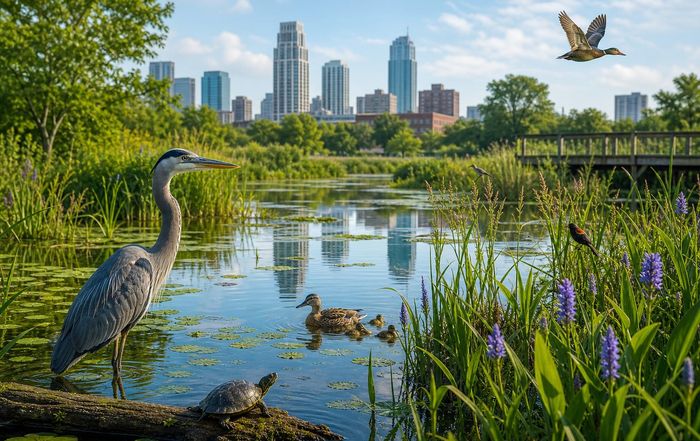
How Urban Wetlands Provide Habitat for Wildlife
Urban wetlands are emerging as some of the most surprising and hopeful spaces in modern cities, offering vital refuges for wildlife while improving the quality of life for people. As urbanization accelerates and climate risks intensify, planners, scientists, and communities are rediscovering the ecological and social value of these green-blue mosaics. For nature watching readers of Eco Natur, who are already attuned to sustainable living, biodiversity, and responsible urban development, urban wetlands represent a powerful convergence of nature conservation, climate resilience, and human well-being.
Urban Wetlands in a Rapidly Urbanizing World
Across North America, Europe, Asia, Africa, and South America, cities have historically expanded by draining, filling, or channelizing wetlands to make way for housing, roads, and industry. In many metropolitan regions, more than half of original wetlands have been lost, and in some cases much more, as documented by organizations such as Ramsar Convention on Wetlands and the United Nations Environment Programme. This loss has removed not only critical habitat for wildlife, but also natural defenses against flooding, heat, and pollution.
Over the past two decades, however, a countertrend has emerged. City governments, conservation groups, and local communities are beginning to restore and protect urban wetlands as strategic infrastructure. From New York's Jamaica Bay to London's Walthamstow Wetlands, from Singapore's Bishan-Ang Mo Kio Park to Melbourne's urban wetland systems, these spaces are increasingly recognized as essential components of sustainable cities. Readers interested in the broader context of this shift can explore how wetlands fit into sustainable living strategies and the wider sustainability agenda that Eco Natur promotes.
Defining Urban Wetlands: More Than Just "Swamps"
Urban wetlands include any marshes, swamps, bogs, fens, floodplains, mangroves, or constructed wetlands that are located within or adjacent to built-up areas and that are saturated with water for at least part of the year. They may be freshwater, brackish, or coastal, and they can be natural remnants of pre-urban ecosystems or engineered habitats designed to manage stormwater and improve water quality.
Institutions such as Wetlands International and the International Union for Conservation of Nature (IUCN) emphasize that urban wetlands should be understood not only as isolated ponds or marshes, but as nodes in a broader ecological network, connected by rivers, green corridors, and migratory pathways. In practice, this means that even relatively small urban wetlands can be ecologically significant if they are strategically located and well-managed, because they help form a mosaic of habitats that wildlife can use as stepping stones across heavily urbanized regions.
For readers of eco-natur who are already engaged with biodiversity and wildlife issues, this systems perspective is crucial, as it underlines why protecting pockets of habitat within cities can have regional or even global significance, especially for migratory species.
Habitat Diversity: Why Wildlife Thrives in Urban Wetlands
One of the most compelling reasons urban wetlands are so important for wildlife is the extraordinary habitat diversity they offer in a relatively compact area. Shallow waters, deeper pools, mudflats, reed beds, grassy banks, shrub thickets, and adjacent woodlands can coexist within a single wetland complex. This variety supports a wide range of species, each adapted to different microhabitats and water regimes.
Research summarized by organizations such as BirdLife International and the Society for Ecological Restoration shows that urban wetlands can host significant populations of birds, amphibians, fish, insects, and small mammals, including some species of conservation concern. Wading birds forage in shallow waters, ducks and geese nest in reed beds, dragonflies and damselflies breed along vegetated edges, frogs and salamanders find breeding ponds and moist refuges, while bats and swifts hunt insects over open water.
In many cities, urban wetlands have become critical stopover sites for migratory birds along flyways such as the East Atlantic Flyway, the East Asian-Australasian Flyway, and the Americas Flyways. The Convention on Migratory Species and regional bird observatories have documented how even small restored wetlands within city limits can provide essential resting and feeding grounds during long-distance migrations, especially where surrounding agricultural and natural habitats have been degraded.
Keystone Functions: Water, Food, and Shelter
Urban wetlands provide three fundamental resources that underpin their value as wildlife habitat: water, food, and shelter. Each of these is shaped by hydrology, vegetation, and management practices, and each can be enhanced or degraded by urban pressures.
Water regimes in urban wetlands can be highly variable due to stormwater pulses, altered drainage, and groundwater extraction. When carefully managed, such as through constructed wetlands designed in line with guidelines from organizations like US Environmental Protection Agency or Environment Agency (England), this variability can create dynamic habitats that support different species across seasons. Periodic flooding and drying, for example, can expose mudflats rich in invertebrates for shorebirds, while deeper permanent pools provide refuge for fish and amphibians during dry periods.
Food webs in urban wetlands are often surprisingly rich. Algae, aquatic plants, and detritus form the base, supporting invertebrates such as insect larvae, snails, and crustaceans, which in turn feed fish, amphibians, and birds. Studies reported by institutions like The Nature Conservancy and WWF highlight that when pollution is controlled and habitat complexity is maintained, urban wetlands can support diverse and productive food webs comparable to those in more remote natural wetlands, even in densely populated regions.
Shelter is provided by emergent vegetation such as reeds and cattails, submerged plants, logs, root systems, and surrounding shrubs and trees. These structures offer nesting sites, cover from predators, and microclimates that buffer temperature extremes. For mammals like otters where they still occur, and for small species such as water voles or muskrats in some regions, dense bankside vegetation and undisturbed corners of urban wetlands can provide critical breeding and resting areas, as documented by national conservation agencies and local wildlife trusts in countries including the United Kingdom, Germany, and Canada.
Urban Wetlands and Threatened Species
While urban environments are often associated with common and adaptable species, a growing body of evidence indicates that urban wetlands can support threatened or declining species under the right conditions. Conservation organizations and academic researchers have documented cases where amphibians, waterbirds, and even some fish species of conservation concern persist in or recolonize restored urban wetlands.
For example, surveys in European and North American cities reported in peer-reviewed journals and summarized by groups such as Conservation International have found that carefully designed and managed urban wetlands can sustain populations of threatened amphibians, including some salamanders and frogs sensitive to water quality and habitat fragmentation. In parts of Asia and Australia, urban mangroves and coastal wetlands have proven vital for shorebirds whose traditional stopover sites have been lost to coastal development.
However, the presence of threatened species in urban wetlands is not guaranteed and depends on factors such as connectivity to other habitats, water quality, disturbance levels, and the availability of suitable breeding and feeding sites. Reliable sources emphasize that urban wetlands should complement, not replace, the protection of large natural wetland complexes, and that urban conservation must be integrated with broader landscape-scale planning.
Readers who follow Eco Natur's coverage of wildlife conservation will recognize that urban wetlands are increasingly seen as part of a continuum of habitats, from dense city cores to peri-urban zones and rural landscapes, all of which must be considered in comprehensive biodiversity strategies.
Co-Benefits for People: Climate, Health, and Sustainable Living
Urban wetlands do much more than provide habitat for wildlife. They also deliver ecosystem services that are directly relevant to human health, safety, and quality of life, making them central to a holistic vision of sustainable living and resilient urban design.
Flood mitigation is one of the most widely recognized benefits. Wetlands act as natural sponges, absorbing and slowly releasing stormwater, reducing peak flows that can overwhelm drainage systems. This function is particularly important in cities facing more intense rainfall events, as documented by the Intergovernmental Panel on Climate Change (IPCC) and national meteorological services. By attenuating floods, urban wetlands help protect homes, infrastructure, and businesses, aligning closely with the interests of Eco Natur readers who care about sustainable and climate-resilient communities.
Water purification is another critical service. Constructed wetlands designed according to best practices from organizations such as UN-Habitat and ICLEI - Local Governments for Sustainability can remove nutrients, sediments, and pollutants from urban runoff and wastewater through physical, chemical, and biological processes. Cleaner water benefits aquatic life and reduces treatment costs for municipalities, while also improving recreational opportunities for residents.
Urban wetlands also contribute to cooling and air quality. Evapotranspiration from wetland vegetation and open water surfaces can lower local temperatures, mitigating urban heat islands, while dense vegetation can trap particulate matter and provide psychological relief from concrete-dominated landscapes. The World Health Organization and public health agencies have highlighted the mental and physical health benefits of access to green and blue spaces, including reduced stress, improved cardiovascular health, and opportunities for outdoor exercise and nature connection.
For eco-natur readers who are interested in the intersection of environment and health, urban wetlands illustrate how biodiversity-friendly infrastructure can simultaneously support wildlife and human well-being, creating a shared agenda that unites conservationists, urban planners, and public health professionals.
Integrating Urban Wetlands into Sustainable City Planning
As city authorities increasingly recognize the multifunctional value of urban wetlands, they are beginning to integrate these ecosystems into formal planning and policy frameworks. This shift aligns with broader global agendas such as the UN Sustainable Development Goals, particularly goals related to sustainable cities, climate action, and life on land and below water.
Urban wetland integration often involves rethinking conventional "grey" infrastructure. Instead of relying solely on concrete drains and pipes, many cities are adopting "nature-based solutions" and "blue-green infrastructure" approaches, in which wetlands, rain gardens, permeable surfaces, and restored rivers are used to manage water while providing habitat and recreational space. Organizations like C40 Cities and World Resources Institute have published case studies of cities in the United States, Europe, Asia, and Latin America that are implementing such strategies, highlighting both environmental benefits and economic savings.
In this context, urban wetlands become part of a sustainable economy, supporting jobs in restoration, environmental engineering, eco-tourism, and education. For example, wetland restoration projects often involve local contractors, landscape architects, ecologists, and community groups, while ongoing management can provide long-term employment and volunteer opportunities. Learn more about sustainable business practices that align with nature-based solutions and climate resilience.
The integration of wetlands into planning also requires robust legal and policy frameworks. Some countries and regions have begun to adopt "no net loss" or "net gain" policies for wetlands, while others are incorporating wetland protection into land-use plans, zoning regulations, and building codes. Internationally, the Ramsar Convention continues to promote the designation of Wetlands of International Importance, including some in or near urban areas, underscoring the global significance of these habitats.
Challenges and Pressures: Pollution, Fragmentation, and Climate Change
Despite growing recognition and positive developments, urban wetlands remain under significant pressure. Pollution from stormwater runoff, industrial discharges, and untreated sewage can degrade water quality, harming sensitive species and disrupting food webs. Excess nutrients can lead to algal blooms and oxygen depletion, while heavy metals and persistent organic pollutants can accumulate in sediments and biota. Environmental agencies and NGOs across regions such as North America, Europe, and Asia have repeatedly highlighted the need for stricter controls and better enforcement to protect wetland health.
Habitat fragmentation is another major challenge. Roads, railways, and dense development can isolate wetlands from each other and from surrounding natural habitats, limiting the movement of wildlife and reducing genetic diversity. Conservation organizations and academic researchers stress the importance of ecological corridors and buffer zones to maintain connectivity, especially for amphibians, reptiles, and small mammals that are sensitive to barriers.
Climate change adds further complexity. Sea-level rise threatens coastal wetlands and mangroves in low-lying cities, while altered precipitation patterns can lead to more frequent droughts or floods, changing hydrological regimes. The IPCC and national climate assessments indicate that some wetlands may shift in extent or type, with consequences for the species that depend on them. Adaptive management, which involves monitoring, flexible planning, and iterative adjustments, is widely recommended by scientific and policy bodies to ensure that urban wetlands can continue to function as effective wildlife habitats under changing conditions.
For Eco Natur readers concerned with recycling and pollution reduction and plastic-free lifestyles, urban wetlands offer a visible reminder of how everyday choices and systemic policies intersect. Reducing plastic waste, improving recycling, and supporting green infrastructure investments all contribute to healthier urban waterways and wetlands.
Community Engagement and Citizen Science
One of the most inspiring aspects of urban wetlands is the way they bring people and wildlife into closer contact, fostering environmental awareness and stewardship. Community-based organizations, schools, and local residents frequently play central roles in advocating for wetland protection, participating in restoration projects, and monitoring wildlife.
Citizen science initiatives, supported by platforms such as eBird, iNaturalist, and national biodiversity networks, enable volunteers to record bird sightings, amphibian calls, plant species, and other ecological data. These observations contribute to scientific understanding and inform management decisions, while also deepening participants' connection to local nature. In many cities, regular bird walks, bioblitz events, and educational programs at urban wetlands have become important avenues for environmental education.
For readers of eco-natur, who are often already engaged in sustainable practices at home and in their communities, urban wetlands provide tangible opportunities to extend that commitment to local ecosystems. Participating in habitat cleanups, supporting local conservation NGOs, or contributing to data collection can complement personal choices such as adopting zero-waste principles, choosing organic food, and advocating for greener urban design.
Designing Wildlife-Friendly Urban Wetlands
Effective design and management are crucial for ensuring that urban wetlands truly function as high-quality wildlife habitats rather than degraded or ornamental water bodies. Best practice guidance from conservation organizations, landscape architects, and ecological engineers emphasizes several key principles, which are being applied in cities across the United States, Europe, Asia, Africa, and beyond.
Hydrological design should mimic natural patterns as much as possible, allowing for seasonal fluctuations and a range of water depths. Gentle slopes, shallow shelves, and varied bathymetry create niches for different species and reduce the risk of sudden drawdowns that can strand aquatic life. Vegetation planning is equally important, with a preference for native species that support local food webs and resist invasive plants. Dense emergent vegetation, floating-leaved plants, and submerged macrophytes each play specific roles in providing habitat and improving water quality.
Edge design is particularly significant in urban contexts. Gradual transitions from water to land, featuring native shrubs and trees, can support amphibians and small mammals while also providing aesthetic and recreational value for people. Boardwalks, viewing platforms, and carefully placed paths can enable public access and enjoyment without disturbing sensitive areas, especially during breeding seasons. Learn more about nature-positive design approaches that integrate ecological and human needs.
Management must be ongoing and adaptive. Regular monitoring of water quality, vegetation, and wildlife populations allows managers to identify emerging issues such as invasive species, pollution events, or changes in hydrology. Collaboration between municipal authorities, scientists, and community groups is often essential for long-term success, ensuring that ecological objectives are balanced with recreational use, safety, and infrastructure needs.
Urban Wetlands as Symbols of a Nature-Positive Future
As cities around the world grapple with climate risks, biodiversity loss, and social inequalities, urban wetlands stand out as emblematic of a more integrated and hopeful approach to development. They demonstrate that it is possible to restore ecological function within heavily modified landscapes, to create spaces where wildlife can thrive alongside dense human populations, and to align environmental priorities with economic and social goals.
For Eco Natur, which is dedicated to promoting global sustainability perspectives and practical pathways to greener lifestyles, urban wetlands are a natural focal point. They encapsulate the interdependence of water, land, wildlife, and people, and they offer concrete examples of how cities in the United States, Europe, Asia, Africa, and the Americas are experimenting with new models of urban living.
The continued expansion and enhancement of urban wetlands will depend on informed citizens, forward-thinking businesses, and responsive governments. It will require investments in green infrastructure, stronger environmental regulations, and a commitment to integrating nature into every aspect of urban planning. It will also require everyday choices that reduce pollution, support conservation, and prioritize long-term ecological health over short-term convenience.
How Eco Natur's Community Can Support Urban Wetlands
Readers and eco partners of eco-natur are well positioned to contribute to the protection and restoration of urban wetlands in their own regions. Engaging with local planning processes, supporting organizations that advocate for wetland conservation, and participating in citizen science projects are all meaningful steps. Aligning personal lifestyles with broader environmental goals-through reduced waste, sustainable consumption, and a focus on sustainable living practices-helps reduce the pressures that urban wetlands face from pollution and overdevelopment.
At the same time, staying informed about global developments is essential. Resources from UNEP, Ramsar, IUCN, and other international bodies provide up-to-date information on wetland conservation, climate impacts, and best practices. Learning from successful examples in cities across continents can inspire local innovation and adaptation, fostering a shared sense of purpose and possibility.
Urban wetlands are not relics of a pre-urban past; they are vital components of a sustainable urban future. By recognizing their value as wildlife habitats, climate buffers, and community assets, and by integrating them into broader strategies for sustainability and resilience, cities can move toward a more harmonious relationship with the natural world. For the Eco Natur community, this represents both an invitation and an opportunity: to help shape urban landscapes where people and wildlife flourish together, and to demonstrate that even in the heart of the city, nature can thrive when given the space, respect, and care it deserves.
